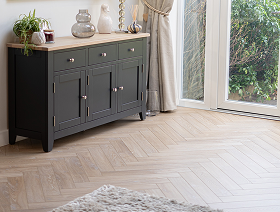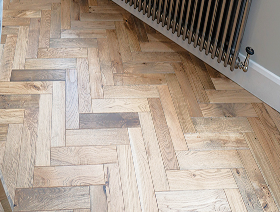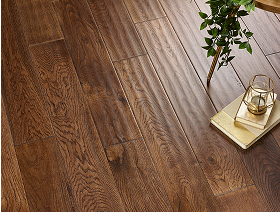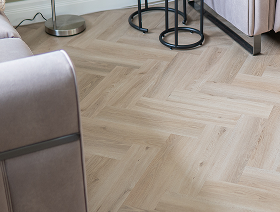
Here’s the clear main point: modular flooring systems are increasingly popular in UK homes because they solve practical, everyday problems. They allow homeowners to change or upgrade flooring with minimal disruption, lower costs, and short renovation timelines, which suits modern UK lifestyles.
This rise connects to how people live in the UK today. Smaller homes, more rentals, tight budgets, and flexible spaces have made fixed flooring less practical. Modular systems let people install, replace, or adjust sections easily, appealing to those who want control and adaptability rather than permanent solutions.
Modular flooring in UK homes is not right for every situation. It works well in flats, rentals, or light refurbishments. Yet, it has limits in durability, feel, and long-term value that often get overlooked. Knowing both sides helps you decide if it is innovative or not the right fit for you.
If you are trying to work out whether modular flooring is suitable for your home, lifestyle, and expectations, the rest of this guide explains why it has gained traction in UK homes, where it performs best, and where traditional flooring still does the job better.
Table of contents
Why Modular Flooring in UK Homes Are Gaining Popularity
The main challenge in many UK homes is not design. It is space, disruption, and cost. Smaller properties, flats, terraced houses, and rented homes make complete flooring replacement difficult. Traditional flooring often means noise, dust, time off work, and a budget that quickly gets out of control. For many homeowners and renters, changing the floor feels like a major project, even when they only want a practical upgrade. Many people end up considering alternative flooring systems after discovering common flooring mistakes homeowners regret, especially when their original choice fails to meet real living needs.

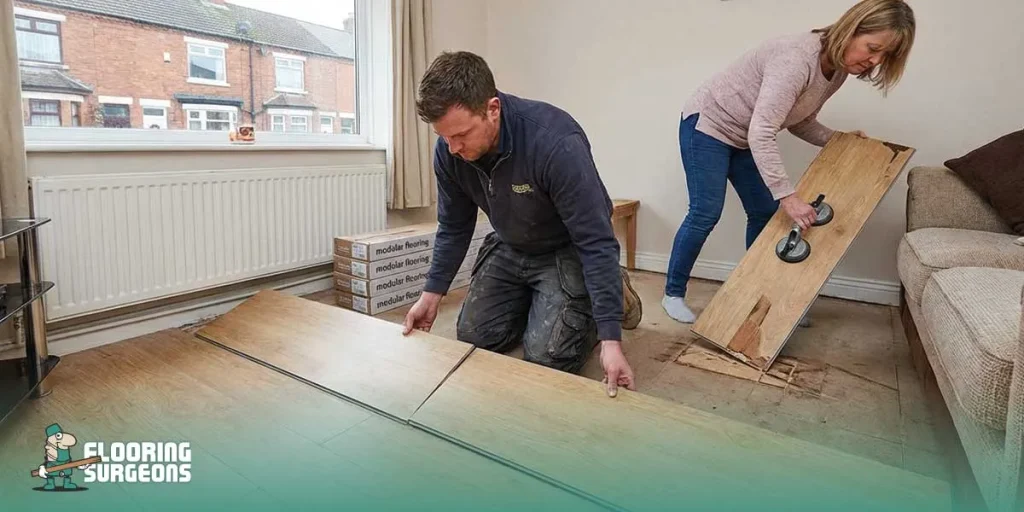
Modular flooring allows floors to be installed, replaced, or adjusted in sections rather than as one fixed surface. That makes modular flooring in UK homes far more practical for light renovations, rented properties, and spaces that change over time. Damaged areas can be replaced without lifting the entire floor, and installation usually involves far less disruption than traditional flooring systems.
Why this matters now is simple. UK housing has shifted. More people are renting for longer, living in smaller homes, and renovating in stages rather than all at once. At the same time, homeowners want flexibility and control, not permanent decisions they may regret later. Modular flooring systems UK homeowners choose today reflect how people actually live, not how homes were designed decades ago. This is why modular flooring is gaining attention now, not as a trend, but as a response to modern UK living constraints.
What Makes UK Homes a Good Fit for Modular Flooring?
UK homes have specific characteristics that make modular flooring systems a practical choice rather than a design preference. The points below explain why this type of flooring fits the reality of UK home layouts, renovation habits, and rental living. Disposal and replacement considerations differ in rented homes, and guidance about changing flooring in a rented property can help clarify tenant and landlord responsibilities before choosing a modular floor system.
- Smaller living spaces and adaptable layouts
Many UK homes, mainly flats and terraced houses, have limited space and multi-use rooms. Modular flooring in UK homes works well in these settings because sections can be fitted, replaced, or reconfigured without lifting an entire floor. This flexibility supports changing room layouts and evolving living needs.
- Renovation with minimal disruption
Home renovations in the UK are often done in stages rather than as a complete rebuild. Modular flooring systems reduce noise, dust, and downtime compared to traditional fixed flooring. This makes them suitable for occupied homes where long installation periods are not realistic. For homeowners who want flexibility without committing to a modular system, luxury vinyl flooring is often considered a low-disruption alternative suited to modern UK homes.
- Rental properties and temporary living
With more people renting long-term, flooring choices need to balance appearance, durability, and reversibility. Modular flooring that UK renters and landlords choose allows damaged sections to be replaced easily and avoids permanent changes that can cause disputes at the end of a tenancy.
- Easier maintenance and targeted replacement
Instead of removing an entire floor, modular systems allow individual sections to be repaired or replaced. This is especially useful in high-traffic areas common in UK homes, such as hallways and open-plan living spaces.
- Budget control for real households
Many UK homeowners prefer gradual upgrades over significant one-off expenses. Modular flooring systems for homes support phased installation and replacement, helping manage costs without committing to a complete flooring overhaul.
Modular Flooring in the UK: How It Differs from Traditional Flooring
Modular flooring is not a new material. It is a different system of installing and managing flooring. The key difference is that modular flooring consists of individual sections, or modules, that work together, while traditional flooring is installed as a fixed, continuous surface that is not designed to be easily dismantled. This difference changes how flooring behaves over time, especially in genuine UK homes where layouts change, wear is uneven, and renovations are often done in stages. For those weighing their flooring options further, comparisons such as engineered wood vs laminate flooring help clarify the practical differences in installation, maintenance, and long-term performance.

Modular Flooring vs Fixed Flooring Systems
| Aspect | Modular Flooring Systems | Traditional Fixed Flooring |
| Structure | Individual modules or sections | Continuous, fixed surface |
| Replacement | Single damaged sections can be replaced | Often requires lifting large areas |
| Flexibility | Designed for change and adjustment | Designed to stay in place permanently |
| Disruption during changes | Low | High |
| Suitability for UK homes | High for flats, rentals, phased renovations | Better for long-term permanent installs |
The core idea behind modular flooring systems UK homeowners use is control. You are not committing to one permanent layout or surface for the entire lifespan of the floor.
Installation, Replacement, and Reconfiguration Differences
| Scenario | Modular Flooring | Traditional Flooring |
| Initial installation | Faster, often less disruptive | Slower, more preparation required |
| Replacing damaged areas | Replace only affected modules | Large sections may need removal |
| Changing room layout | Modules can be lifted or rearranged | Flooring usually has to be cut or replaced |
| Living in the property during work | Usually possible | Often difficult |
| Long-term adaptability | High | Low |
In simple terms, traditional flooring is built to stay put, while modular flooring in the UK is built to adapt. That is why modular systems are gaining attention in UK homes where flexibility, minimal disruption, and phased renovation matter more than a once-and-done installation.
When Modular Flooring Works Well and When It Does Not
This is the point where most articles avoid being honest. Modular flooring is not a universal upgrade. It performs exceptionally well in specific UK living scenarios and underperforms in others. Knowing the difference is what leads to a good decision.

Ideal Scenarios for Modular Floor Systems
Modular flooring systems work best when flexibility and low disruption matter more than permanence.
Flats and smaller UK homes
In apartments, maisonettes, and terraced houses, modular flooring UK homeowners choose reduces installation disruption and allows targeted replacement in high-traffic areas.
Rental properties
Modular flooring is ideal for rented homes where damage needs to be repaired without replacing the entire floor. Individual modules can be swapped, helping landlords control maintenance costs and tenants avoid disputes.
Phased or light renovations
If flooring upgrades are done room by room or over time, modular flooring in UK homes allows gradual installation without committing to a complete renovation upfront.
Homes with changing layouts
Open-plan living, home offices, or reconfigured spaces benefit from modular systems that can adapt without cutting or removing large floor sections.
Areas with uneven wear
Hallways, kitchens, and entry points are more prone to damage. Modular flooring allows localised replacement, which is one of its most substantial practical advantages.
Situations Where Traditional Flooring Is the Better Choice
Traditional flooring still makes more sense when long-term permanence and finish quality are the priority.
- Forever homes with fixed layouts
If you expect the floor to remain unchanged for decades, traditional flooring provides a more continuous, settled result.
- High-end finish expectations
Solid wood or premium engineered flooring offers a seamless look and feel that modular systems may not fully replicate.
- Large, uninterrupted spaces
In broad open areas, traditional flooring often delivers better visual continuity and underfoot consistency.
- Noise and acoustic sensitivity
Some modular flooring systems can introduce sound issues if not installed carefully. Traditional flooring often performs better acoustically in quiet environments.
- Where maximum durability is required
Heavy-use environments may benefit from fixed flooring systems designed for long-term structural stability.
Modular flooring systems are an innovative solution for flexible, modern UK living, not a replacement for every traditional floor. They shine where adaptability, maintenance control, and low disruption matter most, and fall short where permanence and premium finish are the main goals. In homes where a fixed layout and long-term stability are the priority, options like modern laminate flooring can offer a more settled solution without the complexity of modular systems.

The Real Benefits of Modular Flooring in UK Homes
The benefits of modular flooring become clear when you look at how UK homes are actually used day to day. These advantages are practical, not promotional, and they matter most in lived-in spaces rather than show homes.
Easier Replacement and Ongoing Maintenance
One of the most substantial benefits of modular flooring systems is their ease of maintenance over time. Instead of lifting large sections of flooring when damage occurs, individual modules can be removed and replaced. This is particularly useful in UK homes where wear is uneven, such as hallways, kitchens, and entrances. Maintenance stays local, is faster, and is more affordable than traditional fixed flooring.

Design Flexibility as Living Needs Change
Modern UK living is rarely static. Rooms change purpose, layouts evolve, and priorities shift. Modular flooring in UK homes supports this reality by allowing sections to be adjusted or replaced without committing to a complete redesign. This makes modular flooring suitable for people who expect their space to change over time, whether that means adding a home office, reworking an open-plan area, or updating part of the floor without starting from scratch.
Reduced Waste During Home Renovations
Traditional flooring replacement often means removing and discarding large amounts of material, even when only part of the floor is worn or outdated. Modular flooring systems help reduce unnecessary waste by allowing targeted replacement. This approach aligns well with renovation habits in the UK, where homeowners increasingly prefer practical upgrades that limit disruption, cost, and material waste rather than full-scale removals.
Limitations and Trade-Offs to Consider Before Choosing Modular Flooring
Modular flooring systems solve real problems in UK homes, but they also come with clear trade-offs. Understanding these limitations upfront is what separates a wise choice from a future regret. Before choosing a new flooring solution, it helps to recognise the signs that you have chosen the wrong flooring, so you understand whether modular flooring is truly the right next step.

Durability Compared to Permanent Flooring Systems
The durability of modular flooring depends heavily on product quality and installation. While many systems perform well in everyday residential use, they are generally not designed to last decades without change, unlike traditional fixed flooring. In high-impact environments or homes with long-term permanence in mind, durability expectations need to be realistic. Where finish quality and long-term durability matter more than flexibility, engineered flooring options may be a better fit than modular flooring systems.
Cost Over Time vs One-Time Installation Value
At first glance, modular flooring systems in the UK can seem cost-effective due to faster installation and reduced disruption. However, over the long term, the total cost can increase if multiple sections need to be replaced. Traditional flooring often involves a higher upfront cost but can deliver better long-term value in homes where change is unlikely.
Acoustic Performance and Underfoot Feel
Sound and feel are often overlooked until after installation. Some modular flooring systems can produce more noise or movement underfoot if not installed carefully or paired with the proper subfloor preparation. Traditional flooring typically offers a more solid and continuous feel, which matters in homes sensitive to noise or vibration.
Visual Continuity and Finish Expectations
While modern modular flooring has improved significantly, it may not consistently achieve the seamless visual finish expected from premium traditional flooring. In large, open spaces or design-led interiors, this difference can be noticeable and should be considered before committing.
Is Modular Flooring a Long-Term Shift or a Passing Trend in the UK?
Modular flooring systems are unlikely to be a short-lived trend, but they are also not a replacement for every traditional flooring solution. Their growth in the UK is tied to long-term changes in how people live rather than temporary design preferences. Smaller homes, extended renting, phased renovations, and a stronger focus on flexibility have created conditions where modular flooring makes practical sense. What makes this shift sustainable is not style, but function. Modular flooring in UK homes responds to real constraints, such as limited space, reduced tolerance for disruption, and the need to adapt interiors over time. These pressures are not diminishing, suggesting modular systems will continue to play a role in residential flooring decisions.
At the same time, modular flooring will remain a situational choice rather than a universal standard. Traditional flooring still offers advantages in permanence, finish quality, and long-term durability that many homeowners value. As a result, modular flooring is best seen as an expanding option within the market rather than a total replacement for established systems. In simple terms, modular flooring is becoming part of the UK flooring landscape because it fits modern living patterns, not because it is fashionable. Its future lies in solving specific problems well, not in replacing every floor. Decisions like these are often guided by real-world experience, which is why insights from professional flooring experts such as Flooring Surgeons can be useful when weighing flexible flooring systems against traditional options.

Haniye Ayanmanesh
As an expert writer for Flooring Surgeons, I combine technical SEO knowledge with a practical understanding of flooring, producing content that helps users make confident decisions while supporting long-term organic growth.