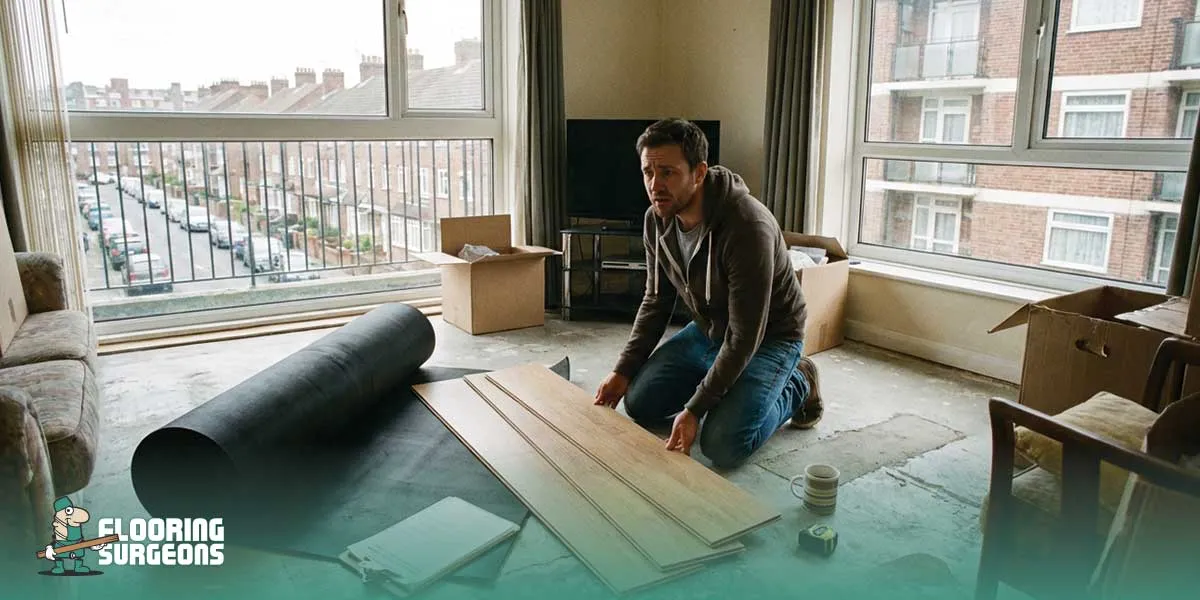




Before jumping into the installation of laminate flooring, one of the first steps that should be completed is acclimating laminate flooring. Does laminate flooring need to acclimate before installation? The short answer is, it sure does! Acclimating laminate flooring is a crucial step in the installation process, and many people neglect it, which can lead to problems with their flooring down the road.
Allowing laminate flooring to acclimate before installation ensures that the flooring will be in optimal condition for installation. Acclimating laminate flooring to the temperature and humidity of the room where it will be installed can help prevent expansion or contraction after installation, which can cause a variety of problems.
Acclimating your laminate flooring is important, and failure to do so could result in having to repair or replace your flooring at a later time. In the next few sections, we will discuss more about why it’s necessary to acclimate flooring laminate, how to acclimate it, and how acclimating laminate can affect the overall installation process.
Why Acclimation Matters in Laminate Flooring Installation?
Acclimating laminate before installation is an essential step in the process of laying your new flooring, and here’s why. Laminate flooring is constructed in layers, with a core layer that is sensitive to temperature and humidity changes. Failure to allow the flooring to adjust to the room’s conditions can result in difficulties after installation.
Acclimating laminate flooring ensures that the boards have expanded or contracted according to the temperature and humidity of the room before they are fixed in position. This prevents unsightly gaps or buckling from occurring as the flooring acclimates to its new environment. Proper acclimation of laminate flooring allows the material to stabilize and reduces the risk of future problems.
The recommended time to acclimate the laminate is 24 hours before installation. During this period, the laminate should be placed in the room where it will be installed, and the boxes should be opened to allow air to circulate. This simple step is vital in helping the laminate flooring adjust to the specific conditions of the room, allowing for a smooth and trouble-free installation.
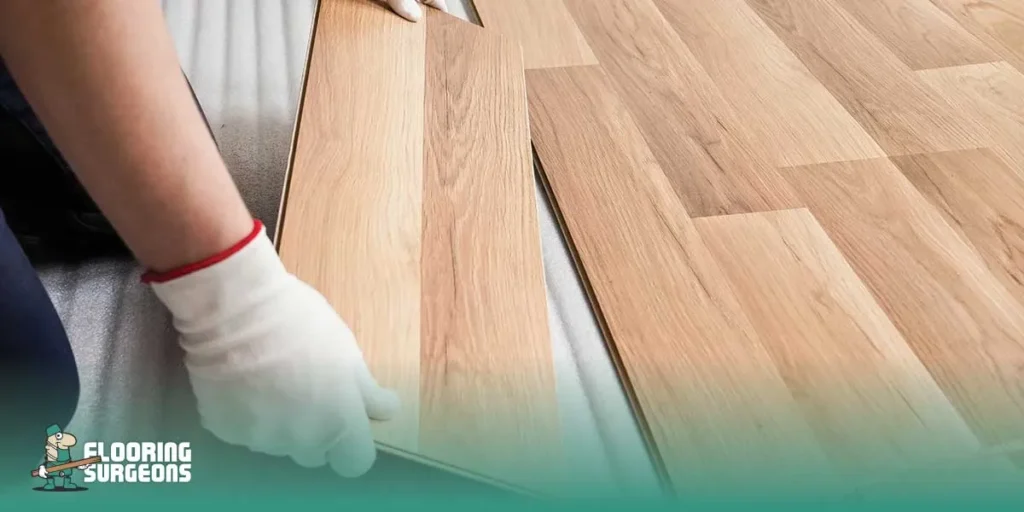
Understanding the Impact of Humidity and Temperature on Laminate Flooring
Installing laminate flooring requires an understanding of how the material is affected by humidity and temperature. Laminate is a manmade flooring material, but it’s not immune to the effects of your local environment. That’s why laminate flooring acclimation is so important, and also the reason for this guide. Acclimating laminate flooring is one of the best ways to make sure that your installation will be as trouble-free as possible.
Effects of Humidity on Laminate Flooring
Humidity plays a significant role in the performance of laminate flooring. High humidity can cause the boards to expand, while low humidity can make them contract. This movement can lead to gaps, warping, or buckling once the floor is installed. When laminate is exposed to moisture, the core layer can absorb it, which disrupts the balance of the material.
Acclimate flooring laminate before installation to allow the boards to stabilize in the room’s humidity levels. If this step is skipped, the flooring could react adversely to changes in moisture, resulting in a compromised installation.
Recommended Humidity Levels for Laminate Flooring
For optimal laminate flooring acclimation, it’s important to maintain the right humidity levels during installation. The recommended relative humidity range for laminate flooring is between 30% and 50%. This ensures that the boards are not too dry or too moist before installation, reducing the risk of expansion or contraction.
How to acclimate laminate wood flooring involves not only letting the flooring sit in the room for at least 24 hours, but also ensuring the room’s humidity falls within this ideal range. By doing so, you are setting up the conditions for a successful installation and long-term floor performance.
How Temperature Affects Laminate Flooring?
Just like humidity, temperature affects laminate flooring’s stability. Extreme temperatures can cause the boards to expand or contract, which can lead to noticeable gaps or buckling. Laminate flooring performs best when the room temperature is kept between 60 °F and 80 °F (15 °C to 27 °C).
To ensure laminate flooring acclimation, make sure the temperature in the room is stable during the acclimation period. This will allow the laminate to adjust properly to the environment it will be installed in, preventing future issues.
Managing Humidity and Temperature in the Installation Environment
Controlling humidity and temperature in the room is key to the successful installation of laminate flooring. The room should be climate-controlled and not overly humid or hot. In addition to helping laminate flooring acclimate, this will also improve the stability and appearance of the floor over time.
Use a hygrometer and thermometer to check the humidity and temperature before beginning installation. If either is not in the recommended range, you may need to adjust the climate in the room. A humidifier or dehumidifier can be used to increase or decrease the moisture in the air. By maintaining a consistent temperature and controlling the humidity in the room, your laminate flooring will perform well and look good for years.

What Is Laminate Flooring Acclimation?
Laminate flooring acclimation is the process of allowing laminate planks to adjust to the temperature and humidity of the room where they will be installed. This step helps the materials reach equilibrium with the surrounding environment, preventing future problems such as warping, buckling, or gaps.
Acclimating laminate flooring ensures the stability and longevity of your installation, particularly in environments with fluctuating climate conditions.
Why Acclimate Laminate Flooring Before Installation?
Laminate flooring is made from composite wood materials that naturally expand and contract with changes in moisture. If laminate planks are installed straight out of packaging without proper acclimation, you risk:
- Expansion and buckling due to excess moisture absorption
- Gapping or shrinking occurs if the planks lose moisture after installation.
- Uneven flooring caused by inconsistent plank adjustment
- Shortened lifespan of the flooring system
Proper acclimation is essential—especially when using supportive materials like Flooring Underlay for Laminate Flooring, which also plays a role in moisture control and stability.
Steps to Properly Acclimate Laminate Flooring
Before you start the installation, it’s essential to acclimate laminate flooring before installation. Flooring acclimate before install is a critical step that ensures your laminate planks adjust to the room’s temperature and humidity. By following these effective steps, you can ensure your laminate floors are fully acclimated and ready for a smooth, long-lasting installation:
1. Stabilize the Indoor Environment
Keep the room temperature between 18–29 °C (65–85 °F) and the relative humidity between 35–65%.
Make sure heating or cooling systems are operating before bringing the laminate into the room.
2. Move the Laminate Into the Installation Room
Place all unopened boxes of laminate flooring in the exact room where installation will occur.
Store them in a dry, shaded area away from direct sunlight.
3. Lay Boxes Flat on the Floor
Set the boxes horizontally and flat on the floor.
Avoid standing boxes on their edges, as this may distort the planks.
4. Allow Air Circulation Around the Boxes
Arrange the boxes with small 1–2 cm gaps between them.
Do not stack them too tightly—proper airflow helps the acclimation process.
5. Do Not Open the Packaging Yet
Keep the planks inside their sealed boxes during acclimation.
Opening the packaging early may cause uneven moisture absorption.
6. Acclimate the Underlayment as Well
If you’re using Flooring Underlay for Laminate Flooring, store it in the same room during the acclimation period.
The underlayment must adjust to the same temperature and humidity conditions as the laminate planks.
7. Maintain Conditions for the Full Acclimation Period
Let the laminate sit in this stable environment for 48–72 hours.
Check manufacturer guidelines, as some brands may recommend a slightly different acclimation time.
| Step | Description | Key Notes |
| 1. Stabilize the Indoor Environment | Keep the room temperature between 65–85°F (18–29°C) and the relative humidity between 35–65%. | Make sure heating or cooling systems are running before bringing the laminate inside. |
| 2. Move the Laminate Into the Installation Room | Place all unopened boxes in the exact room where the flooring will be installed. | Keep the boxes in a dry area, away from direct sunlight. |
| 3. Lay Boxes Flat on the Floor | Store the laminate boxes horizontally and flat. | Avoid placing boxes upright or on their edges. |
| 4. Allow Air Circulation Around the Boxes | Leave small gaps (about 1–2 cm) between boxes for airflow. | Tightly stacking the boxes limits air exchange and slows acclimation. |
| 5. Do Not Open the Packaging Yet | Laminate planks should stay inside their packaging during acclimation. | Opening the boxes too early can cause uneven moisture absorption. |
| 6. Acclimate the Underlayment as Well | If you’re using Flooring Underlay for Laminate Flooring, store it in the same room. | Underlayment should match the same climate conditions as the laminate. |
| 7. Maintain Conditions for the Full Acclimation Period | Keep the flooring in this stable environment for 48–72 hours. | Some brands may recommend slightly shorter or longer acclimation times. |
How Long Does Laminate Flooring Need to Acclimate?
Most laminate flooring requires 48–72 hours of acclimation before installation.
However, the exact laminate flooring acclimation time depends on:
- Room humidity level
- Temperature stability
- Brand/manufacturer recommendations
- Seasonal climate differences
Always check manufacturer guidelines—some premium laminate products may only need 24 hours, while others advise up to 96 hours.

Common Mistakes During the Acclimation Period
Avoid these typical errors that often lead to flooring issues:
- Opening the boxes too early increases the risk of moisture imbalance
- Stacking boxes tightly without airflow – slows acclimation.
- Storing flooring in another room results in mismatched adjustments
- Skipping climate control – extreme conditions disrupt acclimation.
- Installing flooring immediately after delivery – a major cause of buckling
By avoiding these mistakes, your laminate flooring installation becomes smoother and far more durable.
Checking the Subfloor: Moisture & Suitability Before Laminate Acclimation
Before you acclimate flooring laminate or begin installation, ensuring that the subfloor is dry, flat, and structurally sound is essential. A poor subfloor foundation can cause long-term problems such as gaps, buckling, and uneven surfaces—even if the laminate itself has been properly acclimated.
Assessing Moisture Levels Before Laminate Acclimation
Laminate flooring is highly sensitive to humidity. Before placing the planks or allowing them to acclimate, laminate flooring, use a moisture meter to check the following:
- Concrete subfloors: Must fall within manufacturer-approved moisture ranges.
- Wood subfloors: Should show consistent, stable moisture readings across the room.
Moisture that is too high interrupts the acclimation process and increases the risk of future damage.
Confirming Subfloor Suitability for Laminate Installation
A suitable subfloor must be:
- Level within acceptable tolerances
- Clean and free of dust or adhesives
- Stable, without squeaks or loose boards
Correcting any surface issues before installation helps ensure the laminate can acclimate properly and perform well over time. Many professional installers, including Flooring Surgeons, emphasize subfloor preparation as a critical part of achieving a long-lasting result.
How Acclimation Affects the Long-Term Performance of Laminate?
Acclimation is one of the most important factors in ensuring laminate flooring performs well for years. Whether you follow the standard 48–72 hour guideline or choose a shorter period, such as acclimate laminate 24 hours (only if the manufacturer allows it), the goal remains the same: let the planks adjust to the room’s environment.
Prevents Warping and Buckling
If flooring does not acclimate before installation, it may expand after being locked into place, causing lifting or buckling. Allowing the planks to adjust beforehand minimizes these risks.
Reduces Gaps and Shrinkage
Humidity changes can cause the laminate to contract. Proper acclimation ensures the planks already match the room’s climate, reducing the chances of noticeable gaps forming between boards.
Improves Overall Durability
Understanding how long laminate flooring needs to acclimate before installation directly impacts how stable and long-lasting the floor will be. Following the recommended acclimation time allows the locking system to seat properly and remain secure.
Helps Maintain Warranty Coverage
Most manufacturers require the acclimation of laminate flooring as part of their installation standards. Skipping or shortening this step may compromise performance and void the warranty.
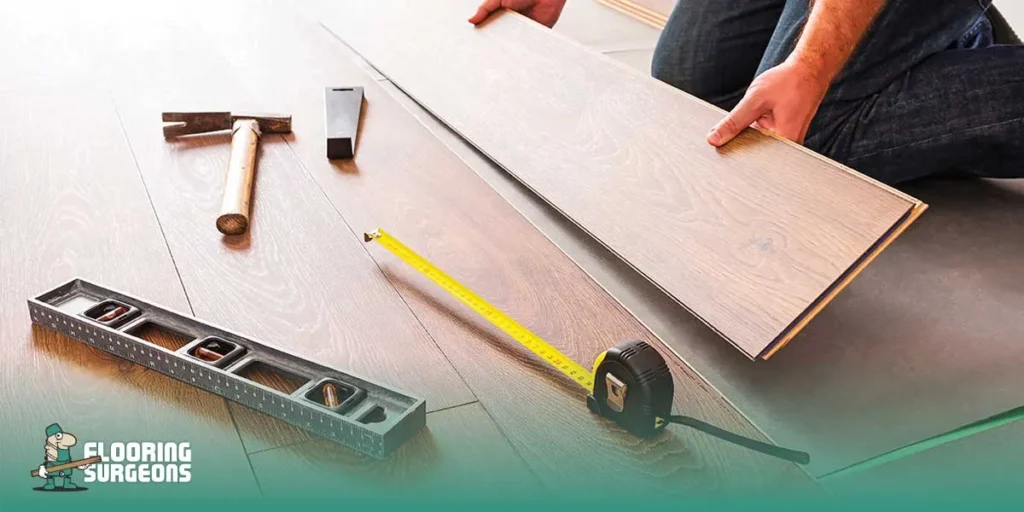
Brief Look: What Happens If You Skip Acclimation?
Skipping the acclimation step may seem like a small time saver, but the consequences can be costly. When you don’t acclimate flooring laminate, the planks haven’t yet adjusted to the room’s temperature and humidity—conditions that directly affect their size and stability. As a result, once installation is complete, the flooring may begin expanding or shrinking in unpredictable ways.
Common issues include:
- Buckling or lifting as planks expand after installation
- Gapping between boards due to sudden contraction
- Uneven surfaces caused by tension within the locking system
- Creaking or shifting noises as boards move against one another
- Voided warranties, since most manufacturers require acclimation
Many homeowners ask: Do laminate floors need to acclimate before installing? The short answer is yes. Even if the manufacturer allows shorter periods—such as how to acclimate laminate flooring in 24 hours—you should still make sure the material reaches full environmental equilibrium.
Understanding how long laminate flooring needs to acclimate before installation and sticking to the recommended timeline ensures the flooring settles naturally and avoids structural issues later.
Final Thoughts & Best Practices
Acclimating laminate flooring is one of the simplest ways to prevent long-term issues such as warping, gaps, and uneven boards. If you’ve ever asked, does laminate flooring have to acclimate before installing, or Do laminate floors need to acclimate before installing, the answer is always yes. Allowing the planks to acclimate to the flooring laminate for 48–72 hours or following the manufacturer’s exact guidance is essential for a stable installation.
Best Practices for Acclimating Laminate Flooring
- Follow proper guidelines on how to acclimate laminate flooring to ensure the planks adjust correctly.
- Maintain consistent room temperature and humidity during the entire flooring acclimate before the installation process.
- Keep boxes sealed, stored flat, and spaced out for airflow.
- Check your specific product instructions regarding how long laminate flooring needs to acclimate before installation to avoid moisture-related problems.
A short acclimation period may feel like a delay, but it guarantees a smoother installation and a floor that performs beautifully for years.