

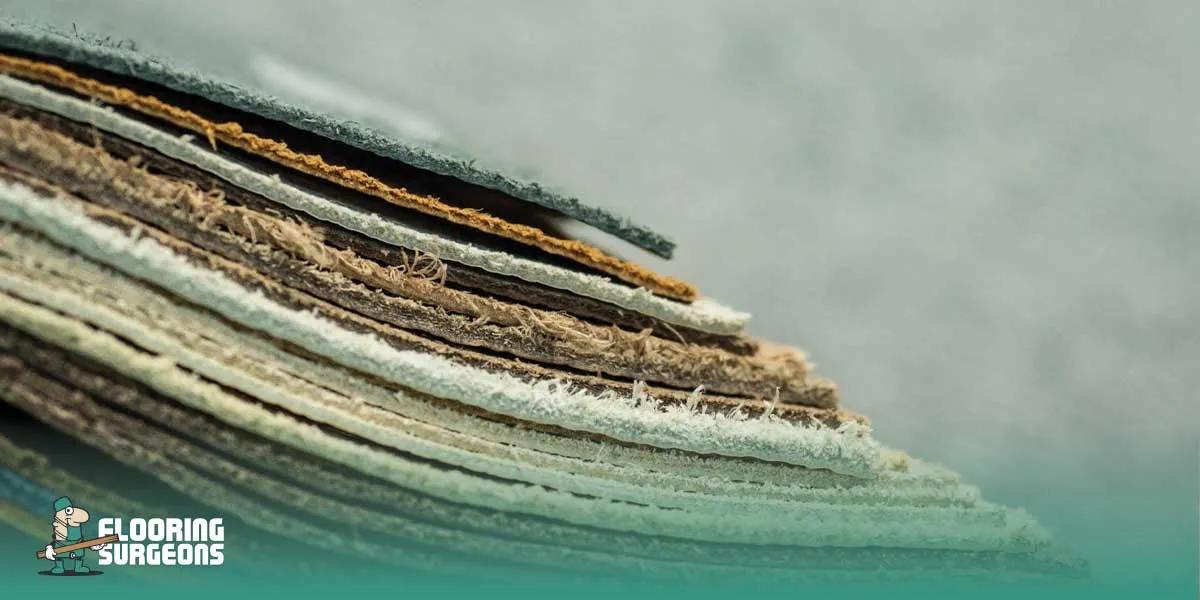
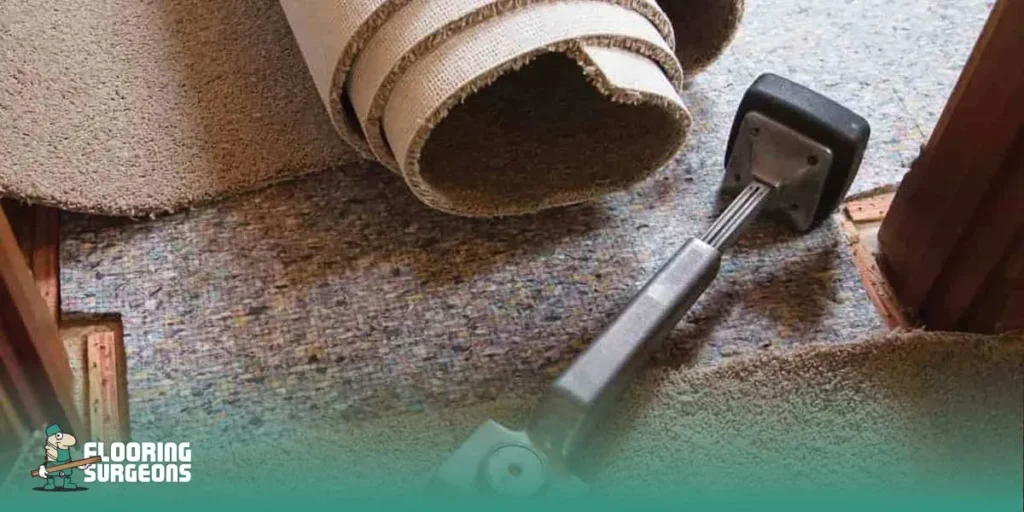
Every beautiful floor relies on a hidden layer that enhances comfort and performance: the underlay. Positioned between the subfloor and your flooring, it absorbs impact, reduces noise, protects against moisture, and improves long-term durability. While the subfloor is the solid structural base, the underlay or underlayment is the softer layer that boosts insulation, sound control, and overall stability.
Choosing the right option is essential. A poor choice can create hollow sounds or uneven wear, while the right one delivers a warmer, quieter, and more premium feel underfoot.
In this guide, we break down the different types of underlay, explaining where each one fits best and how they compare to other types of underlayment used for laminate, vinyl, engineered wood, and carpet. By the end, you’ll know exactly which underlay will give your space the comfort and quality it deserves.
Table of contents
PU Foam Underlay | Lightweight, Cushioned Comfort
If you’re after a soft, comfortable, and energy-efficient foundation for your floors, PU foam underlay is one of the most versatile and popular options available today. Made from recycled polyurethane foam, this underlay delivers exceptional comfort underfoot without compromising support. Its lightweight yet resilient structure makes it ideal for bedrooms, living rooms, and lounge areas, where underfoot softness and warmth matter most.
PU foam underlay works like a silent comfort layer, absorbing foot impact, reducing noise between floors, and adding a subtle cushioning effect that makes laminate or engineered flooring feel noticeably more luxurious. The foam’s thermal insulation also helps retain warmth, reducing heat loss through your subfloor, a detail many homeowners overlook until they experience the difference.
Another significant advantage is its sustainability: PU foam underlay is often made from recycled offcuts of furniture and upholstery foam, so you get eco-conscious performance without sacrificing quality. It’s flexible, easy to install, and designed to recover quickly from compression, helping prevent soft spots from forming over time.
That perfect balance between comfort and performance has made PU foam underlay one of the top choices among Flooring Surgeons customers, particularly for homes where comfort, warmth, and quiet elegance are priorities. Whether you’re upgrading your bedroom or living area, it’s the go-to choice for everyday comfort that lasts.
Crumb Rubber Underlay | Durable & Eco-Friendly
For high-traffic areas that demand strength, sound insulation, and sustainability, crumb rubber underlay sets the standard. Crafted from recycled car tyres, this dense underlay offers exceptional durability and environmental responsibility in one smart package. Unlike softer foam options, crumb rubber underlay is built for endurance; it resists flattening under pressure. It maintains consistent support even in heavy-use areas like hallways, stairs, and commercial spaces.
One of its greatest strengths lies in its acoustic insulation. The dense rubber particles absorb impact noise far more effectively than traditional foam underlays, making it an excellent option for multi-storey homes or apartment buildings where noise control is essential. It’s also resistant to moisture and temperature changes, providing reliable stability across seasons.
Beyond durability, crumb rubber underlay is a sustainability champion. Reusing old tyres that would otherwise end up in landfills helps reduce waste and environmental impact, aligning perfectly with the growing trend of eco-friendly flooring solutions.
In short, this type of underlay is the powerhouse of flooring support: dense, stable, and planet-friendly. If you want long-term resilience with a conscience, crumb rubber underlay deserves a top spot in your project plan.
Sponge Rubber Underlay | Classic Comfort That Lasts
Among the different types of underlayment, sponge rubber underlay stands out as a timeless favourite that has proven its worth for decades. Softer and lighter than crumb rubber yet still impressively resilient, this underlay delivers a perfectly balanced mix of comfort, flexibility, and durability, making it an excellent choice for carpets and laminate flooring in both residential and commercial settings.
What makes sponge rubber unique is its dual-layer structure and ability to combine cushioning comfort with structural integrity. Unlike crumb rubber, which feels firm and dense underfoot, sponge rubber offers a gentler “give” and a soft bounce that feels plush without compromising support. It’s particularly appreciated in living rooms and bedrooms, where that extra layer of underfoot comfort enhances the overall feel of the space.
There are two main styles of sponge rubber underlay to consider:
- Waffle Sponge Underlay: Features a grid-like design that traps air, creating a springier feel and superior thermal insulation. It’s perfect for rooms where warmth and comfort are priorities.
- Flat Sponge Underlay: Offers a denser, smoother base with excellent support and durability, ideal for high-traffic areas or under laminate floors that need a stable foundation.
Sponge rubber underlay also performs well acoustically and thermally, helping reduce both impact sound and heat loss. Its long lifespan, ease of installation, and consistent performance make it a reliable classic one that continues to be trusted by installers and homeowners alike. For anyone seeking a well-balanced underlay that offers both luxury and longevity, sponge rubber remains a solid investment.
Acoustic Underlay | Best Underlayment for Sound Insulation
When peace matters just as much as aesthetics, acoustic underlay is the best underlayment for flooring. Explicitly designed to reduce both impact noise (like footsteps or dropped objects) and airborne noise (such as voices or TV sounds), this high-performance underlay is ideal for apartments, offices, and multi-storey homes where sound control is essential.
The secret lies in its composition: acoustic underlays are often made from high-density foam, rubber, or cork composites, engineered to absorb vibrations and prevent sound from travelling through the subfloor. They’re rigorously tested for dB reduction, meaning their soundproofing capability is scientifically measured and rated, typically achieving 18-22 dB of reduction in domestic settings.
Beyond noise control, acoustic underlay also adds a layer of comfort and protection beneath laminate, engineered wood, or LVT flooring. It minimises subfloor imperfections and helps maintain even pressure across planks, reducing wear over time. In open-plan homes or office environments, this can make a noticeable difference in acoustic comfort and flooring longevity.

Thermal Underlay | Built for Heat & Comfort
If you’ve ever walked barefoot across a cold floor on a winter morning, you already understand the value of a good thermal underlay. This type of underlay is specifically designed to retain heat, making rooms feel warmer and more comfortable while reducing your overall energy use. It acts as an insulating barrier between your subfloor and surface flooring, stopping heat from escaping through the ground and helping your home stay consistently cosy.
The key to understanding thermal performance lies in the TOG rating. In simple terms, the higher the TOG number, the greater the insulation. For example, a thermal underlay with a TOG rating of 2.5 or above provides excellent heat retention, perfect for chilly rooms or properties built on concrete slabs. However, balance is essential: if you have underfloor heating, you’ll need a low-TOG underlay (usually under 0.35 TOG) to allow heat to pass through efficiently.
Thermal underlays are often made from PU foam, sponge rubber, or felt, all of which trap air pockets to create natural insulation. They don’t just make your floor feel warmer; they also improve acoustic comfort by softening sound and reducing impact noise. This dual benefit makes them especially popular in bedrooms, living rooms, and basement conversions where both warmth and quiet matter.
A well-chosen thermal underlay can actually lower your heating bills by minimising heat loss through the floor. So if you’re installing new flooring in a cold or ground-level room, choosing a thermal-rated underlay is one of the smartest long-term upgrades you can make, subtle in appearance but powerful in effect.
Where Each Type of Flooring Underlay Works Best
With so many types of flooring underlay available, it can be tricky to know which one best suits each space. The truth is, every underlay material has its own strengths, from acoustic comfort to thermal insulation or durability, and the right match depends on your flooring type, subfloor condition, and room use.
Here’s a quick reference to help you decide which underlay works best for each environment:
| Type of Underlay | Best For | Key Benefits | Avoid In |
| PU Foam Underlay | Bedrooms, Living Rooms | Lightweight, soft, warm, energy-efficient | Wet areas (bathrooms) |
| Crumb Rubber Underlay | Hallways, Stairs, High-Traffic Areas | Durable, soundproof, eco-friendly | Uneven subfloors |
| Sponge Rubber Underlay | Living Areas, Carpets | Classic cushioning, long lifespan | Heavy commercial use |
| Acoustic Underlay | Flats, Offices, Upper Floors | Excellent noise reduction | Outdoor or damp areas |
| Thermal Underlay | Cold Rooms, Concrete Floors | Heat retention, energy efficiency | With underfloor heating (if high TOG) |
| Vinyl Underlayment | Kitchens, Bathrooms | Moisture-resistant, thin, stable | Uneven or bumpy subfloors |
| Felt or Cork Underlay | Wooden Subfloors | Breathable, natural insulation | Moisture-prone zones |
Pro Tip: For engineered wood floors, choose an underlay that balances thermal insulation and acoustic absorption, such as high-density PU foam or a cork-based option. These provide warmth without compromising stability or sound control.
Explore our detailed guide to Underlay for Engineered Flooring for more advice on pairing the perfect base layer with your flooring type.
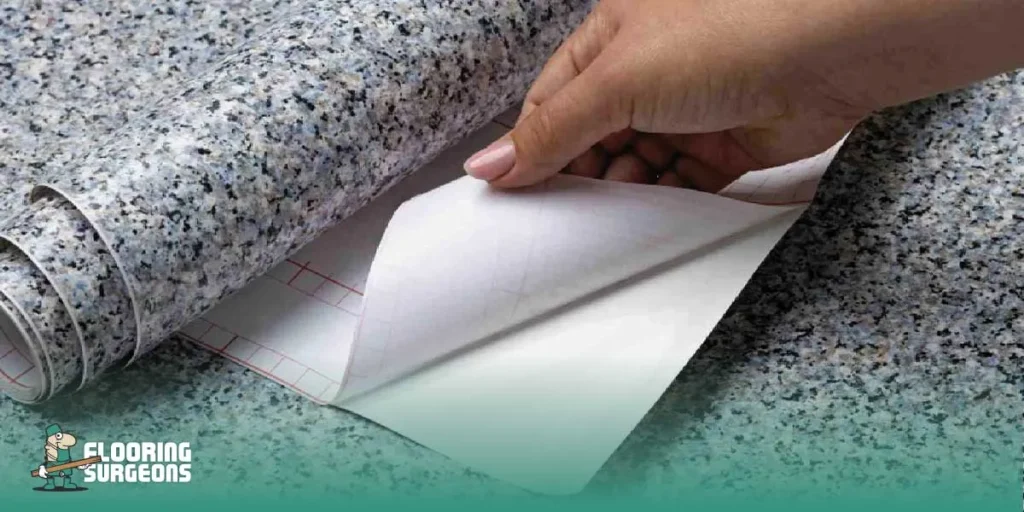
What Is the Best Underlay for Each Flooring Type?
Finding the best underlay depends entirely on your flooring material, subfloor type, and the performance you want from your floor. There’s no such thing as a “one-size-fits-all” solution each floor covering needs a different balance of support, soundproofing, moisture protection, and thermal performance. This is especially true when comparing the different types of underlay for laminate flooring, hardwood floors, or solid wood installations.
For example, laminate flooring benefits from acoustic and moisture-resistant layers, while engineered wood requires a thermally balanced underlay that still allows natural expansion. Solid wood, on the other hand, needs maximum stability — meaning density and firmness are more critical than softness, which is why many homeowners search for the best type of underlay for wood.
Let’s break down the types of flooring underlay and find the right option for every primary floor type.
Best Underlay for Laminate Flooring
When selecting the right types of underlayment for laminate flooring, it’s important to consider factors like noise reduction, moisture protection, and overall floor stability. Many homeowners compare the different types of underlay for laminate flooring to achieve the best balance of performance.
The best underlay types for laminate are:
- Silver Foam Underlay: A lightweight, closed-cell foam with a reflective silver layer that acts as a vapour barrier. It blocks moisture rising from concrete subfloors, helping prevent warping or swelling.
- Acoustic Foam Underlay: Offers excellent impact sound reduction, ideal for apartments or upper floors. Its dense structure absorbs footstep noise, making walking quieter and more comfortable.
- Combination Underlay (Foam + Foil): Provides both moisture and sound insulation, perfect for general-purpose use in homes.
Avoid rubber underlays for laminate, as their high density can interfere with the click-lock system.
For a detailed comparison and product suggestions, explore our Flooring Underlay for Laminate Flooring guide to find the ideal match for your next installation.
Choosing the right types of underlay for laminate flooring not only improves noise reduction and moisture protection but also enhances the overall durability and comfort of your floor, ensuring it lasts longer and performs better, similar to the considerations needed when comparing various types of underlayment for hardwood floor installations.
Choosing the right types of underlay for laminate flooring not only improves noise reduction and moisture protection but also enhances the overall durability and comfort of your floor, ensuring it lasts longer and performs better similar to the considerations needed when comparing various types of underlayment for hardwood floor installations.
Best Underlay for Engineered Flooring
Engineered wood floors are designed to expand and contract slightly with temperature changes, which means the underlay must support movement while maintaining stability. The goal here is to achieve thermal warmth, sound insulation, and structural balance, especially for floating installations.
Recommended options include:
- Low-Density Foam Underlay: Provides gentle cushioning that allows natural expansion and contraction, reducing stress on the locking mechanism.
- Rubber Underlay (Crumb or Acoustic Rubber): Offers superior sound insulation and durability, making it ideal for high-traffic or multi-storey homes.
- Thermal Foam Underlay: Adds energy efficiency and underfoot warmth, perfect for colder rooms or ground floors.
Avoid cheap, ultra-soft foams that compress too easily, as they can cause planks to move or creak over time. Understanding the different underlayment types helps you choose the best option for support, sound insulation, and stability, ensuring your engineered flooring performs well.
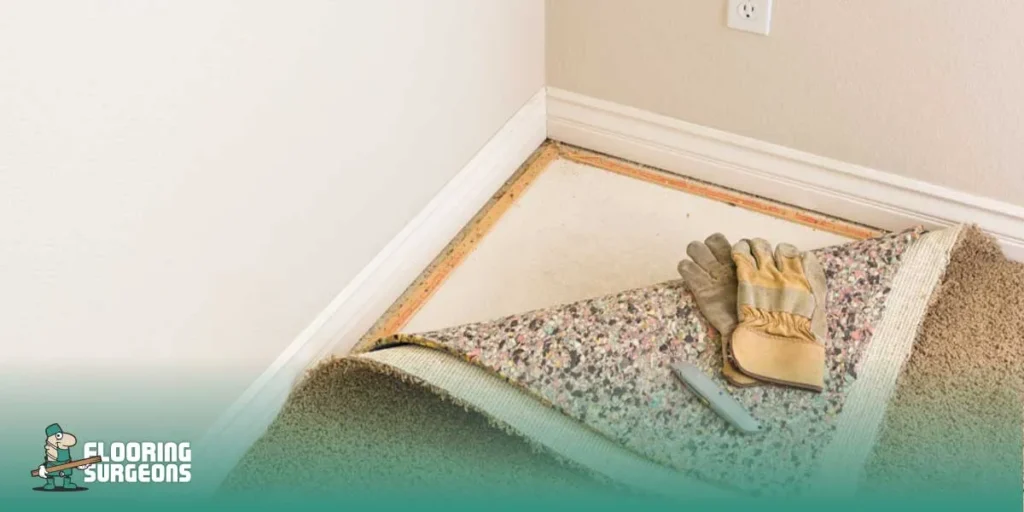
Best Underlay for Solid Wood Flooring
Solid wood floors demand the most robust foundation of all. Because real hardwood expands and contracts with humidity, it must be laid on an underlay that provides rigidity and strength, not softness.
The best underlays for solid wood flooring are:
- Dense Rubber Underlay: Offers exceptional stability and impact resistance without allowing excess movement.
- Felt Underlay: A traditional, natural option that provides minimal compression while smoothing minor subfloor imperfections.
- Cork Underlay: Breathable, sustainable, and firm, ideal for keeping hardwood floors stable while providing slight sound absorption.
Avoid foam or sponge underlays, which are too soft and can lead to shifting, gaps, or premature wear in solid wood floors.
In short: choose stability over softness. The right underlay won’t just make your hardwood floor quieter, it will protect its structure and lifespan for decades to come.
For more details on choosing the right foundation, check out our article on Underlay For Solid Wood Flooring.
Best Underlayment for Vinyl Plank Flooring
Vinyl planks (LVT or SPC) click together with tight seams, meaning any unevenness underneath will be instantly visible. The best underlayment for vinyl plank flooring is a high-density foam or rubber-based material that provides:
- A smooth, level base for click-lock joints.
- Moisture protection for concrete or ground floors.
- Acoustic insulation, reducing footstep and echo noise.
Look for underlayments specifically rated for “rigid core vinyl.” They’re engineered to maintain firmness without adding bounce. Premium models also include a foil-backed DPM for enhanced humidity resistance, making them perfect for kitchens, bathrooms, and basements.
Ultimately, selecting the right underlayment for vinyl plank flooring is crucial to ensure a smooth, durable, and long-lasting finish. By considering the various types of underlayment, you’ll be able to find the perfect option that provides the necessary support, moisture protection, and sound insulation for your space. When exploring the types of underlayment for vinyl flooring, it’s important to choose one that not only enhances the durability and comfort of your flooring but also provides the necessary moisture and sound insulation for different environments.
Types of Carpet Underlay | Best Choices for Comfort & Durability
When you think of walking on a soft, plush carpet, what you’re really feeling beneath your feet is the underlay doing its job. The right carpet underlay transforms a floor from simply “covered” to luxuriously comfortable, enhancing not only how it feels but also how long it lasts.
There are three different types of carpet underlay most commonly used, each offering unique benefits depending on the room and foot traffic level:
1. PU Foam Underlay (Polyurethane Foam)
The most popular choice today, PU foam underlay offers a light, cushioned feel and excellent heat and sound insulation. It’s perfect for bedrooms, lounges, and low-traffic areas, providing the signature “springy” comfort most homeowners love. Available in varying densities (80–180 kg/m³), higher density means better durability and resilience over time.
2. Felt Underlay
A traditional favourite, felt underlay combines natural fibres (often recycled wool) for firm, even support. It doesn’t compress as easily as foam, making it ideal for high-traffic hallways or stairs. It also provides sound acoustic insulation and maintains its structure even under heavy furniture.
3. Rubber Underlay (Crumb or Sponge Rubber)
For maximum durability, rubber underlays are unbeatable. Crumb rubber, made from recycled tyres, offers toughness and eco-friendliness, while sponge rubber provides soft cushioning underfoot. These are the best choices for commercial settings or busy homes, especially where long-term wear resistance is most important.
When choosing the best carpet underlay, pay attention to:
- Density: Higher density equals greater durability and less flattening over time.
- Thickness: Thicker isn’t always better for stairs or tight-fitting carpets, a medium-thickness (8–10 mm) underlay gives the best balance.
- “Bounce Effect”: The feeling of resilience when you walk PU foam gives a light bounce, while felt provides firm stability.
Quick Room Tips:
- Bedrooms & living rooms → PU foam for comfort and warmth.
- Hallways & stairs → Felt or crumb rubber for durability.
- Apartments or upstairs rooms → Acoustic-rated sponge rubber for noise control.
Choosing the right underlay doesn’t just protect your carpet it transforms how your entire floor feels, looks, and lasts.
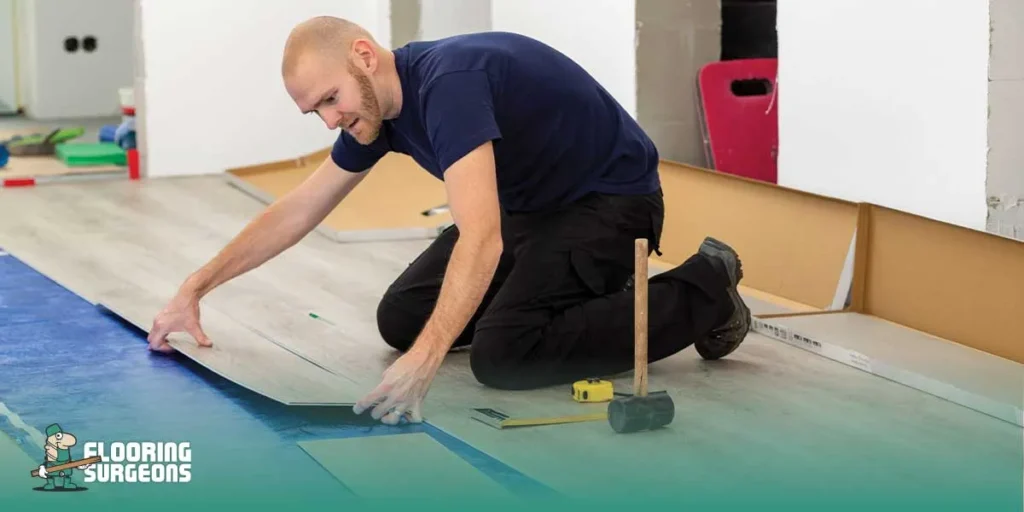
Underlay for Concrete Subfloors
Installing flooring over concrete can be tricky, not because of strength, but because of moisture. Concrete naturally releases vapour, and without proper protection, that trapped dampness can rise through your floor and damage your finish. The key to success is choosing the appropriate underlayment for concrete floors, one that provides both moisture protection and thermal insulation.
The best solution is a DPM-backed (Damp Proof Membrane) underlay, which creates a watertight barrier between the subfloor and your flooring material. This layer prevents condensation from seeping up, keeping your floor dry, stable, and mould-free. DPM-backed underlays are especially critical in basements, ground floors, or any room above unheated spaces, where moisture risk is highest. Understanding these requirements is crucial when comparing the different types of underlay.
Moisture Protection and Insulation
When dealing with concrete, think of underlay as both a shield and a blanket. It protects your flooring from vapour while adding warmth to your feet. Common materials include:
- Rubber Underlay: Excellent moisture resistance and long-term durability. Ideal for engineered wood or laminate floors.
- Bitumen Underlay: A heavy-duty option that seals moisture effectively; best used in high-humidity areas.
- Silver Foam Underlay: A cost-effective favourite for vinyl or laminate flooring, featuring a reflective silver film that combines DPM protection with light thermal insulation.
For extra warmth, pair your underlay with a thermal layer (such as PU foam or felt composite) this boosts comfort, especially on concrete floors that tend to feel cold.
Recommended Underlayments for Concrete Floors
- For Vinyl & Laminate: Choose thin (1–2mm) silver-foil foam underlay with integrated DPM.
- For Engineered Wood: Use rubber or hybrid underlays offering both moisture sealing and acoustic insulation.
- For Carpets: Felt underlay with bitumen backing adds warmth while blocking damp.
Pro Tip: Always test for moisture before installation by taping a transparent plastic sheet to the floor for 24 hours. If condensation forms beneath, a DPM layer is essential before any flooring is installed.
Underlay for Wooden Subfloors
Unlike concrete, wooden subfloors need to breathe. Trapping moisture beneath them can cause swelling, warping, or even rot. That’s why the best underlayment for wooden subfloors isn’t completely sealed; it should allow air circulation while reducing noise and cushioning your flooring above.
Breathability and Sound Insulation
When working with timber subfloors, focus on breathable underlays that balance airflow and sound absorption. Two top performers stand out:
- Cork Underlay: Naturally antimicrobial, renewable, and breathable. It absorbs impact noise and provides mild thermal insulation while allowing air movement beneath the floor perfect for engineered or solid wood installations.
- Felt Underlay: Made from recycled wool or fibres, felt offers excellent sound insulation and smooths minor imperfections in older wooden floors without blocking ventilation.
Avoid underlaying with DPM on timber subfloors it traps moisture and prevents the wood from “breathing,” leading to long-term issues.
Best Underlayments for Wooden Subfloors
- For Engineered Wood Flooring: Cork or rubber-cork hybrids offer balanced insulation and stability.
- For Solid Wood Floors: High-density felt ensures minimal compression and firm support.
- For Upstairs Rooms: Acoustic cork underlay provides sound reduction while maintaining a natural feel.
Expert Insight: Combine breathable underlay with proper subfloor maintenance repair squeaks, tighten boards, and vacuum before installation. A smooth, dry wooden base ensures your new flooring performs beautifully and lasts longer.
By choosing the right sound-insulating and breathable underlayment, you not only protect your wooden subfloor but also enhance comfort, quietness, and overall flooring longevity.
Underlay for Underfloor Heating Systems
When pairing your floor with an underfloor heating system, not every underlay will work; in fact, the wrong choice can reduce your heating efficiency by up to 50%. The key is selecting an underlay for underfloor heating that delivers low thermal resistance while maintaining stability and comfort.
The golden rule? Always choose an underlay with a TOG rating below 0.35. TOG (Thermal Overall Grade) measures how much heat a material traps, and while high TOG is suitable for insulation, it’s disastrous for radiant heating. The goal here is to let warmth pass through efficiently, not block it.
Thermal Resistance and Compatibility
Underlays designed for heated floors are typically thin, dense, and perforated to allow maximum heat transfer. The most effective types include:
- Perforated Rubber Underlay: Combines excellent flexibility with airflow channels that let heat rise quickly and evenly. It’s perfect for engineered wood and laminate floors, ensuring consistent warmth.
- Thermal Film Underlay: A specialist solution with integrated heat-reflective layers that distribute warmth uniformly while protecting against subfloor moisture. Ideal for LVT and vinyl installations where even temperature distribution is essential.
- PU Foam with Thermal Voids: Some premium foams are engineered with micro-voids that enhance thermal conduction while still offering cushioning.
Avoid thick felt or high-density acoustic underlays under heated floors they trap heat, reduce efficiency, and may even cause the system to overheat.
Top Underlayments for Underfloor Heating
- For Laminate & Engineered Floors: Perforated rubber or low-TOG thermal foam (≤0.3 TOG).
- For Vinyl Flooring: Ultra-thin thermal film underlay with built-in moisture barrier.
- For Carpets: Specialist low-TOG felt or combination underlay (≤0.4 TOG max).
Pro Installer Tip: Always check that both your underlay and flooring are rated for underfloor heating. The combination determines efficiency; neither alone does.
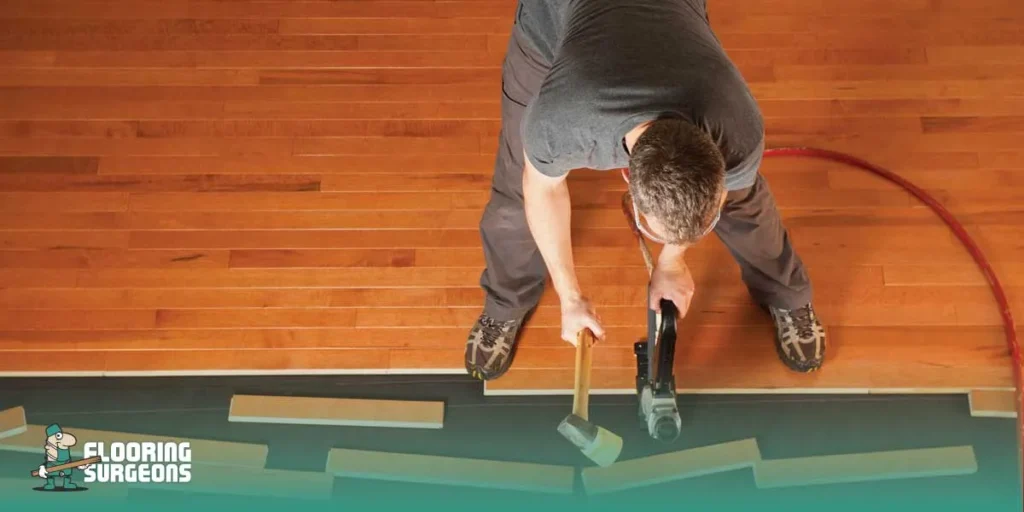
Underlay Thickness and Its Impact on Floor Performance
Thickness is one of the most misunderstood factors when choosing underlay. While many assume that “thicker means better,” this isn’t always true. In reality, the right underlay thickness depends on your flooring type, subfloor condition, and installation method.
Most modern underlays range from 2mm to 12mm. Each thickness serves a specific purpose, and choosing the wrong one can affect your floor’s feel, stability, and even its lifespan.
Choosing the Right Thickness for Different Flooring Types
- Vinyl & LVT Floors (2–3mm): Thin and firm underlays maintain floor stability while protecting delicate click-lock joints. Too much cushioning can cause planks to separate or crack.
- Laminate & Engineered Wood (3–5mm): Medium-thickness foam or rubber provides comfort underfoot and absorbs minor subfloor irregularities. Anything thicker can compromise the locking mechanism.
- Carpet Floors (8–12mm): The thickest underlays are reserved for carpets, where softness and insulation are desired. However, excessive thickness under low-pile or tight-weave carpets can make seams visible.
For more insights on how underlay thickness affects engineered wood flooring, check out our article on Do You Need Underlay for Engineered Wood Flooring?.
Effects of Underlay Thickness on Floor Performance
- Sound Reduction: Thicker underlays generally provide better acoustic performance but may sacrifice stability in click-fit systems.
- Thermal Insulation: Thicker materials retain more heat ideal for cold floors but unsuitable for underfloor heating setups.
- Floor Stability: Too much “give” beneath rigid floors (like laminate or engineered wood) can cause creaking, flexing, or premature joint failure.
- Subfloor Smoothing: Medium-thick underlays are ideal for hiding minor imperfections without raising floor height excessively.
Pro Tip: The thickest underlay isn’t always the best instead, aim for the most balanced. For laminate and wood floors, prioritise density and compression resistance over sheer thickness.
In summary, choosing the right underlay thickness ensures your flooring performs at its best—quiet, stable, warm, and durable without compromising fit or efficiency. This is especially important when comparing the different types of underlay.
Eco-Friendly and Sustainable Underlay Options
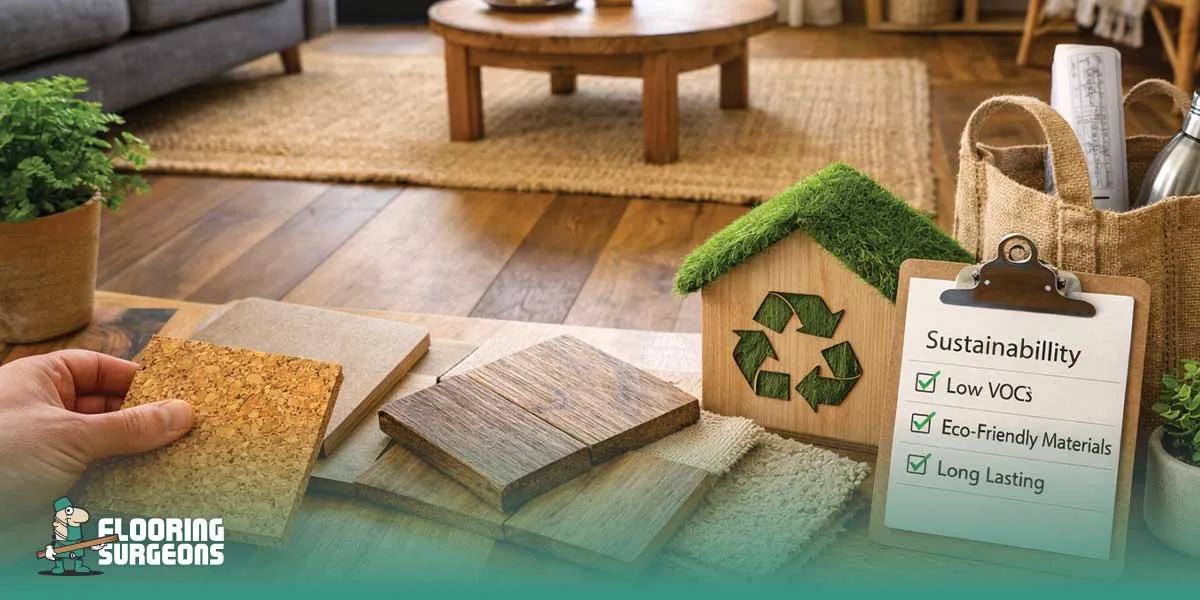
As sustainability becomes a top priority in modern home design, flooring choices are evolving too, and that includes what goes under your floors. Choosing an eco-friendly underlay not only supports the planet but also enhances indoor air quality, energy efficiency, and long-term floor health. The latest generation of sustainable underlayment options combines performance with responsibility, proving that going green no longer means compromising on comfort or durability.
Cork and Recycled Materials
Among the most sustainable underlay materials, cork stands out for its exceptional natural properties. Harvested from the bark of cork oak trees without harming or cutting them down, cork underlay is entirely renewable and biodegradable. It provides excellent sound insulation, thermal resistance, and moisture regulation, making it a perfect match for both engineered wood and laminate floors. Beyond performance, cork is naturally hypoallergenic and antimicrobial, contributing to healthier indoor environments.
Crumb rubber is another eco-friendly option, made from recycled tyres that would otherwise end up in landfills. Its dense composition makes it incredibly durable and resilient, ideal for high-traffic areas and multi-storey homes. It also offers a substantial impact and sound absorption while supporting a circular economy.
For lighter use and budget-friendly sustainability, recycled foam underlays (made from reconstituted polyurethane offcuts) offer a soft yet supportive feel underfoot. These underlays prevent waste, require less energy to manufacture, and often include low-VOC certifications for indoor air safety.
Benefits of Sustainable Underlayments
Choosing a green underlay goes far beyond environmental ethics it brings practical, measurable benefits:
- Lower Carbon Footprint: Materials such as cork and crumb rubber are derived from renewable or recycled sources, significantly reducing their environmental impact.
- Improved Indoor Air Quality: Low-emission, non-toxic materials minimise off-gassing and contribute to a healthier living space.
- Durability and Longevity: Sustainable materials often outperform synthetics in resilience and lifespan.
- Thermal and Acoustic Efficiency: Many eco underlays combine excellent insulation with natural sound-dampening, improving comfort and energy use simultaneously.
Eco-conscious doesn’t mean high-maintenance, either. These underlays pair perfectly with modern finishes and regular upkeep with Cleaning and Care Products helps preserve their integrity for years to come.
Pro Tip: If sustainability is part of your project’s DNA, look for certifications like Blue Angel, Cradle to Cradle, or Low VOC labels when selecting your underlay.
Conclusion Finding the Best Underlay for Your Flooring Project
With so many different types of underlay available, finding the best option for your flooring comes down to balancing comfort, function, and the specific needs of your space. Bedrooms and lounges benefit from the plush feel of PU foam; high-traffic areas demand the durability of rubber; cold concrete floors require strong thermal protection; and wood subfloors perform best with breathable felt or cork.
In short, the perfect underlay isn’t the thickest or the most expensive; it’s the one that matches your flooring type, room conditions, and lifestyle priorities. For tailored advice, expert recommendations, and a full range of high-performance underlays, visit Flooring Surgeons, where every flooring project starts from the ground up. Whether you’re renovating your home or designing a new space, you’ll find premium underlays engineered for sound reduction, insulation, and long-lasting comfort, all backed by professional guidance.

fatemexrm
fatemexrm is a contributor at Flooring Surgeons, sharing insights and expertise through published articles.