


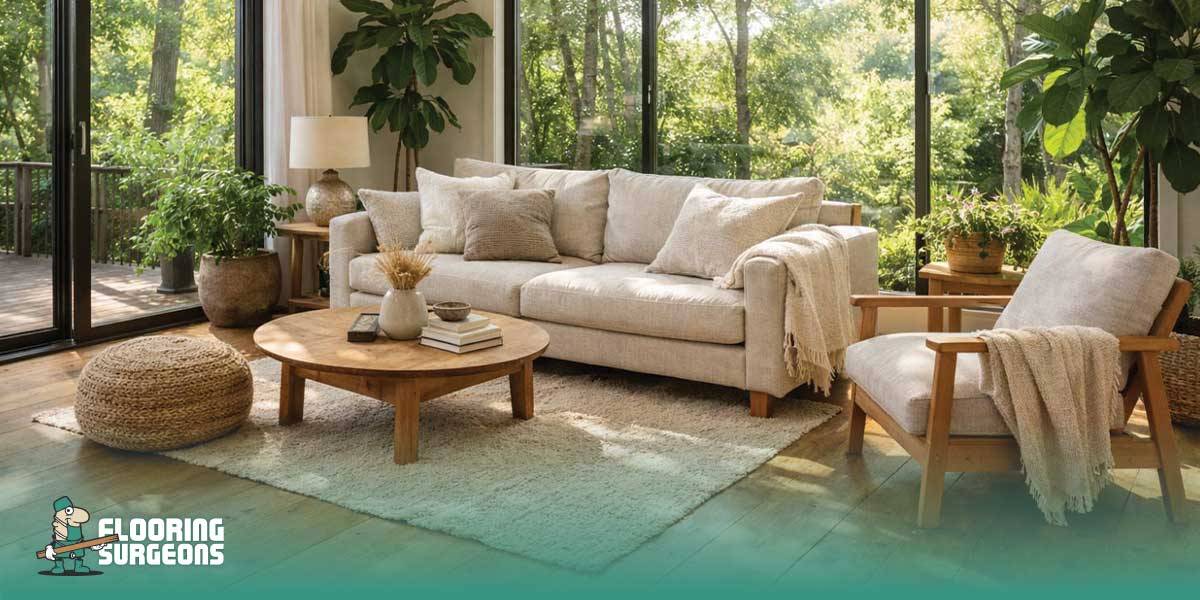
Many modern homes look stylish and carefully designed, yet they can still feel disconnected from the natural world. Clean lines, neutral colours and minimalist décor may create a visually appealing space, but something often feels missing.
That missing element is often a connection to nature. As people spend more time indoors, designers have started paying closer attention to how interior spaces influence mood, comfort and overall wellbeing. Natural light, greenery and organic materials can make a noticeable difference in how a space feels.
This growing interest has led to the rise of biophilic interior design, a design approach that focuses on bringing elements of the natural world into indoor environments.
In this guide, we’ll explore what biophilic interior design means, the principles behind it, and practical ways to introduce nature-inspired elements into everyday living spaces.
Table of contents
What Is Biophilic Interior Design? (Simple Definition)
Biophilic interior design is an approach to designing indoor spaces that reconnects people with nature by incorporating elements such as natural light, plants, organic materials and nature-inspired patterns. The aim is to create interiors that feel calmer, healthier and more connected to the natural environment.
In practice, this means designing spaces where natural elements are not just decorative additions but part of the overall experience of the room. Materials, textures, lighting and spatial layout all work together to recreate some of the qualities people naturally associate with outdoor environments.
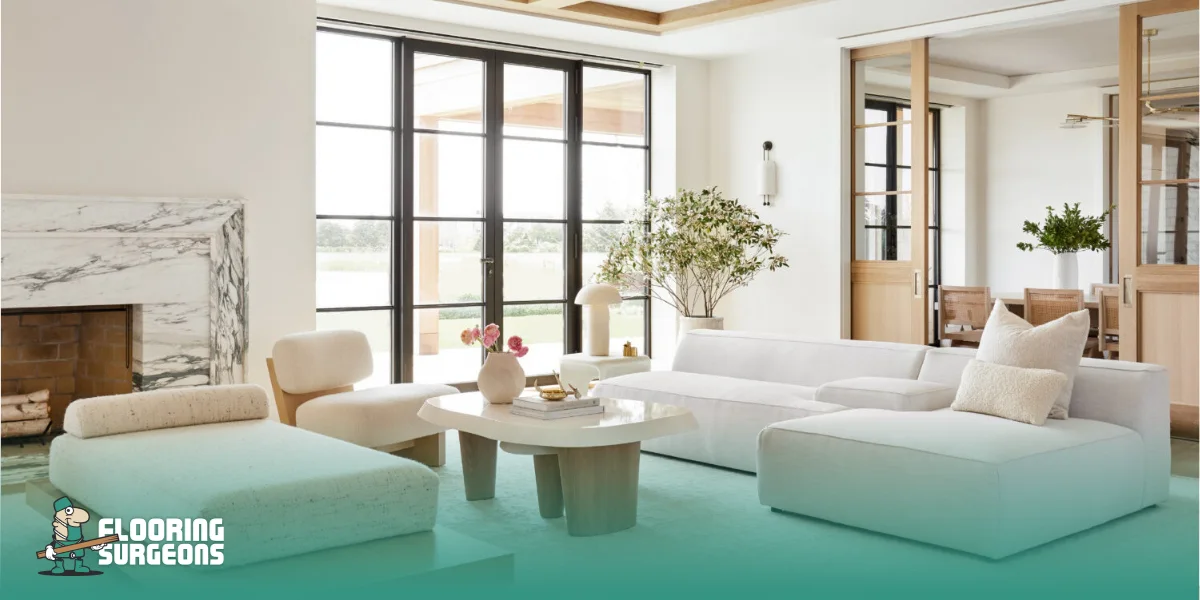
A well-designed biophilic interior might combine daylight, natural surfaces and greenery to create a space that feels balanced and comfortable without relying on excessive decoration.
Why Biophilic Interior Design Matters in Modern Homes
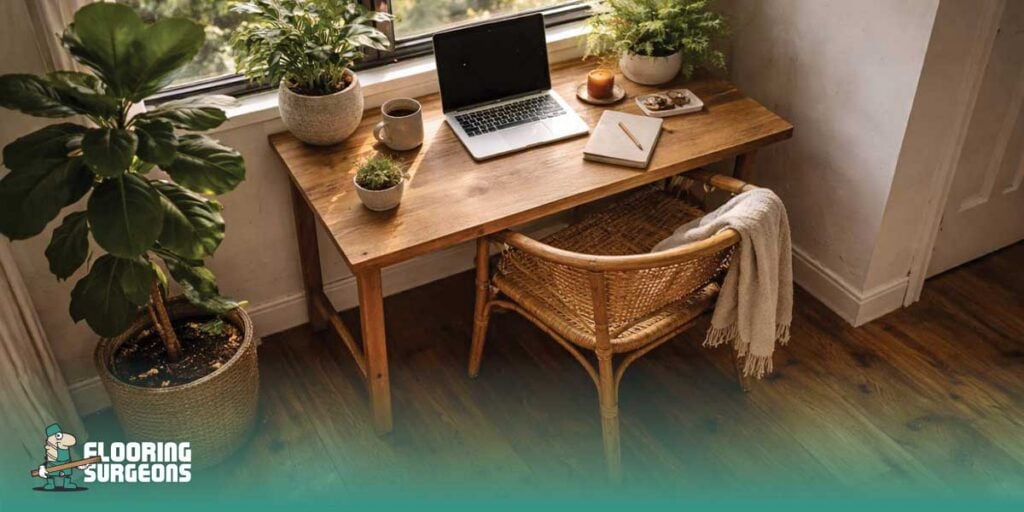
Modern homes often prioritise efficiency and aesthetics, but many interior spaces still feel disconnected from the natural world. Artificial lighting, synthetic materials and enclosed layouts can make environments feel less comfortable over time.
Biophilic interior design addresses this by reintroducing natural elements into indoor spaces. Natural light, greenery and organic materials can help create interiors that feel calmer, more balanced and visually welcoming.
Many designers also recognize that spaces influenced by nature tend to feel more relaxing. The psychological reasons behind this effect are explored in Why Some Homes Feel Calm the Moment You Step Inside, which explains why certain interiors instantly feel peaceful and comfortable.
By reconnecting indoor environments with natural elements, biophilic design helps create homes that support wellbeing while maintaining a harmonious atmosphere.
Key Elements of Biophilic Interior Design
Biophilic interior design relies on a few key elements that help reconnect indoor spaces with the natural world. Instead of focusing only on decoration, this approach introduces natural features that influence how a space looks and feels. Elements such as daylight, greenery and organic materials can make interiors feel calmer, more comfortable and visually balanced.
Common Elements Used in Biophilic Interior Design
The table below highlights some of the most common elements used in biophilic interiors and how they contribute to a stronger connection with nature.
| Biophilic Element | Role in Interior Spaces | Example in Homes |
| Natural Light | Brings daylight into interiors and supports a healthier indoor environment | Large windows, skylights |
| Indoor Plants | Adds living greenery and strengthens the visual link to nature | Houseplants, indoor gardens |
| Natural Materials | Introduces warmth and texture inspired by nature | Wood, stone, linen |
| Organic Shapes | Reflects forms commonly found in natural landscapes | Curved furniture, soft edges |
| Nature-Inspired Colours | Creates a calm visual palette based on natural tones | Greens, earth tones |
Natural Materials in Biophilic Interior Design
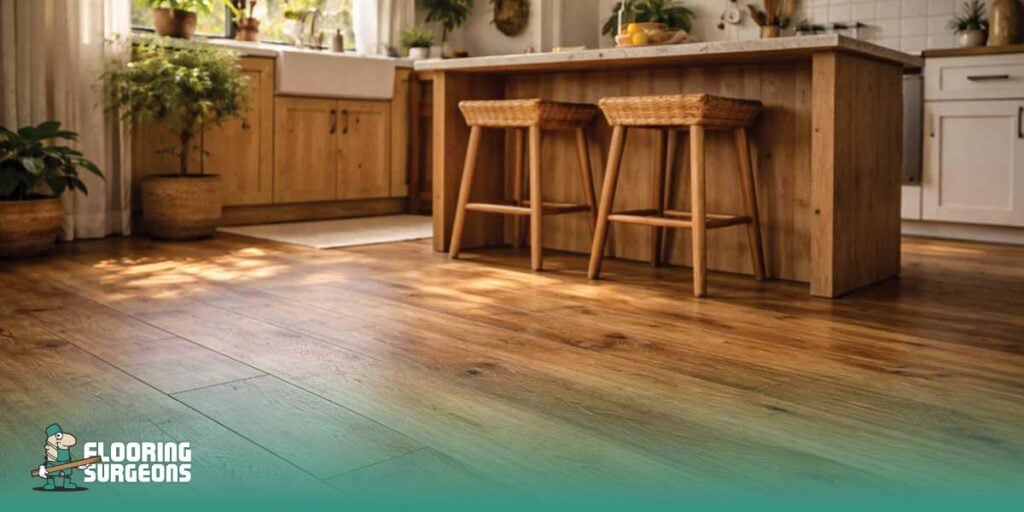
Natural materials play an important role in biophilic interiors because they introduce texture, warmth and a visible connection to the natural environment. Materials such as wood, stone and natural fibres help create spaces that feel more grounded and comfortable compared to interiors dominated by synthetic surfaces.
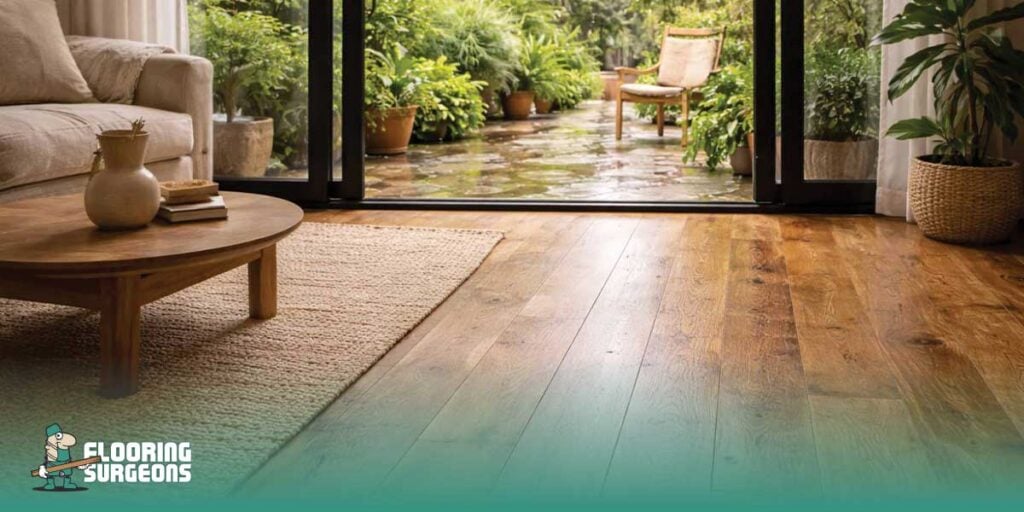
Among these materials, wood is one of the most widely used because it combines durability with a naturally organic appearance. Flooring made from real wood can reinforce the natural character of a space while also adding visual warmth. For example, many homeowners choose solid wood flooring when they want a surface that reflects authentic natural materials and complements nature-inspired interiors.
Wood Surfaces and Organic Textures
Wood surfaces are often used in biophilic interiors because they introduce natural texture and visual warmth to a space. Unlike synthetic finishes, real wood carries subtle variations in grain, colour and pattern that help interiors feel more organic and less uniform.
In many modern homes, designers balance aesthetics with practicality by using engineered wood flooring. This option maintains the natural appearance of wood while offering greater stability in everyday living environments. When combined with natural light and soft colour palettes, wood surfaces can help create interiors that feel calm, balanced and closely connected to nature.
Organic Patterns and Natural Movement
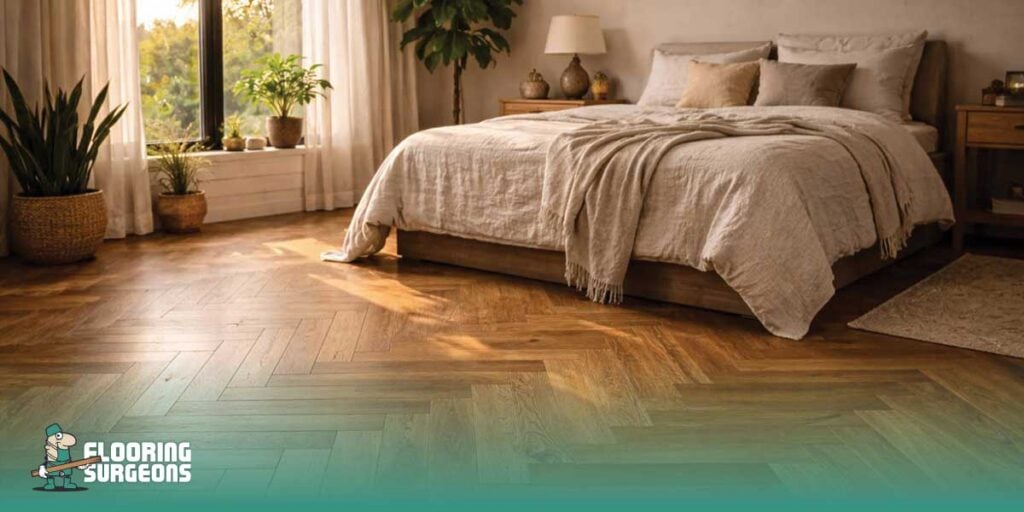
Patterns found in nature often feel more comfortable to the eye than rigid, repetitive designs. This is why biophilic interiors frequently incorporate patterns that create a sense of rhythm and movement similar to what we see in natural landscapes. Floor patterns can play a subtle role in achieving this effect. Layouts that guide the eye across a room help interiors feel more dynamic while still maintaining visual balance. For example, patterned layouts such as herringbone flooring introduce gentle movement and texture to a space, making it feel more visually engaging without overwhelming the overall design.
Benefits of Biophilic Interior Design
Biophilic interior design does more than improve the visual appeal of a space. By incorporating natural elements into interiors, it can positively influence comfort, wellbeing and the overall atmosphere of a home.
- Improved wellbeing – Natural elements such as daylight, greenery and organic materials can help create interiors that feel calmer and more relaxing.
- Reduced stress – Spaces that reflect natural environments often feel more restorative and comfortable for everyday living.
- Better focus and productivity – Nature-inspired surroundings can support concentration, making them suitable for both home and work environments.
- Stronger connection to nature – Bringing natural materials and textures indoors helps reduce the feeling of disconnection from the outdoor environment.
- Healthier indoor environments – Choosing natural surfaces and well-designed flooring can also influence comfort and indoor conditions. You can explore this topic further in The Importance of Flooring in Health, which explains how flooring choices affect wellbeing inside the home.
How to Create a Biophilic Interior Design at Home
Creating a biophilic interior does not always require a complete redesign. In many homes, simple changes to light, materials and natural elements can make a noticeable difference. The goal is to introduce features that reflect the natural world while keeping the space comfortable and balanced.
- Maximise natural light – Allow more daylight into living spaces by using larger windows, lighter curtains or reflective surfaces that help distribute light.
- Add indoor plants – Houseplants can introduce living greenery and help interiors feel more connected to nature.
- Use natural materials – Materials such as wood, stone and natural fabrics help create warmth and texture inside a space.
- Choose nature-inspired colours – Soft greens, warm neutrals and earth tones often reflect colours found in natural landscapes.
- Focus on natural textures – Combining different textures such as wood, linen or woven materials can make interiors feel more organic and visually balanced.
Biophilic Interior Design Ideas for Different Rooms
Biophilic design can be applied in almost any room of the home. By adjusting materials, lighting and natural elements, each space can benefit from a stronger connection to nature.
Living Room
The living room is often the easiest place to introduce biophilic elements because it usually has the most space and natural light.
- Use materials like wood, linen or stone to add warmth and texture.
- Position plants near windows where they can receive daylight.
- Keep the colour palette calm with soft greens, neutrals or earth tones.
Bedroom
In bedrooms, the goal is to create a relaxing environment that feels quiet and natural.
- Choose natural fabrics such as cotton or wool for bedding and soft furnishings.
- Keep colours light and neutral to support a calm atmosphere.
- Allow natural light during the day while maintaining soft lighting at night.
Kitchen and Dining Area
These areas benefit from subtle natural touches rather than heavy decoration.
- Wooden surfaces or stone textures can add an organic feel.
- Small herb plants are a simple way to introduce greenery.
- Warm lighting can help the space feel comfortable and inviting.
Small Apartments
Even in compact spaces, biophilic design can work effectively.
- Light colours and mirrors can help maximise available daylight.
- Compact plants or hanging greenery can introduce nature without taking up floor space.
- Keeping materials simple helps prevent the room from feeling crowded.
Common Mistakes in Biophilic Interior Design
While biophilic design aims to reconnect interiors with nature, some design choices can unintentionally reduce its impact. Understanding a few common mistakes can help create spaces that feel more natural and balanced.
Adding Too Many Plants
Plants are an important part of biophilic interiors, but filling a room with excessive greenery can make the space feel cluttered rather than calm. A balanced placement of plants usually creates a more natural atmosphere.
Ignoring Natural Light
Natural light is one of the most important elements of biophilic design. Spaces that rely only on artificial lighting often lose the refreshing and open feeling associated with nature-inspired interiors.
Overusing Artificial Materials
Synthetic surfaces can reduce the natural character of a space. Incorporating materials such as wood, stone or natural fabrics often helps maintain a stronger connection to the natural environment.
Biophilic Design vs Sustainable Interior Design
Biophilic design and sustainable interior design are often mentioned together, but they focus on different aspects of the built environment. While both approaches can overlap, their main goals are not exactly the same.
Focus of Biophilic Design
Biophilic interior design focuses on strengthening the connection between people and nature. It aims to create spaces that feel calm, balanced and restorative by introducing elements such as natural light, greenery and organic materials.
Focus of Sustainable Interior Design
Sustainable interior design is primarily concerned with reducing environmental impact. This approach prioritises energy efficiency, responsible material sourcing and long-term environmental performance.
Where the Two Approaches Overlap
Although the goals differ, the two concepts often work well together. Natural materials, daylight and thoughtful spatial planning can support both sustainability and a stronger connection to nature, helping create interiors that are both environmentally responsible and comfortable to live in.
Conclusion
Biophilic interior design focuses on reconnecting indoor spaces with nature. By introducing natural light, greenery and organic materials, interiors can feel calmer, more balanced and more comfortable for everyday living.
Even small changes—such as adding plants or using natural surfaces—can help create a stronger connection to the natural environment. If you’re planning to bring natural materials into your space, exploring wood flooring options from Flooring Surgeons can be a practical step toward creating a more nature-inspired home.

Ana.Soltanpoor
I’m an SEO Specialist with a strong background in content management and organic search. I build data-driven content strategies by aligning user intent, search behavior, and SEO best practices to ensure every piece of content delivers clarity, relevance, and measurable organic performance.