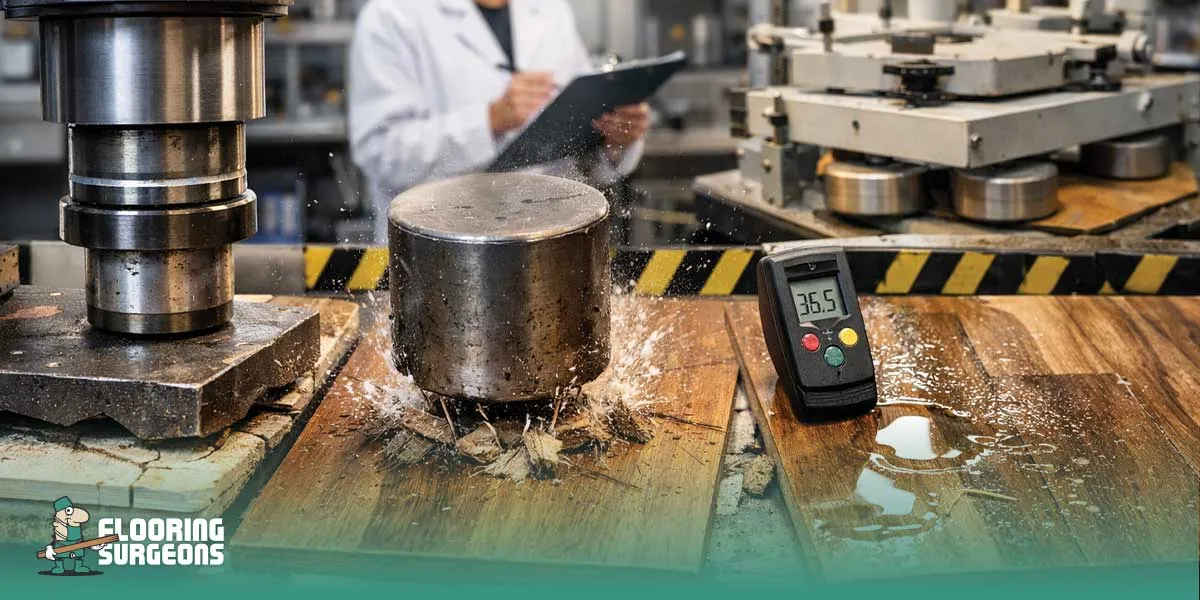



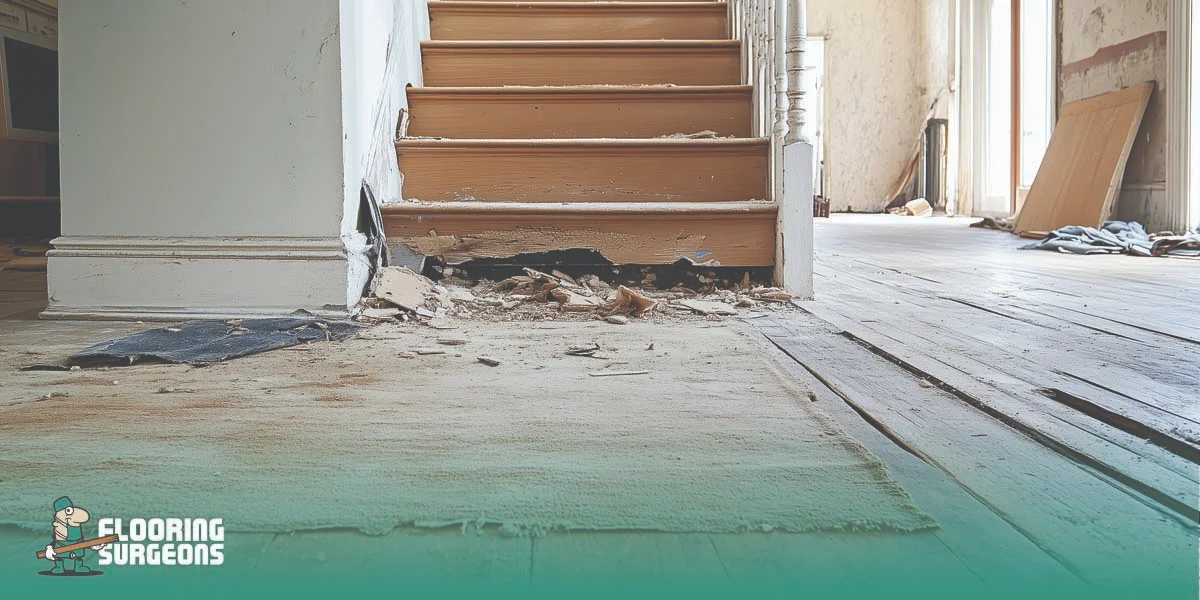
Repeated flooring repairs can be frustrating, especially when the same problem shows up again a few weeks or months later. Gaps reopen, edges lift, and familiar soft spots or squeaks return. If you have ever wondered why flooring problems often reappear after repairs, the answer is usually simple: the surface was treated, but the underlying cause was left in place.
Moisture, subfloor issues, poor fitting, and movement in the floor structure are some of the most common reasons this happens. In this article, we’ll look at what causes repeat flooring failures and how to tell whether a repair is likely to last.
Table of contents
The Main Reason Flooring Problems Come Back After Repairs
Most repeat flooring issues happen for one simple reason: the repair fixed the symptom, not the source.
A floor may look better for a while after a repair, but that does not always mean the problem is gone. In many cases, the visible damage is only the final sign of something happening underneath the surface.
That is why the same spot often starts failing again. You fix one board, one gap, or one lifted edge — but the condition behind it is still active.

What usually gets missed?
In most homes, the real cause sits below the finished floor, not on top of it. Common examples include:
- moisture that was never fully resolved
- subfloor movement or uneven support
- poor preparation before the original fitting
- an installation fault that was never corrected
- a flooring type that is not ideal for the room
A short-term repair can hide the issue for a few weeks or months, but it rarely lasts when the base problem is still there.
Why this matters?
If the cause has not been identified, repairing the same area again often leads to the same result: more lifting, more movement, more gaps, or more noise underfoot.
That is the point many homeowners miss. The damage you can see is not always the real problem. Often, it is only the warning sign.
Hidden Causes Behind Recurring Flooring Problems
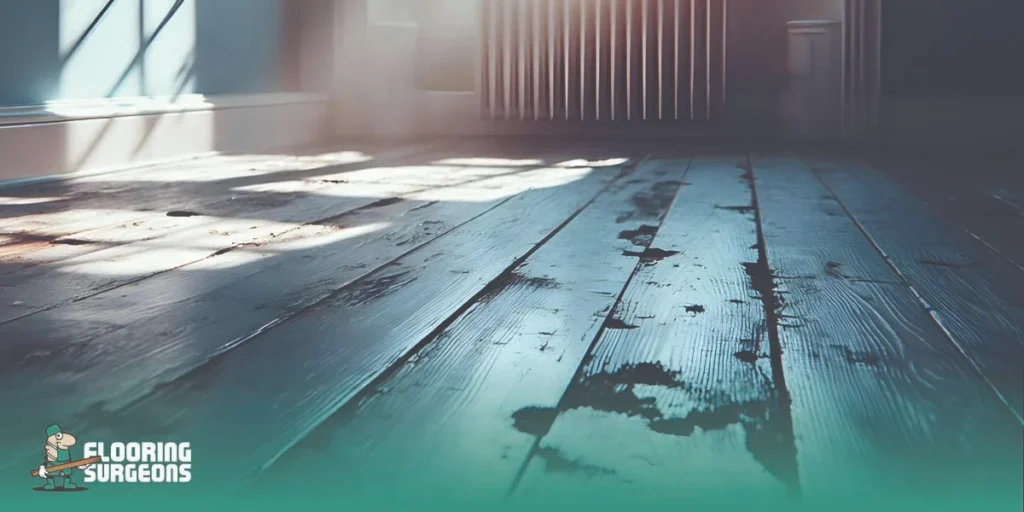
When a floor starts failing again, the cause is often something that was easy to miss the first time. What shows on the surface is only part of the story. The real issue is usually lower down, built into the room conditions, the subfloor, or the original fitting.
Below are the causes most often linked to repeated flooring problems after repair.
Moisture trapped beneath the floor
Moisture is one of the most common reasons a repair does not last. A floor may be patched, dried on the surface, or even partly replaced, but if damp is still present underneath, the same signs often come back.
This can lead to:
- lifting edges
- swelling or bubbling
- soft spots underfoot
- stains that reappear
- movement around joints and seams
Rooms with regular spills, humidity, or poor ventilation are more exposed to this kind of repeat damage. In those cases, switching to waterproof luxury vinyl can make more sense than carrying out the same repair again and again.

Subfloor damage that was never corrected
Sometimes the flooring itself is not the real problem at all. The issue sits below it. If the subfloor is uneven, weakened, damp, or starting to move, surface repairs usually hold only for a short time.
That is why the same area may keep creaking, dipping, separating, or loosening even after it has already been repaired once. If the warning signs point below the surface, it helps to understand what to do if the subfloor is damaged before making another cosmetic fix.
Poor preparation before the original installation
A floor only performs well if the base is ready for it. When the original installation was rushed, a lot can be missed: poor levelling, leftover moisture, weak bonding, or an underlay that was not right for the room.
Those mistakes do not always show up straight away. In many homes, they appear later as:
- recurring gaps
- unstable planks
- uneven wear
- lifting corners
- noise in high-traffic spots
This is often why a repair seems successful at first, then fails once normal foot traffic and seasonal change start to put pressure on the same area again.
Movement caused by the room itself
Some floors fail repeatedly not because the repair was badly done, but because the room keeps placing the same stress on the material. Temperature swings, humidity changes, and heavy daily use can all make the floor move more than expected.
This matters even more in kitchens, entrances, and other busy parts of the home. In spaces like these, choosing a more suitable product from the start can prevent repeat issues later on. For example, laminate flooring for kitchen is a more relevant option than using a general-purpose floor that may struggle with daily wear and minor moisture exposure.

Using the wrong fix for the flooring type
Not every flooring problem should be repaired in the same way. A quick patch that works on one material may do very little on another. Laminate, engineered wood, vinyl, and solid wood all react differently to moisture, movement, and wear.
That is one reason repeat failure is so common. The visible issue may look similar, but the correct fix depends on the material, the room, and the condition underneath. In some cases, what looks like a repair problem is actually tied to a wider product or system issue, as seen in problems associated with engineered floor systems.
Common Signs of Repeat Flooring Damage
Not every flooring problem has the same cause. Two floors can show the same visible damage and still need completely different solutions. That is why repeated repairs often go wrong: the symptom gets treated, but the reason behind it is guessed rather than checked.
This quick table shows what common flooring symptoms often point to and why the same repair may fail again.
| Flooring symptom | What it may point to | Why the repair often fails |
| Gaps reopening | Seasonal movement, poor fitting, or an unstable base | Filling the gap does not stop the floor from moving again |
| Lifting edges or boards | Trapped moisture, poor bonding, or expansion pressure | Replacing one section will not help if the pressure remains |
| Squeaks in the same area | Loose subfloor, movement below, or weak support | Surface work does not fix what is shifting underneath |
| Bubbling or swelling | Damp below the floor or repeated moisture exposure | Drying the top layer alone does not remove the real source |
| Soft or spongy spots | Subfloor weakness, moisture damage, or poor preparation | The same area often fails again if the base is still compromised |
| Stains coming back | Moisture, leaks, or contamination below the finish | Cleaning or covering the mark does not solve what caused it |
If the same symptom keeps coming back, the problem is rarely just cosmetic. A repeated failure usually means one of two things:
- the original cause was missed
- the chosen repair was too shallow for the condition underneath
That is why it helps to read the symptom as a clue, not as the full diagnosis.
How to Tell If It Was Only a Temporary Flooring Fix
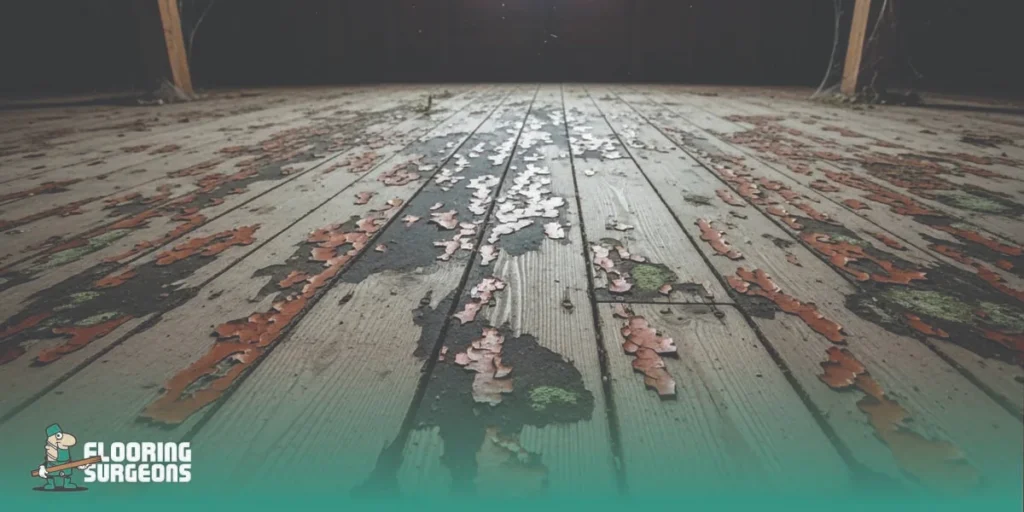
If the same flooring issue comes back in the same area, that usually means the first repair dealt with the surface but did not remove the cause. In some homes, the signs show up within weeks. In others, they return more slowly as foot traffic, moisture, and seasonal movement start affecting the floor again.
Common signs the fix did not last
- the same gap opens again
- boards or edges begin lifting in the same place
- a squeak returns after a short quiet period
- the floor still feels soft or uneven underfoot
- staining, swelling, or bubbling comes back
- one repaired section looks better, but nearby areas start failing
What repeated damage usually means
When a problem keeps returning, it often points to one of three things:
- the original cause was missed
- the repair method was too limited
- the flooring is still under the same stress as before
That last point matters more than many homeowners expect. A floor that sits in a damp, busy, or high-impact room may keep failing unless the material suits the space properly. That is one reason many people compare flooring suited to humid spaces with standard options before paying for another repair.
A quick rule of thumb
If the repair improves the look of the floor but not how it performs, it is usually temporary.
That means the issue may be deeper than the visible mark, loose board, or small patch of movement. At that stage, repeating the same fix is rarely the best next step.
Repair vs Replacement: Which Makes More Sense?
A repair is usually enough when the damage is limited, the subfloor is still stable, and the original cause has already been fixed.
Replacement makes more sense when the same problem keeps coming back, moisture is still present, or several areas have started to fail. In that situation, another repair may improve the look of the floor for a short time, but it is unlikely to last.
Room conditions matter as well. A floor that performs well in a dry room may not hold up in areas exposed to more traffic or moisture. If the same issue keeps returning in a bathroom, it may be worth considering luxury vinyl flooring for bathroom instead of repairing the same spot again.
How to Stop Flooring Problems From Coming Back
The best way to avoid repeat damage is to fix the cause before repairing the surface. That means checking for moisture, making sure the subfloor is stable, and confirming the flooring type still suits the room.
It also helps to avoid quick patch jobs in areas that deal with heavy use, spills, or changing humidity. In those spaces, a more suitable material such as engineered flooring may hold up better over time.
If the same issue has already returned once, the next step should be diagnosis first, repair second. That usually saves more time and money than fixing the same spot again later.

Ana.Soltanpoor
I’m an SEO Specialist with a strong background in content management and organic search. I build data-driven content strategies by aligning user intent, search behavior, and SEO best practices to ensure every piece of content delivers clarity, relevance, and measurable organic performance.