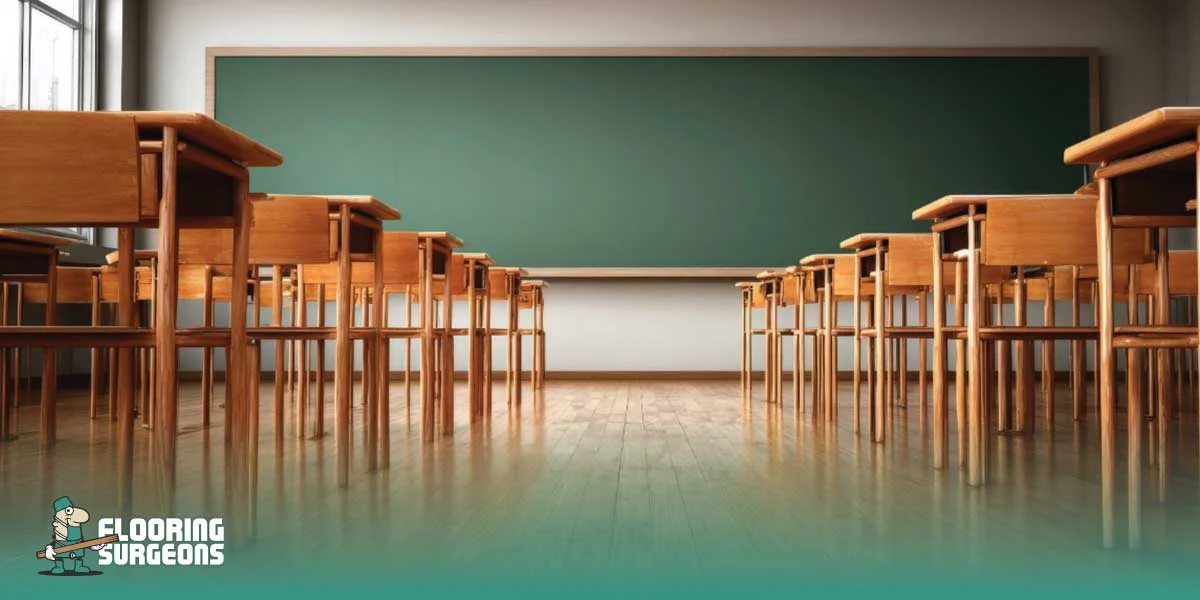
Selecting the right flooring for schools is a decision that affects safety, learning, and long-term maintenance. When planning school interiors, administrators often ask what school floors are made of and what type of flooring is used in schools to ensure the best balance of durability, comfort, and aesthetics.
School floors aren’t just about looks; they must withstand heavy daily foot traffic, spills, and furniture movement while keeping students safe and comfortable. A well-chosen floor can improve acoustics, reduce noise in classrooms and corridors, and create a welcoming environment that supports concentration and creativity.
Beyond durability, administrators and designers must consider ease of cleaning, cost-effectiveness, and adaptability to different school areas. Classrooms often need materials that are easy to maintain and resistant to wear, while gyms require cushioning and impact resistance. Specialised areas such as libraries, science labs, and cafeterias have unique flooring needs that influence student safety and operational efficiency.
By understanding what school floors are made of and what type of flooring is used in schools, schools can make informed decisions that meet daily functional requirements and contribute to long-term, cost-efficient solutions. Focusing on durability, safety, and design ensures materials that provide comfort and high performance for years to come.
Table of contents
Understanding What Kind of Flooring is Used in Schools
From classrooms to hallways and gyms, each area in a school has unique flooring requirements. Choosing the right materials is not only about durability and cost but also about creating a safe, comfortable, and productive environment for students and staff. Different spaces demand different solutions, and understanding these distinctions is key to making informed decisions.
Why School Flooring Matters
The flooring in schools directly affects both safety and learning quality. Slip-resistant surfaces prevent accidents, while cushioned floors in activity areas reduce the risk of injuries during physical education. Acoustic benefits from soft materials like carpet tiles or linoleum can lower noise, creating a calmer classroom environment.
Moreover, flooring contributes to overall school design. Natural or neutral tones can enhance lighting and reduce visual fatigue, while patterns and colours can be used strategically to guide student movement or create distinct zones.
Key Considerations for Choosing Flooring Used in Schools
When deciding what flooring is used in schools, administrators should consider:
- Durability: Can the material withstand heavy foot traffic, furniture movement, and spills?
- Maintenance: How easy is it to clean and repair? Materials like Luxury Vinyl Flooring are low-maintenance options.
- Safety: Slip resistance and cushioning are critical in hallways, gyms, and staircases.
- Cost and Lifespan: A slightly higher upfront investment often pays off with lower maintenance over time.
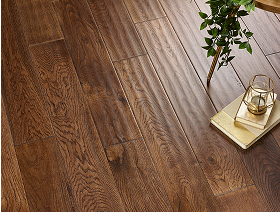
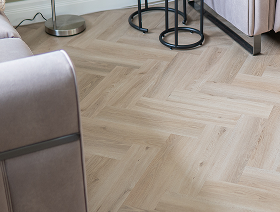
- Aesthetics: Design matters. Colours like Dark Luxury Vinyl Flooring or Light Luxury Vinyl Flooring can influence mood and spatial perception.
With these considerations in mind, schools can choose flooring that meets both functional and design needs, setting the stage for a productive learning environment.
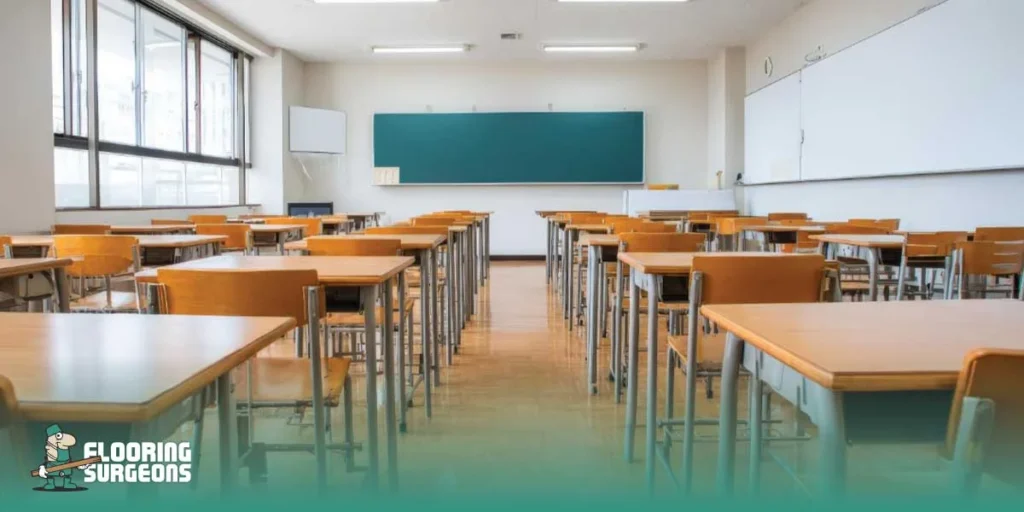
Idea 1: Durable Vinyl & LVT: School Flooring Made Easy
Vinyl and Luxury Vinyl Tile (LVT) are some of the most common materials used in educational spaces because they combine durability, affordability, and style. Many school administrators ask what type of flooring schools have in classrooms, hallways, and cafeterias, and vinyl often ranks as the top choice for its long-lasting performance.
Overview of Vinyl and Luxury Vinyl Tile (LVT) in Schools
Vinyl floors are ideal for classrooms, hallways, and cafeterias. They resist scratches, stains, and heavy foot traffic. Luxury Vinyl Flooring comes in various textures and colours, including Grey Luxury Vinyl Flooring, offering the appearance of wood or stone without the high cost or maintenance.
Schools benefit from LVT because it’s easy to install in large areas, repairable tile by tile, and resilient against spills. Cafeterias and science labs, for example, see heavy use daily, making vinyl an excellent long-term choice. Understanding what kind of flooring schools use in these high-traffic areas can help administrators make informed, cost-effective decisions.
Why Vinyl is a Top Choice for What Kind of Flooring is in Schools
Vinyl is versatile and fits almost any school interior style. Its design flexibility allows for creative layouts that can separate activity zones or add visual interest to corridors. The low-maintenance nature of Light Luxury Vinyl Flooring ensures staff can spend less time cleaning and more time focusing on student experience.
Expert Tips for Maximizing Vinyl Flooring Benefits
- Combine different shades and patterns for a practical yet visually engaging environment.
- Use Dark Luxury Vinyl Flooring in high-traffic zones to hide wear and dirt.
- Maintain a regular cleaning schedule and apply protective finishes to prolong the lifespan.
While vinyl provides durability and design flexibility, physical activity areas require flooring with enhanced shock absorption and safety features.
Idea 2: Safe Rubber Flooring: What Kind of Flooring Do Schools Have?
For gyms, staircases, and playgrounds, rubber flooring provides safety, comfort, and noise reduction. Knowing what kind of flooring schools have in these zones is essential for preventing injuries and maintaining long-term usability.
Introduction to Rubber Flooring Used in Schools
Rubber flooring is resilient and slip-resistant, making it perfect for high-impact areas. Its shock-absorbing qualities reduce strain on knees and joints, which is vital in PE halls and playgrounds. Rubber floors are available in modular tiles or sheets, allowing quick replacement in case of damage.
Benefits of Rubber Flooring for Safety and Comfort
- Provides a cushioned surface for physical activity.
- Absorbs noise in busy corridors and gymnasiums.
- Durable enough for heavy foot traffic while maintaining comfort.
Expert Tips for Choosing the Right Rubber Flooring
- Select thickness and density based on expected usage.
- Ensure anti-slip texture in wet or high-traffic areas.
- Integrate contrasting colours to designate activity zones or walkways.
Beyond durability and safety, some school spaces require flooring that promotes calm, comfort, and eco-friendly design.
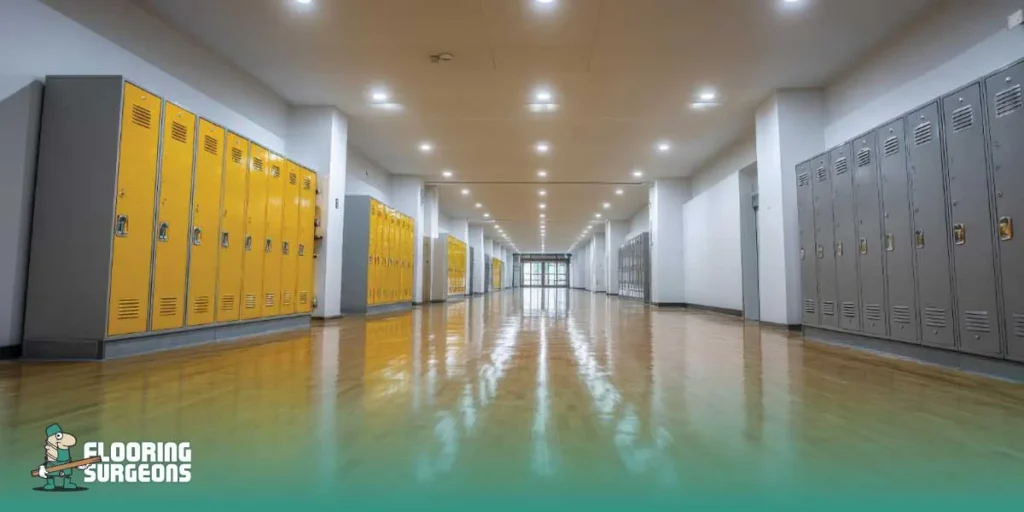
Idea 3: Eco-Friendly Carpet & Linoleum: What Type of Flooring is in Schools?
In libraries, lounges, and preschool classrooms, flooring that is soft, eco-conscious, and easy to maintain is ideal. This answers the question of what type of flooring schools use in calm or learning-intensive environments.
Overview of Carpet Tiles and Linoleum in Schools
Carpet tiles reduce noise, are comfortable underfoot, and can be replaced individually if damaged. Linoleum, made from natural materials, is durable, warm, and environmentally friendly. Both options contribute to a soothing environment that supports focus and relaxation.
Why These Options Answer “What Type of Flooring Do Schools Use?
- Carpet tiles provide flexibility in design and function, ideal for early childhood classrooms.
- Linoleum combines durability with sustainability, promoting green school initiatives.
- Both reduce maintenance effort while improving student comfort.
Expert Tips for Installing and Maintaining Carpet or Linoleum
- Use high-quality, low-VOC materials for health and environmental safety.
- Plan layouts to minimise seams and maximise visual flow.
- Schedule periodic professional cleaning to extend lifespan.
With these three flooring ideas, vinyl, rubber, and carpet/linoleum, schools can create optimised environments for every activity and space. For expert guidance and professional installation support, consult Flooring surgeons.
Conclusion: Choosing the Best Combination of Flooring Used in Schools
Creating an effective flooring plan involves strategically combining materials to meet durability, safety, and comfort requirements across the school.
Combining Flooring Types for Maximum Efficiency and Comfort
| Area | Recommended Flooring | Benefits |
| Classrooms | Vinyl / LVT | Durable, low-maintenance, design flexibility |
| Hallways & Corridors | Vinyl or Rubber | High-traffic resilience, slip-resistance |
| Gyms & Play Areas | Rubber Flooring | Shock absorption, safety, noise reduction |
| Libraries & Lounges | Carpet Tiles / Linoleum | Comfort, noise reduction, eco-friendly |
| Science Labs / Cafeterias | Luxury Vinyl Flooring | Easy to clean, resistant to spills |
Practical Tips for School Administrators and Interior Designers
- Consider both what type of flooring is in schools and the function of each space.
- Balance aesthetic choices like Grey Luxury Vinyl Flooring with practical zones of Dark Luxury Vinyl Flooring and Light Luxury Vinyl Flooring.
- Partner with experts such as Flooring surgeons to ensure installation quality.
- For multifunctional areas like combined classrooms and offices, take advice from resources on choosing the perfect home office flooring.
By selecting the right combination, schools create a safe, durable, comfortable, and visually appealing environment for students and staff alike.

Mina Asgari
I’m an SEO Specialist and Content Strategist focused on sustainable business growth. I design data-driven content strategies by deeply analyzing user intent, search behavior, and SEO best practices, ensuring every piece of content serves a clear purpose for both users and search engines.