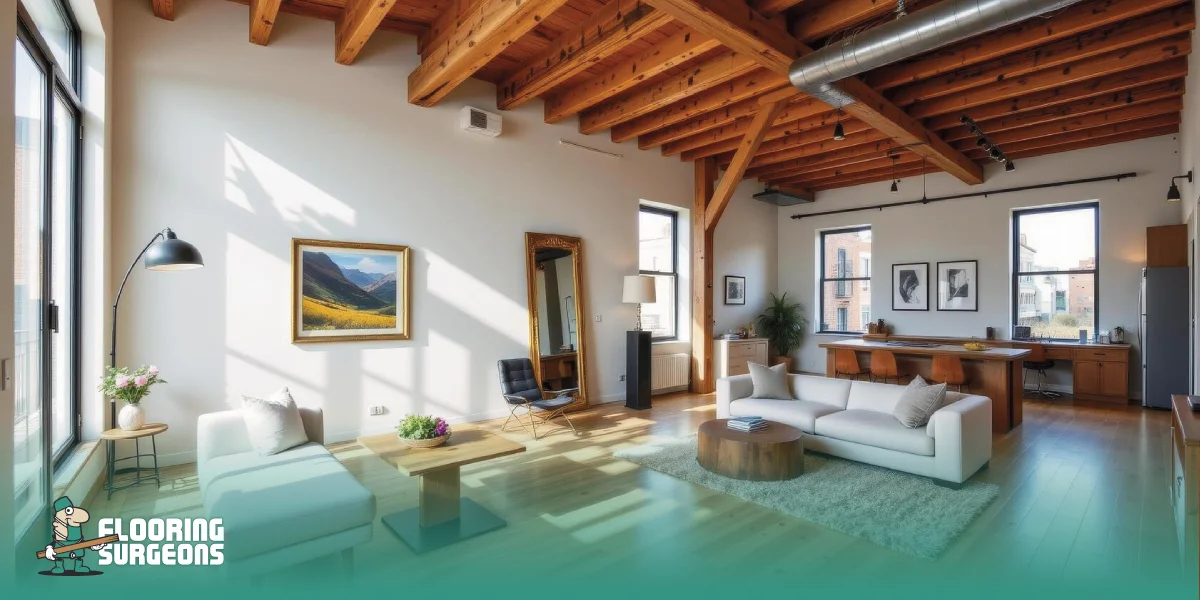
Unusual homes like loft apartments, houseboats, and converted spaces can all present unique challenges for flooring that typical homes do not. There are limitations of space, higher moisture content, fluctuating temperatures, and oddly configured rooms. All of these factors can reveal the disadvantages of your flooring choices in no time.
When choosing the right flooring for unusual homes, it’s important to consider more than just aesthetics. Will your floor meet the structural requirements for a loft? Is it waterproof enough to live on a boat? Can your flooring stand up to an area that was never designed to be lived in? Let’s review some functional flooring choices for these living spaces, discuss the environmental factors you may face and help you select materials that will work for your home.
Table of contents
What Makes Flooring for Unusual Homes Different?
Flooring in an unusual home rarely benefits from the predictable environment of a traditional house. A loft conversion over a warehouse, a houseboat on your favourite lake, or even basement remodelling turned into living quarters can all impose unique challenges on your floors. Structural constraints, humidity fluctuations and odd layouts can make standard flooring options risky choices.
This means that when you choose flooring for unusual spaces, you need to consider more than just appearance.
Structural and Weight Limitations in Lofts and Converted Spaces
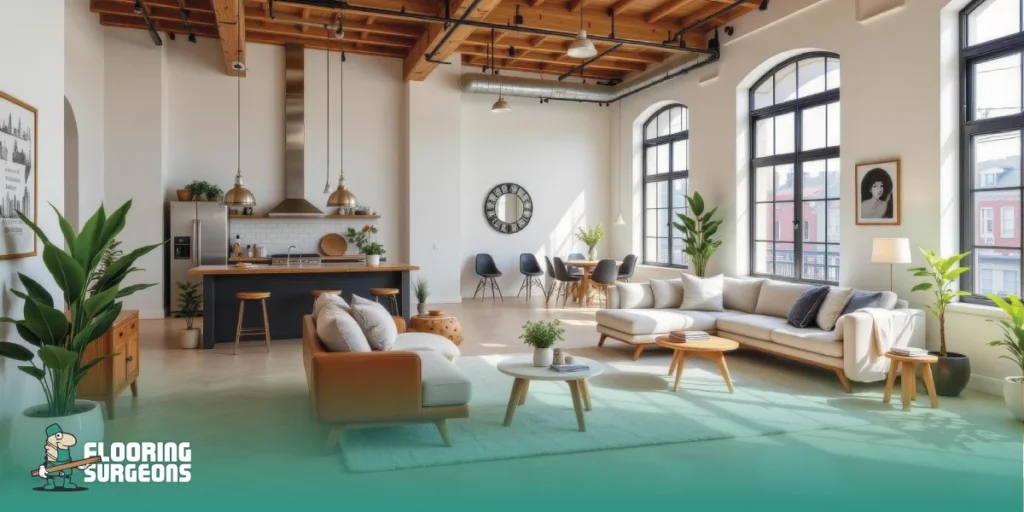
Many lofts and converted spaces are constructed within existing buildings that were not intended to have additional floor systems. Stone or heavy solid hardwood adds unnecessary weight.
Lightweight flooring that doesn’t sacrifice stability is desirable for many homeowners with expansive open areas.
Moisture and Durability Challenges in Boats and Basements
Humidity and water exposure are other big issues with alternative living spaces. Boats, houseboats, and most converted basements will deal with some level of humidity and occasional water exposure. Moisture-absorbing flooring is likely to warp or fail quickly in these circumstances.
This issue mostly overlaps with coastal properties as well. You’ll want to look for similar materials that can handle excessive humidity. In fact, much of what we cover in Best Moisture‑Resistant Flooring Options for Coastal Homes would work for boats and any other moisture‑prone living spaces.
Best Flooring for Loft Apartments and Open Loft Spaces
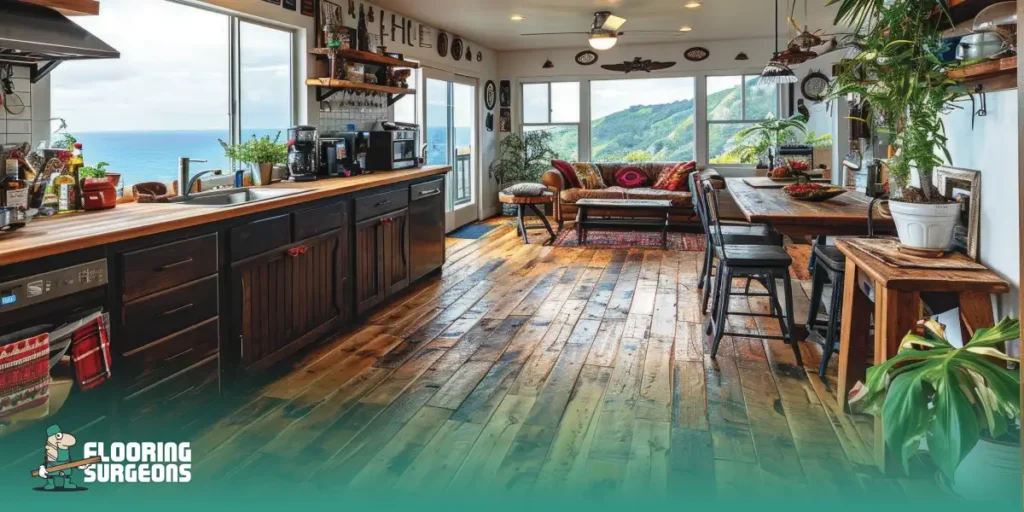
Loft apartments provide a mixture of open floor plans with raised areas. They were normally converted warehouses or industrial buildings. Choosing the incorrect flooring can cause noise problems, uneven heating and cooling, or even stress the older framing.
Engineered Wood Flooring for Lofts
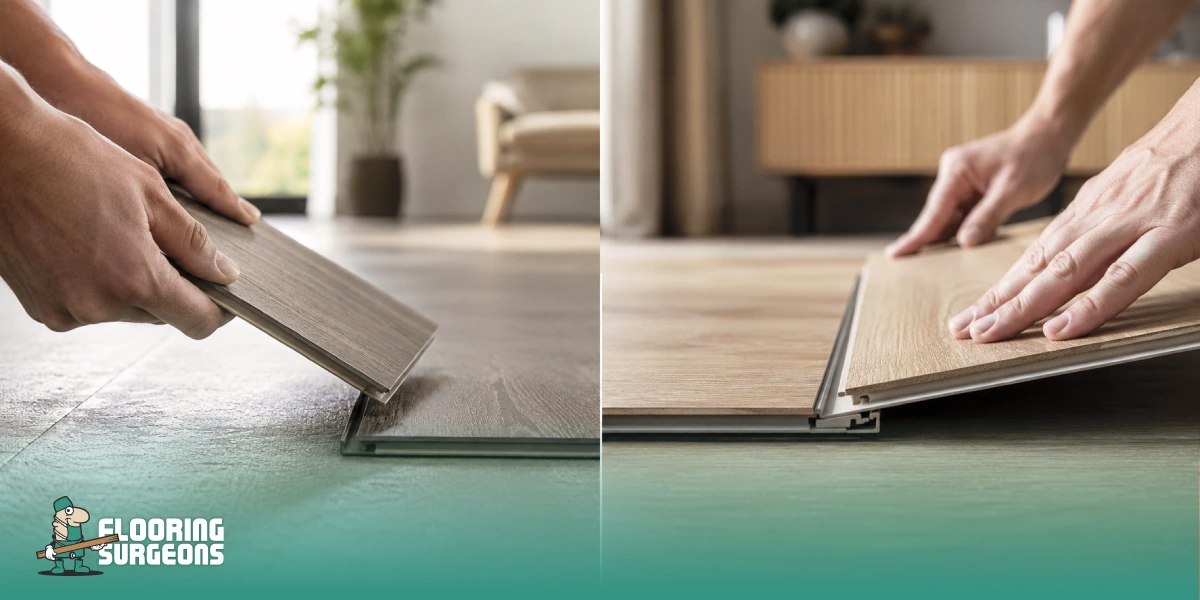
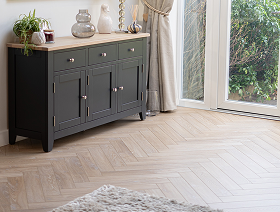
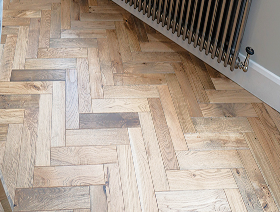
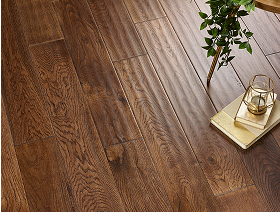
Engineered wood is probably your safest bet if you’re looking for flooring for your loft conversion. It isn’t made from one solid piece of wood like hardwood is. It has layers which make it lightweight and stable. Engineered wood is less likely to bow in extreme temperatures or when humidity fluctuates. This will help maintain your loft’s industrial vibe while keeping things cosy underfoot.
Engineered flooring is also ideal for lofts because they’re prone to large areas of windows and humidity. Solid wood or laminate will expand and contract more than engineered wood. You’ll have loose seams and buckling across wide expanses of flooring with those options.
Luxury Vinyl Plank (LVP) for Loft Flooring
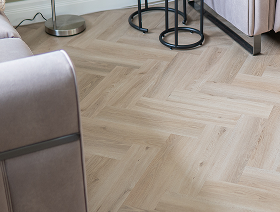
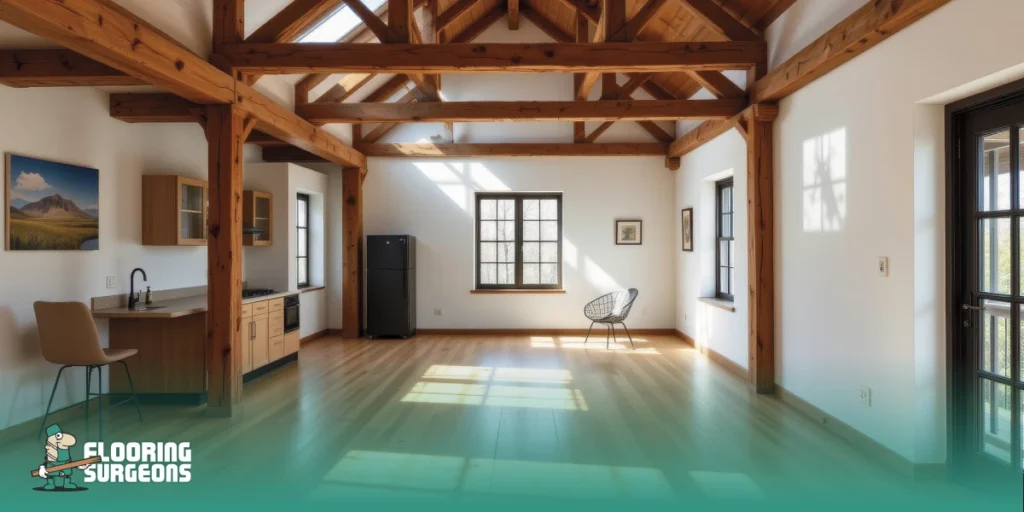
When you want flooring that’s both economical and simple to care for, LVP provides considerable durability in a lightweight package. Luxury vinyl is manufactured to look like real wood or stone, but it’s resistant to scratches and colour fading caused by the frequent heat fluctuations in loft environments.
Additionally, it works well in multi‑use floors where sound and temperature travelling through walls may be a problem. Luxury vinyl plank flooring today comes with a rigid core for dimensional stability and is completely waterproof.
Best Flooring for Houseboats and Marine Spaces
Rooms converted from non-living spaces start as places that weren’t made for people to live in. This includes garages, basements, and attics, which usually have concrete subfloors, little insulation, and higher humidity. Converted spaces change all that when they’re turned into a living area.
Waterproof Vinyl Flooring for Boats
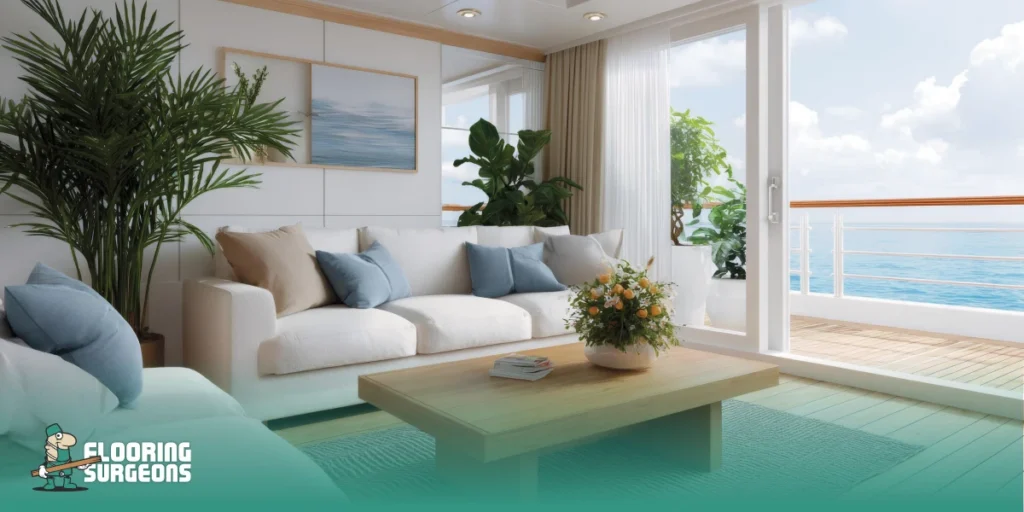
Waterproof vinyl flooring is very common in houseboats and other marine living areas because it handles moisture much better than wood floors. Wood floors can swell, warp, or grow mould if water gets into them. Vinyl floors can’t get wet because water doesn’t absorb through the sealed surface.
It’s also very stable, which is nice if you live on a boat. Boats shift and sway constantly, so you need flooring that won’t crack or come apart. Many boaters install waterproof luxury vinyl flooring because it maintains the look of real wood while providing exceptional durability and moisture resistance.
Vinyl floors are also lightweight, which is always a bonus when dealing with boats since extra weight can cause balance and mileage issues.
Rubber and Non‑Slip Boat Flooring
Rubber flooring is a good choice when safety is your primary concern. You’ll want to consider rubber for places like entrances/exits, decks or small kitchens. This type of flooring has excellent traction, even when wet, thanks to its texture.
Rubber is extremely durable. It stands up well to salt, moisture, and temperature variation, too. It may not look quite as decorative as a wood‑look floor covering, but it works wonders in high‑traffic marine areas where traction and durability are your biggest concerns.
Best Flooring for Converted Spaces (Garages, Basements, and Attics)
Rooms converted from non-living spaces start out as places that weren’t made for people to live in. This includes garages, basements and attics that usually have concrete subfloors, little insulation, or more humidity. Converted spaces change all that when they’re turned into a living area.
Epoxy Flooring for Converted Garages
One of the most popular choices for converted garages (studios, home gyms, extra living spaces) is epoxy coatings. Since epoxy is applied directly to the concrete, it forms a seamless surface that is stain-resistant, waterproof, and durable under heavy use.
Epoxy floors are also extremely durable. They won’t chip or peel with heavy equipment, furniture scraping across the floor, or high foot traffic. Epoxy paint also has strong reflective properties that can brighten spaces that don’t typically get much sunlight.
Waterproof Flooring for Basements and Attics
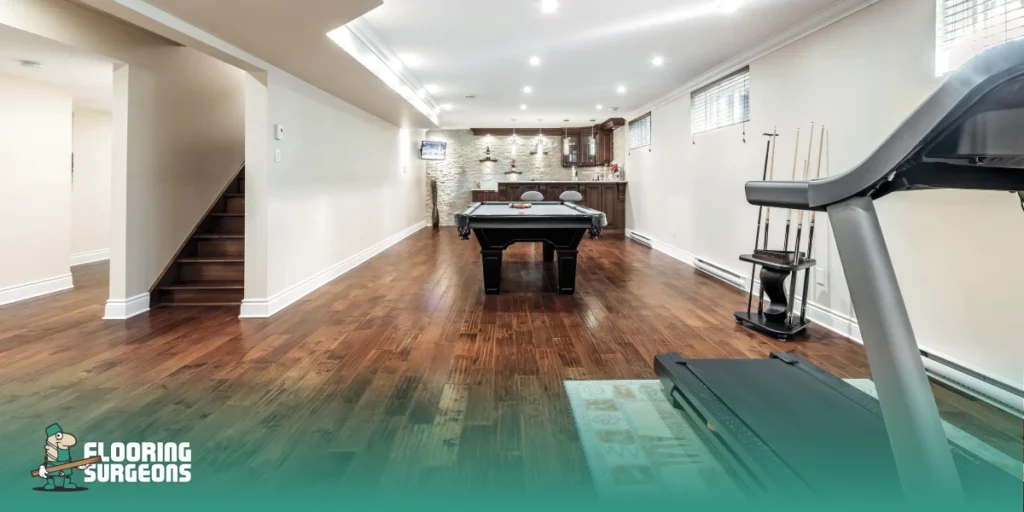
Seasonal temperature and humidity can vary wildly in basements and attic conversions. Flooring that soaks up water will develop problems quickly. Water‑proof floors like vinyl plank or other sealed floors perform well because seasonal humidity has little impact on them. They’re also easier to clean if there’s occasional condensation or moisture from a spill.
Many converted homes follow similar renovation principles used when transforming an old house into a modern home, where practical upgrades, like durable flooring, help adapt older structures to modern living needs.
Quick Comparison: Flooring Options for Lofts, Boats, and Converted Spaces
| Space Type | Main Challenges | Recommended Flooring | Key Advantage |
| Loft Apartments | Structural weight, temperature changes, large open layouts | Engineered wood, luxury vinyl plank | Stable and lighter than solid hardwood |
| Boats / Houseboats | Constant humidity, water exposure, movement | Waterproof vinyl flooring, rubber flooring | Moisture protection and slip resistance |
| Converted Spaces | Concrete subfloors, humidity, heavy use | Epoxy flooring, waterproof vinyl | High durability and easy maintenance |
Conclusion: Choosing the Best Flooring for Unusual Homes
Unconventional living spaces, such as lofts, houseboats, and renovated garages, often require special consideration due to their unique structural and moisture profiles. Flooring for these areas requires a careful consideration of durability, stability and aesthetics. Engineered wood and LVP pair nicely with lofts, waterproof vinyl and rubber flooring for marine environments, and epoxy or water‑resistant flooring works great in converted basements.
If you keep factors like moisture level, weight capacity and daily traffic in mind when shopping, you can easily narrow down your choices to find the right fit. Flooring Surgeons know homeowners need reliable advice and materials that fit these unusual spaces. We’ve selected some of the best flooring options, keeping both looks and performance in mind. You can have a home that looks and feels inviting, no matter how unconventional it may be.

Ana.Soltanpoor
I’m an SEO Specialist with a strong background in content management and organic search. I build data-driven content strategies by aligning user intent, search behavior, and SEO best practices to ensure every piece of content delivers clarity, relevance, and measurable organic performance.