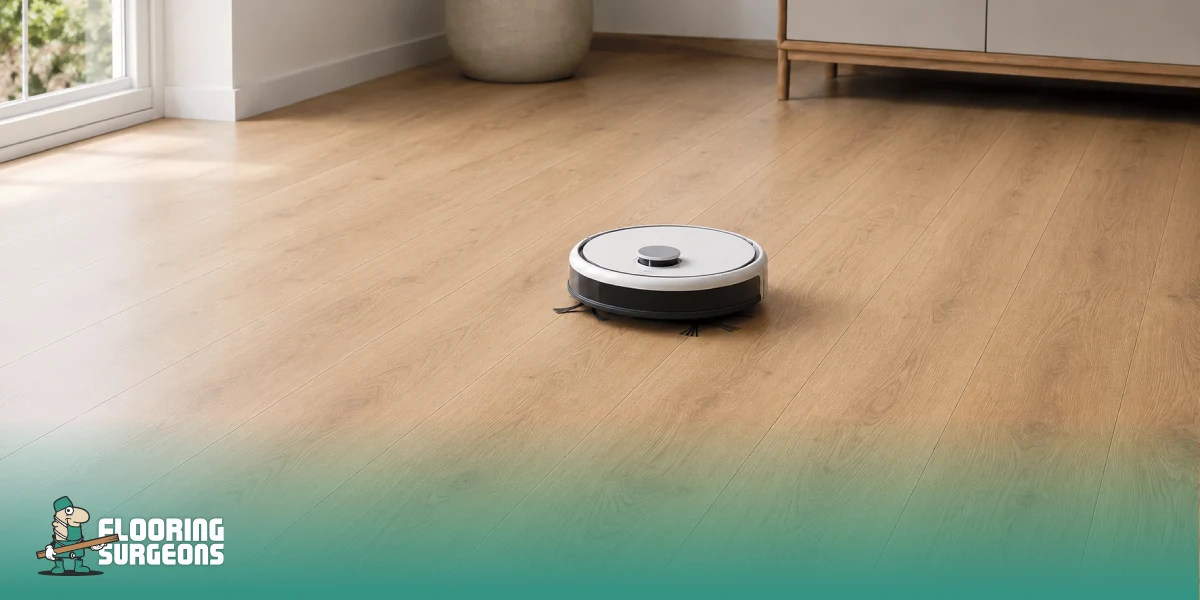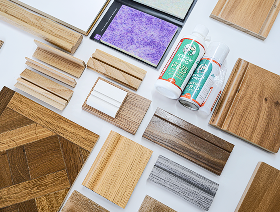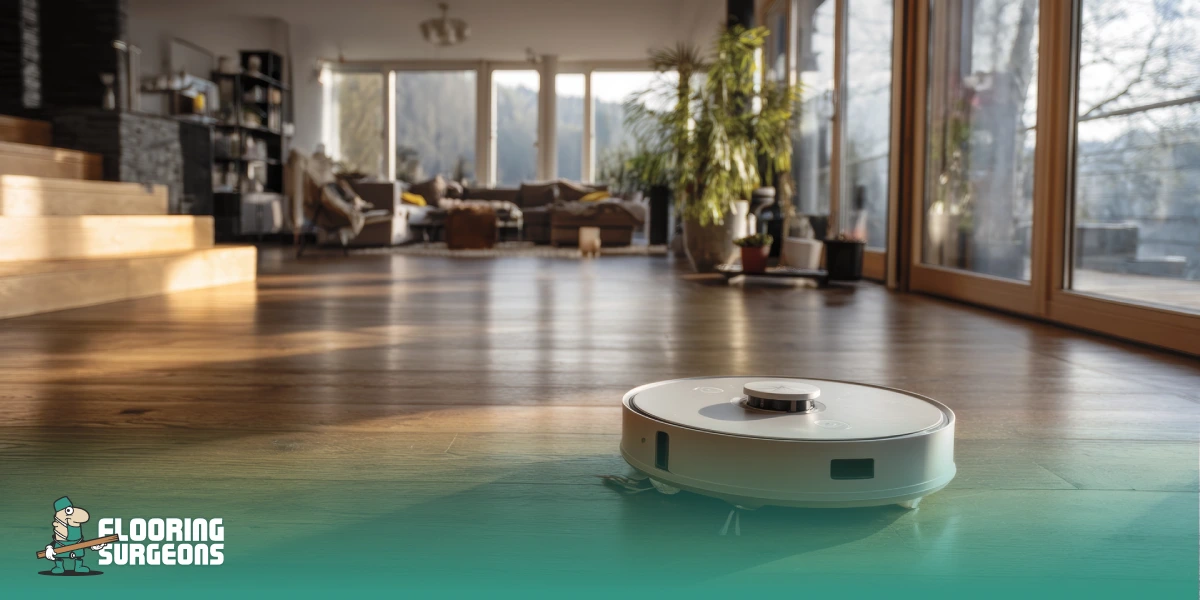
Robotic vacuums map your home while they clean. However, the type of flooring you have impacts how effective mapping is. Sensors struggle to read dark hardwood floors. Smooth, shiny tile throws navigation off. The carpet pile style even determines whether your vacuum creates a map at all or just keeps falling into the same holes.
Floor type rarely comes to mind when homeowners think about their robotic vacuum’s mapping ability. You select your floor based on looks, colours, and wear, and suddenly your $500 robot can’t see the dirt on your stairs or keeps taking wrong turns. If you are in the market for new floors or having mapping issues with your robot vacuum, read on. Certain types of flooring map beautifully with your robot. Others will drive you crazy every time you clean.
Table of contents
How Automatic Floor Mapping Technology Works
Robot vacuums are quickly becoming a household essential. People investing in smart tech homes often miss one important factor: flooring impacts robot functionality. Your floors are no longer just an aesthetic decision. They become part of your robot’s navigation system. Dark hardwood floors can set off sensors. Shiny tiles throw off distance tracking. Carpet plushness can affect mapping accuracy, room by room.
For tips on smarter home technology, read our guide: How Flooring Is Adapting to Smarter, Tech-Driven Homes.

The Science Behind Smart Cleaning Floors
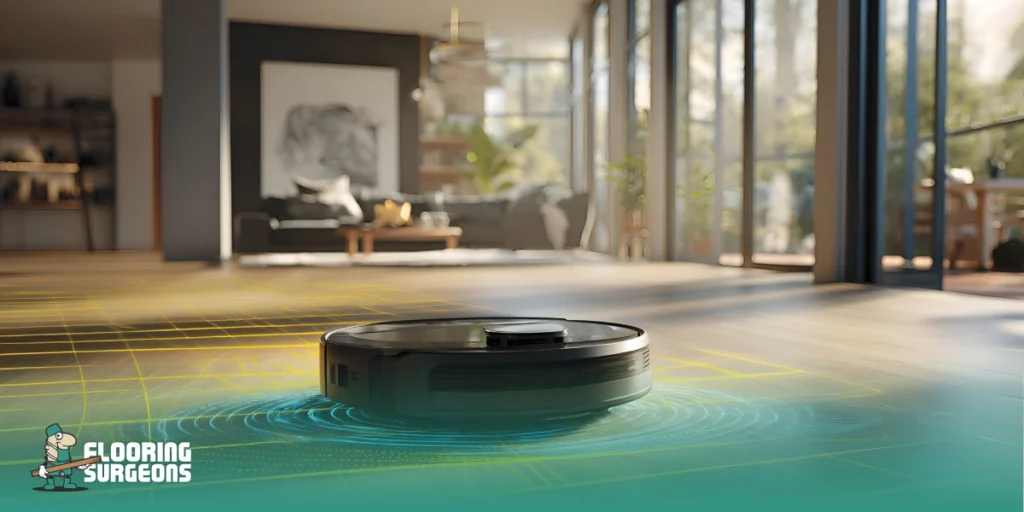
Rotating LiDAR rotates a laser and measures time-of-flight to surrounding objects, such as walls and tables. This way, it can construct a detailed map of its environment in 2D or 3D. Vision-based robots use a camera mounted on top to detect ArUco markers that you can place around your room. There are also infrared sensors that can detect nearby obstacles. All these sensors work well, but require a uniform floor plan to function correctly.
Why Floor Type Matters for Mapping Accuracy
A very dark floor absorbs too much light. When LiDAR senses this, it thinks it’s looking at a cliff/ledge. The robot stops or turns away for seemingly no reason. Glossy hardwood or polished tile reflects light in weird angles. Both may map the same area twice or miss big chunks of space.
Transitioning from tile to thick carpet abruptly alters wheel resistance. An uneven threshold confuses distance tracking, warping the map. Strong patterns fool optical sensors into seeing phantom walls. Optical: your floor is the input your robot will read endlessly. Choose poorly, and even the greatest robot vacuum will map poorly.
Best Floor Types for Automatic Mapping Systems
Robot vacuums aren’t equally compatible with all floor surfaces. Some allow sensors to pick up clean data points. Others bombard navigation systems with noise, reflections, and false changes in resistance. Below is how each floor type fares with automatic mapping sensors.
Here’s a quick comparison of how different flooring materials perform with automatic mapping technology:
| Floor Type | Mapping Performance | Best For | Potential Issues | Price Range |
| Hardwood Floors | Excellent (light/medium tones) | Living rooms, bedrooms, open-concept spaces | Dark stains trigger cliff sensors, scratches from wheels | $$$ |
| Luxury Vinyl Flooring | Excellent | Modern smart homes, moisture-prone areas, basements | High-gloss finishes reduce accuracy, seams may create slight height differences | $$ |
| Carpet and Rugs | Poor to Fair (thick/shag) | Not recommended for primary robot navigation zones | Absorbs light, creates wheel resistance, height transitions cause mapping errors | − – −$ |
| Engineered Hardwood | Excellent | Multi-level homes, areas with humidity fluctuations | Similar issues to solid hardwood with dark finishes, requires proper acclimation | $$$ |
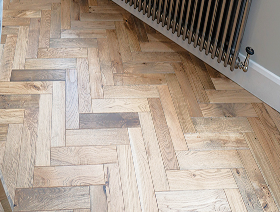
Hardwood Floors and Smart Cleaning
Hardwood provides a nice, flat surface which is easily navigated by most sensors. LiDAR provides good reflections, cameras can track motion effectively, and wheels have consistent rolling for odometry.
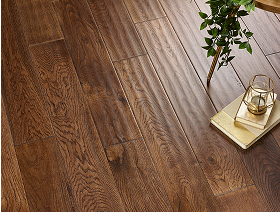
Colour can be a concern, however. Medium to light brown shades are perfect. Very dark stains, particularly espresso or ebony colours, tend to absorb too much light and activate cliff sensors. If you prefer a darker hardwood flooring, it’s best to check compatibility with your robot first, or select a robot with superior floor-detection capabilities.
Tile Flooring: Excellent for Robot Navigation
Tile is an ideal mapping surface. It’s flat, hard-wearing, and offers uniform sensor returns. Grout lines provide texture, but are shallow enough to be easily traversed, robots interpret them as surfaces, not barriers.
Stick with matte or satin finishes instead of high-gloss. Highly polished porcelain can cause reflections in intense lighting. Neutral colours or very light patterns work best. Tile is great for kitchens, bathrooms, mudrooms, anywhere you want your robots regularly tackling dirt and grime. Pair with luxury vinyl flooring in connected rooms for easy transitioning.
Laminate Floors: Budget-Friendly Smart Cleaning Option
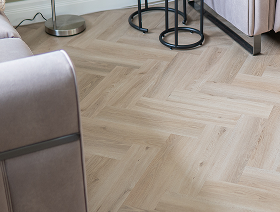
Laminate flooring offers decent mapping capability at a lower cost. The surface is flat and consistent, allowing LiDAR/optical sensors to receive consistent readings. It’s easy to put down, and contemporary laminate is almost indistinguishable from real hardwood.
Again, colour is important. A light-toned laminate will reflect enough light for your sensors to read it without introducing glare. Stay away from very dark finishes or high-contrast wood-grain textures that could trip up visual navigation. Finally, laminate is durable enough to withstand regular friction from your robot vacuum’s wheels and bumpers without scratching.
Vinyl Flooring: Modern Choice for Automated Homes
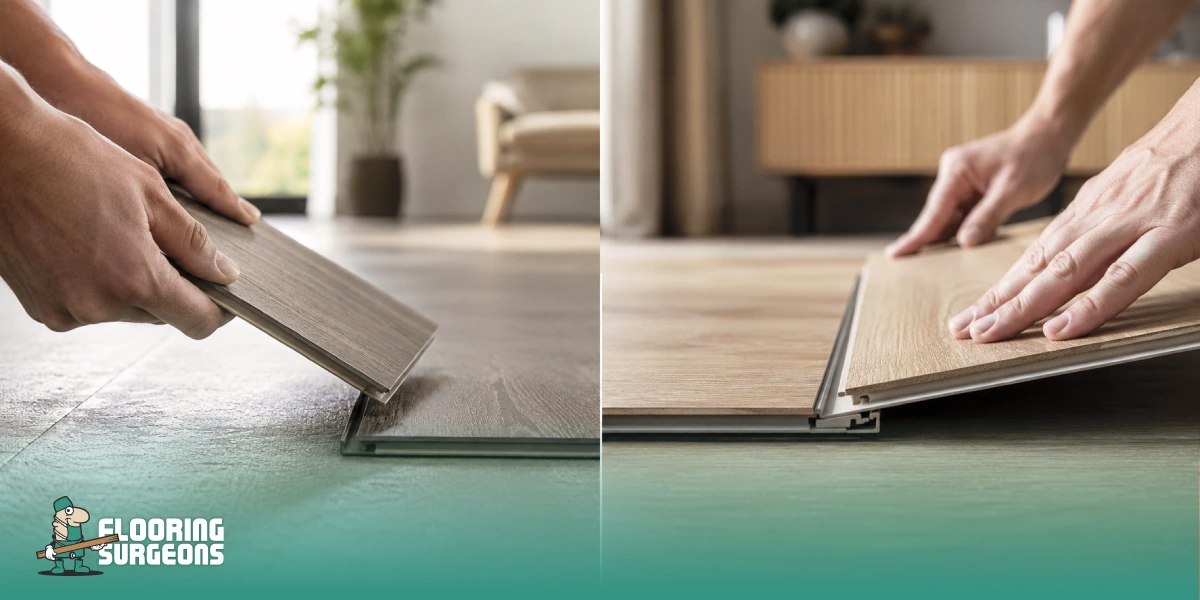
Luxury vinyl plank (LVP) or luxury vinyl tile (LVT) is ideal for smart homes. It’s waterproof, durable, and provides mapping systems with a flat, seamless surface they like. Vinyl has just enough texture to give wheels traction, but not enough to confuse sensors. It also transitions easily from room to room, and click-lock installation keeps the seams tight so edges aren’t snagging robots. Go with matte finishes or low-sheen. High-gloss vinyl will create strange reflections, particularly near windows or underneath ceiling-mounted fixtures.
Carpet and Rugs: Special Considerations
We’ve had users successfully map carpet. The carpet is much more finicky, though. Light or neutral-colored low-pile carpet seems to work best. It can sense where it is on the carpet, and the friction helps it grip.
Dark, thick, or shaggy carpets will cause problems. The thick pile tends to absorb light, which impairs LiDAR. Dark colours can activate cliff detection. If your carpet is too loose/thin, it will shift under the robot and throw off its distance measurement. If you have rooms with varying flooring types, ensure there aren’t any thick transitions. The edge of a thick rug or metal threshold strip will confuse the robot or cause it to get stuck in a loop.
Self-Mapping Floors: What You Need to Know
Many modern robot vacuums support multi‑floor mapping. That means the robot can store several different layouts and recognise which floor it is cleaning.
Transitioning Between Different Floor Types
Many homes have mixed flooring throughout. Tile kitchen, laminate living room, carpet bedrooms. Robots are smart enough to handle these transitions, but if done right, they can make mapping and navigation easier.
For example:
- Tile to laminate with flush edges
- Rooms with low thresholds between them
- Thin-edged rugs
Avoid thick metal strips between rooms, rounded/upward tile edges, and rugs that flip up on the edges. These cause problems mapping and will force the robot to recalculate the route over and over again. Simple transition rules will allow it to navigate the whole floor plan more accurately.
Storing Multiple Floor Plans
Robots with advanced mapping capabilities store individual maps for each floor of your home. When you put the robot on an upstairs level, it will scan and auto-match your home to the correct map.
Uniform floors aid in this process. Very different surfaces, reflections from lights, or patterns on each floor may require additional scans to produce a reliable map. Uniformity typically goes floor to floor in your home. For example, you may have laminate or vinyl flooring throughout multiple rooms.
Conclusion
In summary, how well your robot vacuum maps your floors depends on the type of flooring you have installed. Cleaner cuts of floorboards that aren’t too dark and have matte finishes, like hardwood flooring, matte tile, laminate, and luxury vinyl, will make it easier for your robot vacuum to navigate, since there aren’t any major differences in light patterns that the sensors read as cliffs or obstacles. Carpets that are too plush will absorb too much light and create too much resistance while mapping.
Installing high-quality floors that align with your smart home features is important, and at Flooring Surgeons, we can help you decide which type of flooring will work best for you and your smart home. Don’t let inefficient flooring ruin your smart home experience.

Ana.Soltanpoor
I’m an SEO Specialist with a strong background in content management and organic search. I build data-driven content strategies by aligning user intent, search behavior, and SEO best practices to ensure every piece of content delivers clarity, relevance, and measurable organic performance.