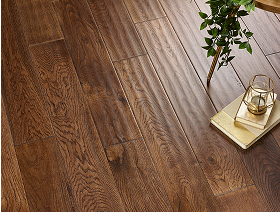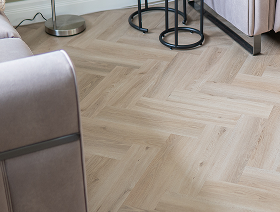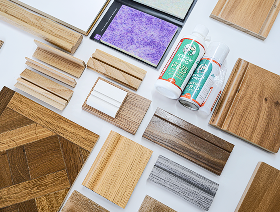
Solid wood flooring is one of the most durable and long-lasting flooring options for residential interiors. Installation methods and preparation requirements vary depending on the flooring pattern and fitting method.
Straight plank flooring is generally faster and simpler to install, while herringbone and chevron layouts require greater layout precision, detailed planning, and accurate alignment throughout installation.
This installation guide covers:
✔ Subfloor preparation
✔ Moisture testing and acclimatisation
✔ Tools and materials required
✔ Glue-down and nail-down installation methods
✔ Straight plank installation
✔ Herringbone installation
✔ Chevron installation
✔ Cutting and finishing details
✔ Common installation mistakes
✔ Solid wood flooring installation costs
Correct preparation, moisture control, and installation accuracy are essential for achieving a durable, stable, and professional-quality floor finish.
Learning how to fit solid wood flooring correctly starts with proper preparation, moisture control and choosing the right installation method for your floor pattern. This guide also explains how to lay solid wood flooring step by step, helping you achieve a stable, durable and professional-quality finish.
Table of contents
Before Installing Solid Wood Flooring: Room and Site Preparation
Proper room preparation helps prevent movement, expansion problems, and installation failure after fitting.
Before installation begins, ensure the room is:
✔ Fully enclosed and weather-tight
✔ Dry and free from wet trades
✔ Heated consistently
✔ Clean and ready for installation

Recommended Room Conditions
| Condition | Recommended Level |
|---|---|
| Room temperature | 18–24°C |
| Relative humidity | 45–65% |
| Room condition | Dry and stable |
Subfloor Preparation Checks
✔ Check concrete moisture levels
✔ Install damp-proof membrane if required
✔ Secure loose timber boards
✔ Confirm the subfloor is level and stable
Correct preparation improves long-term flooring stability and installation performance.
How to Measure and Order Solid Wood Flooring for Each Pattern
Measure the room length and width carefully to calculate the total floor area before ordering materials.
Different flooring patterns require different waste allowances:
| Installation Pattern | Recommended Waste Allowance |
|---|---|
| Straight plank | 10% |
| Herringbone | 12–15% |
| Chevron | 15–18% |
Chevron layouts usually create more material waste because of angled cuts and border trimming.
Before ordering flooring:
✔ Avoid narrow final-row boards
✔ Plan centre-line symmetry for patterned layouts
✔ Check all product batch numbers
✔ Use the same production batch for colour consistency
Accurate planning helps reduce waste and improve installation balance.
For more detailed guidance on room measurements and flooring calculations, read our guide on How to Measure a Room for Flooring Step-by-Step Guide.
How to Prepare the Subfloor for Solid Wood Flooring Installation
A level and stable subfloor is essential before installing solid wood flooring.
Poor subfloor preparation may cause:
✔ Floor movement
✔ Squeaking
✔ Gaps between boards
✔ Alignment problems
✔ Uneven flooring surfaces
Before installation begins:
✔ Remove dust and debris
✔ Clean adhesive residue
✔ Secure loose boards and fixings
✔ Repair damaged subfloor areas
✔ Check for structural movement

Recommended Subfloors for Straight Plank, Herringbone and Chevron Flooring
| Pattern | Recommended Subfloor |
| Straight Plank | Timber or plywood |
| Herringbone | Plywood or high-quality screed |
| Chevron | Perfectly level plywood or concrete |
Patterned layouts require greater subfloor accuracy to maintain proper alignment throughout installation.
For uneven concrete subfloors, use a self-levelling compound to create a smooth installation surface.
Using the correct flooring underlay may also help improve stability, sound reduction, and moisture protection where suitable.
Moisture Testing for Concrete and Timber Subfloors
Always test subfloor moisture levels before installing solid wood flooring.
Excess moisture may cause:
✔ Board expansion
✔ Cupping and warping
✔ Adhesive failure
✔ Long-term floor movement
Before installation:
✔ Check concrete moisture levels carefully
✔ Test timber subfloors for moisture content
✔ Follow manufacturer moisture limits
✔ Install a damp-proof membrane where required
Moisture control is especially important when installing solid wood flooring over concrete subfloors.

How to Acclimate Solid Wood Flooring Before Installation
Solid wood flooring naturally expands and contracts with temperature and humidity changes. Proper acclimatisation helps reduce movement after installation.
Before installation:
✔ Store flooring packs flat inside the room
✔ Acclimatise flooring for 5–7 days
✔ Maintain room temperature between 18–24°C
✔ Keep humidity between 45–65%
✔ Allow airflow between flooring packs
Do not lean flooring packs against walls or stack them too high during acclimatisation.
Before fitting begins, use a moisture meter to confirm the wood moisture content is compatible with the subfloor and room conditions.
Incorrect acclimatisation may cause:
✔ Gaps between boards
✔ Cupping and warping
✔ Expansion pressure
✔ Lifting or distortion

Expansion Gaps for Solid Wood Flooring Installation
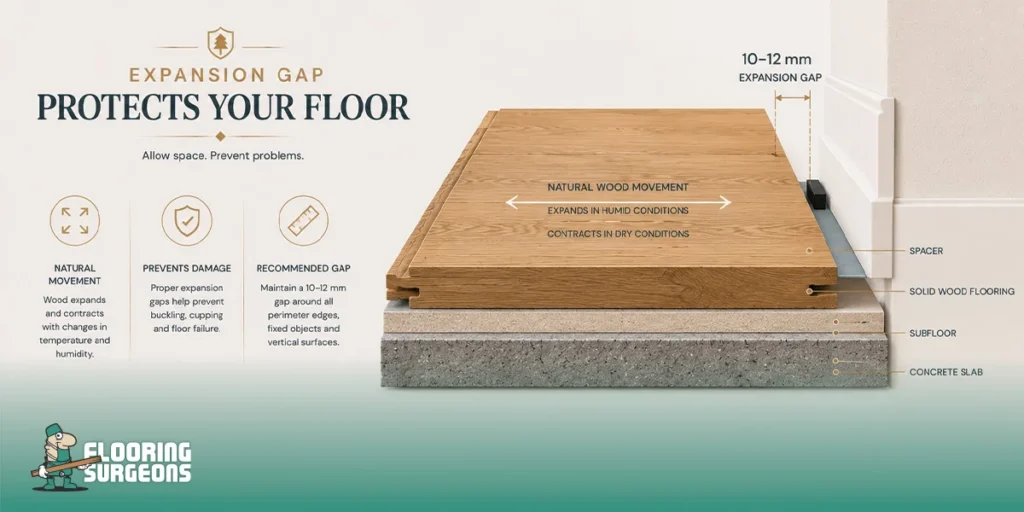
Solid wood flooring requires expansion gaps around all fixed objects to allow for natural seasonal movement.
Leave a 10–12mm expansion gap around:
✔ Walls
✔ Door frames
✔ Pipes
✔ Stair edges
✔ Kitchen islands
✔ Fireplaces
Recommended Maximum Installation Size
| Area | Maximum Size |
|---|---|
| Width | 5m |
| Length | 7m |
Large installations may require expansion joints or transition profiles to control floor movement.
Never install solid wood flooring tightly against fixed objects or walls.
Tools Needed to Install Solid Wood Flooring
Using the correct tools improves installation accuracy and helps reduce fitting mistakes during installation.
Tools for Straight Plank Solid Wood Flooring Installation
| Tool | Purpose |
| Flooring nailer | Secures boards to timber subfloors |
| Tape measure | Measures room dimensions and board placement |
| Chalk line | Maintains straight installation lines |
| Rubber mallet | Taps boards together without damage |
| Tapping block | Protects board edges during installation |
| Pull bar | Tightens final rows near walls |
| Moisture meter | Checks wood and subfloor moisture levels |
| Spirit level | Verifies subfloor flatness |
| Spacers | Maintains expansion gaps |
Tools for Solid Wood Herringbone Installation
| Tool | Purpose |
| Laser level | Maintains accurate center alignment |
| Framing square | Ensures perfect 90° layout |
| Chalk line | Marks room centerlines |
| Adhesive trowel | Spreads adhesive evenly |
| Slip tongue / spline | Connects opposing groove joints |
| Mitre saw | Makes accurate edge cuts |
| Rubber mallet | Adjusts board positioning |
| Measuring square | Verifies layout consistency |
Herringbone flooring requires highly accurate layout preparation because small alignment errors become increasingly visible across the pattern.
Tools for Solid Wood Chevron Installation
| Tool | Purpose |
| Mitre saw | Creates precise angled cuts |
| Laser guide | Maintains straight V-pattern alignment |
| Angle finder | Confirms exact board angles |
| Precision spacers | Maintains consistent spacing |
| Layout triangle | Assists with pattern accuracy |
| Adhesive trowel | Applies glue evenly |
| Pull bar | Secures perimeter boards |
Chevron installation requires the highest level of cutting precision because all board ends must align perfectly throughout the floor.

Choosing Between Straight Plank, Herringbone and Chevron Flooring
Different installation patterns create different visual styles and require different fitting techniques.
Straight Plank Solid Wood Flooring
Straight plank flooring is the most common solid wood installation pattern.
✔ Faster installation
✔ Lower material waste
✔ Simpler layout preparation
✔ Easier board replacement
✔ More suitable for DIY projects
Best suited for large rooms and standard residential installations.
Solid Wood Herringbone Flooring
Herringbone flooring uses boards installed in a 90° zig-zag pattern.
✔ Decorative traditional appearance
✔ Premium visual finish
✔ More detailed layout planning
✔ Higher installation accuracy required
The layout must remain square throughout the entire installation.
Solid Wood Chevron Flooring
Chevron flooring creates a continuous V-shaped pattern using angled boards.
✔ Modern architectural appearance
✔ Premium installation finish
✔ Precise cutting and alignment required
✔ Highest installation complexity
Chevron layouts require highly accurate board positioning and border planning.
| Feature | Straight Plank | Herringbone | Chevron |
| Installation Difficulty | Easy | Medium–Hard | Hard |
| Material Waste | Low | Medium | High |
| Best For | Standard rooms | Traditional interiors | Modern interiors |
| DIY Friendly | Yes | Limited | No |
| Layout Complexity | Low | High | Very High |
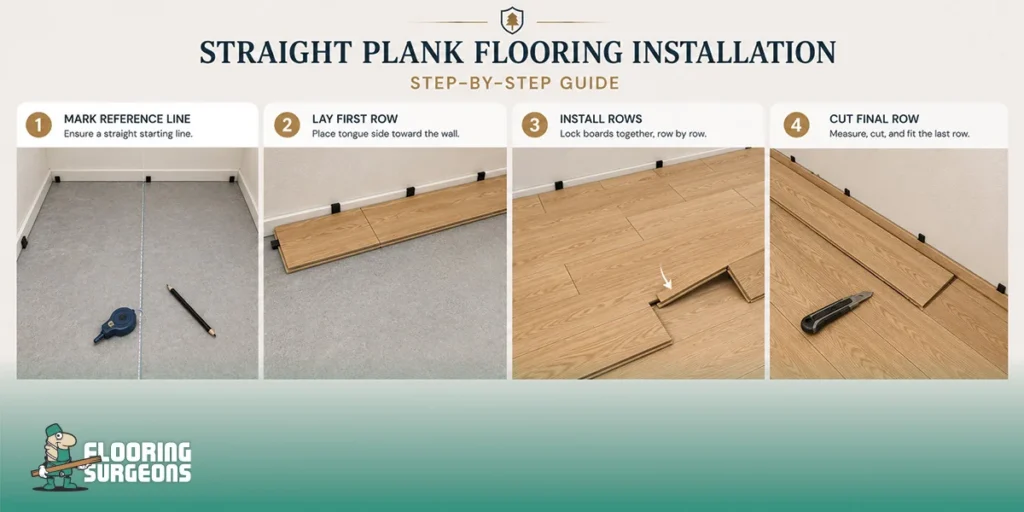
How to Install Straight Plank Solid Wood Flooring Step by Step
Straight plank installation is the most common solid wood flooring fitting method. It is suitable for both nail-down and glue-down installations, depending on the subfloor type.
Step 1: Choose the Direction of the Boards
In most rooms, boards should run parallel with the longest wall or in the direction of natural light.
Before installation:
✔ Calculate the width of the final row
✔ Avoid narrow finishing boards
✔ Adjust the first row if required
Balanced layout planning improves the final floor appearance.
Step 2: Mark a Straight Reference Line
Use a chalk line or laser level to create a straight starting line across the room.
✔ Do not rely on uneven walls
✔ Keep the first row perfectly straight
✔ Recheck alignment before fitting
All following rows depend on the alignment of the first row.
Step 3: Place Expansion Spacers
Install 10–12mm spacers around all fixed objects.
✔ Walls
✔ Door frames
✔ Pipes
✔ Fireplaces
✔ Kitchen units
Expansion gaps allow the wood to move naturally with seasonal changes.
Step 4: Install the First Row
Lay the first boards carefully and confirm alignment before continuing.
For timber subfloors:
✔ Secret-nail through the tongue at 45°
For concrete subfloors:
✔ Apply adhesive evenly using a notched trowel
✔ Press boards firmly into position
The first row must remain perfectly straight throughout installation.
Step 5: Lay the Remaining Rows
Continue installation row by row while keeping joints tight and aligned.
✔ Use a tapping block carefully
✔ Protect board edges during fitting
✔ Stagger end joints by at least 150mm
✔ Avoid repeating joint patterns
Use offcuts where possible to reduce waste and improve board staggering.
Step 6: Check Alignment as You Work
Check floor alignment every 2–3 rows during installation.
✔ Use a chalk line or laser level
✔ Correct alignment drift immediately
✔ Monitor board spacing carefully
Small alignment problems become more visible across larger areas.
Step 7: Cut Boards at the End of Each Row
Measure all end cuts while maintaining the expansion gap.
✔ Use a mitre saw or hand saw
✔ Check measurements carefully before cutting
✔ Reuse suitable offcuts where possible
Accurate cutting helps create a cleaner installation finish.
Step 8: Fit Boards Around Doors and Pipes
Undercut door frames so boards slide neatly underneath.
For pipes:
✔ Drill slightly oversized holes
✔ Maintain expansion gaps
✔ Refit cut sections carefully if required
Careful cutting improves the final floor appearance around fixed obstacles.
Step 9: Install the Final Row
Measure the remaining space carefully before fitting the final boards.
✔ Maintain expansion gaps consistently
✔ Rip-cut boards lengthwise if required
✔ Use a pull bar carefully during fitting
The final row should fit tightly without forcing the boards into place.
Step 10: Remove Spacers and Finish the Edges
Remove all spacers after installation is complete.
Cover expansion gaps using:
✔ Skirting boards
✔ Beading
Do not fix trims directly through the flooring.
For glue-down installations, avoid heavy traffic until the adhesive cures fully.
Step 11: Inspect the Finished Straight Plank Floor
Inspect the entire floor carefully before completing the installation.
✔ Check for visible gaps
✔ Inspect loose boards
✔ Look for uneven rows
✔ Remove adhesive residue immediately
✔ Check for damaged edges
Correct any installation problems before final finishing.
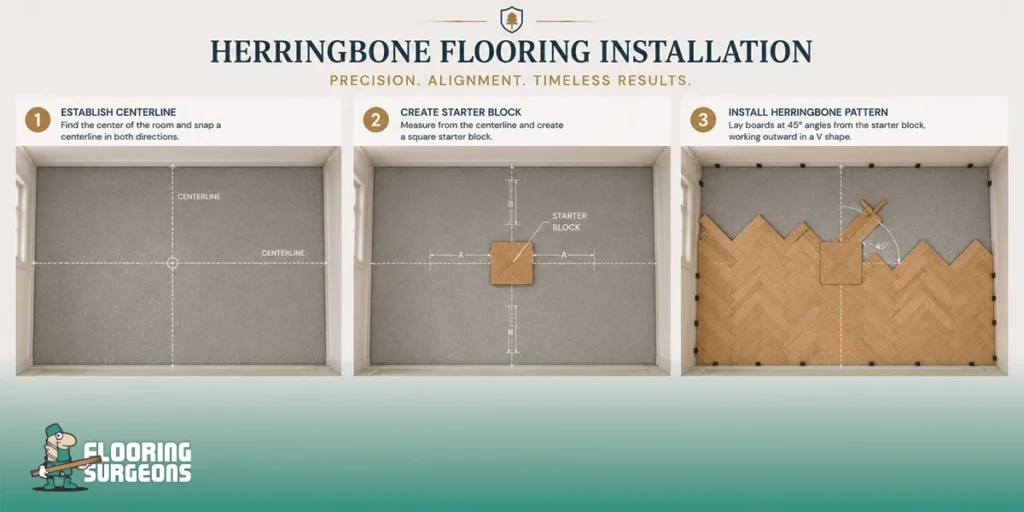
How to Install Solid Wood Herringbone Flooring Step by Step
Solid wood herringbone flooring requires accurate layout planning and precise alignment throughout installation. For best results, herringbone flooring is usually installed using the glue-down method over a perfectly level subfloor.
Step 1: Mark the Room Centerline
Measure the room carefully and create accurate centre reference lines.
✔ Mark one centre line across the room length
✔ Create a perpendicular 90° cross line
✔ Use a laser level or chalk line
✔ Recheck alignment before installation
These reference lines control the entire herringbone layout.
Step 2: Dry Lay the First Herringbone Rows
Dry lay several rows before applying adhesive.
✔ Check pattern symmetry
✔ Confirm border balance
✔ Avoid narrow perimeter cuts
✔ Verify room alignment
Adjust the starting position if edge cuts appear uneven.
Step 3: Build the Herringbone Starter Block
The starter block controls the squareness of the full installation.
✔ Join boards at 90°
✔ Check alignment using a framing square
✔ Keep both sides perfectly aligned
✔ Position the starter block on the centre line
Accurate starter alignment helps prevent long-term pattern drift.
Step 4: Apply Adhesive in a Small Working Area
Spread adhesive evenly using the recommended trowel.
✔ Work in small controlled areas
✔ Apply adhesive for 30–45 minutes of installation time
✔ Use flexible wood flooring adhesive
✔ Remove excess adhesive immediately
Correct adhesive selection helps reduce hollow spots and movement after installation.
Step 5: Install the First Herringbone Rows
Begin from the starter block and work outward gradually.
✔ Keep joints tight and aligned
✔ Maintain accurate board angles
✔ Check alignment continuously
✔ Use a rubber mallet carefully if required
Small alignment mistakes become more visible across the full pattern.
Step 6: Check the Pattern Alignment Regularly
Inspect the layout every few rows during installation.
✔ Check centre-line accuracy
✔ Maintain zig-zag consistency
✔ Verify board spacing
✔ Correct pattern drift immediately
Use laser levels and framing squares throughout installation to maintain accuracy.
Step 7: Cut Border and Perimeter Boards
Measure all perimeter boards individually before cutting.
✔ Use a mitre saw for clean edge cuts
✔ Use a jigsaw around obstacles
✔ Maintain 10–12mm expansion gaps
✔ Check wall alignment carefully
Patterned layouts require more accurate perimeter cutting than straight plank installations.
Step 8: Fit Around Door Frames and Pipes
Undercut door frames so boards slide underneath neatly.
For pipes:
✔ Drill oversized holes for movement
✔ Maintain expansion gaps
✔ Refit cut sections carefully if required
Accurate obstacle cutting improves the final floor finish.
Step 9: Install the Final Border Rows
The final rows may require angled or triangular cuts.
✔ Maintain pattern symmetry
✔ Keep border spacing consistent
✔ Check edge alignment carefully
✔ Use a pull bar near walls if required
Careful finishing helps preserve layout balance across the room.
Step 10: Let the Adhesive Cure
Avoid walking on the floor until the adhesive cures fully.
✔ Wait at least 24 hours before traffic
✔ Avoid moving furniture onto the floor
✔ Follow manufacturer curing guidelines
Early movement may affect adhesive bonding and floor alignment.
Step 11: Inspect the Finished Herringbone Floor
Inspect the floor carefully before completing the installation.
✔ Check for pattern drift
✔ Inspect uneven spacing
✔ Look for loose boards
✔ Remove adhesive residue immediately
✔ Check zig-zag alignment consistency
Correct any installation problems before final finishing.
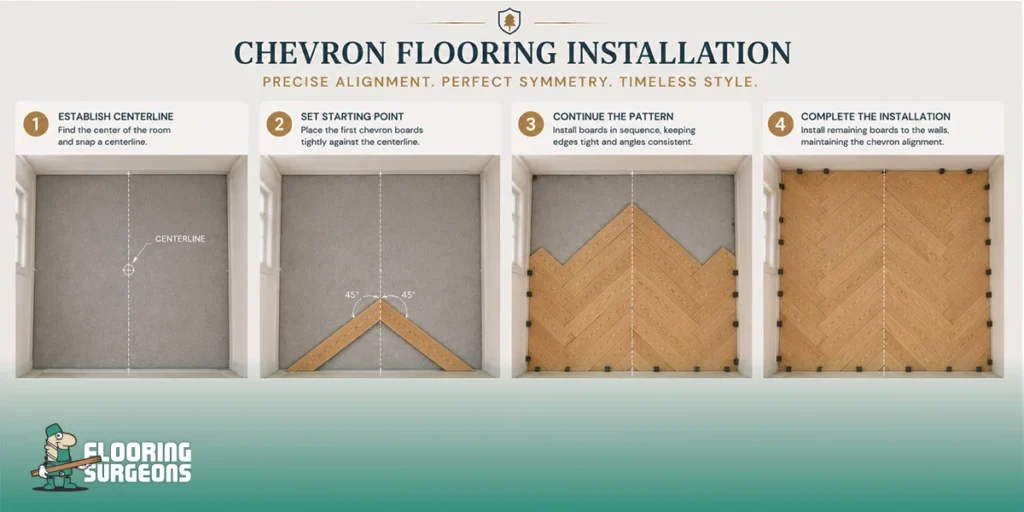
How to Install Solid Wood Chevron Flooring Step by Step
Chevron flooring creates a continuous V-shaped layout using angled boards. Because every board must align precisely at the centre point, chevron installation requires highly accurate layout planning and cutting precision throughout the installation.
For best results, chevron flooring is usually installed using the glue-down method over a perfectly level subfloor.
Step 1: Mark the Main Chevron Centerline
Find the exact centre of the room before installation begins.
✔ Create one central lengthwise line
✔ Mark a perpendicular cross line
✔ Use a laser level or chalk line
✔ Recheck alignment carefully
The centre line controls the alignment of the entire chevron pattern.
Step 2: Dry Lay the First Chevron Rows
Dry lay several rows before applying adhesive.
✔ Confirm pattern direction
✔ Verify board alignment
✔ Check perimeter spacing
✔ Avoid narrow border cuts
Dry laying helps identify alignment problems before permanent installation begins.
Step 3: Check Board Angles and Orientation
Chevron boards use angled ends and must remain correctly aligned throughout installation.
✔ Separate left and right boards if required
✔ Check board angles carefully
✔ Confirm V-point alignment
✔ Maintain consistent board orientation
Incorrect board positioning may break the pattern alignment.
Step 4: Apply Adhesive in Small Sections
Spread adhesive evenly using the recommended notched trowel.
✔ Work in small controlled sections
✔ Apply adhesive for approximately 30 minutes of installation time
✔ Use flexible wood flooring adhesive
✔ Avoid spreading adhesive too far ahead
Correct adhesive application helps improve bonding performance and alignment stability.
Step 5: Install the First Chevron Rows
Begin installation directly from the centre line.
✔ Keep V-points perfectly aligned
✔ Maintain tight board joints
✔ Check spacing consistency
✔ Use a laser guide regularly
Small alignment errors become highly visible across chevron layouts.
Step 6: Prevent Chevron Pattern Drift
Check the layout every 2–3 rows during installation.
✔ Inspect V-point alignment
✔ Verify row straightness
✔ Check spacing consistency
✔ Correct drift immediately
Minor positioning errors can quickly multiply across the floor.
Step 7: Cut Chevron Border Boards
Measure each perimeter board individually before cutting.
✔ Use a mitre saw for angled cuts
✔ Use a jigsaw around obstacles
✔ Maintain 10–12mm expansion gaps
✔ Check wall alignment carefully
Chevron layouts require highly accurate perimeter cutting to maintain pattern symmetry.
Step 8: Fit Around Doorways, Pipes and Floor Vents
Undercut door frames so the flooring slides underneath cleanly.
For pipes and vents:
✔ Mark cut positions carefully
✔ Drill oversized holes where required
✔ Maintain expansion gaps around fixed objects
Accurate obstacle cutting improves the final installation finish.
Step 9: Install the Final Chevron Rows
The final rows usually require angled rip cuts.
✔ Maintain pattern symmetry
✔ Check edge alignment carefully
✔ Measure every board individually
✔ Use a pull bar near walls if required
Careful finishing helps preserve consistent V-pattern alignment.
Step 10: Let the Adhesive Cure
Avoid walking on the floor until the adhesive cures fully.
✔ Wait at least 24 hours before foot traffic
✔ Avoid moving furniture onto the floor
✔ Follow manufacturer curing guidelines
Early movement may affect adhesive bonding and pattern alignment.
Step 11: Inspect the Finished Chevron Floor
Inspect the floor carefully before completing the installation.
✔ Check V-pattern alignment
✔ Inspect spacing consistency
✔ Look for visible pattern drift
✔ Remove adhesive residue immediately
✔ Check board angles carefully
Correct any installation problems before final finishing.
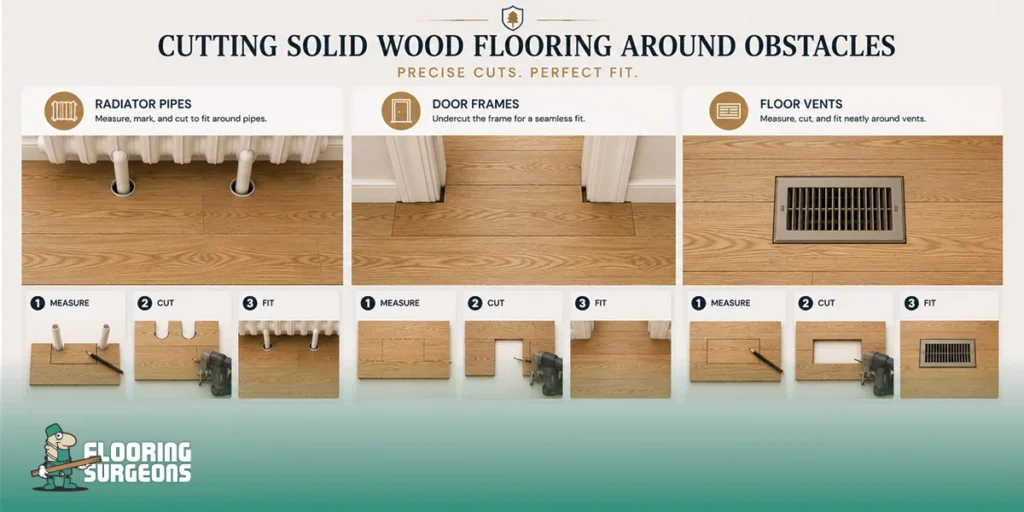
How to Cut Solid Wood Flooring Around Doors, Pipes, Stairs and Obstacles
Accurate cutting around obstacles helps improve installation quality and creates a cleaner floor finish.
Poor cutting may cause:
✔ Visible gaps
✔ Restricted wood movement
✔ Weak board support
✔ Uneven perimeter finishes
Cutting Around Door Frames
Undercut wooden door frames before installation begins.
✔ Use a flooring offcut as a height guide
✔ Allow boards to slide underneath neatly
✔ Maintain expansion gaps beneath the frame
✔ Avoid visible perimeter gaps
Undercutting creates a cleaner and more professional finish.
Cutting Around Radiator Pipes
Mark pipe positions carefully before cutting.
✔ Drill holes slightly larger than the pipe diameter
✔ Cut toward the drilled hole carefully
✔ Maintain expansion gaps around pipes
✔ Install pipe collars after fitting
Pipe collars help conceal visible expansion gaps around radiator pipes.
Cutting Around Floor Vents
Measure vent openings carefully before cutting.
✔ Use a jigsaw for detailed cuts
✔ Maintain board support around vent edges
✔ Avoid restricting airflow
✔ Check vent cover alignment carefully
Accurate vent cutting helps improve floor stability and appearance.
Fitting Solid Wood Flooring Around Stairs
Stair nosings must remain secure, level, and correctly aligned.
For herringbone and chevron flooring:
✔ Plan stair transitions early
✔ Maintain pattern direction consistently
✔ Avoid small triangular edge cuts
✔ Use suitable stair nosing profiles
Careful stair planning helps preserve pattern balance and edge strength.
Fitting Boards Along Curved or Uneven Walls
Older properties often contain uneven or curved walls.
✔ Scribe boards to match wall shapes
✔ Cut gradually for better accuracy
✔ Maintain consistent expansion gaps
✔ Avoid forcing boards against walls
Scribing creates a cleaner perimeter finish around irregular walls.
General Tips for Obstacle Cutting
✔ Measure every cut individually
✔ Avoid overly tight-fitting cuts
✔ Allow for natural wood movement
✔ Use sharp cutting blades
✔ Remove adhesive residue immediately
Careful obstacle cutting improves the final installation finish and long-term floor performance.
How to Sand and Finish Solid Wood Flooring After Installation
Proper sanding and finishing help protect solid wood flooring from wear, moisture, and surface damage.
Pre-finished boards usually do not require sanding after installation.
Check the Floor Before Sanding
Before sanding begins:
✔ Ensure all boards are secure
✔ Remove adhesive residue
✔ Check for uneven joints
✔ Countersink exposed nails
✔ Clean the floor thoroughly
The floor should remain stable and completely clean before sanding starts.
Sand the Floor in Stages
Use multiple sanding stages to create a smooth and even surface.
| Sanding Stage | Recommended Grit |
|---|---|
| Initial sanding | 36–40 grit |
| Intermediate sanding | 60–80 grit |
| Final sanding | 100–120 grit |
Vacuum the floor carefully between sanding stages to remove dust particles.
Choose the Correct Floor Finish
Polyurethane Finish
Best suited for:
✔ High-traffic areas
✔ Strong surface protection
✔ Easier maintenance
✔ Improved moisture resistance
Natural Oil Finish
Best suited for:
✔ Natural wood appearance
✔ Traditional interiors
✔ Easier spot repairs
✔ More natural surface feel
Oil-finished floors usually require more maintenance than polyurethane finishes.
Allow the Finish to Cure
After finishing:
✔ Avoid heavy traffic temporarily
✔ Keep rugs and furniture off the floor
✔ Follow manufacturer curing guidelines carefully
Premature use may damage the finish before it hardens fully.
Common Solid Wood Flooring Installation Problems and How to Fix Them
Most solid wood flooring problems are caused by poor preparation, moisture issues, or incorrect layout alignment.
| Problem | Common Cause | Solution |
| Uneven boards | Subfloor not level | Use self-levelling compound before installation |
| Gaps between boards | Poor acclimation or low humidity | Acclimate flooring correctly and maintain stable humidity |
| Floor squeaking | Loose subfloor or poor fixing | Secure subfloor properly before installation |
| Cupping boards | Excess moisture exposure | Check moisture levels and install damp-proof membrane |
| Adhesive failure | Incorrect adhesive or poor subfloor preparation | Use recommended adhesive and clean subfloor thoroughly |
| Pattern drift in herringbone | Incorrect starter block alignment | Recheck centerlines and starter block squareness |
| Broken chevron alignment | Inconsistent board angles or layout drift | Use laser guides and check alignment regularly |
| Hollow spots | Uneven adhesive coverage | Apply adhesive evenly using the correct trowel size |
| Buckling or lifting | Insufficient expansion gaps | Maintain proper perimeter spacing |
| Uneven border cuts | Poor layout planning | Dry lay rows before installation |
Preventing Installation Problems
Most installation issues can be avoided through:
✔ Accurate subfloor preparation
✔ Proper moisture testing
✔ Correct acclimatisation
✔ Careful layout planning
✔ Frequent alignment checks
✔ Consistent expansion gaps
Herringbone and chevron installations require greater layout accuracy and alignment control than straight plank flooring.
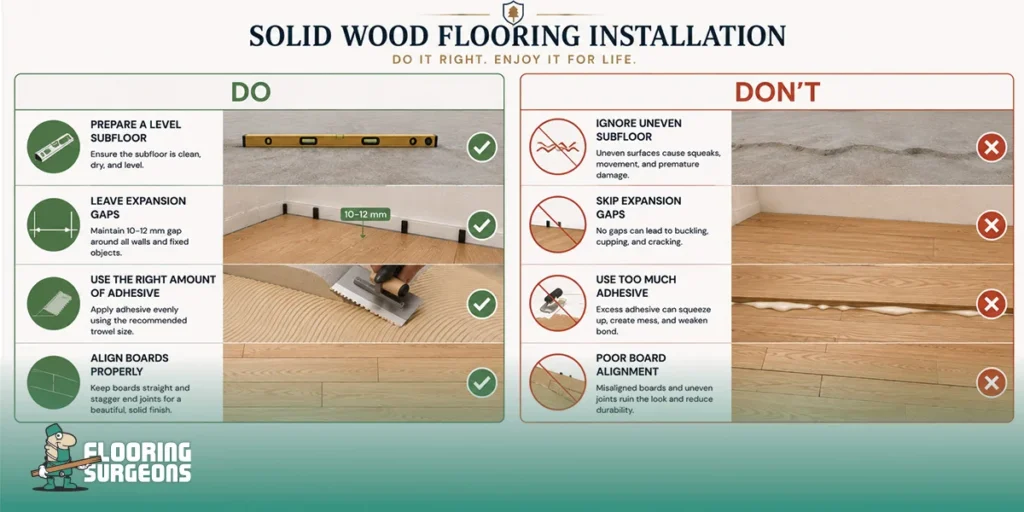
Solid Wood Flooring Installation Mistakes to Avoid
Incorrect preparation and rushed installation are the most common causes of solid wood flooring failure.
Installing Over an Uneven Subfloor
Uneven subfloors may cause:
✔ Floor movement
✔ Squeaking
✔ Visible board gaps
✔ Poor pattern alignment
Herringbone and chevron flooring require especially accurate subfloor flatness.
Skipping Moisture Testing
Excess moisture may lead to:
✔ Cupping and warping
✔ Adhesive failure
✔ Board expansion
✔ Long-term movement problems
Always test both subfloor moisture and wood moisture content before installation.
Incorrect Wood Acclimation
Solid wood flooring should acclimate inside the installation room for at least 5–7 days.
Incorrect acclimatisation may cause:
✔ Seasonal movement
✔ Gaps between boards
✔ Expansion pressure
✔ Floor distortion
Ignoring Expansion Gaps
Insufficient expansion gaps may cause the floor to lift or buckle.
Always maintain:
✔ 10–12mm perimeter spacing
✔ Expansion gaps around fixed objects
✔ Consistent spacing throughout installation
Poor Herringbone Layout Planning
Incorrect starter alignment may cause pattern drift across the room.
Before installation:
✔ Dry lay several rows
✔ Check layout symmetry
✔ Verify squareness regularly
✔ Recheck centre lines carefully
Incorrect Chevron Alignment
Chevron flooring requires extremely accurate V-point alignment.
Common mistakes include:
✔ Incorrect board orientation
✔ Uneven perimeter cuts
✔ Drifting centre lines
✔ Forcing boards into place
Small alignment errors become highly visible in chevron layouts.
Repeating Joint Patterns in Straight Plank Flooring
Repeating board lengths or visible H-joints may weaken the floor visually.
✔ Stagger joints naturally
✔ Avoid repeating board patterns
✔ Maintain consistent spacing
Natural staggering improves both appearance and floor stability.
Applying Too Much Adhesive
Excess adhesive may cause:
✔ Surface skinning
✔ Weak bonding
✔ Hollow spots beneath boards
Apply adhesive only in manageable working sections.
Rushing the Installation
Installing too quickly often leads to:
✔ Alignment mistakes
✔ Damaged board edges
✔ Poor cuts
✔ Uneven spacing
Frequent alignment checks help improve installation accuracy and final floor quality.

How to Maintain Solid Wood Flooring After Installation
Proper maintenance helps preserve the appearance, stability, and lifespan of solid wood flooring.
Maintain Stable Indoor Humidity
Wood naturally reacts to humidity changes.
Maintain indoor humidity between:
✔ 45–65% relative humidity
Use humidifiers or dehumidifiers where necessary to reduce:
✔ Seasonal movement
✔ Gapping
✔ Shrinking
✔ Cupping
Clean the Floor Correctly
Avoid excessive water during cleaning.
Instead:
✔ Use a dry microfibre mop
✔ Vacuum using a hardwood floor attachment
✔ Use manufacturer-approved wood floor cleaners
Avoid:
✘ Steam cleaners
✘ Abrasive pads
✘ Harsh chemicals
These may damage the wood surface and protective finish.
Protect the Floor From Scratches
✔ Use felt pads beneath furniture
✔ Avoid dragging heavy furniture
✔ Use entrance mats in high-traffic areas
✔ Remove dirt and grit regularly
Preventative protection helps reduce surface wear and scratching.
Clean Spills Immediately
✔ Wipe spills away quickly
✔ Prevent standing water on the floor
✔ Avoid moisture absorption into the wood
Excess moisture may damage both the finish and the wood itself.
Recoat the Finish When Necessary
| Finish Type | Typical Recoat Interval |
|---|---|
| Polyurethane finish | Every 7–10 years |
| Oil finish | Every 2–5 years |
Regular recoating helps extend floor lifespan and reduces the need for full sanding.
Monitor Seasonal Movement
Small seasonal gaps are normal with solid wood flooring.
However, excessive movement may indicate:
✔ Humidity imbalance
✔ Moisture problems
✔ Incorrect acclimatisation
✔ Insufficient expansion gaps
Regular inspection helps identify problems early before major movement occurs.

DIY vs Professional Solid Wood Flooring Installation
The difficulty of installation depends on the flooring pattern, subfloor condition, and required layout accuracy.
Straight Plank Flooring
Straight plank flooring is generally the most DIY-friendly installation method.
✔ Simpler layout planning
✔ Faster installation
✔ Lower cutting complexity
✔ Easier board replacement
Experienced DIY installers can often complete straight plank projects successfully with proper preparation and suitable tools.
Herringbone Flooring
Herringbone flooring requires greater installation accuracy and layout control.
✔ Accurate centre-line planning
✔ Continuous alignment checks
✔ More detailed cutting
✔ Higher installation precision
Larger herringbone layouts are often better suited to professional installation.
Chevron Flooring
Chevron flooring is usually considered a professional-level installation.
✔ Precise angled cutting required
✔ Continuous V-pattern alignment
✔ Greater layout complexity
✔ Higher risk of visible alignment errors
Small installation mistakes become highly visible across chevron floors.
When Professional Installation Is Recommended
Professional installation is recommended when:
✔ The subfloor is uneven
✔ Moisture issues are present
✔ Large patterned layouts are planned
✔ Complex room shapes are involved
✔ Premium flooring materials are being installed
For herringbone and chevron layouts, many homeowners choose professional installers such as Flooring Surgeons to improve alignment accuracy, reduce material waste, and achieve a higher-quality finish.
Final Thoughts
Successful solid wood flooring installation depends on careful preparation, accurate layout planning, and correct fitting techniques throughout every stage of the installation process.
✔ Prepare the subfloor correctly
✔ Test moisture levels carefully
✔ Acclimatise the flooring properly
✔ Maintain consistent expansion gaps
✔ Use suitable installation tools and methods
Straight plank flooring provides a simpler installation method, while herringbone and chevron layouts require significantly greater layout accuracy and cutting precision.
Careful planning, moisture control, and accurate alignment help create a durable, stable, and professional-quality solid wood floor that can perform reliably for many years.

Mina Asgari
I’m an SEO Specialist and Content Strategist focused on sustainable business growth. I design data-driven content strategies by deeply analyzing user intent, search behavior, and SEO best practices, ensuring every piece of content serves a clear purpose for both users and search engines.