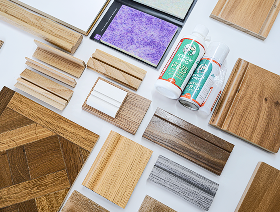
IIf you search for colour-changing floors that match your mood in the UK, you’ll generally find results discussing either colour-changing flooring (think thermochromic flooring) or how the colour of your flooring can change the mood of a room with tone, texture and light. When it comes to real-life rooms in the UK, the latter is much more realistic.
Light flooring shades can open up a room and create a more relaxed atmosphere, whereas darker flooring shades are known to create warmth, depth and cosiness. The trick? Picking a floor that complements your room, lighting and desired mood.
Table of contents
Do Floors Really Change Colour With Your Mood?
Not really. Floors typically don’t react to emotions in real-time. In the context of home interiors in the UK, it usually refers to one of two things: flooring that changes colour with heat or touch, or flooring colours that set the mood of a room.
The latter tends to be more important for most homeowners. Light floors can make a room feel brighter and more relaxed, whereas dark floors feel warmer and cosier. That’s why picking the right flooring colour is often more beneficial than going for a sci-fi look. Learn more about how flooring tone can affect the mood in a room in The Psychology of Dark flooring vs Light flooring.
What people usually mean by this phrase
Most commonly, this will mean:
- thermal or heat-reactive flooring
- touch reactive flooring that changes colour
- colour palettes that affect the mood of a space
- statement floors that help you design a relaxing, homely, contemporary or courageous space.

What Colour-Changing Flooring Actually Means in the UK
Colour-changing flooring rarely reacts to emotion. In most instances, it means flooring that alters its appearance when heat, pressure or light is applied to its surface. Thermochromic flooring is the most well-known example, which changes colour according to the surface temperature of the floor.
You’re more likely to come across colour-changing flooring in artistic environments, exhibitions and design-conscious commercial interiors than your standard UK home. For most people shopping for flooring, it’s more practical to consider how different flooring colours can change the mood of a room, rather than the flooring itself changing colour.

How Flooring Changes the Mood of a Room
The hue and sheen of flooring can dramatically affect the ambience of a room as soon as you enter. Spaces feel brighter and more serene when the floor has more reflection. They feel cosy and heavier when the tone is darker and more saturated. For most houses, this matters more than people realise.
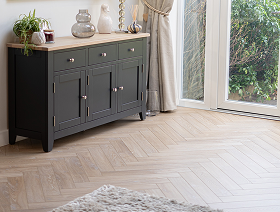
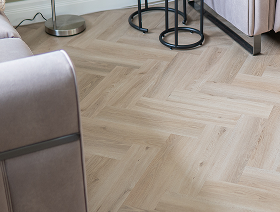
- Light floors for calm, airy spaces: Light flooring can make a room look brighter, cleaner and more spacious. It can be particularly effective in smaller rooms or rooms with limited natural light. That’s part of the reason why light laminate flooring is popular for interiors with a softer feel.
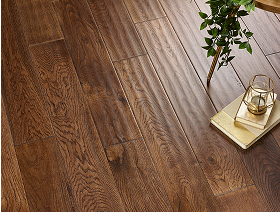
- Dark floors for depth, warmth, and drama: Dark floors add contrast and visual mass to a room. They can make your living space feel warmer, finished and sophisticated. Dark engineered flooring can be a good option for spaces that feel like they could use some richness.
- Warm tones vs cool tones: Warm tones give you comfort and softness. Cool tones provide cleanliness and modernity. Consider mood, lighting, and existing colours when deciding which is best for you.

Best Floor Colours for Different Moods
Your best floor colour depends on what atmosphere you want the room to convey. In the UK, neutral lighter colours tend to make a room feel more relaxed and spacious. Darker neutrals, on the other hand, can add richness and cosiness. Generally, warmer neutrals feel softer and lighter, and cooler colours feel cleaner and sharper.
| Mood | Best floor colours | Best for | Watch out for |
| Calm and airy | light oak, soft beige, pale neutrals | small rooms, low-light spaces, relaxed interiors | can feel flat if the room lacks contrast |
| Warm and cosy | honey oak, warm brown, natural wood tones | bedrooms, lounges, family spaces | may look heavy in very dark rooms |
| Bold and dramatic | walnut, charcoal, deep brown | larger rooms, statement interiors | can make small spaces feel tighter |
| Clean and modern | cool grey, greige, stone-inspired tones | kitchens, minimalist rooms, modern homes | may feel cold without warmer accents |
Which Flooring Types Work Best for Mood-Led Interiors?
Flooring is just as important as colour when it comes to creating a feel in a room. Some flooring types can feel warmer and softer than others. Modern homes require flooring that can handle easy maintenance. When it comes to flooring choice for the majority of UK houses, it’s about aesthetics, comfort and room function.
LVT for flexible colour and finish choices
LVT, which stands for Luxury vinyl Tiles, is one of the easiest flooring options when it comes to decorating with your mood in mind. Luxury vinyl comes in a huge range of tones and textures and can work really well in homes aiming for a cleaner look without sacrificing practicality. If your room needs both style and day-to-day durability, waterproof luxury vinyl will likely come up trumps.
Laminate for simple, budget-friendly updates
You can instantly transform a room with laminate floors, making them a great pick if you don’t want to spend much. Light and bright interiors can work well with laminate, as can darker, heavier schemes – it all depends on the finish you go for.
Wood-effect floors for warmth and texture
Wood-effect floors for cosy atmospheres. Wood-effect floors are great at adding a natural texture to your space. Whether you’re after warmth, softness or a lived-in look, wood-effect floors will fit the bill.
Waterproof options for kitchens and bathrooms
Waterproof flooring for kitchens and bathrooms. If accidents happen, or you live in a household with children or pets, waterproof floors are generally your best bet. Spills and puddles won’t stand a chance when you choose one of our waterproof options; you’ll be able to stick to your desired mood and colour scheme without compromising on practicality.

How to Choose the Right Floor for a UK Home
Selecting floors based on your mood will only work if they also complement the room. A colour that seems serene and inviting in one room may appear dull, stark or overly dark in another. Room size, natural lighting and how you use the space factor in just as heavily as floor colour.
- Light levels in the room: Lighter floors can help to brighten small rooms, which is common in the UK. Dark floors can work great, but can require more light or contrast against walls/furniture.
- View samples in your room: Floorings look will almost always appear different when you get it home. Whatever you buy will be seen in your home light, not online brochures or a showroom. Samples let you evaluate tone, texture, and how it may change throughout the day.
- Choose based on function: While aesthetics are important, also consider how the room is used. Kitchens, hallways and high-traffic family rooms may benefit from a more durable option.

Flooring Options According to Mood: Our Top Picks for Each Category
Picking out the mood you want will help you drastically narrow down what flooring style is right for you. Lighter colours tend to pair better with airy, calm vibes while darker stains go best with cozier, impactful atmospheres. Texture is another thing to consider, particularly if you want your floor to make a statement without colour being the main focus. If you’re comparing different styles, you can explore a wide range of finishes at Flooring Surgeons to match your preferred mood and interior direction.
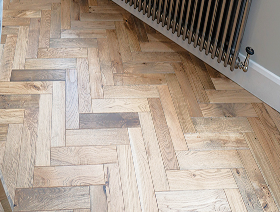
Light woods are typically your best bet when it comes to bright and soft spaces. Darker woods are great for richer, more inviting rooms. Want more flair? Wood herringbone can help you build architecture and pattern in a way that still feels classic. Practicality beats style sometimes and in spaces where that’s the case, look into waterproof flooring.

Ana.Soltanpoor
I’m an SEO Specialist with a strong background in content management and organic search. I build data-driven content strategies by aligning user intent, search behavior, and SEO best practices to ensure every piece of content delivers clarity, relevance, and measurable organic performance.