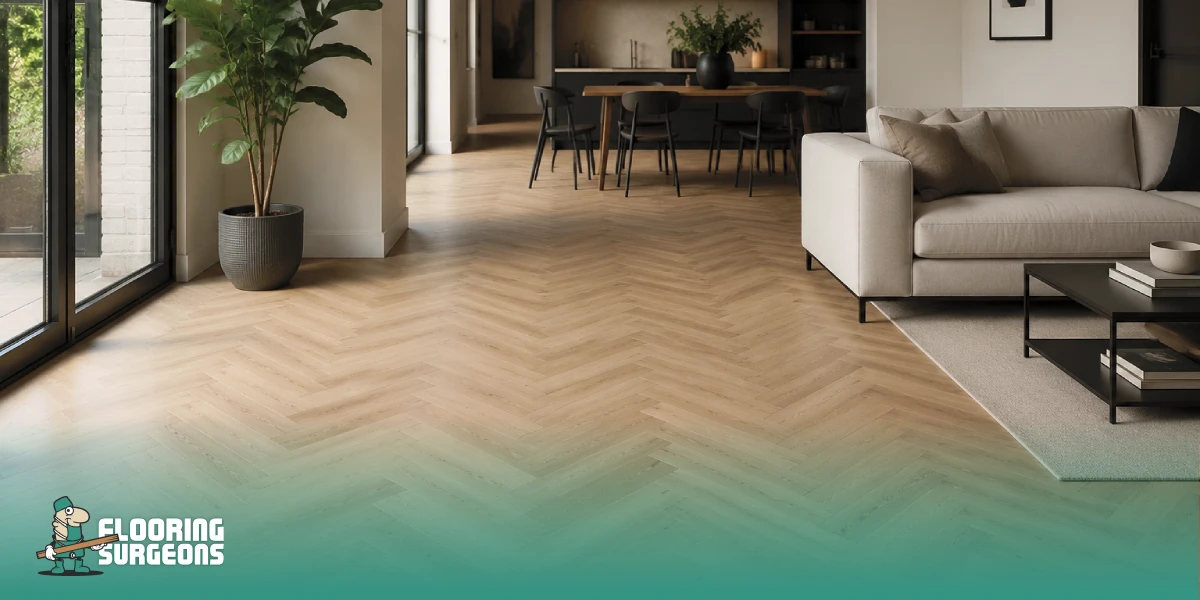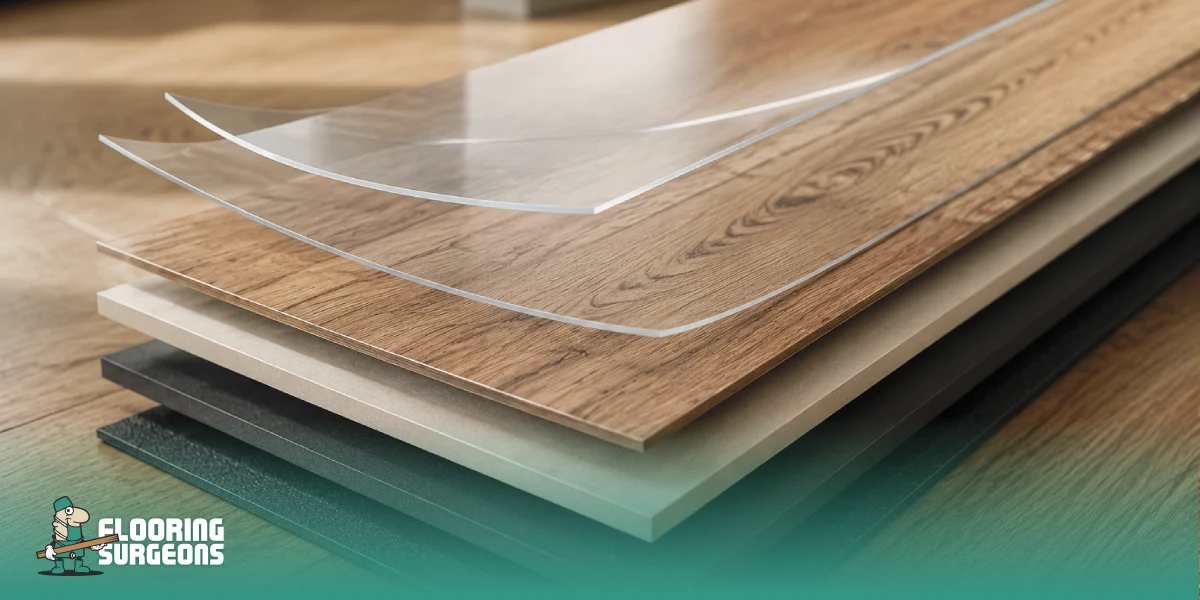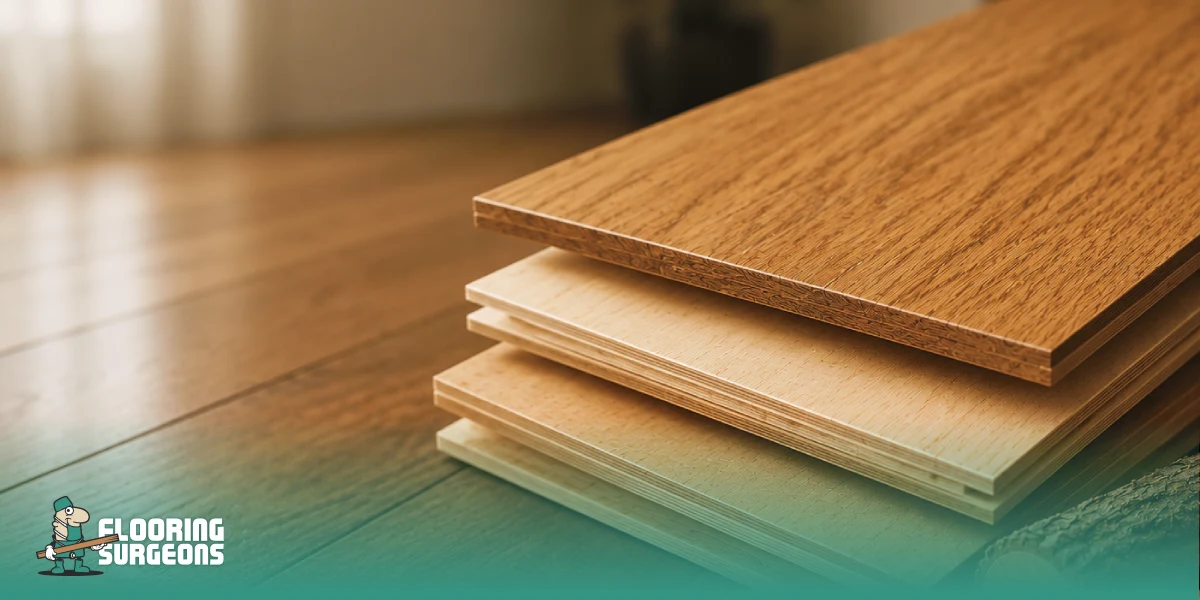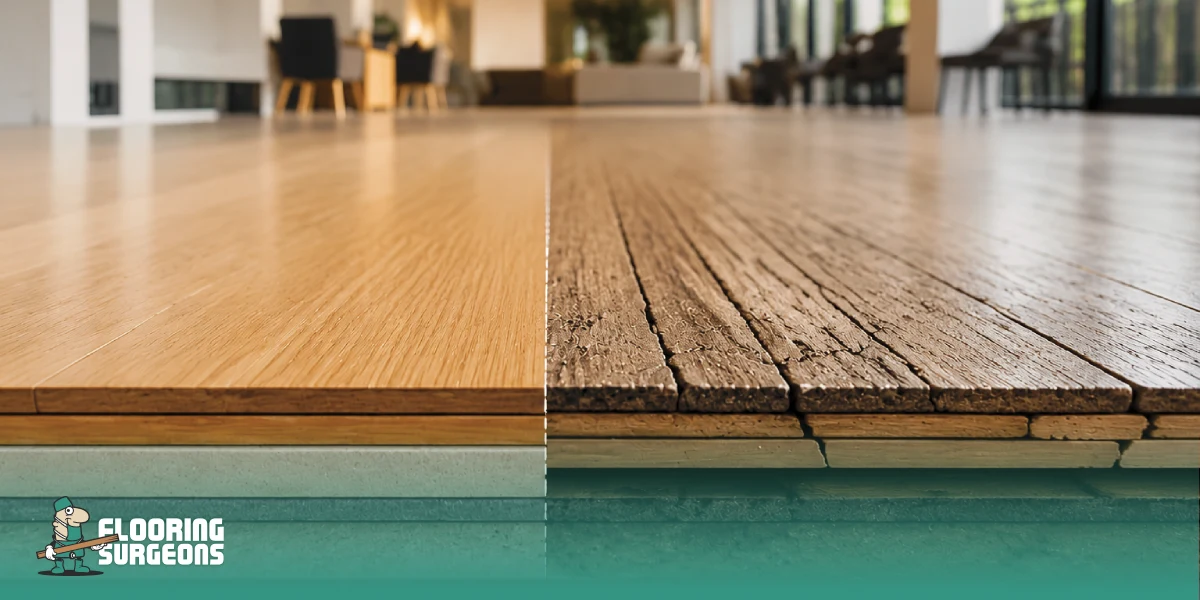


When planning a flooring project, one of the first questions homeowners ask is: Which is Cheaper: Luxury Vinyl or Engineered Hardwood? Cost is often the deciding factor, especially for larger spaces or full-home renovations. Understanding the cost of engineered hardwood vs luxury vinyl plank requires looking beyond just material prices. Installation complexity, subfloor preparation, and room layout all affect the total expense. Additionally, even within each category, factors like wood species, vinyl thickness, and brand quality can significantly impact the price.
In this guide, we provide a clear breakdown of material and installation costs in GBP (£), real-world examples from typical UK homes, and the key variables that influence overall expense so you can confidently determine which option is truly more budget-friendly for your project.
Table of contents
Material Costs Comparison: Luxury Vinyl vs Engineered Hardwood
The material itself is usually the largest cost factor. Here’s a comparison in GBP (£):
| Flooring Type | Average Material Cost (per sq.ft) | Notes |
| Luxury Vinyl Flooring | £1.50–£4 | Durable, waterproof, easy to maintain |
| Engineered Hardwood | £3–£8 | Real wood veneer, premium appearance |
| Cheap Engineered Flooring | £2–£4 | Lower-quality veneer, limited refinishing options |
Example: For a 50 m² living room:
- Luxury vinyl: ~£225–£800
- Engineered hardwood: ~£450–£1,600
- Cheap engineered flooring: ~£300–£640
This shows that Luxury Vinyl Flooring is typically the cheaper option upfront.
Installation Costs Comparison: Luxury Vinyl vs Engineered Hardwood
Labor costs are another key factor.
| Flooring Type | Average Installation Cost (per sq.ft) | Example Total Cost (50 m² / 538 sq.ft) |
| Luxury Vinyl Flooring | £0.75–£2 | £650–£1,075 including materials |
| Engineered Hardwood | £2–£5 | £1,500–£4,400 including materials |
| Cheap Engineered Flooring | £1–£3 | £950–£1,580 including materials |
Real-world example: In a London flat, installing luxury vinyl over a concrete subfloor cost £850 for 50 m², while mid-range engineered oak cost £2,300 for the same area almost three times the price.
Factors That Affect Total Flooring Cost
Even within the same type of flooring, several factors can significantly influence the total expense:
- Material Quality: Higher-grade engineered hardwood or luxury vinyl with thicker wear layers naturally costs more. Premium finishes and exotic wood species increase the price further.
- Subfloor Preparation: Uneven or damaged subfloors require additional labor, leveling compounds, or underlay, which adds to both time and cost.
- Room Complexity: Complex layouts with hallways, stairs, or irregular shapes increase installation time and waste, raising overall expenses.
- Brand and Design: High-end vinyl planks with realistic wood textures or engineered wood with unique finishes can approach each other’s price range, so brand selection matters.
Expert insight: Even “cheap engineered flooring” can become costly if subfloor prep or room complexity isn’t accounted for. Planning ahead and assessing these factors ensures a more accurate budget and avoids unexpected expenses.
For homeowners comparing options, understanding these factors can also help when deciding between solid vs engineered wood flooring.
Why Luxury Vinyl is Usually Cheaper
When asking is Cheaper Luxury Vinyl or Engineered Hardwood, Luxury Vinyl Flooring often comes out on top.
Reasons:
- Lower material cost per square foot
- Simpler and faster installation
- Less risk of errors during fitting
Example: A 50 m² kitchen renovation:
- Luxury vinyl total: £750–£1,050
- Mid-range engineered hardwood total: £2,300–£3,500
- Cheap engineered flooring total: £1,200–£1,900
Even cheap engineered flooring rarely beats vinyl in overall upfront cost.
When to Consider Engineered Hardwood Despite Higher Cost
Even though engineered hardwood is usually more expensive than luxury vinyl, there are situations where it makes sense to invest:
- Desire for Authentic Wood Appearance: If you want the natural look and texture of real wood, engineered hardwood provides unmatched visual appeal.
- Low-Moisture Areas: Ideal for living rooms, bedrooms, and other spaces with minimal water exposure, where the flooring can maintain its quality over time.
- Long-Term Home Value: Homeowners prioritizing resale value may choose engineered wood for its premium feel and market appeal.
Expert insight: While the upfront cost is higher, professional installation by experts like Flooring Surgeons ensures the floor performs well and avoids unnecessary repair expenses. In the right environment, engineered hardwood can be a long-lasting, high-value investment.
Conclusion: Which Flooring is Cheaper?
So, which is cheaper: Luxury Vinyl or Engineered Hardwood?
Luxury Vinyl Flooring is generally the more budget-friendly option. It combines wood-like aesthetics, waterproofing, and quick installation all at a lower material and installation cost than engineered hardwood. Even cheap engineered flooring almost always costs more upfront. However, engineered hardwood can provide long-term value, authenticity, and a premium feel that may appeal to future buyers.
Ultimately, the choice depends on your priorities:
- If budget and installation speed are most important, luxury vinyl is the clear winner.
- If you value appearance, authenticity, and potential home resale value, engineered hardwood may justify the higher cost.
Expert tip: Consulting professionals like Flooring Surgeons can help ensure accurate installation and avoid extra expenses, maximizing the value of whichever option you choose.

Mina Asgari
I’m an SEO Specialist and Content Strategist focused on sustainable business growth. I design data-driven content strategies by deeply analyzing user intent, search behavior, and SEO best practices, ensuring every piece of content serves a clear purpose for both users and search engines.