When comparing solid vs engineered wood flooring, many homeowners feel unsure about which option is right for their space. Understanding what engineered wood flooring is and how it differs from traditional hardwood is essential before making a long-term investment. At Flooring Surgeons, we’re often asked about engineered wood vs solid wood, and the truth is, both options offer unique benefits depending on your lifestyle, budget, and environment.
In simple terms, the difference between engineered wood and solid wood comes down to construction, durability, and how each reacts to moisture and temperature changes. This guide will break down everything you need to know about engineered vs solid wood flooring, helping you confidently choose between the two.
Table of contents
What Is Engineered Wood Flooring?
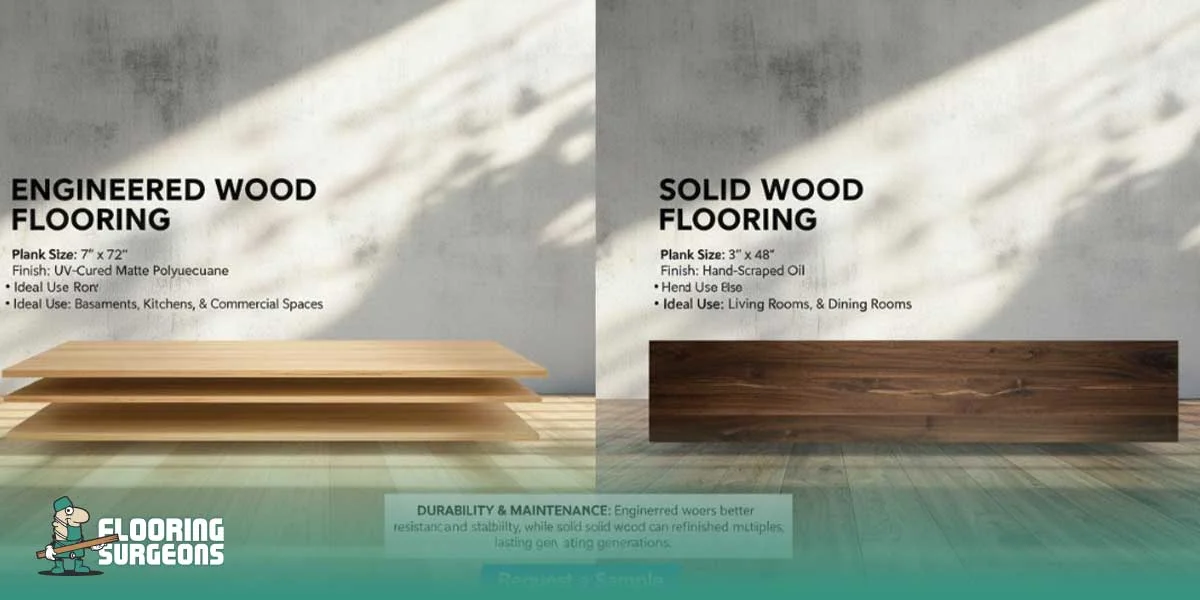
Engineered wood flooring is a modern alternative to traditional hardwood, offering the same natural appearance with improved stability. It features a real wood surface layer combined with a multi-layered core, making it more resistant to moisture and temperature changes.
For homeowners asking what engineered wood flooring is or what engineered wood is, it’s essentially real wood enhanced with advanced construction techniques. This makes it a practical choice for areas where solid wood may not perform well, such as kitchens, basements, or rooms with underfloor heating.
Structure, Layers, and Materials
Engineered wood Flooring is made from multiple layers. The top layer is real hardwood, while the core consists of plywood or high-density fiberboard. This layered construction gives it greater strength and stability than solid wood.
If you’re wondering what engineered wood is, think of it as real wood on top with a reinforced base underneath. This design reduces expansion and contraction caused by humidity changes.
Sizes, Plank Options, and Finishes
Engineered boards come in a wide range of plank sizes, including wider and longer boards that are harder to achieve with solid wood. They are also available in various finishes such as matte, brushed, or lacquered, making them highly versatile for modern interiors.
What Is Solid Wood Flooring?
Solid wood flooring is a traditional and premium flooring option made from a single piece of natural hardwood. Unlike engineered alternatives, it contains no layers or synthetic materials, offering an authentic look and feel that many homeowners value.
When comparing solid wood vs engineered wood, solid wood stands out for its durability and ability to be sanded and refinished multiple times over its lifespan. This makes it a long-term investment, especially in spaces that favour a classic, natural aesthetic.
Construction and Wood Species
Solid Wood Flooring is made from a single piece of hardwood. Popular species include oak, walnut, and maple. Unlike engineered options, it has no layered structure, just pure timber throughout. This is why many people compare wood vs engineered wood when looking for authenticity and natural feel.
Thickness, Plank Sizes, and Finishes
Solid wood planks are typically thicker, allowing them to be sanded and refinished multiple times. However, they are usually narrower than engineered boards and may have limitations in certain environments.
Engineered vs Solid Wood Flooring: Key Differences
When comparing engineered vs solid wood flooring, the differences go beyond appearance. While both options use real wood, their construction, performance, and suitability for different environments vary significantly.
Understanding the difference between engineered wood and solid wood helps homeowners choose the right flooring based on durability, moisture resistance, and long-term value. Whether you’re considering solid wood vs engineered wood flooring for a traditional space or a modern home, knowing these key differences is essential before making a decision.
Durability, Stability, and Lifespan
When comparing solid wood vs engineered wood flooring, both are durable, but engineered wood is more stable due to its layered design. Solid wood can last longer if properly maintained and refinished over time.
Moisture and Temperature Resistance
One major difference between solid wood and engineered wood is moisture resistance. Engineered wood performs better in areas with humidity changes, while solid wood can expand or warp.
Refinishing Potential
Solid wood can be sanded multiple times, making it ideal for long-term use. Engineered wood can also be refinished, but only if its top layer is thick enough.
Design Differences Between Engineered and Solid Wood Flooring
When it comes to visual appeal, both engineered and solid wood flooring offer the natural beauty of real timber. However, subtle differences in grain, finish, and plank design can influence the overall look and feel of a space.
For homeowners comparing engineered wood vs real wood, or solid wood vs engineered wood, the choice often comes down to personal style preferences and the interior design they want to achieve. From modern wide planks to classic finishes, each option provides unique design possibilities that can transform a room.
Grain Patterns and Natural Variation
Both options use real wood surfaces, so visually they can look almost identical. This is why many homeowners comparing engineered wood vs solid wood furniture or flooring struggle to see a difference at first glance.
Surface Finishes and Visual Styles
Engineered wood offers greater flexibility in finishes and styles, while solid wood offers a more traditional, natural aesthetic.

Installation Differences Between Engineered and Solid Wood Flooring
Installation is a key factor when comparing engineered vs solid wood flooring, as each option has different requirements and limitations. The type of subfloor, room conditions, and installation method can significantly impact both performance and cost.
Understanding how engineered or solid wood flooring interacts with various subfloors helps ensure a long-lasting result. While engineered wood offers greater flexibility across different environments, solid wood typically requires more controlled conditions and a more complex installation process.
Suitable Subfloors and Environments
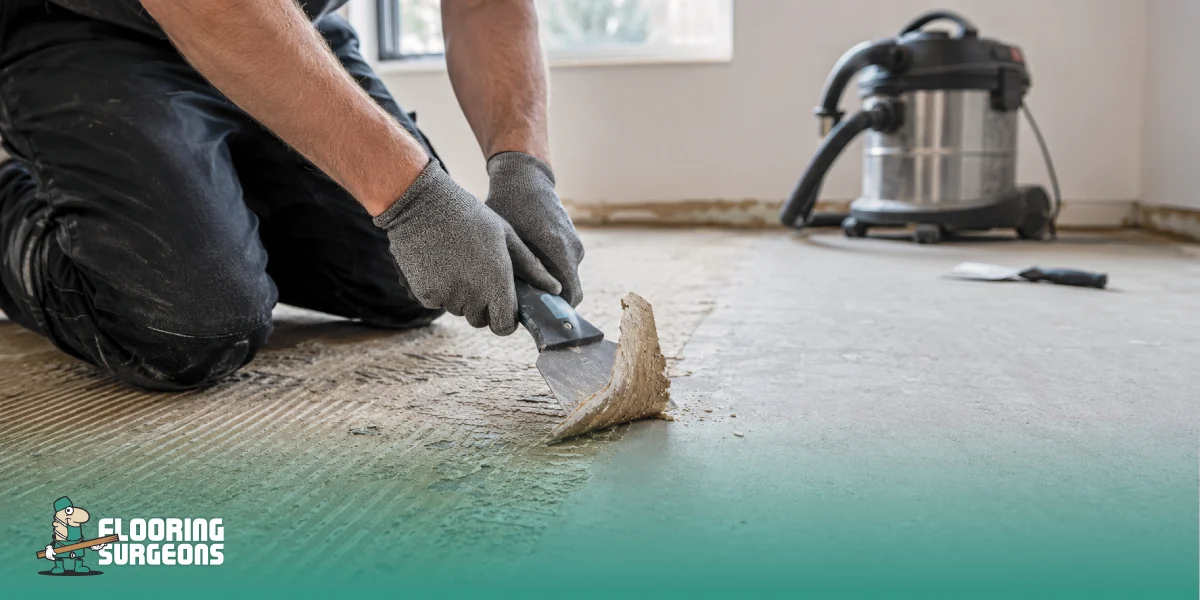
Engineered wood can be installed over concrete, underfloor heating, and in basements. Solid wood is better suited for stable, dry environments.
Installation Methods and Complexity
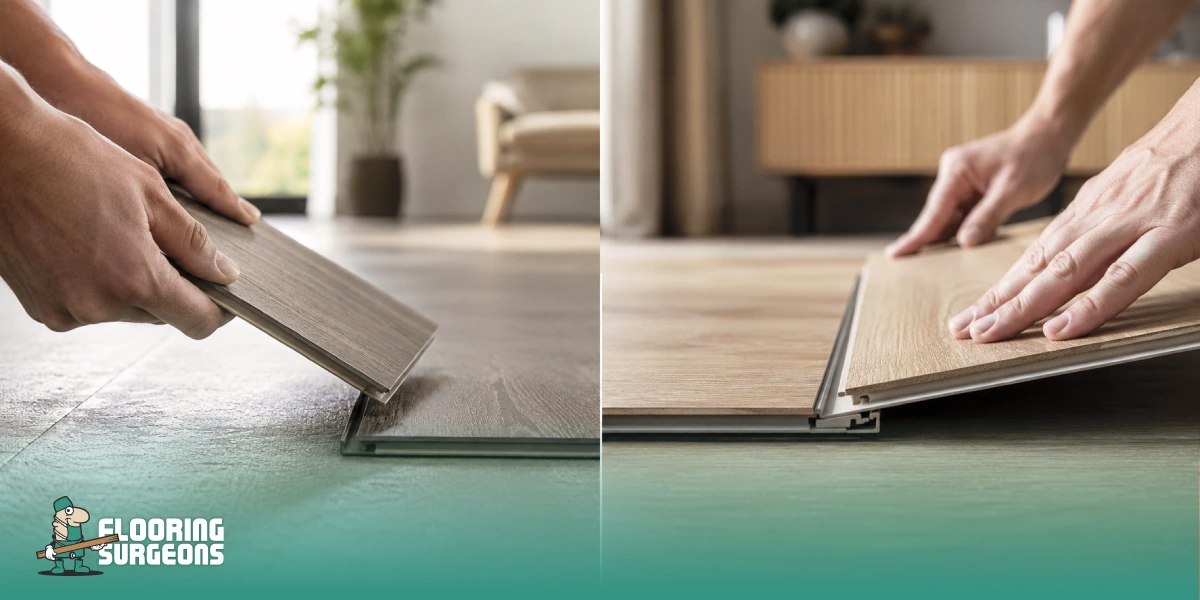
Engineered boards often use click-lock or floating systems, making installation faster. Solid wood usually requires nailing or glueing, increasing labour time and cost.
Maintenance and Long-Term Performance: Engineered vs Solid Wood Flooring
Both engineered and solid wood flooring require regular care to maintain their beauty and durability. Engineered wood is generally easier to maintain, as its multi-layered construction resists moisture and minor temperature changes. Solid wood, on the other hand, may need more careful monitoring, especially in humid areas, but it can be sanded and refinished multiple times over its lifespan.
Daily cleaning with a soft broom or vacuum, occasional use of wood-safe cleaners, and protecting the surface from heavy impacts are essential for both types. Understanding these differences helps homeowners make an informed decision when choosing engineered or solid wood flooring that will perform well for years.
Cleaning and Day-to-Day Care
Both flooring types require regular sweeping and occasional cleaning with wood-safe products.
Wear, Damage, and Long-Term Durability
Solid wood can handle deep refinishing, while engineered wood may show wear sooner, depending on its top layer. Some homeowners also consider potential drawbacks of engineered wood flooring, such as limited refinishing options or a shorter lifespan in budget options.
Cost and Value Comparison: Engineered vs Solid Wood Flooring
When evaluating solid wood vs engineered wood flooring, cost is a major factor. Engineered wood flooring is typically more affordable upfront due to easier installation and lower material costs, while solid wood flooring often comes with a higher initial price but can offer long-term value thanks to its durability and multiple refinishing opportunities.
Considering both material and installation expenses, as well as potential long-term ROI and property value, helps homeowners make an informed decision. Choosing the right option depends on your budget, room conditions, and whether you prioritise short-term savings or long-term investment.
Material and Installation Costs
In most cases, engineered vs solid wood flooring comes down to budget. Engineered wood is typically more affordable and easier to install, reducing labour costs.
Long-Term ROI and Property Value
Solid wood often adds slightly more long-term value due to its longevity, but engineered wood offers better performance in modern homes.
Environmental and Health Considerations: Engineered vs Solid Wood Flooring
When choosing between engineered and solid wood flooring, environmental impact and indoor air quality are important factors. Engineered wood uses less hardwood per plank, making it a more sustainable option, while solid wood comes from a single piece of timber, which may have a higher environmental footprint.
Health considerations also matter: high-quality engineered and solid wood floors use low-VOC adhesives and finishes to ensure safe indoor air. Understanding these differences helps homeowners select a flooring option that is both eco-friendly and healthy for their living space.
Sustainability and Sourcing
Engineered wood uses less hardwood, making it a more sustainable choice.
VOCs, Adhesives, and Indoor Air Quality
High-quality engineered products have low VOC emissions, but it’s important to choose certified materials for better indoor air quality.
Solid vs Engineered Wood Flooring Comparison Table
| Feature | Engineered Wood | Solid Wood |
| Construction | Multi-layered | Single piece |
| Stability | High | Moderate |
| Moisture Resistance | Better | Lower |
| Refinishing | Limited | Multiple times |
| Installation | Easier | More complex |
| Cost | Lower | Higher |
| Lifespan | 20–40 years | 40+ years |
Which Is Better: Engineered or Solid Wood Flooring?
Choosing between engineered or solid wood flooring ultimately depends on your home environment, lifestyle, and long-term goals. Engineered wood is ideal for areas with fluctuating humidity or underfloor heating because its layered construction resists expansion and contraction. It’s also easier and faster to install, making it a practical choice for modern homes.
On the other hand, solid wood flooring offers unmatched longevity and can be sanded and refinished multiple times over decades. Its natural beauty and authenticity make it perfect for traditional interiors or spaces where long-term investment is a priority.
Understanding the key differences, such as durability, moisture resistance, installation complexity, and long-term value, is essential for making an informed choice. This is why the debate around engineered wood vs solid wood in the UK continues: there isn’t a one-size-fits-all answer. Homeowners must balance practicality, aesthetics, and budget to determine which flooring type best suits their needs.
Is Engineered Wood Better than Solid Wood Flooring?
In modern homes, engineered wood flooring often provides a more practical solution due to its superior stability, moisture resistance, and easier installation. It performs well in kitchens, basements, or rooms with underfloor heating, making it a versatile choice for contemporary living spaces.
However, solid wood flooring remains unmatched in authenticity, natural beauty, and long-term refinishing potential. Its ability to be sanded and restored multiple times over decades makes it ideal for homeowners prioritising longevity and a classic aesthetic.
Ultimately, understanding the differences between engineered and solid wood flooring helps you choose the right option for your home. Factors such as room conditions, lifestyle, and budget should guide your decision, ensuring you select flooring that balances durability, visual appeal, and long-term value.
Final Thought
Whether you choose solid or engineered wood flooring, both options can dramatically enhance the style, comfort, and value of your home. The key is understanding your space, lifestyle, and long-term goals. Engineered wood offers stability, moisture resistance, and easier installation, making it ideal for modern or high-humidity environments. Solid wood, on the other hand, delivers unmatched authenticity, long-term refinishing potential, and timeless elegance.
At Flooring Surgeons, we help homeowners carefully weigh durability, appearance, maintenance, and cost to choose the flooring that provides the best performance and return on investment. Selecting the right option ensures your floors not only look beautiful today but continue to perform and impress for decades.

bruno
bruno is a contributor at Flooring Surgeons, sharing insights and expertise through published articles.