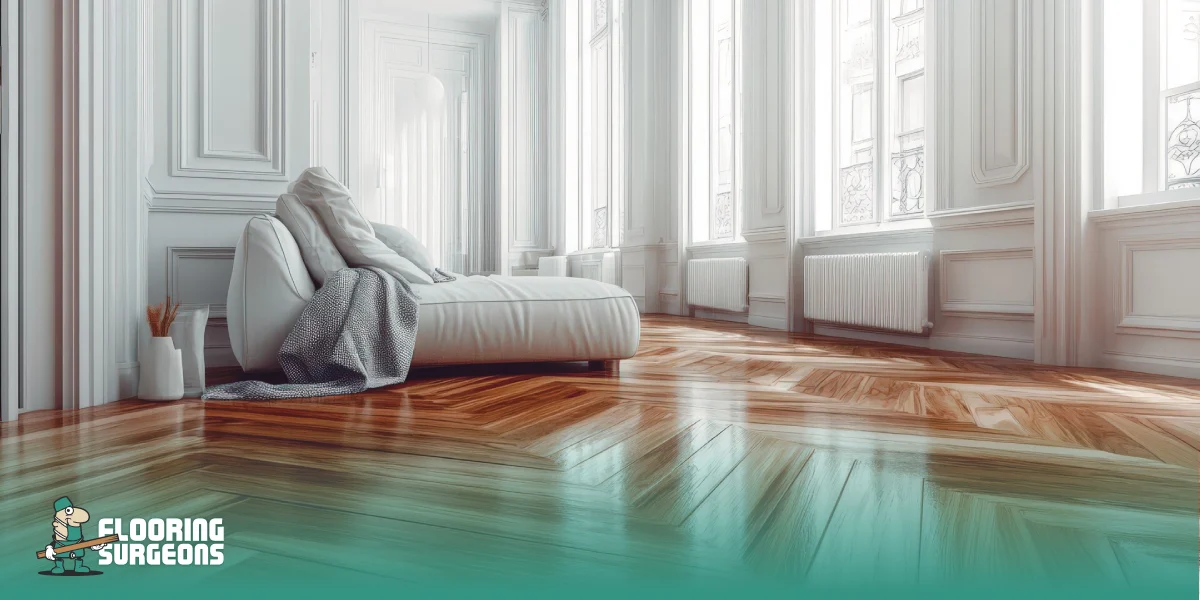
When choosing your flooring, you might focus on durability or looks. But have you ever noticed how different floors can change the pace of a room? The direction of planks, creative patterns, unique textures, and even the shine all influence how you feel as you walk through. Flooring isn’t just the backdrop, it sets the scene for your entire experience.
Imagine directional planks and bold patterns rushing energy and movement into a room. In contrast, wide boards, smooth textures, and subtle matte finishes let your eyes linger, helping you feel instantly at ease in the space. That’s why interior designers cleverly use these visual tricks to set a room’s mood.
With this understanding of how flooring can make a room feel faster or slower, you are now equipped to select your materials more wisely.
Table of contents
What Does It Mean for a Room to Feel Faster or Slower?
Interior designers often talk about spaces feeling “fast” or “slow”. But what do they actually mean by that? Here’s how flooring can influence that feeling:
- Rooms that feel fast-paced typically have flooring attributes that show directionality or contrast. Hardwood flooring with long plank lines, shiny finishes, or bold patterns draws the eye forward.
- Softer transitions often create a slower, more fluid flow in rooms. Narrower boards, soft textures, and consistent tones keep the eye from roaming.
Understanding how flooring patterns, colour tones, and finishes direct the eye will help you create rooms with the feel you desire.
How Flooring Patterns Influence the Feeling of Speed
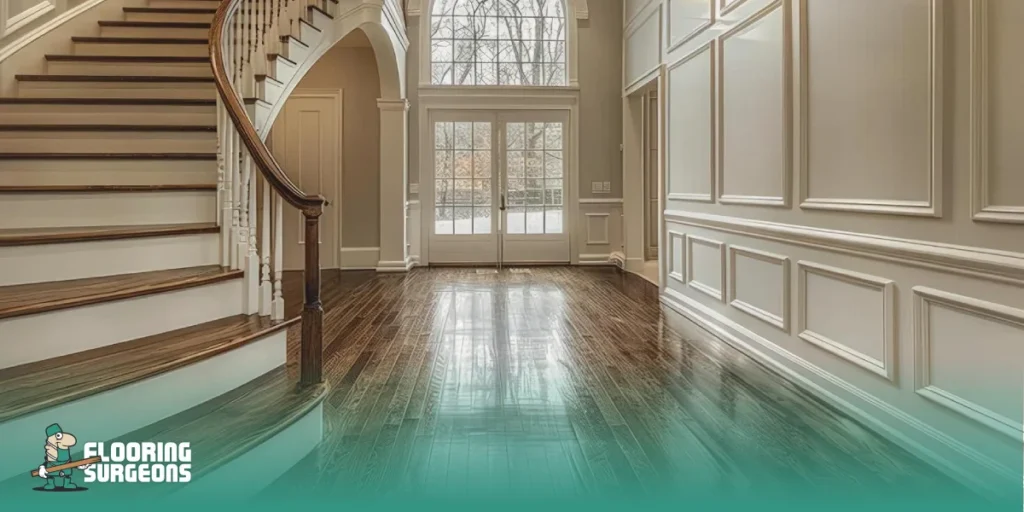
Generally speaking, the simpler the pattern has direction, the faster a room will feel. When your eye can easily scan the length of the room, traffic moves quickly. Complex or busy patterns interfere with that visual movement, creating a slower feel.
If you are playing with floor plans, keep in mind some tips on choosing the right patterned flooring to help you select the right style.
Straight and Directional Plank Patterns
Straight board patterns are probably the most popular plank layout in contemporary settings. Aligning your boards lengthwise will draw the eye along the length of the room, subtly making it appear longer and quicker to traverse. Many people choose straight-plank laminate flooring for hallways, open-concept living rooms, or smaller rooms to improve flow.
Rotating your boards 90 degrees can have a completely different effect. Lying planks across the shortest dimension gently slows the gaze, broadening confined areas.
Dynamic Patterns That Create Movement
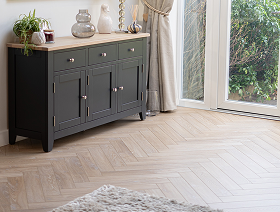
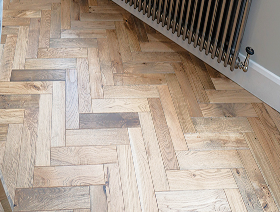
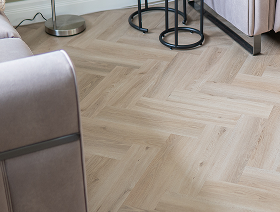
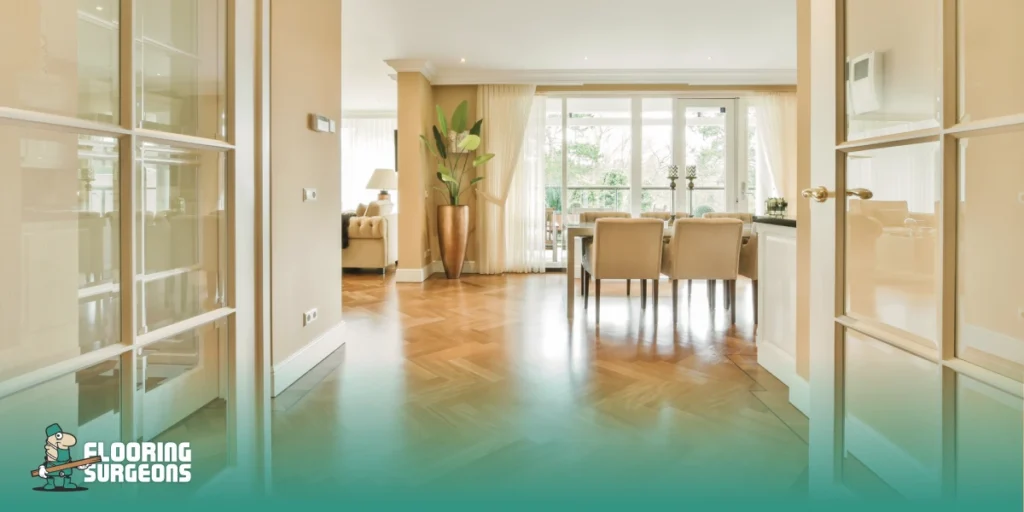
Another option is to select flooring that amplifies the sense of motion. Direction-changing patterns, such as herringbone flooring, cause your eye to flow rhythmically as you take in the flooring pattern. The shifting planks repeat the angles throughout your room, giving it energy and motion. We love this look in living rooms, entryways, and large open areas where your floors can be a feature.
Subtle Patterns That Slow the Visual Pace
Flooring with wider boards or little pattern variation creates fewer visual breaks. This gives the eye a slower pace as it scans the floor. That sense of serenity is why you often see plain designs in bedrooms and living rooms.
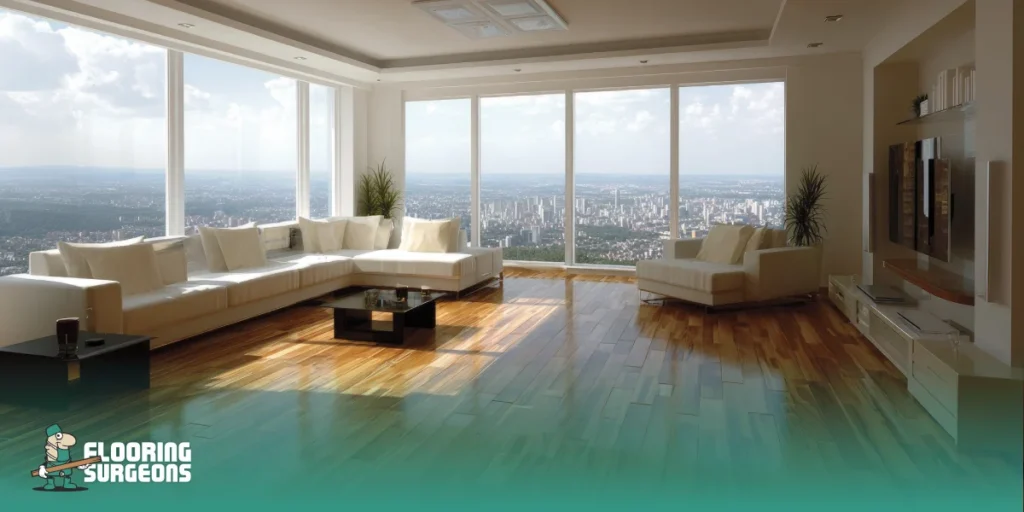
Quick Comparison: How Flooring Affects Room Perception
| Pattern Type | Visual Movement | Room Feeling | Best Used In |
| Straight Plank | Eye follows long continuous lines | Slightly faster and more spacious | Hallways and open‑plan areas |
| Diagonal Layout | Expands visual depth | Dynamic and visually active | Smaller rooms that need more depth |
| Herringbone Pattern | Rhythmic directional movement | Energetic and design‑focused | Living rooms and statement spaces |
| Wide Planks | Minimal visual interruption | Calm and relaxed | Bedrooms and lounges |
Colour and Contrast Influence How a Room Feels
In interior design psychology, stronger contrast or deeper floor shades tend to speed up how quickly your brain reads a room. Soft, consistent colour tends to calm a room’s feel.
Dark or Light Flooring
Light floors bounce light around the room, making spaces feel larger, airier and more peaceful. Pale oak floors, cream carpets or light natural wood bring soothing tones that help to foster an effortlessly balanced environment. Ideal for bedrooms, Scandinavian style and any space you want to feel relaxing and clutter-free.
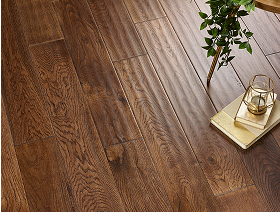
Dark floors like walnut or dark espresso create contrast and drama. Dark colours are visually busier, making a room feel more dynamic. Dark floors paired with light walls or furniture can help bring movement into a room as your eye travels between the two.
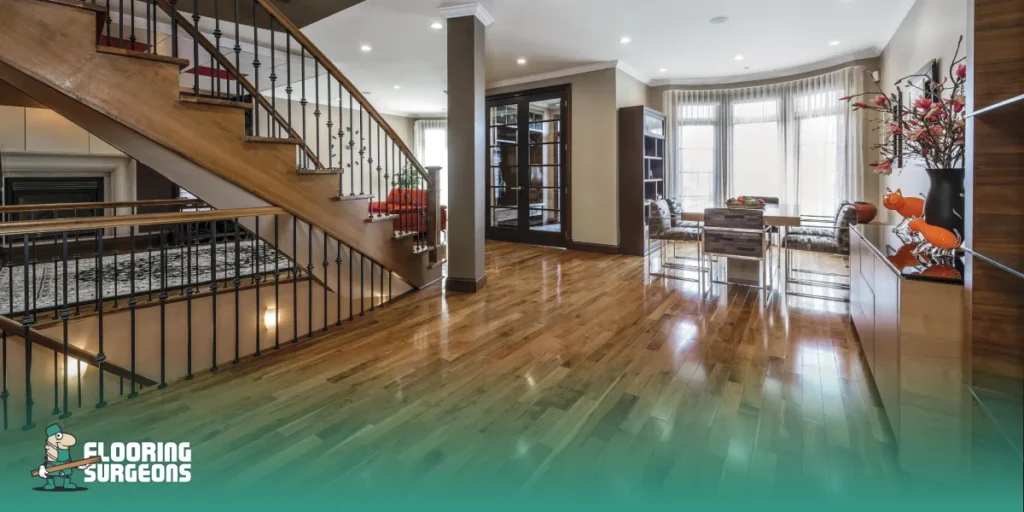
High Contrast vs Tone‑on‑Tone Designs
Floor contrast can make a room feel more fast-paced or slow-paced. Dark rooms with busy wood grain or floors with strong colour variation draw attention. Our eyes constantly adjust as they scan back and forth over light and dark surfaces, so the space feels busier. Consider high‑contrast floors for lively rooms like living rooms, dining rooms or home offices.
Tone‑on‑tone flooring has the opposite effect. Soft colour variations that play within the same colour family allow the eye to glide effortlessly over a surface. Spaces feel more relaxed and restful with monochromatic flooring. Consider bedrooms, reading books and other tranquil spaces.
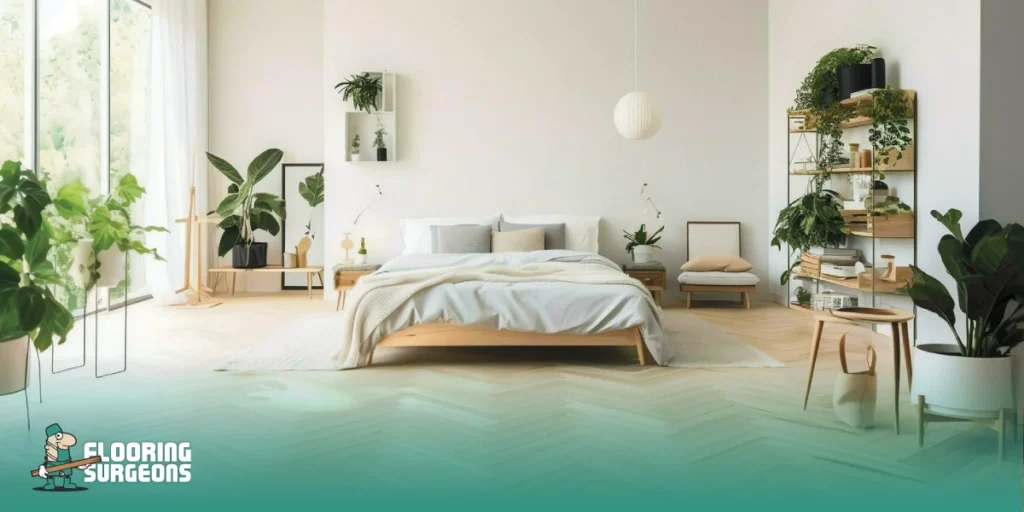
Texture and Finish: Glossy vs Matte
The texture and finish of your floors can affect how airy or confined a space feels. Two floors can be the same colour or pattern, but the finish can affect how light travels across the floor.
Here are 4 ways texture affects your space:
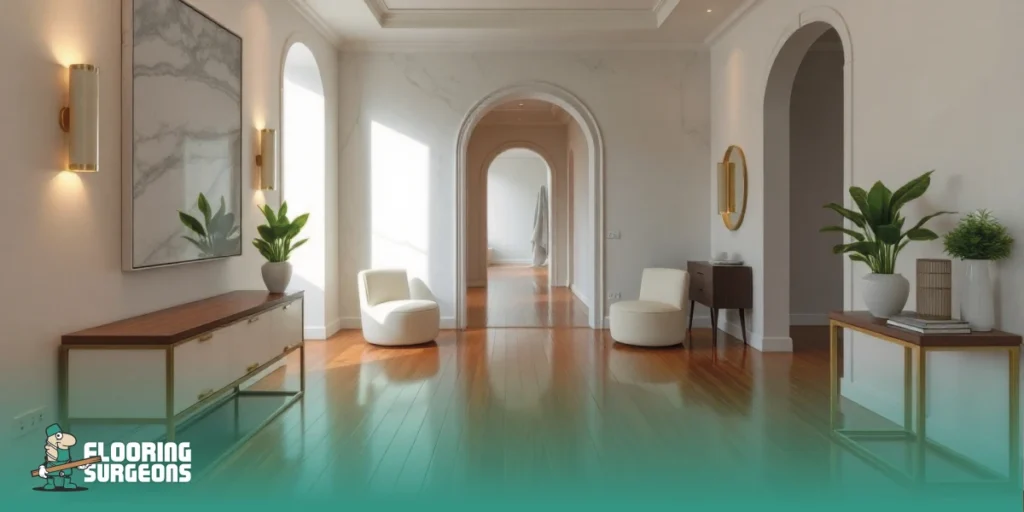
- Glossy Floors Energise Space. Glossy floors reflect light and surrounding objects, adding visual stimulation to a room.
- Reflective Floors Can Make a Small Space Feel Bigger. Mirrored and glossier finishes reflect light, making smaller rooms feel more open.
- Matte Finishes Relax a Space. Matte flooring has the opposite effect from glossy floors. Matte floors absorb light, softening a room’s feel.
- Brushed or Textured Finishes Slow Down a Space. Soft textures calm your eyes and ground the room. Whether it’s brushed, textured, or matte, having an area with little visual stimulation will balance out your space.
Whether you prefer glossy floors or matte floors really comes down to setting a tone. Glossy surfaces add energy and movement. Matte helps decelerate the eye and promotes calm.
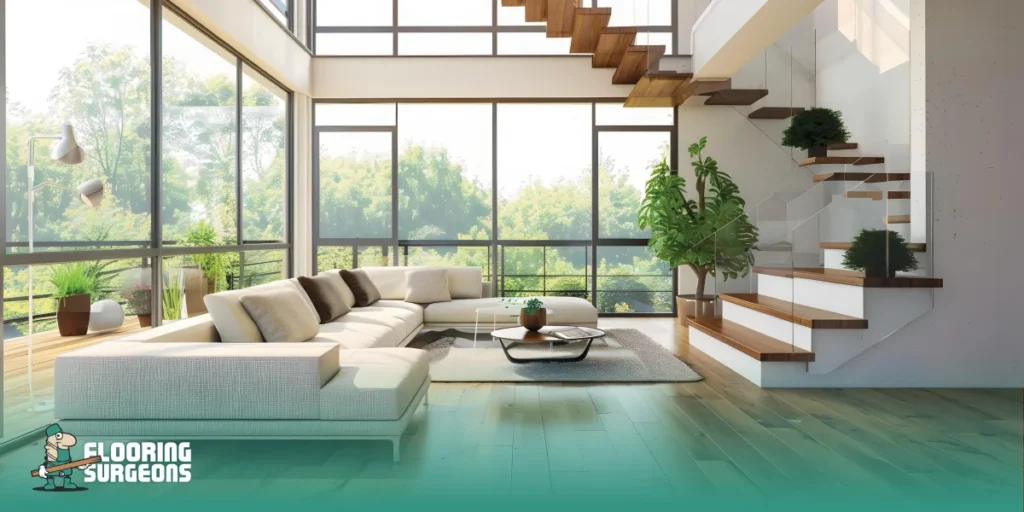
Room‑by‑Room Ideas: Selecting Flooring for Room Speed
Think of these ideas as a helpful guide to selecting the perfect “speed” flooring for each room:
- Living Rooms and Open‑Plan Areas: Living rooms often look great with a little energy. Light‑to‑medium contrast wood floors or a barely there directional pattern can create interest. When designing large open floor plans, using a pattern with a little wiggle room will help the space feel less flat and more engaging.
- Bedrooms and Areas of Rest: Aim for low energy flow here. Tone‑on‑tone colours, wide flooring planks, and matte finishes all help slow down the room. Keeping the grain design subtle will allow the room to feel grounded and snug.
- Home Offices and Creative Spaces: Creative spaces need some energy, but you don’t want your employees to go warp speed. Opt for a light gloss or a subtle grain direction to keep things moving. Light to mid‑tone colours will keep eyes sharp and calm.
Final Thoughts: How Flooring Can Make a Room Feel Faster or Slower
Flooring is more than just functional and durable; it can play a crucial role in interior design. The right floor can influence how your eye moves around the room, creating a faster or slower feel in your interior spaces.
Once you learn how to make your room feel faster with flooring, you can make smarter choices for your whole house. From pattern and plank direction to colour contrast and texture, each element creates a visual rhythm for your room. Bold flooring can energise a space and make it feel faster. Lighter finishes and more subdued styles offer a softer feel to slow things down.
If you are exploring flooring options for different room styles and atmospheres, Flooring Surgeons offers inspiration and practical choices to help you find the right fit for your space.

Ana.Soltanpoor
I’m an SEO Specialist with a strong background in content management and organic search. I build data-driven content strategies by aligning user intent, search behavior, and SEO best practices to ensure every piece of content delivers clarity, relevance, and measurable organic performance.