Self-cleaning floors do exist; however, they are not quite magic. Some surfaces have coatings or treatments that can reduce the accumulation of dirt, bacteria, or moisture, but as of yet, there is no flooring that requires absolutely no maintenance to stay clean. Somewhere between the scientific explanation of self-cleaning floors and what some manufacturers want you to believe is where a lot of misunderstanding comes from. We will review what self-cleaning floors are, the available technologies, where they are best applied, and some realistic alternatives for your everyday home. When it comes to choosing flooring, most consumers are better off looking for a floor that will stay cleaner longer rather than one that magically cleans itself.
Table of contents
The Short Answer: Are Self-Cleaning Floors Actually Real?
Do self-cleaning floors exist? Sort of. Some floors come with photocatalytic coatings, hydrophilic finishes, or antimicrobial treatments that minimise buildup, promote hygiene, or make them easier to clean. But no flooring can honestly claim to erase regular maintenance from your to-do list. You can buy a floor that’s specially designed to repel dirt, moisture, and microbes more effectively than untreated surfaces. But even those floors require regular cleaning under normal household conditions.
That’s why the more important question isn’t “Do self-cleaning floors exist?” but “What can self-cleaning floors actually do for you?” The short answer is that, if you’re talking about real-world homes rather than science labs, “self-cleaning” usually means easy-to-clean or low-maintenance floors. There’s a difference, and it’s important to understand which brands are bragging and which are boosting actual technology.
What People Mean by “Self-Cleaning Floors”
The phrase self-cleaning floors is deceivingly simple, and people often mean very different things by it. Sometimes they refer to flooring which breaks down dirt/moisture. Other times, they mean floors that stay cleaner/hygienic, or that require less effort to clean. Because of this, using this phrase can be very misleading without proper context.
Self-cleaning surfaces
A self-cleaning surface literally tries to minimise dirt accumulation through its coating/surface interaction. Certain materials can use light, water or special finishes to break down grime or make it harder for grime to stick. However impressive this technology is, it will not mean your floor requires no cleaning.
Antimicrobial / self-sanitising flooring
Flooring products described as antimicrobial or self-sanitising are designed to prevent the growth of specified bacteria or microbes on their surface. This can certainly help with hygiene in high-traffic areas, but it won’t prevent dust, spills, or everyday dirt from accumulating.
Easy-clean / low-maintenance flooring
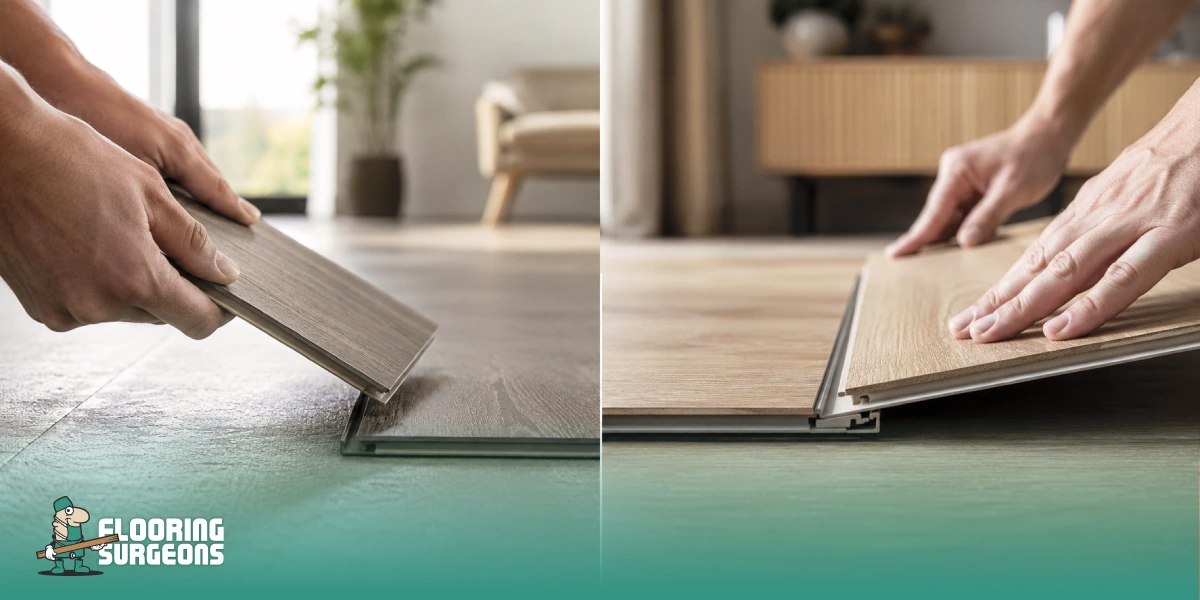
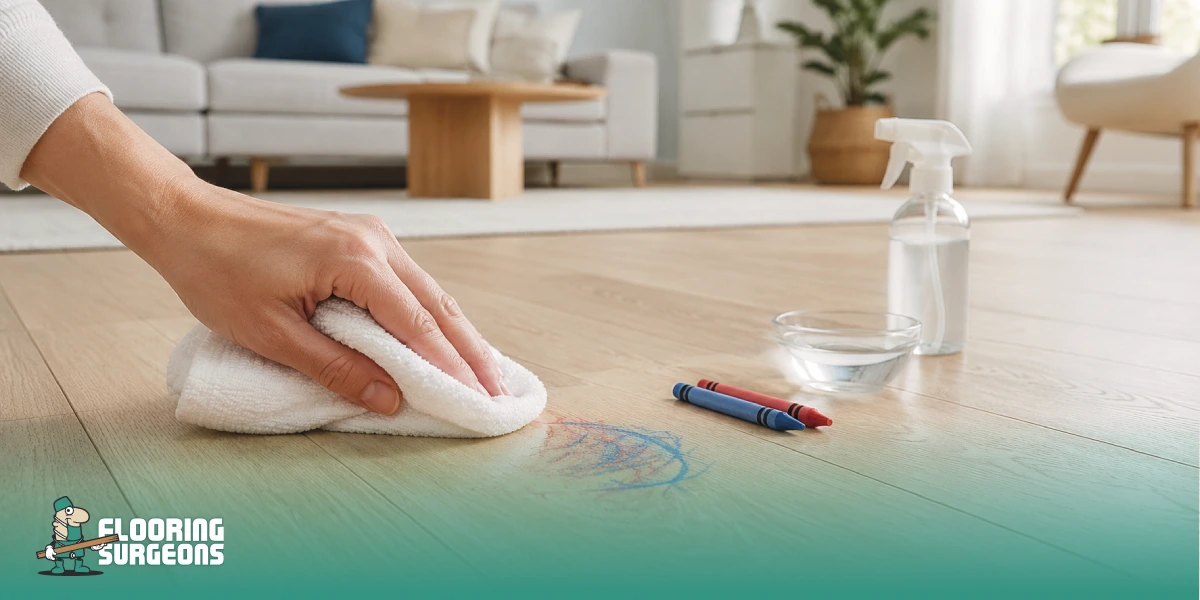
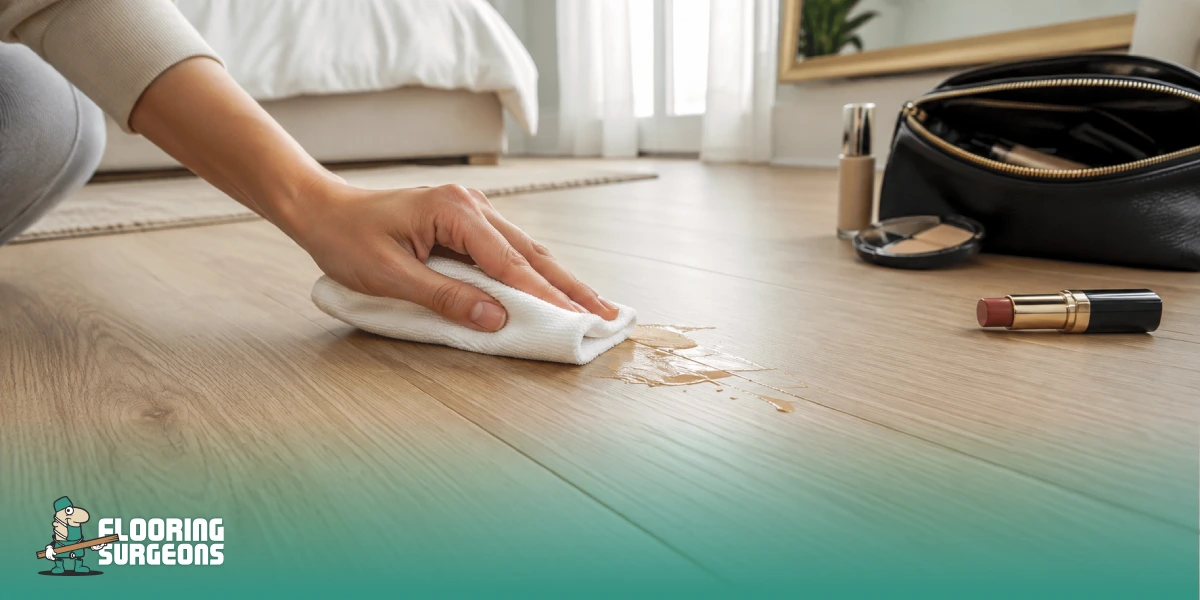
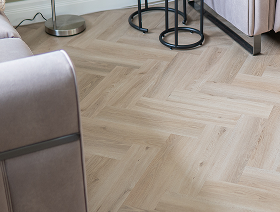
In reality, this is likely the closest thing to “self-cleaning flooring” for most households. Many buyers want flooring that works well with daily life and can be easily wiped clean. In real terms, that usually means low-maintenance floors like laminate flooring rather than something that is never dirty.
How Self-Cleaning Flooring Technology Works
Self-cleaning floors do not necessarily self-clean the same way. Systems can be divided into those that use surface treatment and those that emphasise hygiene or moisture management. Most self-cleaning floors are designed not to eliminate cleaning, but rather to repel dirt, bacteria, and water.
Photocatalytic coatings (TiO2)
Others have coatings of titanium dioxide. These coatings have photocatalytic properties. Under the right light, they can decompose some forms of organic material that are left on the surface. This is likely why self-cleaning floor technology is taken more seriously in commercial and hygiene-sensitive environments than in the average household. (pmc.ncbi.nlm.nih.gov)
Hydrophilic surfaces
Water-wetting surfaces cause the liquid to spread farther rather than forming droplets. This may allow easier washing away of some light soil and lessen the appearance of staining. While useful, its convenience doesn’t replace mopping or sweeping on its own. (pmc.ncbi.nlm.nih.gov)
Embedded antimicrobial treatments
Some flooring options come with antimicrobial treatments embedded within them. This helps limit microbial growth on the flooring surface. That can enable cleaner conditions to be maintained, particularly in high-traffic interiors. It deals with unseen bacteria rather than visible dirt, which is why this topic falls under The Importance of Flooring in Health.
Where Self-Cleaning Floors Are Real Today?
Self-cleaning floors are very real in industrial or speciality applications. However, you’ll find that most brands abusing the claim sell consumer-facing flooring. The exceptions tend to be ceramic surfaces, treated commercial floors, or hygiene products designed to make your life easier by simplifying cleaning.
What’s Real, What’s Limited, and What’s Just Marketing?
| Technology / Claim | How Real Is It? | Best Fit | Main Limitation |
| Photocatalytic floor coatings | Real, but limited | Hygiene-focused or specialist spaces | Needs the right conditions and does not replace normal cleaning |
| Hydrophilic surface technology | Real in some materials | Areas where easier rinse-off matters | Helps with moisture behaviour, not full self-cleaning |
| Antimicrobial flooring treatments | Real | Homes and commercial spaces where hygiene matters | Reduces microbial growth, but does not remove dirt, dust, or spills |
| “Self-cleaning” flooring for everyday homes | Partly true | Marketing for low-maintenance surfaces | Usually means easier cleaning, not no cleaning |
| Floors that never need cleaning | Fantasy | None | Not realistic in real-life use |
The science is real, but in most homes, the promise is closer to low-maintenance flooring than to a floor that truly cleans itself.
The Biggest Limitations You Need to Know
The biggest limitation of self-cleaning floors is expectation. Sure, they may reduce buildup, improve hygiene, or help with spills, but none of these means you don’t have to clean your floors. Effectiveness will also vary depending on the material you choose, the finish applied, the type of dirt or mess you’re dealing with, and the room’s conditions. A kitchen floor will come into contact with very different types of mess than your hallway floor or bathroom.
Marketing Jargon is another problem. Terms are often used that make a product sound more high-tech than the actual benefit it provides. That is exactly why so many consumers still believe in Flooring Myths UK Homeowners Still Believe, rather than seeing how a floor actually performs.
So, Are Self-Cleaning Floors Science or Fantasy?
They are both. The science part is true. Flooring surfaces and coatings can help reduce bacteria, buildup or make the cleaning process easier. It crosses into the realm of fiction when that claim is taken to the extreme. Suddenly, you hear about floors that will remain clean without any effort at all. Realistically, most homeowners don’t need a self-cleaning floor. They need a surface that will be easier to clean and more compatible with daily living. That is where realistic expectations come in more than marketing hype.
If you’re comparing practical flooring options, you can explore durable and low-maintenance styles at Flooring Surgeons to find solutions that suit everyday use. That is where realistic expectations come in more than marketing hype.

Ana.Soltanpoor
I’m an SEO Specialist with a strong background in content management and organic search. I build data-driven content strategies by aligning user intent, search behavior, and SEO best practices to ensure every piece of content delivers clarity, relevance, and measurable organic performance.