Flooring that draws inspiration from literature and myth translates a narrative’s mood into flooring decisions through material, colour, texture, and pattern. The aim is not to make a room feel overly themed, but to make it feel richer and deeper, with warmth, character, and details that feel timeless and lived-in. In this article, we’ll explore how to craft a literature-inspired or myth-inspired space using the right materials, what looks best for different storytelling styles, how to keep your spaces elegant rather than trying too hard, and where subtle patterns or rich wood grains can have the biggest impact. Our goal is to help you avoid mimicking a specific story and instead instil your room with a heightened sense of atmosphere.
Table of contents
What Does a Literature- and Myth-Inspired Floor Actually Mean?
Flooring inspired by literature or myth is about setting a mood with material, tone, and texture. Literary rooms tend toward warm wood tones, subtle patterns, and an overall hushed, antiquated feel. Myth-finding leans toward stone finishes, marble textures, and symmetry in classical room arrangements.
Remember: it’s a suggestion, not duplication. Your floors don’t need overt symbols to channel a narrative. Restraint yields the best results, allowing Designing Floors Inspired by Literature and Myth to transcend mere “costumes.”
How to Choose Literature-Inspired Flooring for Different Story Styles
Literature or mythology-inspired floors tend to work best when they carry through a particular mood. Some rooms may require warmth and history, others rigidity and subtle drama. After you determine your room’s mood, picking your floor will feel easier and more authentic.
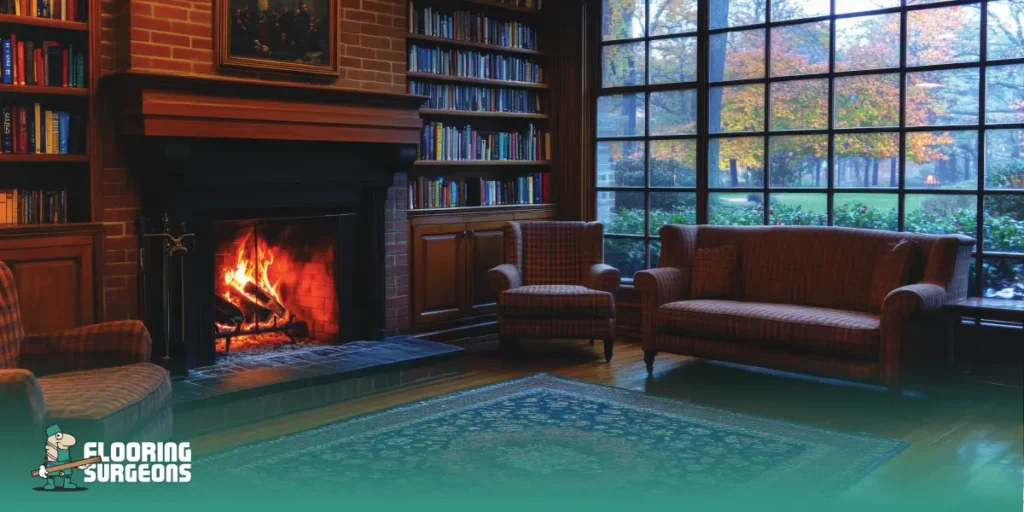
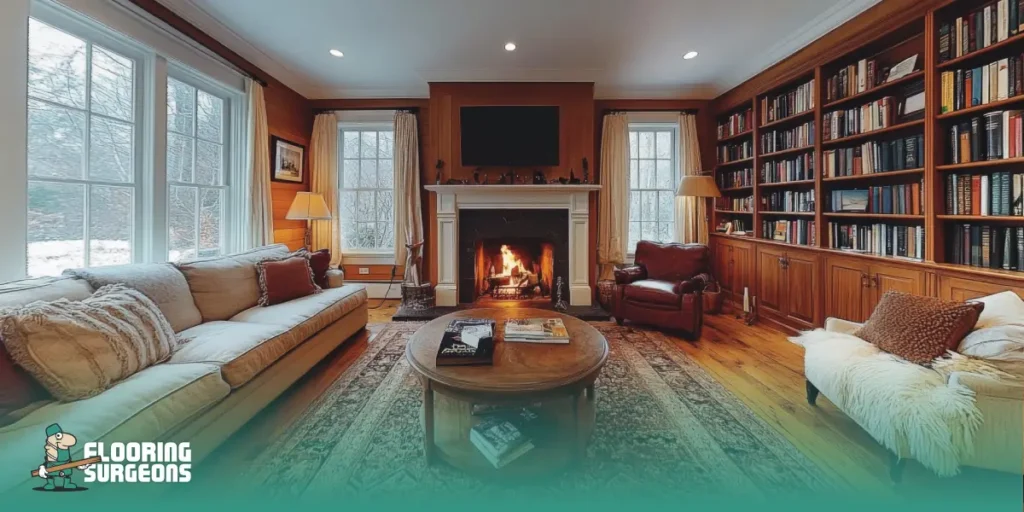
Dark academia and literary interiors
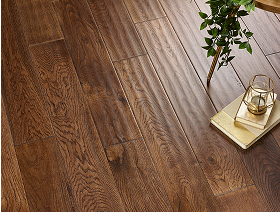
Perfect for darker woods, it plays well with visible grain patterns and matte or low-lustre finishes. Subtle details are key, as this look can overwhelm a space if it becomes too dark and heavy. Texture in these rooms becomes more important than decoration. Read The Role of Floor Texture in Creating Visual Warmth to get ahead on crafting your space.
Storybook and fairytale spaces
Storybook interiors benefit from textures that are warm, soft and gently aged. Wooden surfaces that look natural, muted stone effects and understated texture are usually preferable to overly ornate options. Aim for cosy rather than dramatic.
Greek and Roman myth-inspired rooms
Grounded surfaces complement these spaces. Think pale stone textures, marble finishes, and simple design. You can achieve a mythical vibe that isn’t sterile or overly formal. Remember: moderation is key.
Gothic or mystical moods
This palette works well with darker colours, higher contrast and slightly more visual weight. The trick is to create a mood with tonal values and finish, rather than heavy-handed drama. Done right, the floor adds dimension and presence to a room.
Best Materials for Floor Design Inspired by Literature and Myth
With the mood established, selecting material becomes simple. Warmth, depth and texture are most important in literature-inspired floors. Balance, structure and classical visual weight matter most in myth-inspired floor design.
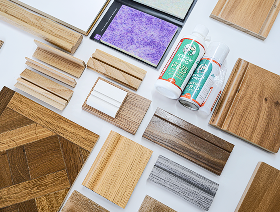
Hardwood and engineered wood for literary depth
Wood lends itself to literary interiors particularly well; it warms up spaces and imparts subtle character. Texture, shade, and matte finishes are typically more important than sheen. Dark engineered flooring is often ideal for these applications found in many homes; it adds weight to a room without weighing it down.
Marble-look and stone-look flooring for myth-inspired elegance
Stone and marble finishes tend to look more natural in myth inspired spaces than darker woods. They create a quieter, more architectural atmosphere in the room and work well in spaces that need to feel classical but not formal.
Patterned tile and mosaic for symbolic storytelling
Patterns can create personality, but tend to work better when used sparingly. Smaller spaces, borders, or feature areas typically yield a more dramatic effect than doing an entire room. Thoughtfully applied patterned floors can evoke history and architecture without being overwhelming.
Luxury vinyl or laminate for accessible story-driven design
Laminate and luxury vinyl aren’t off-limits in story-led interiors, provided the colour and finish are convincing. Wood-look and stone-look options are always safest, particularly if you want the room to be practical too.
Color, Texture, and Finish Rules That Make the Look Feel Timeless
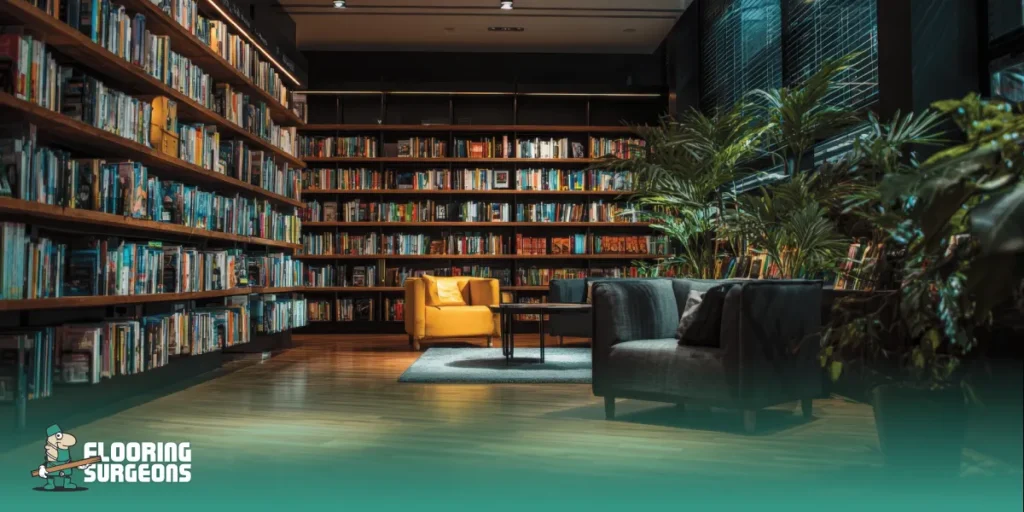
Colour, texture and finish are often more influential in setting the mood than the material itself. Literary interiors often call for richer wood tones, softer grain patterns and low-sheen finishes that enhance warmth without appearing heavy. Myth-inspired rooms may suit lighter shades of stone, softer veining, and a cleaner, more balanced aesthetic.
In either application, less is more. Matte finishes and natural-looking surfaces will almost always feel more realistic than high gloss. Texture should speak louder than design. Pattern can also aid your cause, but only when it’s deployed judiciously; that’s why understanding how to choose the right patterned flooring can help your space achieve a more elegant, enduring quality.
A Simple Style Map; Match the Narrative to the Floor
Solid story direction helps simplify flooring decisions. This basic style guide identifies materials and aesthetic attributes that will best complement each narrative.
| Narrative Style | Best Flooring Direction | Overall Feel |
| Dark academia | Deep wood tones, matte finishes, subtle grain | Layered, moody, intellectual |
| Storybook | Warm wood, soft stone looks, gentle texture | Inviting, nostalgic, calm |
| Mythic classical | Marble-look, stone-look, restrained pattern | Balanced, elegant, architectural |
| Gothic or mystical | Darker finishes, stronger contrast, selective pattern | Dramatic, grounded, atmospheric |
Room-by-Room Ideas for Story-Driven Flooring
Your chosen concept will not apply to every room in your home. Select a story that fits not only with the vibe of the room, but with its intended purpose as well.
- Living room: Flooring in this area should help set the mood without drawing too much attention. Wood-look and stone-look floors tend to work well here, as they add personality without feeling too lived-in.
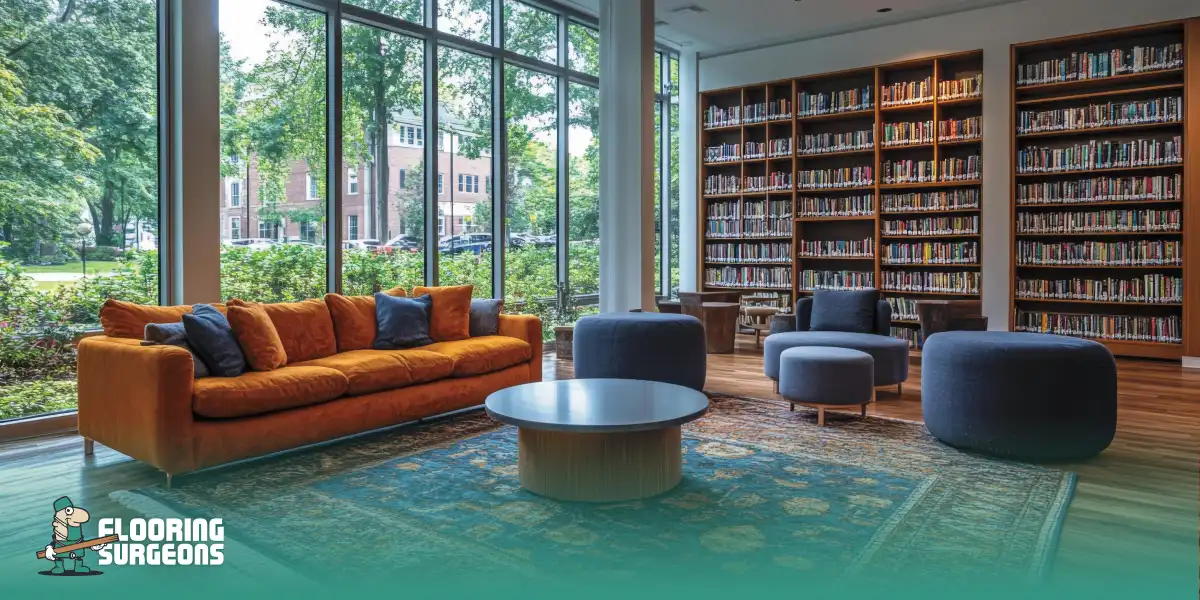
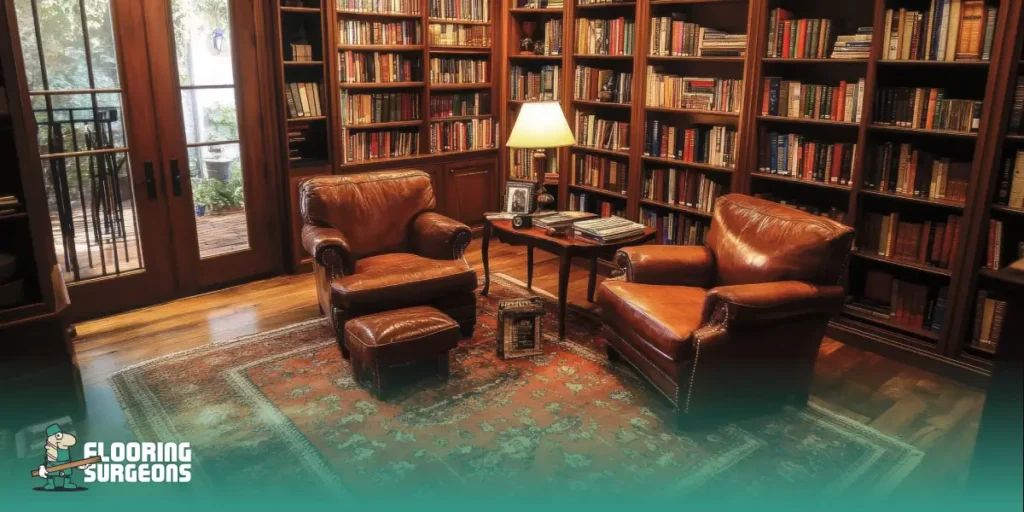
- Home office or library: Literary interiors excel here. Richer colours, muted texture and a more grounded finish will help a space feel intentional.
- Bedroom: Flooring here tends to play it a bit softer. Warm woods and subtle texture often work better than high contrast or bold patterns.
- Entryway or hallway: Here, you can be a bit more architectural. Since this space often doesn’t have too much else going on, a controlled pattern or stronger cadence can work well.
If you’re exploring different flooring styles for each room and want to find options that balance design, durability, and practicality, you can browse a wide range of collections at Flooring Surgeons to help bring your interior concept together.
How to Bring the Look Into Real Product Choices
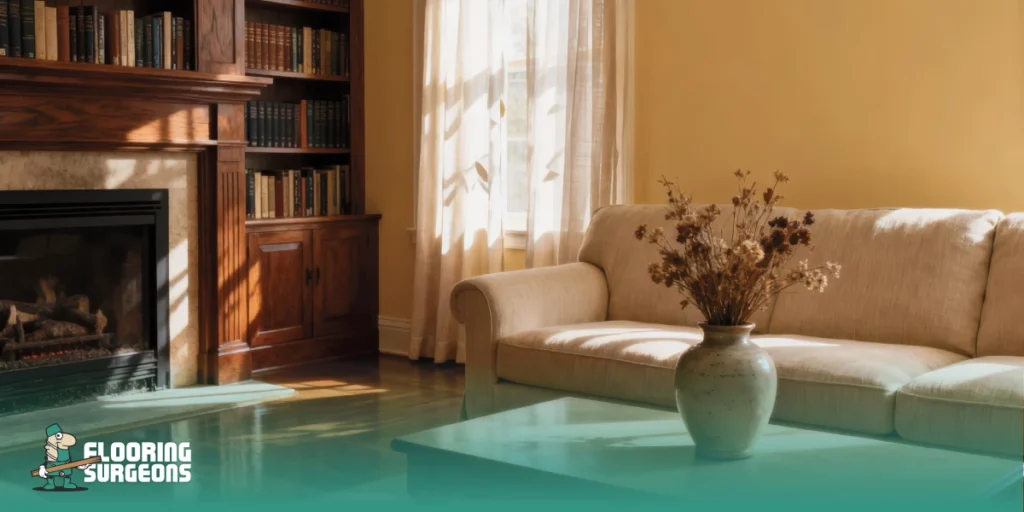
Once you have your mood down, choosing products becomes easier. Literary interiors often pair best with richer woods and more natural finishes. Myth-inspired spaces often look amazing with stone-look and marble-look finishes that have a cleaner, more symmetrical vibe.
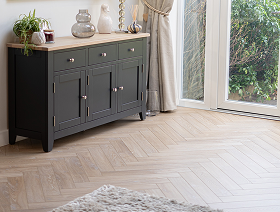
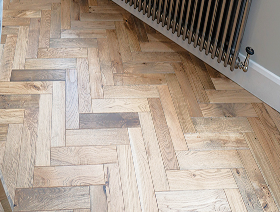
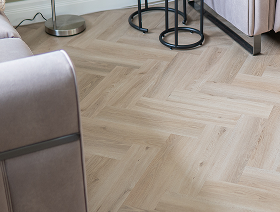
Rooms that need pattern but something a little less heavy often find solace in Herringbone Flooring. It creates movement and structure yet is timeless enough not to take over your style.

Ana.Soltanpoor
I’m an SEO Specialist with a strong background in content management and organic search. I build data-driven content strategies by aligning user intent, search behavior, and SEO best practices to ensure every piece of content delivers clarity, relevance, and measurable organic performance.