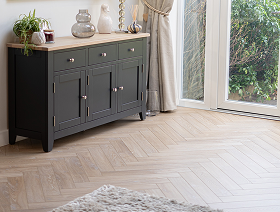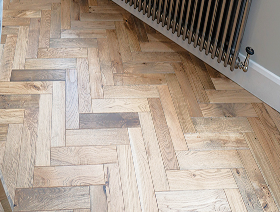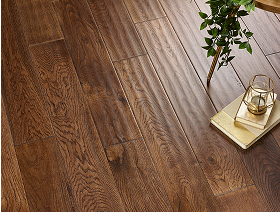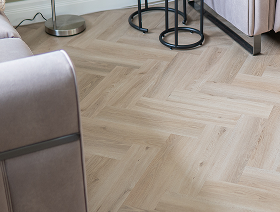
Floors can appear to change colour throughout the day. Warm morning light can make pale oak look golden. Cool overhead lighting can make grey flooring seem warmer by sunset. And that perfect shade you fell in love with at the showroom might look completely different in your own home.
Your floor isn’t actually changing colour most of the time. Lighting, undertones and surface finish can create a frustrating illusion that it is though. Wood, laminate, luxury vinyl, and high-gloss floors can all look different at different times of day or in different rooms, depending on the direction of natural or artificial light.
In this guide, we’ll explore what causes floors to appear to change colour throughout the day. We’ll show you how to tell the difference between normal light variation and true fading. Plus, we’ll give you some tips for picking a floor colour you can love morning, noon and night.
Table of contents
Why Flooring Looks Different During The Day?
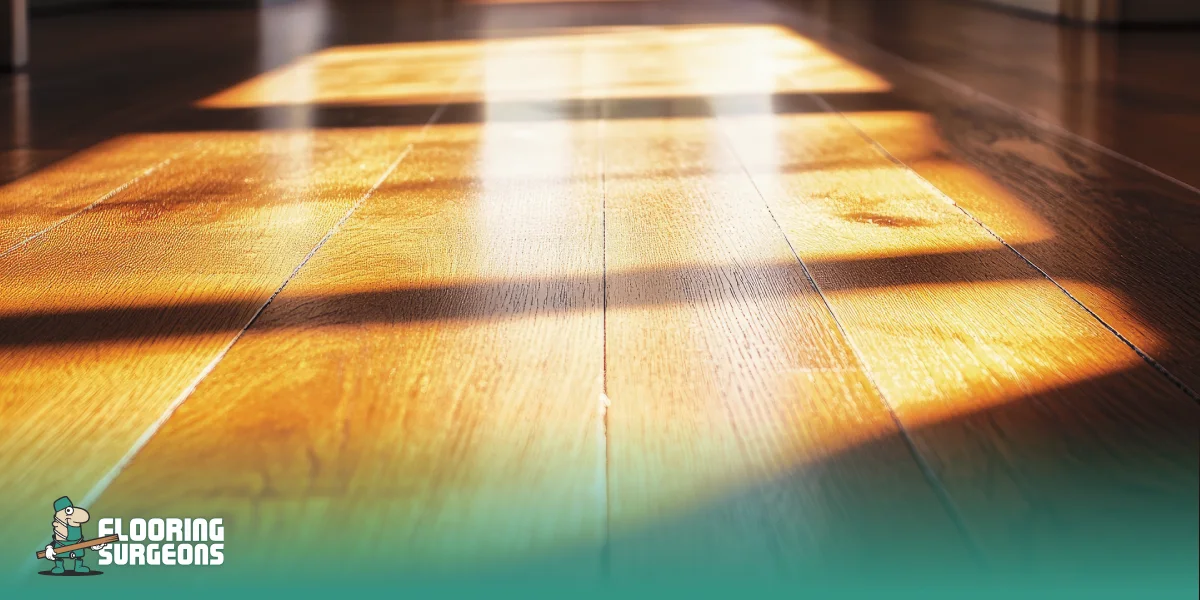
Floors can appear completely different throughout the day, as the flooring colour in daylight shifts with the constantly changing natural light pouring into a room. Morning light tends to be softer and cooler. Afternoon light can amplify warm undertones. Come evening, that same floor may look darker, creamier, yellower or warmer under artificial lighting.
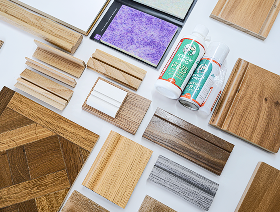
The flooring itself can also affect how colour varies. Matte finishes absorb light. Glossy finishes reflect it. Warm undertones may take on a golden hue in sunlight. Cool undertones may appear slightly blue or grey in cooler, shadowed rooms. For this reason, you should never examine your flooring sample in a single location. Move it throughout the room and examine it in morning, afternoon, and evening light before deciding.

How Floor Colour Changes in Different Light
Natural lighting is probably the number one culprit of a floor looking different throughout the day. Just one plank can appear pale and placid under soft natural daylight and then become warmer or richer when the sun shines directly on it.
North-Facing Rooms
Light coming into north-facing rooms tends to be cooler and softer. Grey, white, and very pale floors can take on a colder appearance. If you’re worried about feeling like you’re walking on ice, try to find wood that has warm undertones. Warm whites, oak tones, and natural wood shades can help offset that coolness.
South-Facing Rooms
Light coming into south-facing rooms is often harsher and warmer. Honey-coloured woods, oak flooring, walnut shades, and cream tones can appear richer throughout the day. Keep in mind that extremely warm flooring will take on a more yellow or orange tint in rooms that get a lot of southern sunlight.
Rooms With Little Natural Light
As we mentioned before, darker rooms can make your flooring appear deeper than you might expect. If your space has limited natural light due to small windows or heavy tree shade, you will usually be better off with lighter floors. They will help brighten the room and make the space feel bigger. This is also where it benefits you to try to pair your flooring with wall colours and furniture before settling on your final shade.

What Is Metamerism in Flooring?
Metamerism is when the same floor appears a different colour under different lighting conditions. That plank of soft beige hardwood you chose might look a little grey under LED lights. That warm oak floor could appear much yellower in the evening.
Don’t worry, this doesn’t mean your flooring is defective. Typically, this is caused by every floor colour having undertones, and different light sources will enhance different aspects of that colour. The best way to ensure you’re happy is to test your samples in the room itself, rather than in a showroom. Look at them near windows, in shaded areas, and under your night-time lights.

Which Flooring Types Change Colour the Most?
Floors that only differ by lighting should be noted. Others may gradually change colour over time as well. Natural wood floors are prone to this as they age, darken, or fade. Laminate and vinyl floors tend to be more colour stable, but keep this in mind as well. Rooms with strong sunlight can make reflective surfaces look brighter or more dramatic, so laminate flooring should always be tested in both daylight and evening lighting.
Natural Light and Flooring: Colour Changes
| Flooring type | What you may notice | Main reason |
| Solid wood | Can darken, fade, or turn warmer | Sunlight, age, wood species |
| Engineered wood | May change slightly over time | Real wood top layer and UV exposure |
| Laminate | Usually stable, but may look cooler or warmer | Printed design, undertone, finish |
| Luxury vinyl | Can look different in daylight and evening light | Surface texture, colour tone, lighting |
| High-gloss flooring | Shows stronger visual shifts | Reflection, glare, direct light |
Wood flooring gives you unmatched realism if that’s your goal. For more consistency in shade, laminate or luxury vinyl may work better in spaces with varying light.
Is the Floor Really Changing Colour?
Usually, when you think the floor is changing colour… it just is. Bulbs, shadows, wall colours, furniture and even rugs can drastically alter how the same flooring looks from one hour to the next. True colour change occurs over time and can happen gradually due to sunlight/UV exposure, watermarks, harsh cleaning products, or covered flooring ageing at a different rate than that is exposed.
Try this test: view the floor in the exact same spot throughout the day. If it changes colour with the lighting, it’s likely normal. If the discolouration remains consistent across different types of light, it could be fading, staining, or surface damage.
How Undertones Change the Look of Flooring
Undertones are the secret colours within a floor colour. A grey floor could have blue, green, or beige undertones. An oak floor could appear neutral in one home and then golden or orange in another. That is why the same flooring appears neutral in natural daylight and warm under artificial lights at night. Wall colour, furniture, and sunlight can all bring out different undertones.
Before deciding on a floor colour, lay your samples next to your wall colour and furniture at different times of day. You will have an easier time noticing if the colour appears too cool, too yellow or too dark in your room.
Natural oak can look neutral in soft daylight and warmer in evening light, so oak engineered flooring is worth checking in the actual room before you choose the final shade.

How to Choose a Floor Colour That Looks Good All Day
Don’t pick your floor colour from a showroom photo. It looks at home next to your walls, furniture, windows, and light fixtures. You may end up loving or hating a colour you thought you liked at first sight.
Pick up a few samples and live with them for a few days in morning, afternoon, and evening light. If your room is small or dark, eliminate colours that look too heavy right off the bat. If your room gets intense sunlight, eliminate very warm tones of oak, honey, or orange.
The safest floor colour for most homes is mid-tone. They tend to react less dramatically to shifting light than very pale floors, very dark floors, or high-gloss finishes. Light shades usually handle changing daylight better in darker rooms, which is why light laminate flooring can be a practical choice when you want the space to feel brighter throughout the day.
When Colour Change Is a Warning Sign
Light is not always responsible for a colour change. Often, your floor begins to fade, get moisture, stain, or become damaged. Observe carefully if a portion of your floor seems significantly lighter or darker than its surrounding area(s), particularly near windows, beneath rugs, by plants or pots, or next to any source of water. Abrasive cleaners can also leave behind dull spots or cloudy residue on your floor. If the colour change appears consistent across all types of light, it’s likely not an illumination issue. Your floor may need to be cleaned, repaired, or sealed to prevent further UV rays or moisture.
Final Thoughts
Floors that appear to change colour throughout the day are typically responding to light. They are not actually changing colour. Natural daylight, evening lighting, undertones, finish, wall colours and furniture can all affect how the same floor looks from morning until night.
True colour change tends to be gradual and permanent. It can be caused by sunlight, fading, moisture damage, stains or damage from cleaning products. Here at Flooring Surgeons, our advice? Test flooring samples in the room prior to making a decision. Place them where you will view them most often and test them in morning, afternoon, and evening light. Then pick the shade that still appeals to you when placed in your everyday natural light.

Ana.Soltanpoor
I’m an SEO Specialist with a strong background in content management and organic search. I build data-driven content strategies by aligning user intent, search behavior, and SEO best practices to ensure every piece of content delivers clarity, relevance, and measurable organic performance.