Threshold Strips for Doorways and Floor Transitions
Threshold strips are commonly used where the flooring changes from one room to another. As practical flooring accessories, they can help bridge the gap between two floors, cover expansion spaces and create a cleaner finish across a doorway or open transition.
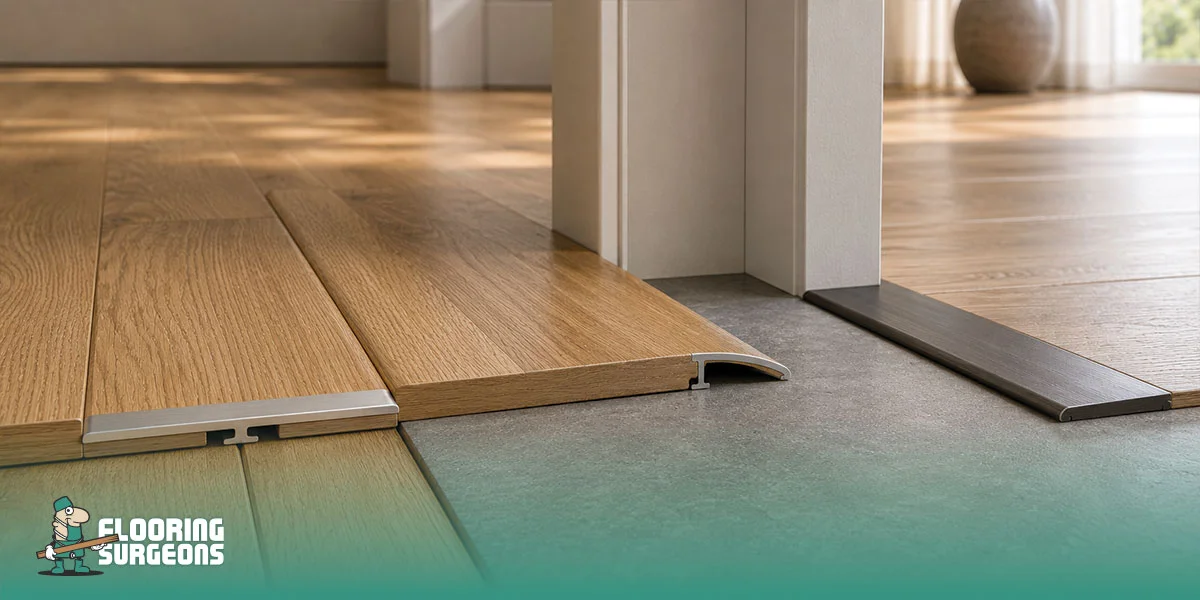
The right threshold strip depends on the flooring type, floor height, doorway width and the difference between the two surfaces. Some profiles are designed for floors of the same height, while others are made for height differences between flooring materials.
Choosing the Right Door Bars
Door bars are available in different styles, lengths, colours and materials. Some are designed for laminate-to-laminate or wood-to-wood transitions, while others may be suitable for joining wood, laminate, vinyl, tile or carpet, depending on the product specification.
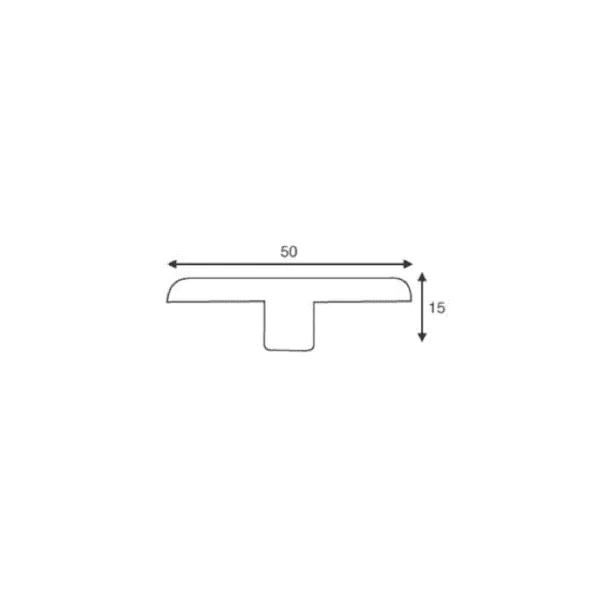
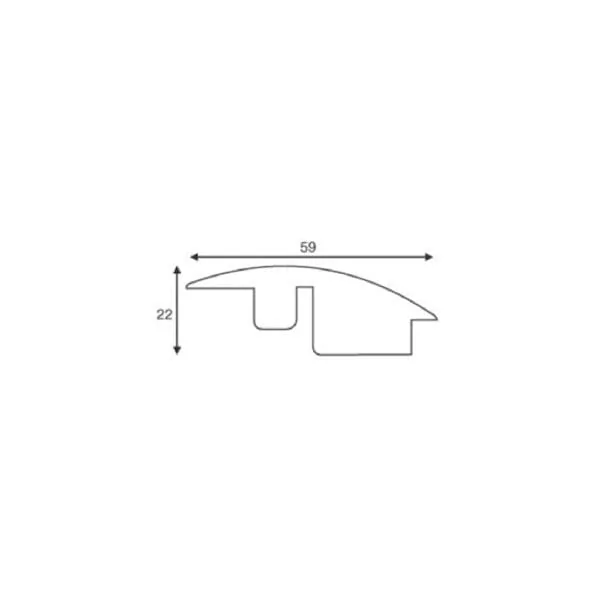
Before choosing a door bar, check whether you need a flat cover strip, T-bar, reducer profile, ramp profile or end profile. The best option will depend on the floor height, edge detail and finish you want to achieve.
Door Threshold Strips for Different Floor Types
Door threshold strips can be used with various flooring materials, but the product must be compatible with the floor type and installation method. A profile that works for laminate flooring may not be suitable for every wood, vinyl or tiled surface.
Laminate door bars are often used to finish transitions between laminate floors and adjoining rooms. For engineered wood or solid wood floors, check whether the profile allows for the required expansion gap and whether it matches the floor thickness and finish.
Materials, Colours and Finishes
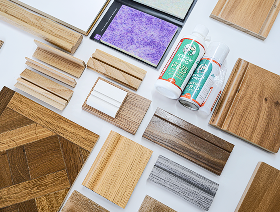
Floor threshold strips are available in a range of materials and finishes. Common options may include aluminium, wood-effect, solid wood, MDF or colour-matched profiles, depending on the product range.
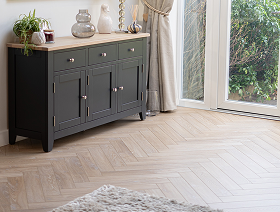
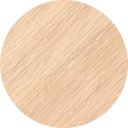
A close colour match can help the threshold blend with the flooring, while a contrasting metal or darker trim can create a more defined transition. Before ordering, carefully compare the product image, length, width, profile shape, and finish, especially if you are matching the trim to an existing floor.
What to Check Before Buying Threshold Strips / Door Bars
Before ordering threshold strips or door bars, check the practical details of your flooring project. This helps reduce the risk of choosing a trim that does not match the floor, doorway or level difference.
| Check |
Why It Matters
|
|
Floor types
|
The trim should suit both flooring surfaces being joined
|
|
Floor height
|
Same-height and different-height floors may need different profiles
|
|
Doorway width
|
The threshold strip should be long enough for the opening
|
|
Expansion gap
|
The trim should cover the gap without restricting floor movement
|
|
Profile type
|
T-bars, reducers, ramps and cover strips serve different purposes
|
|
Material
|
Aluminium, wood-effect, solid wood or MDF options may suit different uses
|
|
Colour / finish
|
A matching or contrasting finish can affect the final appearance
|
|
Fitting method
|
Some products may be self-adhesive, screw-fixed or fitted with a base profile
|
Threshold Strips, Door Bars and Stair Nosing: What Is the Difference?
Threshold strips and door bars are usually used across doorways or between two floor areas. They are designed to manage transitions between rooms, surfaces or floor heights.
Stair nosing is different. It is used on the front edge of a step or stair tread. While both products are flooring trims, they are designed for different parts of a flooring project and should be selected based on their intended use.
Need Help Choosing Door Threshold Strips?
Choosing the right threshold strip can make a noticeable difference to the final appearance of your floor transition. If you are unsure which profile, colour or material is suitable, check the product details carefully before ordering.
The team at Flooring Surgeons can help you consider the flooring type, doorway width, floor height and finish you want to achieve. For projects involving different floor levels, adjoining materials, underfloor heating or existing trims, professional fitting advice may be useful before purchase.