What Is the Best Flooring for a Dining Room?
There is no single best flooring material for every dining room. The right choice depends on factors such as foot traffic, furniture movement, maintenance requirements, interior style and the conditions of the room.
When comparing flooring for dining room use, consider:
- Durability for regular foot traffic
- Resistance to everyday scratches and wear
- Ease of cleaning after food and drink spills
- Suitability for use beneath dining furniture
- Compatibility with adjoining rooms
- Suitability for the subfloor and installation method
- Underfloor-heating compatibility, where applicable
Product specifications, installation requirements and care guidance should be reviewed before selecting a flooring product.
What Should You Consider When Choosing Dining Room Flooring?
Consider how frequently the dining room is used and the type of activity it needs to accommodate. A dining area used every day by a family may have different performance requirements from a room used mainly for occasional entertaining.
Important factors include:
- The amount of daily foot traffic
- Resistance to marks from moving chairs
- Ease of cleaning after food and drink spills
- The weight and position of dining furniture
- The presence of children or pets
- Compatibility with underfloor heating, where applicable
- The condition and level of the subfloor
- How the floor connects with neighbouring rooms
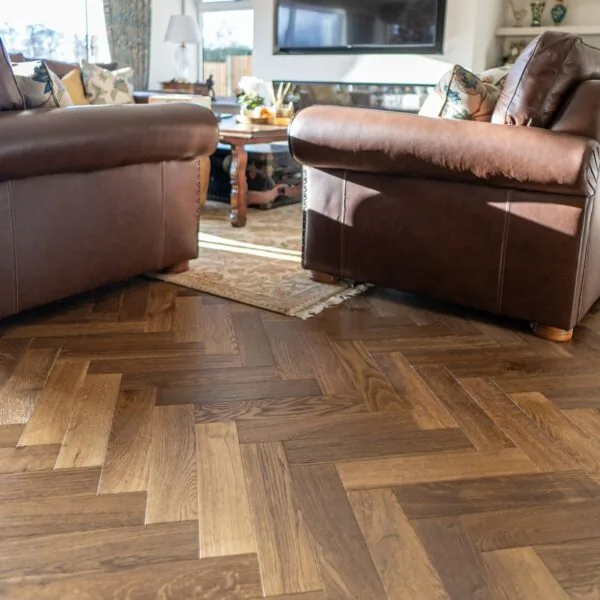
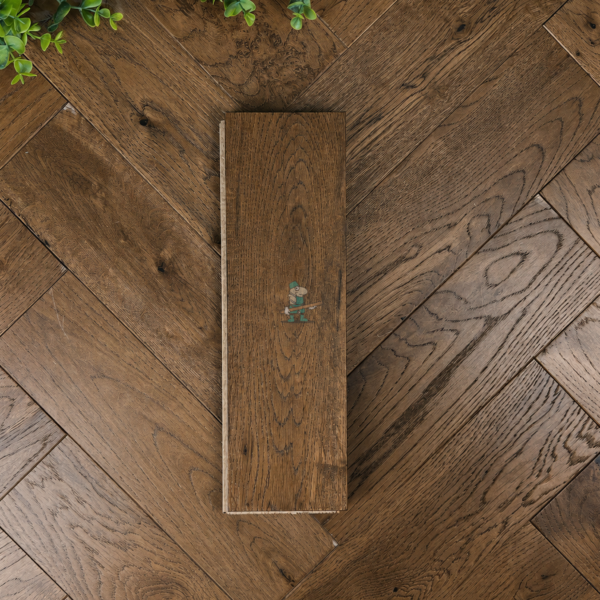
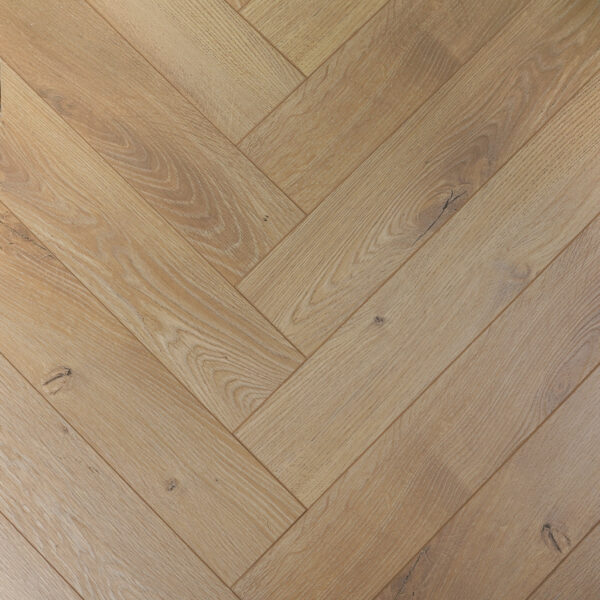
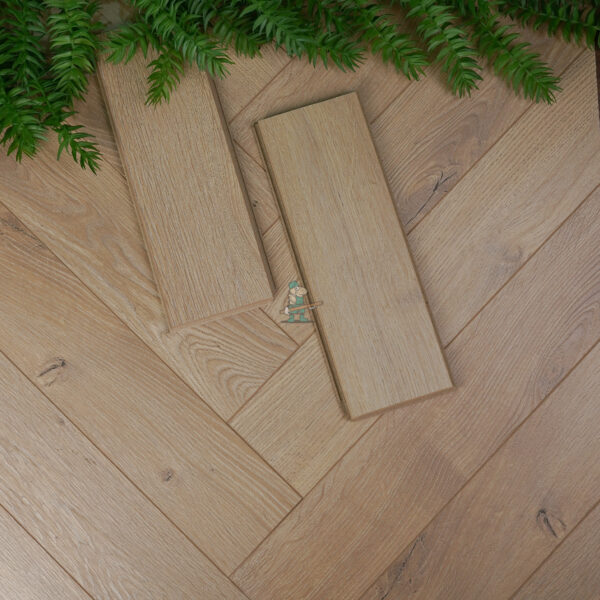
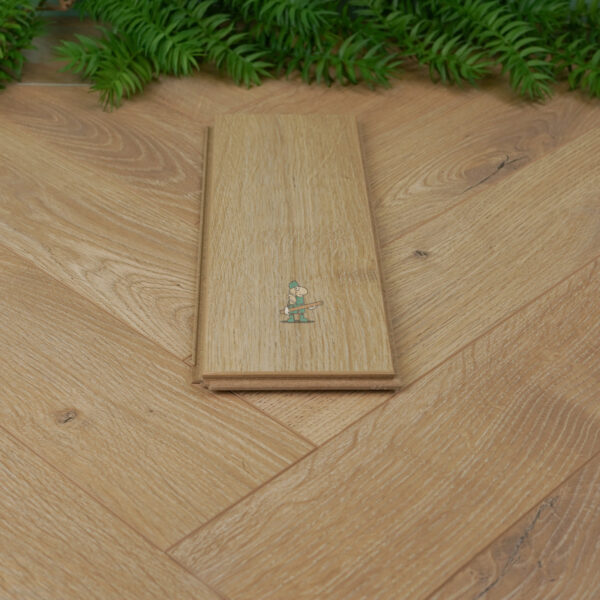
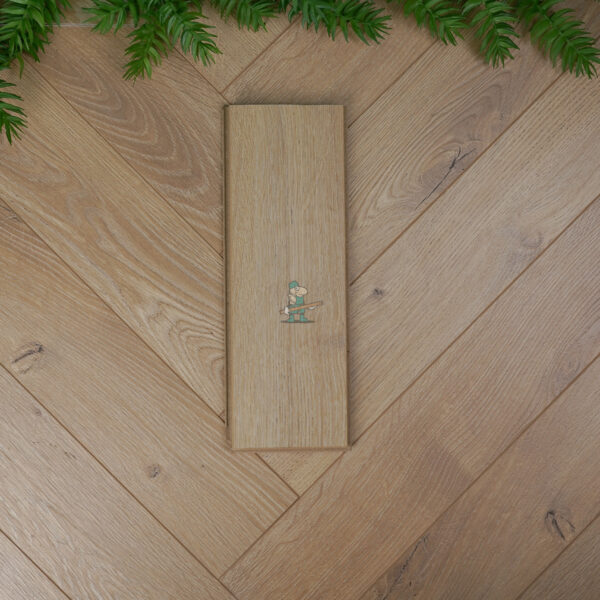
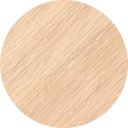
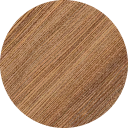
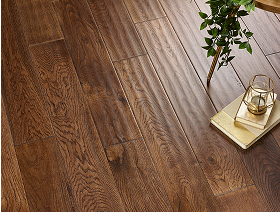
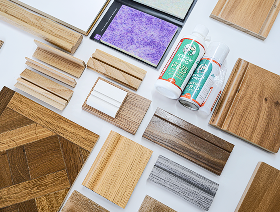
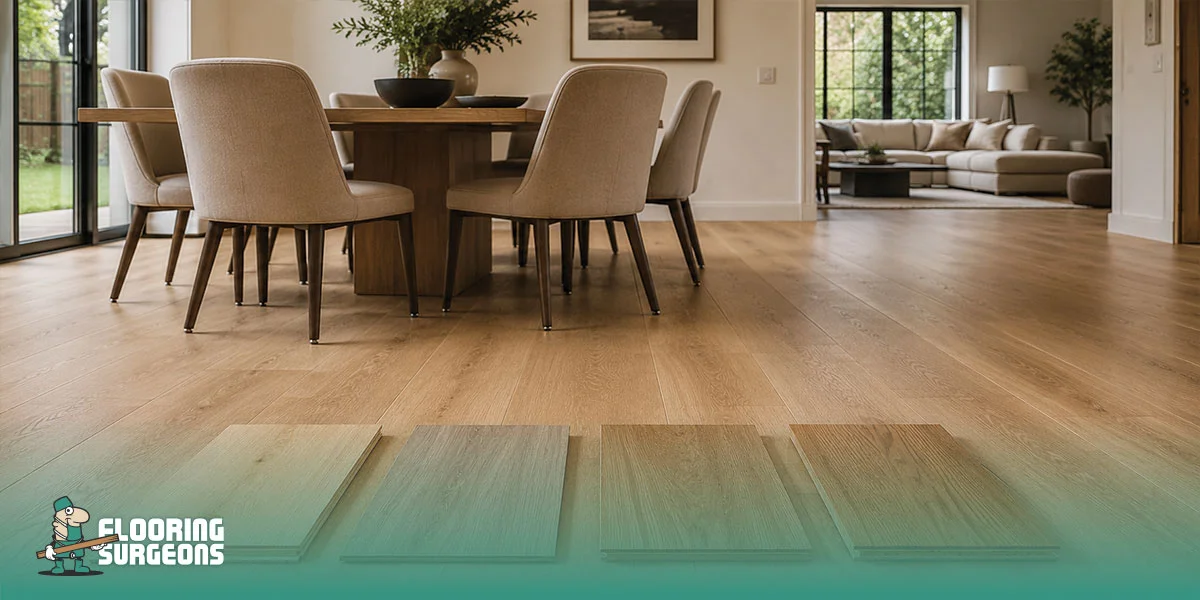
Colour, texture and plank size can also influence the appearance of the space. Lighter finishes can create a brighter appearance in smaller dining areas, while darker timber tones can introduce greater contrast and definition. Ordering samples allows you to compare finishes alongside your furniture and under both natural and artificial lighting.
Best Dining Room Flooring Materials
Several flooring materials can be used in dining rooms. The most suitable option depends on the required appearance, maintenance, performance, installation requirements and budget.
Laminate Flooring for Dining Rooms
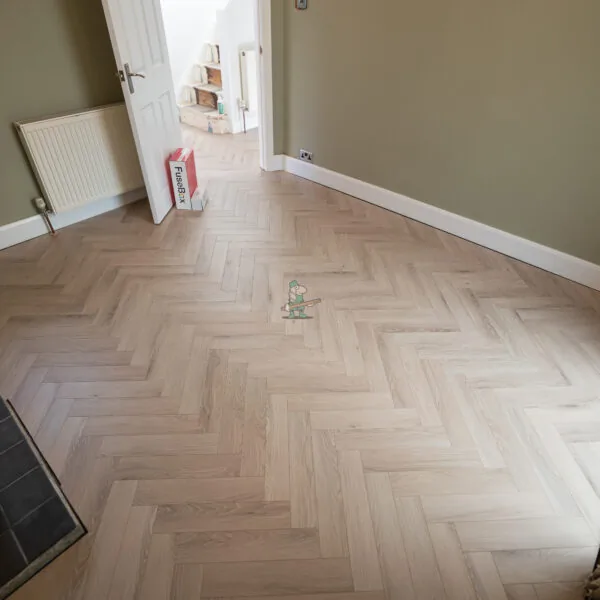
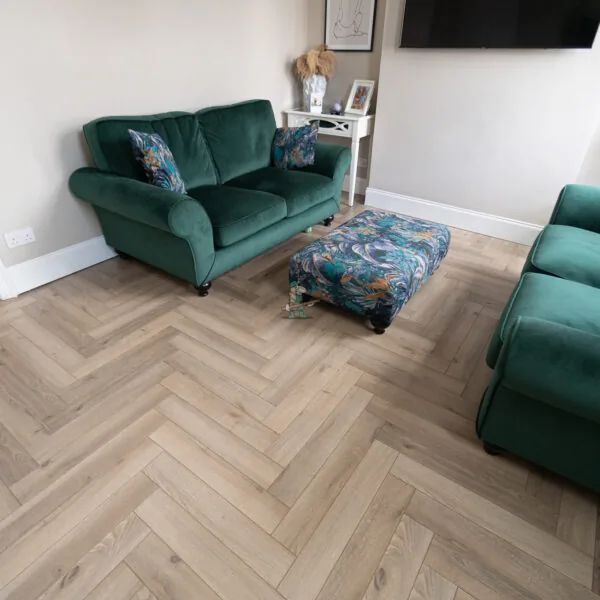
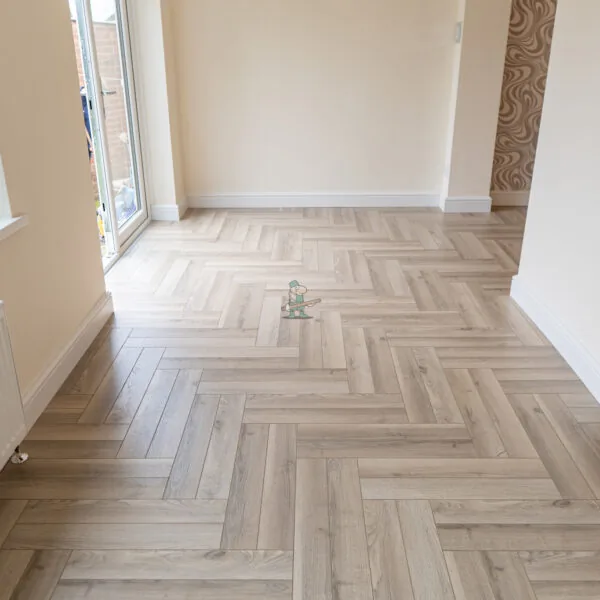
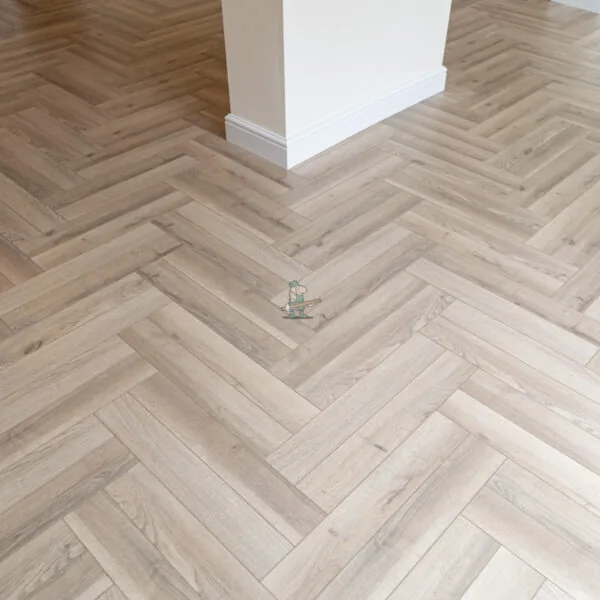
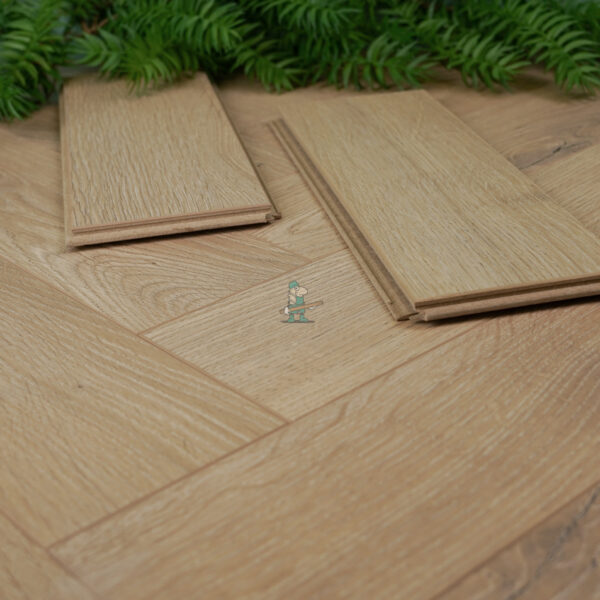
Laminate Flooring For Dining Room provides a wood-effect alternative in a range of colours, surface textures and plank formats. It can suit both informal family dining areas and more traditional interiors.
Many laminate products have wear-resistant surfaces and can be straightforward to clean. Performance varies between products, so check the abrasion rating, moisture resistance, fitting system and care instructions before ordering.
Engineered Wood Flooring for Dining Rooms
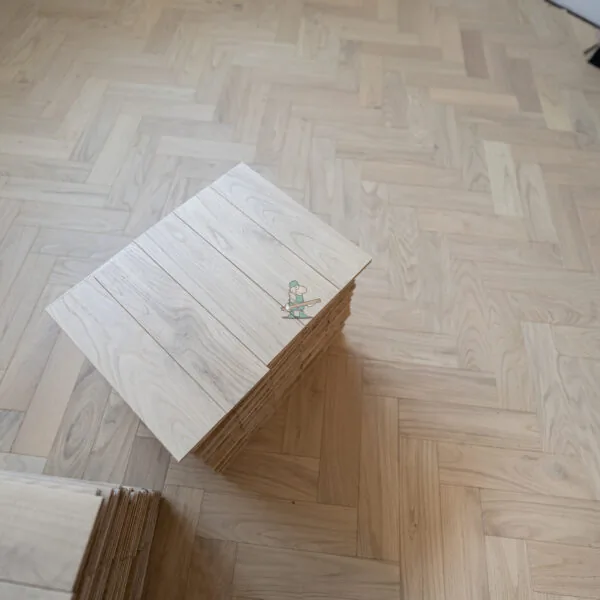
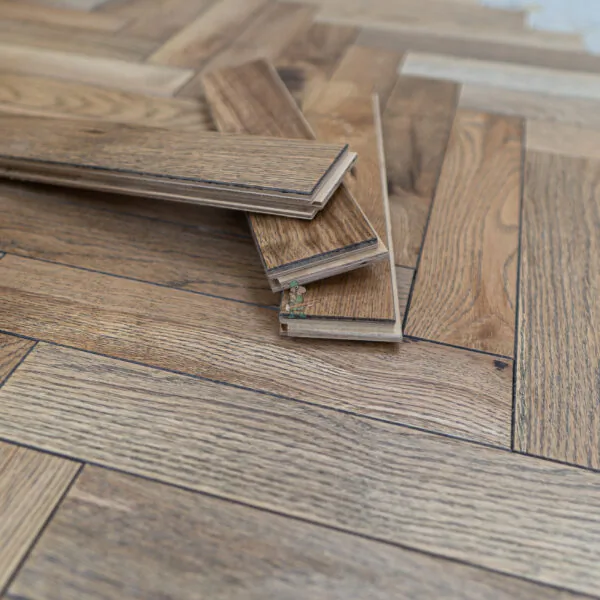
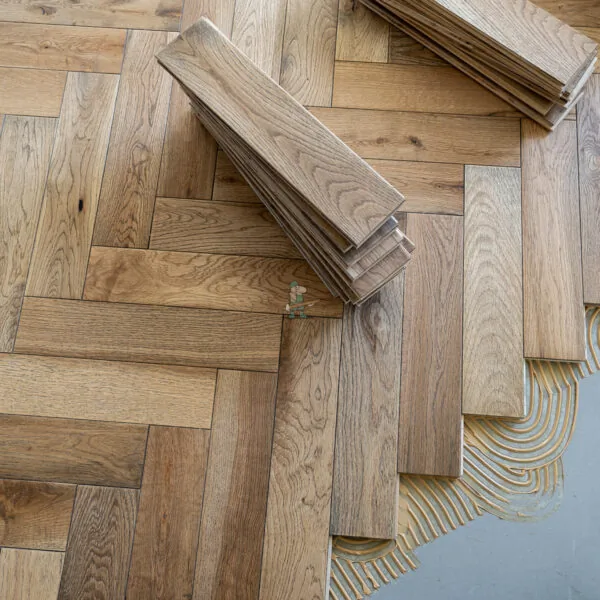
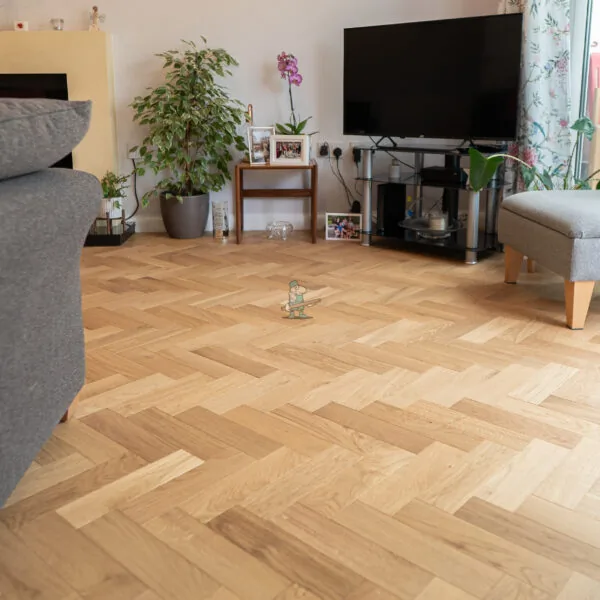
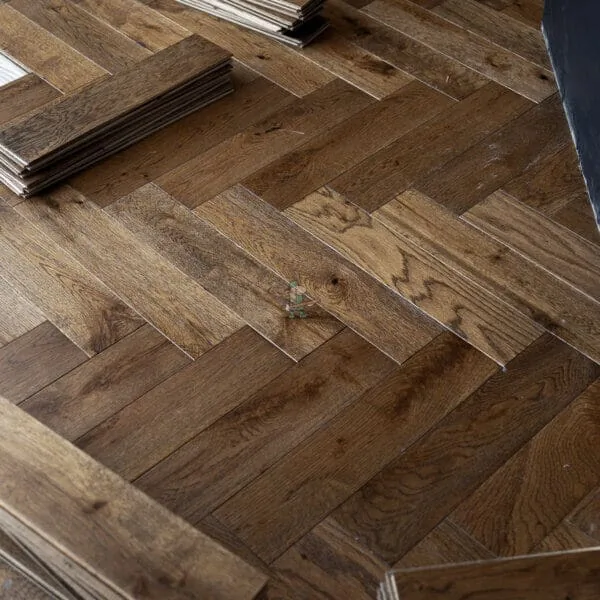
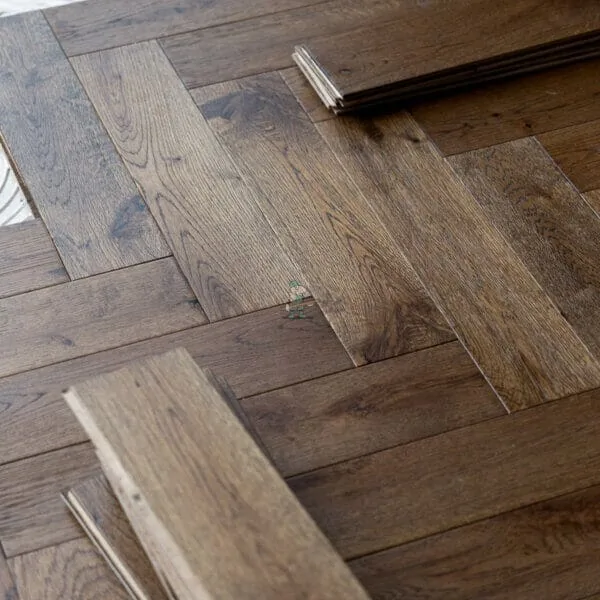
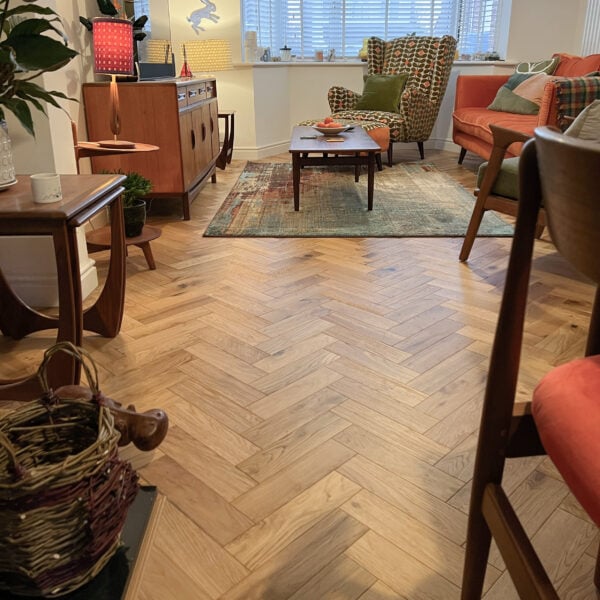
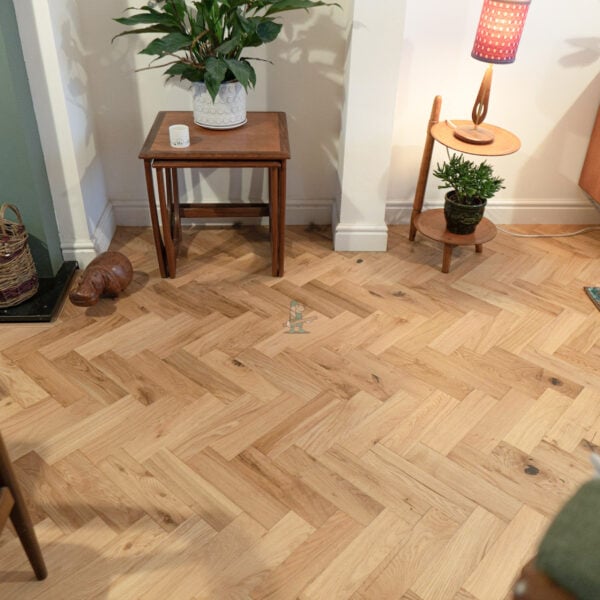
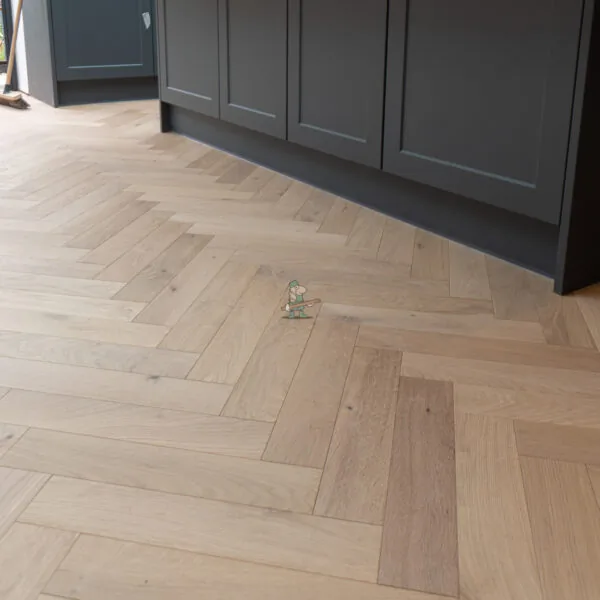
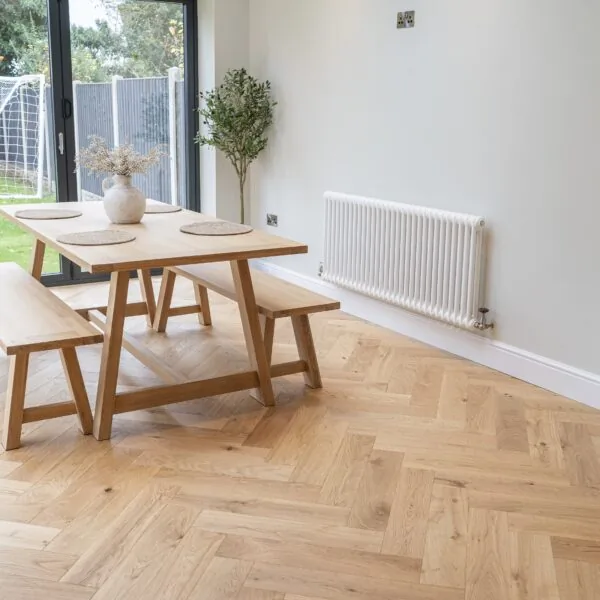
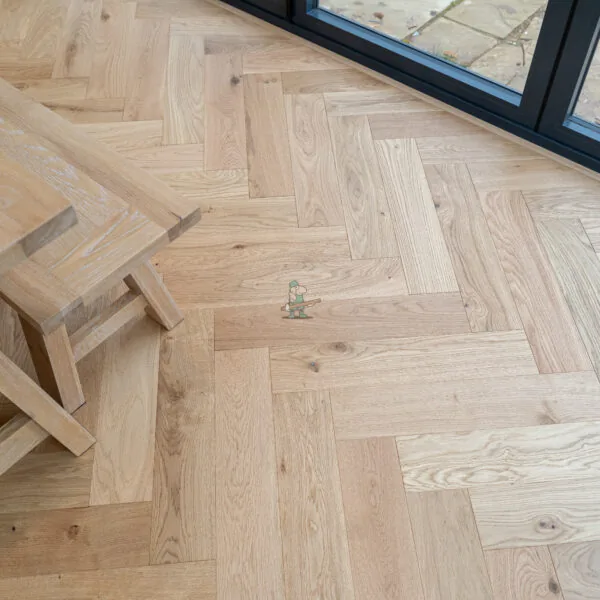
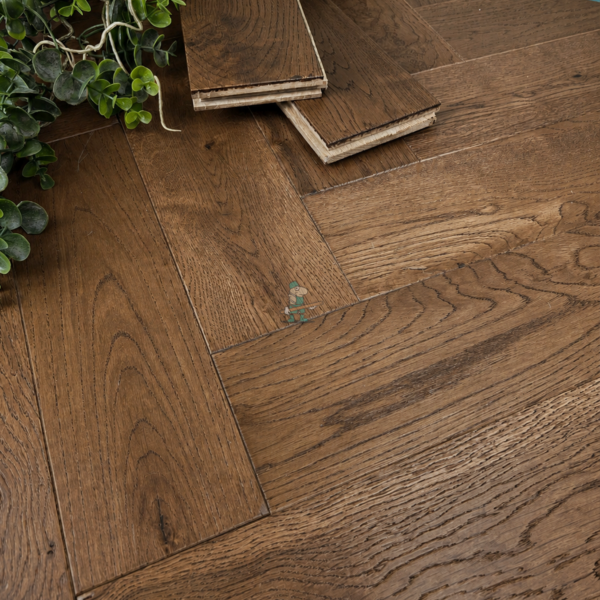
Homeowners looking for a genuine timber surface can explore Engineered Flooring for Dining Room. Engineered wood combines a real wood surface with a layered construction, providing natural grain and variation with greater dimensional stability than solid wood in many applications.
Wear-layer thickness, surface treatment, construction and fitting method vary between products. These specifications should be considered alongside underfloor-heating compatibility and maintenance requirements.
Luxury Vinyl Flooring for Dining Rooms
For households looking for a flooring surface that is straightforward to maintain, Luxury Vinyl Flooring For Dining Room is available in a range of wood-effect and decorative finishes across click and glue-down formats.
Luxury vinyl can be suitable for dining areas where the floor is exposed to regular use and occasional spills. Before purchasing, compare the wear layer, overall thickness, subfloor requirements and installation guidance for the individual product.
Solid Wood Flooring for Dining Rooms
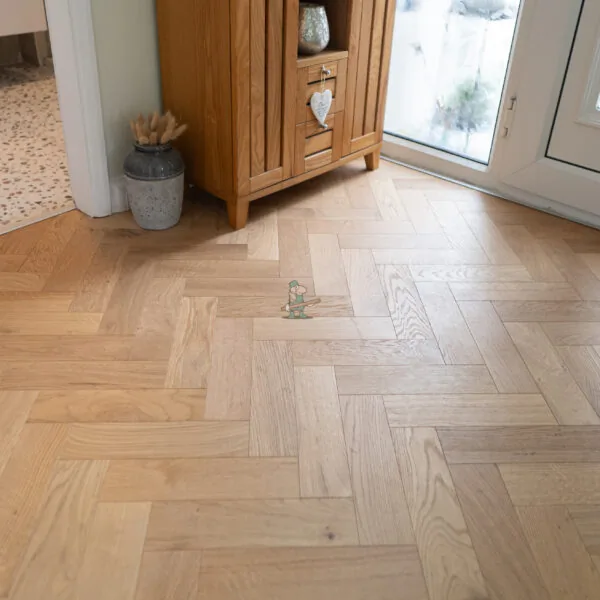
Solid Wood Flooring For Dining Room provides an authentic timber surface with natural grain, variation and character. It can be used in dining rooms where the environmental conditions are suitable for solid timber.
Natural wood responds to changes in temperature and humidity, so correct acclimatisation, subfloor preparation and installation are important. The product’s surface finish and maintenance requirements should also be considered before installation.
Several materials can be used for dining room floors. The right option depends on the appearance, maintenance level, performance and budget required.
Dining Room Flooring Ideas and Styles
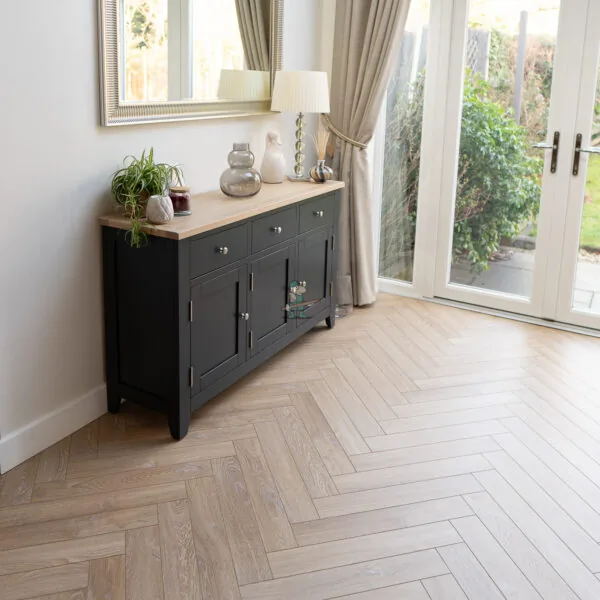
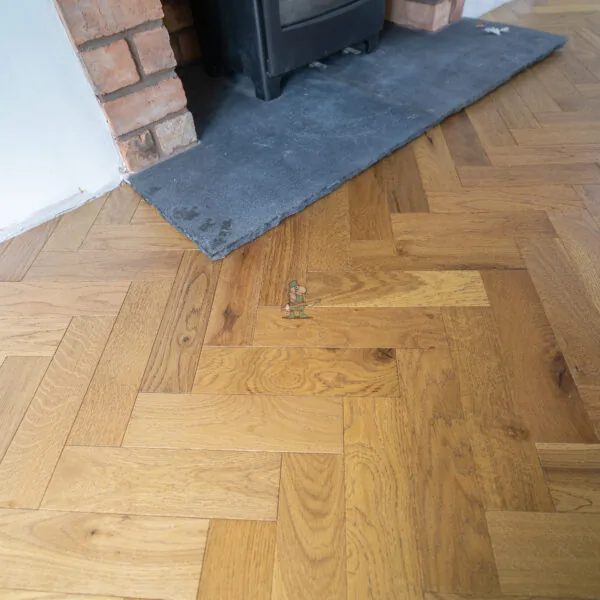
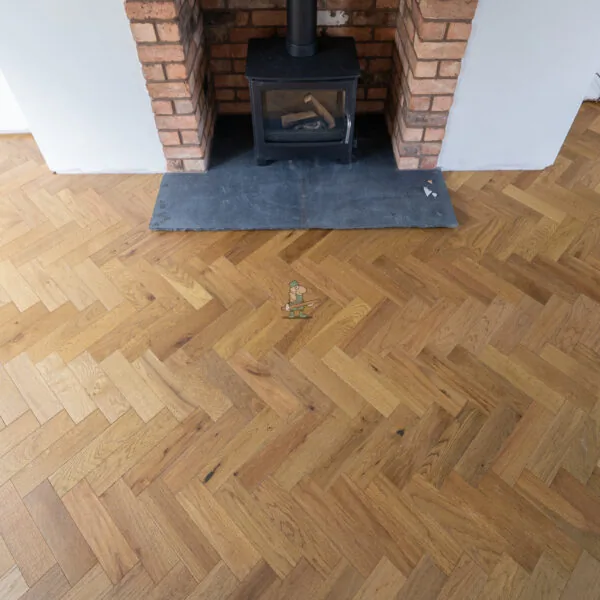
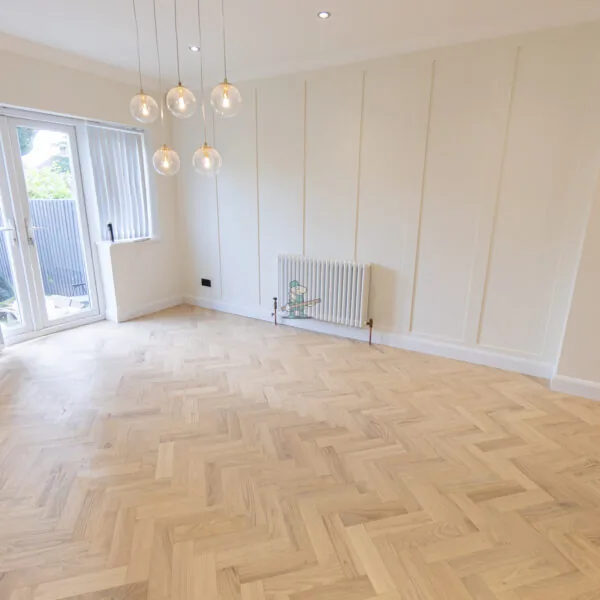
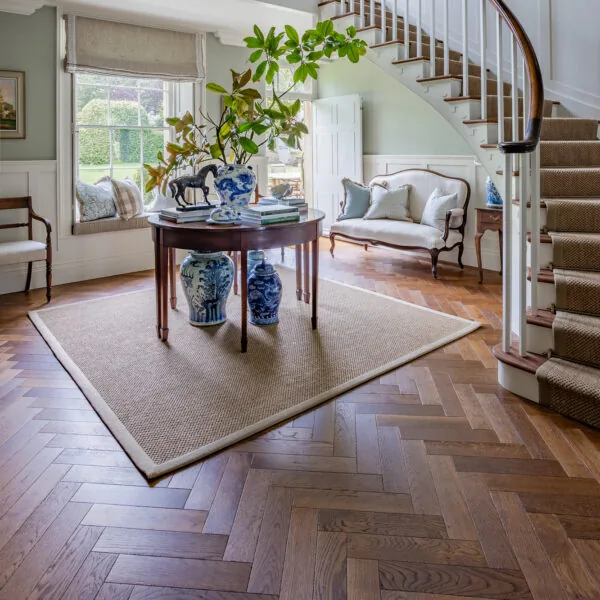
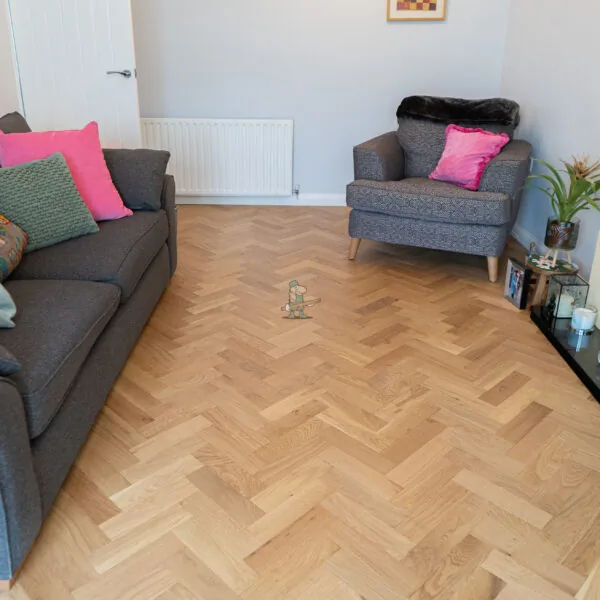
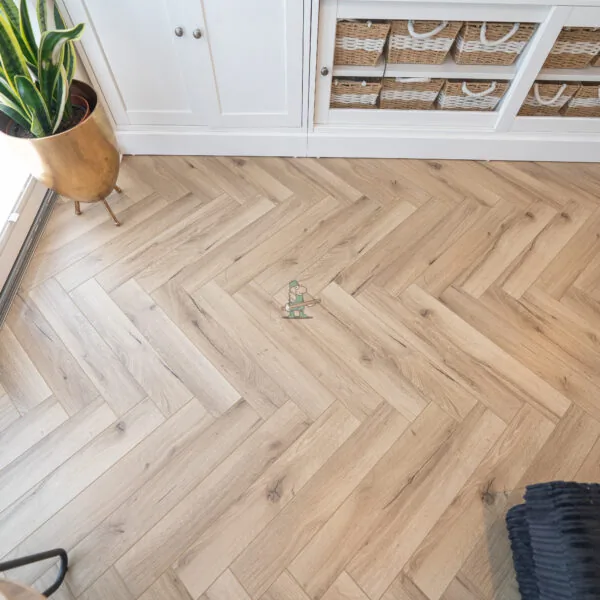
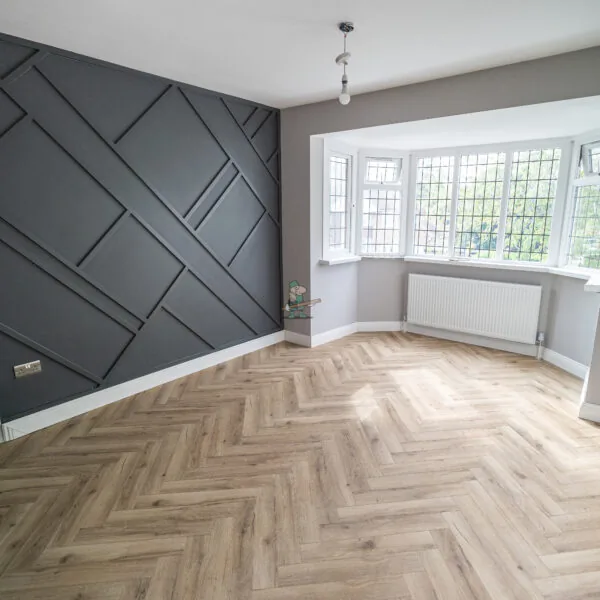
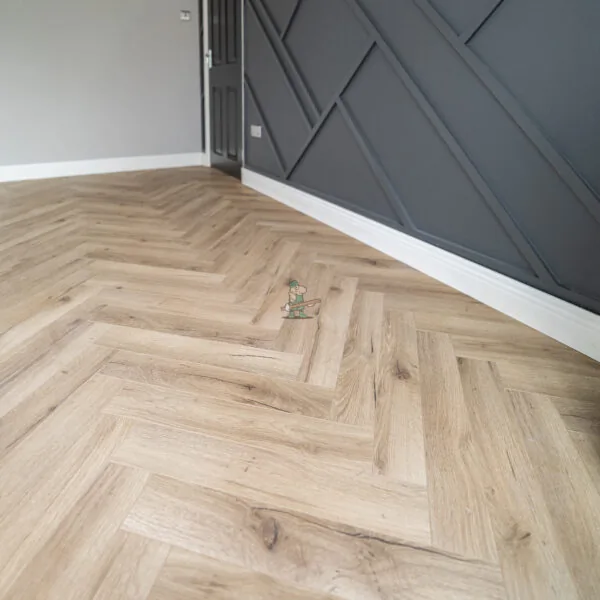
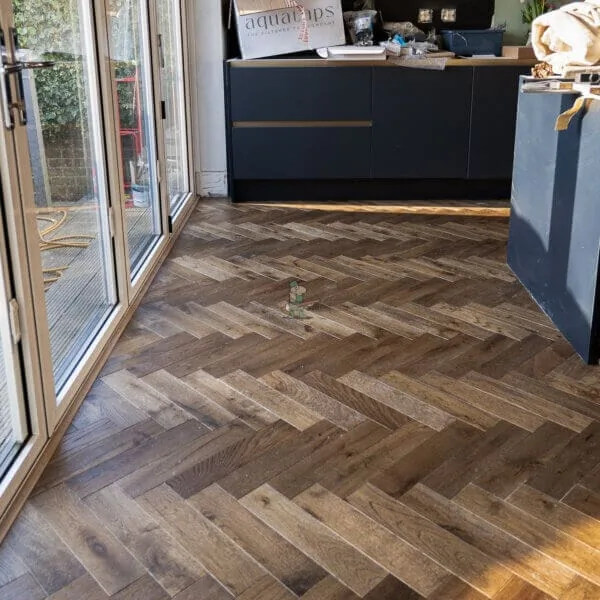
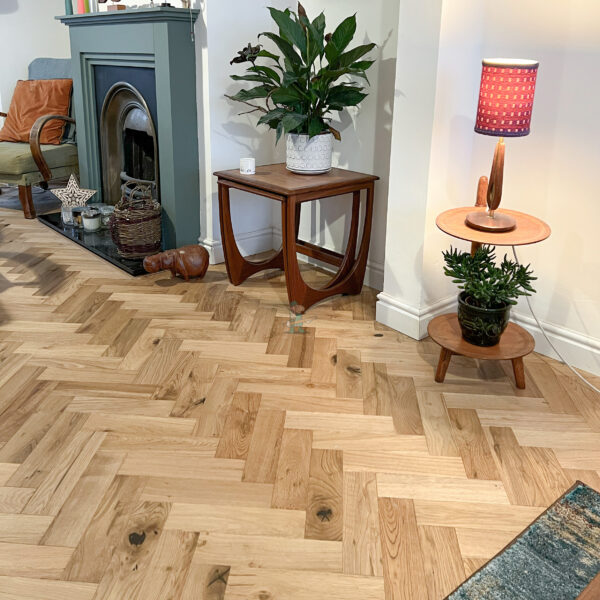
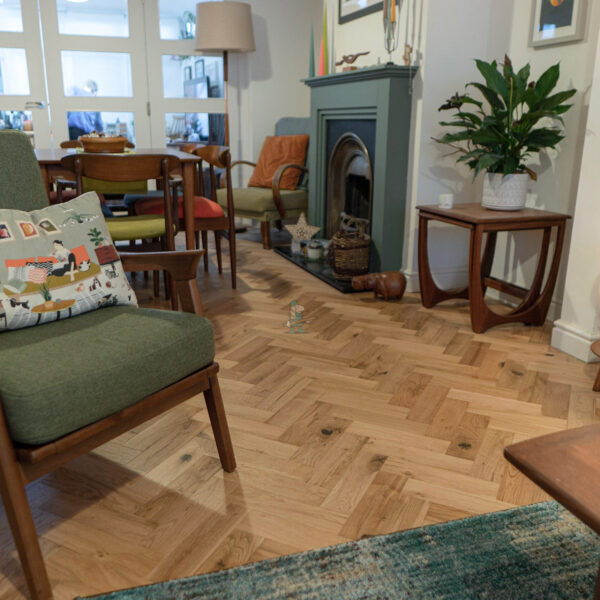
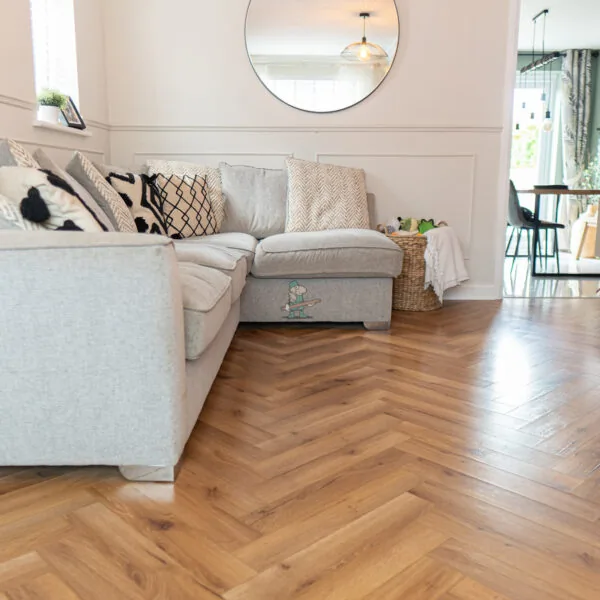
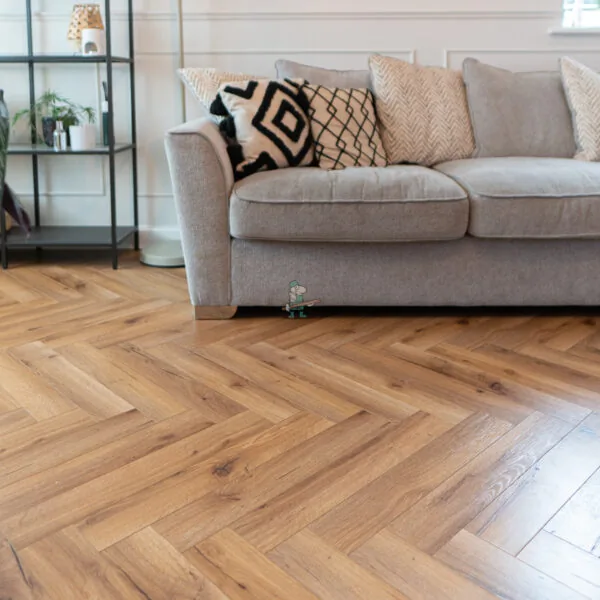
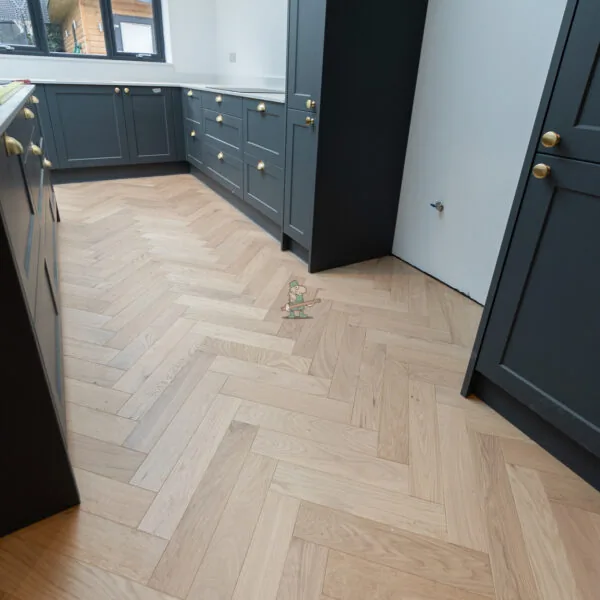
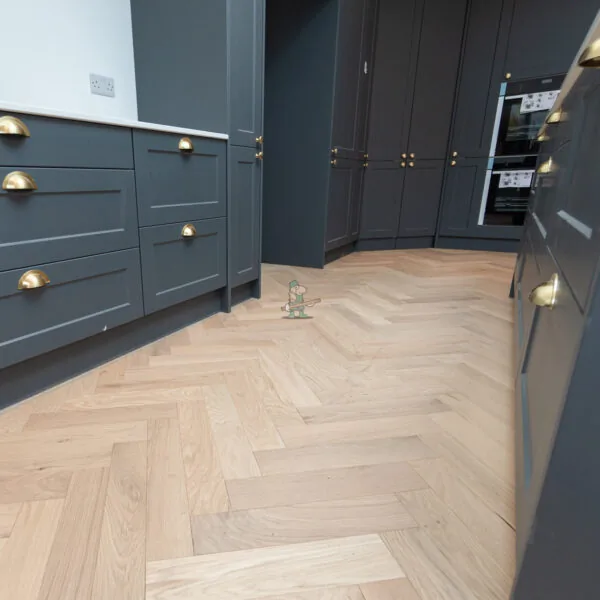
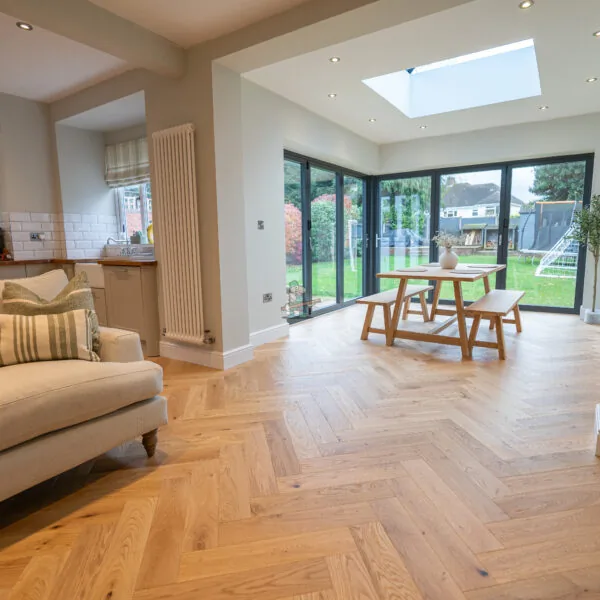
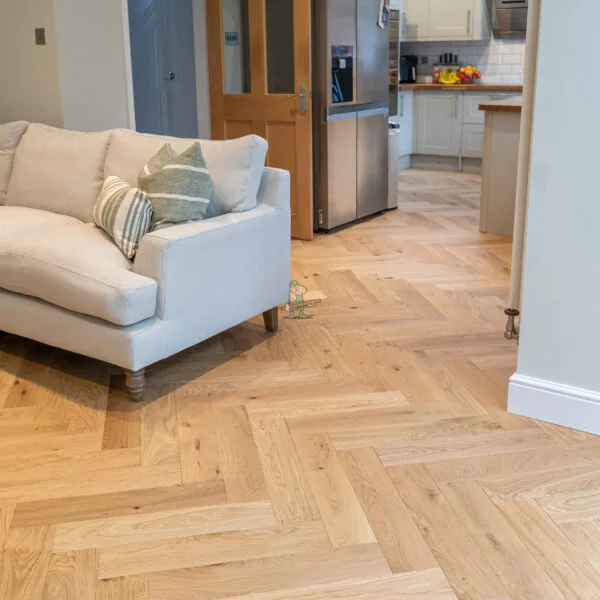
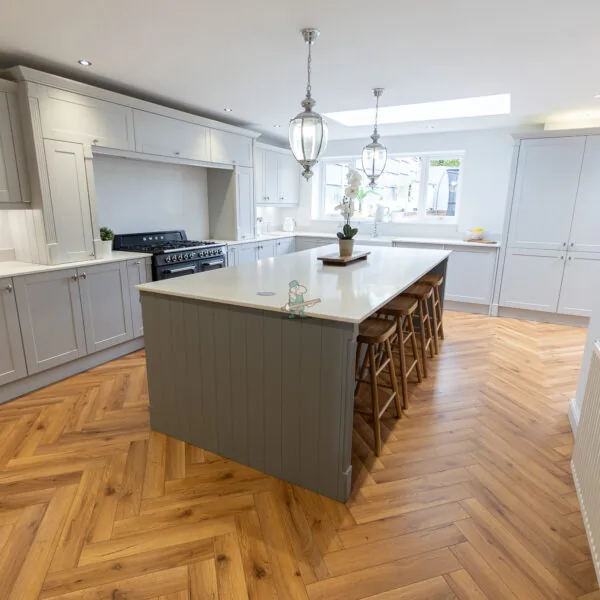
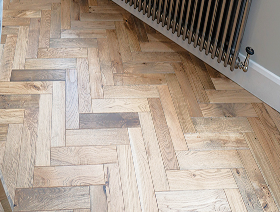
Flooring can influence the overall appearance and perceived proportions of a dining room. Oak tones, neutral colours and wood-effect finishes can work with a range of furniture styles and adjoining spaces.
Useful dining room flooring ideas include:
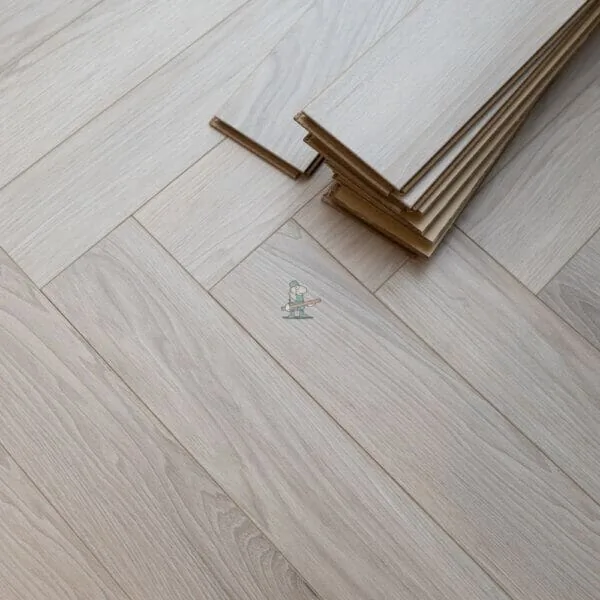
- Choosing lighter wood tones to create a brighter appearance in a compact dining area
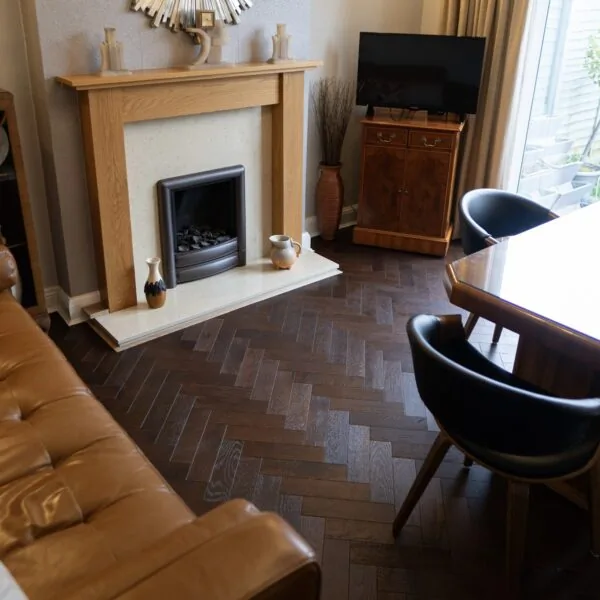
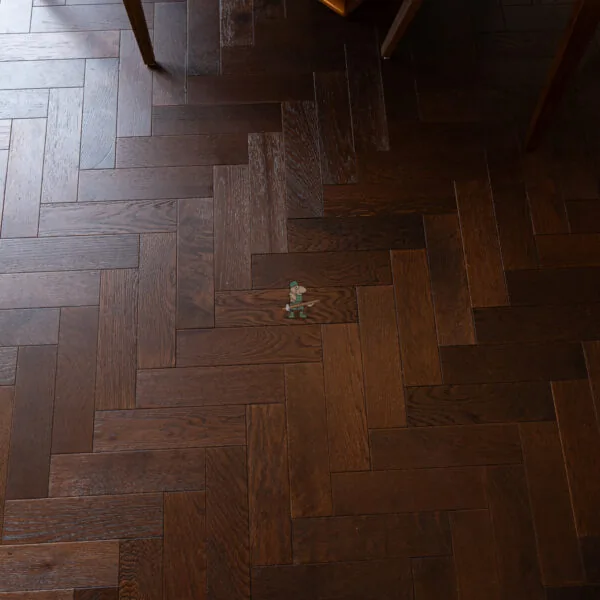
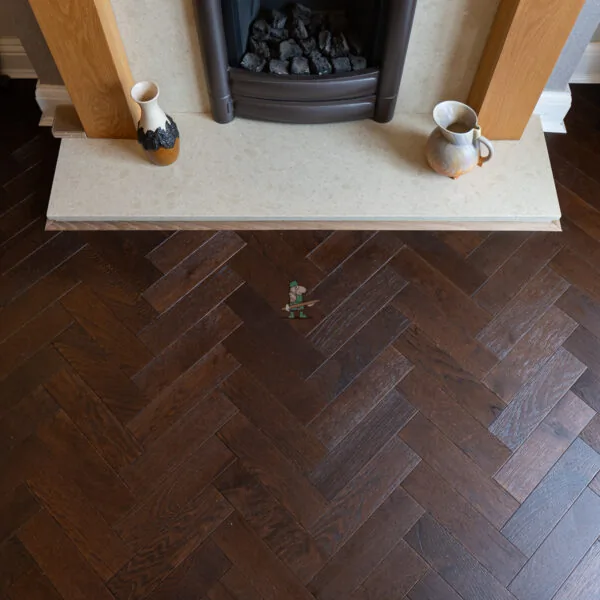
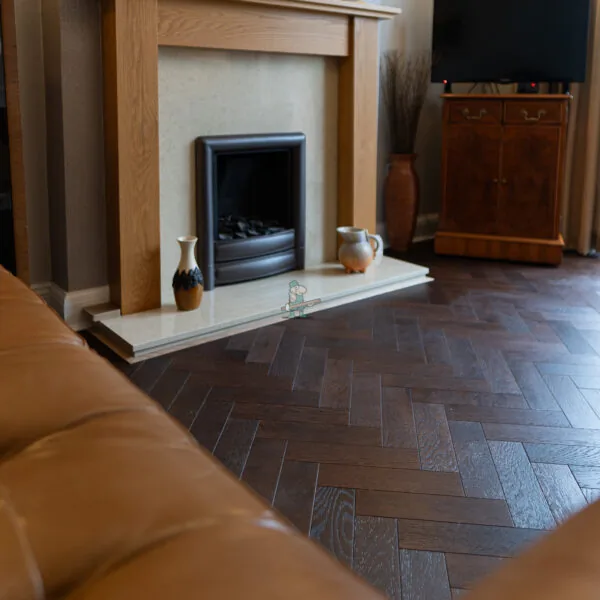
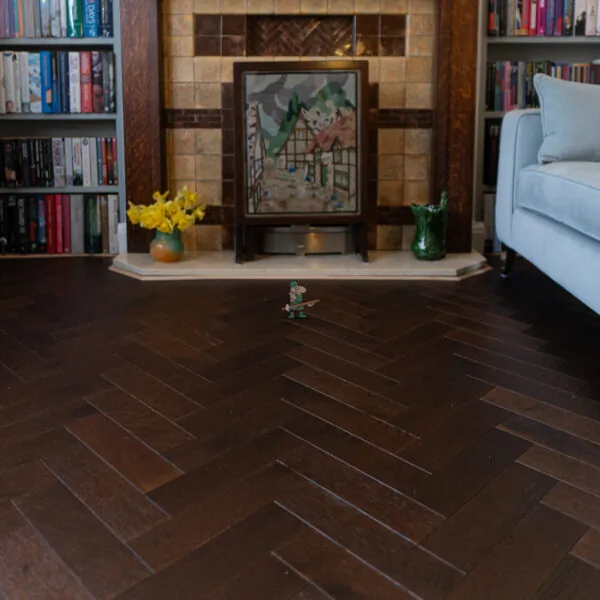
- Using deeper timber shades to introduce contrast and definition
- Selecting wider planks to reduce the number of visible joins
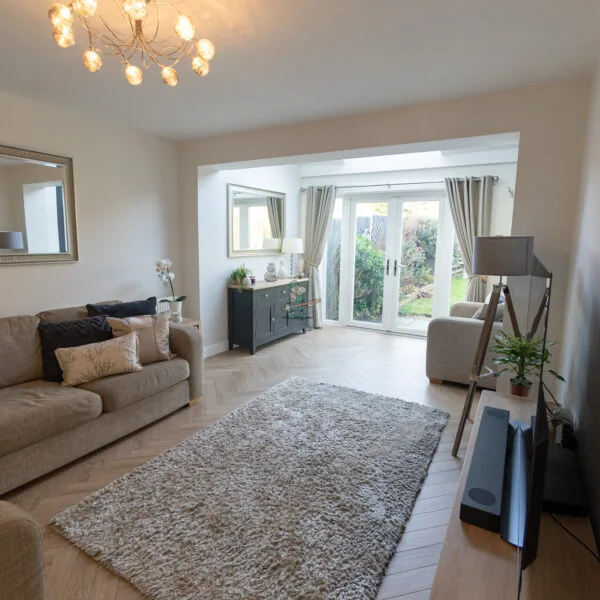
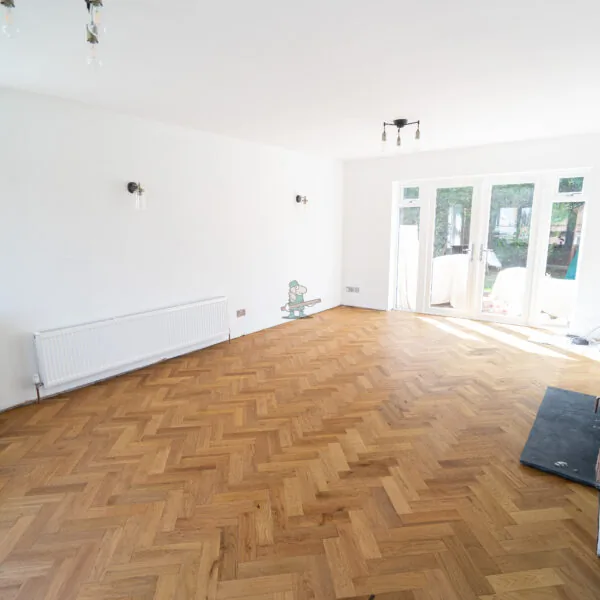
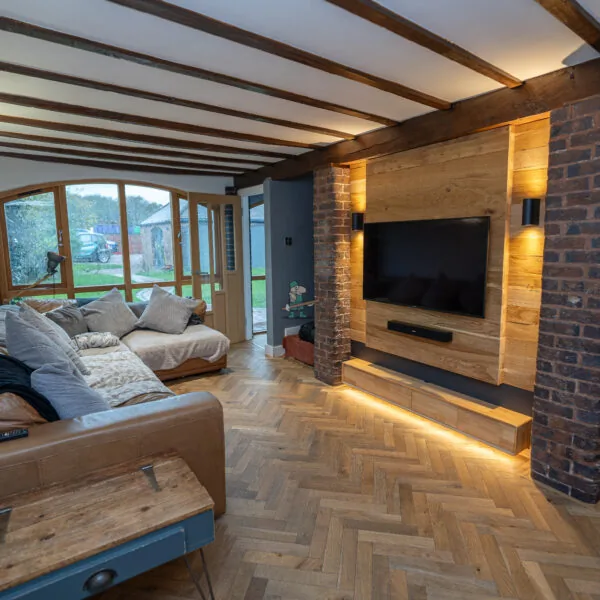
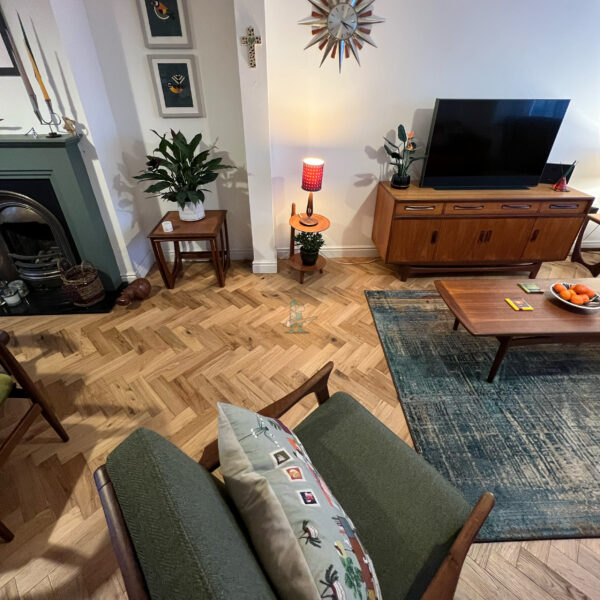
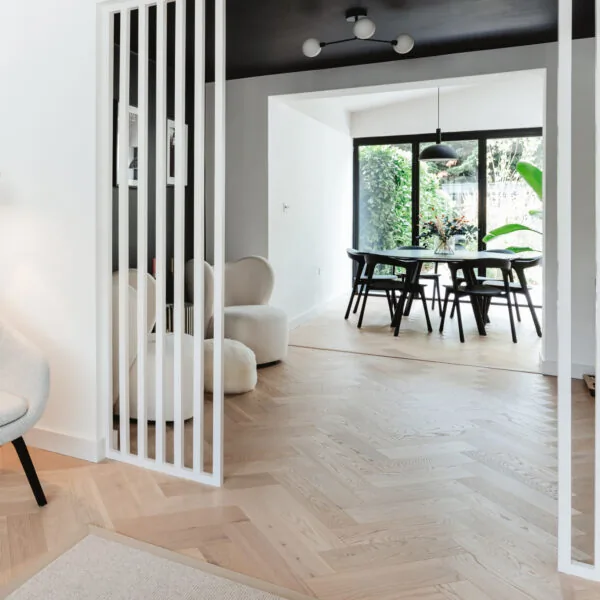
- Continuing the same flooring into an adjoining living room
- Laying planks along the room’s longest dimension
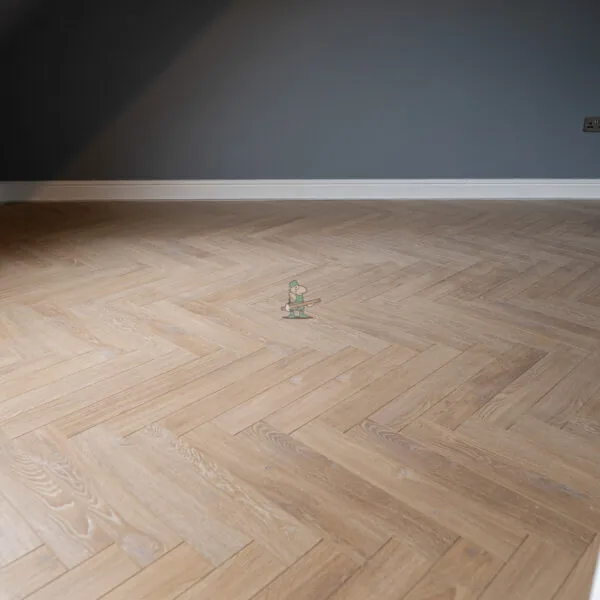
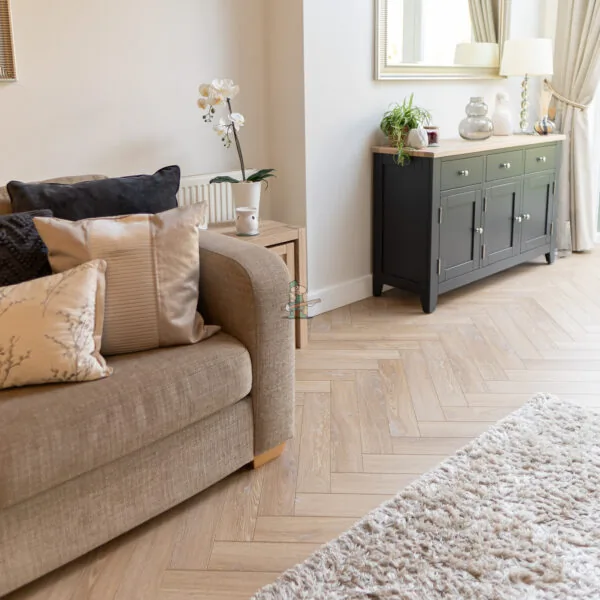
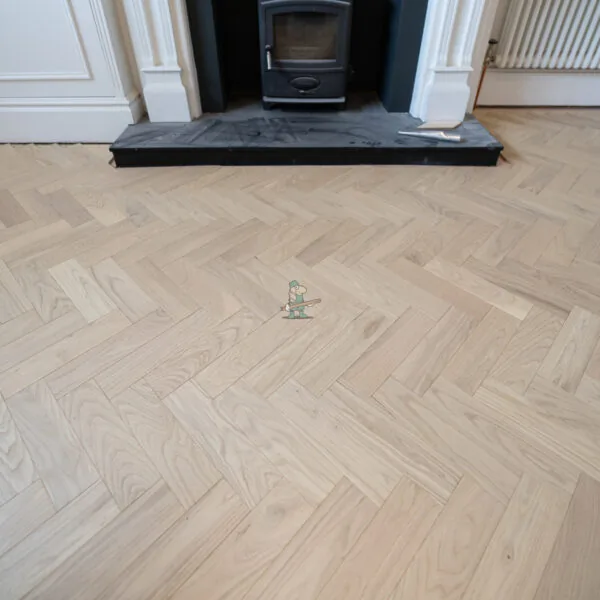
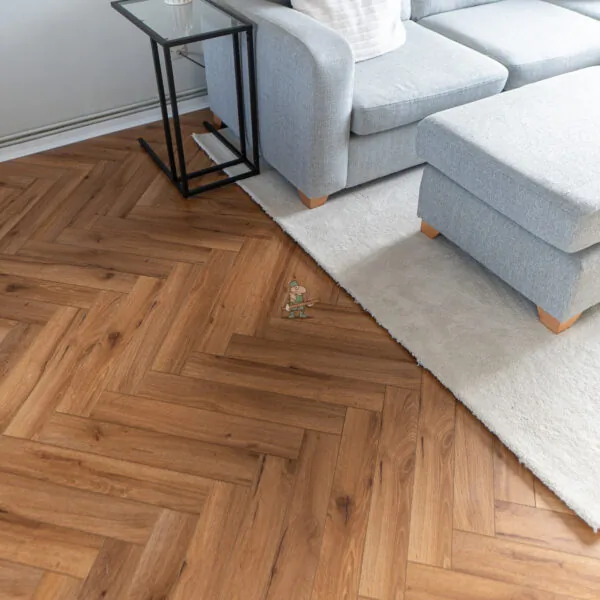
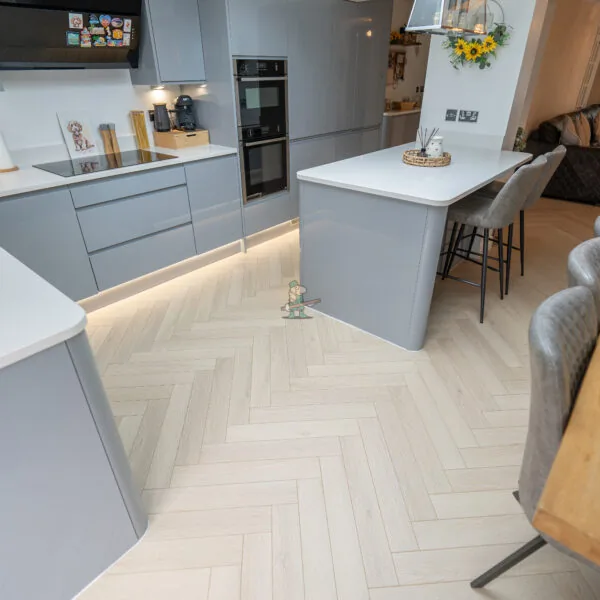
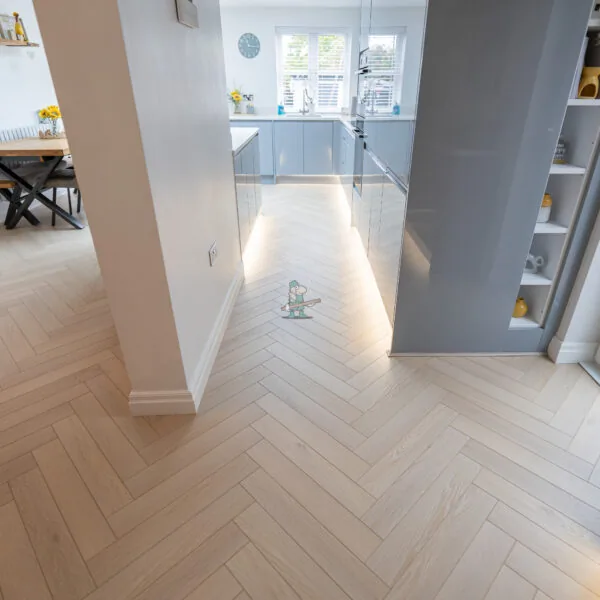
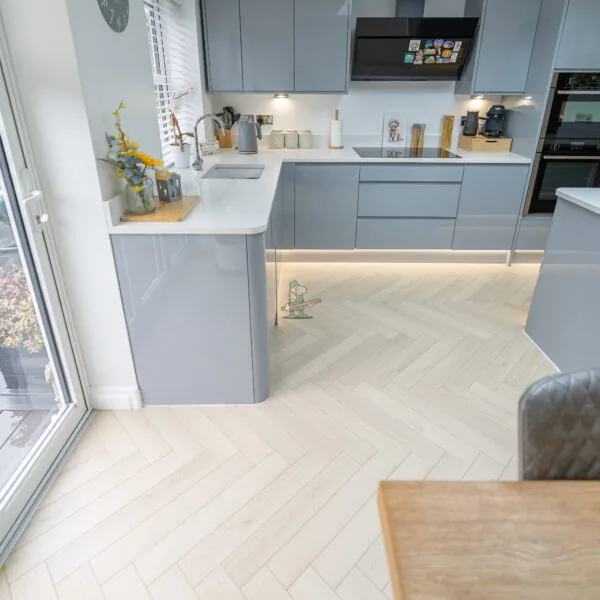
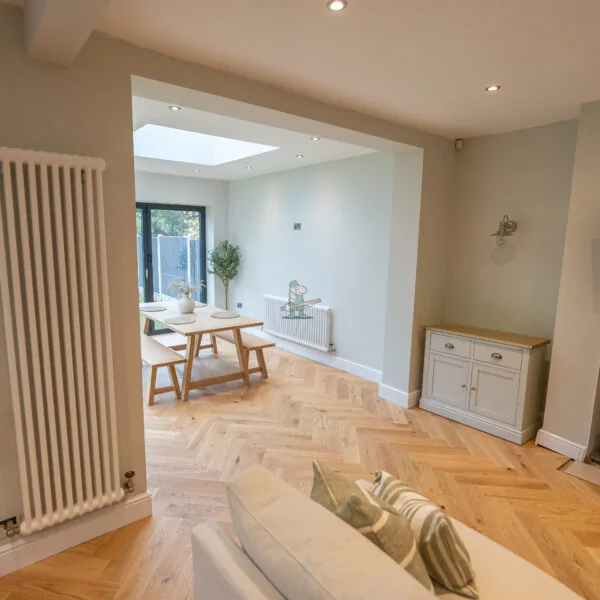
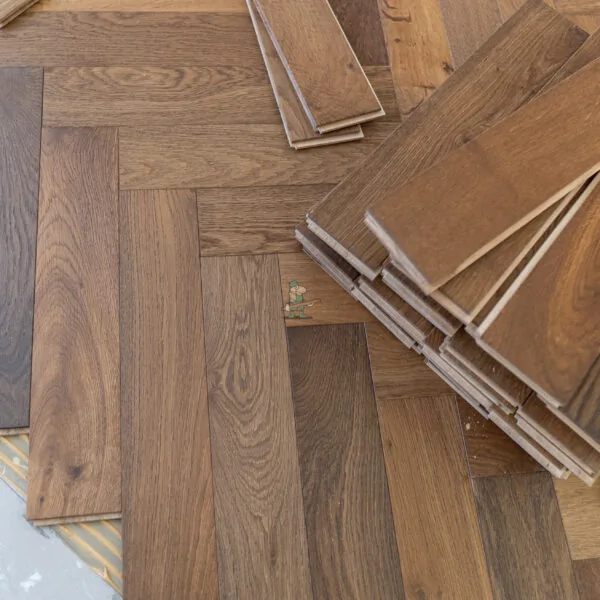
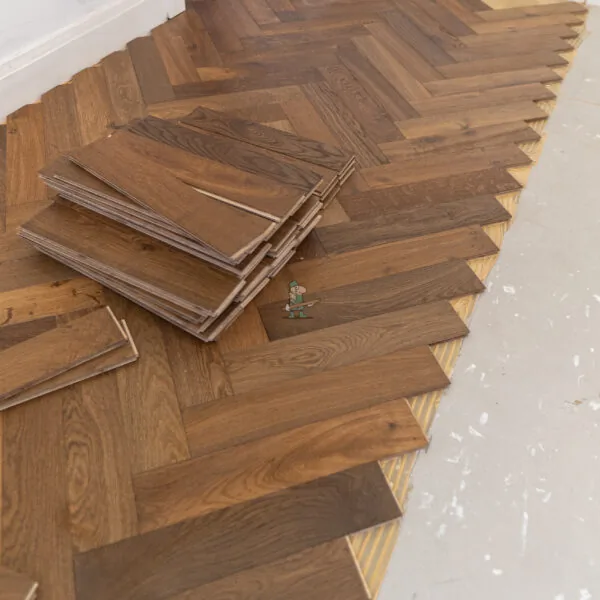
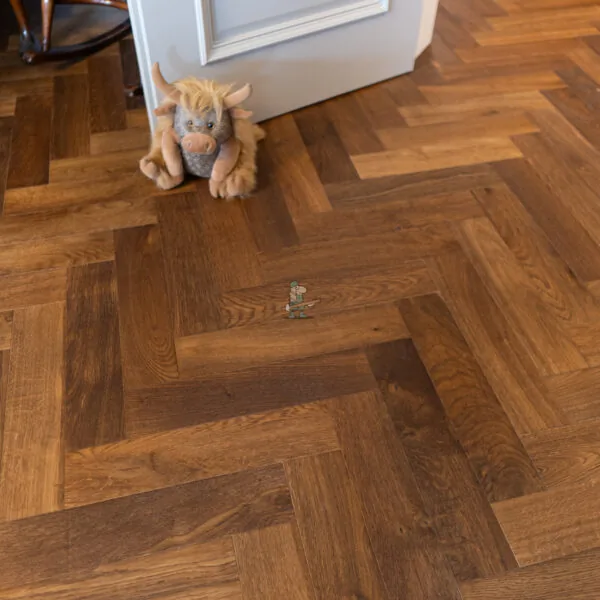
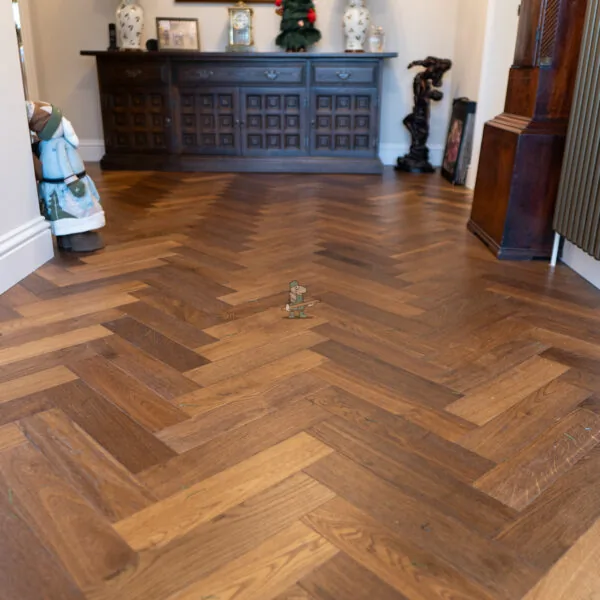
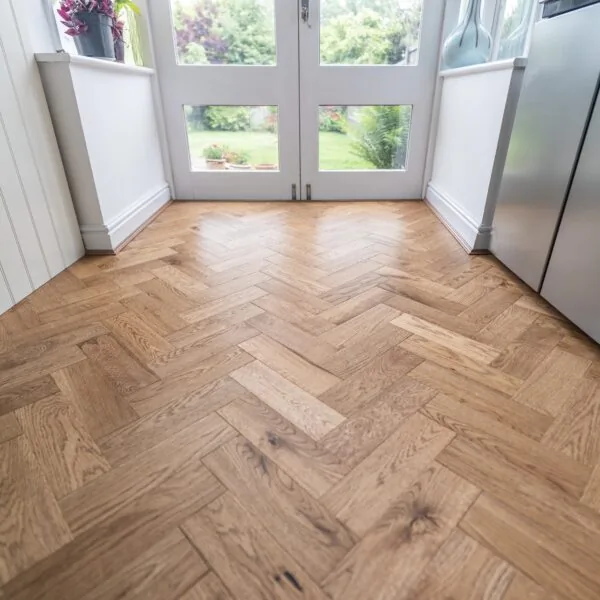
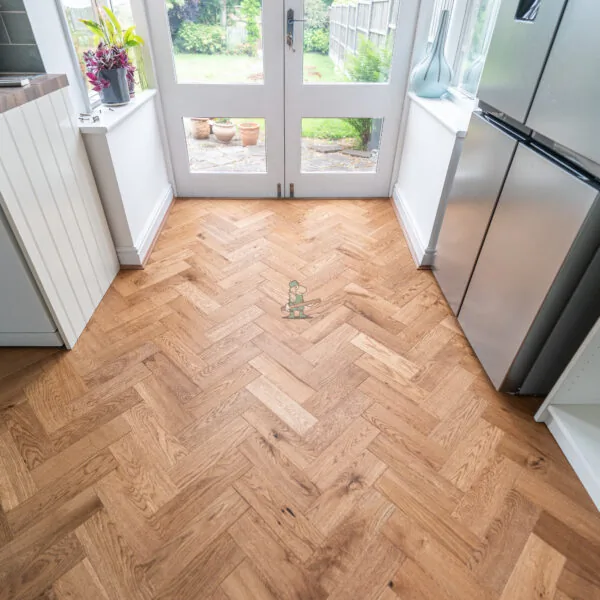
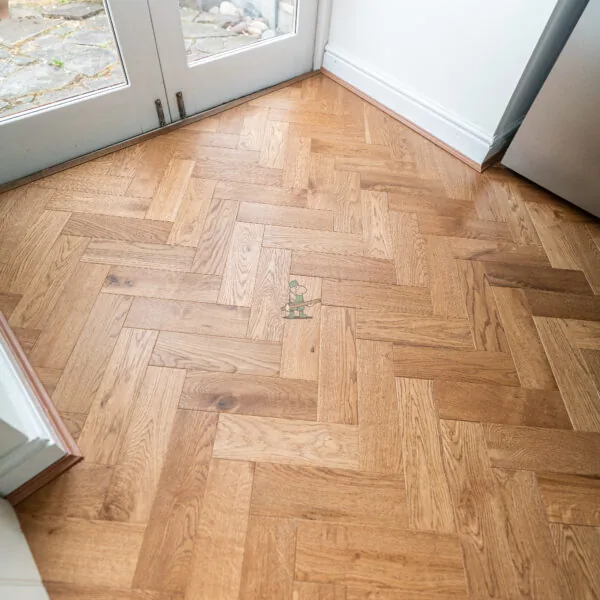
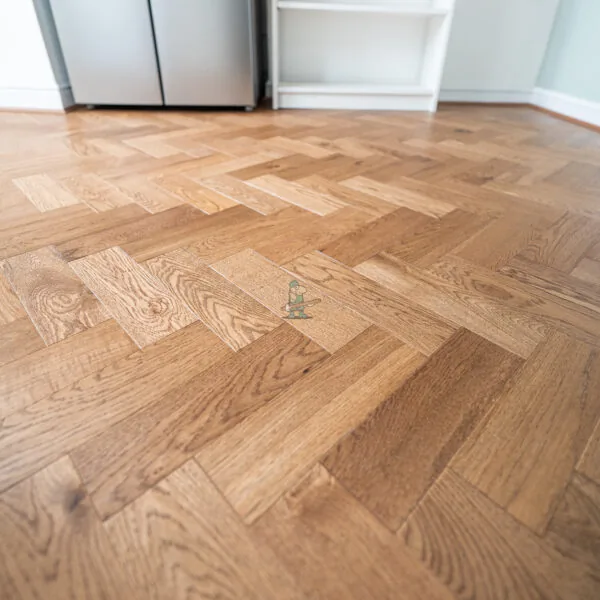
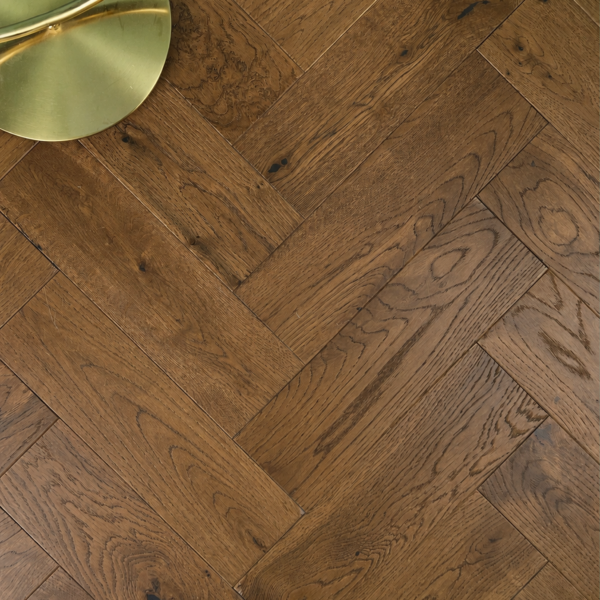
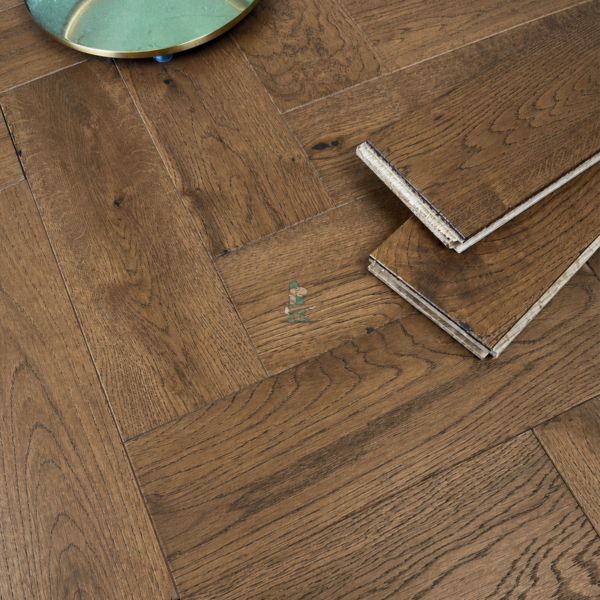
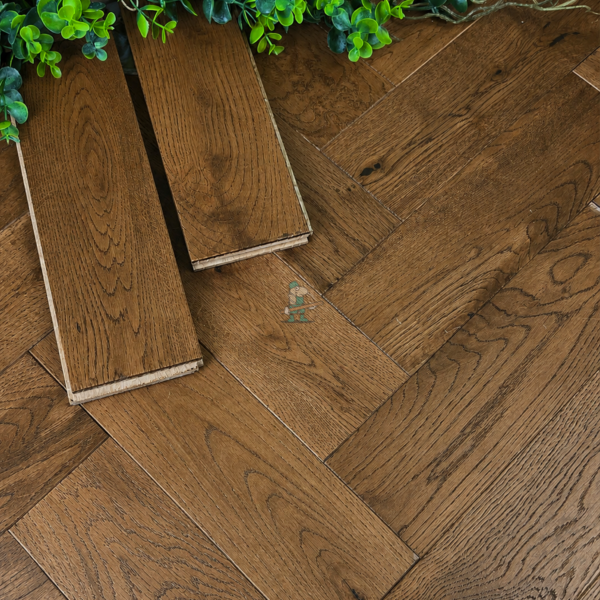
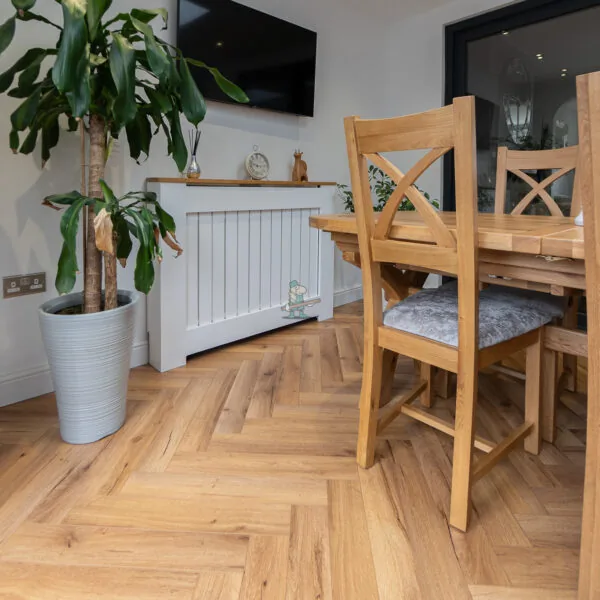
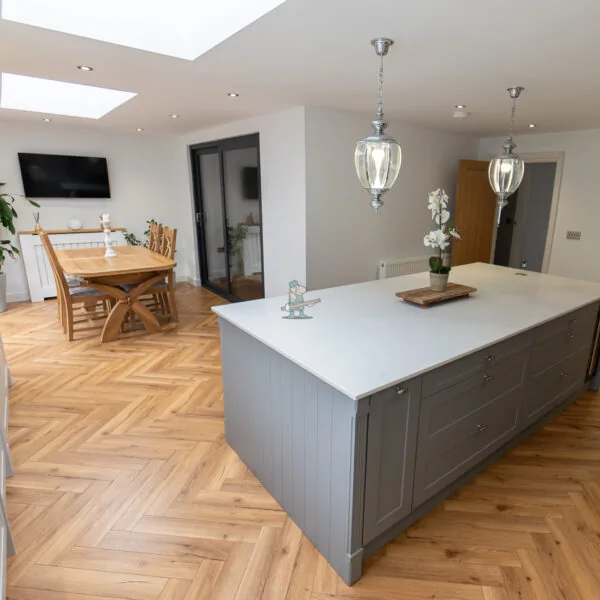
- Using patterned flooring to help define an open-plan dining zone
- Adding suitable protective pads beneath dining chair and table legs
Consider how much of the flooring will remain visible once the dining table, chairs and any rugs are in place. In an open-plan arrangement, the floor may form a larger part of the overall interior and therefore have a greater influence on the visual connection between different zones.
Creating a Connected Dining Space
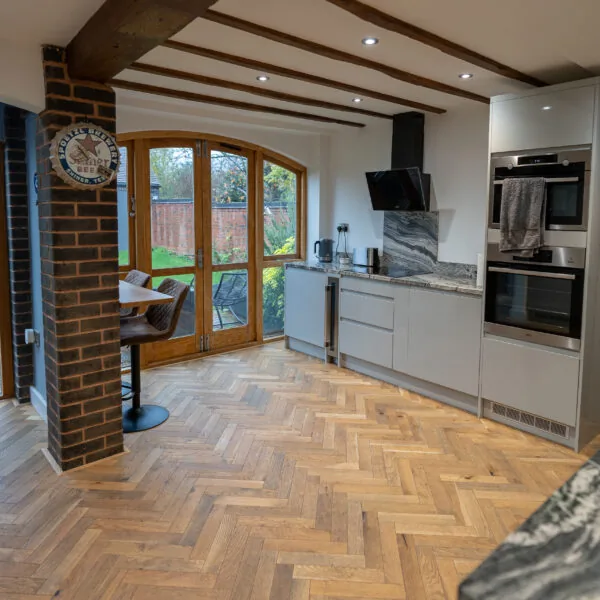
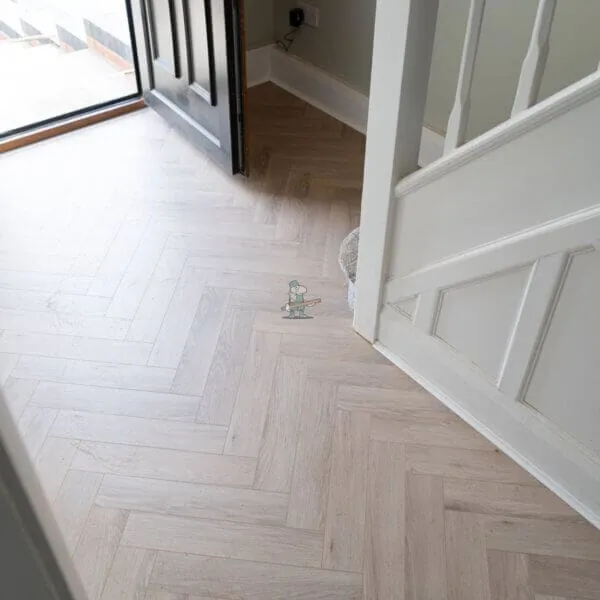
Using the same flooring across adjoining dining, living and hallway areas can create visual continuity between different parts of the home. This can be particularly useful in open-plan interiors where flooring helps define individual zones without creating physical divisions.
However, the selected product must be suitable for every area where it will be installed. If the dining room connects directly to a kitchen or entrance, check the flooring’s moisture resistance, wear performance, cleaning requirements and installation guidance before using the same product across the wider space.
Comparison of Dining Room Flooring Options
The following table provides a general comparison of common dining room flooring options. Actual durability, maintenance requirements and suitability depend on the individual product, construction, surface finish, installation method and room conditions.
|
Flooring type
|
Appearance |
Maintenance |
Considerations
|
|
Engineered wood
|
Natural real-wood surface with visible grain and variation |
Moderate |
Genuine timber surface available in different species, grades and finishes
|
|
Luxury vinyl
|
Wood-effect and other decorative finishes |
Easy |
Useful where easy maintenance and everyday practicality are priorities
|
|
Laminate
|
Wide range of wood-effect designs and surface textures |
Easy |
Available in a variety of plank formats, colours and price points
|
|
Solid wood
|
Authentic timber with natural grain and variation |
Moderate |
Requires consideration of temperature, humidity, acclimatisation and maintenance
|
How to Choose the Right Dining Room Floor
Begin by measuring the room and considering how frequently it is used. Identify the main walking routes, the position of large furniture and the areas where dining chairs will regularly move across the surface.
Before purchasing, review:
- Product thickness and plank dimensions
- Wear layer or abrasion rating, where applicable
- Moisture and stain resistance, where applicable
- Installation method
- Required underlay or adhesive
- Subfloor preparation requirements
- Underfloor-heating compatibility, where applicable
- Cleaning and maintenance instructions
- Warranty terms and room-suitability guidance
It is also useful to order samples and view them in the dining room at different times of day. Flooring colours, textures and surface finishes can appear different under natural and artificial lighting and alongside existing furniture.