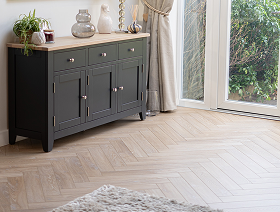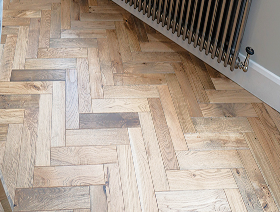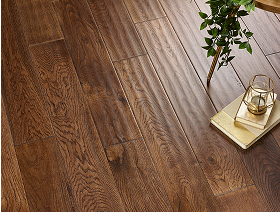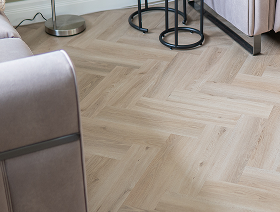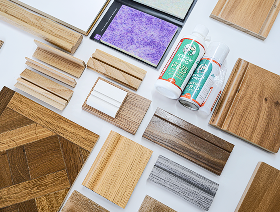
Rooms with identical wall colours, furniture, and lighting can still have completely different feelings based solely on the floor choice. Pale reflective flooring can help a room feel cleaner, brighter and more open. Dark matte flooring can temper the light, making the same room feel warmer and more grounded.
Floor reflectivity is what makes all the difference. Floor reflectivity is determined by colour, finish, texture, pattern and natural light. When you start thinking of your floor as part of your room’s lighting, rather than just what’s underneath you, you’ll have an easier time selecting flooring that creates the atmosphere you’re going for. That’s why flooring and room atmosphere go hand in hand. Especially if you’re looking to brighten, calm, or open up a room.
Table of contents
What Is Floor Reflectivity in Interior Design?
Floor light reflectance is the degree to which your floor reflects light back into the room rather than absorbing it. There are floors that reflect light throughout the room, and others that absorb more light and mute the room. That is why two floors of the same colour family can dramatically alter a room in completely different ways.
When it comes to reflectivity in design, several factors go into it. Colour, finish, texture and pattern all play a role. Light-coloured floors tend to reflect more light than dark-coloured floors. A glossy finish creates a hard reflection of light, which can make a room feel brighter but can cause glare. A matte finish or low sheen helps scatter light, creating a softer, more natural feel.

Does Floor Reflectivity Make a Room Feel Brighter or Larger?
Yes, it can create a brighter, airier feeling in a room with little natural light. The floor’s higher reflectivity spreads the brightness around the room rather than letting it stop at a wall or piece of furniture. Think about dark closets that open up when you put a mirror on the wall. Small bedrooms, tight hallways, apartments, or rooms with one window can benefit from this effect. But brighter doesn’t always mean glossy; too much shine on your floor can cause glare and feel unfriendly.
Dark rooms can benefit from light laminate floors. You’re not trying to make your floor pop, you’re trying to make your room feel lighter, brighter and bigger. Light laminate flooring can be a great option if you want flooring that makes a room brighter. It brightens the room while maintaining a softer, low-key look that is easy to live with.
How Dark or Low-Sheen Floors Change the Mood of a Room
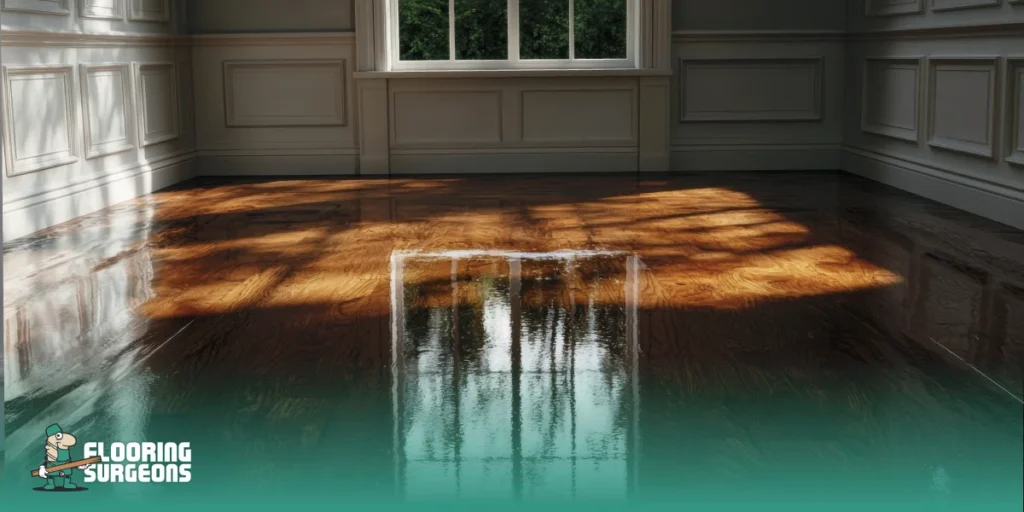
Dark or matte floors typically feel warmer, calmer and more grounded. Rather than reflecting much light around the room, they absorb it, reducing brightness. Rooms feel cosier and less visually busy. Living rooms, bedrooms, dining rooms, or any room where comfort is prioritised over sheer brightness will benefit from this effect. Dark flooring will also help lighter walls, carpets, and furniture pop.
Dark Engineered Flooring can make colder spaces feel warmer and more grounded without weighing down the room. There’s probably never been a better example of how flooring affects a room’s mood than this. The exact same room can look cooler or sharper, softer, warmer, or more grounded by changing how the floor reflects light.

Glossy vs Matte Flooring: How Finish Shapes Reflectivity
This connection between floor finish and lighting is why the same floor colour can feel bright and polished in one room but soft and muted in another. Floor finish alters the degree of reflectivity of flooring. Higher gloss can brighten a room by making it appear cleaner and shinier. However, highly polished floors will glare when sunlight or ceiling fixtures shine directly on them. A satin or flat finish is typically preferred for residential applications because it softens light without feeling harsh.
Texture affects it as well. Smooth surfaces reflect light more crisply, whereas brushed, grainy, or embossed surfaces diffuse light, making it appear softer. That’s part of the reason why textured floors can make a room feel warm, even if the colour isn’t terribly dark. Read about it in-depth here: The Role of Floor Texture in Creating Visual Warmth.

Why Neutral Floors Can Still Change the Atmosphere
People assume neutral floors are safe, but they won’t always feel neutral. Pale grey floors feel cooler and brighter. Warmer beiges and natural oak tones feel softer and more casual.
Finish and lighting play a huge role. A neutral glossy floor can feel pristine and modern. But thanks to the way it diffuses light, a neutral matte finish will typically feel calmer and more serene. Which is why you shouldn’t pick a neutral floor based solely on colour. Learn more in Why Neutral Floors Don’t Always Create Neutral Spaces.
How to Choose the Right Floor Reflectivity
Desired floor reflectivity will vary depending on the room’s tone and purpose. Darker, smaller spaces benefit from a lighter floor with a less intense sheen to create the illusion of spaciousness. If your space receives ample sunlight during the day, you may not want a super shiny floor, as it can create glare. Light Luxury Vinyl Flooring is a great choice if you’re going for a clean, spacious feel with durable everyday appeal. Matte or lightly textured finishes are ideal for rooms with softer, more relaxing vibes, as opposed to glossy finishes. Ultimately, the ideal floor for your space won’t necessarily be the brightest or darkest colour; it’ll be the floor that complements your room’s lighting, size, furniture, and mood.

Floor Reflectivity at a Glance
| Floor Type | Light Effect | Room Atmosphere | Best For |
| Light, low-sheen floor | Reflects light softly | Brighter, calmer, more open | Small rooms, hallways, darker spaces |
| Glossy floor | Reflects light sharply | Bright and polished, but may create glare | Modern rooms with controlled lighting |
| Dark matte floor | Absorbs more light | Warmer, deeper, more grounded | Bedrooms, dining rooms, cozy living spaces |
| Textured floor | Breaks up reflections | Softer and more visually warm | Bright rooms, relaxed interiors |
| Patterned floor | Guides eye movement | Longer, wider, or busier feel | Open spaces, narrow rooms, feature areas |
Conclusion
Floor reflectivity greatly influences a room’s ambience. Flooring can make a room feel brighter and bigger, warmer and calmer, crisper and more dramatic, depending on how it reflects light.
Colour is important, but there are other factors to consider. Finish, texture, pattern, and natural light all contribute to the end result. When flooring reflectivity is curated to work with the room as a whole, the space feels more cohesive, thoughtful, and inviting.
That’s where Flooring Surgeons want to help you. We don’t just want you to pick a floor that looks like it will go in your room. We want you to pick a floor that enhances the light you have and the mood you’re trying to cultivate.

Ana.Soltanpoor
I’m an SEO Specialist with a strong background in content management and organic search. I build data-driven content strategies by aligning user intent, search behavior, and SEO best practices to ensure every piece of content delivers clarity, relevance, and measurable organic performance.