Have you ever been standing barefoot on two different types of floors that are the same temperature, but one feels warmer than the other? This happens because all flooring materials conduct heat differently. Creating a sensation that certain floors are warmer than others. Other factors determine how flooring will react to your body heat. Hard surface flooring options like tile and stone feel cool because they pull heat away from your feet. Wood and carpet floors feel warmer when you are standing on them.
Below, we will dive into why some floors feel warmer than others. We cover how different flooring materials conduct heat, even if they are the same temperature. The difference between laminate, engineered wood, and luxury vinyl lies in how warm they feel. Plus, which floors we recommend for each room in your home.
Table of contents
Why Do Some Floors Feel Warmer Than Others?
Heat transfer is what really makes it feel like floors at the same temperature are different. All materials conduct heat at different rates, and that is what makes your feet feel hot or cold when stepping on them. Thermal conductivity is the rate at which heat travels through a material. Tile and stone will feel cooler than wood or carpet because they have a higher thermal conductivity. Essentially, they are absorbing heat from your body faster.
Thermal effusivity flooring is an important factor in how warm or cool a floor feels underfoot. It describes how quickly a material draws heat away from your feet. Wood usually feels warmer because it transfers heat more slowly, while tile or stone tends to feel colder since it pulls heat away much faster. These are the basic concepts of why 2 rooms can feel significantly different under your feet, even when the temperature is the same.

What Flooring Feels Warmest Underfoot?
Hardwood Flooring and Carpet are two great options if you want something that holds heat well. They both absorb heat very well, which makes them feel nice and warm flooring when you walk around on them. Tile and stone lose heat the fastest, which is why they can feel cold even when the temperature stays the same. Materials that hold onto heat well, like engineered wood and luxury vinyl, would be ideal.
Laminate Flooring: Is It Warm Underfoot?
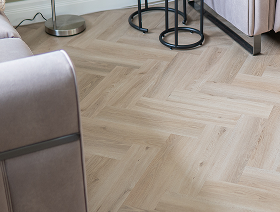
As durable and affordable as laminate floors are, how do they feel? Laminate is moderately thermal conductivity flooring, so it doesn’t feel quite as cold or hot underfoot as tile or stone. Generally speaking, laminate flooring feels cooler than carpet or wood floors, but warmer than tile. If you’re looking for a balance of price, durability and warmth, laminate might be the best choice.
- Best rooms: Living rooms, hallways, dining rooms.
- Try It: Tile Effect Laminate Flooring gives you the warm appearance of wood or stone without the chilly hardness of tile.
Engineered Wood Flooring: A Warmer Option for Comfort
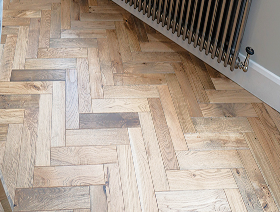
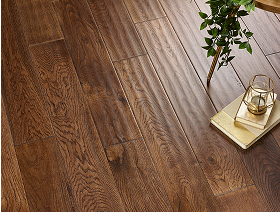
Engineered flooring is also a great option that warms up the space more than laminate or tile. Engineered flooring is manufactured to look like real wood, but with enhanced durability and moisture resistance. Engineered flooring attracts heat better than tile or stone because it’s made from wood, making it perfect for places that get cold easily.
- Best for: Living rooms, bedrooms, and kitchens. If you are still comparing surfaces for busy cooking spaces, take a look at What is the Best Flooring for Kitchens?
- Example: Engineered Flooring for Kitchen spaces is easy to keep clean but provides more warmth than traditional tile.
Luxury Vinyl Flooring: Warm, Comfortable and Practical
Luxury vinyl flooring (LVT) can offer you the warmth of wood or laminate with the durability of vinyl. LVT usually comes with a cushioned backing for additional comfort. It’s warmer than tile and stone and feels great in bedrooms and living rooms. Waterproof Luxury Vinyl can also work well in bathrooms and kitchens where you need flooring that resists moisture. For more help choosing a bathroom-friendly option, read What is the Best Flooring for a Bathroom?
- Best uses: Bedrooms, kitchens and bathrooms.
- Example: Luxury Vinyl Flooring in the bedroom can cost a lot when you have bare feet in the morning.
Tile and Stone Flooring: Why They Feel Cold Underfoot
Tile and stone will always feel cold underfoot year-round, especially in winter. Tile and stone have high thermal mass, which means they conduct heat fast. This also means they will feel colder than other flooring materials, even if they are all the same temperature. Tile and stone work best in areas where you may feel cooler, like kitchens and bathrooms. If you want the look of tile or stone but with a warmer footprint, pair your favourite tile or stone with underfloor heating for the best of both worlds!
- Best for: Kitchens, bathrooms, foyers.
- Example: Tile Effect Laminate Flooring will give you the look of tile without the cold feel.
Flooring Warmth Comparison: Which Material Feels Warmest?
| Flooring Type | Warmth Feeling Underfoot | Best for | Example |
| Laminate Flooring | Moderate warmth (cooler than wood, warmer than tile) | Living rooms, hallways, dining rooms | Tile Effect Laminate Flooring |
| Engineered Wood Flooring | Warmer than laminate, feels like real wood | Living rooms, bedrooms, kitchens | Engineered Flooring for Kitchen |
| Luxury Vinyl Flooring (LVT) | Warm, especially with cushioned backing | Bedrooms, kitchens, bathrooms | Luxury Vinyl Flooring for Bedroom |
| Tile Flooring | Cool, absorbs heat quickly | Kitchens, bathrooms, foyers | Tile Effect Laminate Flooring |
| Stone Flooring | Cool, similar to tile | Kitchens, bathrooms, foyers | Stone for Kitchen |
Best Flooring for Warmth: Common Problems and Solutions
In life, nothing lasts forever. Even your floors may succumb to problems over time. These are some common flooring problems and their solutions:

1. Scratches and Dents on Floors
Scratches are inevitable, especially on laminate and engineered hardwood floors. Use floor protectors to prevent scratches on your floors. Repair minor scratches and scrapes with touch-up repair kits.
Solution: Consider using a floor protector if you have engineered wood or laminate floors. Luxury vinyl has the advantage of being scratch-resistant and easy to clean.
2. Water Damage
Unless you have waterproof laminate or luxury vinyl, your wood floors can be damaged by water.
Solution: Clean up messes quickly and place rugs in areas that tend to get wet. Invest in waterproof laminate or luxury vinyl flooring for bathrooms and kitchens.
3. Fading or Discolouration
Over time, wood floors or laminate may fade due to sunlight or harsh chemical cleaning.
Solution: Clean your floors regularly with a quality floor cleaner. Choose materials like engineered wood or luxury vinyl that are more fade-resistant.
4. Uneven Floors
Do you feel your floor isn’t as level as it should be? There could be problems with your subfloor or moisture. Also, regular wood is much more susceptible to moisture than engineered wood.
Solution: Get a professional to evaluate your subfloor. Try engineered wood floors for more stability.
How to Choose the Best Flooring for Warmth in Your Home
Flooring affects the look and feel of your home. By comparing thermal conductivity flooring and thermal effusivity, you can pick the best flooring for each room. Engineered wood flooring, laminate, or luxury vinyl are just some of your options for keeping your home warm. Visit Flooring Surgeons for professional guidance and top-quality floors.

Ana.Soltanpoor
I’m an SEO Specialist with a strong background in content management and organic search. I build data-driven content strategies by aligning user intent, search behavior, and SEO best practices to ensure every piece of content delivers clarity, relevance, and measurable organic performance.