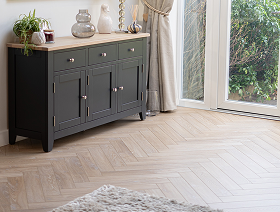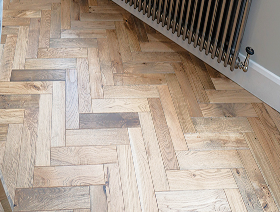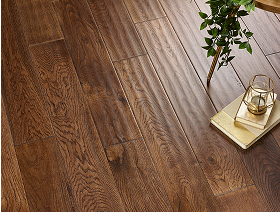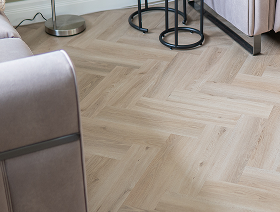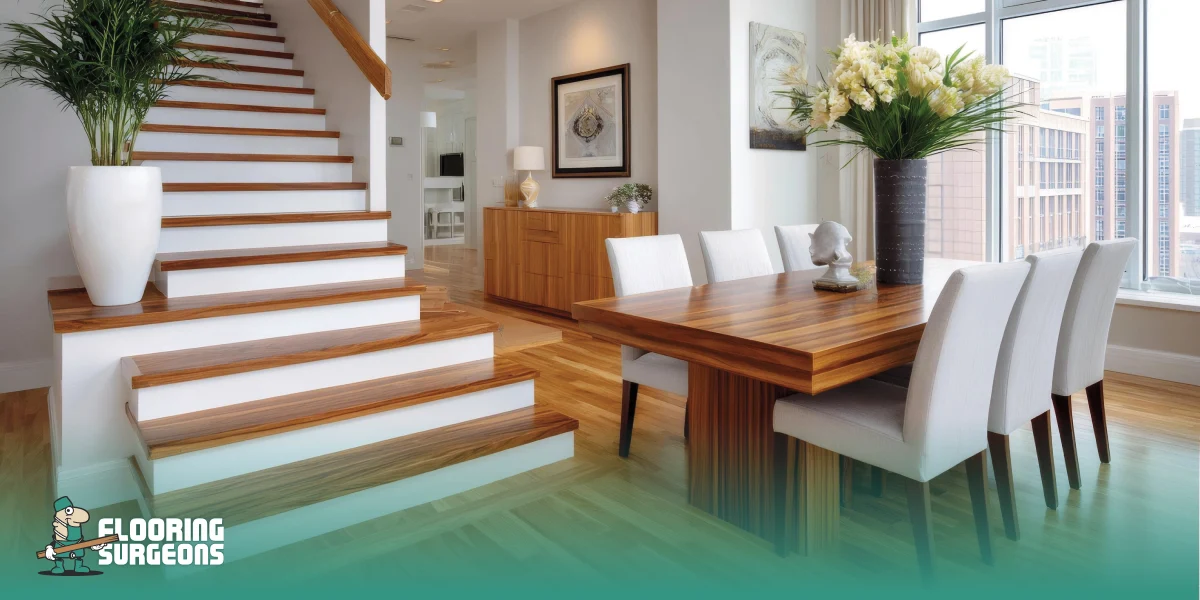
Split-level homes can look full of character, but choosing the right floor often feels harder than it should. With rooms set across different heights, awkward transitions, darker lower levels and connected living spaces, the wrong choice can make the whole layout feel broken up. That is why finding the best flooring ideas for split-level UK homes is not just about style, it is about creating flow, balance and practicality across the entire house. In this guide, we will look at flooring ideas that work well in split-level layouts, the materials that suit busy UK homes best, and how to keep each level feeling connected without making the design look flat or repetitive.
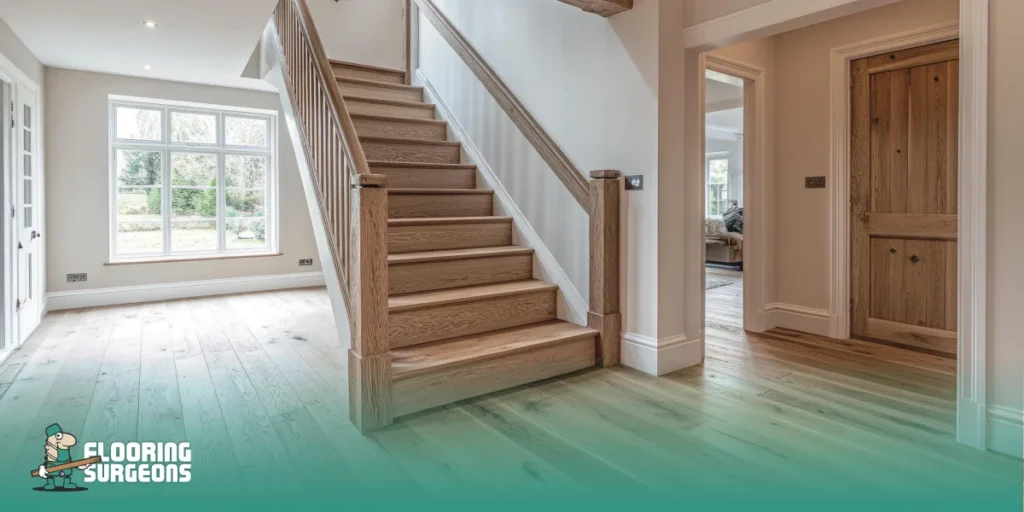
Table of contents
Why Flooring Matters in Split-Level Homes
In a split-level home, flooring does more than finish a room; it helps the whole layout make sense. With short stair runs, half-landings and connected spaces at different heights, the floor becomes one of the main elements that controls how cohesive or disconnected the home feels.
A well-chosen floor helps solve several common issues at once:
- It creates better visual flow between levels.
- It makes transitions feel less abrupt.
- It helps the darker lower areas feel more balanced.
- It supports busy zones such as entrances, kitchens and family spaces.
This is especially important in UK homes, where split-level layouts often combine practical, high-traffic areas with spaces that need to feel warm and connected. Before choosing a specific material or style, it helps to think of flooring as part of the layout itself, not just a finishing touch.
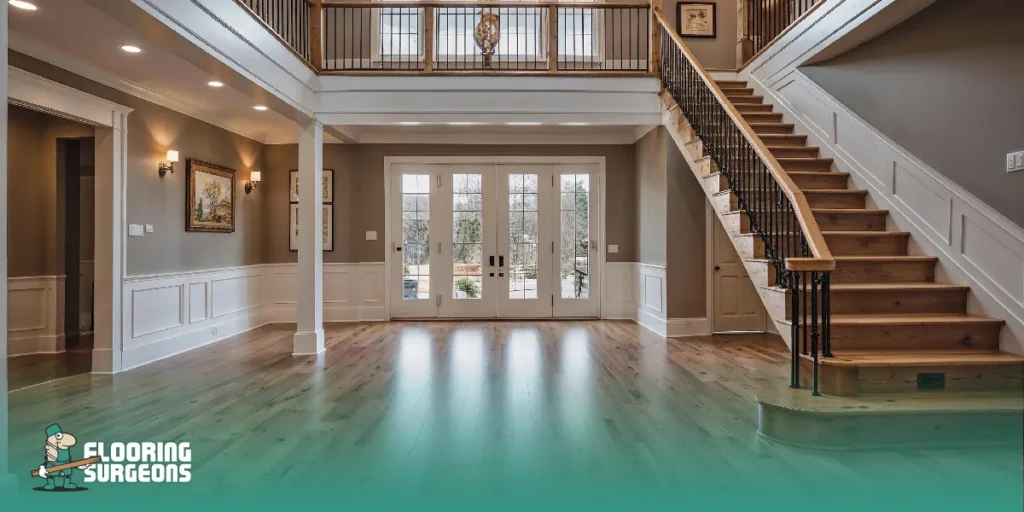
7 Split-Level House Flooring Ideas
Choosing flooring for a split-level layout is usually less about following one trend and more about making the whole house feel easier to live in. The best ideas tend to balance three things: visual flow, practicality and a finish that suits the character of the home.
1) Use one flooring style across the main connected levels
If your kitchen, dining area and living space flow into one another across staggered levels, using the same flooring can make the layout feel calmer and more intentional. This works especially well in split-level homes where too many changes underfoot can make the house feel busy.
The goal is not to make every area look identical. It is to create continuity where the layout already has enough visual breaks.
2) Choose luxury vinyl flooring for busy family spaces
For homes with children, pets or heavy day-to-day traffic, luxury vinyl flooring is often one of the easiest options to work with. It gives you a clean, consistent look across connected spaces while being easier to maintain than many more delicate finishes.
This idea works particularly well in:
- kitchens
- entrance areas
- lower-ground rooms
- open-plan family zones
In a split-level home, that practical side matters just as much as appearance.
3) Use engineered wood where you want a warmer, more premium look
If the aim is to make the home feel warmer and more elevated, engineered flooring is a strong option for living areas and upper levels. It adds texture and character without making the space feel overly formal.
This can be especially effective in split-level homes that need a little more visual warmth, particularly if some levels get less natural light than others.
4) Keep tones consistent, even if materials change
You do not always have to use the exact same floor everywhere. In some homes, mixing materials makes sense, especially between wetter or harder-working areas and more relaxed living spaces. What matters is keeping the tones connected.
For example, if one area uses a soft oak-look finish, switching to a completely different undertone elsewhere can make the layout feel disjointed. Keeping colours in the same family usually creates a smoother result.
5) Use wider planks to make the layout feel calmer
In a home with multiple short levels and visual breaks, narrow or overly busy flooring patterns can sometimes make the layout feel more complicated than it is. Wider planks often create a simpler, more settled look.
This is a useful idea if you want the house to feel:
- more open
- less chopped up
- easier on the eye from one level to the next
It is a subtle choice, but it can make a noticeable difference.
6) Let flooring help define zones without breaking the flow
Split-level layouts often need some definition between spaces, but that does not always mean changing the floor completely. In many cases, it is better to use the flooring to support zoning in a softer way. For more ideas, see our guide to using flooring to define zones without walls.
Small shifts in texture, plank direction or styling can help different parts of the home feel purposeful while still keeping the overall scheme connected.
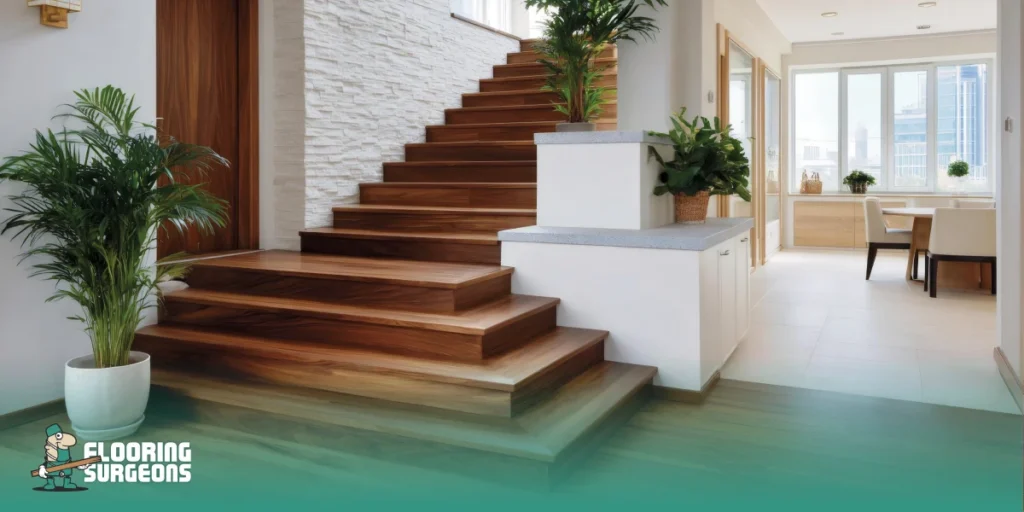
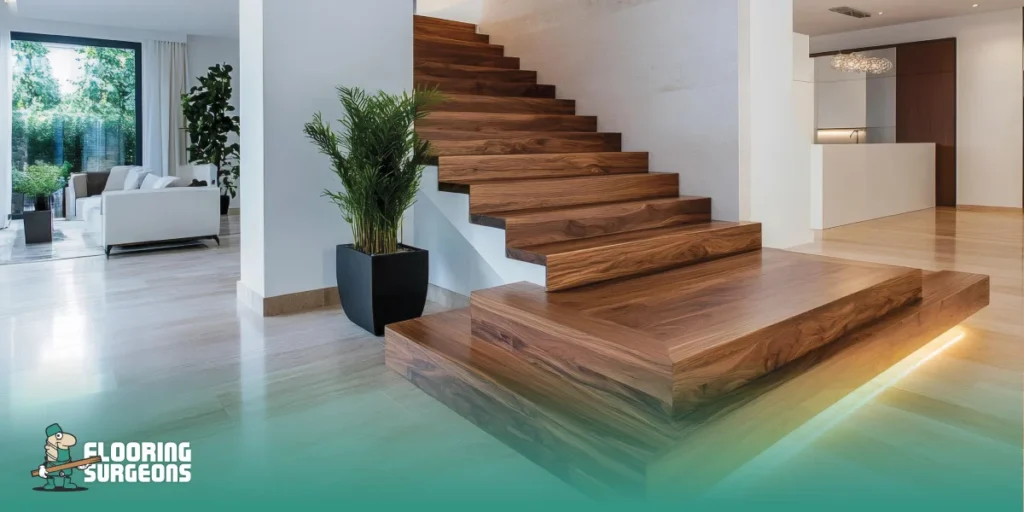
7) Make stairs and landings feel part of the design
In split-level homes, stairs and landings are not just transitions; they are part of what people notice first. If these areas feel disconnected from the rest of the flooring, the whole layout can lose its sense of flow.
Try to treat stairs, half-landings, and adjoining floors as part of a single visual plan. That does not mean everything must match perfectly, but it should feel clearly related from one level to the next.
Should You Use the Same Flooring Throughout a Split-Level Home?
In many split-level homes, using the same flooring across the main connected areas is often the simplest way to create a more cohesive look. Because the layout already includes level changes, short stair runs and visual breaks, too many flooring changes can make the home feel more fragmented than it really is.
That said, using one floor throughout is not always the best answer. It usually works best when:
- The kitchen, dining, and living areas visually connect.
- You want the space to feel larger and calmer.
- The aim is to reduce awkward transitions between levels.
In other cases, mixing flooring can make more sense, especially where one area sees more moisture, heavier traffic, or a very different function. The key is to make those changes feel intentional rather than abrupt.
A good rule is to keep at least one element consistent across the layout, such as:
- colour tone
- plank width
- finish style
- overall warmth or depth
This helps different zones feel related, even when the material changes. If you are weighing up this decision in more detail, it also helps to consider whether the flooring should be the same throughout the house, especially in layouts where open flow matters as much as practicality.
In most split-level UK homes, the safest approach is usually this: keep the main connected spaces visually consistent, then introduce subtle variation only where the layout or daily use genuinely calls for it.
Best Flooring for Split-Level House UK Compared
Once you have a clear idea of how much continuity you want, the next step is choosing a material that actually supports the way your home is used. In split-level layouts, the best option is rarely just about looks; it needs to handle transitions, traffic and different conditions across levels.
Here is a simple comparison of the most common choices:
| Flooring type | Best for | Main benefit | Watch out for |
| Luxury vinyl (LVT) | Kitchens, hallways, lower levels | Durable, water-resistant, easy to maintain | Lower-quality options can look flat |
| Engineered wood | Living rooms, upper levels | Warm, natural look, adds character | Needs care in moisture-heavy areas |
| Laminate flooring | Budget-friendly upgrades, general use | Affordable, consistent appearance | Less suitable for high moisture zones |
| Porcelain tile | Entrances, utility areas | Hard-wearing, very easy to clean | Can feel colder underfoot |
In many split-level homes, there is no need to rely on just one material. A more practical approach is to carefully combine options, for example, using something more durable in high-traffic or moisture-prone areas, while choosing a warmer finish in living spaces.
What matters most is how these materials work together. Even when mixing, keeping a consistent tone and overall style will help the home feel more connected from one level to the next, rather than broken into separate sections.
How to Choose the Right Flooring for Your Layout
The right flooring choice depends less on what is popular and more on how your split-level home actually works day to day. Before making a decision, it helps to look at the layout as a whole rather than thinking room by room.
A few practical questions can make that easier:
- Do you want one seamless look or light zoning between areas?
- Which levels get the most daily traffic?
- Are moisture and easy cleaning bigger priorities in some spaces?
- Will a darker floor make a lower level feel heavier?
- Do the stairs and landings need to connect more clearly with the main floor?
If the answer points towards simplicity, a more continuous flooring approach will usually work best. If different levels serve very different purposes, a subtle mix of materials may be the better option. The important thing is to choose flooring that supports the layout, instead of making each level feel like a separate part of the house. If you’re planning a renovation, you can explore coordinated flooring options at Flooring Surgeons to help create a consistent flow across different levels.

Ana.Soltanpoor
I’m an SEO Specialist with a strong background in content management and organic search. I build data-driven content strategies by aligning user intent, search behavior, and SEO best practices to ensure every piece of content delivers clarity, relevance, and measurable organic performance.