Flooring symbols are the tiny logos, ratings & labels which indicate how a floor performs in everyday situations. They can tell you whether a floor is recommended for underfloor heating, high-traffic areas, bathrooms, or home use. Most shoppers don’t realise that hidden symbols in UK flooring often show how a floor will perform in real life. On this page, we break down the most common flooring symbols found in the UK, what they mean & which ones you should look out for when shopping.
Table of contents
What Do Flooring Symbols Mean?
But what do flooring symbols mean? Typically, flooring symbols are small icons, ratings, and labels displayed on product pages, packaging, or spec sheets that indicate how well a floor might perform once installed. Flooring symbols can highlight whether something is ideal for underfloor heating, suitable for wet areas, able to withstand heavy traffic in busy hallways, or perfect for everyday family living.
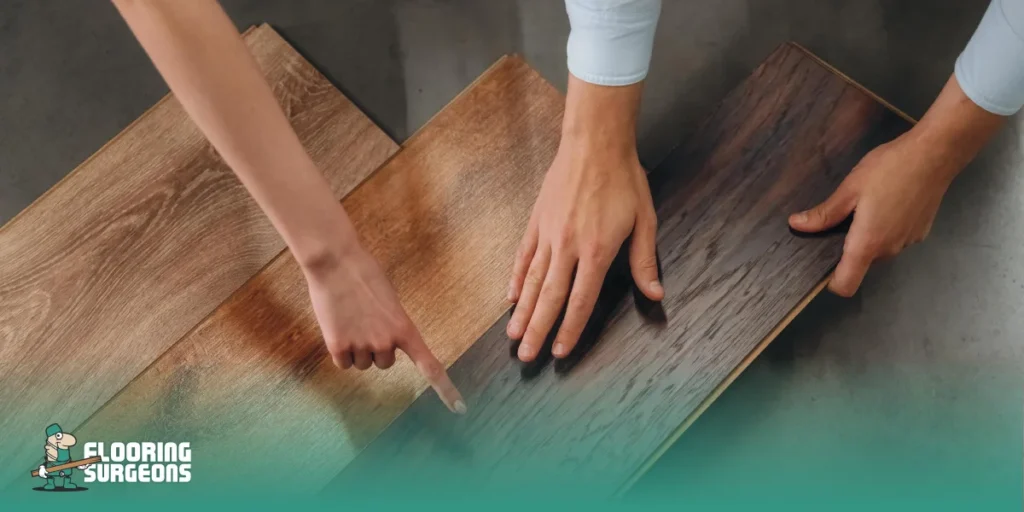
Some symbols highlight durability, slip resistance, water protection, and which rooms a floor might be best suited for. Essentially, they allow you to compare floor coverings at a glance and help you to select something that may look great but won’t work.
| Symbol / Label | What it means | Why it matters | Best for |
| Use Class | Shows how suitable the flooring is for domestic or heavier use | Helps match the floor to the level of foot traffic | Bedrooms, hallways, family spaces |
| AC Rating | Indicates laminate durability and resistance to wear | Useful when comparing options for busy homes | Hallways, kitchens, living areas |
| Wear Layer | The protective top layer on vinyl or LVT | Affects how well the surface handles daily wear | Kitchens, living rooms, high-use spaces |
| Slip Resistance | Shows how much grip the floor offers | Important in areas where floors may get wet | Bathrooms, entrances, utility rooms |
| Underfloor Heating | Confirms whether the flooring can be used with underfloor heating | Helps avoid choosing an incompatible floor | Homes with underfloor heating systems |
| Water Resistant | Means the flooring can handle small spills and everyday moisture | Useful for rooms where splashes are common | Kitchens, utility rooms |
| Waterproof | Offers stronger protection against moisture than water-resistant flooring | Better for areas with regular water exposure | Bathrooms, wet-prone areas |
| Stairs Symbol | Shows whether the flooring is suitable for stair use | Important for safety and long-term performance | Stairs and landings |
| Castor Chair Symbol | Indicates the floor can handle office chair wheels | Useful in work-from-home spaces | Home offices, study rooms |
The 5 Flooring Symbols That Matter Most Before You Buy
Some flooring labels are helpful. Others matter significantly more when it comes to understanding how a floor will work when installed in your home. To quickly eliminate choices and find the best option, pay close attention to the symbols indicating traffic level, wear, traction, suitability for radiant heat and waterproofing.
Colour names and texture descriptions aren’t as important as AC ratings, slip resistance, moisture resistance and room application. If you only remember a few details from our guide, focus on those since they reveal more about everyday performance.
Use class symbols: 21 to 34
Class symbols indicate how much traffic a floor can handle. Lower-class floors are ideal for less-trafficked, more residential areas. Higher classes should be used in areas with more activity or foot traffic. This can be easily determined during your early research, as it narrows your search to carpets intended for high- or low-traffic areas. If a carpet has a too-low use class, it will appear to perform well but will wear sooner.
AC rating: the laminate number buyers should check first
Of all the numbers and letters on laminate specs, nothing is more helpful in deciding what will work for your room than the AC rating. It directly correlates to durability, which is what you care about most when replacing flooring in high-traffic areas like hallways, kitchens and bustling family rooms. That’s why AC4 laminate flooring is a great choice for so many homeowners. It offers excellent durability for its price without straying too far into commercial laminate territory.
Numerous UK consumer guides reach the same conclusion. If you’re torn between two laminates and they’re otherwise equal, the AC rating can be the deciding factor between purely aesthetic and family-friendly.
Wear layer: the vinyl spec most people skip
Among the details that distinguish vinyl flooring, the wear layer is particularly key. It’s that top layer that protects the floor from daily wear and tear, scuffs and stains. Floors with a thicker wear layer make sense in high-traffic areas. Areas with less foot traffic can usually get away with less protection. That’s why it’s important to consider the vinyl wear layer before you buy. When two floors look alike in colour and finish, the wear layer can help you decide which one is truly durable.
Slip resistance: the symbol that matters in wet and busy areas
Slip resistance rating is honestly one of the biggest symbols I look for when browsing tile for any space that may get wet or high traffic comings and goings. It offers way more grip than the product’s name will ever tell you. Bathrooms, entrances, and utility spaces are places where this rating can become more important than colour, pattern, or finish, as function and everyday safety are priorities.

Underfloor heating compatibility
Not every floor works with underfloor heating, so keep an eye out for this symbol when comparing styles. It allows you to eliminate products that won’t perform optimally once installed. Make sure to look at the best flooring for underfloor heating if it’s a big priority for you.
Water resistance vs waterproof: not the same thing
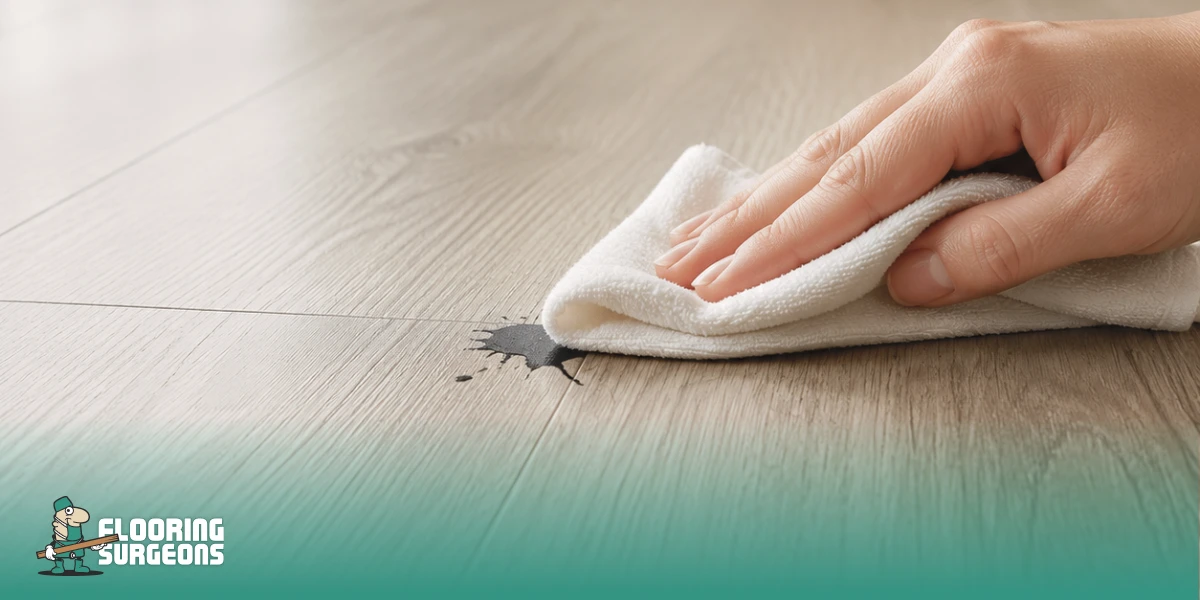
Water-resistant and Waterproof are often used interchangeably when they are not the same thing. Water-resistant floors can resist spills and daily splashes. Waterproof floors are recommended for areas with frequent moisture. That’s why choosing waterproof luxury vinyl flooring for bathrooms is a smart move, rather than choosing flooring by looks alone.
Which Symbols Matter in Each Room?
Flooring symbols that apply will vary depending on the flooring location. A symbol that you care about in your hallway might not apply to your bedroom the most. By first considering room type, you can narrow down symbols to those that impact daily life rather than just style.
- Kitchen: Durability and water-resistance are likely your biggest priorities here. Frequent spills, foot traffic and daily cleaning mean these certifications matter more than aesthetics alone.
- Bathroom: Waterproof performance and slip-resistance are the two biggest factors to look for. Symbols indicating moisture resistance are more important than colour or finish in bathrooms.
- Hallways: Because they tend to have heavier traffic every day, the class and wear ratings should be considered when selecting flooring options. A beautiful floor that isn’t rated for high-traffic areas may wear thin sooner than you’d like.
- Living room or bedroom: Since traffic is lighter in these rooms, comfort and overall suitability should suffice. You likely won’t need the highest use rating, but it doesn’t hurt to make sure the product is suited to how you’ll be using the room.

How to Compare Flooring Labels in 60 Seconds
Here, we avoid getting too technical with flooring labels and specs explained. We keep things as straightforward as possible so you can compare floors without getting lost in the details.
- Confirm the room is suitable: Floor coverings have different performance levels that may not be needed in every room. Hallways, bathrooms and bedrooms will likely have different guidelines.
- Focus on wearability ratings: Flooring Class, AC rating, or wear layer thickness will typically be more useful labels for comparing long-term performance than brand or product name.
- Identify moisture & slip ratings: Water resistance, waterproof ratings, and slip ratings are more important than aesthetics when evaluating kitchens, bathrooms, hallways, and entrances.
- Ensure it works with heating: If you have underfloor heating, don’t waste time comparing flooring that isn’t compatible.
- Compare colour and finish: When you know the technical labels are suitable for the room, you can focus on how the floor looks and fits your budget.
Final Thoughts: Read The Symbols Before You Buy
Symbols on flooring might be small, but they can provide you with an enormous amount of information about how the product will actually perform in your home. Understanding key factors, such as wear rating, slip resistance, moisture protection, and heating compatibility, can help you avoid costly mistakes and choose a floor that best suits that particular room. Once you have those bases covered, it becomes easy to compare your style, colour and budget choices with peace of mind. Visit Flooring Surgeons to see our full range and find out more about which floors may be suitable for you.

Ana.Soltanpoor
I’m an SEO Specialist with a strong background in content management and organic search. I build data-driven content strategies by aligning user intent, search behavior, and SEO best practices to ensure every piece of content delivers clarity, relevance, and measurable organic performance.