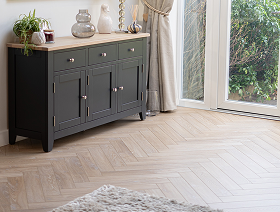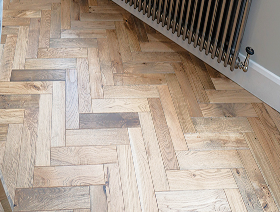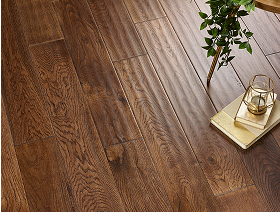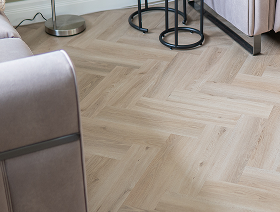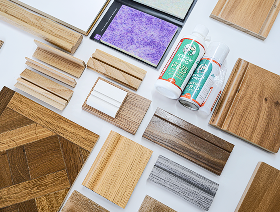
Have you ever taken a flooring sample home with excitement, only to be disappointed when it’s installed? The biggest reason your flooring will never look like it does in stores is that retail stores want you to see their flooring at its absolute best. But your house isn’t like a store! From lighting to wall colour to furniture to room size to window direction, many things can alter how your flooring looks after it’s installed.
That’s why many customers notice that flooring looks different under different lighting or wonder why it feels darker/warmer than they expected. There are some pretty simple explanations for these problems, so that you can pick wisely and avoid the dreaded “oh-no” when your new floor is installed.
Table of contents
Why Showroom Flooring Looks Better Than It Does at Home
Everything about a showroom is curated to make flooring look its best. Bright and even lighting, styled layouts, and spotless floors combine to create a picture-perfect environment. Where colours and patterns play nicely together, your flooring must coexist with your décor, lighting, and traffic patterns. So it’s no wonder the finished product can look quite different.
Natural hardwoods like oak engineered flooring, are particularly susceptible to this effect. The grain, tone, and texture can vary wildly from room to room based on lighting.
How Lighting Affects Flooring Colour
One of the top causes of flooring changing its appearance is lighting. Floors in a showroom are subjected to bright, directional lighting. In your home, you’ll experience daylight, shadows and artificial bulbs. That’s why the flooring that looked so soft and neutral at the store can appear warmer or darker once it’s in your home.
Light from windows and how your floor looks are closely related. Cool grey may be prominent in a north-facing room. But if you compare it to the same flooring in a sunny south-facing room, it will look lighter and have more warm tones. Natural lighting is one of the primary reasons your flooring will look different throughout the day.
Daylight varies throughout the day, so your floors may not look the same at every hour. Artificial lighting can also affect the environment. Yellow or gold-toned bulbs will add warmth to a room, and grey or beige floors may appear flatter or duller with a cool-toned bulb.
Lighting is only one part of the picture. Several other factors can also change how flooring appears once it is installed at home.
What Changes the Way Flooring Looks at Home?
| Factor | How It Changes the Look of Flooring |
| Lighting | Natural and artificial light can make flooring look warmer, cooler, lighter, or darker. |
| Room size | In larger rooms, flooring can look more open and balanced, while in smaller rooms it may feel heavier. |
| Wall colour | Light or dark walls can change how the flooring tone is perceived. |
| Furniture | Surrounding furniture affects contrast and can make the floor stand out more or less. |
| Sample size | A small sample does not show the full pattern, tone, or variation of the installed floor. |
| Full installation | Once flooring covers the whole room, the colour and finish often appear stronger. |
Why a Flooring Sample Looks Different at Home
Do you think you can judge a floor just by looking at a small sample? Think again. Your flooring sample looks different at home because it’s only a fraction of your entire floor. When you lay down flooring throughout your entire room,, you’re going to notice more grain patterns, colour variations, and the finish standing out. Patterns like herringbone flooring have a bigger visual impact with scale. The flooring sample you take home may look subtle, but I promise you it will be defined once your floor is installed.
One sample area won’t give you the big picture of what the floor will look like throughout your entire space. It also won’t show you how the flooring will look with your wall design, furniture, and the room’s shape. That’s why it’s always best to compare multiple sample areas.

Why Flooring Looks Darker After Installation
A common question we get asked is “Why does my floor look darker than it did in the store?” Customers will often pick out a floor sample in the store that is lighter than what they end up with. There are three primary reasons this happens: full room coverage, less light and surrounding colours.
After a floor is installed, it covers the entire surface area of a room. Because of this, along with shadows from furniture/settings, darker wall colours, and a lack of daylight, your floor can appear much darker and more saturated.
Flooring Colour Variation and Undertones
Flooring colour variation is another reason your floor may not match the showroom sample. Most products are manufactured with natural movement in tone and pattern so that each plank or tile will be slightly different from the next. That movement may not be noticeable on a small sample board, but it will be after installation.
Floor undertones can also affect the finished product’s warmth or coolness. Some floors tend toward warm tones of honey, beige, or red, while others carry cooler undertones of grey or taupe. Lighting, wall colour, and furniture can really exaggerate these undertones more than you might anticipate. This is why sometimes a floor that appeared completely neutral at the showroom can feel drastically different in your home.

How to Choose Flooring for Your Room
To get better results when choosing flooring, look at your space rather than just the options available at the showroom. Choosing flooring for your room depends on practical factors such as light levels, wall colour, and room size. Plus, how you use your room each day.
Busy spaces like kitchens should factor appearance and performance into their decision. It’s why many compare options such as luxury vinyl flooring for kitchens when they need something durable that can stand up to moisture and traffic.
Test Flooring Samples at Home Before You Buy
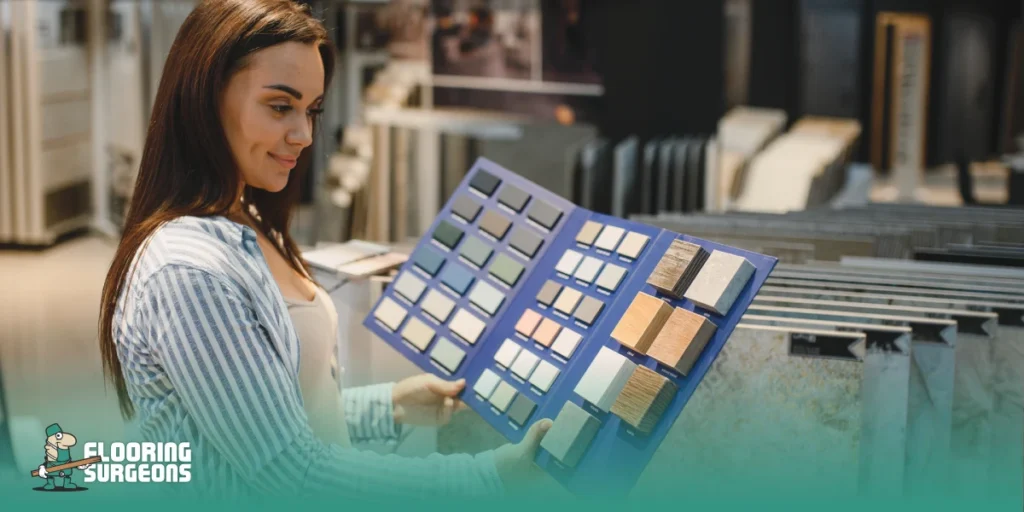
Flooring samples are among the easiest ways to avoid disappointment. Keep the sample in the room, and look at it in the morning, afternoon and evening. You’ll have a much better idea of what your floor will really look like! Place your sample next to skirting boards, cabinets, paint colours and furniture too. Seeing it next to everything makes it easier to notice any changes in tone, finish and undertones.
Common Mistakes to Avoid When Choosing Flooring
Lots of flooring errors occur before installation has even started. People base their decision on how the floor looks in showroom lighting, choose just one small sample or dismiss the room’s colour scheme and how it will affect the finish. They may seem like small things, but they make a huge difference to the end result.
It’s also useful to know what happens when it comes to fitting. For more information on the installation process, read our laminate flooring installation guide to better understand what happens when your flooring is laid.
Conclusion
There are actually two reasons your flooring never quite turns out how those magazine photos or showroom floors do. Reason one: Your house has unique lighting, proportions, and surrounding finishes that interact with your floors differently than how flooring samples are displayed in a retail setting. Bright and even in the store can translate to warm and dark, cool and washed out or just plain busy in your home.
The second reason you won’t get that showroom shine is if you consider factors like lighting, undertones, room layout, and sample testing before you buy. We at Flooring Surgeons always suggest seeing the flooring in your space and how it interacts with your lighting. The more you examine samples at home, the more confident you will feel about your finished flooring.

Ana.Soltanpoor
I’m an SEO Specialist with a strong background in content management and organic search. I build data-driven content strategies by aligning user intent, search behavior, and SEO best practices to ensure every piece of content delivers clarity, relevance, and measurable organic performance.