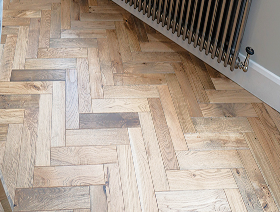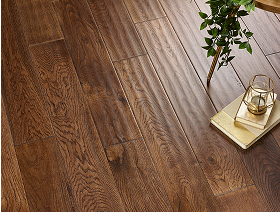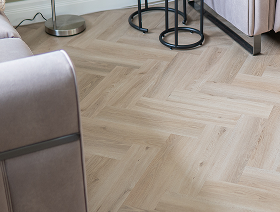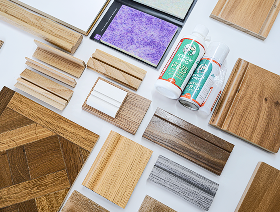
Imagine your floors could do more than just look beautiful. As homes become increasingly invested in multi-purpose spaces, smart technology and built-to-last design, terms like “adaptive flooring” begin to sound a little less sci-fi and a lot more sensible. At its core, adaptive flooring means just that: floors and surfaces that better adapt to your needs. Thinking about floors that resist moisture and wear better. Flooring that works better with underfloor heating systems, muffles noise between rooms, and looks beautiful with a variety of layout changes.
No wonder we care about what it means. As the interiors of the future shift from aesthetics alone, they will evolve with you. As your routines change. As your needs change. As your expectations change. That’s why adaptive flooring isn’t a single product. It’s a new way of thinking about comfort, functionality and longevity in design.
Table of contents
Adaptive Flooring Meaning in Interior Design
Adaptive flooring is not like laminate flooring, wood flooring, or vinyl flooring. It’s really not a specific product category at all. Instead, think of adaptive as a design concept. When talking about actual floors, it typically means flooring that works the way we use our homes today and may need to perform as we use them tomorrow. This could mean floors that offer improved moisture resistance, easy maintenance, comfort, acoustic performance, or even compatibility with underfloor heating.
Why should you care? Because rooms aren’t one-purpose spaces anymore. Your living room can double as an office. It can be a playroom. It can be your entertaining space. In a home like that, your floors have to do more than look good with the furniture. They have to stay functional. Feel comfortable. And look appropriate as your daily life evolves.
When interior designers talk about adaptive floors, they’re typically referring to a more intelligent, versatile way to plan surfaces. Not the next shiny-new-floor product.

Why Future Interior Design Needs More Flexible Flooring Choices
We’re expecting more of our homes than ever before. A single room needs to function as a home office during the day, then serve as a space for family time in the afternoon and evening. Those needs are transforming flooring expectations. Colour and finish aren’t the only factors. Flooring also needs to absorb foot traffic, noise, moisture and daily wear without making your rooms feel stuffy or clinical.
Think about this example of adaptive flooring coming full circle. Consumers want interior surfaces that enable flexible floor plans, accommodate new lifestyles and feel classic at the same time. Flooring should complement a room’s function. When spaces are influenced by evolving lifestyles, factors like automation are considered, even down to acoustic comfort levels and radiant heat restrictions. Smart-home flooring trends are also on the rise for the same reason, mainly in spaces designed to transcend fads and remain functional for decades.

What Makes a Floor “Adaptive”?
A floor can be adaptive without being high-tech. Adaptive flooring is actually much simpler than that in most households. It’s about how functional the surface is for everyday living. Adaptive floors should withstand everyday wear and tear, adapt to your evolving routines, and remain practical in the long term.
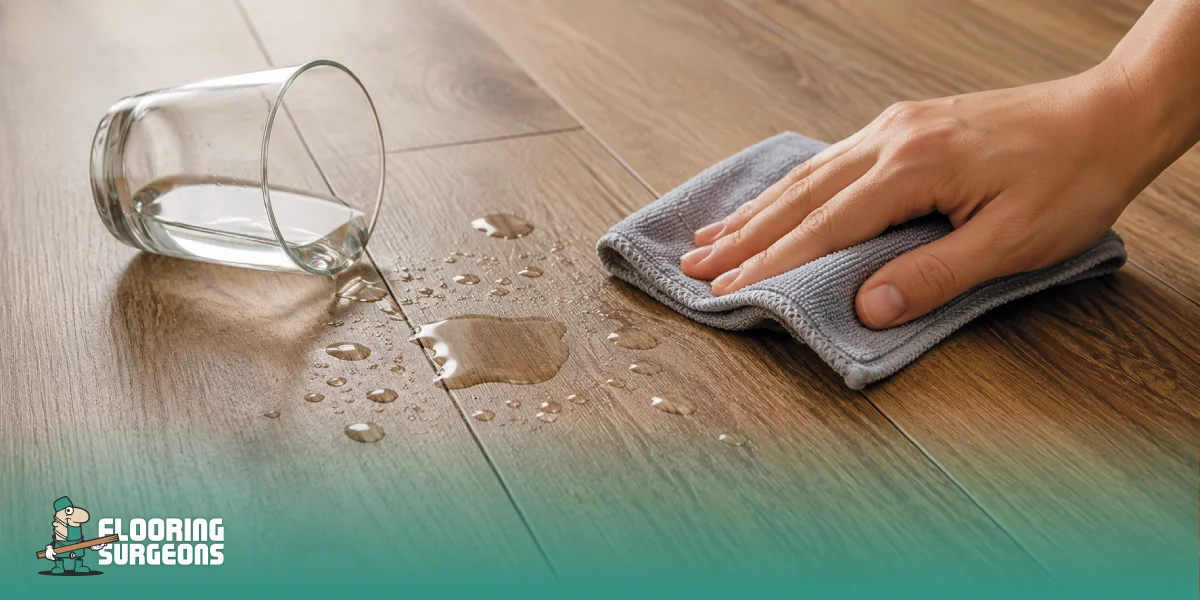
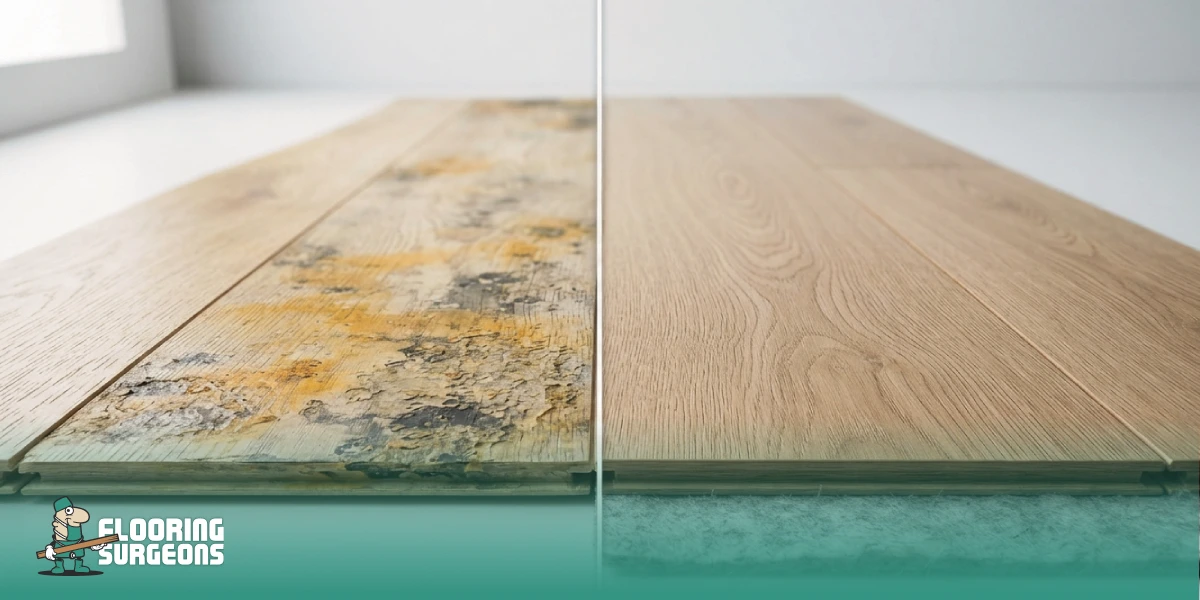
Moisture resistance is one of the first considerations. Spills, dirty shoes, and variable humidity are realities with busy families. Floors with surfaces that offer greater protection naturally make more sense.
Durability is important too. Your floors should react favourably to heat/cold expansion and contraction, radiant heat, and foot traffic, without showing wear and tear quickly. Additionally, minimal upkeep, sound absorption, and aesthetic versatility are factors to consider. Overall, the best performing floors are typically durable enough to withstand daily wear and tear but look at home in your space.
Best Flooring Types That Already Support Adaptive Living
Hardness doesn’t necessarily apply across all flooring categories when it comes to adaptive living. Some flooring categories are more resistant to moisture and day-to-day abuse. Others might rate higher for visual durability, comfort or design versatility. Consider how you intend to use the space and what you hope to achieve in the long term.
Quick Comparison of Flooring Types for Adaptive Living
| Flooring type | Main strength | Best suited to |
| Luxury vinyl flooring | Moisture resistance and easy maintenance | Busy homes, multi-use rooms |
| Engineered flooring | Timeless appearance and long-term flexibility | Living spaces, style-led interiors |
| Waterproof laminate flooring | Practical performance at a more accessible price point | Family areas, hallways, everyday use |
Luxury Vinyl Flooring for Everyday Flexibility
One of the first phrases that comes to mind when discussing flooring that can keep pace with today’s lifestyles is luxury vinyl flooring. This surface works beautifully in homes with rooms that serve multiple functions and where low maintenance is as important as style. It’s durable enough to withstand daily traffic and typically more moisture resistant than many other options, so it makes sense to use it in areas where you want to maintain functionality without sacrificing beauty.

Engineered Flooring for Long-Term Design Adaptability
Engineered wood flooring answers another need for adaptable flooring, too. It addresses the need for homes that want to look cosy and inviting without following décor trends. Flooring which looks “correct” years down the line, when sofas have been replaced, or rooms refitted, is durable in the longest sense.
Waterproof Laminate Flooring for Practical Modern Homes
Waterproof laminate flooring can work well for households seeking affordable flooring that meets style expectations and day-to-day demands. It allows you to embrace adaptive living with a surface better built to handle hectic schedules, minor accidents, and foot traffic throughout your home. To put it simply: It’s not just how it looks. Think of laminate as a floor that adapts to your evolving lifestyle needs and functions beautifully in a contemporary space.
How Adaptive Flooring Shapes Style, Comfort, and Layout
Performance isn’t the only benefit of adaptive flooring. It also completely transforms a space’s aesthetic. Open-plan living can benefit from a floor with a strong flow to define spaces without appearing flat or cavernous. Certain floors can also help spaces feel cooler, calmer and more functional on a daily basis.
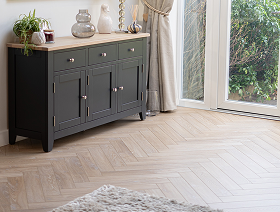
This becomes important when designing interiors for tomorrow because consumers demand more than aesthetics when choosing a floor. They want something that complements comfort underfoot, adjusts to fluctuating furniture placement and remains visually cohesive as the room develops around it. Pattern, tone, texture, and plank direction all factor into this. The right flooring can make a space feel more put-together, open, or functional without rearranging a single thing. This is why adaptive flooring will continue to rise in importance. It’s the bridge between home performance and lifestyle.
How to Choose Future-Ready Flooring for Adaptive Spaces
Picking a floor that will be future-proof requires looking beyond current trends. Ideally, your flooring can still function properly even if your room layout evolves, your daily routines change, or the room has to serve double duty. Thinking about these functional elements first can help guide you: water resistance, durability, maintenance, comfort and radiant-ready options.
Style is important, of course, but typically the best choices marry aesthetics and everyday function. Your floor shouldn’t just work in your room right now. It should work a few years down the road, too, when your furniture, habits, or style may have changed. If you want to choose wisely, it can also help to look at general future-proof flooring guide before getting hung up on one particular surface or finish.
Is Adaptive Flooring a Trend or a Smarter Choice?
Versatile flooring is less of a trend and more of an evolution toward intelligent interior design. Open-concept living is making our homes flexible, functional and dictated by routines. That means flooring needs to not only finish a room but also provide comfort, durability, flexibility, and timeless design.
It doesn’t mean that adaptive flooring refers to just one product style. It is more helpful to think of it as an approach to selecting floors based on your evolving needs. Homeowners who care about style and function will probably find that perspective valuable in the long run. At Flooring Surgeons, that is precisely why modern flooring options are worth considering.

Ana.Soltanpoor
I’m an SEO Specialist with a strong background in content management and organic search. I build data-driven content strategies by aligning user intent, search behavior, and SEO best practices to ensure every piece of content delivers clarity, relevance, and measurable organic performance.