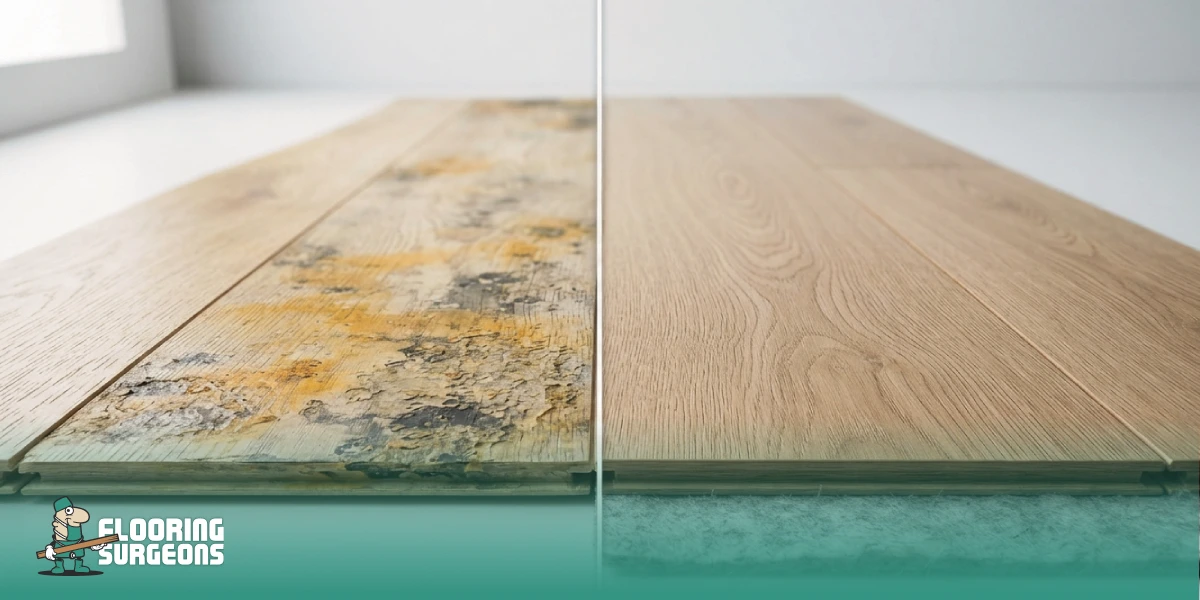
Buyers’ expectations of flooring durability far exceed the reality of how long their floor will actually last. Something that appears durable in a showroom will act completely different once installed in an actual home. Showroom floors aren’t walked on like a floor in your home will be. There’s a lot of misinformation about how long flooring should last. The actual construction of the product is only one aspect of durability. How floor durability is portrayed to consumers is a much larger issue.
Installation, traffic levels, and environmental factors play a huge role in how long your floor will perform at its best. In this article, we will cover topics that will help you understand why floors don’t last as long as you think they should and what affects their performance.
Table of contents
Why Buyers Overestimate Flooring Durability
Flooring selections are rarely objective; they’re psychological. Rarely will flooring buyers assess how durable the flooring will be in actual conditions. Instead, they’ll decide how durable they think it is when interacting with it at the time of purchase; that’s when most mistakes are made.
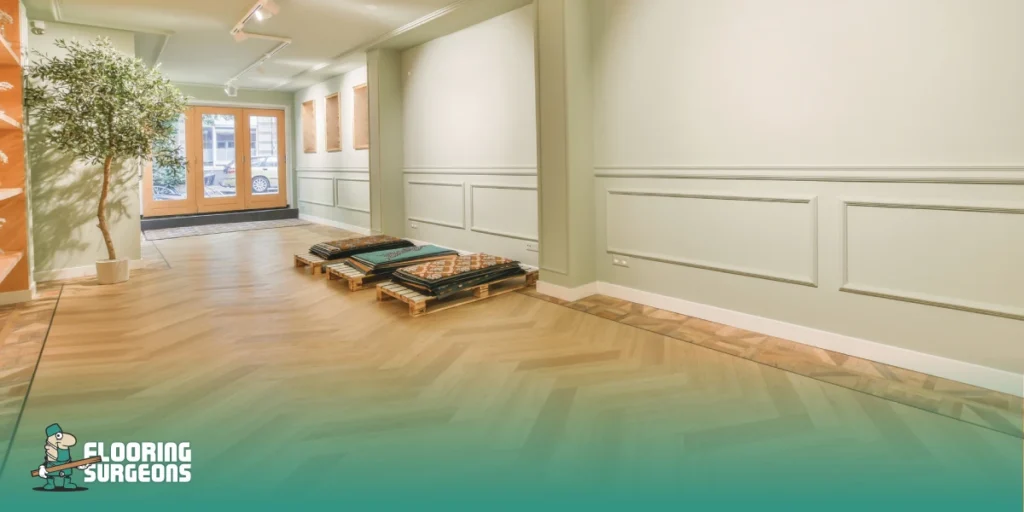
First off is the showroom effect. Every flooring sample is exhibited under showroom-ready conditions: perfect lighting, zero-imperfection surfaces, pristine environments, etc. So it only makes sense that a flooring sample will “feel” stronger than what it actually is. Once installed in real-world conditions (moisture, furniture, foot traffic, daily cleaning, etc.), the reality of that flooring quickly sinks in.
Another factor is marketing language bias. Words like “scratch-resistant,” “waterproof,” and “heavy-duty” are assumed to be absolute statements. However, they’re typically just performance levels that depend heavily on how the flooring is used. Lastly, buyers tend to think that new materials are more durable by default. We become overconfident about new flooring.
Common Flooring Durability Myths That Mislead Buyers
Many flooring durability problems stem from beliefs that seem sensible but don’t match how it performs in reality. These myths are further perpetuated by marketing hype and generalised product labelling.
Waterproof Means Indestructible
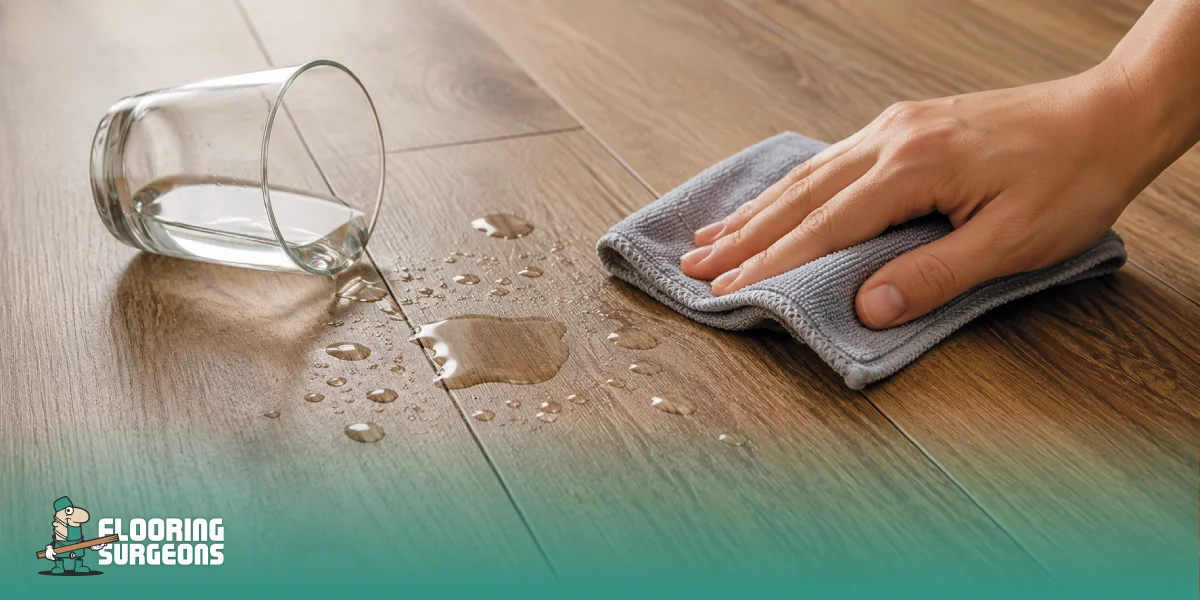
A popular misconception is that waterproof flooring can’t be damaged. Waterproof only means that the surface is moisture-resistant. It doesn’t make the flooring immune to impacts, improper installation, or wear over time.
Scratch-Resistant Means Scratch-Proof
Some consumers believe scratch-resistant flooring means their floors will never get marks. However, in reality, “resistance” just means it takes less damage. Normal things like moving furniture, dirt, and pets will impact the floor over time.
Higher Specs Always Mean Better Durability
Another myth is that higher technical ratings automatically mean longer life. Durability is achieved through how the flooring is specified, installed and maintained, not what it is labelled as.
What Actually Affects Flooring Durability
Climate and other environmental factors also affect flooring performance. Expansion, contraction, and stability are common issues in non-climate-controlled environments. Flooring lifespan factors illustrate that the buyer’s guide is more complicated than most purchasers believe.
Installation Quality and Subfloor Condition
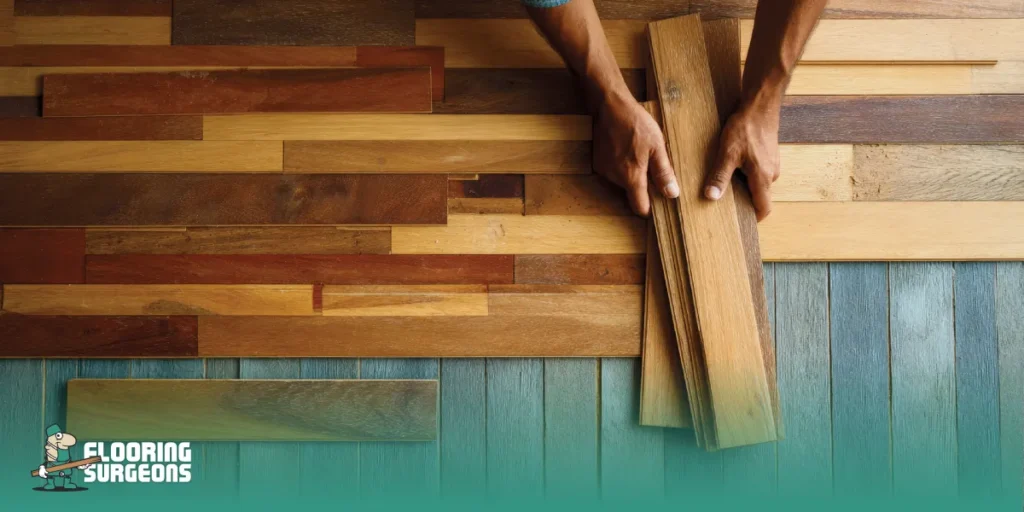
Improper installation or uneven subflooring can drastically shorten a floor’s lifespan,, even if you’re using superior products. Problems like gaping, movement or premature surface wear often stem from this.
Daily Usage and Traffic Levels
Use determines durability to a large extent. Places with a lot of traffic, like hallways or living rooms, will show wear much more than rooms that aren’t used much.
Environmental Conditions
Flooring can change due to variations in humidity and temperature. Expansion/contraction or instability occurs more frequently in humidity-free environments.
Flooring Types vs Real Durability Expectations
Tile flooring may look similar in a showroom, but they do not all behave the same in home use. Here is how different flooring types stack up in daily use. Learn what to expect from your floors and prevent expensive disasters.
Laminate Flooring: Affordable
While laminate flooring is low-cost and provides an attractive finish, durability varies with the grade and moisture levels. Laminate flooring is often expected to last as long as hardwood,, but it can fall short when subjected to heavy traffic or moisture. Therefore, laminate flooring durability will depend more on use than on the consumer.
Luxury Vinyl Flooring: Water-Resistant
Buyers often have misconceptions about the lifespan of vinyl flooring. Most believe that once it’s laid, it is invincible against sustained pressure or damage from heavy furniture. Luxury vinyl flooring manufacturers often advertise their product as waterproof. Vinyl flooring can resist liquids like spilt water, but point or sustained pressure from heavy furniture can damage it over time, even in high-traffic areas.
Engineered Wood Flooring: Stable
Engineered wood durability in actual use depends much more on maintenance and proper installation than many consumers realise. Engineered flooring can provide a more realistic wood appearance and improved stability than solid wood when exposed to changing climates. Despite improved technology, engineered wood’s actual life span will still vary depending on proper maintenance and the quality of the installation. This is often underestimated by the consumer.
Durability Comparison of Common Flooring Types
The comparison below highlights how flooring types differ between expectations and real-world performance.
| Flooring Type | Buyer Expectation | Real-World Durability |
| Laminate Flooring | Scratch-proof and highly durable | Moderate resistance, sensitive to moisture |
| Luxury Vinyl Flooring | Fully waterproof and indestructible | Highly water-resistant but can dent under heavy load |
| Engineered Wood Flooring | Long-lasting natural wood alternative | Durable but affected by maintenance and installation quality |
How Buyers Miscalculate Flooring Choices
Many flooring selection mistakes occur when the specifier misunderstands the actual conditions of use. Selection is frequently made on aesthetics or initial cost alone without regard to performance.
- A common mistake is choosing flooring based solely on looks, without considering how much traffic the space receives or how it will be used daily. What works in a low-use bedroom may not perform the same in a busy hallway or kitchen.
- Another frequent issue is underestimating long-term maintenance. Some flooring types require more care than buyers expect, and neglecting this can significantly reduce their lifespan.
- There is also a tendency to overlook compatibility with lifestyle factors such as pets, children, or furniture movement, which directly impact durability over time.
Many of these decision errors are commonly highlighted in Flooring Mistakes First-Time Homeowners Regret.
When Premium Flooring Is Worth It?
Not every room needs high-end flooring, but there are times when spending a little more can go a long way towards better long-term performance and less frequent replacement. Engineered wood or high-quality vinyl flooring might be a good choice if your home sees high traffic, you have pets, or just want something that will hold up better over time.
But spending more won’t always get you better performance. Sometimes, inferior products installed properly or in low-impact areas will outlast higher-priced materials that are abused or installed incorrectly. Price doesn’t always dictate longevity; you need to purchase the correct type of flooring for your ACTUAL use.
Conclusion
Misunderstandings about flooring cost vs durability are why people end up spending too much money or underspecifying when buying floor coverings. It’s also why flooring durability is subjective. Customers make assumptions based on look, manufacturer claims, and how it feels when walking on a showroom floor sample. In reality, the service demands of most environments far exceed expectations.
Remember that there is no magic “one-size-fits-all” material when it comes to flooring. Durability depends on how your product is used, installed, and maintained throughout its life. Once you take the above into account, it’s easy to find the right flooring for your application.
What’s most important is that you do your research and make an informed decision. You don’t need to buy the highest you can afford. Visit Flooring Surgeons to see some of our ranges that combine great design with quality and performance.

Ana.Soltanpoor
I’m an SEO Specialist with a strong background in content management and organic search. I build data-driven content strategies by aligning user intent, search behavior, and SEO best practices to ensure every piece of content delivers clarity, relevance, and measurable organic performance.