How to Create Flow Between Rooms Using Layout and Design
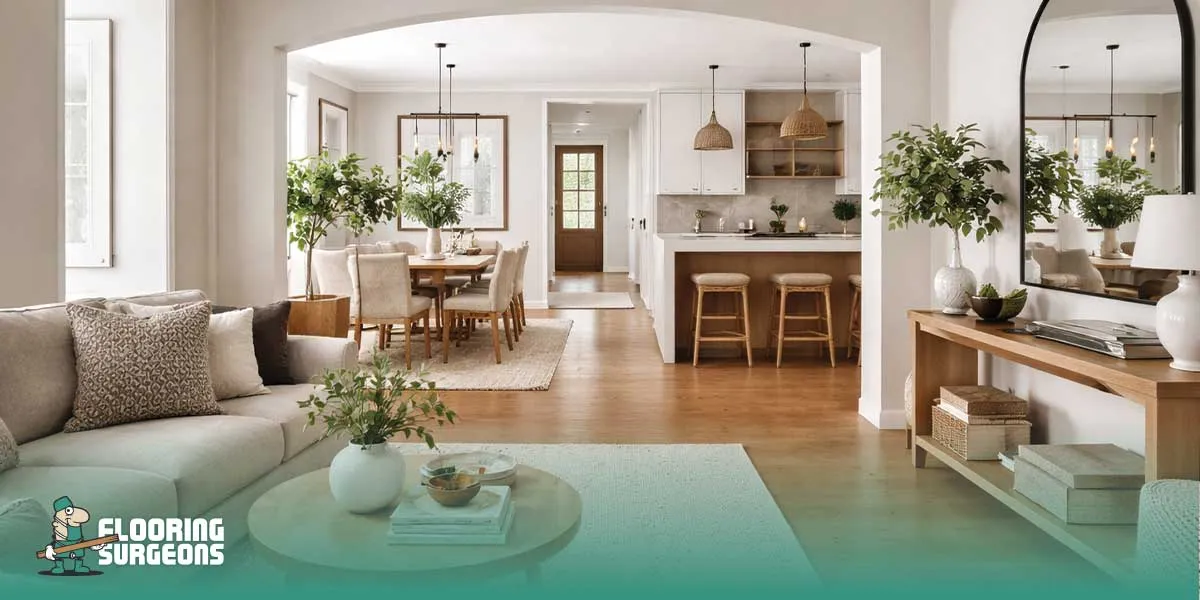
A home that feels comfortable usually shares one important characteristic. Its spaces connect naturally. Moving from the hallway to the living room or from the kitchen to the dining area feels smooth and intuitive rather than abrupt. Interior designers describe this quality as flow between rooms. Unfortunately, many homes struggle with this balance. Flooring materials […]
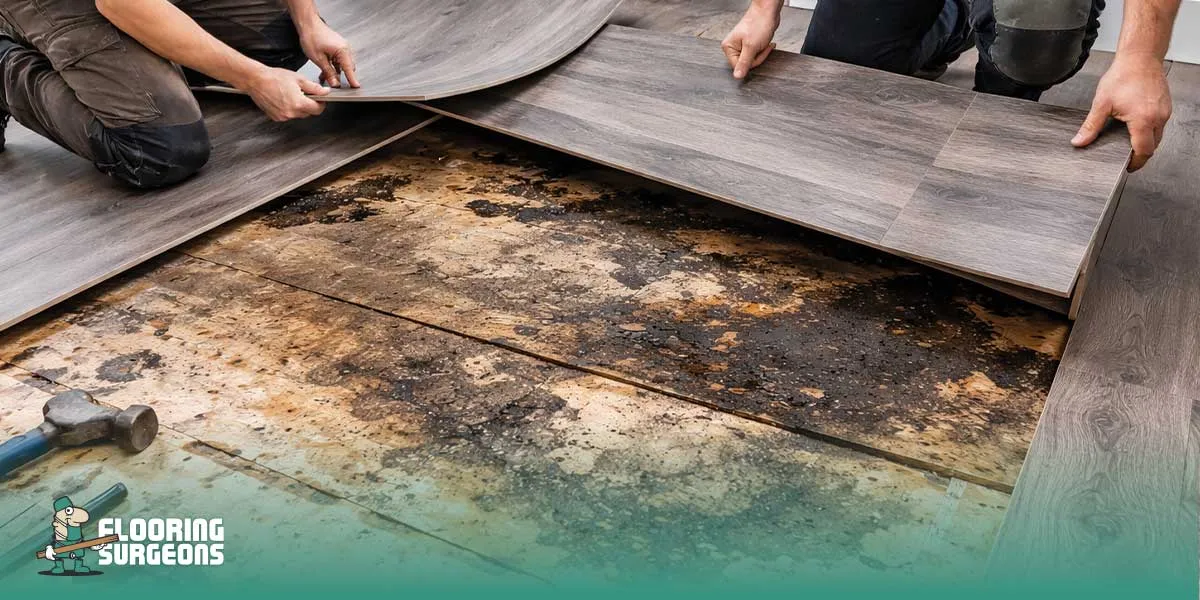
What Flooring Installers Can’t Fix When the Subfloor Is Wrong
A finished floor only looks perfect if the structure beneath it is correct. When subfloor defects remain hidden underneath, they almost always telegraph through the finished flooring. A vinyl plank floor may begin to separate, wood boards may creak or cup, and tile can crack even though the installation itself looked fine on day one. […]
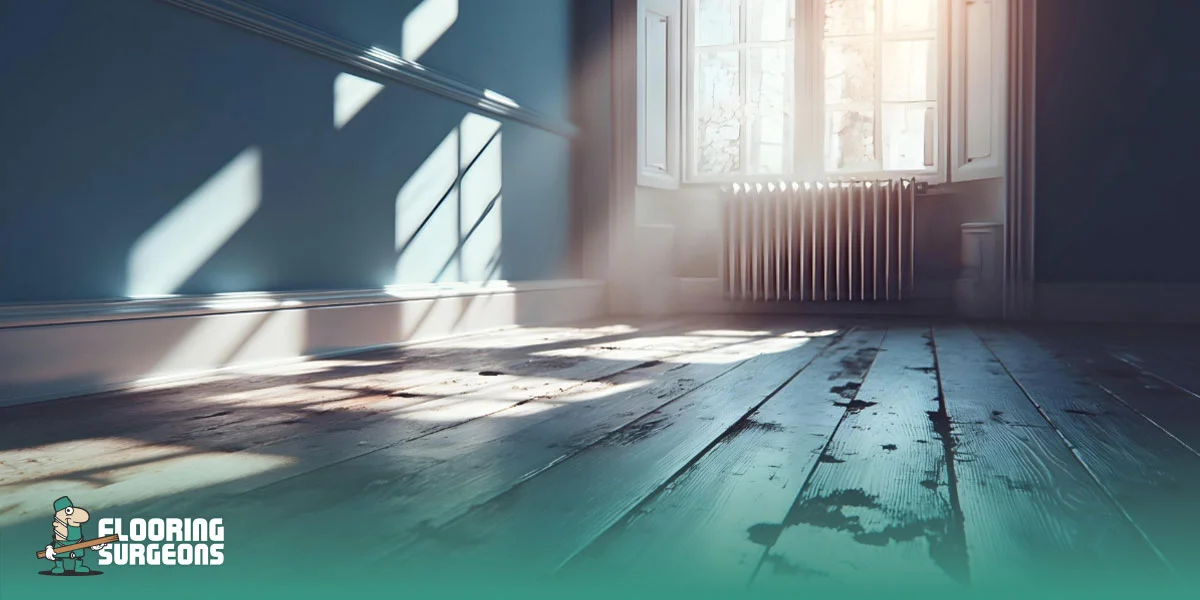
How to Prevent Floor Damage in High-Traffic Areas
Protecting floors in high-traffic areas is essential for both residential and commercial spaces. Busy hallways, office entrances, and frequently used living areas are constantly exposed to dirt, moisture, furniture movement, and heavy foot traffic. Without proper care, even the most durable surfaces can develop scratches, dents, fading, and general wear, reducing their lifespan. For effective […]
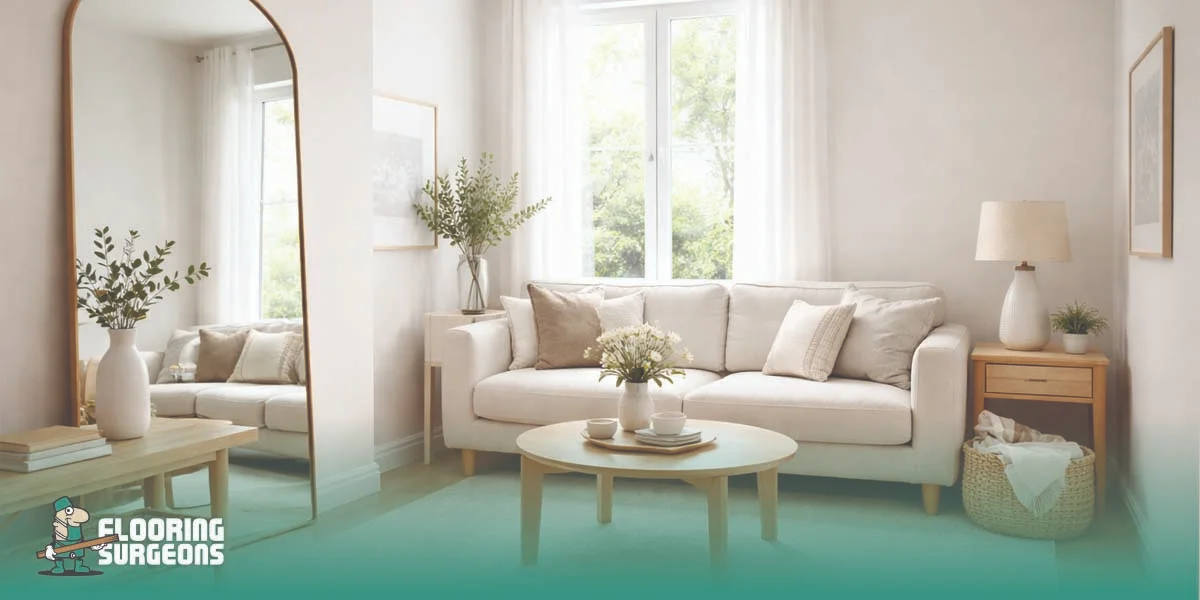
How to Use Mirrors to Open Up Small Spaces Elegantly
A small room does not always need more furniture or a full redesign to feel better. In many cases, the change starts with what the eye notices first: light, depth, and balance. That is why mirrors are often used in compact interiors. When they are placed well, they can bounce light around the room, soften […]

How to Choose the Perfect Accent Lighting for Any Room
Walk into a beautifully designed room and something immediately stands out. Maybe it’s a textured wall, a piece of art, or the rich tone of a hardwood floor catching warm light. That effect rarely happens by accident. It’s usually the result of accent lighting, a lighting technique used in interior design to draw attention to […]
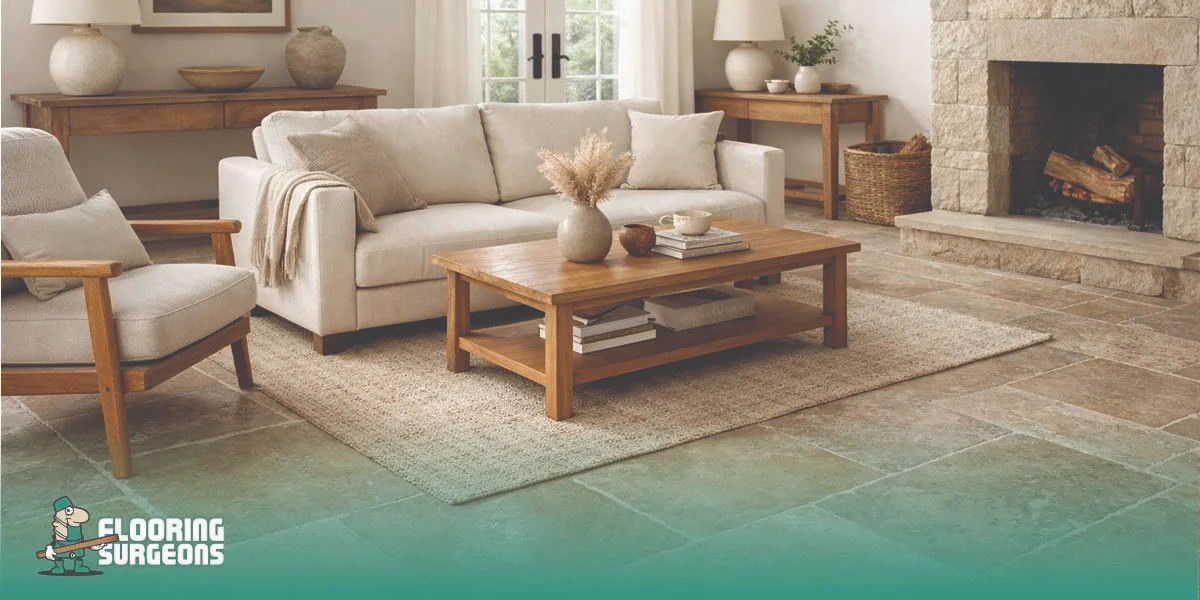
How to Incorporate Natural Stone Flooring Into Your Home Design: Room-by-Room Guide
Natural stone flooring can completely change the feel of a home, but using it well is not just about picking a beautiful material. The right stone needs to suit the room, the house’s overall style, and how the space is used every day. A finish that looks stunning in a low-traffic living room may not […]
The Hidden Power of Textures: How to Layer Your Interior Design
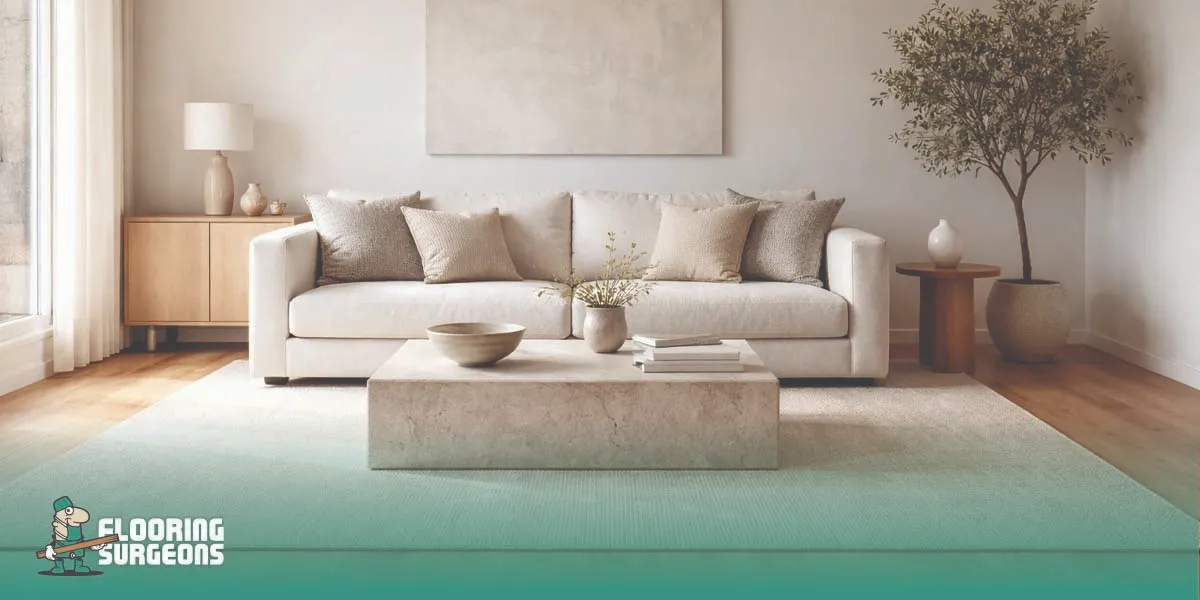
Have you ever noticed how some rooms feel rich and inviting while others look flat, even with good furniture? In many cases, the difference comes down to texture. When surfaces and materials are too similar, a space can feel one-dimensional. This is why designers focus on layering textures in interior design. By combining materials such […]
4 Design Pitfalls That Will Quickly Drain Your Budget
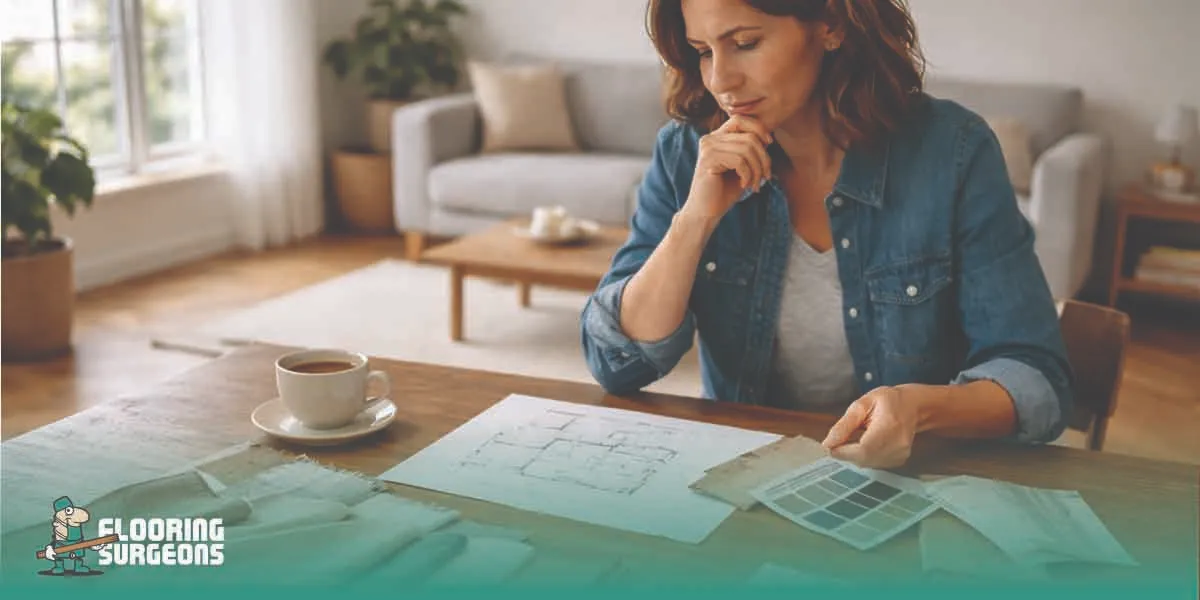
A renovation rarely goes over budget because of one big decision. More often, it’s a series of small design choices that quietly increase costs along the way, changing materials, choosing complex layouts, or following inspiration that doesn’t suit the space. The 4 design pitfalls that will quickly drain your budget are common planning mistakes that […]
What Is Biophilic Interior Design and How Does It Work?
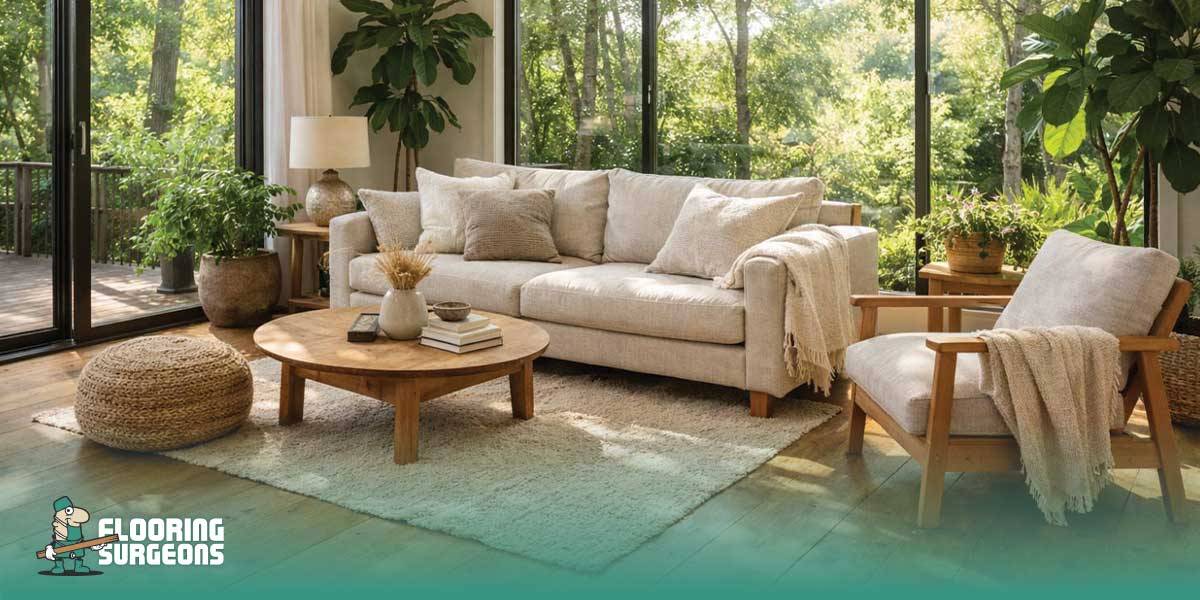
Many modern homes look stylish and carefully designed, yet they can still feel disconnected from the natural world. Clean lines, neutral colours and minimalist décor may create a visually appealing space, but something often feels missing. That missing element is often a connection to nature. As people spend more time indoors, designers have started paying […]
Is Art Deco Making a Comeback?
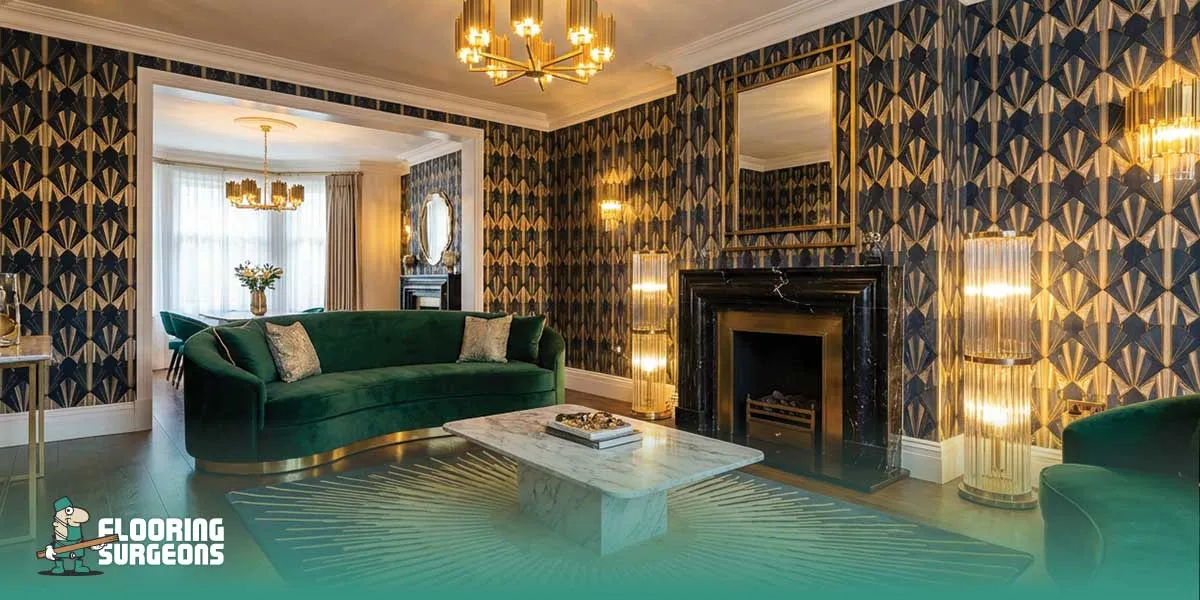
Art Deco is indeed making a comeback, and its revival is becoming increasingly visible in modern interior design. Nearly a century after its rise in the 1920s, the Art Deco design revival continues to influence contemporary spaces through bold geometry, dramatic contrasts, and luxurious materials. What was once a defining aesthetic of early modern architecture […]