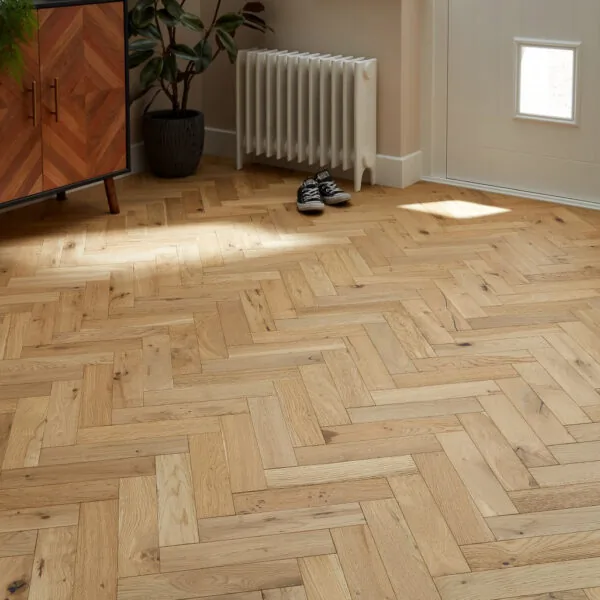
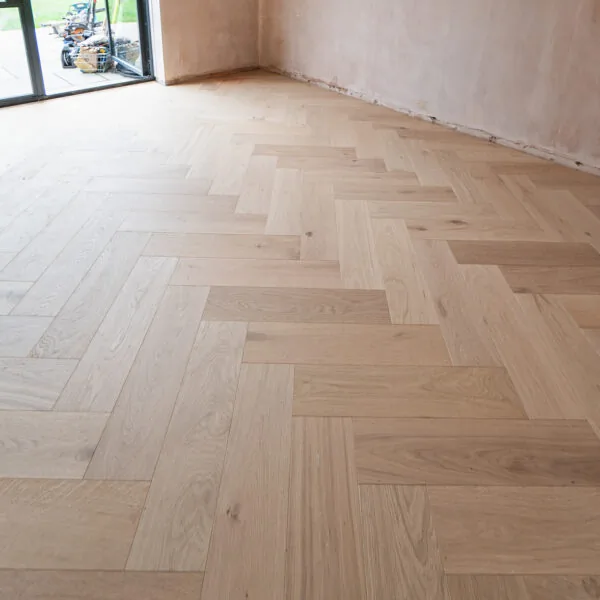
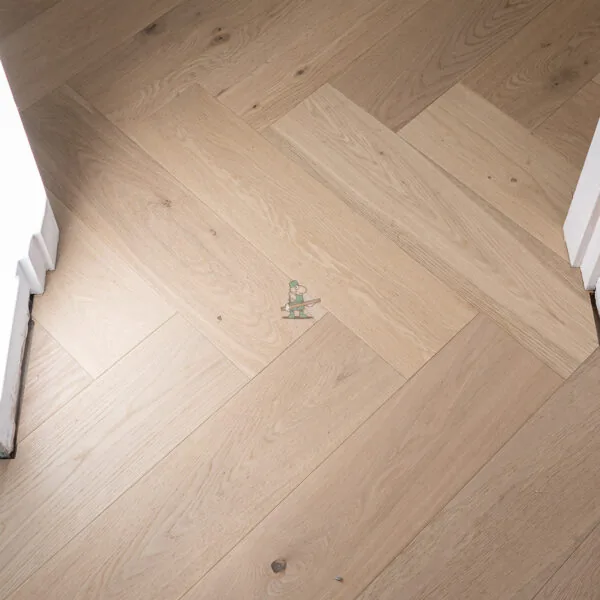
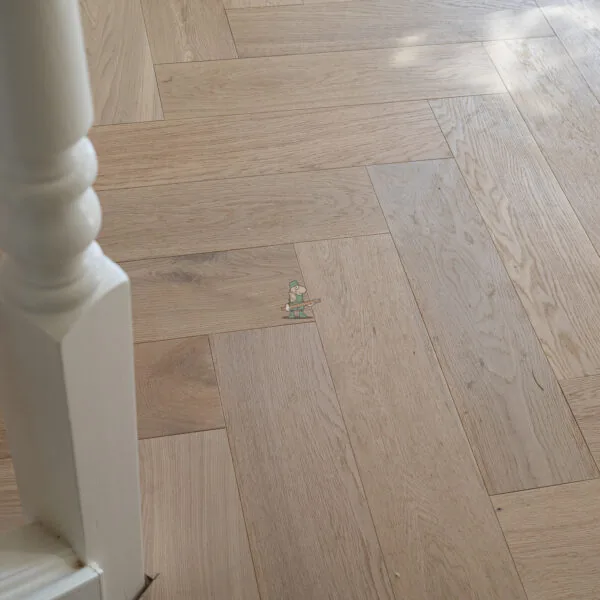
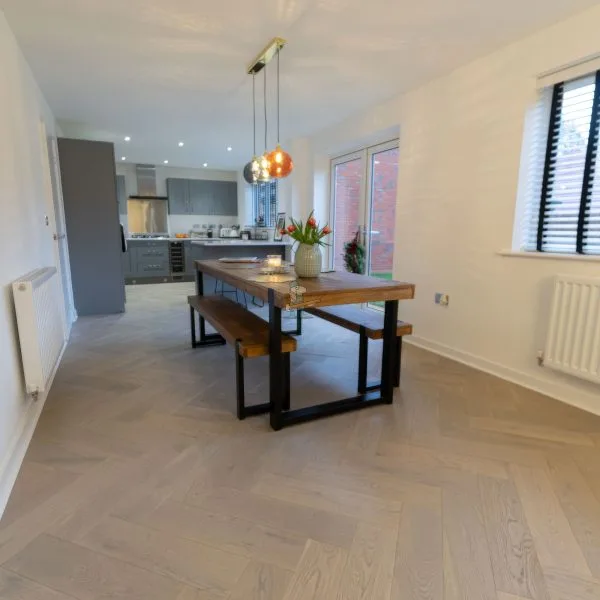
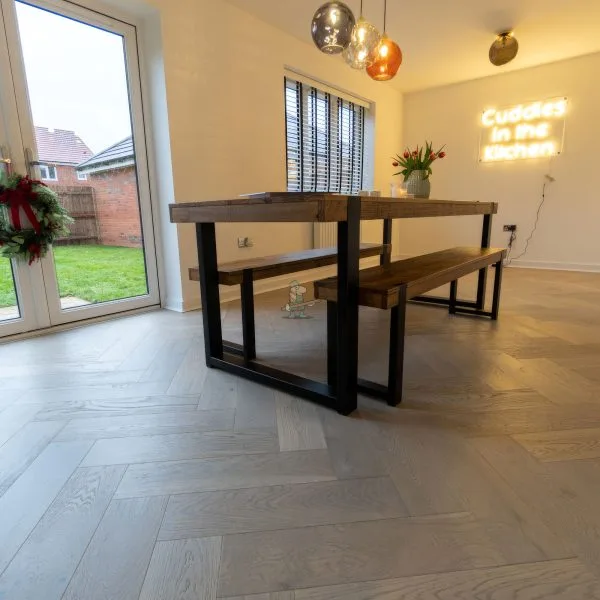
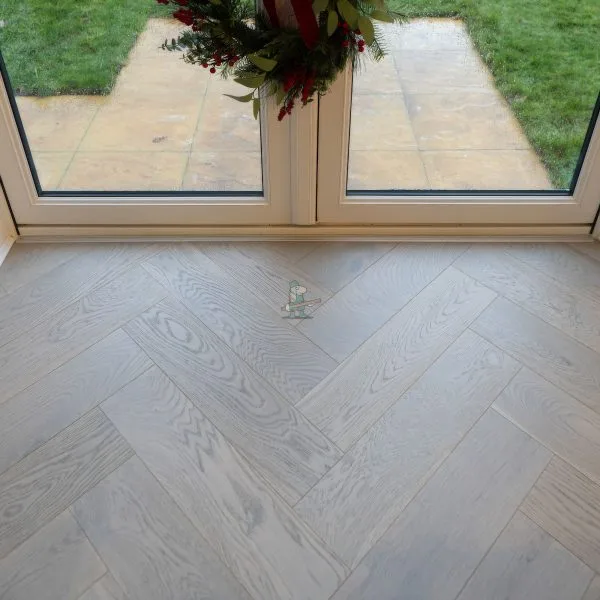

What Is Brushed and Lacquered Flooring?
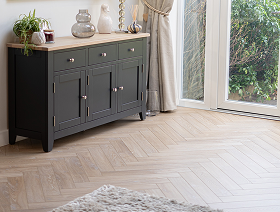
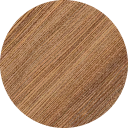
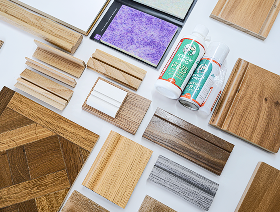
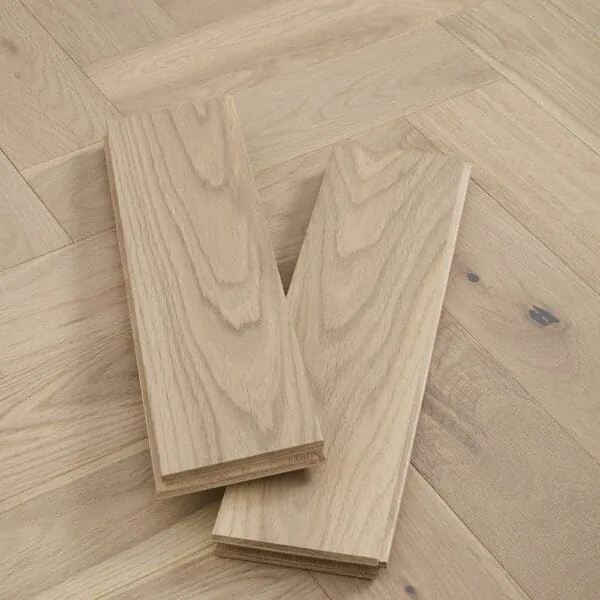
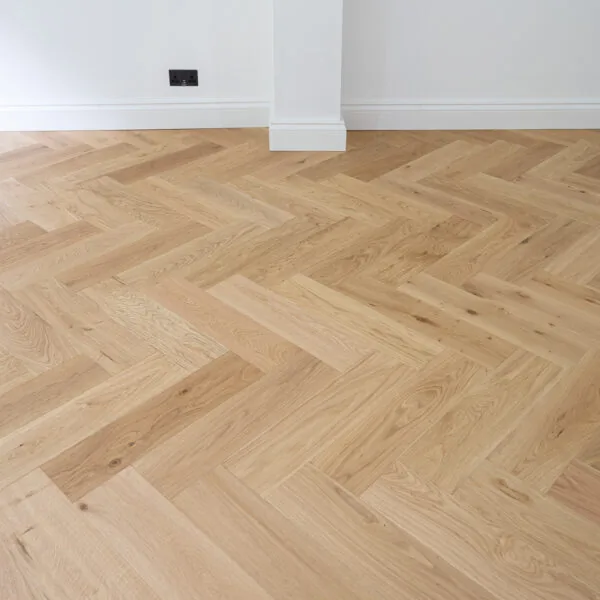
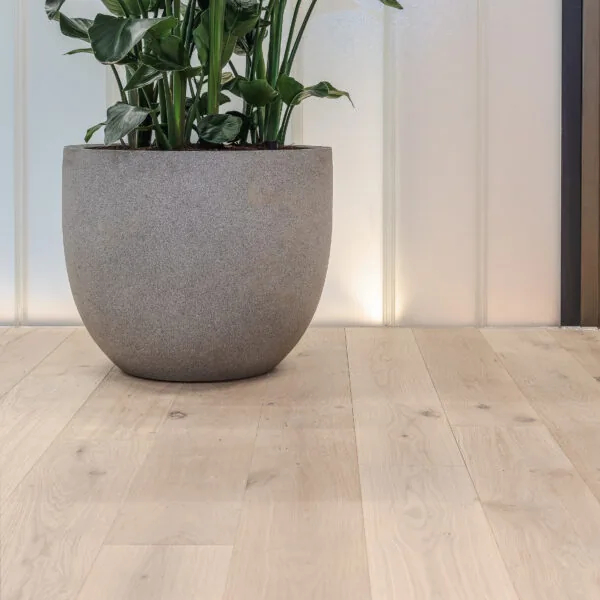
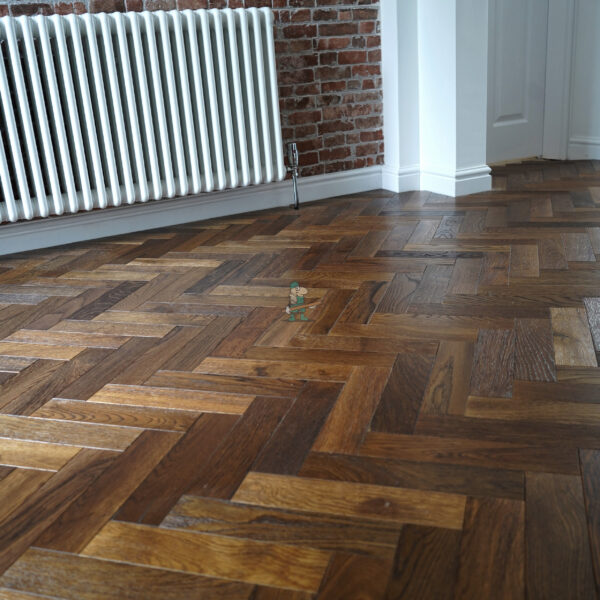
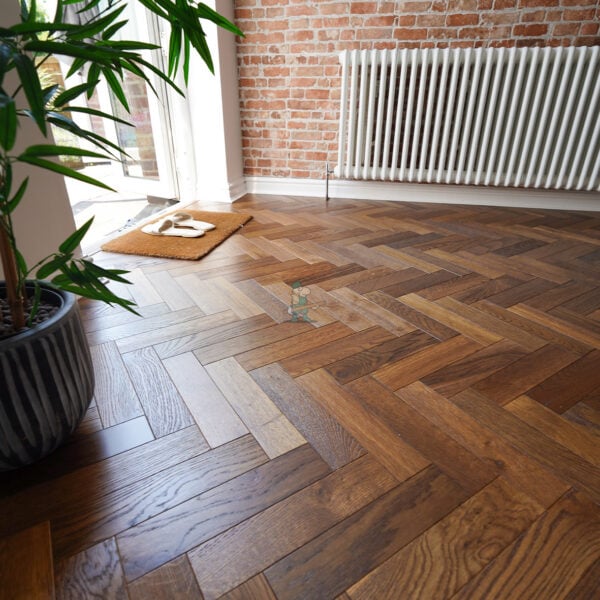
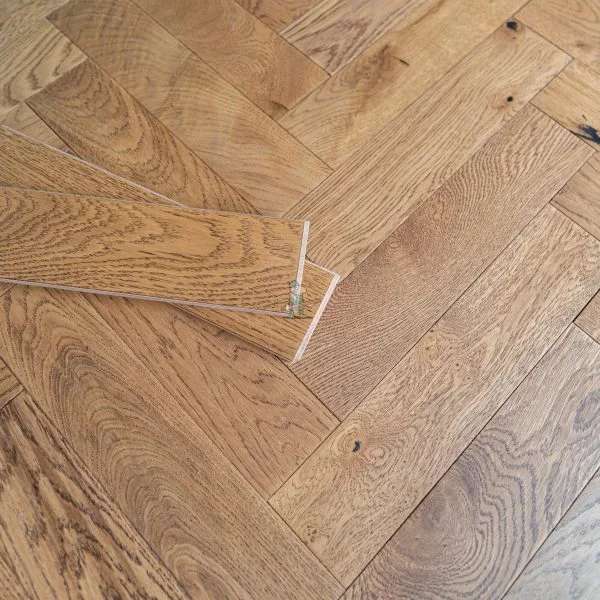
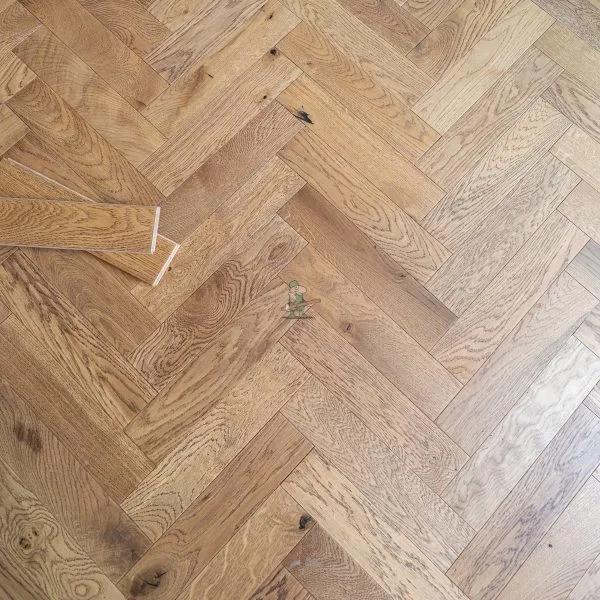
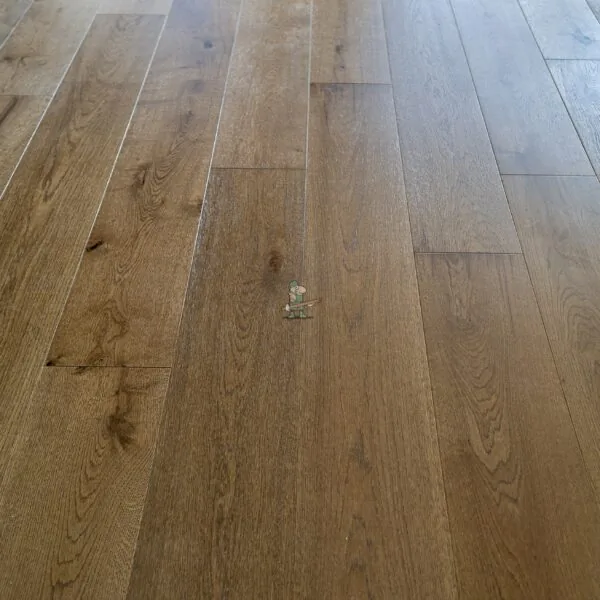
Brushed and lacquered flooring combines two surface treatments. First, the timber is brushed to remove some of the softer fibres from the surface, helping to emphasise the natural grain and create a lightly textured finish. A lacquer coating is then applied to the surface to provide a protective layer.
The combination allows the natural texture of the timber to remain visible while the lacquer helps protect the surface from everyday wear and makes routine cleaning more straightforward. The final appearance and level of protection depend on the brushing process and the type and number of lacquer coats applied.
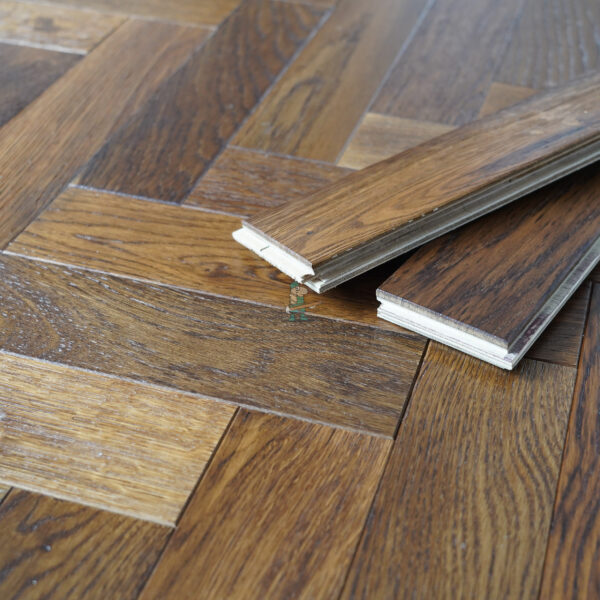
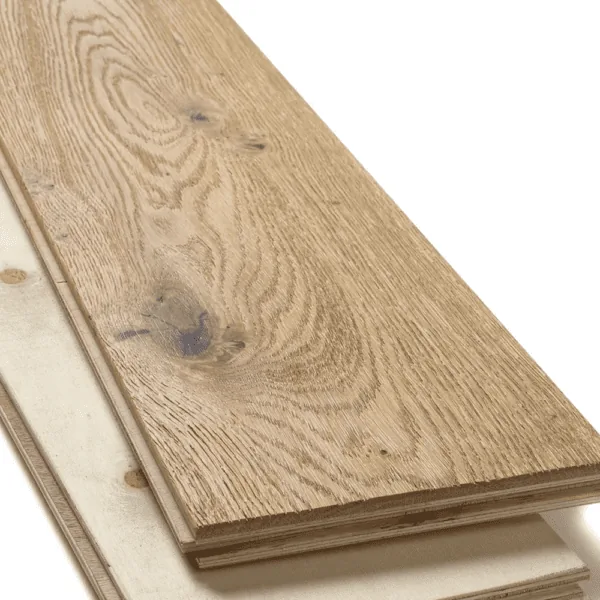
Brushed and lacquered finishes are commonly available on solid and engineered wood flooring. Brushed lacquered engineered wood flooring combines a real wood surface with a layered construction, while the lacquer finish provides additional protection to the timber surface.
Brushed and Lacquered Flooring at a Glance
|
Feature
|
What It Means
|
|
Surface texture
|
Brushing removes some softer fibres from the timber surface, emphasising the natural grain and creating texture.
|
|
Protective layer
|
A lacquer coating is applied to the surface to help protect the timber from everyday wear.
|
|
Suitable rooms
|
Can be used in living rooms, bedrooms, dining rooms and other suitable areas, depending on the individual product.
|
|
Common options
|
Brushed oak lacquered flooring, brushed matt lacquered flooring and engineered wood options.
|
|
MaintenanceMain benefit
|
The lacquered surface can make routine cleaning and maintenance more straightforward, subject to the manufacturer’s care guidance.
|
|
Overall
|
Textured timber grain with a protective surface finish.
|
Why Choose Brushed Lacquered Wood Flooring?
Brushed lacquered wood flooring combines the textured appearance of brushed timber with the surface protection provided by a lacquer finish. The brushing process emphasises the natural grain, while the lacquer coating helps protect the timber from everyday wear.
This finish can be suitable if you want:
- Visible natural wood grain and surface texture
- A more defined texture than a smooth lacquered finish
- A protective surface for everyday household use
- A wood floor that can be maintained according to the manufacturer’s care guidance
- The natural appearance of timber with a lacquered surface finish
- A choice of colours, grades and finishes to suit different interiors
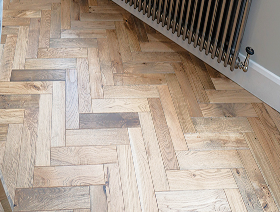
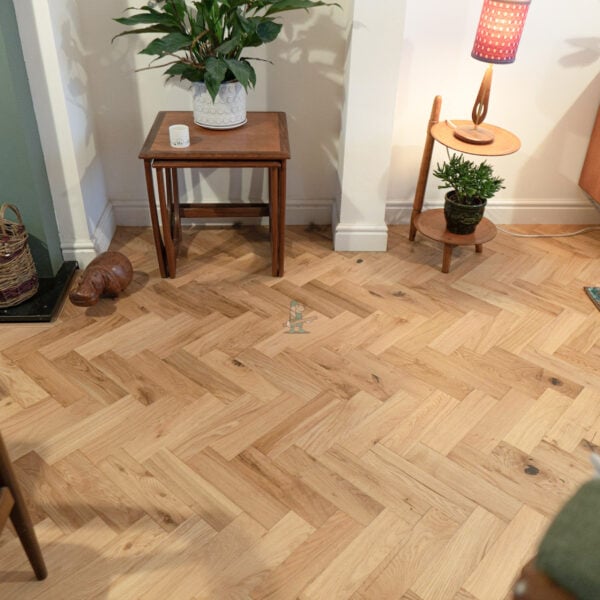
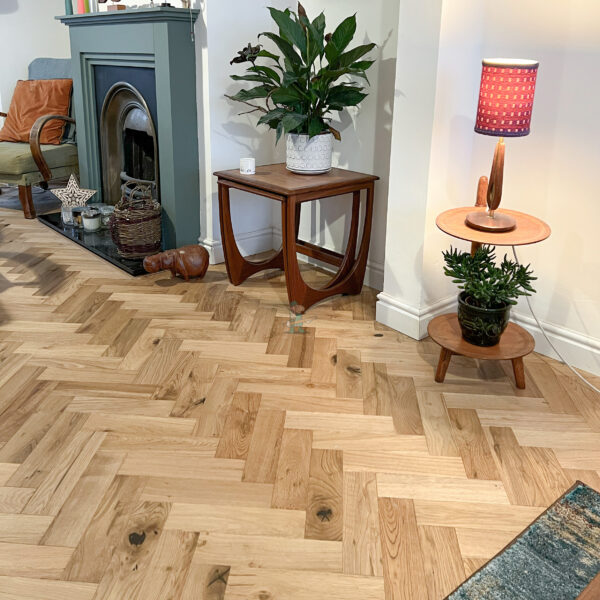
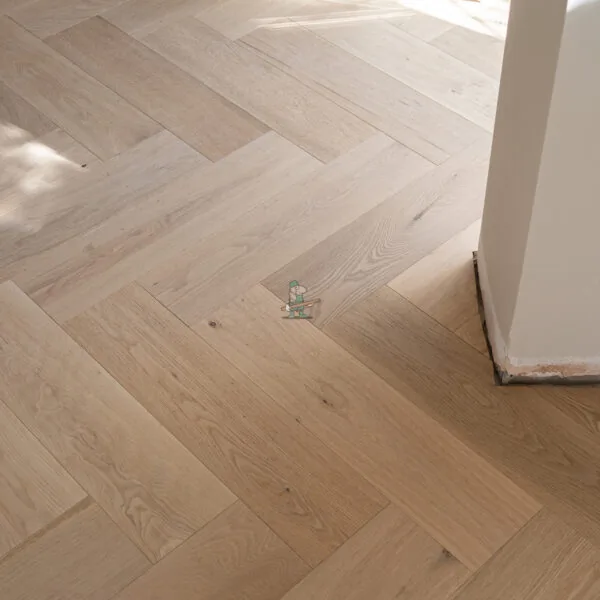
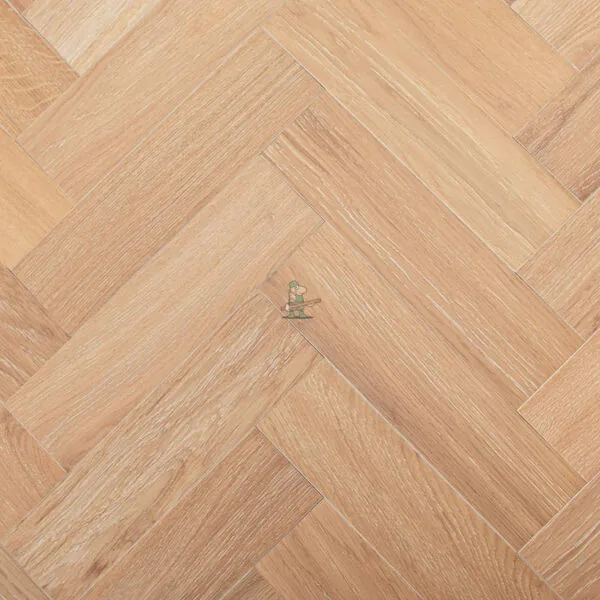
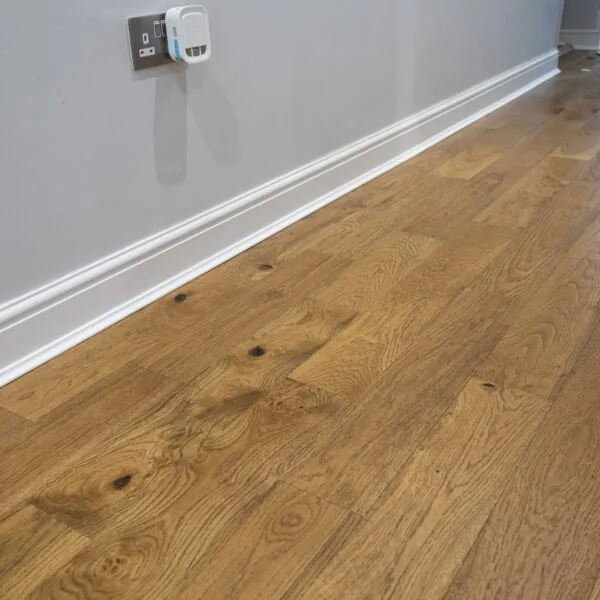
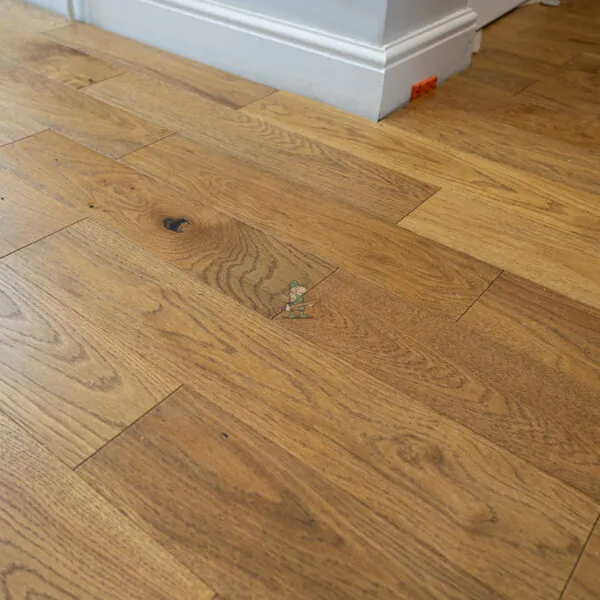
The combination of brushing and lacquering can work particularly well with oak. Brushed lacquered oak flooring can emphasise the natural grain, knots and colour variation of the timber while the lacquer provides a protective surface coating.
The final appearance and level of protection will depend on the wood species, grade, brushing process and type of lacquer used, so these specifications should be compared when choosing between products.
How the Brushed Finish Changes the Look of the Floor?
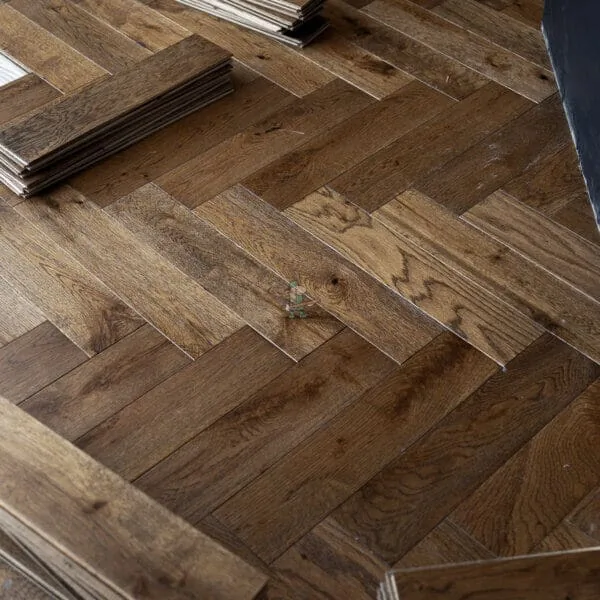
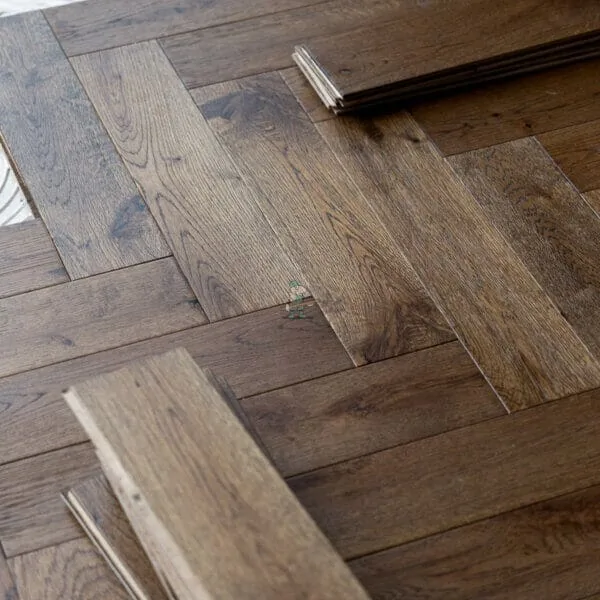
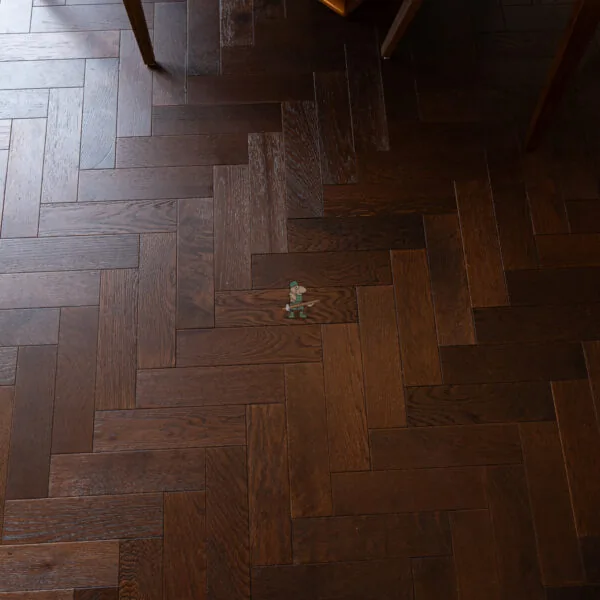
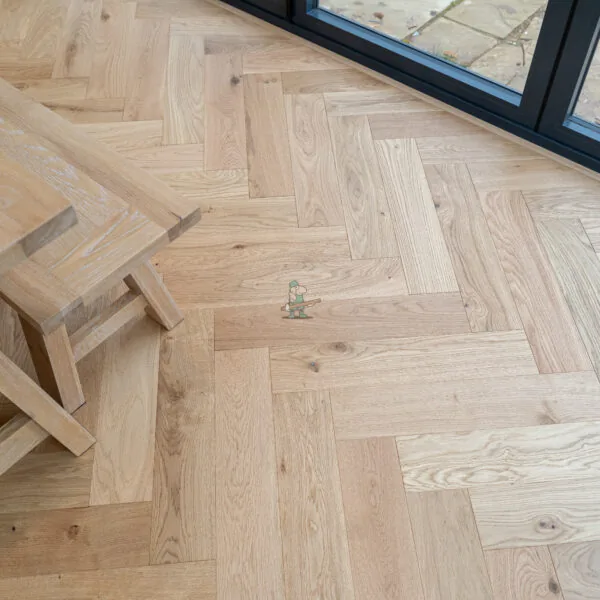
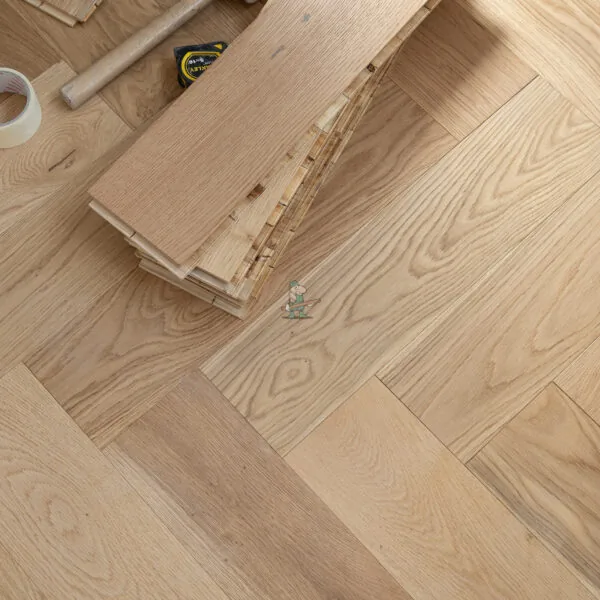
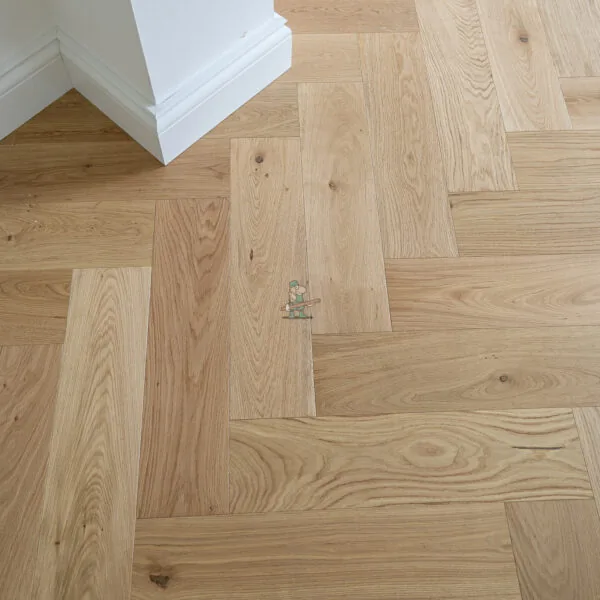
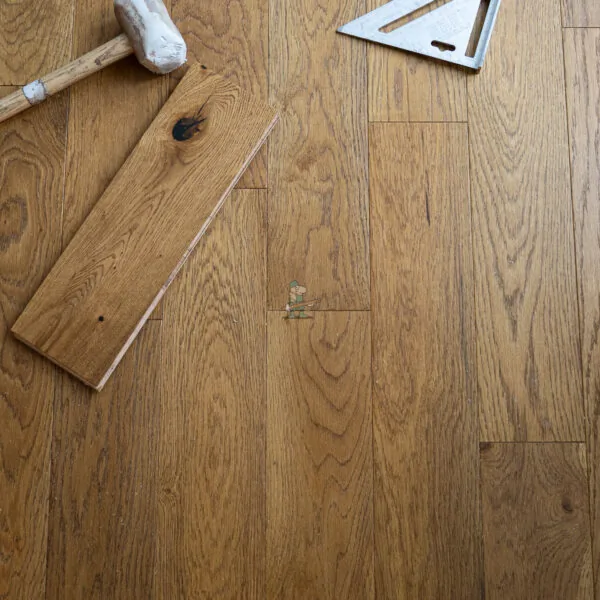
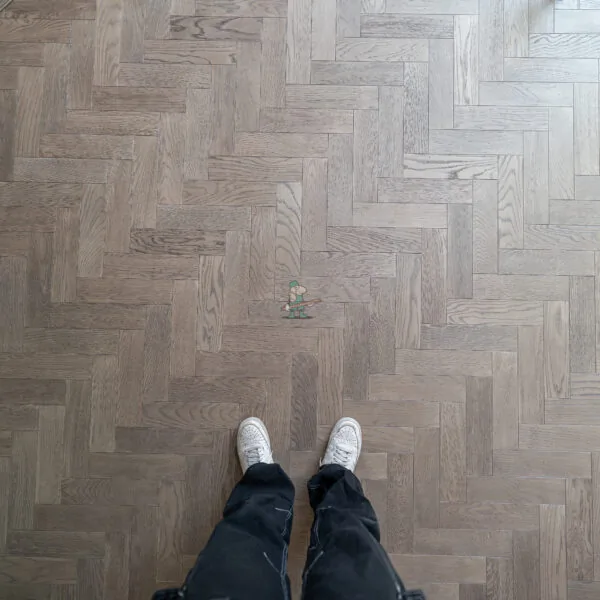
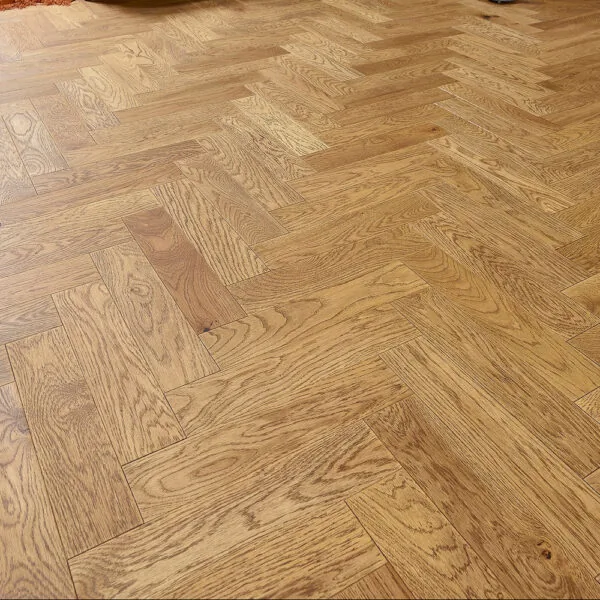
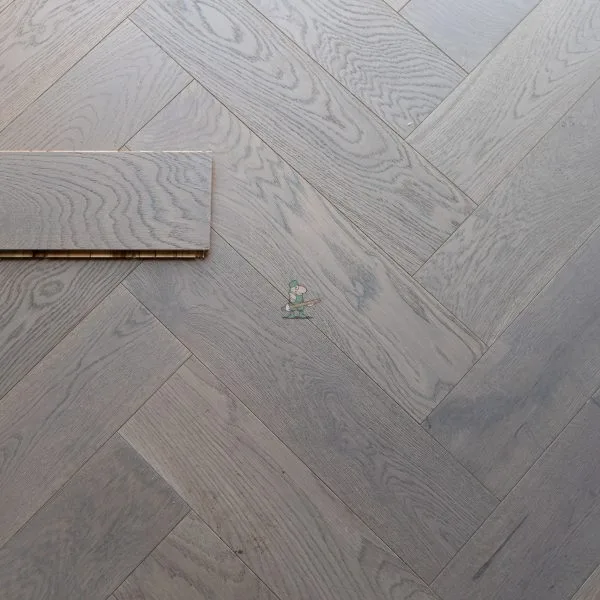
The brushed finish changes the texture and appearance of the timber by removing some of the softer fibres from the surface. This leaves more of the harder grain structure visible, creating a textured surface that can make the natural characteristics of the wood more pronounced.
Wire-brushed lacquered flooring uses a wire-brushing technique to create a more defined surface texture. The depth and appearance of the brushing can vary between products, so it is worth checking the individual product description and viewing a sample before choosing a finish.
Because the lacquer is applied after the brushing process, the finished floor combines the textured appearance of brushed timber with a protective lacquer coating. The result is a wood floor where the grain remains visible and tactile while the surface has additional protection against everyday wear.

Brushed & Lacquered vs Other Floor Finishes
Brushed and lacquered flooring sits between a smooth lacquered surface and some more natural-looking oil finishes in terms of surface appearance. The brushed texture provides more visible grain definition than a smooth lacquered finish, while the lacquer coating provides a protective surface that can make routine cleaning more straightforward. Maintenance requirements vary between finishes and products, so the manufacturer’s care guidance should always be followed.
|
Finish Type
|
Best For |
Main Difference
|
|
Brushed and lacquered flooring
|
Texture with surface protection |
Shows grain while keeping a protective lacquer layer
|
|
Lacquered flooring
|
A smoother, easier-to-clean surface |
Less textured, more uniform appearance
|
|
Brushed and oiled flooring
|
A more natural, oil-based look |
Softer, more natural finish with different maintenance needs
|
If you prefer a smoother surface without the added brushed texture, lacquered flooring may be a better choice.
If you like the brushed grain but want a more natural, oil-based appearance, brushed-and-oiled flooring is worth considering before making your final decision.
Where Does Brushed and Lacquered Wood Flooring Work Best?
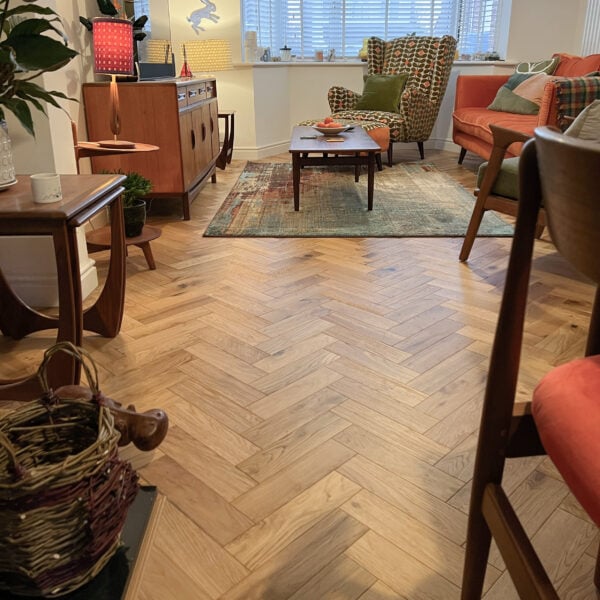
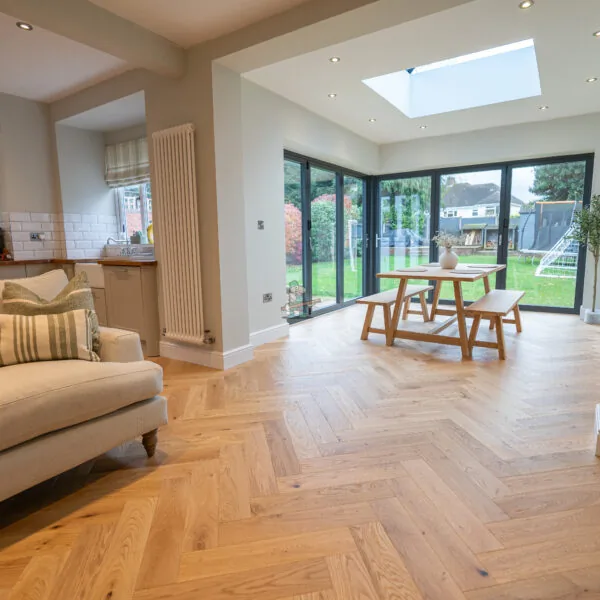
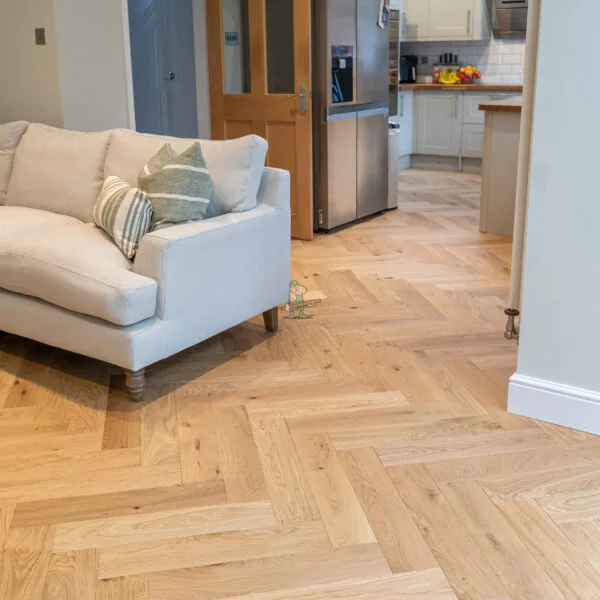
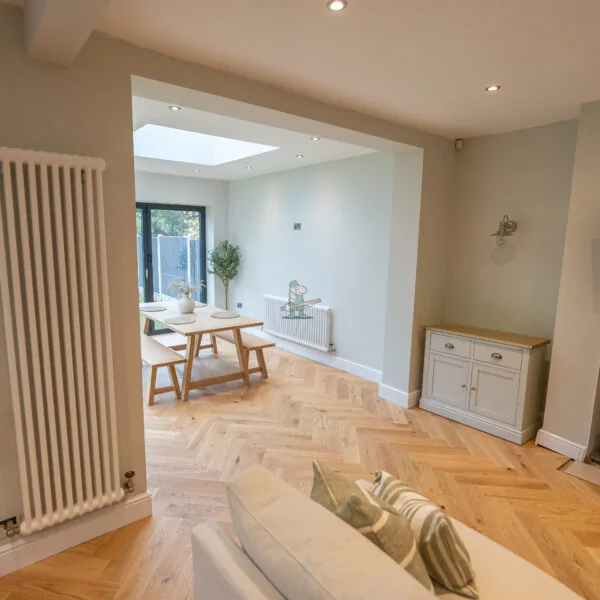
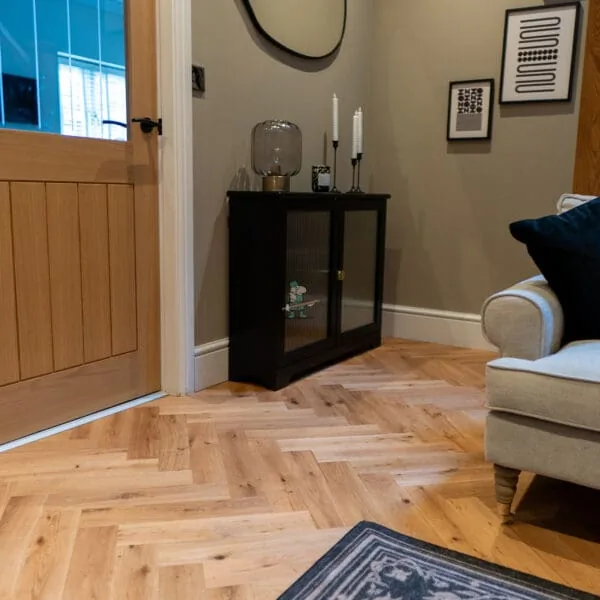
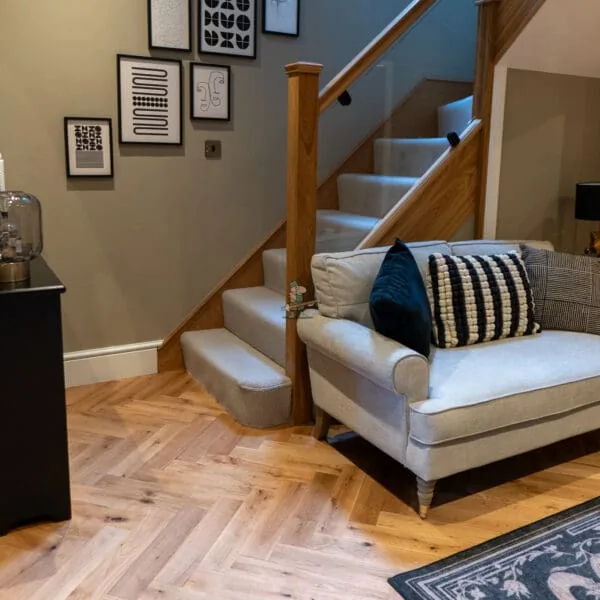
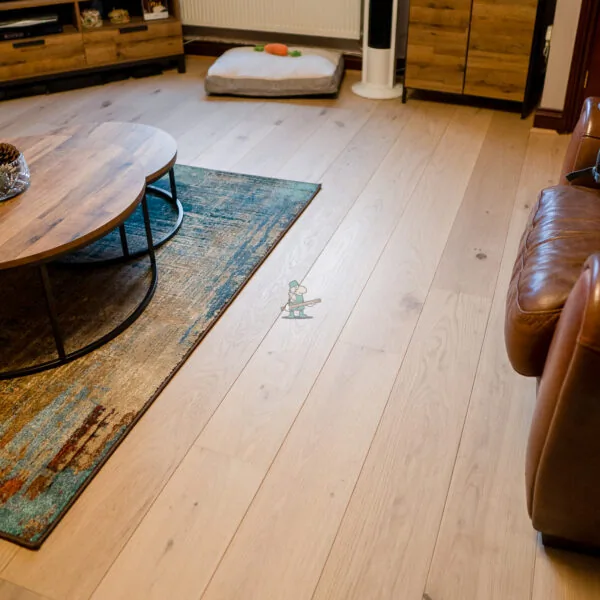
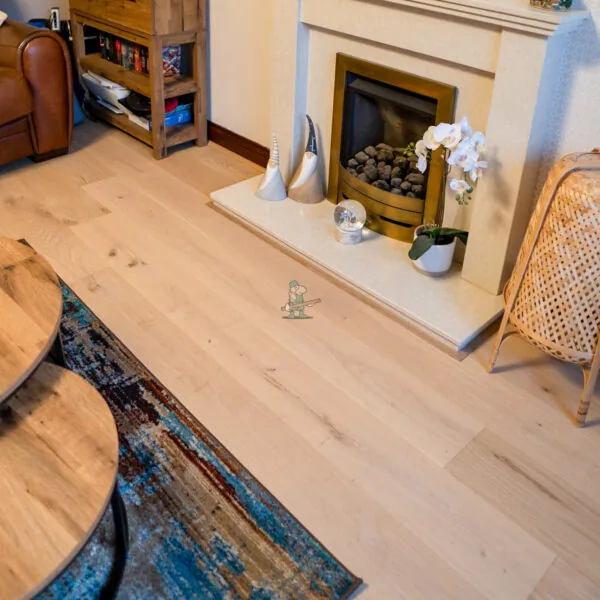
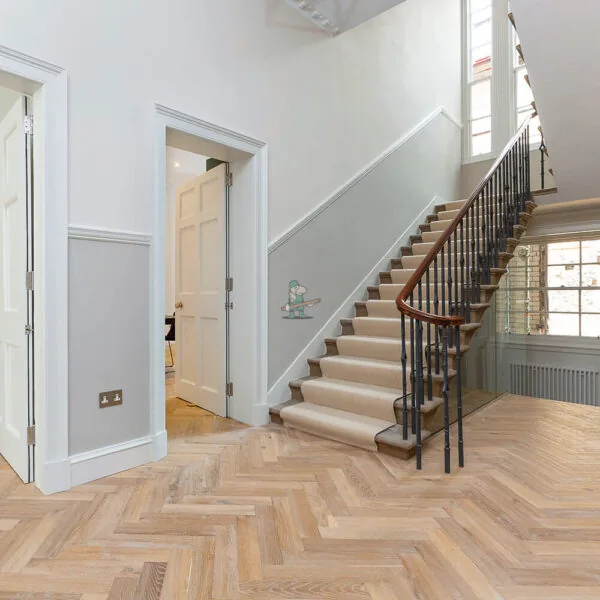
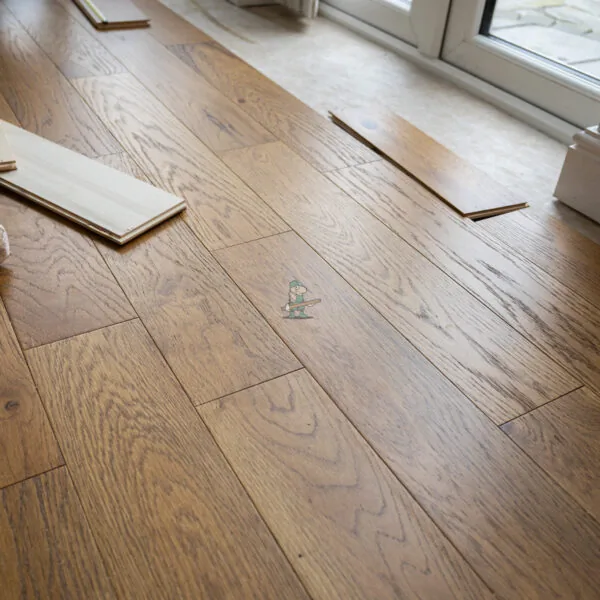
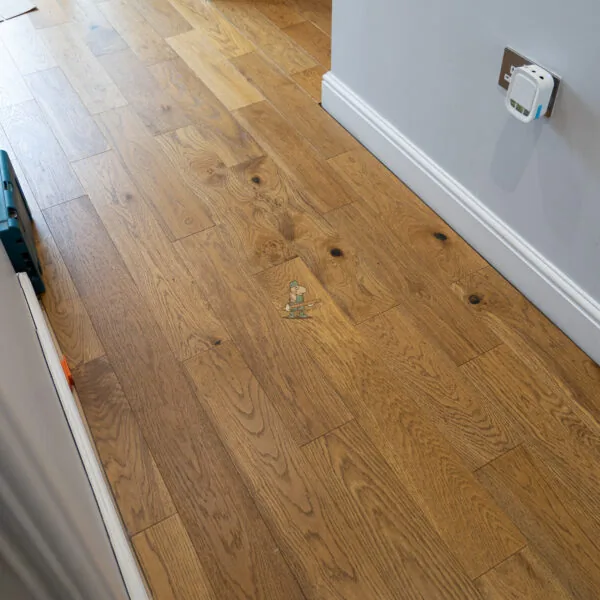
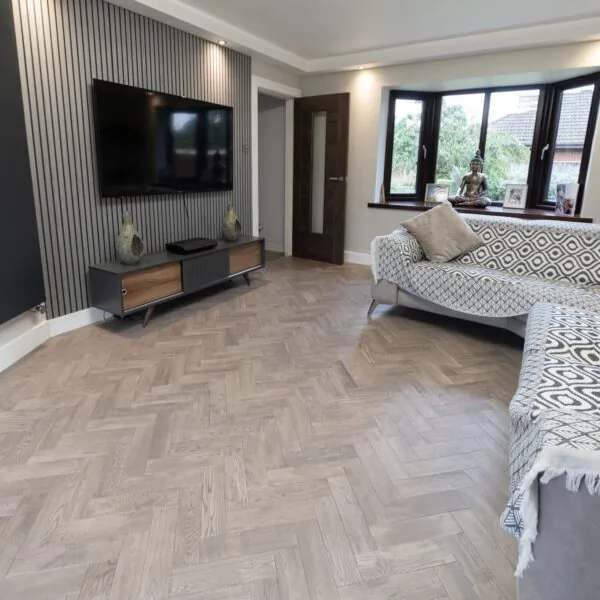
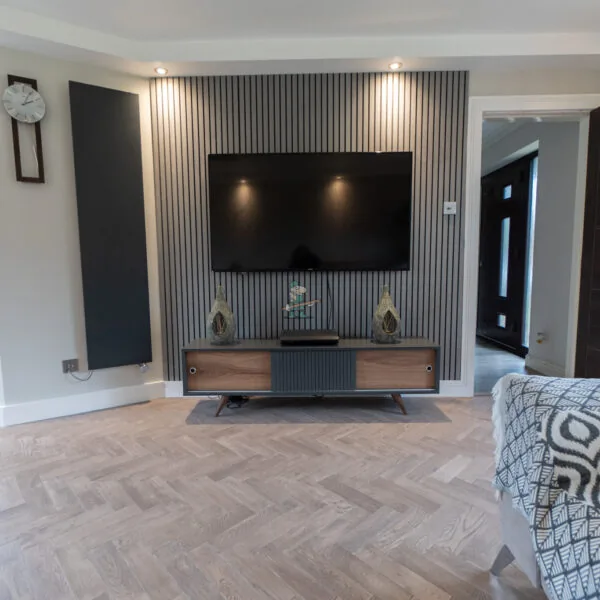
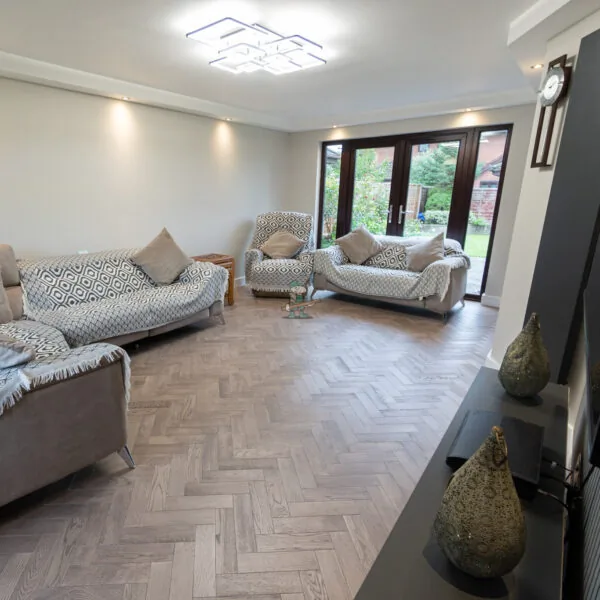
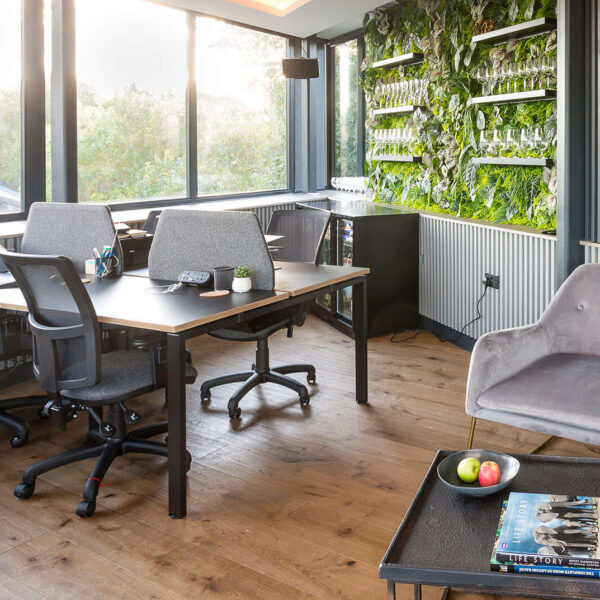
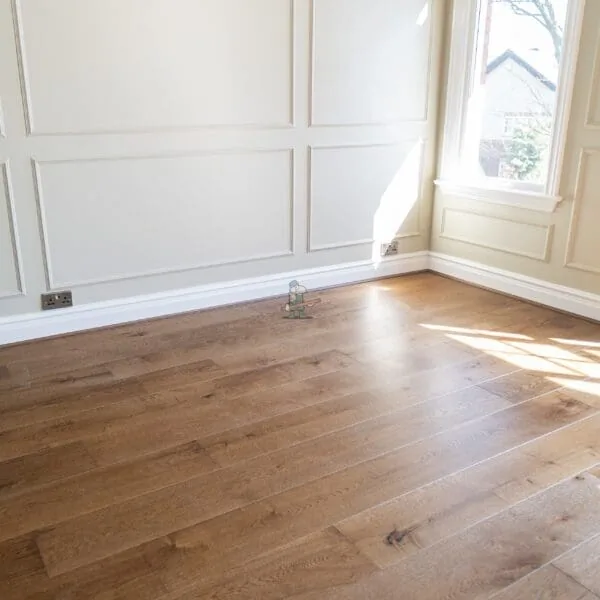
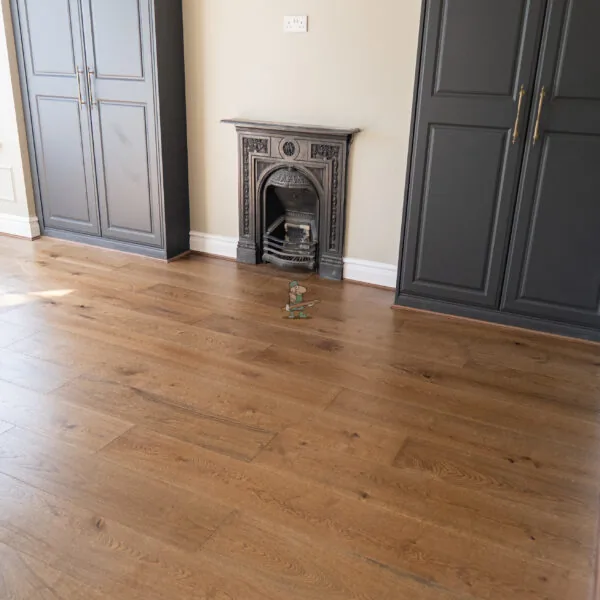
Brushed and lacquered wood flooring can be used in a range of rooms, depending on the individual product and its suitability for the level of foot traffic. The combination of a textured timber surface and lacquer coating can work well where you want visible wood character alongside a protective surface finish.
It can be a strong choice for:
|
Room Type
|
Why It Works
|
|
Living rooms
|
The textured grain can add definition to the floor while the lacquer provides a protective surface for everyday use.
|
|
Bedrooms
|
Brushed timber can provide visible grain and texture without requiring a highly polished surface.
|
|
Dining rooms
|
A lacquered surface can provide protection from everyday household use, while the brushed texture adds surface detail.
|
|
Hallways
|
The textured surface can make minor variations in the appearance of the timber less noticeable than on some smoother finishes.Can help disguise light marks better than very smooth finishes.
|
|
Family spaces
|
Brushed and lacquered flooring combines visible wood texture with a surface designed for everyday use, subject to the product’s specifications.
|
The appearance and performance of brushed lacquered flooring will vary according to the wood species, grade, brushing technique and lacquer finish. For areas with higher foot traffic, check the individual product’s wear rating and care requirements before choosing a floor.
Brushed Oak Lacquered Flooring
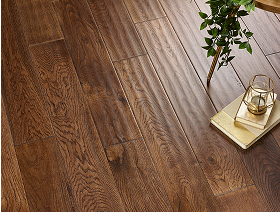
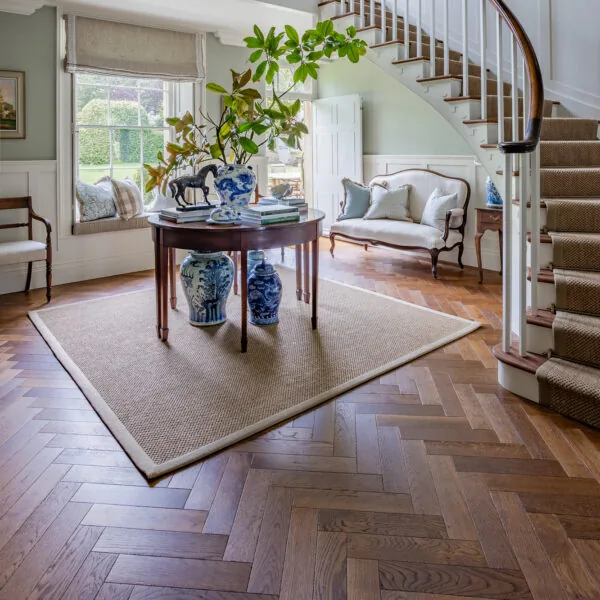
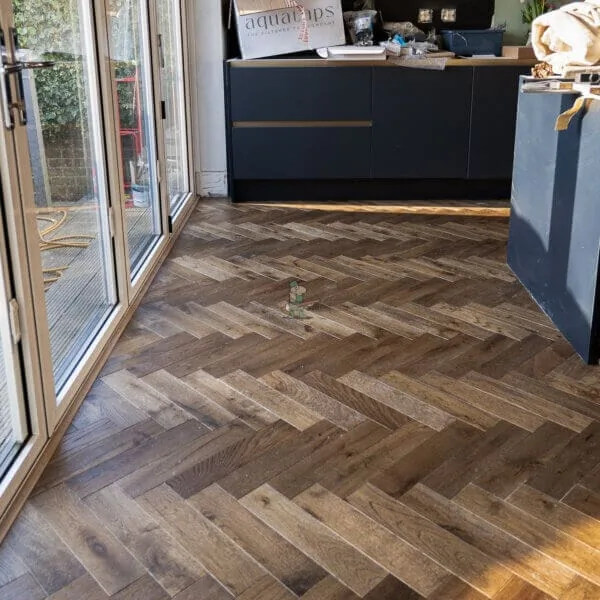
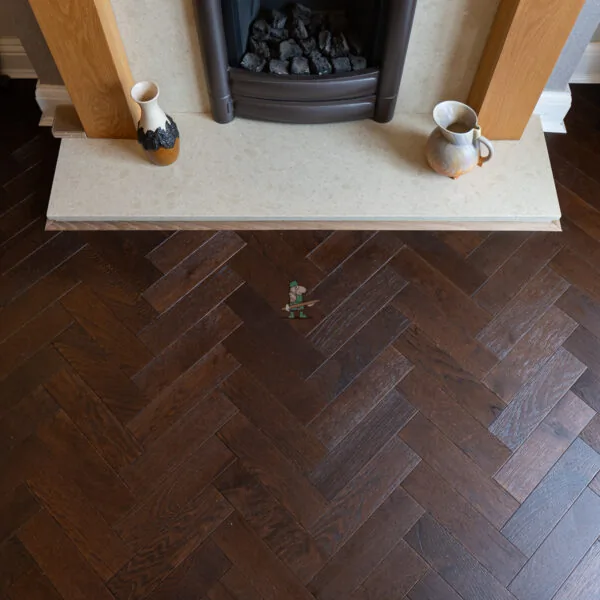
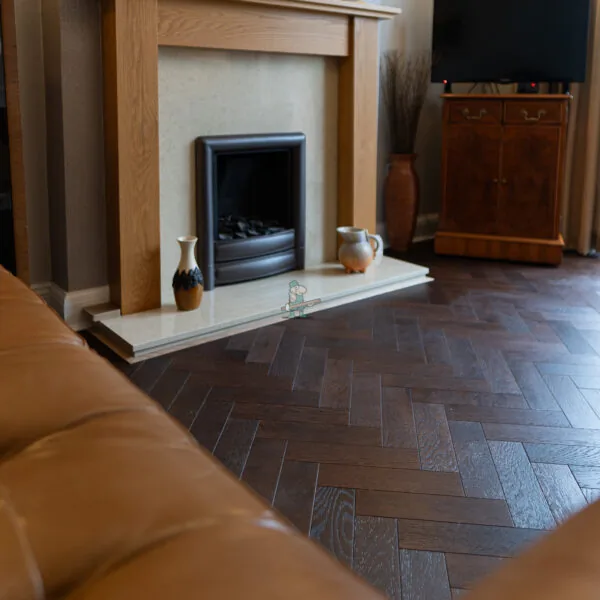
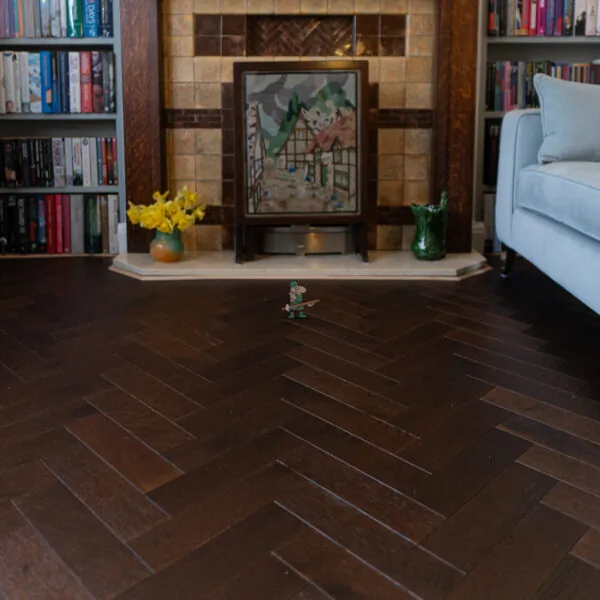
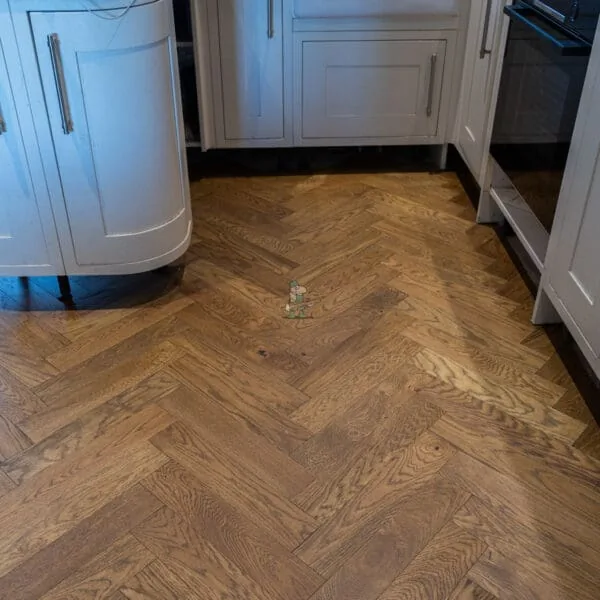
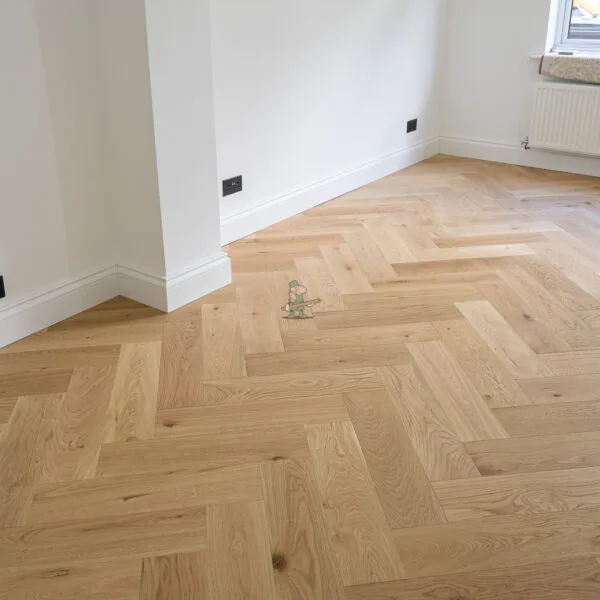
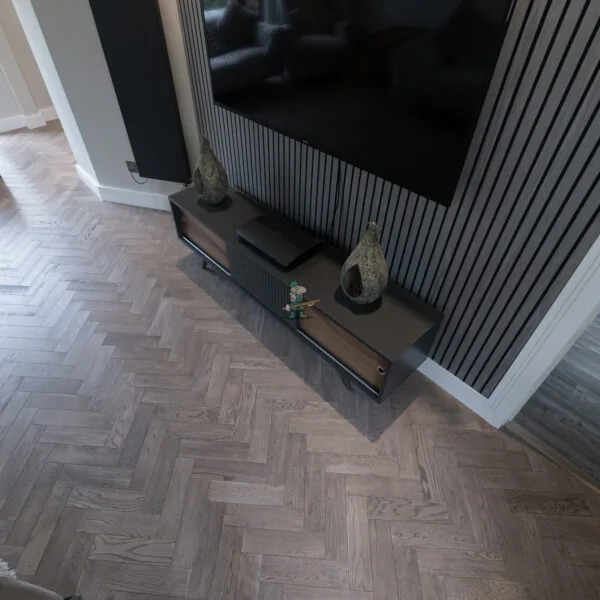
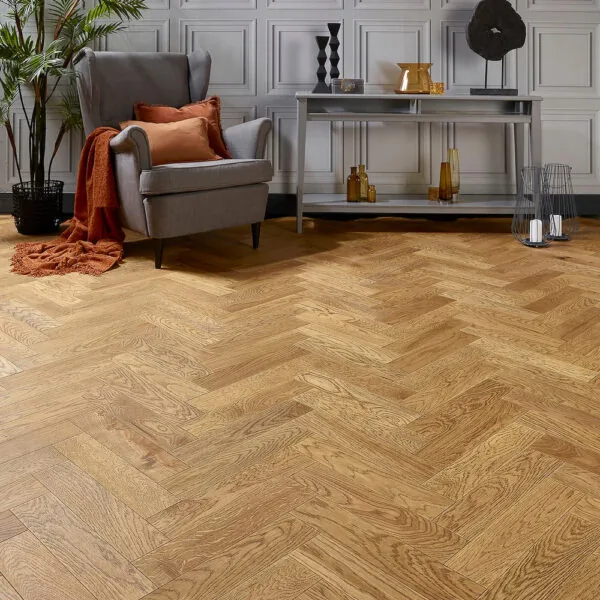
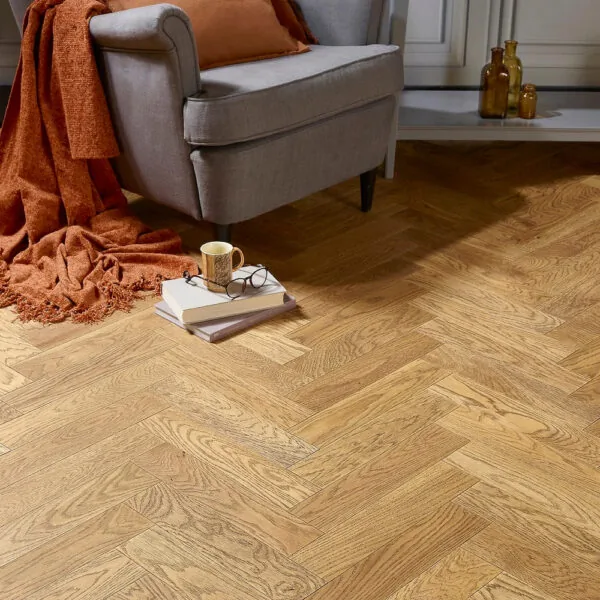
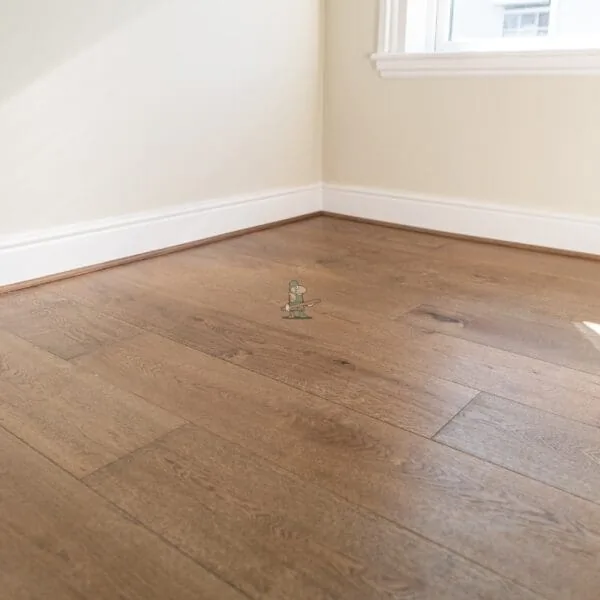
Brushed oak lacquered flooring combines the natural grain and variation of oak with a brushed surface texture and protective lacquer coating. Brushing makes the grain structure more pronounced, while the lacquer provides a surface layer designed to protect the timber from everyday wear.
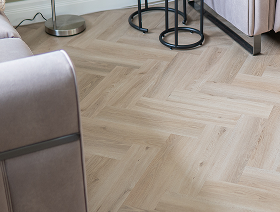
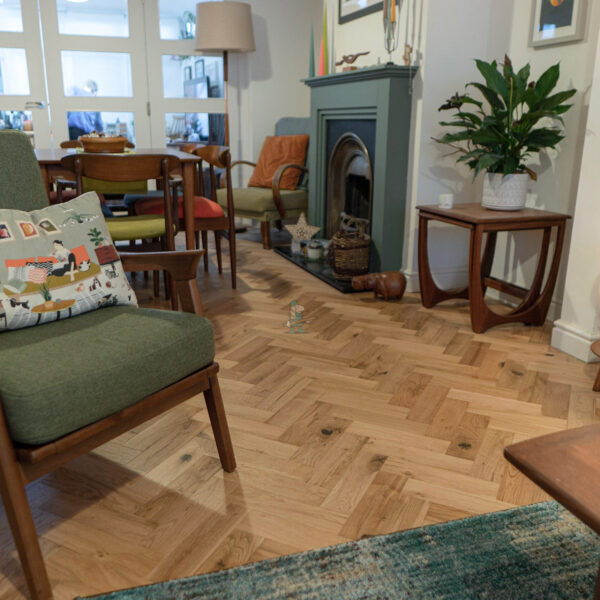
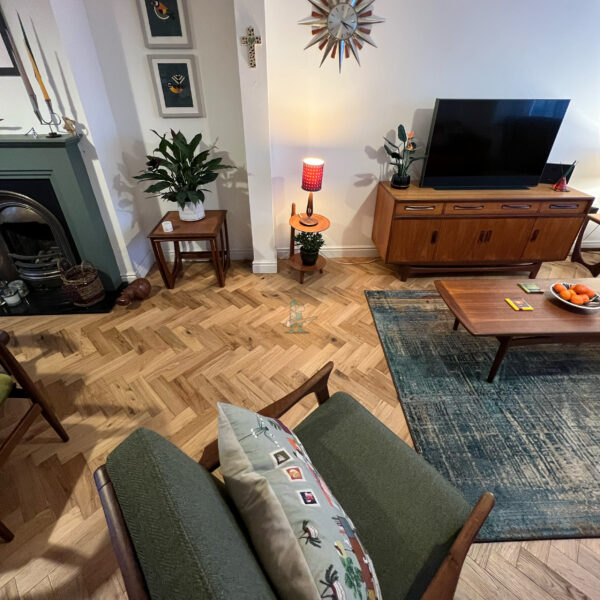
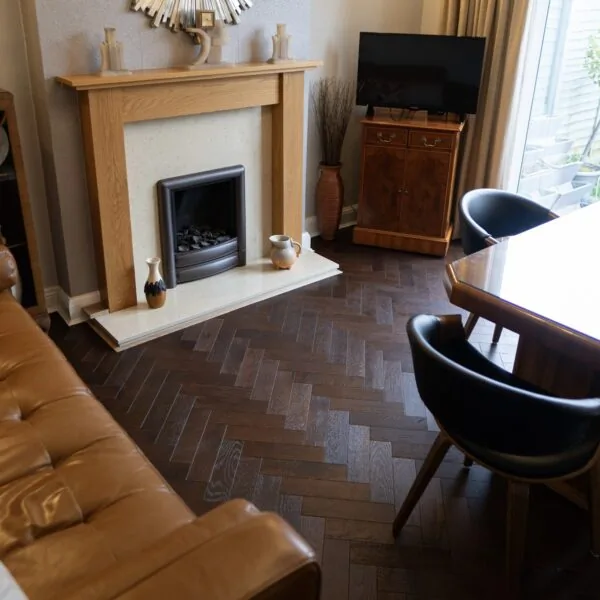
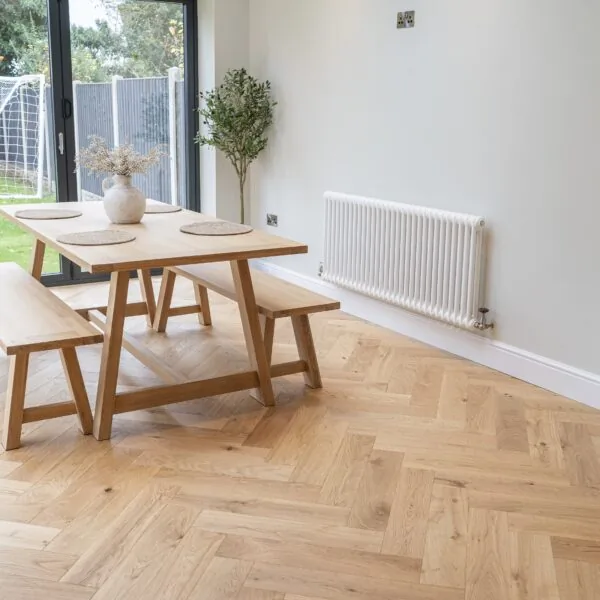
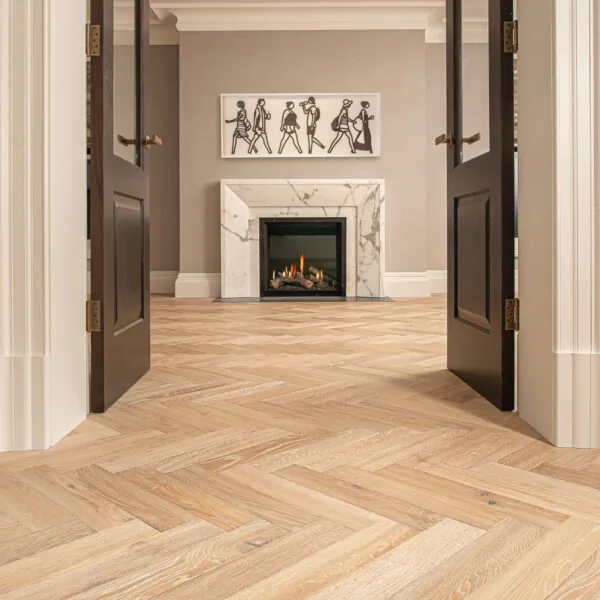
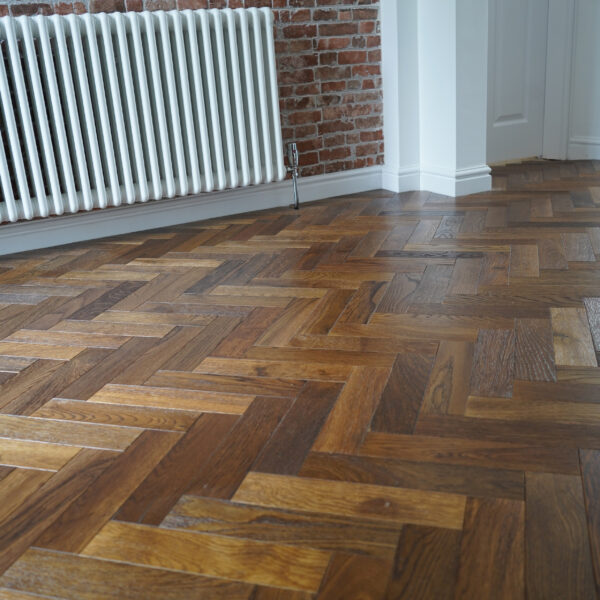
Light brushed oak lacquered flooring can create a brighter appearance, while medium oak tones can introduce warmth and contrast. Darker finishes can provide greater depth and definition, depending on the room’s natural light and surrounding colours.
Brushed matt lacquered flooring uses a lower-sheen lacquer finish, giving the surface a more understated appearance than higher-gloss finishes. The final look will depend on the oak grade, colour, brushing technique and type of lacquer used, so samples can be useful when comparing different options.
How to Choose the Right Brushed Lacquered Floor?
Before choosing brushed and lacquered flooring, consider the colour, plank size, sheen level, surface texture and amount of foot traffic the room receives. Lighter finishes can create a brighter appearance, while darker tones can introduce more contrast and depth.
The level of brushing is another important consideration. Some finishes have subtle grain definition, while others create a more pronounced texture across the surface. Look at samples to compare how the brushing affects the appearance of the timber.
The lacquer finish can also influence the overall look. A matt lacquer generally produces a lower-sheen appearance, while higher-sheen finishes reflect more light from the surface. Consider the sheen alongside the wood colour, room lighting and surrounding furniture.
Finally, check the individual product’s wear rating, maintenance requirements and suitability for the intended room before making a decision. These specifications can vary between brushed and lacquered flooring products.