
What Is Extra-Wide Wood Flooring?
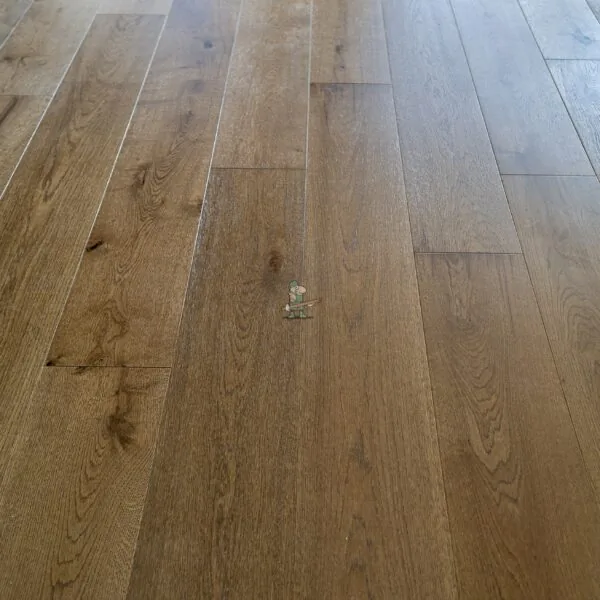
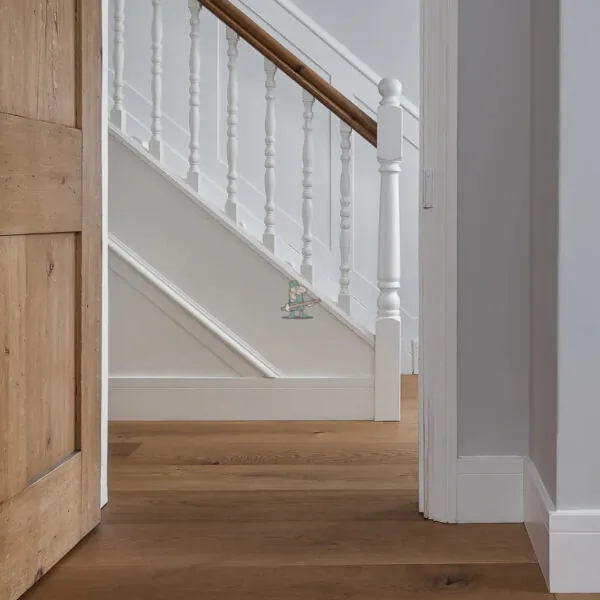
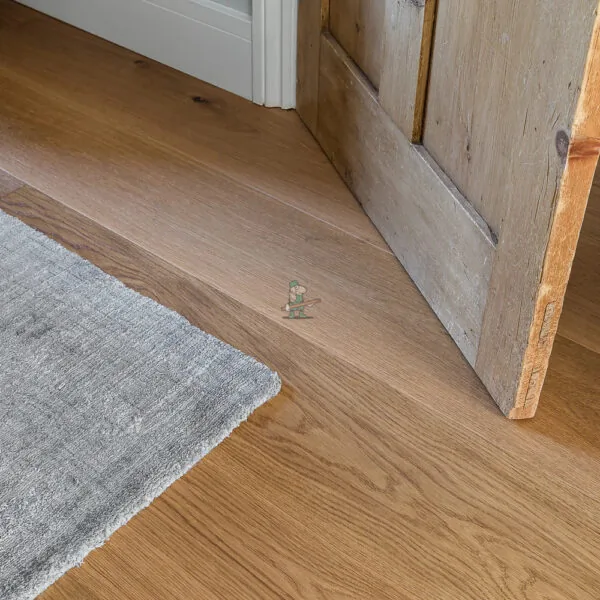
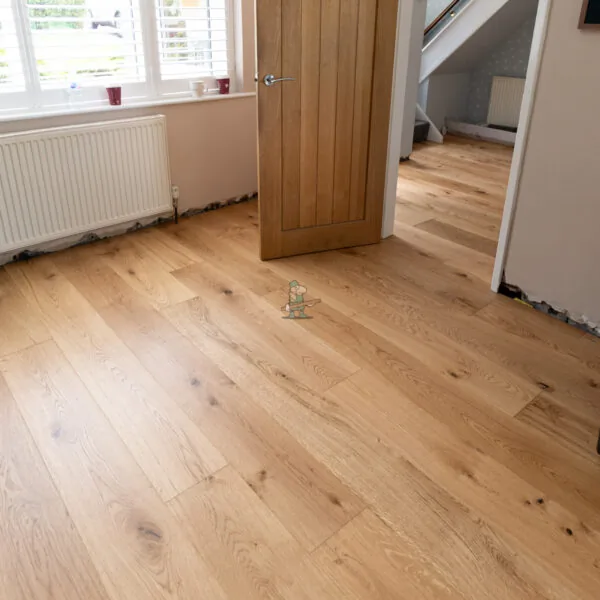
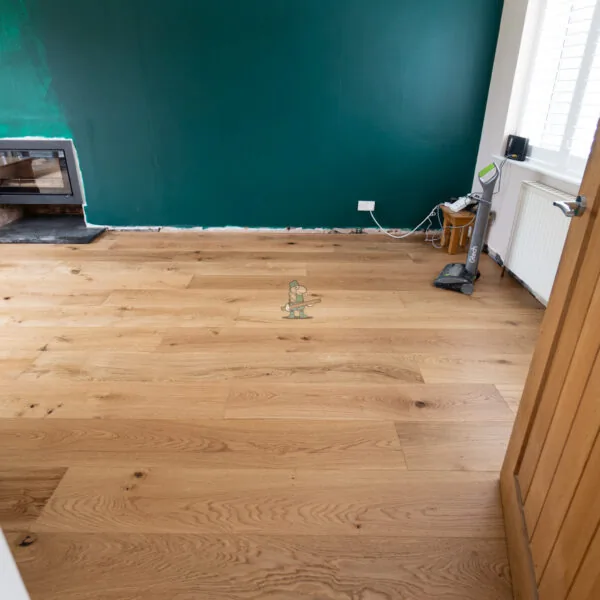
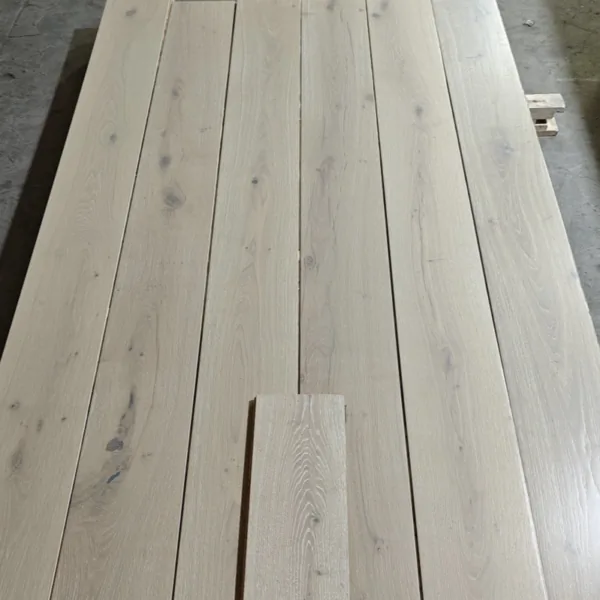
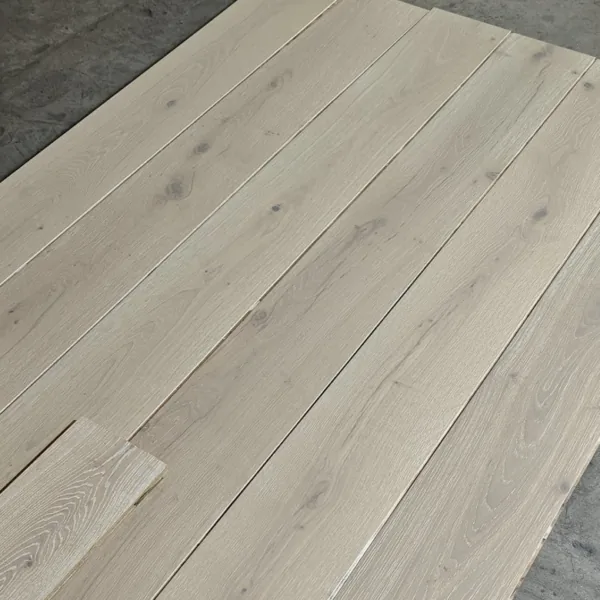
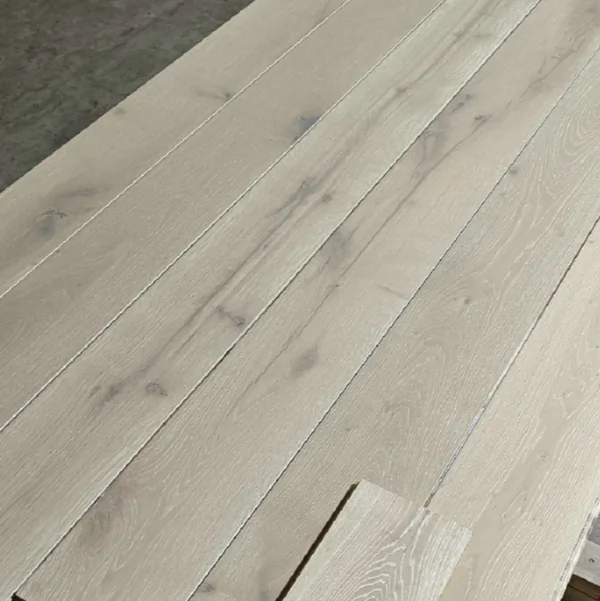
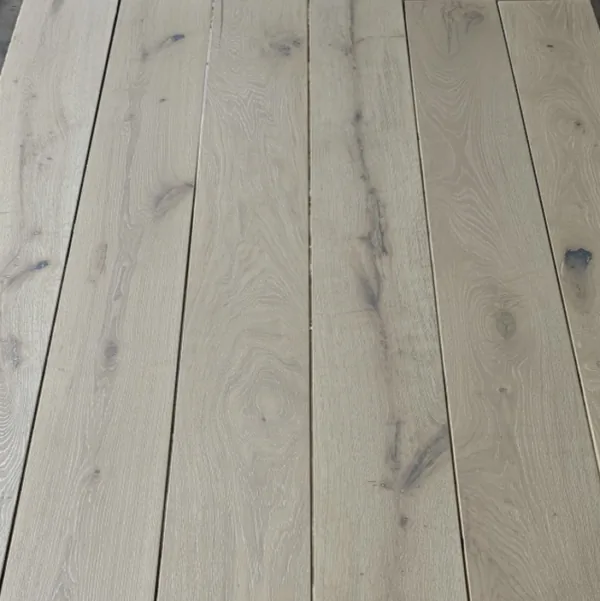
Extra-wide wood flooring uses boards that are noticeably wider than conventional plank formats. For this range, extra-wide boards are defined as those measuring over 211mm wide, although plank-width classifications can vary between manufacturers.
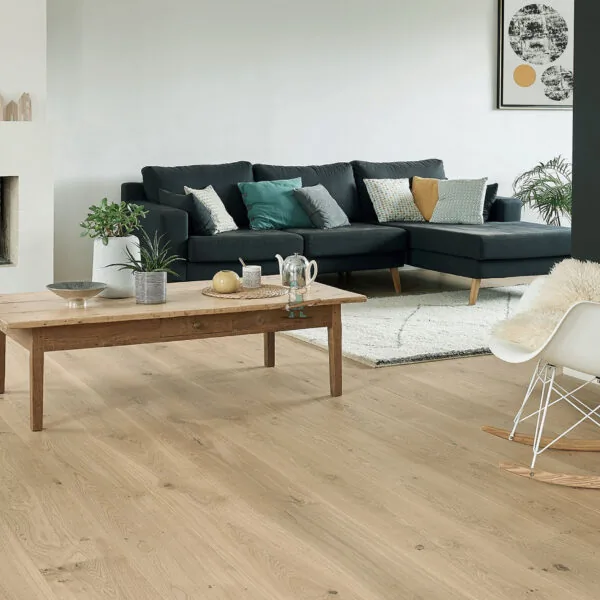
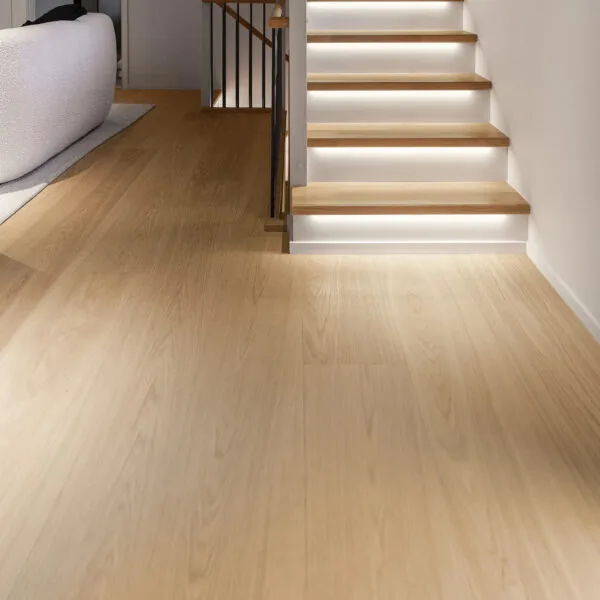
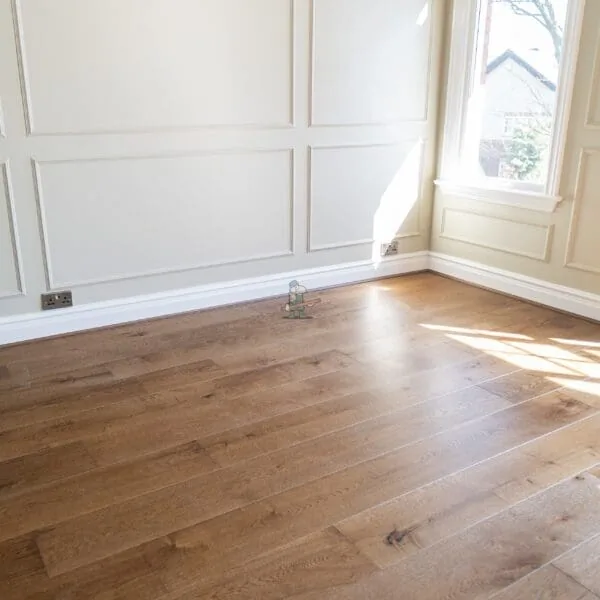
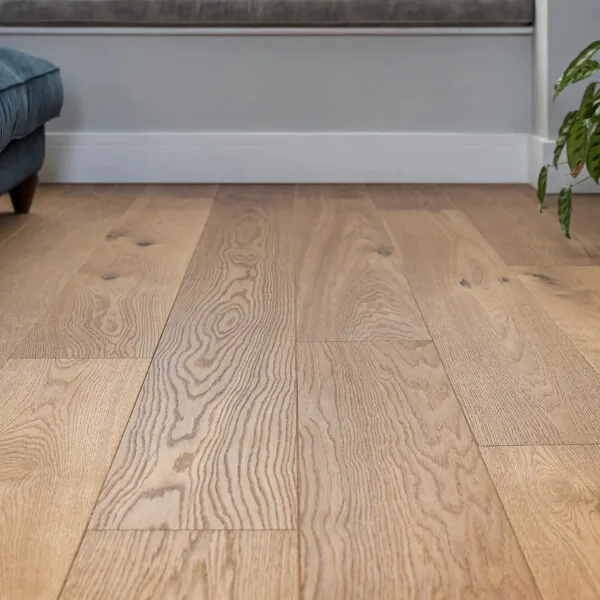
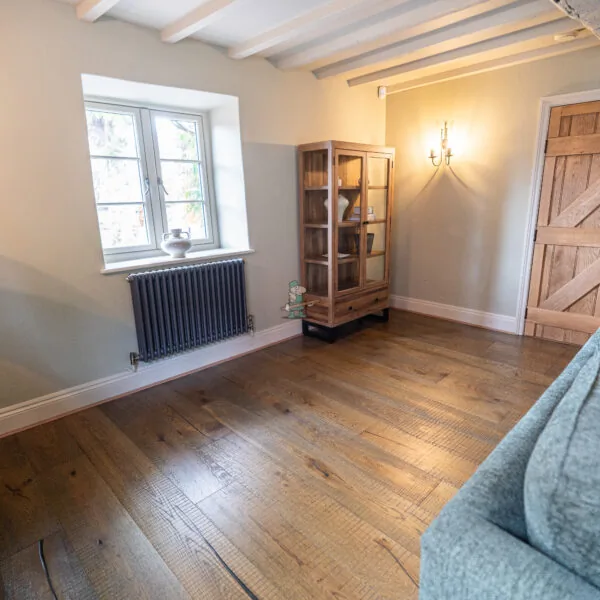
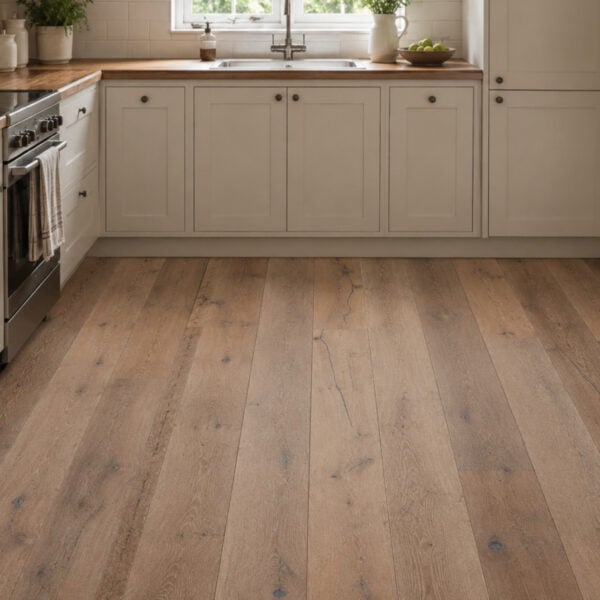
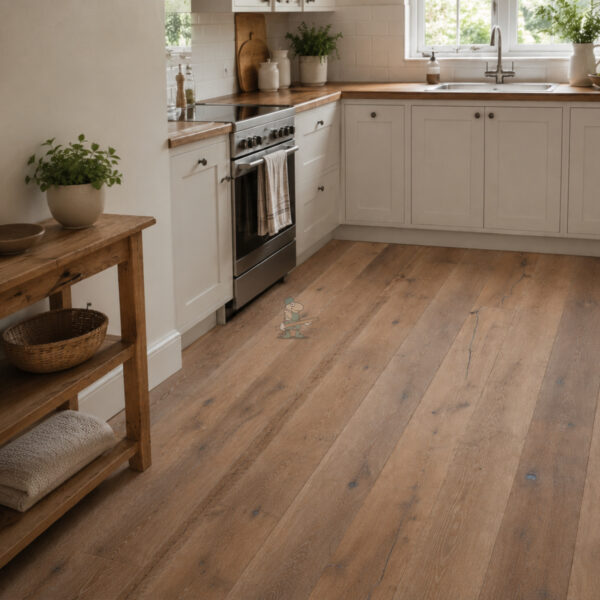
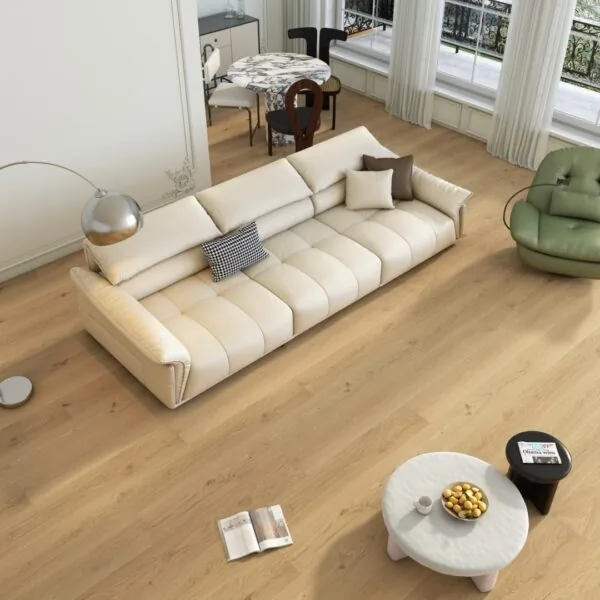
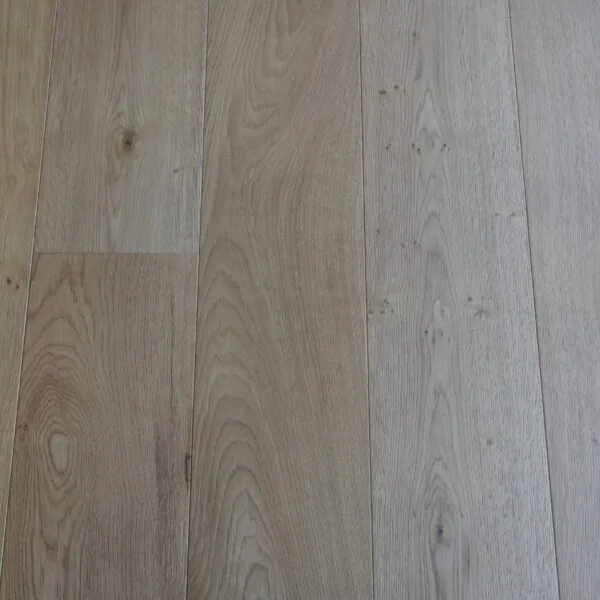
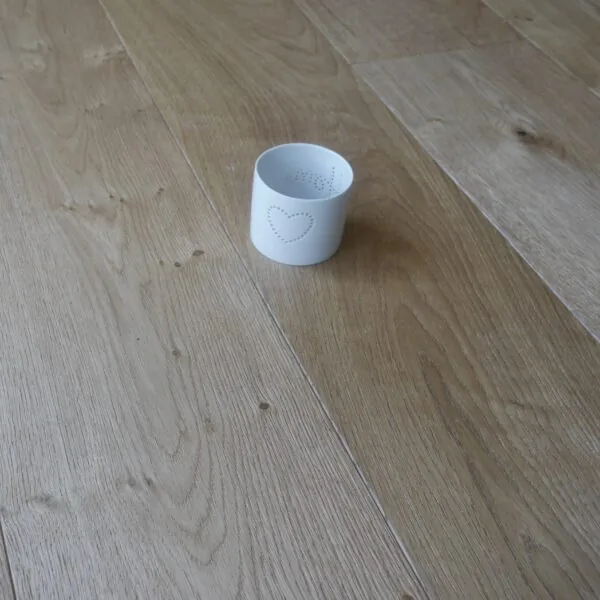
The wider boards create fewer joins across the floor, giving the surface a more continuous appearance and allowing larger sections of the timber’s natural grain and character to be seen. This can be particularly effective in spacious living rooms, open-plan kitchen-diners and other areas where the floor has a large visual footprint.
When choosing extra-wide flooring, consider the proportions of the room, board length, installation method and the appearance of the individual planks. Wider boards can have a stronger visual impact, so the colour, grade and finish of the flooring can significantly influence the overall result.
Extra- Wide Flooring at a Glance
|
Feature
|
What It Means
|
|
Board format
|
Extra wide boards over 211mm
|
|
Best suited to
|
Large rooms, open plan spaces and premium interiors
|
|
Visual effect
|
Spacious, calm, luxurious and statement-led
|
|
Popular options
|
Extra wide oak flooring and extra wide engineered wood flooring
|
|
Main benefit
|
Fewer joins and more visible grain detail
|
|
Design style
|
Modern, natural, high-end and architectural
|
Why Choose Extra- Wide Floorboards?
Extra-wide floorboards can be useful when you want the flooring to have a strong visual presence without creating a busy pattern across the room. Because each board covers more surface area, there are fewer joins than with narrower planks, creating a more continuous appearance.
Extra-wide flooring can be suitable if you want:
- Fewer visible joins across the floor
- Larger sections of natural grain and colour variation
- A floor that complements large rooms and open-plan layouts
- Longer boards that can emphasise the proportions of a room
- A more continuous appearance across larger floor areas
- A flooring style that works as a prominent part of the overall interior design
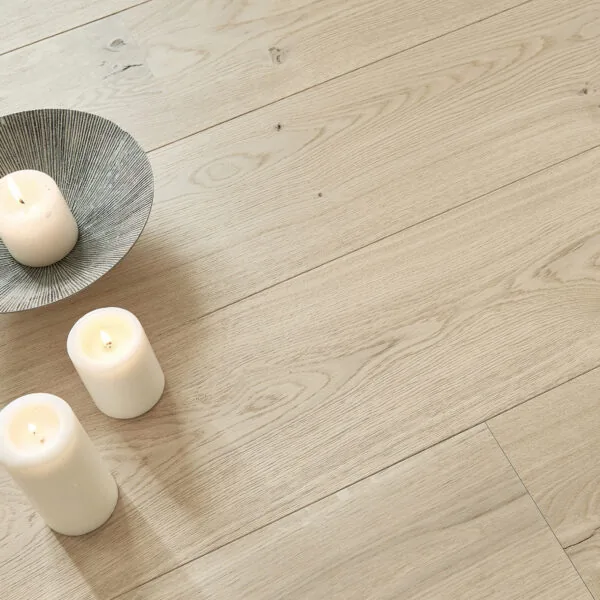
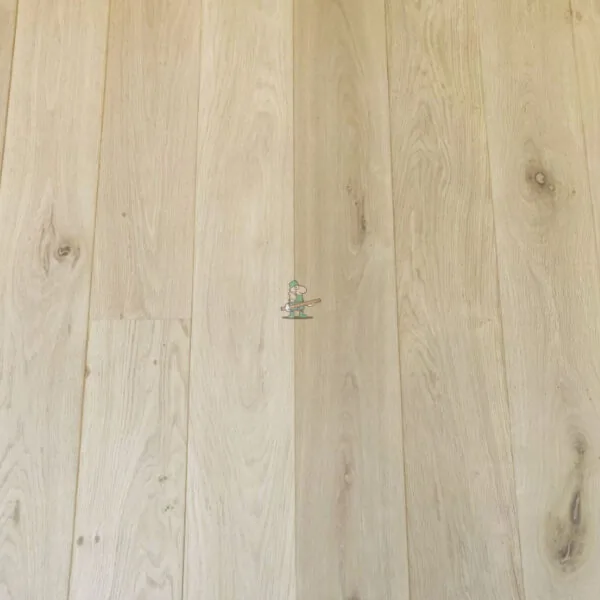
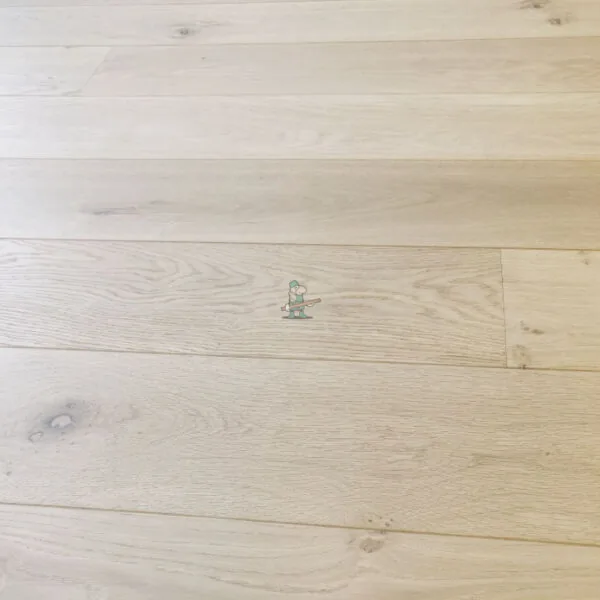
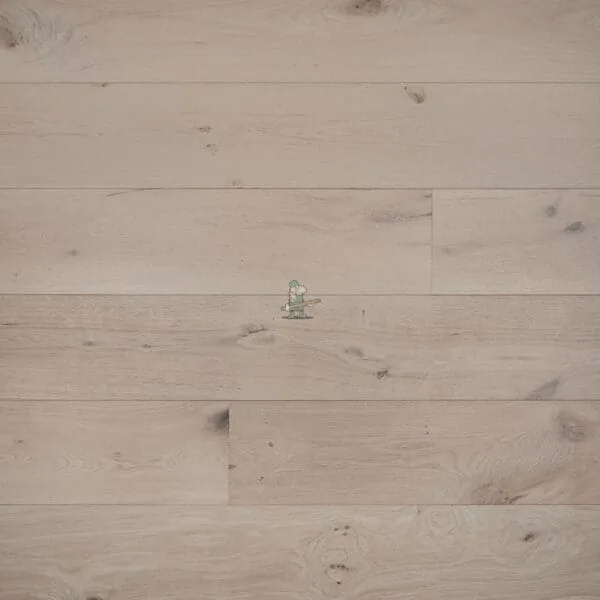
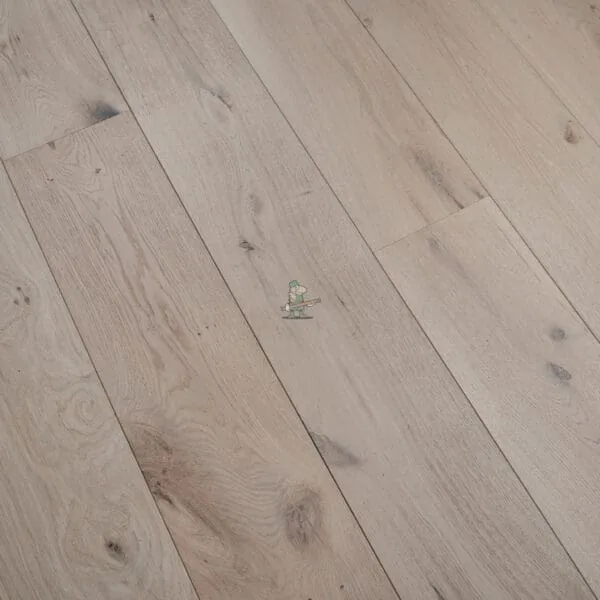
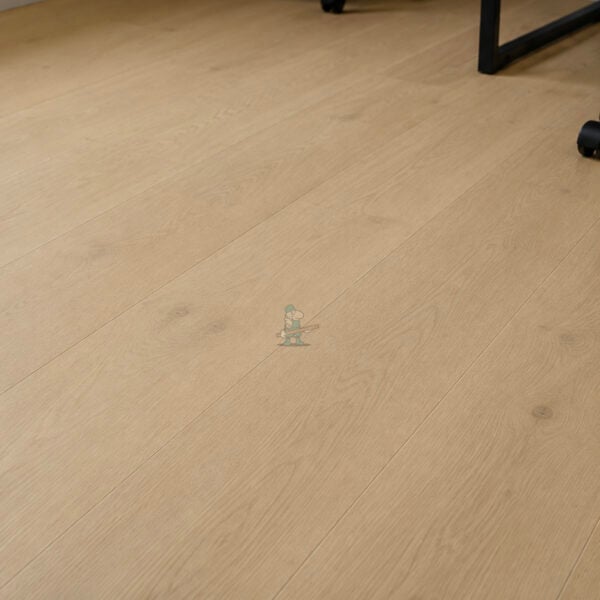
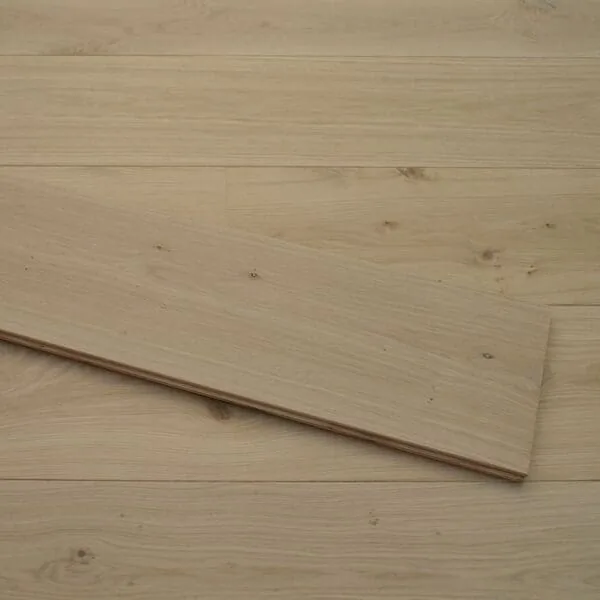
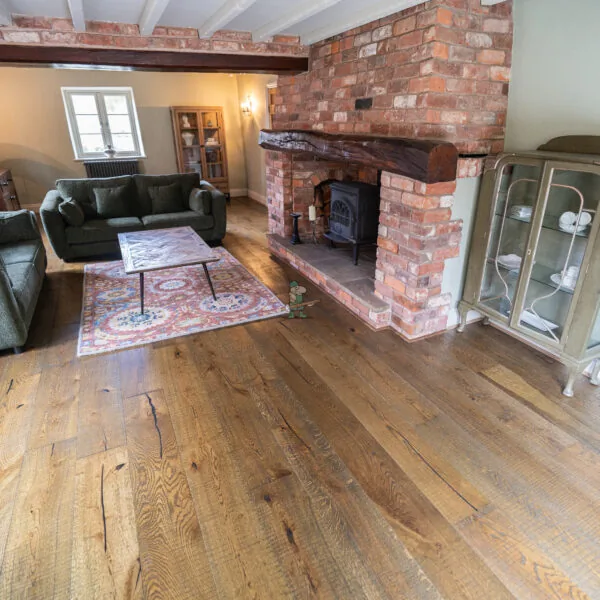
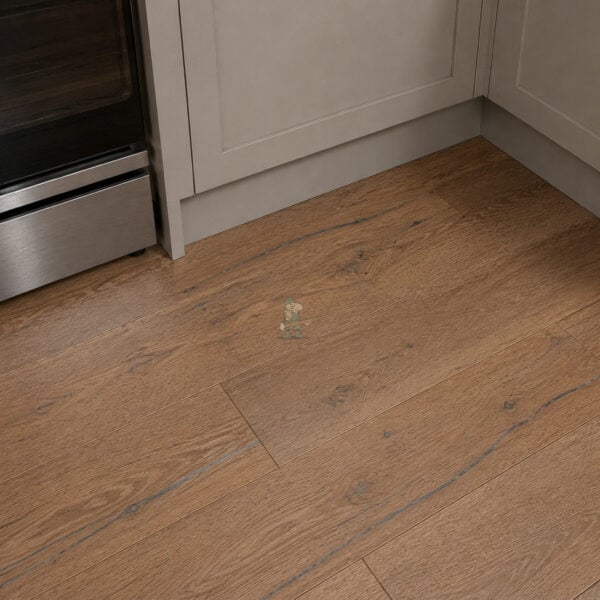
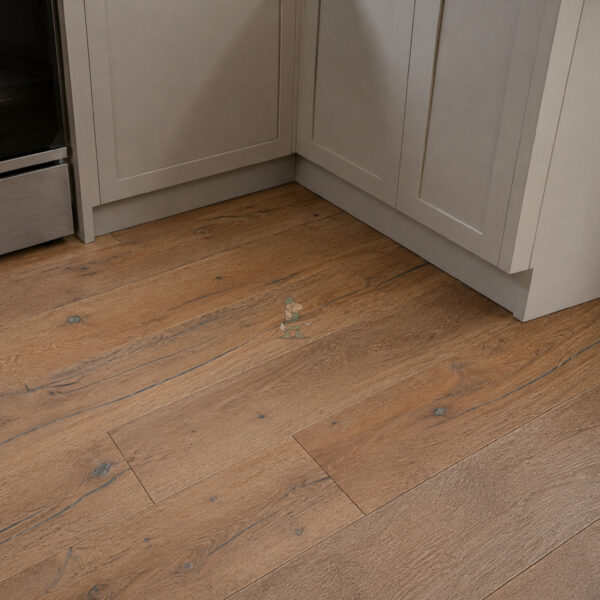
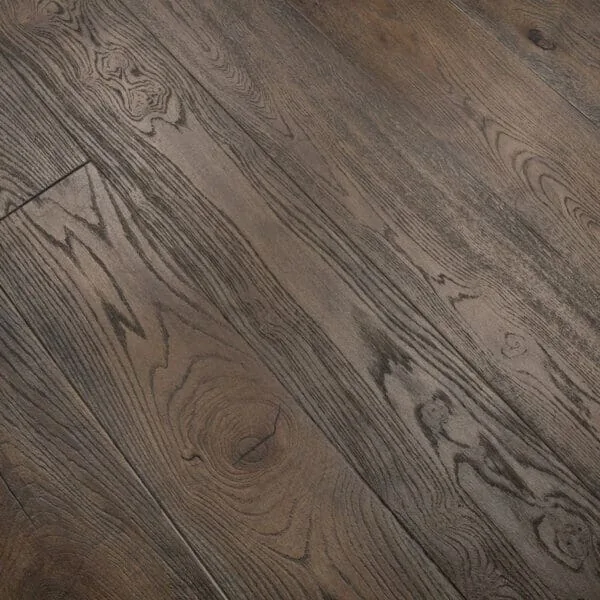
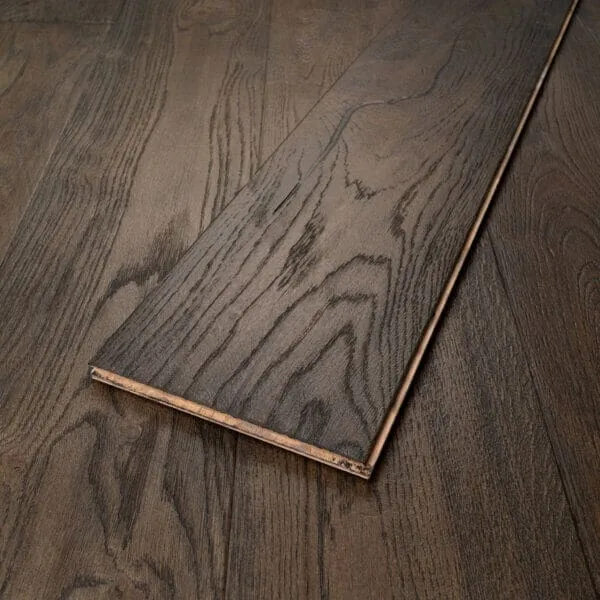
The wider board format can also make natural timber characteristics more noticeable. In oak flooring, for example, a larger board face can provide more space for grain variation, knots and changes in tone to be visible within each individual plank.
The effect will vary depending on the wood species, grade, colour, finish and board length, so these factors should be considered alongside plank width when choosing extra-wide flooring.
Extra- Wide Engineered Wood Flooring
Extra-wide engineered wood flooring combines a real hardwood surface with a layered core, providing the appearance and character of natural timber with greater dimensional stability than solid wood. This can be particularly relevant with wider boards, where changes in temperature, humidity and subfloor conditions can have a greater effect on the flooring.
The construction of engineered wood can make it suitable for larger rooms, living spaces, dining areas and open-plan interiors where wider boards are being considered. However, suitability depends on the individual product, so installation requirements, subfloor conditions, acclimatisation and underfloor heating compatibility should be checked before installation.
If you want the appearance of real wood in a wider board format, compare the construction, wear layer, board dimensions and installation requirements of each engineered wood product rather than choosing based on width alone.
Extra- Wide Oak Flooring
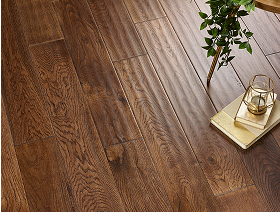
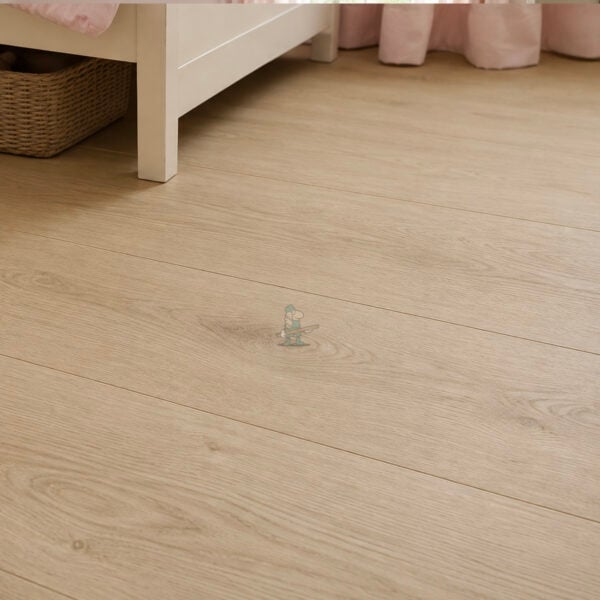
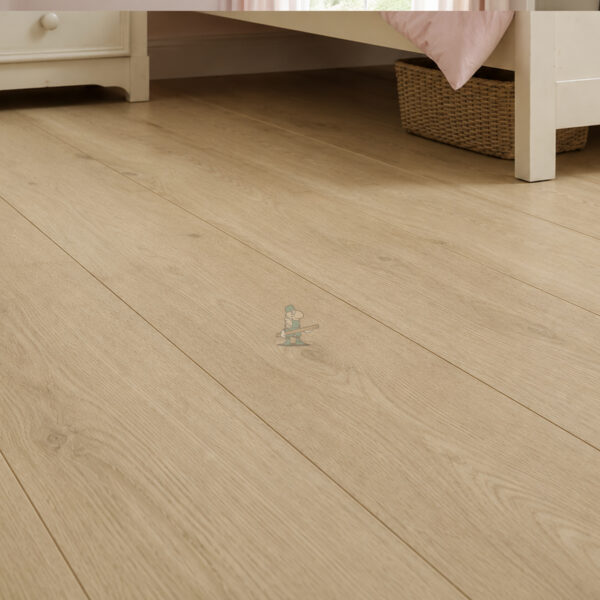
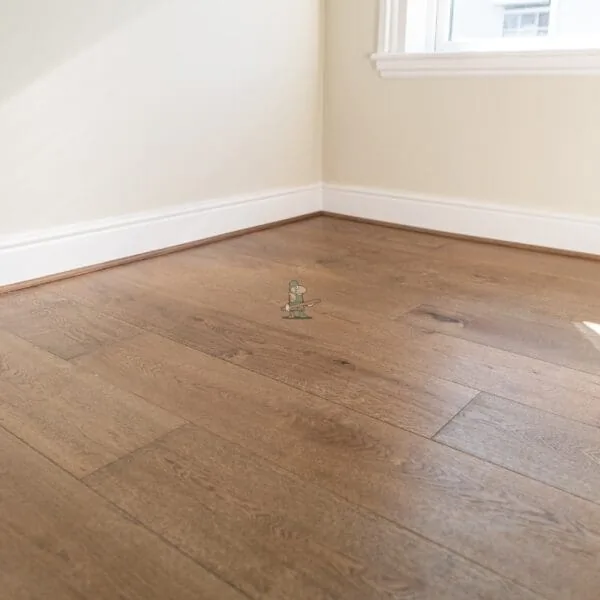
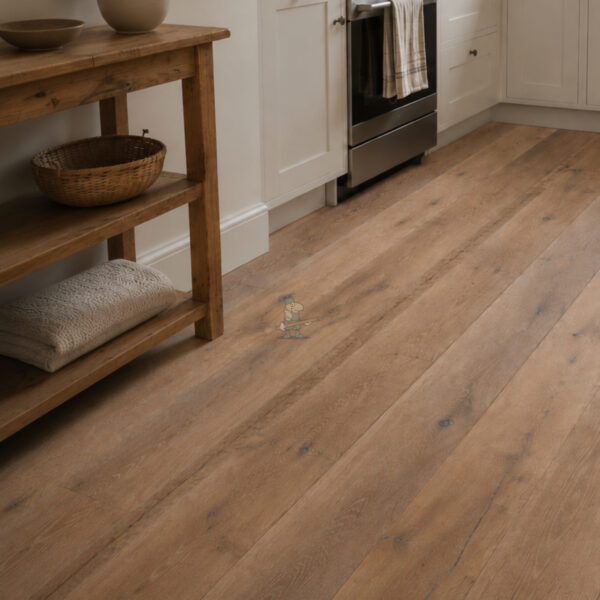
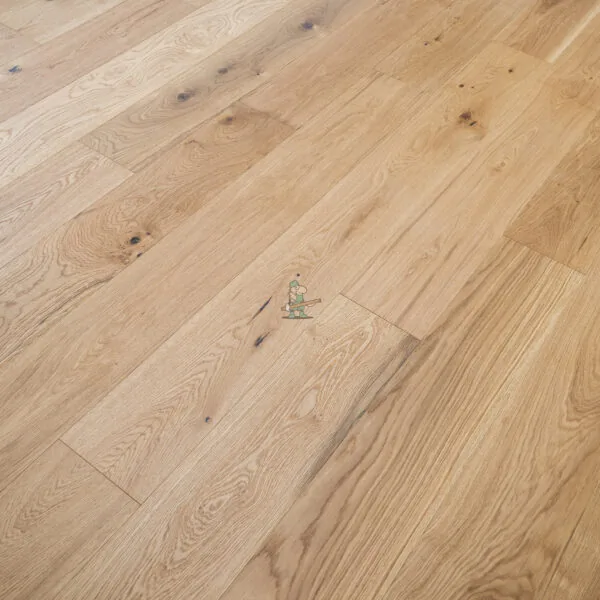
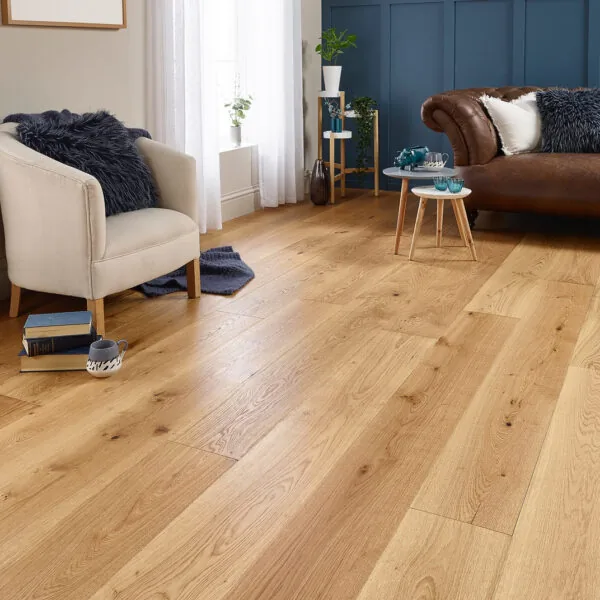
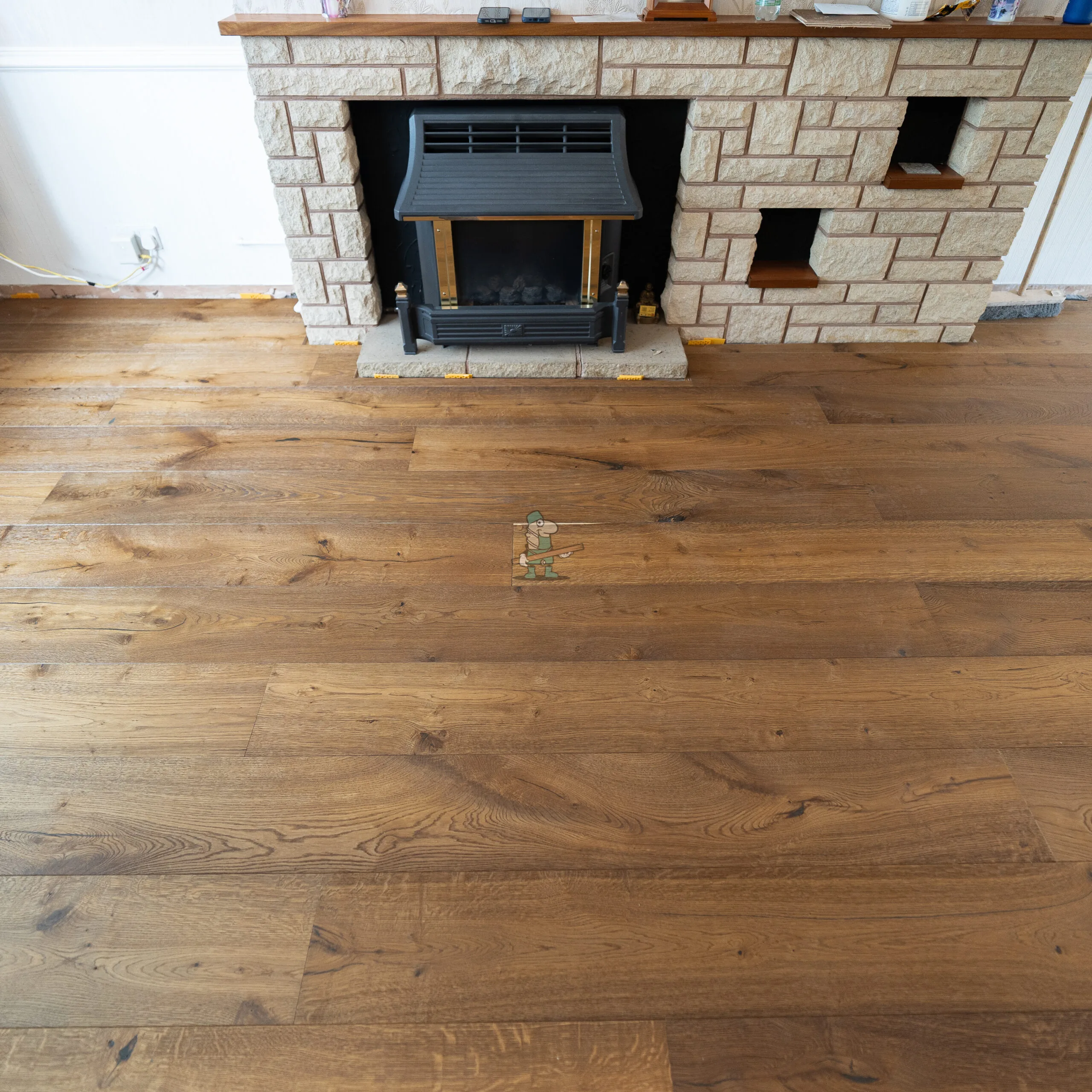
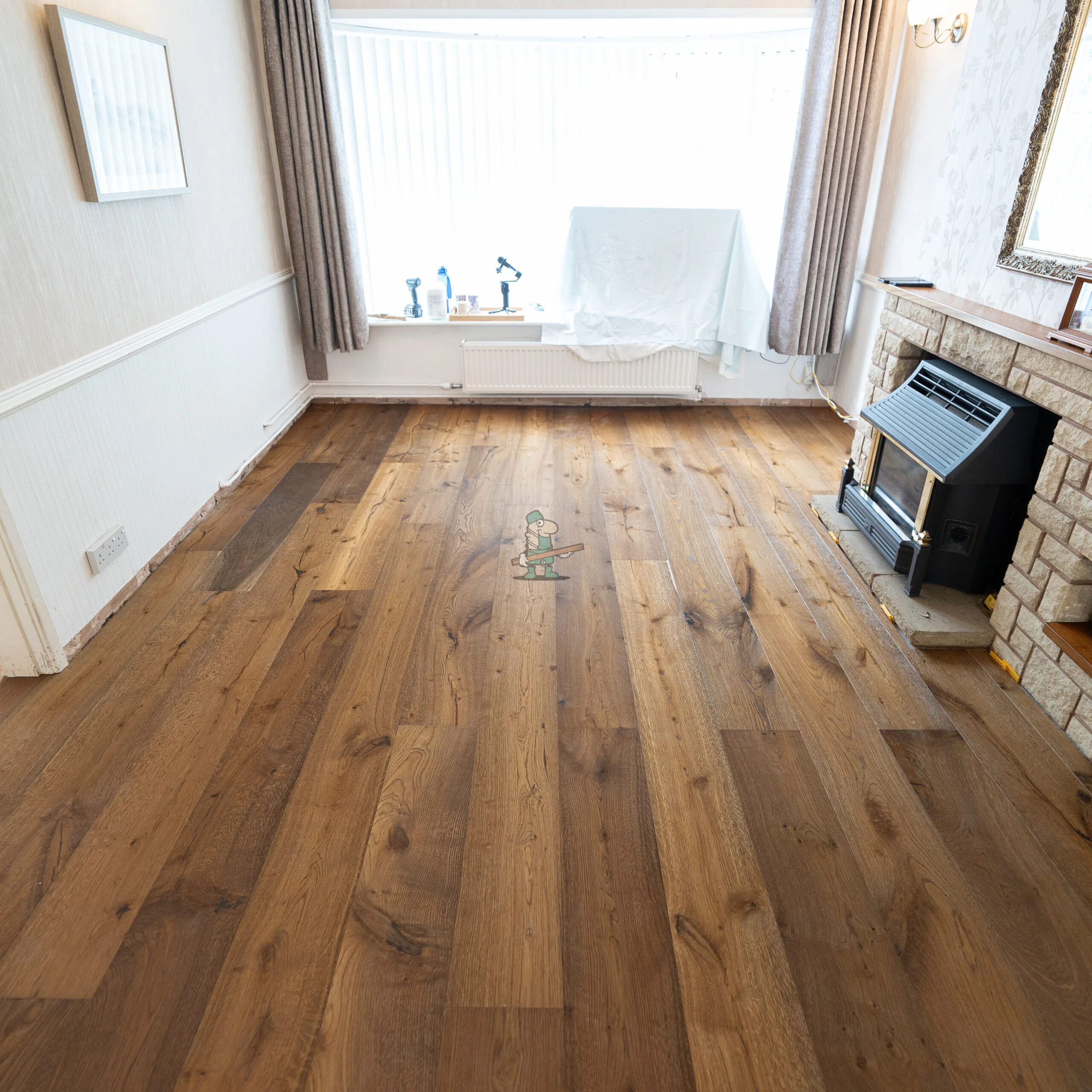
Extra-wide oak flooring allows more of the timber’s natural grain, knots and colour variation to be visible across each individual board. Oak is available in a range of grades, colours and finishes, so the appearance of an extra-wide oak floor can vary significantly between products.
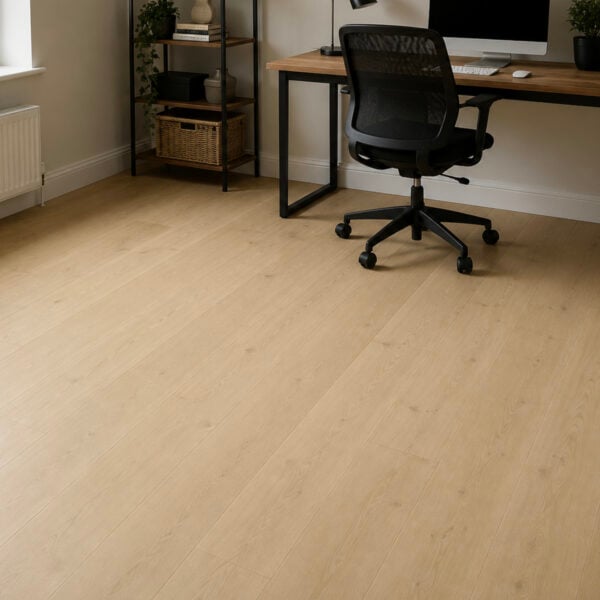
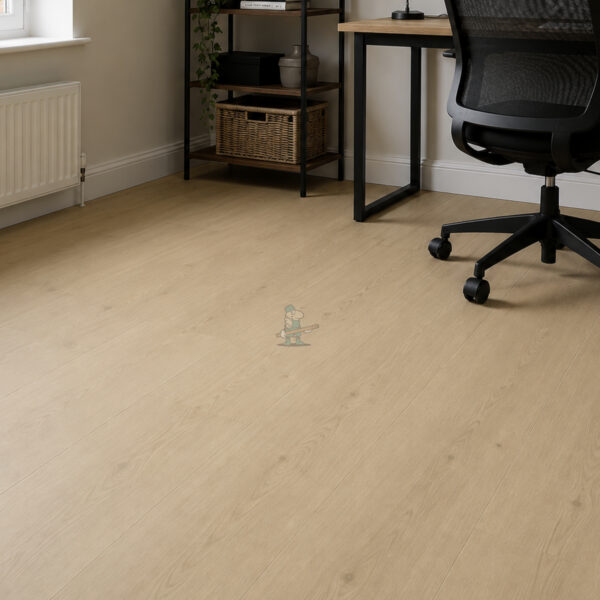
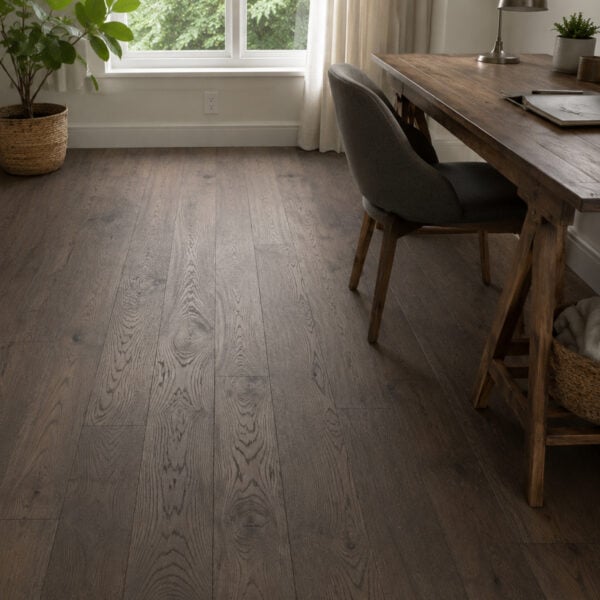
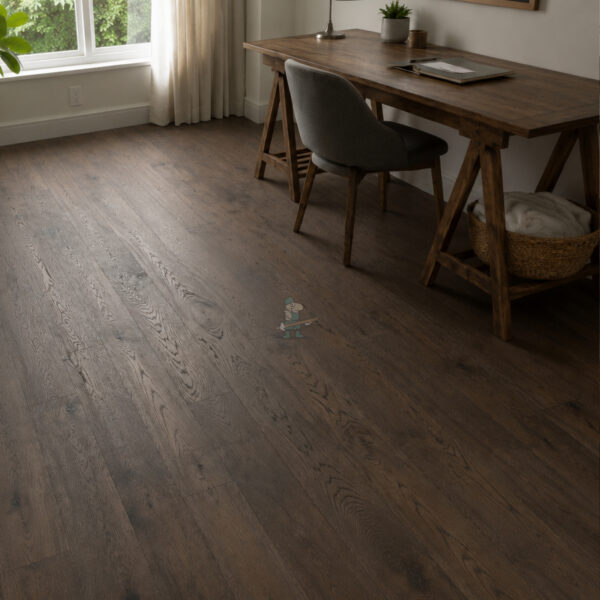
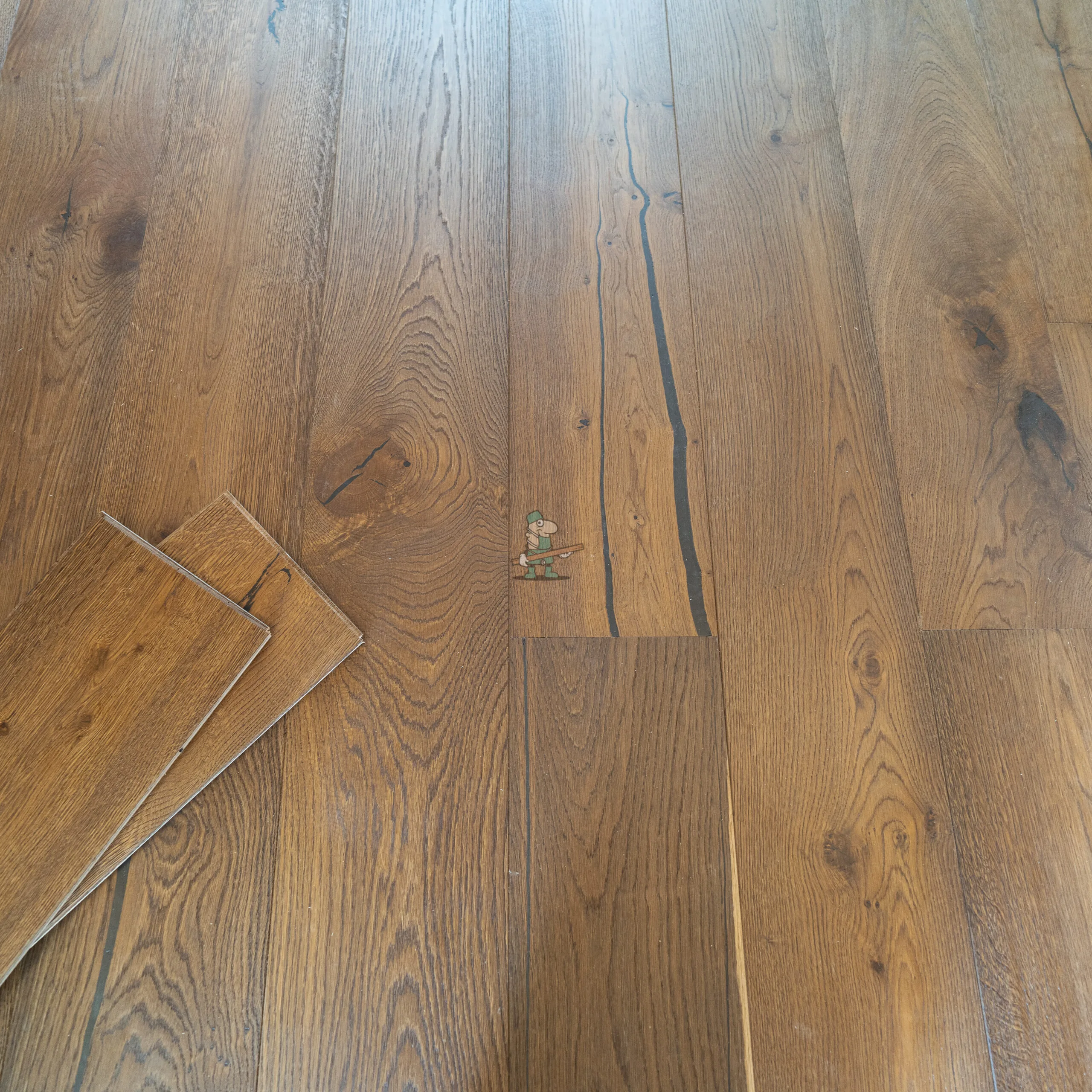
Light oak finishes can help create a brighter appearance, while medium and darker tones can introduce more warmth and contrast. The finish and surface treatment will also affect how prominently the natural grain and texture are displayed.
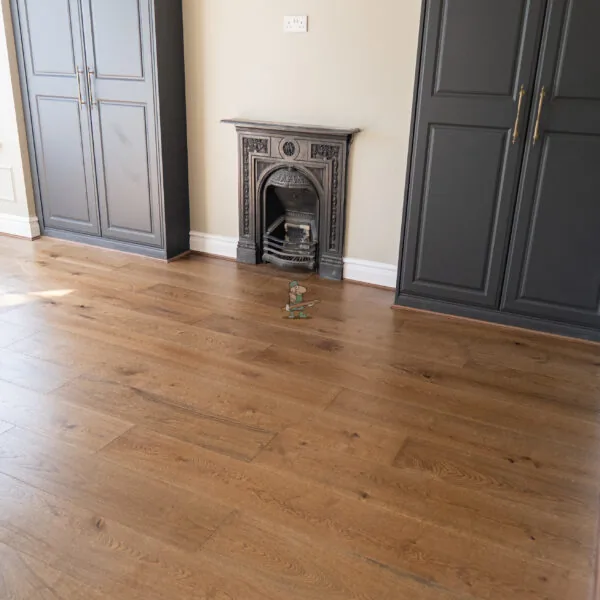
Extra-wide oak flooring can suit both contemporary and traditional interiors. The overall appearance will depend on factors such as board width and length, colour, grade, surface finish and installation pattern.

Extra- Wide Flooring for Large Rooms
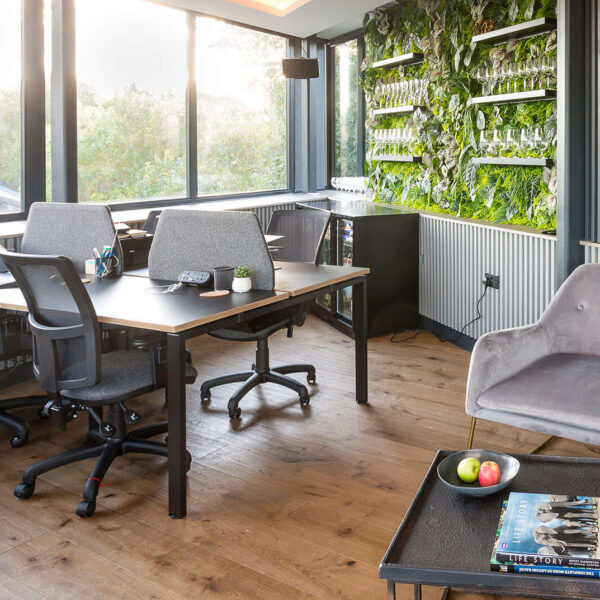
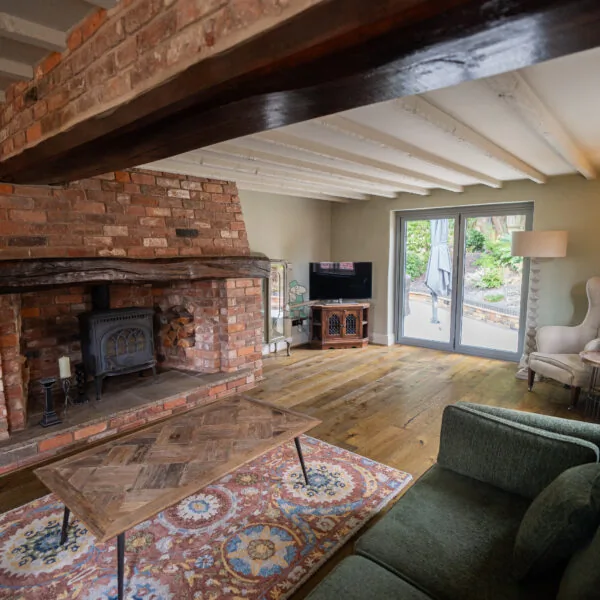
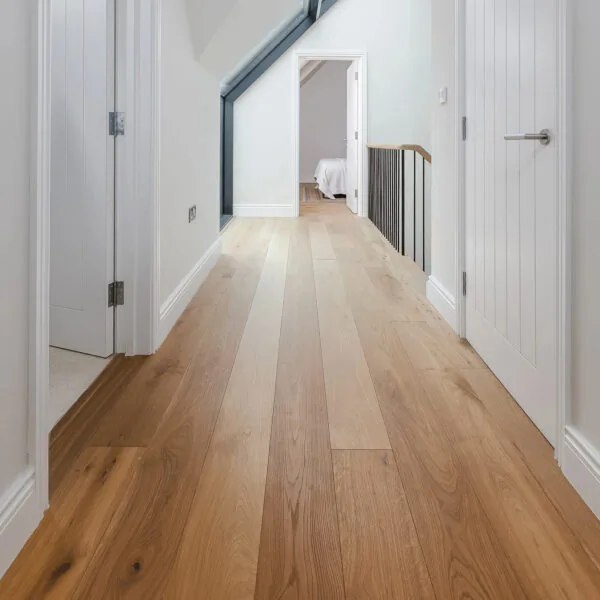
Extra-wide flooring can work particularly well in large rooms and open-plan spaces, where wider boards are more proportionate to the scale of the room. Because each plank covers a larger area, fewer joins are visible across the floor, creating a more continuous appearance.
The overall effect will depend on the room’s dimensions, board length, colour and installation pattern. In larger spaces, combining wider boards with longer plank lengths can help maintain visual consistency across the floor without making the flooring appear overly busy.
|
|
|
Large living rooms
|
The wider boards are proportionate to larger floor areas and create fewer visible joins across the surface, allowing the flooring to become a defined part of the room’s design.
|
|
Dining rooms
|
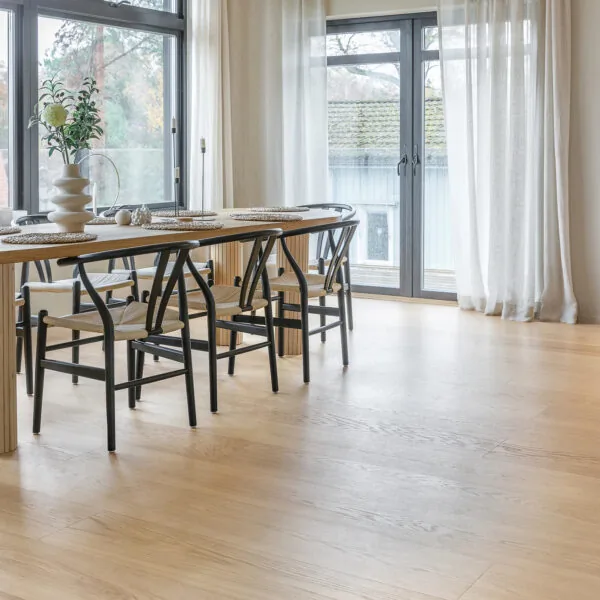
Extra-wide boards can create a more continuous floor surface and provide a suitable backdrop for larger dining furniture and open areas around the table.
|
|
Open-plan kitchen-diners
|
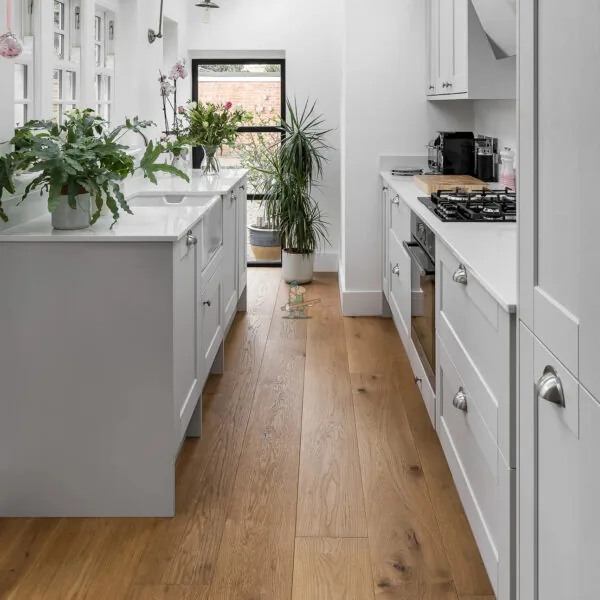
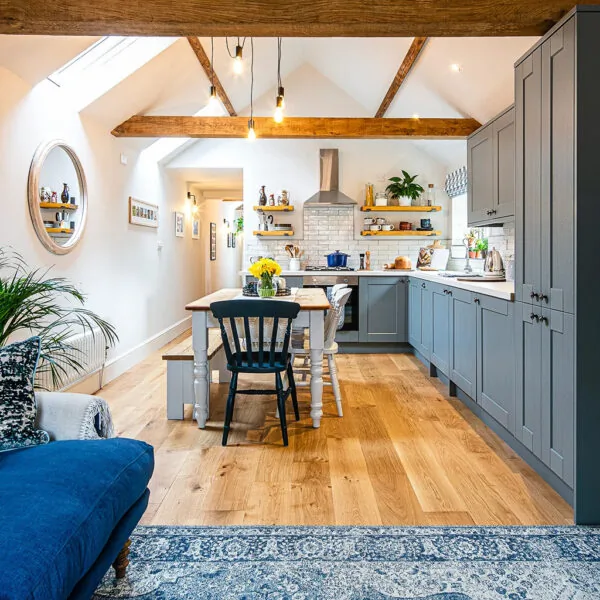
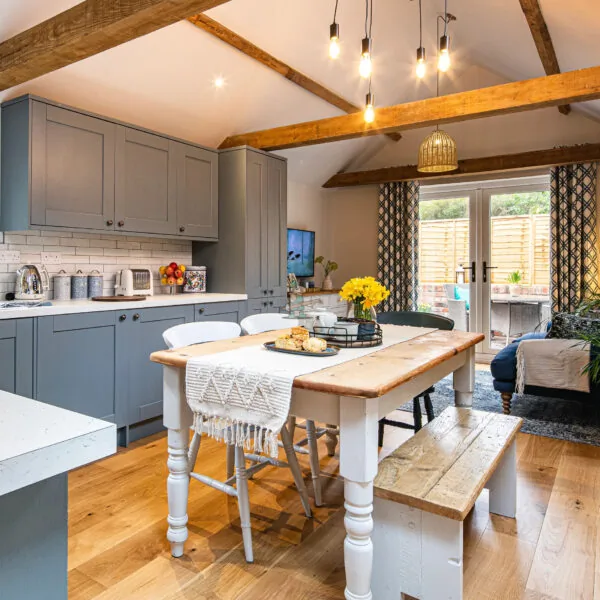
Using the same flooring across connected areas can help create visual continuity between the kitchen, dining and living zones. Wider boards can reinforce this effect by reducing the number of visible joins.
|
|
Large bedrooms
|
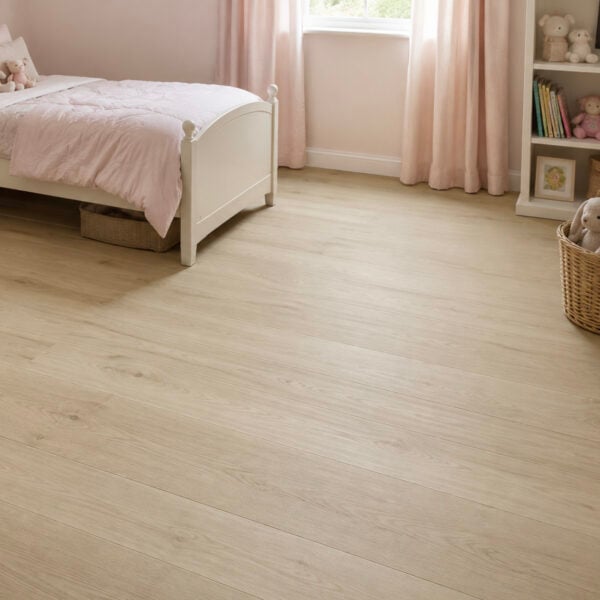
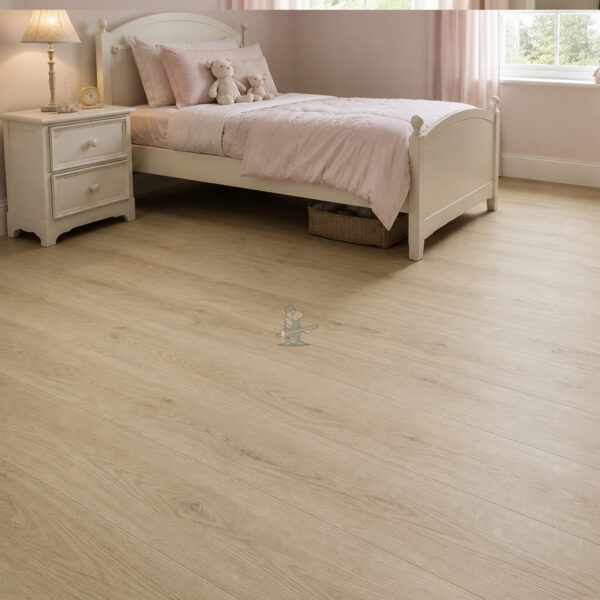
The larger board format can create a less visually busy floor surface, while the choice of colour and finish can influence whether the room feels warmer, brighter or more understated.
|
|
Premium renovation projects
|
Extra-wide flooring can complement properties with generous room proportions, particularly where the floor is intended to work alongside larger architectural features or open spaces.
|
In compact spaces, extra-wide boards can still be used, but their proportions should be considered carefully. A smaller room with limited visible floor area may show fewer full-width boards, so the overall effect can differ from that of a larger space. Colour, board length and installation direction can also influence how the wider format looks within the room.
Extra- Wide Flooring for Open Plan Spaces
Extra-wide flooring can work particularly well in open-plan spaces where the same flooring is used across connected kitchen, dining and living areas. The wider boards and reduced number of visible joins can help create greater visual continuity between each zone.
Fewer plank lines can also give a large floor area a more continuous appearance, particularly where there are few changes in flooring between different parts of the room. The overall effect will depend on the board width, length, colour and surface finish.
The direction in which the boards are installed can further influence the proportions of the space. Running longer boards along the main length of the room can emphasise its dimensions, while the installation direction can also be used to work with the layout of furniture, doorways and other architectural features.
Extra-Wide Plank Flooring vs Standard Boards
Extra-wide flooring creates a different visual effect from standard-width floorboards. The wider boards produce fewer visible joins and a more continuous surface, while standard boards create more individual plank lines and a greater sense of pattern across the floor.
If you want wider boards but prefer a less pronounced format, wide plank flooring can provide a middle ground. It offers some of the visual continuity associated with wider boards while maintaining more visible plank definition than an extra-wide format.
When comparing the options, consider the room’s proportions, the amount of visible floor area, board length, colour and installation direction. These factors can influence the overall appearance as much as plank width.
|
Feature
|
Extra-Wide Plank Flooring |
Standard Boards
|
|
Visual impact
|
Bold, clean appearance |
More traditional and detailed
|
|
Joins
|
Fewer visible joins |
More visible board lines
|
|
Best for
|
Large rooms and open plan spaces |
Smaller rooms or mixed-size spaces
|
|
Grain display
|
More of the natural grain visible on each board |
Less grain visible on each board
|
|
Overall feel
|
More open and continuous |
Classic and versatile
|
In larger rooms, extra-wide flooring can complement the scale of the space and create a more continuous floor surface. In smaller or heavily furnished rooms, a narrower plank width may provide more visible board definition and a more balanced proportion.
How to Choose the Right Extra- Wide Plank Floor
Before choosing extra-wide plank flooring, consider the room’s size and proportions, the amount of natural light, board length, colour, grade and surface finish. Because wider boards expose more of the flooring’s surface, characteristics such as grain variation, knots and changes in tone can be more noticeable.
Lighter oak tones can help create a brighter and more open appearance, while medium and darker finishes can add warmth, contrast and depth. The amount of natural light in the room, as well as the colour of the walls and furniture, can influence how the flooring appears once installed.
Board length is another important consideration. Longer boards can create fewer visible joins and contribute to a more continuous appearance, while shorter boards introduce more plank breaks across the floor. This can be particularly noticeable in large or open-plan spaces where the flooring covers a substantial area.
When comparing extra-wide flooring, consider the relationship between board width and length rather than choosing based on width alone. The proportions of the boards should work with the size and layout of the room.