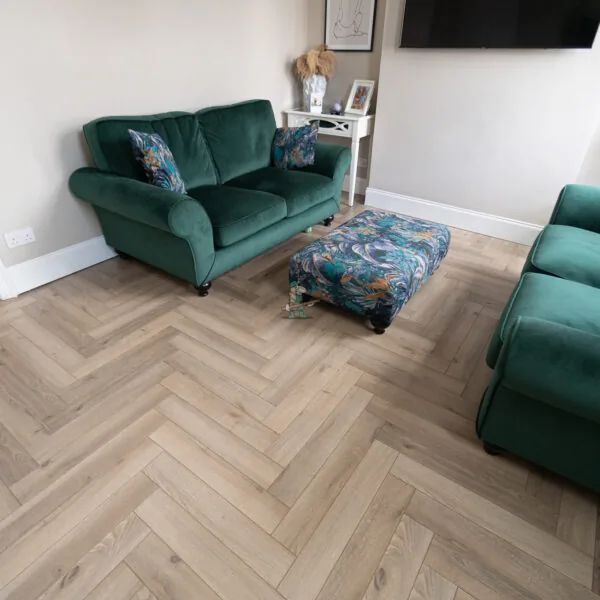
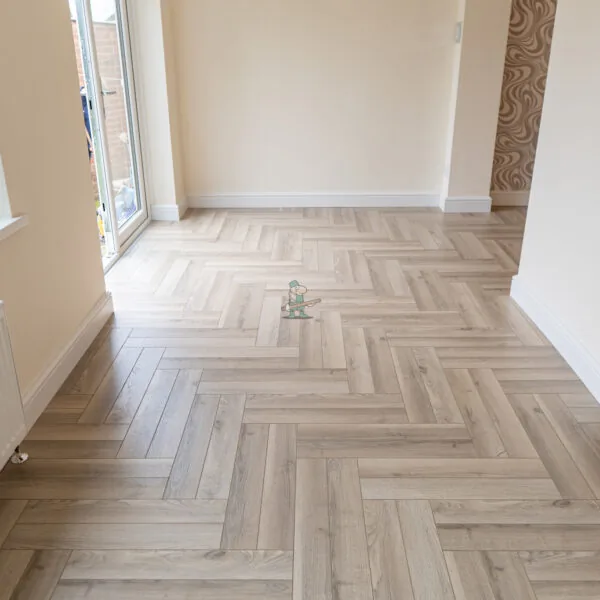
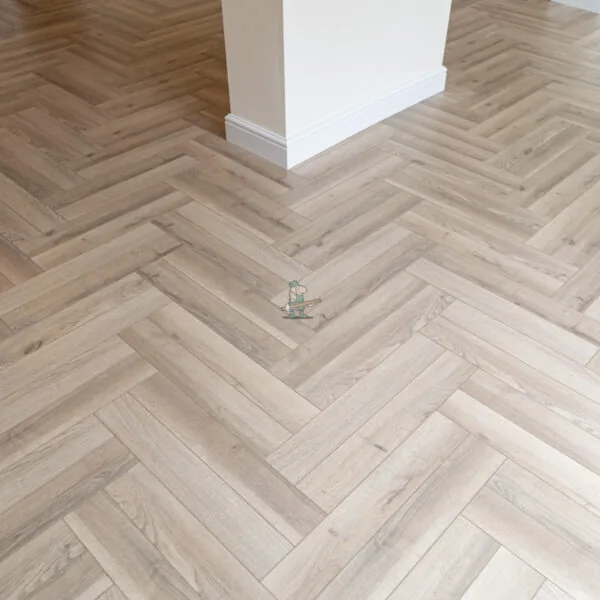
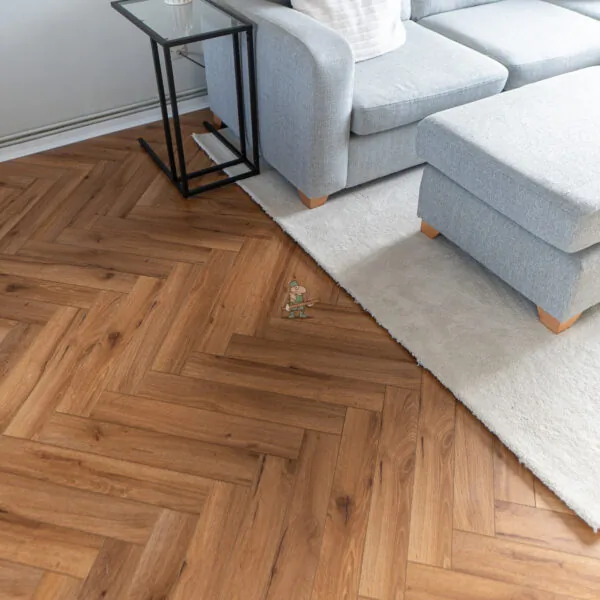
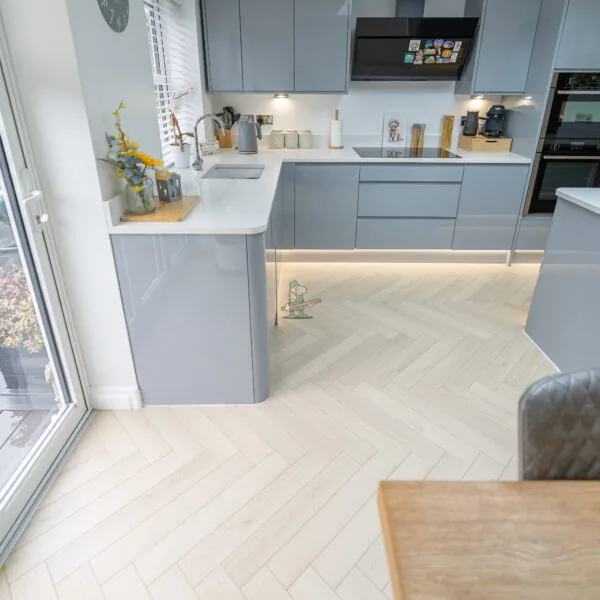
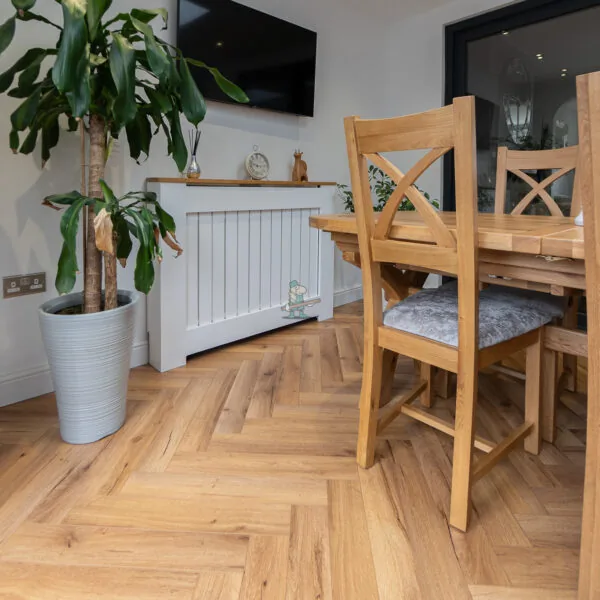
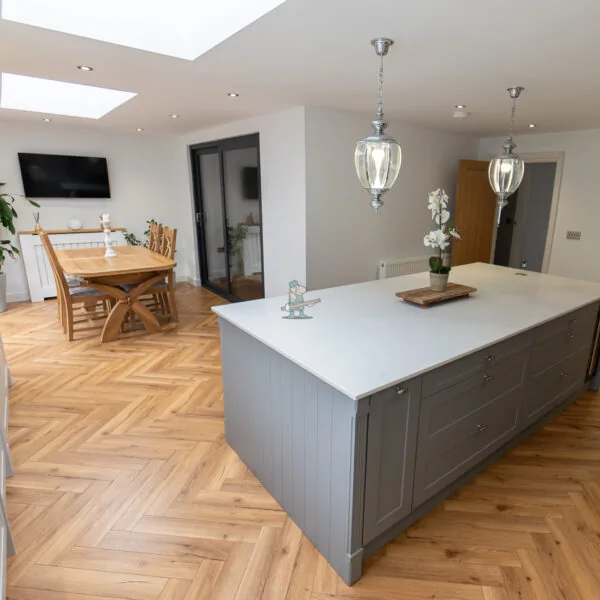
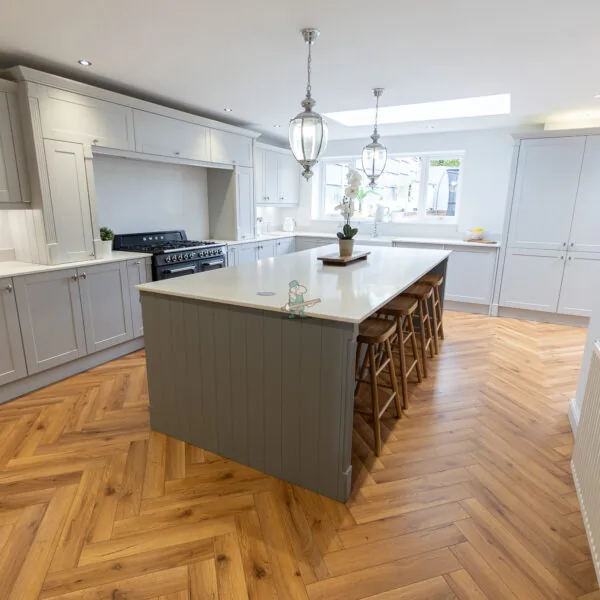
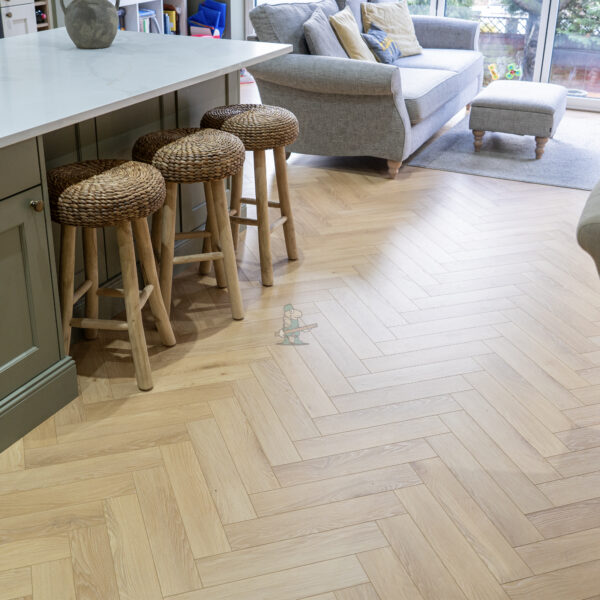
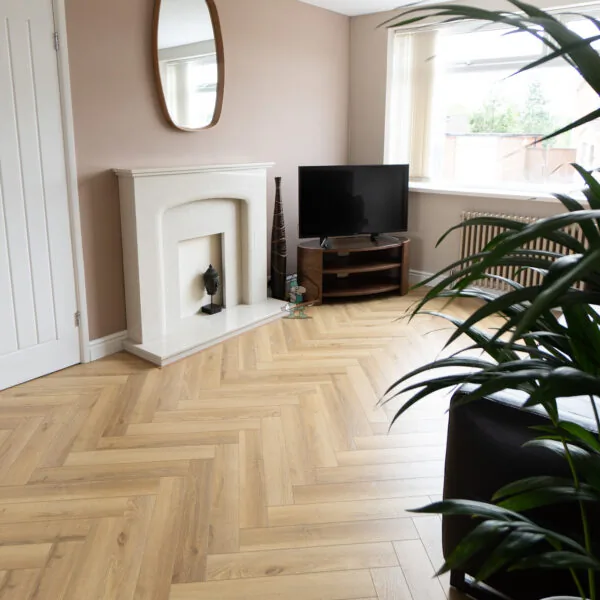
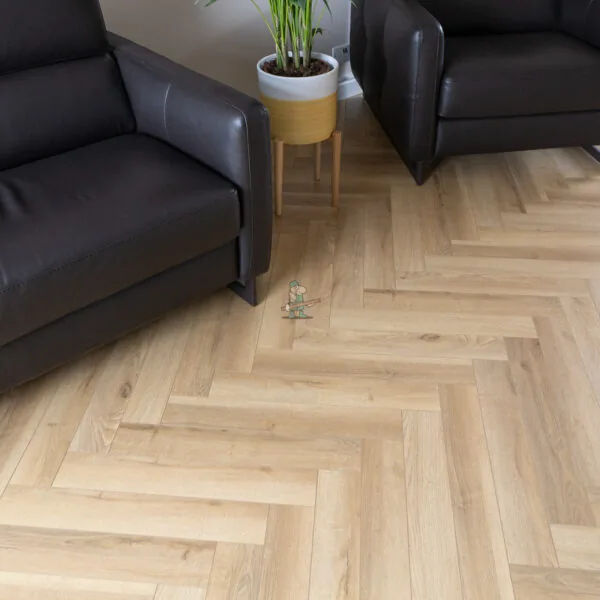
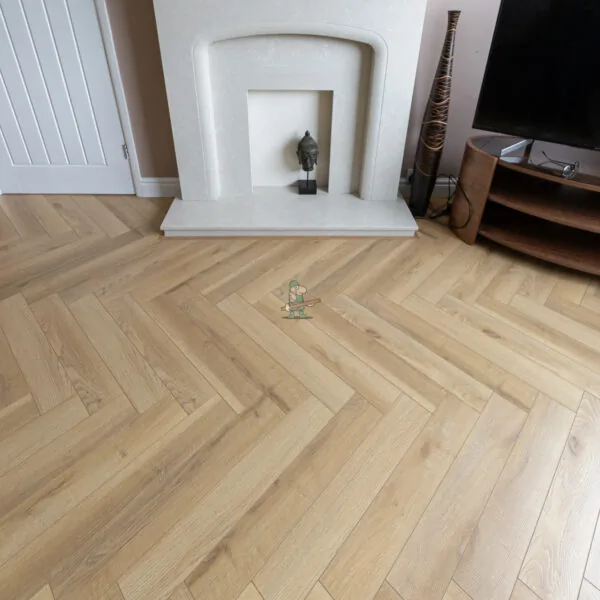
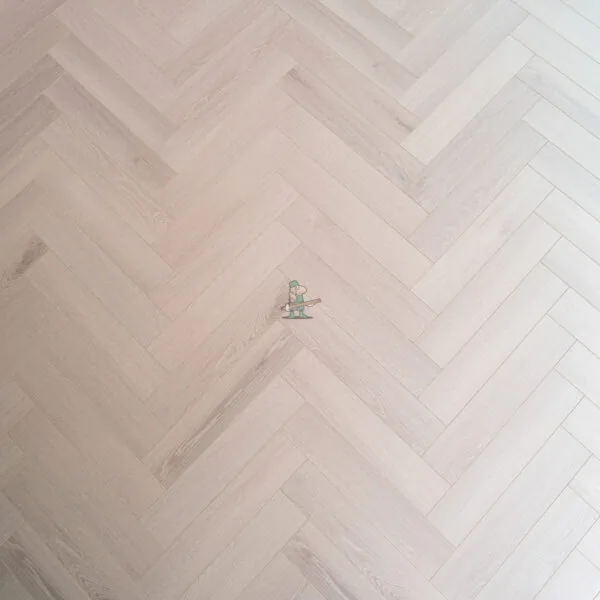
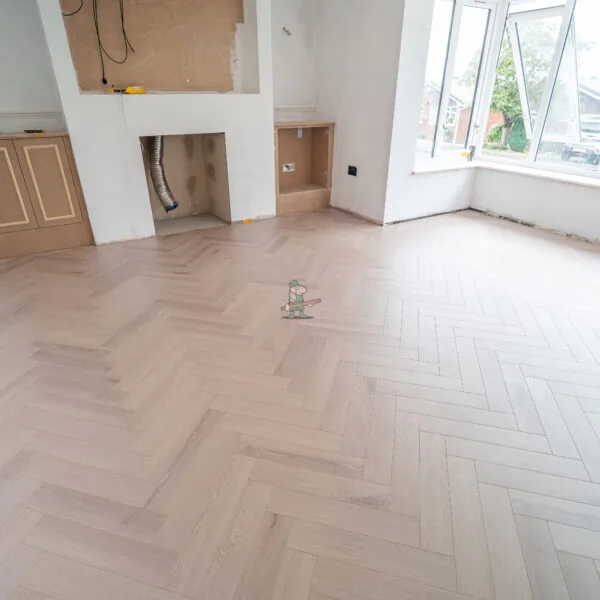
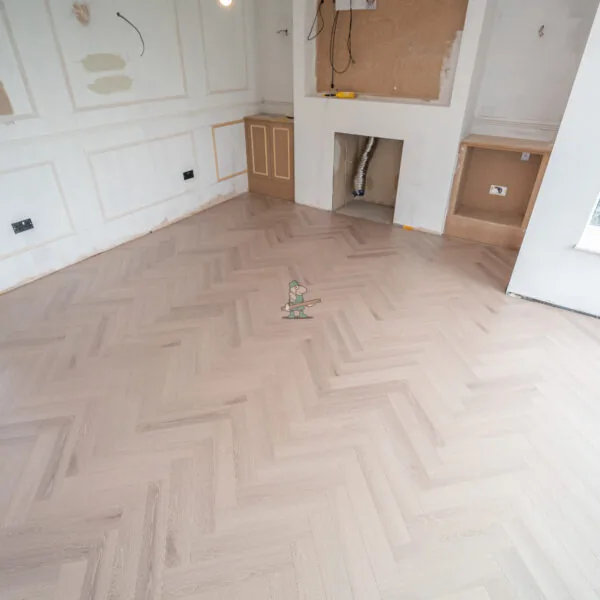
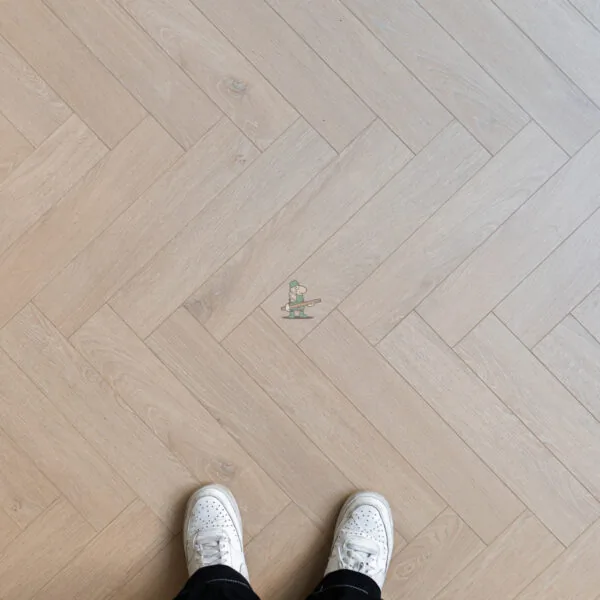

What Is Narrow Plank Flooring?
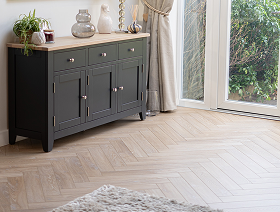
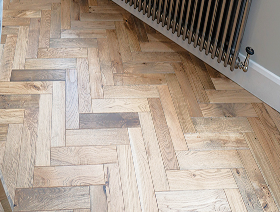
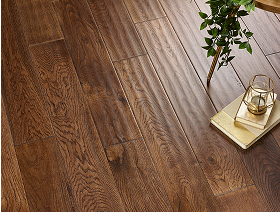
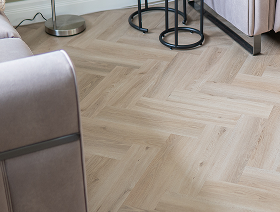
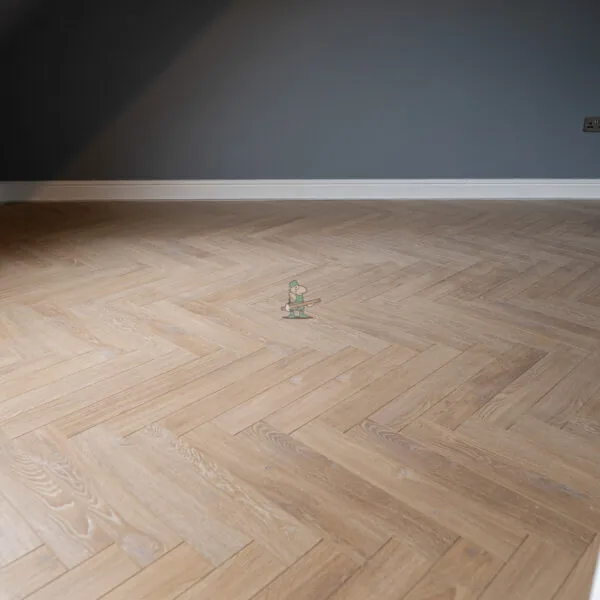
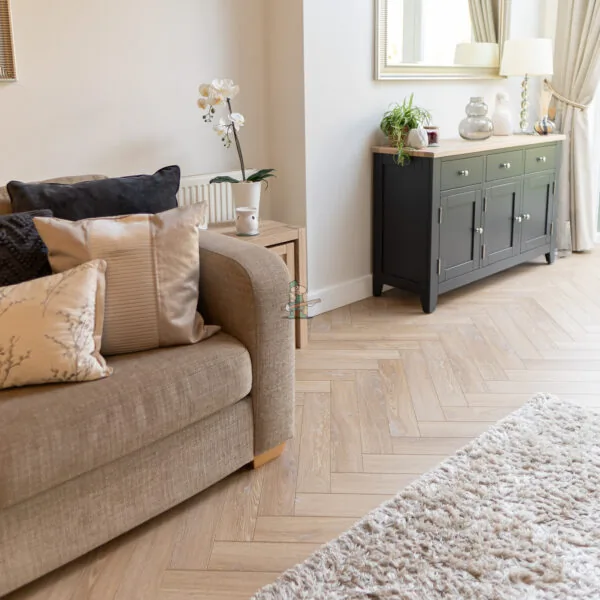
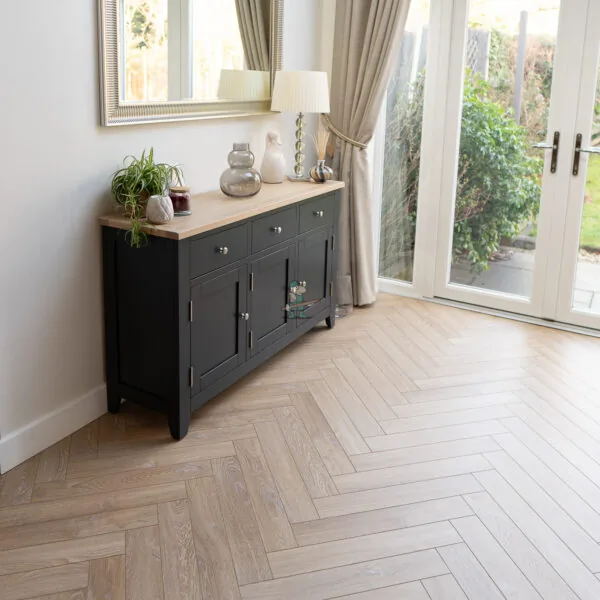
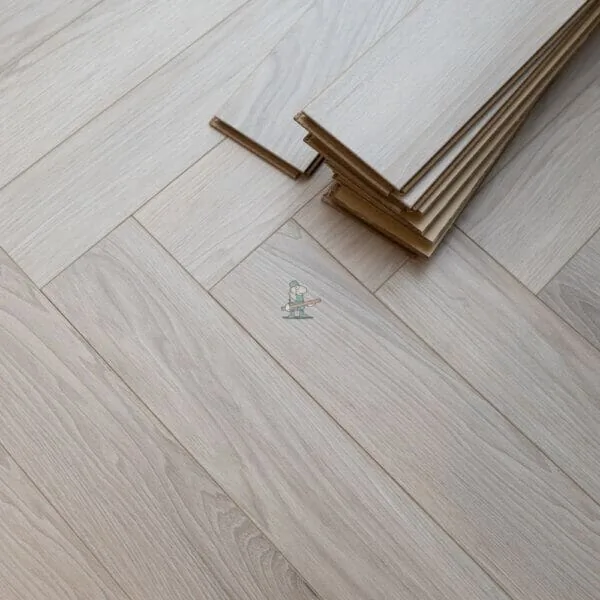
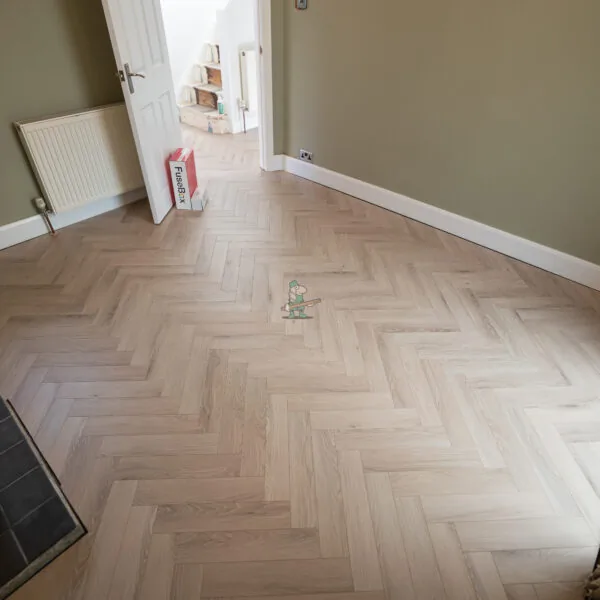
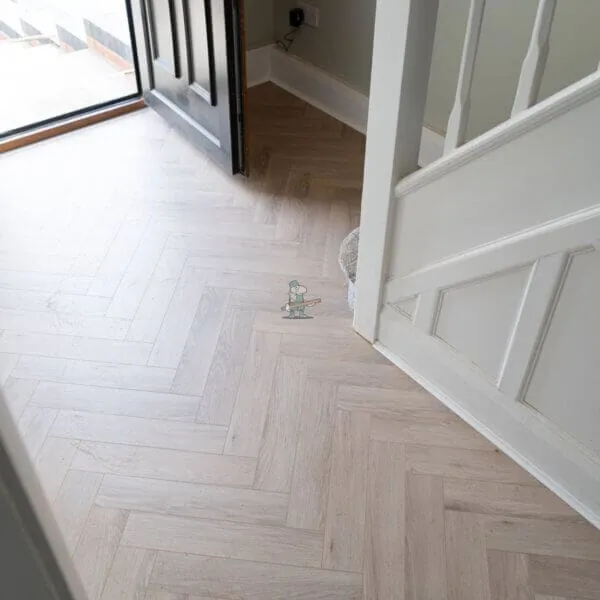
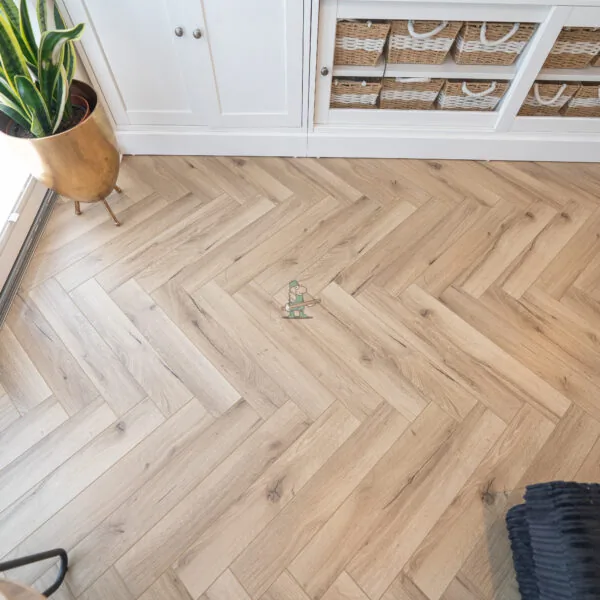
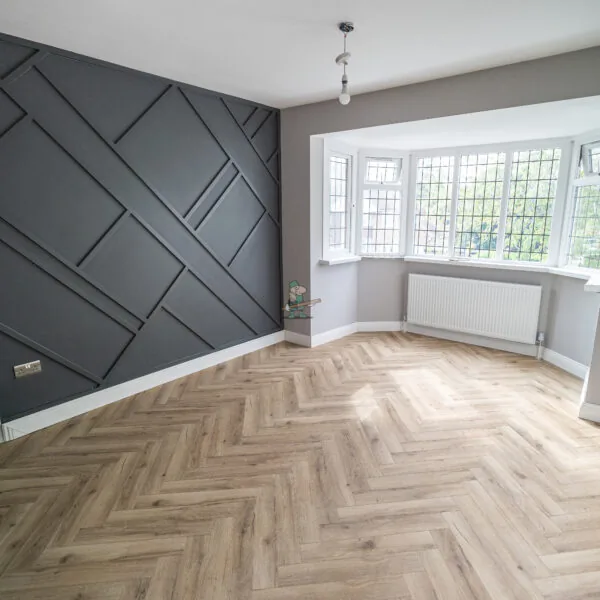
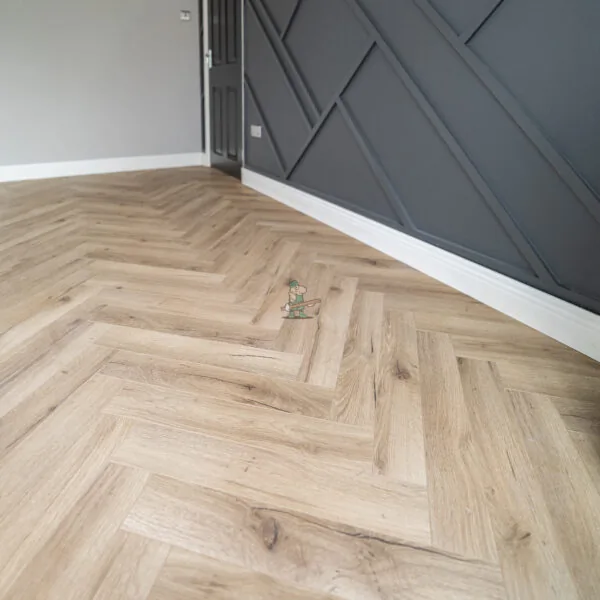
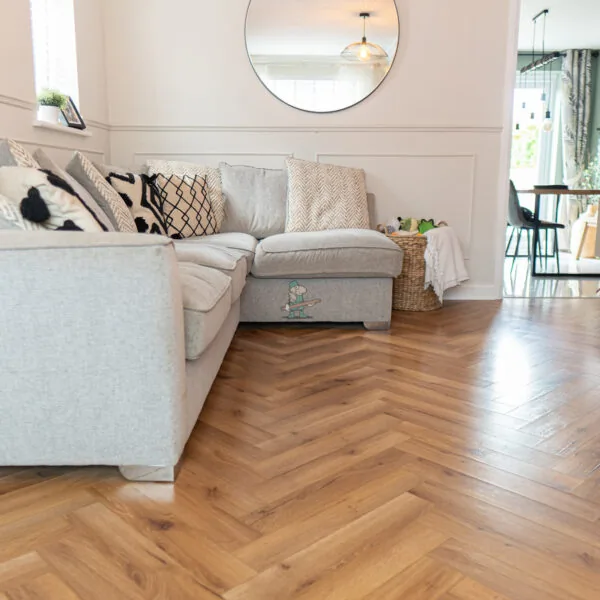
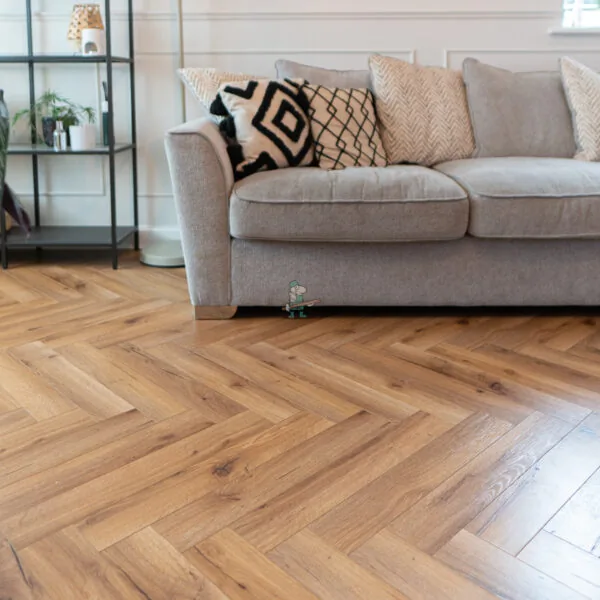
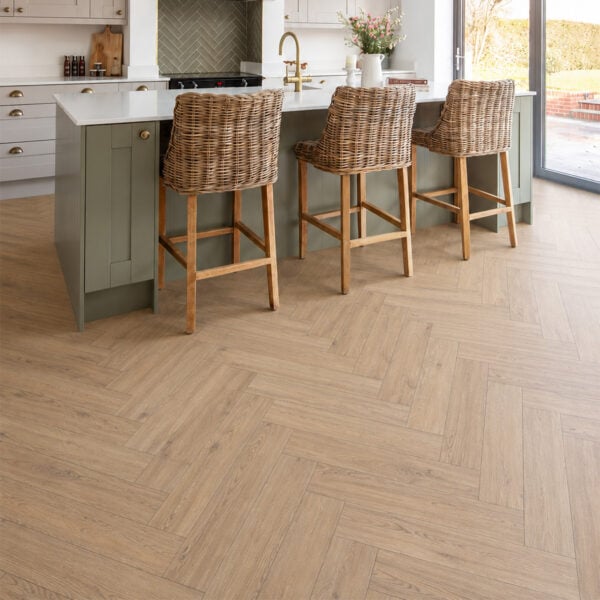
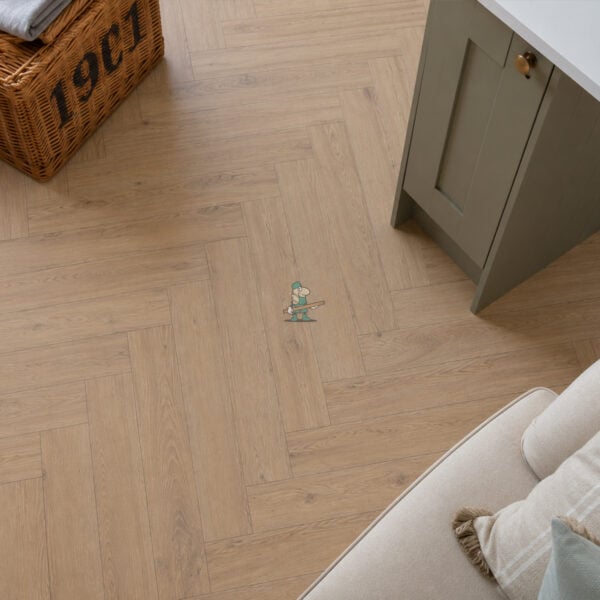
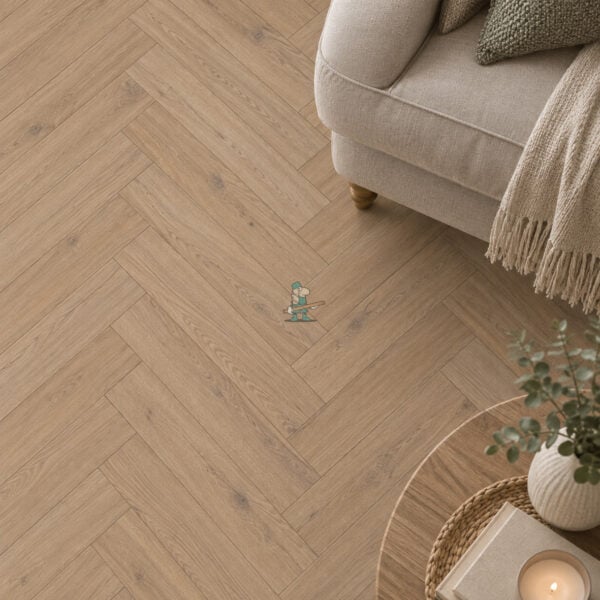
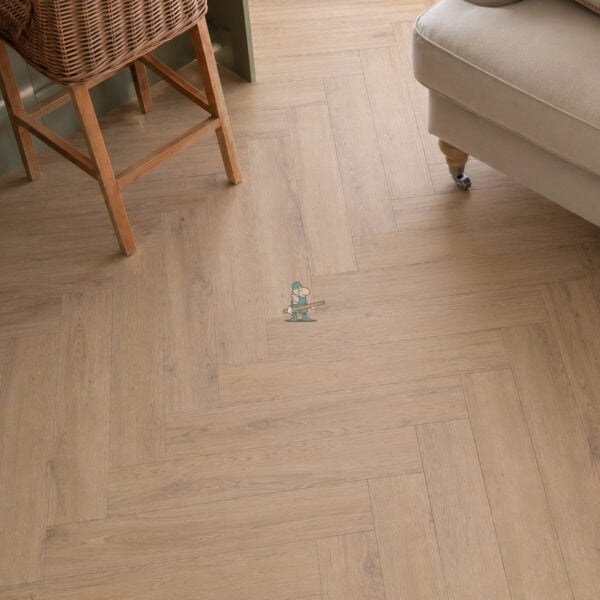
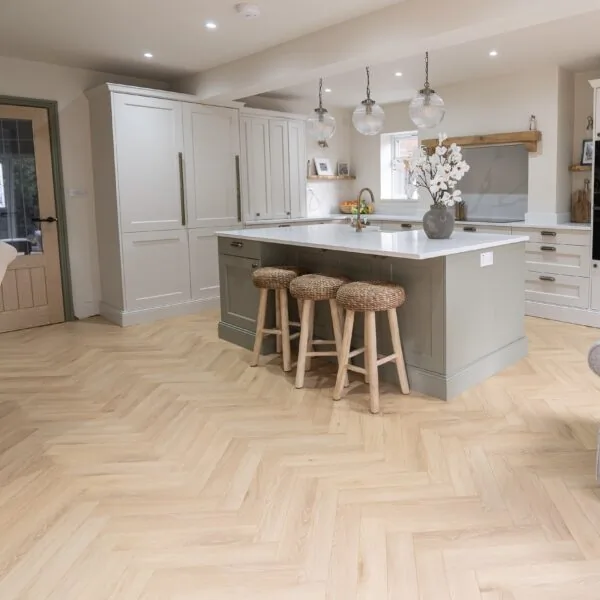
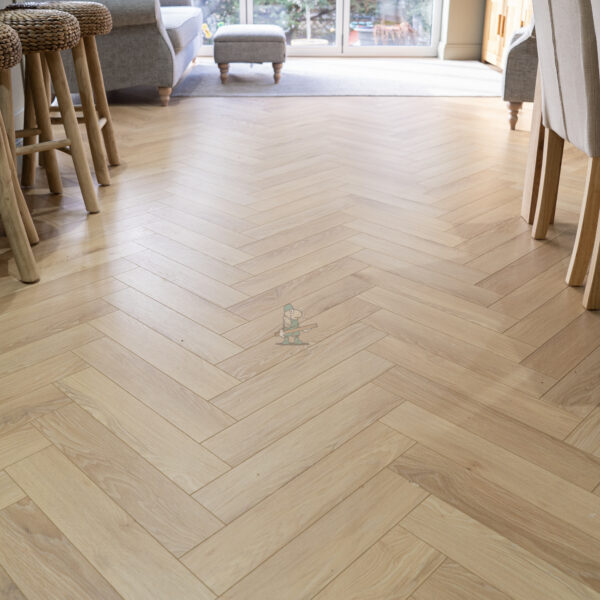
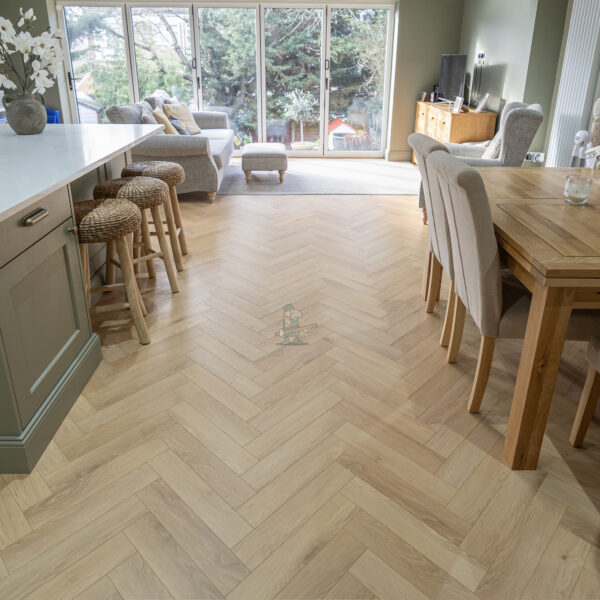
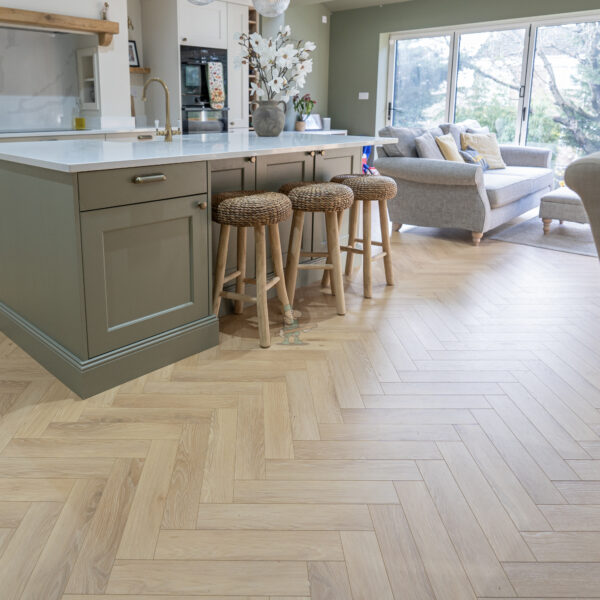
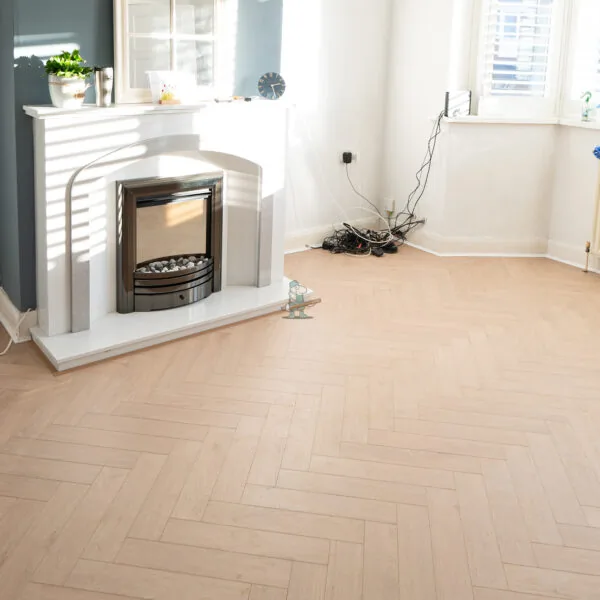
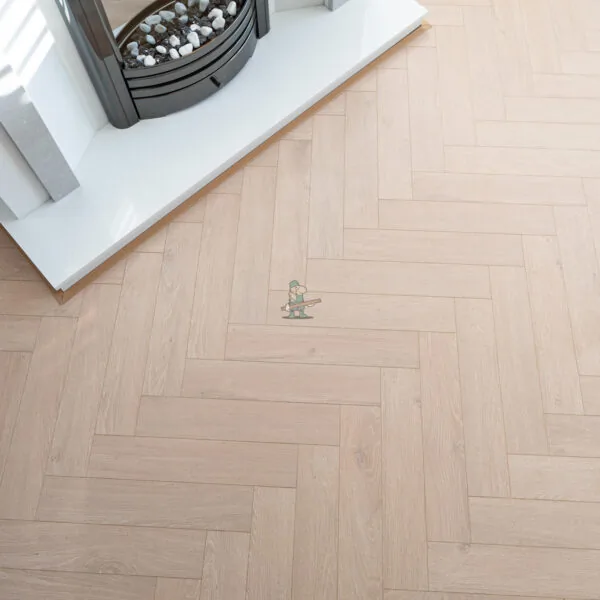
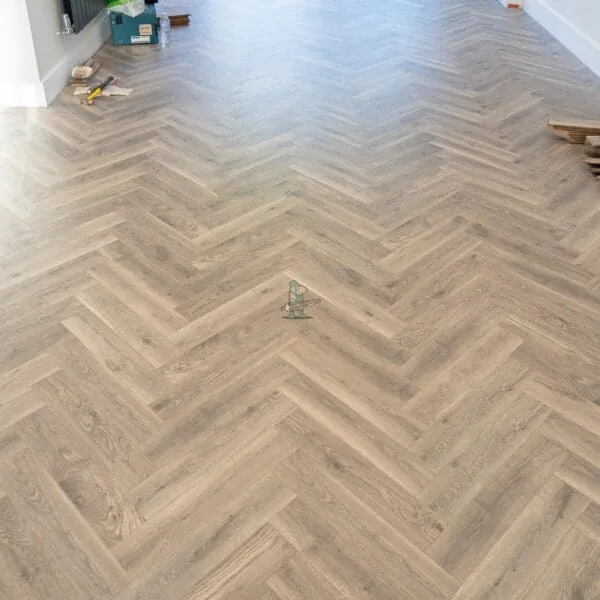
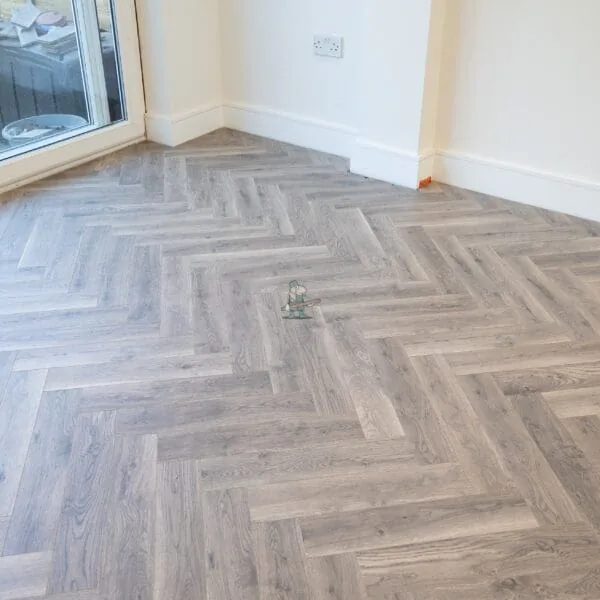
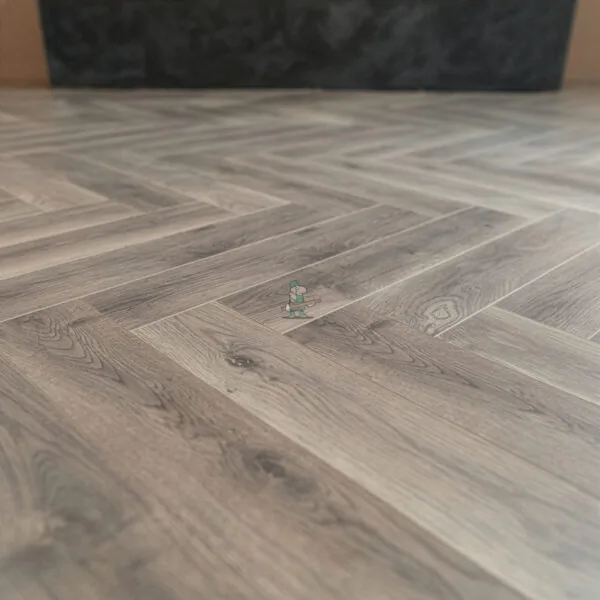
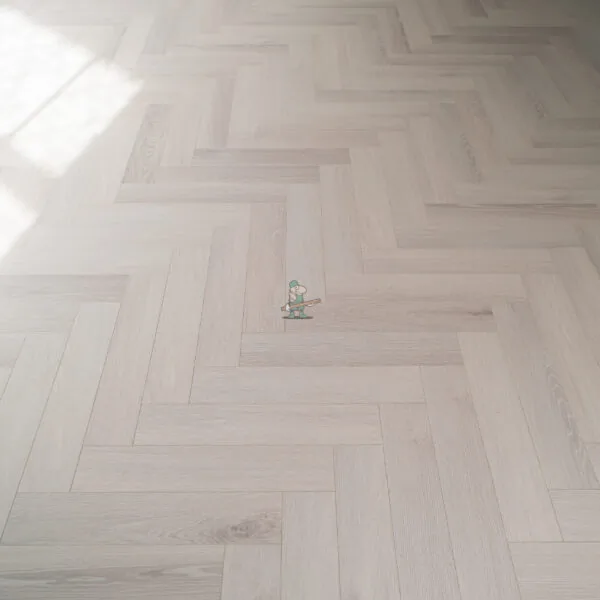
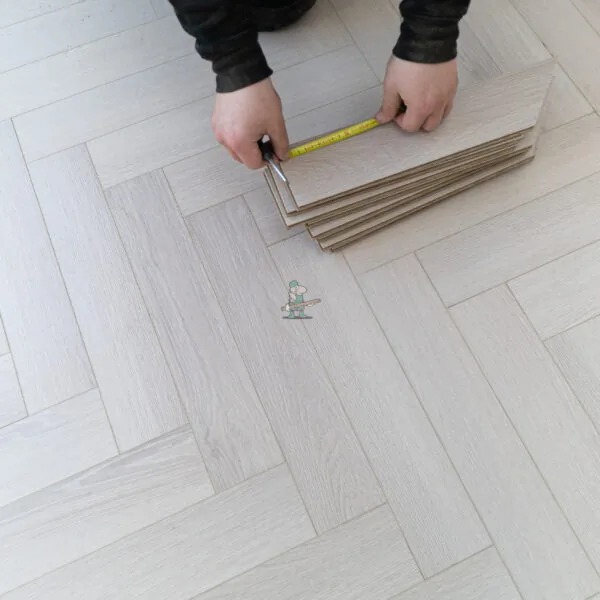
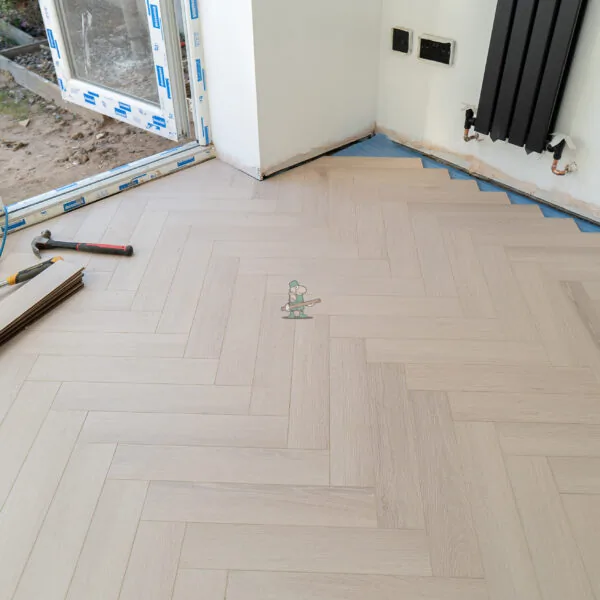
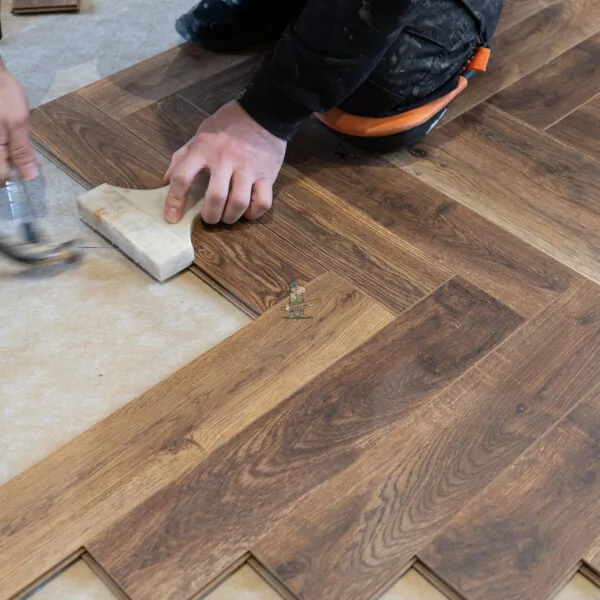
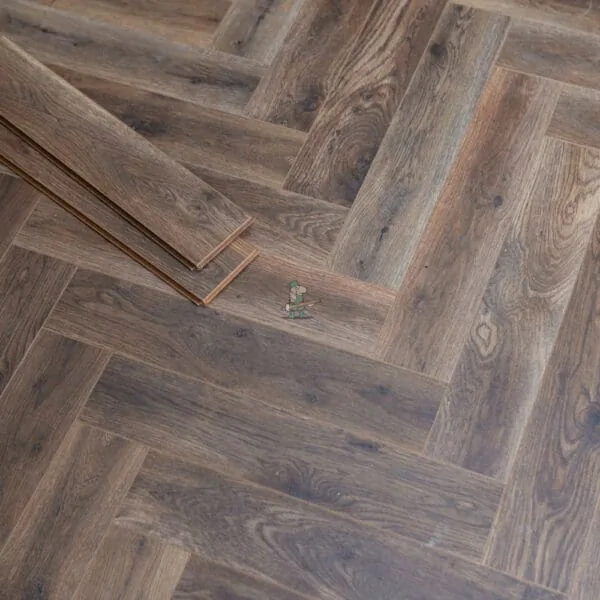
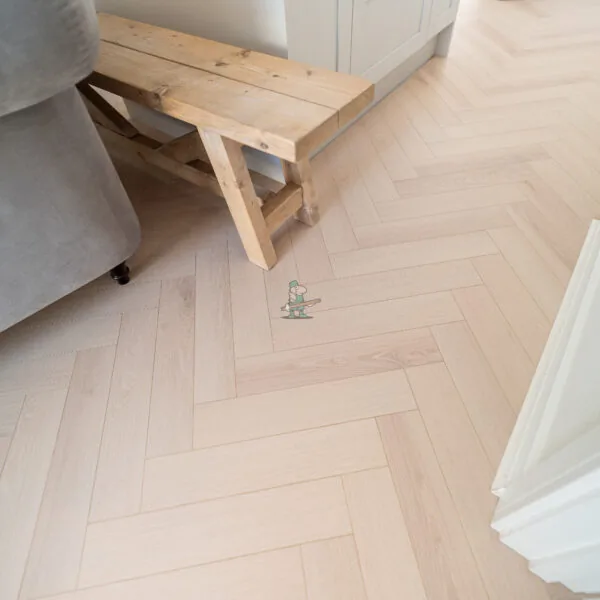
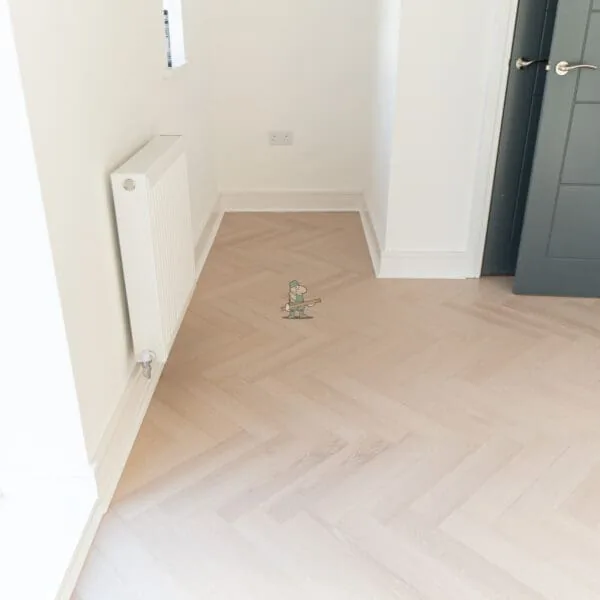
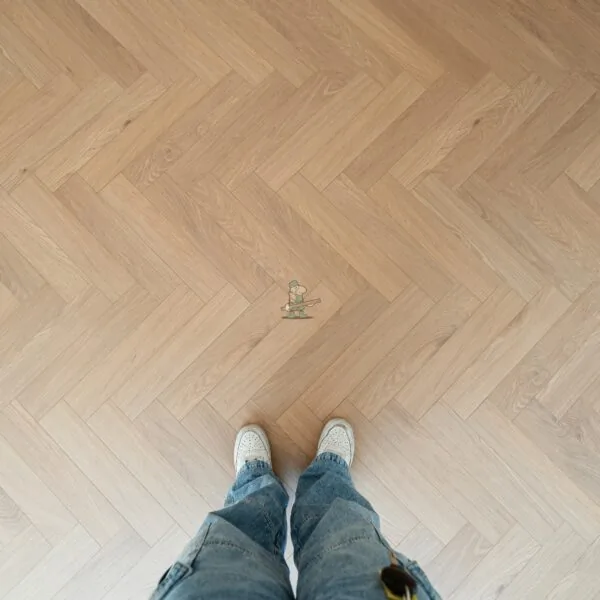
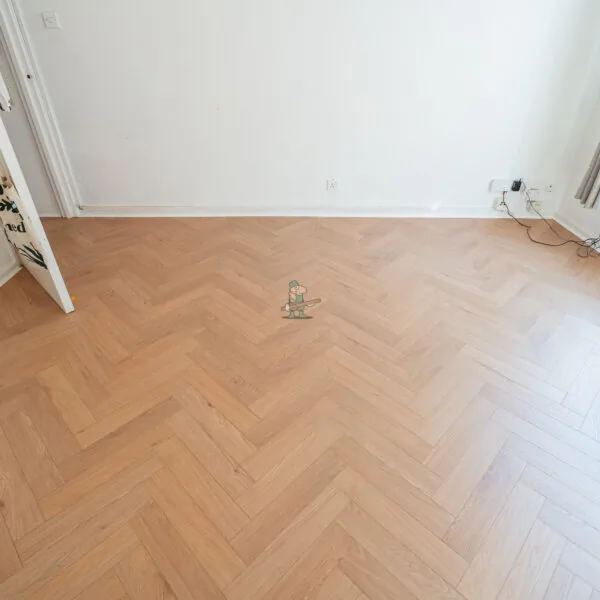
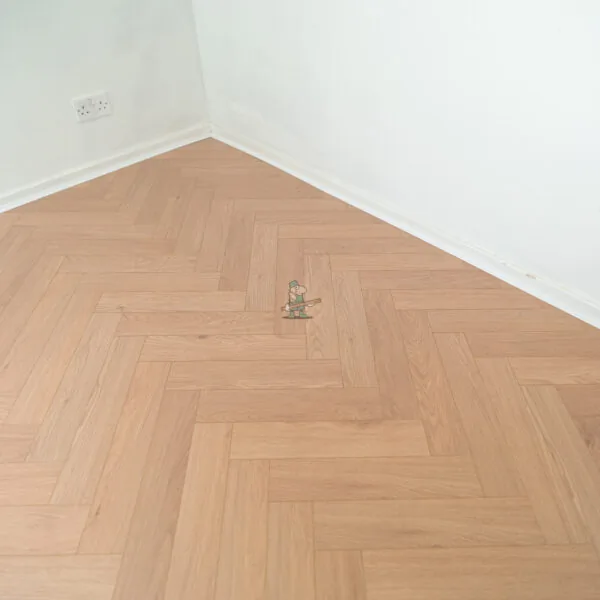
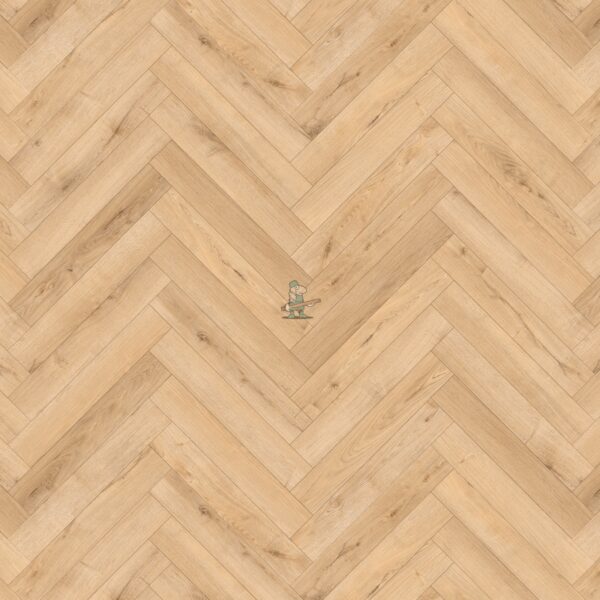
Narrow plank flooring refers to flooring made with slimmer boards than standard or wide plank formats. Instead of creating a broad, open look, narrow planks produce a more detailed surface with more joins and more visible board definition.
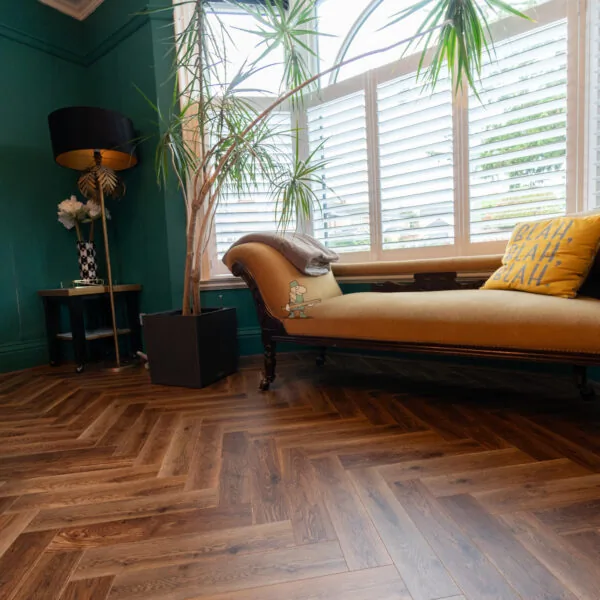
This makes narrow plank flooring a strong choice for homes that want a classic floorboard effect, a traditional feel, or a more refined appearance. It can also work well in smaller rooms, hallways and period-style properties where very wide boards may look oversized.
Narrow Plank Flooring at a Glance
| Feature |
What It Means
|
|
Plank appearance
|
Slimmer boards with more visible lines
|
|
Best for
|
Smaller rooms, hallways, traditional interiors and detailed flooring layouts
|
|
Style effect
|
Classic, refined, structured and characterful
|
|
Common options
|
Narrow laminate flooring, narrow engineered wood flooring and narrow wood flooring
|
|
Good to consider
|
Room size, plank direction, colour, finish and daily foot traffic
|
Why Choose Narrow Plank Flooring?
Narrow plank flooring is often chosen when homeowners want a floor with more visible board definition or when the proportions of a room suit slimmer planks better than wide boards.
This type of flooring is a good option if you want:
- A classic or traditional floorboard look
- More visible plank lines and surface detail
- A floor that suits smaller or narrower rooms
- A design that works well in hallways and compact spaces
- A more subtle alternative to large contemporary boards
- Flooring that can suit both period homes and modern interiors
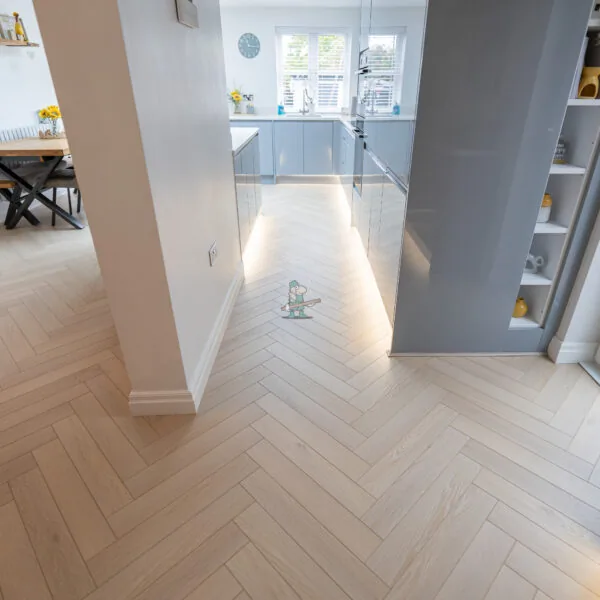
Narrow planks can also help guide the eye through a space. In a hallway, for example, slim plank flooring can create a natural sense of direction. In a bedroom or living room, it can add detail without overwhelming the room.

Narrow vs Wide Plank Flooring
Choosing between narrow and wide planks depends on the look you want to create. Narrow planks usually feel more detailed and traditional, while wider planks often create a cleaner, more open appearance.
|
Comparison Point
|
Narrow Plank Flooring |
Wide Plank Flooring
|
|
Visual style
|
More detailed and traditional |
Cleaner and more contemporary
|
|
Plank lines
|
More visible board definition |
Fewer visible joins
|
|
Best suited to
|
Smaller rooms, hallways and classic interiors |
Larger rooms and open-plan spaces
|
|
Design effect
|
Adds texture, rhythm and detail |
Creates a broader, calmer floor surface
|
|
Overall feel
|
Characterful and structured |
Spacious and modern
|
If you prefer a broader, more open look, you may also want to compare this range with wide plank flooring before choosing your final floor.
Narrow Flooring Options
Narrow plank flooring is available in a range of materials, and the best option depends on how the room will be used.
Narrow Engineered Wood Flooring
Narrow engineered wood flooring combines a real hardwood top layer with a multi-layer core, giving it the authentic appearance of solid wood while offering greater dimensional stability. This makes it less prone to seasonal movement caused by changes in temperature and humidity than solid wood. It is a popular choice for living rooms, dining rooms and bedrooms where the natural character of timber is a priority.
Narrow Laminate Flooring
Narrow laminate flooring uses a high-density fibreboard (HDF) core with a decorative layer that replicates the appearance of real wood. A durable wear layer helps protect the surface from everyday scratches, scuffs and general wear, making it well suited to busy households. It can be a practical option for hallways, family spaces and other areas that experience regular foot traffic while providing the look of slim floorboards with relatively low maintenance.
Narrow Solid Wood Flooring
Narrow solid wood flooring is manufactured from a single piece of hardwood, offering an authentic appearance with natural grain, knots and colour variation. Many solid wood floors can be sanded and refinished over time, helping to extend their lifespan when properly maintained. The narrower board format creates a classic floorboard look that complements both period properties and homes with more traditional interior styles.
Where Does Narrow Plank Flooring Work Best?
Narrow plank flooring can be used throughout the home, but it is particularly well suited to rooms where scale and proportion are important.
In smaller rooms, narrower floorboards often look more proportionate than very wide planks. In hallways, laying the boards along the length of the space can help emphasise its shape, while in period properties, narrow planks complement traditional architectural features and classic interior styles.
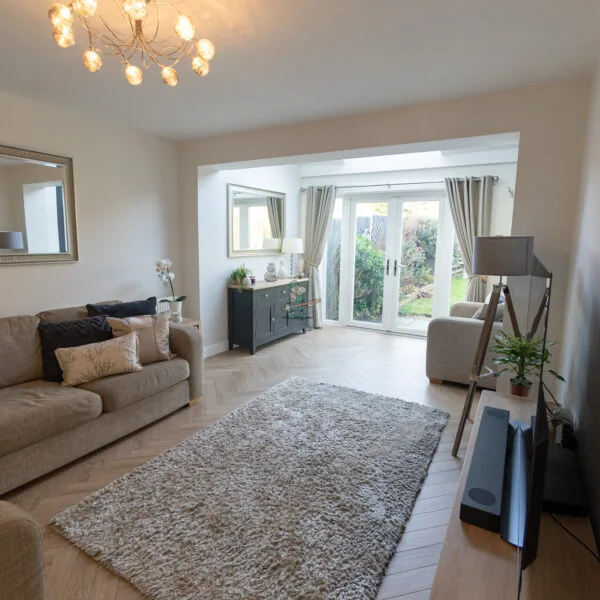
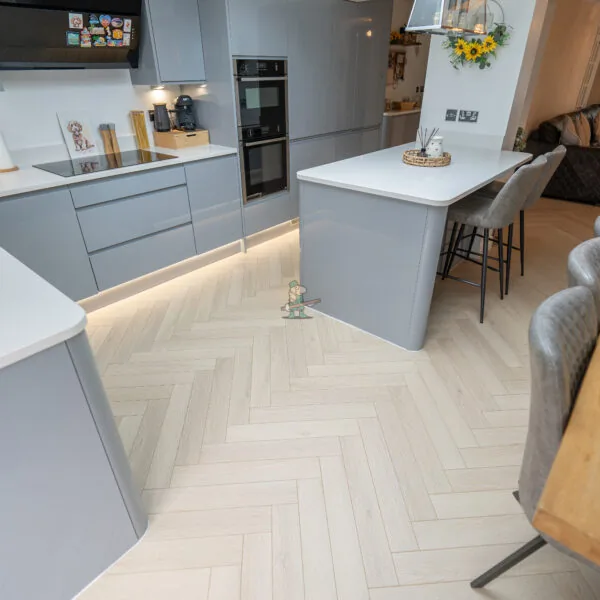
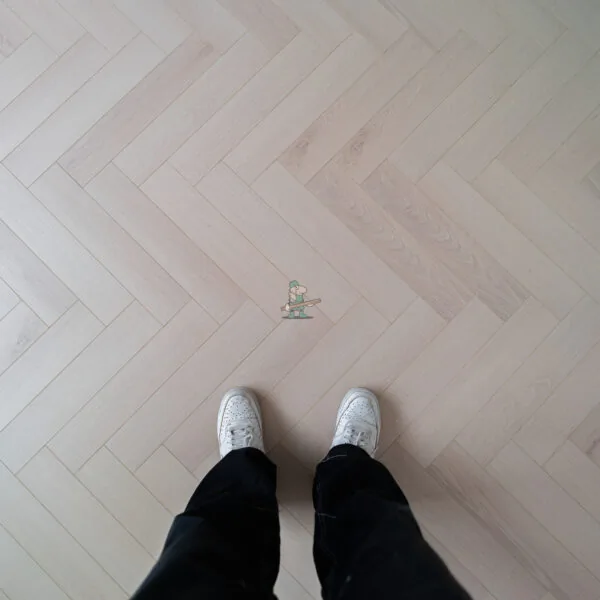
Narrow plank flooring can also work well in contemporary homes. Lighter finishes can help reflect natural light and create a brighter appearance, while darker tones add contrast and highlight the individual plank lines.
How to Choose the Right Narrow Plank Floor
When choosing narrow plank flooring, consider the size of the room, the amount of natural light it receives, your interior style and how the space will be used. These factors can help you decide on the most suitable material, colour and finish for your home.
Lighter tones can make smaller rooms appear brighter and more spacious, while darker shades create greater contrast and emphasise the individual plank lines. The finish is also worth considering, with matt finishes offering a more natural appearance and glossier finishes reflecting more light.
Plank direction can also influence the overall look of a room. Laying narrow boards along the length of the space can help emphasise its proportions, while laying them across the width can create a different visual effect depending on the room’s layout.
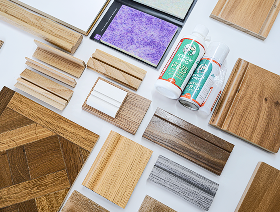
Before making a final decision, compare samples in the room where the flooring will be installed. Viewing them under both natural daylight and artificial lighting provides a more accurate impression of how the colour, grain and texture will look once the floor is laid.