Flooring Underlay for Suitable Floor Installations
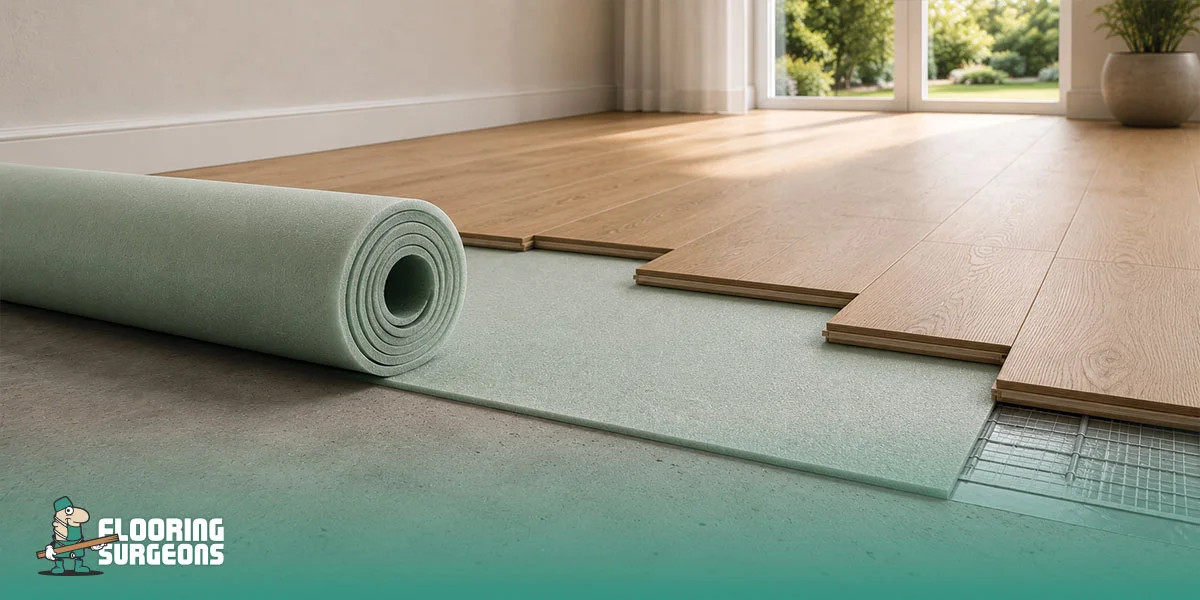
Flooring underlay is fitted between the subfloor and the flooring surface. As one of the key flooring accessories used in suitable floor installations, depending on the product, it may help improve comfort, reduce sound, provide thermal insulation, accommodate minor subfloor irregularities and support floating floor installations. Some underlay products are also designed to provide moisture protection or on compatibility with underfloor heating.
Not every floor uses the same type of underlay. Check whether your flooring is designed for floating installation with underlay, or whether it requires adhesive or a different fitting method. Before choosing a floor underlay, review the flooring type, installation instructions, subfloor condition and room requirements to select a suitable product.
Choosing the Right Floor Underlay
The right underlay depends on the floor you are fitting and the conditions the conditions of the subfloor beneath it. A product that works well with laminate flooring may not be suitable for every engineered wood, solid wood or vinyl floor.
When comparing underlay, check the thickness, density, moisture protection, sound reduction rating, thermal performance and compatibility with underfloor heating. Follow the manufacturer’s guidance before buying, if you have concrete subfloors, upstairs rooms, kitchens or underfloor heating systems.
Underlay for Laminate Flooring
Underlay for laminate flooring is commonly used when the floor is installed as a floating system. It can help provide cushioning, reduce impact sound and support the locking system when fitted over a suitable subfloor. Laminate underlay is therefore chosen for floating laminate installations rather than every type of flooring.
Laminate flooring underlay is available in different thicknesses and materials, including foam, rubber and fibreboard options. A thicker underlay is not always the best choice, so check the flooring manufacturer’s guidance before ordering, as each product is designed for specific installation requirements.
Wood Flooring Underlay
Wood flooring underlay may be suitable for selected engineered wood or solid wood flooring installations, depending on the fitting method and product specification. For engineered wood flooring underlay, check whether the floor is designed to be floated, glued down, or fitted using another method, as each installation requires a different product match.
If the floor is installed over a concrete subfloor, moisture protection may also be required. If underfloor heating is present, check the underlay for thermal resistance and compatibility before installation.
Types of Flooring Underlay to Consider
Different underlay products are designed for different priorities. The table below gives a general guide, but suitability should always be checked against the flooring type, installation method and room conditions before purchase.
|
Underlay Type
|
What It May Help With
|
|
Foam Underlay
|
Lightweight support for selected laminate and wood flooring installations
|
|
Rubber-Based Underlay
|
Sound reduction, density and support, depending on product specification
|
|
Board Underlay
|
Minor subfloor smoothing and added support for suitable floors
|
|
Moisture Barrier Underlay
|
Additional moisture protection where product guidance allows
|
|
Underfloor Heating Underlay
|
Lower thermal resistance where compatible with the heating system and flooring
|
What to Check Before Buying Flooring Underlay
Before ordering flooring underlay, check the practical and technical requirements of your project. Review the floor type, installation method, and room conditions to reduce the risk of choosing a product that does not match your floor, and to compare suitable options more easily.
| Check |
Why It Matters
|
|
Flooring type
|
Laminate, engineered wood, solid wood and vinyl may need different underlay
|
|
Installation method
|
Floating floors may need underlay, while glue-down floors may not
|
|
Subfloor type
|
Concrete, screed and timber subfloors may have different requirements
|
|
Moisture conditions
|
Some subfloors may require moisture testing or a suitable barrier
|
|
Thickness
|
Thicker underlay is not always suitable for every floor
|
|
Sound reduction
|
Useful for upstairs rooms, flats and busy areas
|
|
Underfloor heating
|
Compatibility and thermal resistance should be checked before fitting
|
When Is Flooring Underlay Needed?
Flooring underlay is often used with floating laminate and selected engineered wood floors. It may help improve comfort, reduce footstep noise and provide support between the subfloor and flooring surface. Different flooring products, however, may require different underlay options or none at all.
However, underlay should not be treated as a universal requirement. Check whether your floor is designed to be glued down, and whether your vinyl or SPC product already includes an attached backing. Review the product installation instructions before choosing an underlay.
Need Help Choosing Flooring Underlay?
Choosing flooring underlay correctly can affect how the floor feels, sounds and performs after installation. If you are unsure which underlay is suitable, check the product details carefully before ordering to make the right choice.
The team at Flooring Surgeons can help you consider the flooring type, subfloor, installation method and room conditions. For projects involving underfloor heating, concrete subfloors, upstairs rooms or uneven surfaces, ask for fitting advice before you purchase.