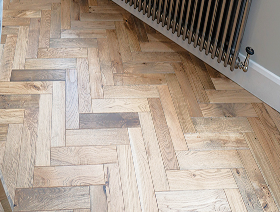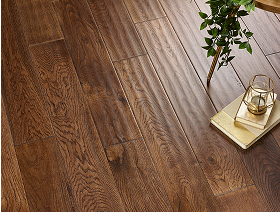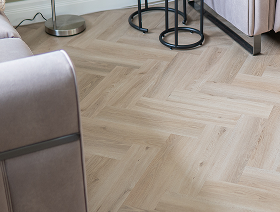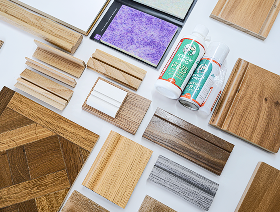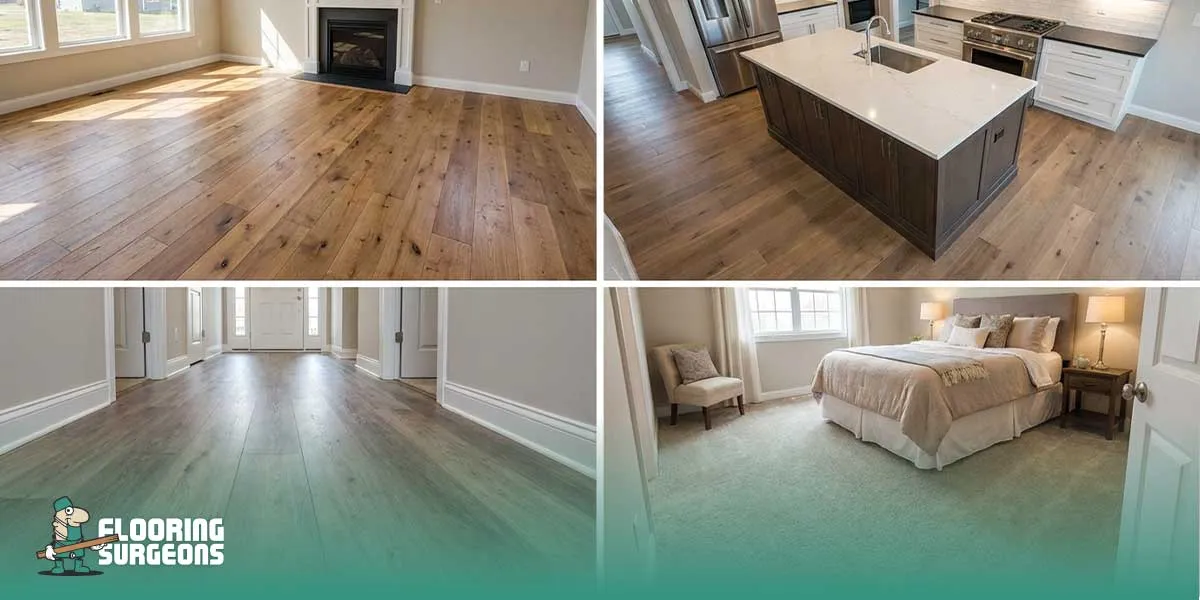
If you’re wondering what flooring adds the most value to a home, the simple answer is this: solid hardwood usually has the strongest impact on resale value, followed by engineered wood and high-quality luxury vinyl flooring. These options give buyers the durability, appearance, and long-term confidence they expect, helping a property feel more desirable from the moment they walk in.
But the best flooring for resale value is not the same for every home. A family house, rental property, renovation project, apartment, or quick flip can each benefit from a different flooring choice. In some properties, hardwood creates the biggest value boost. In others, premium LVT or engineered flooring can deliver a similar visual upgrade at a lower cost.
Flooring matters because it shapes the buyer’s first impression. Clean, modern, and consistent floors make a home feel well cared for, reduce concerns about future repairs, and help buyers imagine moving in without extra work. Old carpet, damaged laminate, or mismatched flooring can do the opposite.
In this guide, you’ll learn which flooring types increase home value the most, how hardwood, engineered wood, luxury vinyl, laminate, and carpet compare, and which flooring mistakes can reduce resale appeal.
Table of contents
Why Flooring Increases Home Value (What Buyers Look For)
Flooring is one of the first things buyers notice, and it plays a bigger role in how a home feels than most people expect. The right flooring increases home value by giving buyers confidence. They see a clean, modern surface and instantly think that the rest of the property has been well cared for. When the floors look updated, solid underfoot, and consistent from room to room, buyers assume fewer surprises and fewer future costs.
People also judge space by the way the floor looks. Light, wide planks make rooms feel larger. Warm wood tones make a home feel inviting. Durable finishes make buyers think the house is ready to move into without extra work. Even rental investors react the same way. They look for flooring that will last, stay attractive, and keep maintenance simple. Buyers usually want three things from flooring:
- A style that matches current design expectations
- Durability that can handle daily life
- And a neutral look, they won’t have to replace
When your flooring checks all three boxes, it adds perceived value before the buyer even reaches the next room. That feeling often leads to stronger offers and faster sales, which is precisely why flooring upgrades are known as one of the safest ways to boost resale potential.
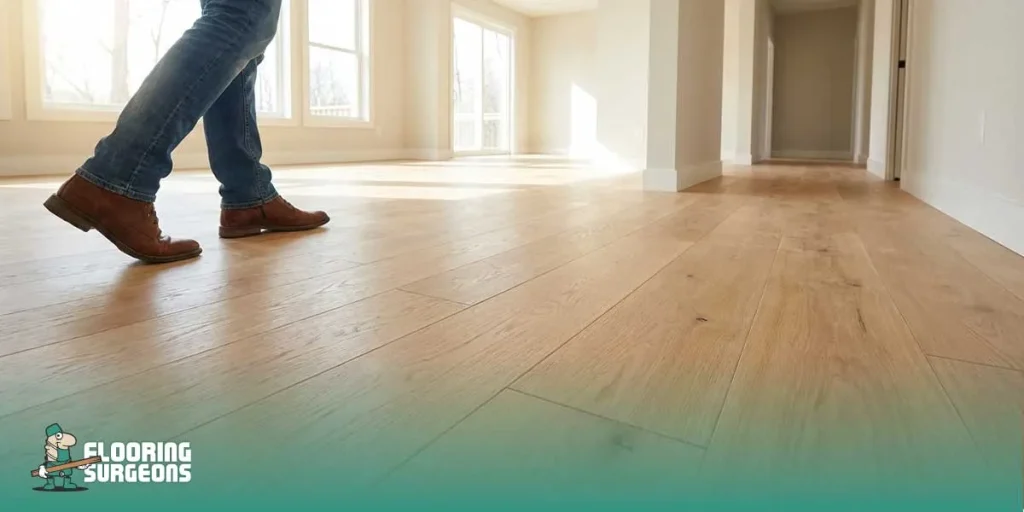
Best Flooring Options for Boosting Home Resale Value
When buyers walk through a home, flooring sends a strong message about quality and future costs. Some materials instantly raise the perceived value, while others limit interest because buyers see them as outdated or expensive to replace. Below you’ll find the options that offer the strongest resale lift today, based on real estate trends and what buyers typically choose when comparing homes in the same price bracket.
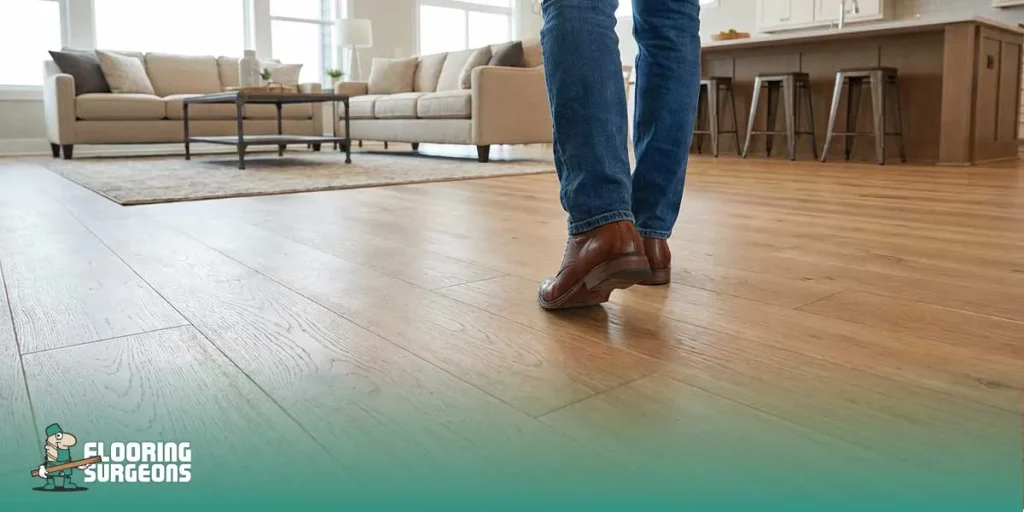
Solid Hardwood Flooring: Highest Value Boost for Homes
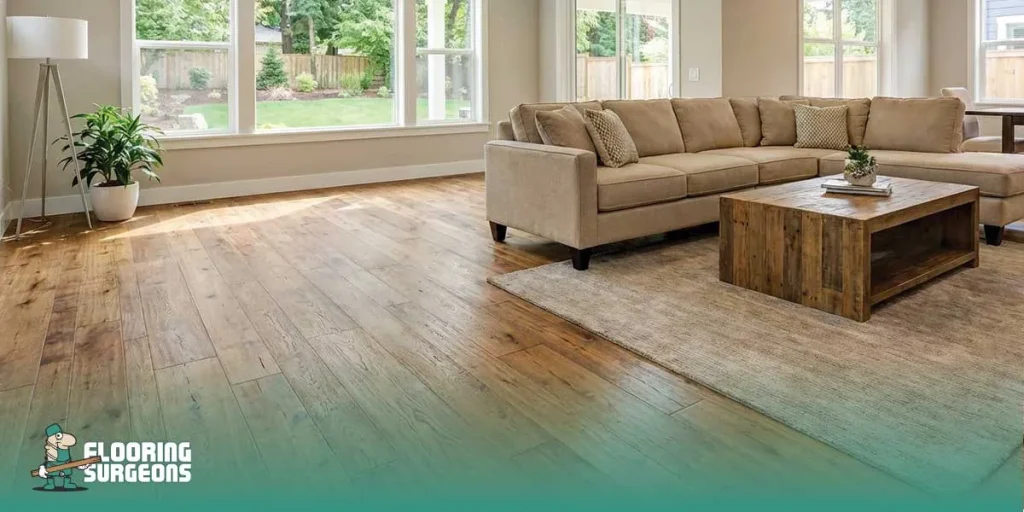
Solid hardwood sits at the top because buyers link it with long life, premium design, and strong resale potential. When a home has hardwood in good condition, it often stands out from competitors right away. It works across almost every style, making it safe to sell.
Hardwood is the material that adds the most value in most mid to high-end homes. The only downside is cost, but sellers usually recover a significant part of it because buyers pay more for properties with real wood floors.
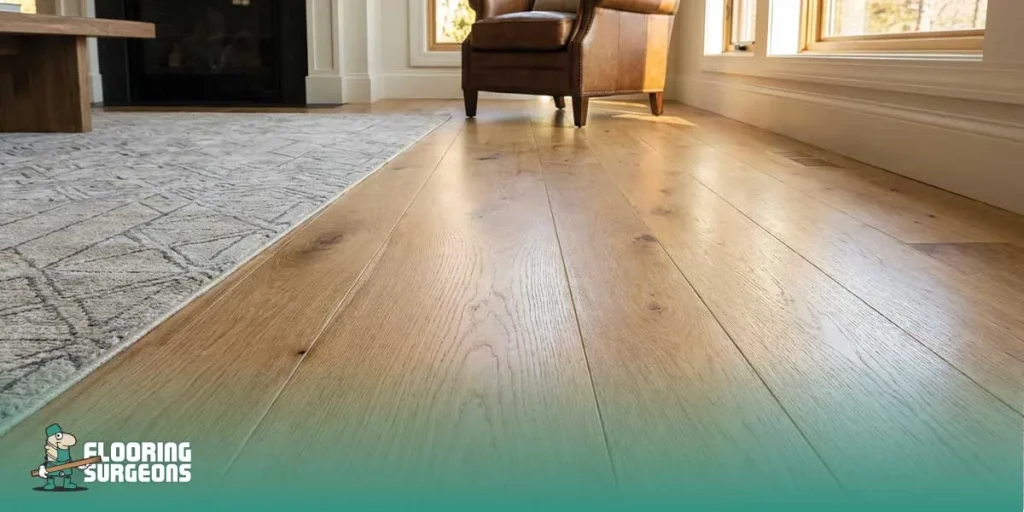
Engineered Wood Flooring: High-End Look With Great Resale ROI
Engineered wood offers the same visual impact as solid hardwood, with better stability and a lower price. Buyers appreciate that it withstands humidity changes and spans up to 12 feet without warping. This makes it a strong choice for resale, especially in homes where moisture or temperature changes are common.
Engineered flooring attracts buyers who want the hardwood look but also want something practical. It consistently ranks near the top for resale ROI because it balances appearance, durability, and total upgrade cost.
Luxury Vinyl Flooring (LVT/LVP): Best Value Flooring for Modern Homes
LVT has become one of the most popular options in newer listings because it looks expensive but stays budget-friendly. Buyers like that it’s waterproof, scratch-resistant, and available in wood and stone designs that feel updated and clean. Many sellers compare modern wood and LVT flooring options for resale-focused upgrades to find the best fit for their property style.
Why LVT adds substantial value:
- Perfect for kitchens, living rooms, and busy family spaces
- Gives a modern look without the maintenance of wood
- Makes a home feel “move-in ready”
- Works well for rentals and starter homes
For many sellers, LVT offers the best flooring for resale value when the budget isn’t high enough for real wood. It gives the most noticeable improvement per pound spent.
Tile Flooring: When It Increases Home Value
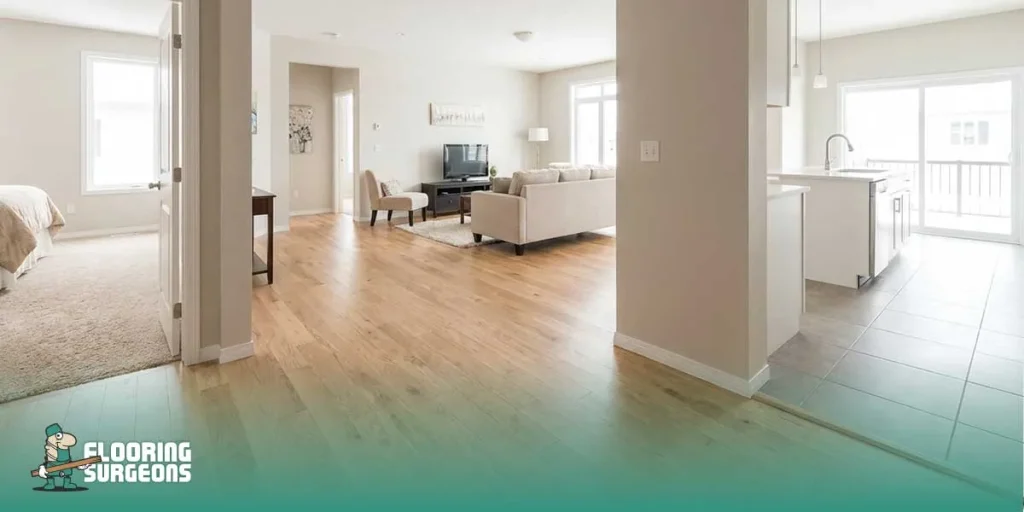
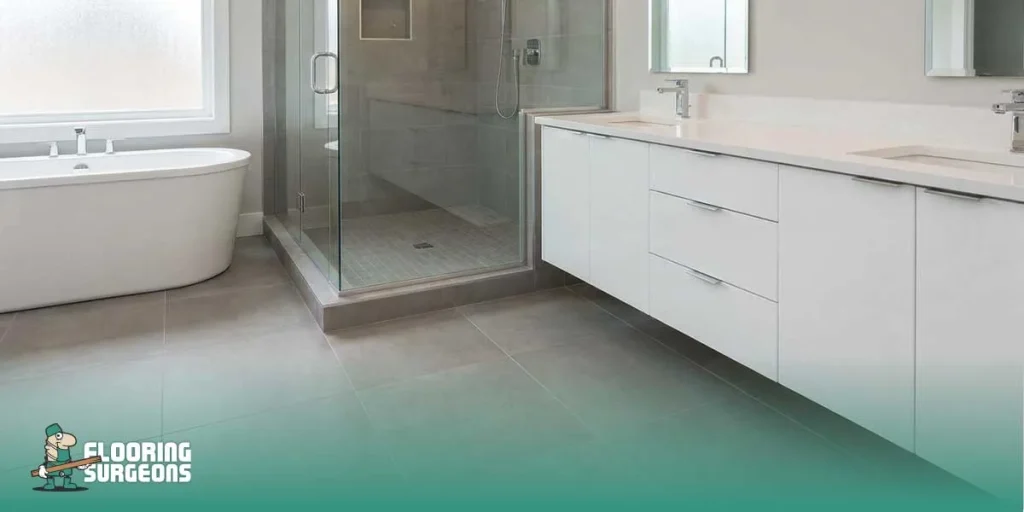
Tile helps resale when it’s installed in the right areas and in the right style. Buyers prefer tile in bathrooms, laundry rooms, and sometimes kitchens because it signals durability and moisture resistance. Large, neutral tiles can make spaces feel clean and updated.
When tile increases value:
- Modern, neutral colour
- High-quality installation
- Used in wet rooms or warm climates
When tile can hurt resale:
- Outdated patterns or colours
- Small tiles that make rooms feel busy
- Very cold flooring in regions where buyers want warmth
Tile is a value booster only when it looks current and is placed where buyers expect it.
Carpet: Where It Adds Value and Where It Hurts Resale
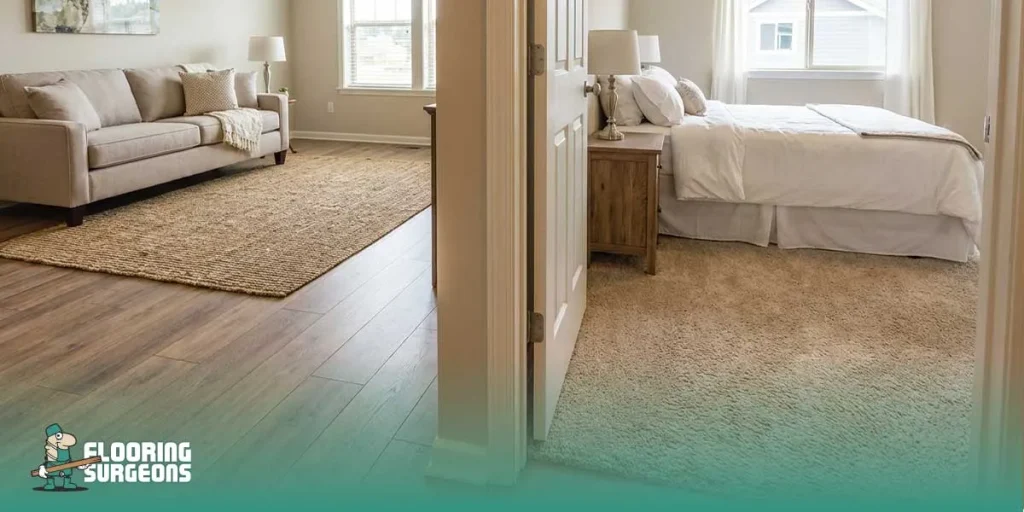
Carpet can support resale value in specific rooms, but it rarely adds the most value overall. Buyers often see carpet as something they will eventually replace, especially if it’s older or in high-traffic areas. If you’re deciding whether carpet or hard flooring fits your home better, our guide to choosing between carpet and hard flooring breaks down the pros and cons clearly. In many homes, the decision really comes down to how carpet compares with hard flooring in long-term value, and understanding that difference helps you choose a surface buyers actually prefer.
Where carpet adds value:
- Bedrooms where buyers want warmth and quiet
- Properties aimed at families with kids
- New, neutral, high-quality carpet only
Where it hurts resale:
- Living rooms, hallways, or kitchens
- Older carpets with stains, wear, or intense colour
- Homes where buyers prefer hard floors for cleaning
Carpet works best when it feels new and clean, but it should not replace wood or LVT in the main living areas if you want maximum resale boost.
Comparison Table: Best Flooring for Resale Value
| Flooring Type | Resale Value Impact | Why It Helps | When It’s Not Ideal |
| Solid Hardwood | Highest | Premium look, refinishing options | High cost, moisture-sensitive |
| Engineered Wood | Very High | Stable, modern, strong ROI | Limited refinishing |
| LVT/LVP | High | Waterproof, modern, budget-friendly | Ultra-premium homes may still prefer wood |
| Tile | Moderate to High | Durable, ideal for wet areas | Looks cold or outdated if old-fashioned |
| Carpet | Low to Moderate | Warm and quiet in bedrooms | Poor choice for main living areas |
Flooring Mistakes That Lower Home Value
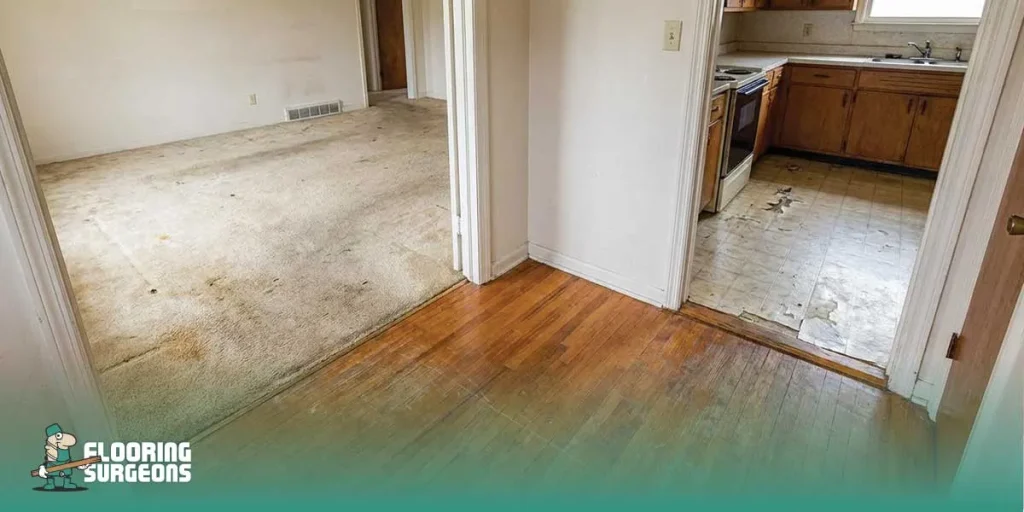
Some floors add value fast, but the wrong choice can do the opposite. If you’re preparing to sell, fix these issues before buyers walk through the door.
- Too many flooring styles in one home: When every room has a different floor, the house feels smaller and older. Buyers want a smooth, consistent flow, not a patchwork of colours and materials.
- Cheap laminate or worn carpet: Low-quality surfaces signal “extra work ahead”. Buyers start lowering their offer the moment they see peeling laminate or flattened carpet. If the budget is tight, LVT is a smart upgrade.
- Visible damage, scratches, or squeaks: Even minor flaws make buyers calculate repair costs. Fixing noisy spots or worn areas before listing creates a stronger first impression.
- Tile where buyers expect warmth: Tile is great in bathrooms, but it looks cold in living rooms. This mistake drops value because it gives the home a less inviting feel.
- Old carpet in the main living areas: Even if it’s clean, it conveys that the home hasn’t been updated. Buyers today expect hard-surface floors in the main spaces.
Best Flooring for Flipping Houses
In a flip, the goal is simple: raise resale value without spending more than needed. These flooring types deliver the most substantial return.
- Luxury Vinyl Flooring (LVT/LVP): The best balance of cost, appearance, and durability. It looks like wood, installs quickly, and makes the home look move-in ready. Ideal for kitchens, hallways, and living spaces.
- Mid-range engineered wood: Perfect for a high-end look without the hardwood price tag. It appeals to buyers who want real wood but still need a practical option.
- Tile in bathrooms and laundry areas: A clean, modern tile instantly raises perceived value in wet areas. Buyers dislike cheap alternatives in these rooms.
- Fresh, neutral carpet in bedrooms: Soft underfoot, warm in winter, and relatively inexpensive. New carpet in bedrooms is one of the easiest ways to boost value in any flip.
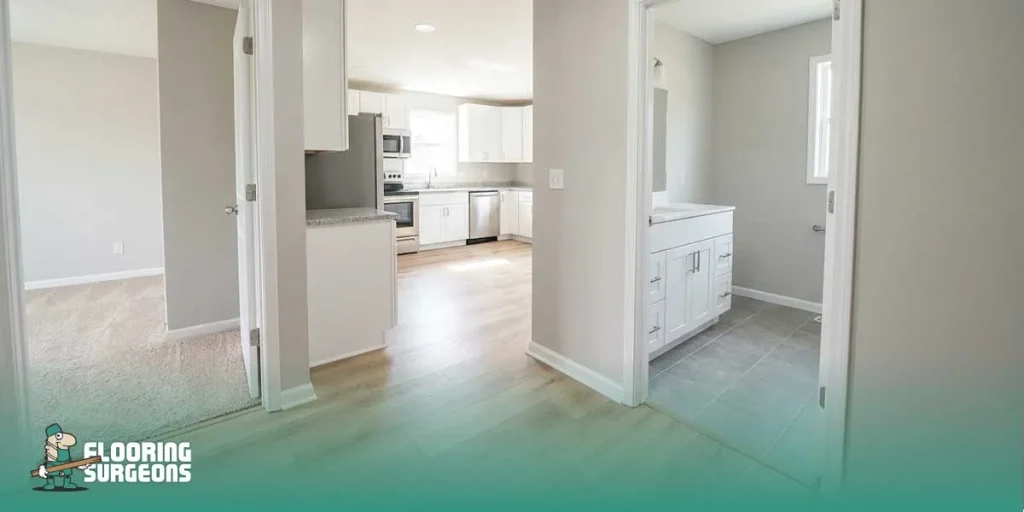
Flooring ROI Guide: Cost vs Value Return
Here’s a quick look at how different flooring types perform in terms of cost and resale value.
| Flooring Type | Avg Cost | Resale Value Increase | Typical ROI | Notes |
| Solid hardwood | High | Very high | 70–80% | Best for higher-end homes |
| Engineered wood | Medium | High | 65–75% | Real-wood look with lower cost |
| LVT/LVP | Low–medium | Medium–high | 60–70% | Top ROI for most remodels |
| Tile | Medium | Medium | 55–65% | Strong choice in wet rooms only |
| New carpet | Low | Low–medium | 40–50% | Best only for bedrooms |
Hardwood leads in resale appeal, engineered wood offers a strong balance, and LVT is the ROI champion for most average-budget flips.
How to Choose the Best Flooring for Increasing Your Home’s Value
If your goal is to increase home value, the right flooring choice should match your budget, property type, and buyer expectations. Use this quick guide to avoid overspending and choose a floor that improves resale appeal.
1. Start with Your Budget
Your budget should guide the flooring material from the beginning:
- Small budget → LVT.
- Medium budget → engineered wood.
- Premium remodel → hardwood.
This simple step helps you avoid choosing a floor that is either too cheap for the property or too expensive for the likely return.
2. Match Buyer Expectations in Your Area
Look at recent sales in your area. If most nearby homes have wood flooring, installing carpet in the living room may reduce buyer interest. The best flooring for resale value should feel appropriate for the local market.
3. Keep the Flooring Style Consistent
A consistent floor plan makes the home feel larger, cleaner, and more modern. Too many mixed materials can make the property feel disconnected, even if each floor looks good on its own.
4. Use Each Flooring Type in the Right Room
Choose flooring based on how each space is used:
- Main living areas → wood or LVT
- Kitchen and entryway → LVT or tile
- Bedrooms → fresh carpet or wood-effect flooring
- Bathrooms → tile or waterproof flooring
5. Choose Low-Maintenance Flooring
Buyers prefer floors that are easy to clean and simple to maintain. Durable, low-maintenance flooring usually creates a stronger resale response because it reduces the feeling of future work.
6. Stick to Neutral Colours
Light oak, warm beige, natural wood tones, and soft greys appeal to a wider range of buyers. Neutral flooring also makes rooms feel brighter, newer, and easier to style. For more practical flooring advice or help choosing the right material for your home, explore the full range from Flooring Surgeons.

Haniye Ayanmanesh
As an expert writer for Flooring Surgeons, I combine technical SEO knowledge with a practical understanding of flooring, producing content that helps users make confident decisions while supporting long-term organic growth.