Choosing the right flooring for yoga studio spaces is one of the most important decisions a studio owner can make. The floor directly affects comfort, balance, safety, and the overall experience of every session. From calm restorative practices to intense hot yoga classes, the right surface supports both the body and the business.
In this guide, we explore the best flooring for yoga studio environments, compare materials, and help you select a solution that aligns with your studio’s goals, budget, and long-term use.
Table of contents
Why Yoga Studio Flooring Matters?
A yoga studio floor is not just a surface to stand on. It influences grip, joint comfort, sound absorption, hygiene, and even the atmosphere of the room. The wrong choice can lead to slipping, discomfort, or costly maintenance issues. This is why many studio owners consider solutions like engineered flooring, which balance natural aesthetics with improved stability and performance.
High-quality yoga studio floors should be:
- Non-slip and stable
- Comfortable for joints
- Easy to clean and maintain
- Durable under daily use
- Suitable for barefoot practice
Understanding these fundamentals makes it easier to compare yoga studio flooring options with confidence.
Key Factors When Choosing Yoga Studio Flooring
Before selecting materials for your yoga studio floor, take time to evaluate how the space will be used.
Studio Type and Class Style
Gentle yoga, dynamic flows, and flooring for hot yoga studio environments all place different demands on the floor. Heat and humidity require moisture-resistant materials, while slower practices benefit from warmth and comfort.
Durability and Maintenance
Studios with high foot traffic need flooring that retains performance over time without constant repairs.
Budget and Installation
Initial costs, installation complexity, and long-term maintenance should all be factored into your decision.
These considerations naturally lead into comparing the most popular materials used for yoga flooring for studio spaces.
Popular Yoga Studio Flooring Options Compared
Choosing the right flooring is about balancing comfort, safety, durability, and the overall feel of your studio. Each material performs differently under pressure, moisture, and daily use, which is why understanding their strengths and limitations is essential. Below, we break down the most common yoga studio flooring options to help you compare them clearly and choose the solution that best fits your space and teaching style.
Hardwood and Engineered Wood Flooring
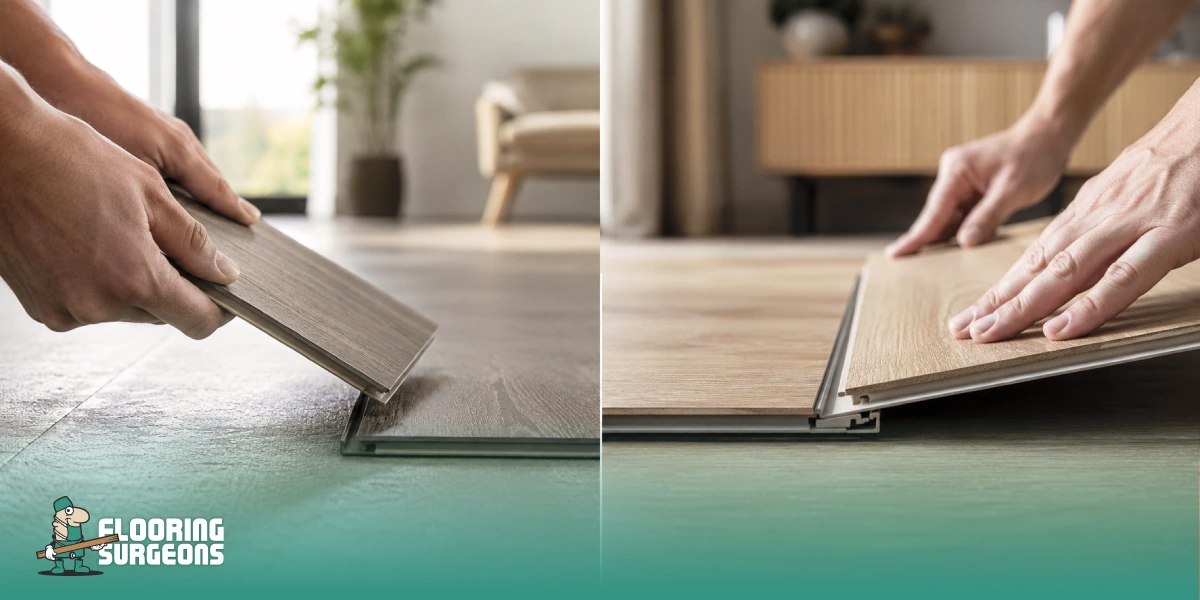
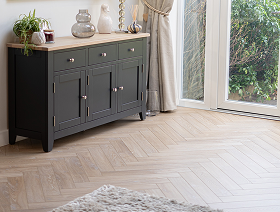
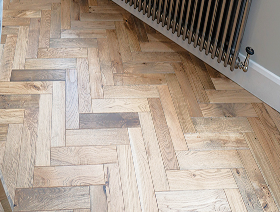
Wood flooring creates a calm, grounded, and premium atmosphere. Many studios choose engineered flooring because it offers the natural beauty of wood with greater stability against temperature and humidity changes.
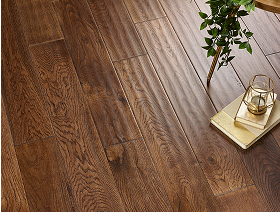
Options such as Walnut Engineered Flooring bring a warm, elegant feel, while lighter tones can visually expand smaller studios. Engineered wood also pairs well with yoga mats for added grip and comfort.
Laminate Flooring
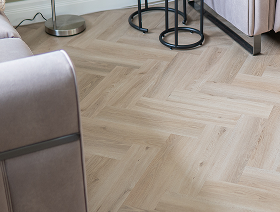
For studios seeking affordability and visual consistency, Oak Laminate Flooring offers a clean, modern look. While laminate is easy to install and maintain, it usually requires mats for cushioning during practice.
Cork Flooring
Cork flooring for yoga studio spaces is especially popular for hot yoga. Cork provides natural grip when moisture is present, absorbs sound well, and feels softer underfoot than many hard surfaces.
Rubber and Vinyl Flooring
Rubber and vinyl are practical choices for studios prioritizing hygiene and durability. These materials are water-resistant, easy to clean, and commonly used where intense movement or high humidity is expected.

Yoga Studio Flooring Comparison at a Glance
| Flooring Type | Comfort | Slip Resistance | Moisture Resistance | Best Use Case |
| Engineered Wood | Medium | Medium | Medium | Multi-purpose studios |
| Cork | High | High | High | Hot yoga studios |
| Laminate | Low–Medium | Medium | Medium | Budget-conscious studios |
| Rubber/Vinyl | Medium | High | Very High | High-intensity classes |
This overview helps narrow down the most suitable flooring for yoga room setups.
Choosing the Best Flooring for Your Yoga Studio
The best flooring for yoga studio spaces depends on how long you plan to operate in the space, the types of classes you offer, and how much maintenance you want to manage. Studios offering a wide range of classes often benefit from versatile materials that balance comfort and durability.
Professional advice can make a significant difference in long-term results. At Flooring Surgeons, flooring solutions are tailored to both functional needs and aesthetic goals, ensuring the floor supports the studio’s vision from day one.
Yoga Studio Flooring Installation and Long-Term Value
Installation quality is just as important as material choice. Uneven subfloors, poor fitting, or incorrect adhesives can shorten the lifespan of even the best materials. Understanding Flooring Installation Costs in the UK helps set realistic expectations and avoid surprises during the project.
A properly installed floor reduces maintenance costs, improves safety, and enhances the overall studio experience for years to come.
Final Thoughts
Selecting the right yoga studio flooring options is an investment in your students’ comfort and your business’s reputation. Whether you choose cork, wood, laminate, or rubber, the key is aligning the flooring with your studio’s purpose, environment, and long-term plans.
A well-chosen floor doesn’t just support yoga poses — it supports the success of your studio.

Mina Asgari
I’m an SEO Specialist and Content Strategist focused on sustainable business growth. I design data-driven content strategies by deeply analyzing user intent, search behavior, and SEO best practices, ensuring every piece of content serves a clear purpose for both users and search engines.