Installing new flooring is an important and crucial process. There are so many details that must be taken care of during the flooring installation. For example, when putting Luxury Vinyl Flooring or other flooring down, you need to ensure a damp proof membrane (DPM) is installed. Why? A damp proof membrane is a very important barrier to keep moisture and damp from rising from the subfloor. If moisture seeps through the subfloor to your floor, it can cause irreparable damage to your floor and to the structure of your home. Are you really going to need to use a DPM under your floor?
Table of contents
What is a Damp Proof Membrane (DPM)?
A membrane floor, or damp proof membrane (DPM), is an essential layer of protection, particularly in areas prone to moisture. It acts as a barrier to prevent moisture from penetrating into your floor covering, safeguarding the integrity of the flooring. A DPM is especially important when installing Luxury Vinyl Flooring or tiles in high-moisture areas such as basements, bathrooms, and kitchens, ensuring that your flooring remains free from damage caused by moisture.
Do you need a waterproof membrane in shower areas? Absolutely. Showers experience high humidity and frequent water exposure, making a waterproof membrane crucial for protecting your flooring from moisture damage. Installing a DPM helps prevent issues such as warping, swelling, and mould growth, keeping your bathroom floor intact and safe for years.
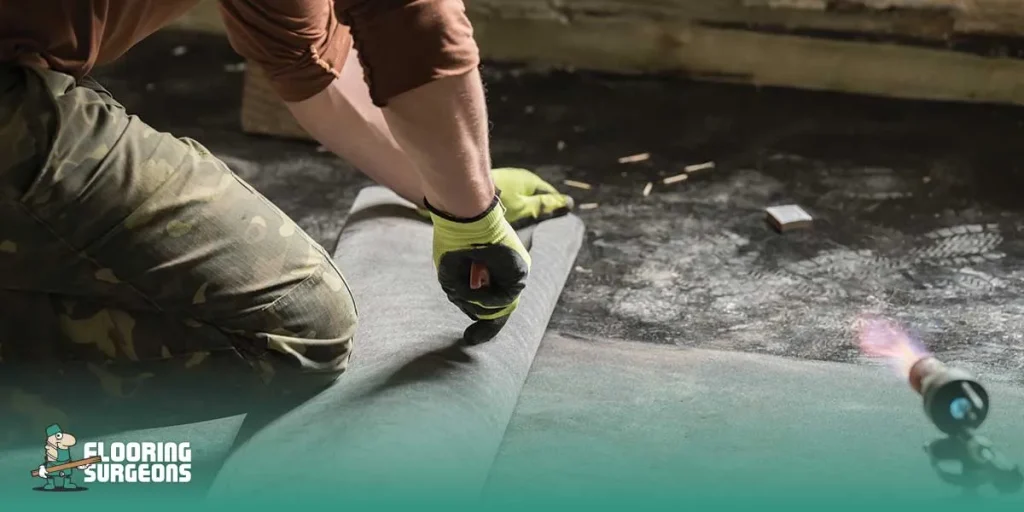
Why Do You Need a Damp Proof Membrane Under Your Floor?
A damp proof membrane (DPM) is a waterproof layer installed under your floor. It prevents moisture from rising up into your subfloor and flooring, causing damage. By installing a DPM before your flooring, you can help to keep your floor looking great, prevent damage, and increase its lifespan. A DPM is crucial for any flooring installation, whether you’re installing Luxury Vinyl Flooring, tiles, or wood, to ensure a long-lasting and successful installation.
Protection Against Moisture Damage
One of the most important reasons to install a damp proof membrane is to keep your floor from moisture damage. Moisture can come in many forms, including rising damp through the ground, or even condensation in a very humid room. Moisture damage from either a Luxury Vinyl Flooring installation or tiles, can cause your flooring to warp, swell, or crack. Installation of a DPM ensures your floor will stay in tact and safe from harmful moisture.
Increased Durability of Your Flooring
Floors can be a major investment, and you naturally want to take good care of them so that they last. Installing a waterproof membrane for basement floor means that you are protecting the flooring of your home for years to come. Without a DPM, the moisture can slowly erode the building materials used, which can cause your floor to look and feel unsightly and less robust. This is the case even if you are using flooring that is designed to be very hard-wearing, like Luxury Vinyl Flooring. Despite the strong, durable, and long-lasting surface, moisture can still cause the floor to lose its shape and integrity over time. A DPM improves the ability of your floor to withstand moisture so that it can stay in good condition for years to come.
To ensure your flooring stands the test of time, How to Future-Proof Your Flooring is essential. Investing in moisture protection today can save you from costly repairs tomorrow.
Preventing Mould and Mildew Growth
If you have a damp or humid area, such as a basement or bathroom, mould and mildew can be a huge issue. Mould and mildew are fungi that grow quickly in damp conditions and, without a damp proof membrane, your flooring will be an ideal place for them to thrive. Not only can mould and mildew cause damage to your floor, but it can also be detrimental to your health, particularly if you have respiratory problems. A DPM stops moisture from reaching your flooring, which greatly decreases the chances of mould and mildew growth.
Basement and Shower Considerations
Essential for Basement Waterproofing membrane, installation is one of the most common applications of a DPM. Basements are prone to high moisture content and if you don’t have a DPM installed, the moisture from the ground below can quickly travel up through your flooring and damage it. Installing a waterproof membrane for basement floor is an important way to make sure that your basement flooring stays dry, stable and free from moisture problems.
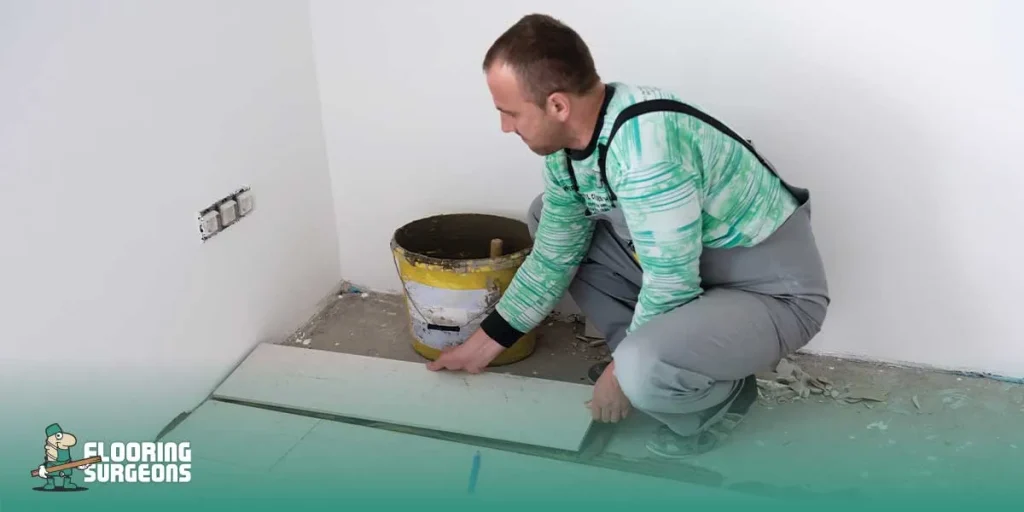
How to Install a Damp Proof Membrane Under Your Floor
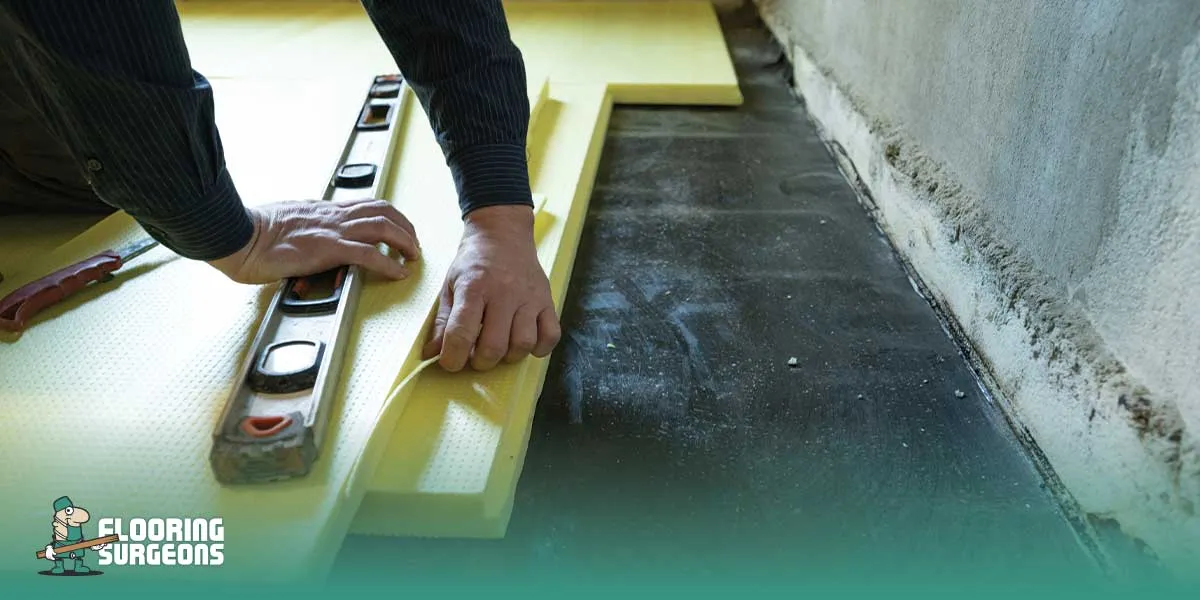
Adding a damp proof membrane is just one more step to the flooring installation process. But, as you’ll see, it’s a step that’s more than worth the effort. Follow our step-by-step instructions for how to install a DPM under your floor:
- Prepare the Subfloor
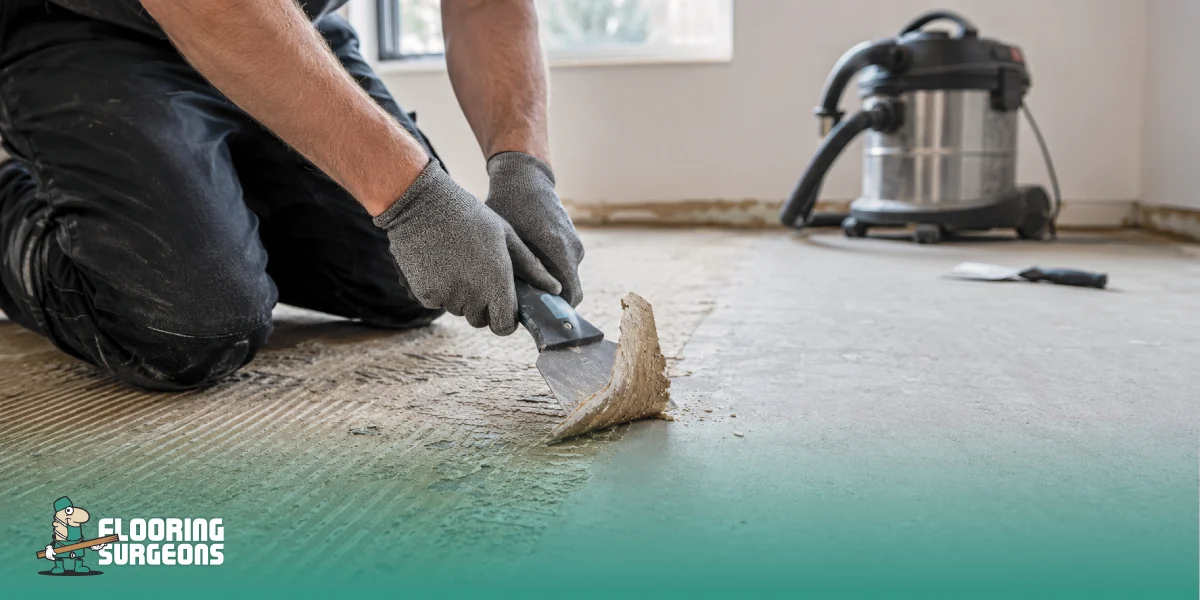
Clean the subfloor and make sure that it’s dry and free of debris. Dust, dirt and moisture can all prevent a DPM from being effective.
- Roll Out the Membrane
Unroll the membrane over the subfloor, and ensure that it covers the whole area. Lay it flat, making sure that there are no wrinkles or gaps. Overlap the edges of the membrane by about 10 cm.
- Seal the Edges
Seal the membrane edges along the walls and around any floor fixtures. That way, there won’t be any exposed edges where moisture can seep in.
- Add the Floor Covering
Once the DPM is in place, you can proceed to install your flooring. Luxury Vinyl Flooring, tile, or whatever material you’ve chosen will rest on top, and be protected from moisture by the DPM below.
For expert guidance and professional installation, Flooring Surgeons are here to help you with all your flooring needs.
Damp Proof Membrane: A Smart Investment for Your Flooring
Do you need a membrane under tile? Yes, a damp proof membrane (DPM) is highly recommended under tiles. The cost of installing a DPM is minimal compared to the damage moisture can cause to your flooring. Whether you’re laying Luxury Vinyl Flooring, tiles, or even carpet, a DPM provides long-term benefits by protecting your floor from moisture. This ensures your flooring lasts longer, maintains its appearance, and stays free from problems like mould and mildew growth.

Comparison Table: Benefits of DPM vs. Risks of Not Installing
| Benefit of DPM | Risk Without DPM |
| Prevents moisture from damaging the floor | Warping, swelling, and other damage to the flooring material |
| Protects against mould and mildew | Growth of mould, mildew, and health-related issues |
| Increases the durability of your floor | Shortened lifespan of the flooring material |
| Essential for basement flooring protection | Damp, soggy floors in basements and other high-moisture areas |
Conclusion
Luxury Vinyl Flooring installation, how to lay tiles, how to lay carpet or any other floor for that matter, is all going to require a damp proof membrane at some point. This is a moisture barrier that will protect your floor from moisture damage, and keep it damp free to stop mould and mildew breeding. In basements, bathrooms and kitchens, you are going to want to also look at a waterproof membrane for basement floor, or membrane under tiles. Get a DPM and protect your flooring investment.

Mina Asgari
I’m an SEO Specialist and Content Strategist focused on sustainable business growth. I design data-driven content strategies by deeply analyzing user intent, search behavior, and SEO best practices, ensuring every piece of content serves a clear purpose for both users and search engines.