Every day habits quietly ruin flooring by causing slow, repeated stress that doesn’t look harmful at first. Using too much water when cleaning, dragging furniture without protection, wearing outdoor shoes indoors, ignoring fine grit, or relying on the wrong cleaning products can all damage flooring over time, even when the floor appears fine on the surface.
The problem is not dramatic accidents. It is small, routine actions that feel normal or even careful, but gradually wear down finishes, weaken joints, and shorten the lifespan of your floor. This is why many homeowners only notice the damage months later, when gaps, dull patches, or movement start to appear, and repairs become harder to avoid.
In this article, we break down the everyday habits that quietly ruin flooring, explain how damage builds up over time, and show how these habits affect different types of flooring. You will also learn how to spot early warning signs and make simple changes that protect your floors without turning daily life into a maintenance routine.
Table of contents
Why Flooring Damage Often Starts Without You Noticing
Flooring damage usually begins quietly because the causes do not feel harmful in daily life. These are the main reasons problems develop before homeowners realise what is happening.

- The damage is gradual, not immediate.
Most everyday habits wear flooring down slowly. The surface may look fine for months while finishes thin, joints weaken, or protective layers break down underneath.
- Many harmful habits look “careful”
Using a damp mop, frequent cleaning, or products that look gentle can feel responsible, but repeated exposure can cause long-term damage, especially to wood-based floors.
- Early signs are easy to ignore
Slight dullness, tiny gaps, or subtle texture changes rarely trigger concern. By the time they are noticeable, the damage is already established.
- Damage builds below the surface first.
Structural issues, such as joint stress or moisture absorption, develop internally before they become visible problems on the floor.
- Daily routines repeat the same stress points.
Walking patterns, chair movement, and cleaning habits repeatedly apply pressure to the same areas, accelerating wear without obvious warning.
This combination is why flooring damage often feels sudden, even though it has been building quietly for a long time. Many of these issues stem from early flooring mistakes homeowners regret, where lifestyle was not fully considered at the decision stage.
Everyday Habits Ruining Floors Quietly
These habits feel normal in daily life, but over time, they cause the kind of slow damage that shortens the lifespan of flooring without obvious warning.

Using Too Much Water When Cleaning
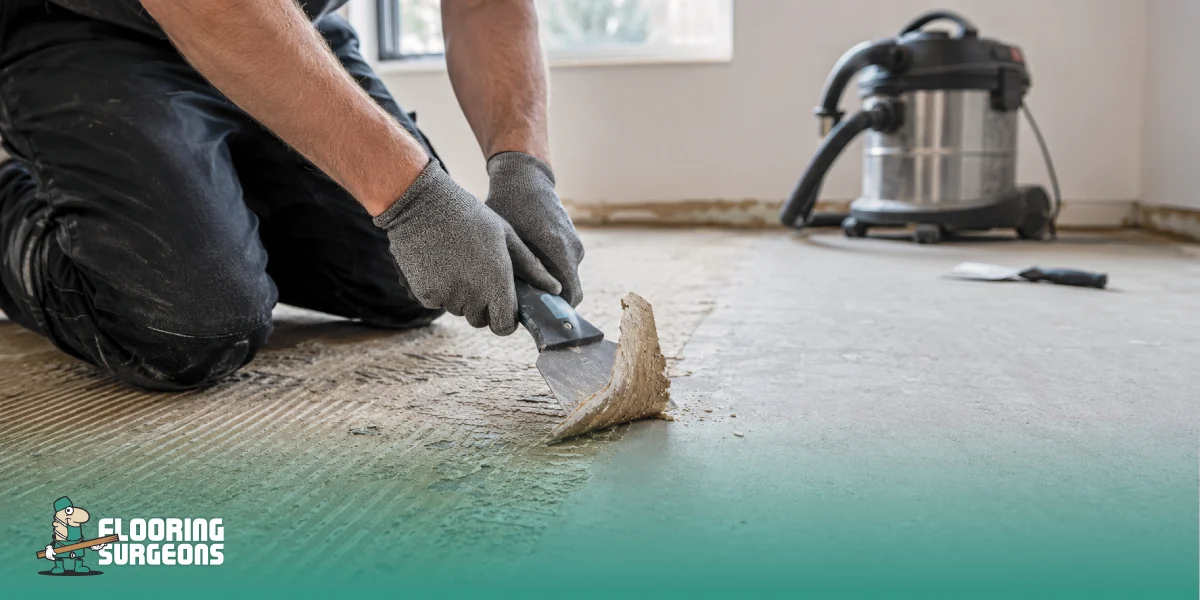
Water damage flooring is one of the most common causes of everyday flooring damage. Damp mopping too frequently or leaving moisture behind allows water to seep into joints and edges, especially on wood and engineered floors. The surface may dry quickly, but repeated exposure weakens protective finishes and encourages internal movement. This is a key reason why floors can look fine initially but begin to dull, gap, or lift months later.
Dragging Furniture Without Realising the Damage
Chairs, stools, and small tables are often moved without being lifted, causing repeated abrasion in the same areas. Even light furniture can damage flooring finishes when dragged regularly. Repeated movement from items like rolling chairs can damage hardwood floors and concentrate wear in the same areas, even when the surface looks undamaged at first. Over time, this causes uneven wear patterns, surface scratches, and visible dull patches that cannot be cleaned away. This habit is a quiet contributor to long-term flooring wear, not a one-off mistake.

Wearing Outdoor Shoes Indoors
Outdoor shoes bring in grit, acceptable debris, and moisture that act like sandpaper underfoot. Each step adds microscopic scratches that slowly break down protective layers. While the damage is not immediately visible, daily exposure accelerates surface wear and reduces the floor’s longevity over time. This is one of the most overlooked habits that quietly ruin flooring.
Ignoring Small Spills and Grit
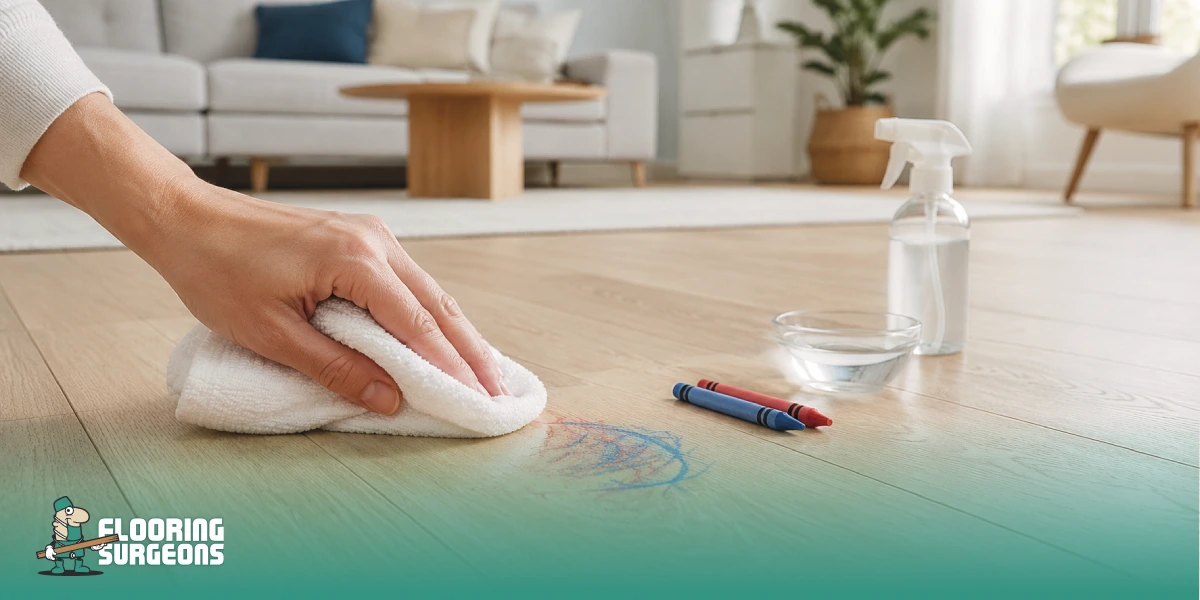
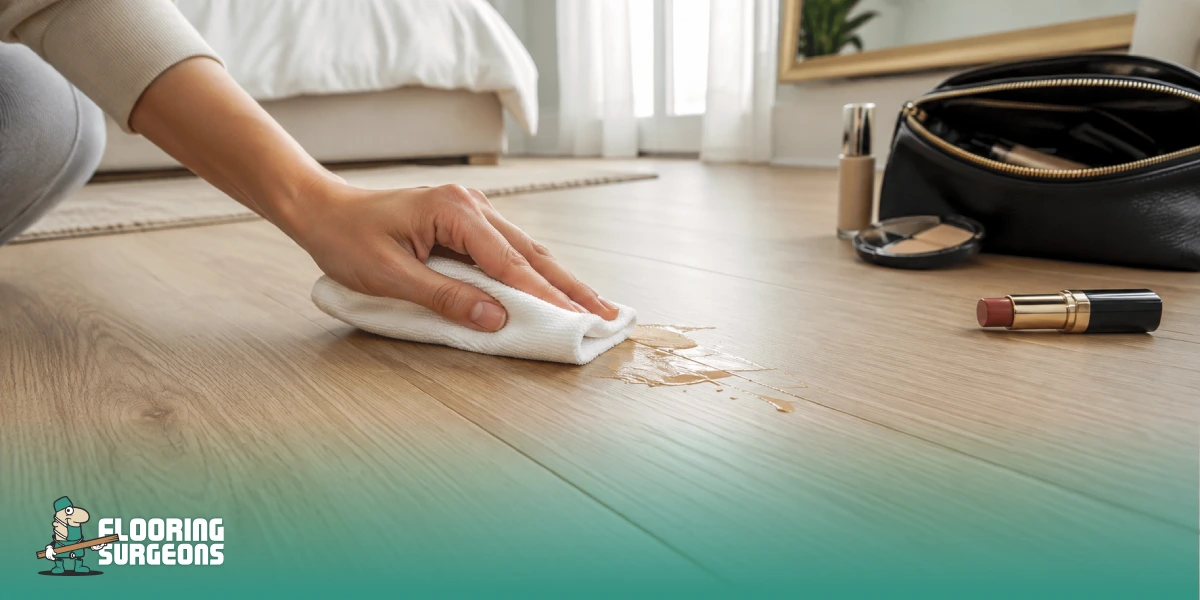
Small spills, crumbs, and fine grit often seem harmless and easy to deal with later. Left unattended, they create localised stress points that stain finishes, trap moisture, or cause abrasion. These minor issues compound over time, especially in high-use areas, leading to visible damage that feels sudden but has been building gradually.
Relying on “Gentle” Cleaners That Aren’t Floor-Safe
Many products marketed as gentle or multi-surface cleaners are not designed for flooring. Repeated use can leave residues that dull finishes, attract dirt, or break down protective coatings. The damage is subtle at first, but over time it affects both appearance and performance. Using the wrong cleaning products is a common habit that causes everyday flooring damage without immediate warning.
Habits That Damage Flooring Over Time
One of the biggest misunderstandings about flooring damage is the expectation that it will happen suddenly. In reality, most everyday flooring damage builds slowly. The surface looks fine, routines continue unchanged, and the problem only becomes obvious when repair is difficult or costly. What makes these habits dangerous is not their intensity, but their frequency. Small actions repeated daily apply stress in the same areas, gradually breaking down finishes, joints, and protective layers. This is why many homeowners feel the damage appeared “out of nowhere,” when it has actually been developing for months. On wood-based floors, this repeated stress often combines with seasonal movement in flooring, increasing the risk of gaps and surface changes over time.

How Everyday Habits Cause Long-Term Flooring Damage
The table below shows how everyday habits cause gradual damage, and why they are so easy to miss.
| Everyday Habit | What Happens at First | What Develops Over Time | Why It’s Often Ignored |
| Damp or frequent mopping | Floor dries quickly | Finish weakens, joints absorb moisture | No immediate visual change |
| Dragging chairs or furniture | Light surface marks | Worn patches, deep scratches | Damage blends into daily use |
| Wearing outdoor shoes | No visible issue | Fine scratches, dull finish | Grit damage is microscopic |
| Leaving small spills or grit | Easy to clean later | Staining, abrasion, edge damage | Seen as minor or temporary |
| Using unsuitable cleaners | Floor looks clean | Residue buildup, finish breakdown | Products are labelled “gentle” |
This gradual damage timeline explains why prevention matters more than repair. Adjusting everyday habits early protects flooring far more effectively than trying to fix visible problems later.
How These Habits Affect Different Types of Flooring
Not all flooring reacts to everyday habits in the same way. The material, construction, and surface protection determine how damage develops and how quickly it becomes visible. Instead of thinking in technical terms, it helps to look at three simple questions for each floor type:
- What causes the most damage?
- Where does the damage usually appear?
- Why is it often noticed too late?
When everyday habits and flooring type are mismatched, early signs that you chose the wrong flooring often appear long before major damage becomes obvious. Many everyday habits gradually affect engineered wood flooring, as moisture and repeated movement put stress on joints.

Wood and Engineered Wood Floors
Many everyday habits gradually affect engineered wood flooring, as moisture and repeated movement put stress on joints.
Most affected by:
- Repeated moisture from cleaning
- Dragging furniture
- Unsuitable cleaning products
Where damage usually appears:
- Along joints and edges
- In high-traffic walkways
- Beneath the frequently moved furniture.
Why does it go unnoticed: Wood-based floors absorb stress internally first. Expansion, contraction, and finish wear build up below the surface before gaps, dull patches, or movement become visible.

Laminate Flooring
Although it looks durable on the surface, laminate flooring is particularly vulnerable to moisture-related damage from everyday cleaning habits.
Most affected by:
- Damp mopping
- Small spills left unattended.
- Grit carried in from outside.
Where damage usually appears:
- Board edges
- Click joints
- Areas near entrances or kitchens
Why does it go unnoticed: The surface layer looks tough, but once moisture reaches the core, damage progresses quickly and is difficult to reverse.

Luxury Vinyl Flooring (LVT)
Even luxury vinyl flooring (LVT) can lose its finish over time when exposed to repeated friction and unsuitable cleaning products.
Most affected by:
- Dragging chairs and furniture
- Fine grit underfoot
- Strong or multi-purpose cleaners
Where damage usually appears:
- Walking routes
- Under dining chairs
- Areas exposed to consistent light
Why does it go unnoticed: The wear layer thins gradually. Loss of finish and surface clarity happens slowly, making the damage easy to overlook until it becomes obvious.

Early Signs Your Flooring Is Being Slowly Damaged
Flooring damage rarely starts with apparent failure. In most homes, the warning signs are subtle and easy to dismiss, especially when they appear gradually.
- Dull or patchy areas that do not improve after cleaning: When sections of the floor lose their sheen unevenly, it often indicates finish wear rather than dirt.
- Fine scratches that seem to multiply over time: Light surface marks that appear more frequently usually indicate grit abrasion or repeated friction from daily movement.
- Small gaps are forming between boards or planks: Early joint movement is a common sign of moisture stress or internal expansion and contraction.
- Edges that feel rough or slightly raised: This can signal moisture exposure or early breakdown of protective layers, particularly on wood-based floors.
- Subtle changes in texture underfoot: Floors may feel less smooth or slightly uneven in high-traffic areas before any visible damage becomes apparent.
- Marks that return quickly after cleaning: Residue from unsuitable cleaners can attract dirt, making the floor appear worn sooner than expected.
If one or two of these signs sound familiar, the damage is likely still manageable. Ignoring them, however, allows everyday habits to continue accelerating wear beneath the surface.

Simple Changes That Protect Your Floors
Most flooring damage is not caused by neglect, but by well-intended routines repeated too often. The key to protecting floors is not doing more, but doing a few everyday things slightly differently.
It usually starts with cleaning. Floors respond better to controlled moisture than to frequent wet cleaning. A lightly damp cloth that dries quickly is far less damaging than regular mopping that leaves moisture behind, even if the floor looks clean once it dries.
How a space is used matters just as much. Chairs pulled back and pushed in, small tables nudged aside, or furniture shifted without lifting all concentrated wear in the same areas. Reducing friction in these moments removes repeated stress without changing how the room functions.
What comes into the home also plays a quiet role. Fine grit carried in on shoes acts as an abrasive, wearing down finishes a step at a time. Simple changes at entrances often protect flooring more effectively than any cleaning routine.

Product choice is another area where less effort often works better. Cleaners designed for multiple surfaces can leave residues or weaken protective layers over time. Flooring performs best when products are chosen for the surface, not for convenience. Advice from Flooring Surgeons can help homeowners understand how everyday habits affect flooring over time and choose practical ways to protect their floors without unnecessary maintenance.
Taken together, these adjustments work because they reduce repeated strain rather than trying to eliminate wear entirely. Floors are meant to be lived on. Protecting them is about guiding daily habits, not managing them. Simple habit changes play a major role in protecting wooden flooring from everyday wear and tear, especially in busy living spaces.

Haniye Ayanmanesh
As an expert writer for Flooring Surgeons, I combine technical SEO knowledge with a practical understanding of flooring, producing content that helps users make confident decisions while supporting long-term organic growth.