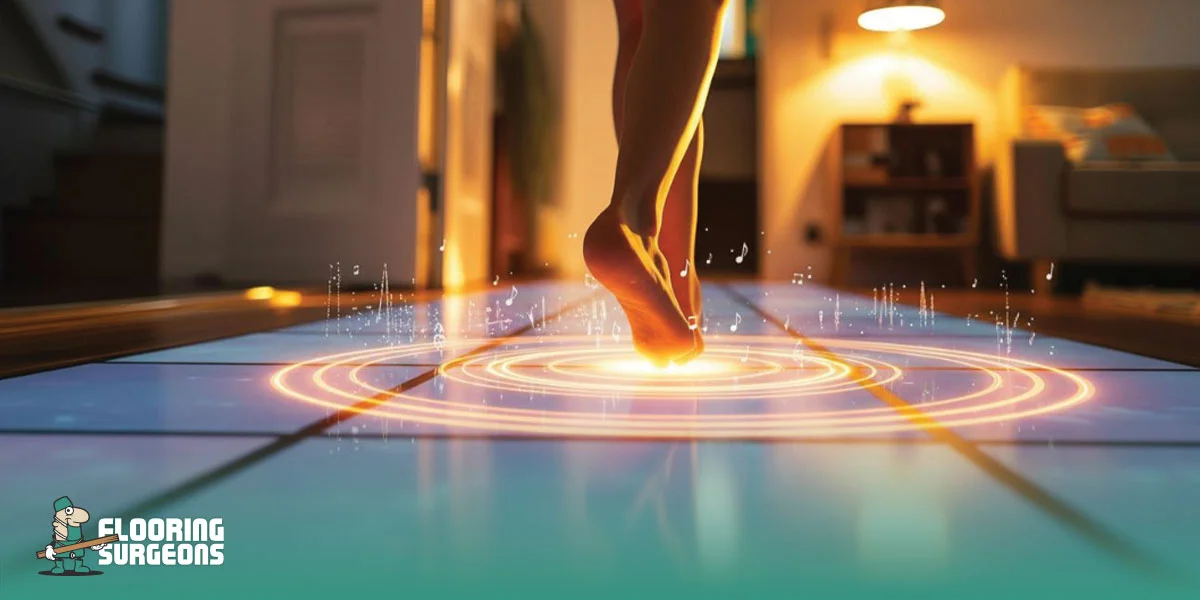
Imagine a floor that responds to every step you take, turning movement into music, light, and interactive experiences. This is the innovation behind interactive floors, combining sensor technology, sound modules, LED lighting, and smart connectivity. These floors are transforming homes, dance studios, commercial venues, and public spaces by creating immersive environments that engage sight, sound, and movement simultaneously.
From playful setups in children’s rooms to professional dance floors with sound, these systems enhance learning, coordination, and entertainment. Modern floors that react to movement can be customised via apps, integrated with smart home systems, and withstand heavy foot traffic. When combined with classic designs like light solid wood flooring or herringbone patterns, they offer both elegance and cutting-edge interactivity.
Table of contents
Understanding Interactive Floors: Technology Behind the Music
Interactive floors combine pressure-sensitive panels, sound modules, and LED systems. Each step triggers a musical note or lighting effect, creating an immersive and engaging experience.
In dance studios, dance floors with sound provide rhythmic feedback, helping dancers improve timing, coordination, and overall performance. In children’s rooms, playful tones encourage movement and motor skill development, turning physical activity into an enjoyable learning tool.
Advanced systems integrate with smart devices to synchronise music, lighting, and other interactive features. Modern floors can detect varying pressure levels, allowing multiple users to interact simultaneously without compromising responsiveness.
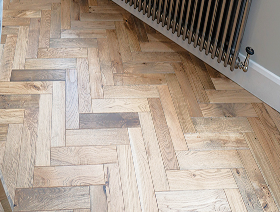
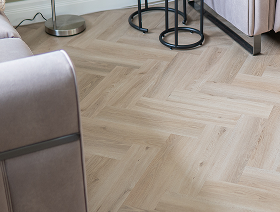
For projects that combine style and technology, designers often pair these interactive systems with premium materials like Herringbone Flooring. This ensures the floor remains visually elegant while supporting durability and high-performance interactivity. Durability and user-friendly installation make these floors practical for both residential and commercial applications.
Step-Activated Music Floors: Features, Benefits, and Applications
| Feature | Description | Best For |
| Pressure-Sensitive Panels | Detect foot pressure and trigger sound or lighting | Homes, dance studios, playrooms |
| Customizable Sound Options | Select musical notes, rhythms, or sound patterns | Dance floors with sound, interactive museums |
| LED Integration | Floors illuminate with movement | Entertainment venues, educational spaces |
| Durable Materials | Engineered for heavy foot traffic | Public spaces, commercial areas |
| Smart Connectivity | Integration with apps for personalized experiences | Modern homes, event spaces |
These step-activated music floors combine creativity, functionality, and educational value, making them ideal for a variety of environments.
Dance Floors with Sound: Enhancing Rhythm and Engagement
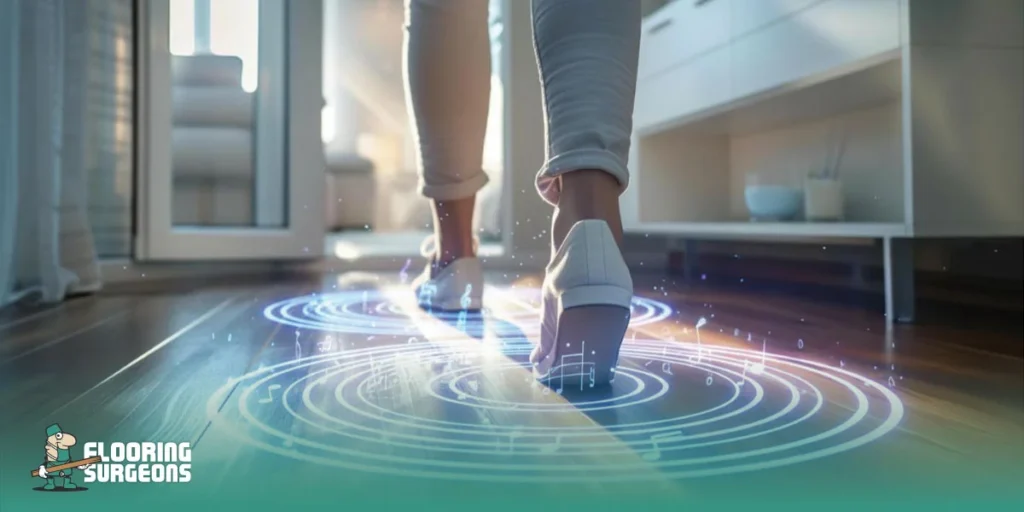
Dance floors with sound provide immediate auditory feedback, turning every step into a responsive experience. In professional dance studios, for example, instructors often use these floors during rhythm training sessions. Each step triggers a specific beat or tone, helping dancers instantly recognise whether they are on tempo or slightly off. This real-time feedback accelerates learning, especially for beginners who struggle with timing and coordination.
In commercial environments such as event venues, nightclubs, or interactive exhibitions, these floors are used to create memorable experiences. Imagine a retail space where customers step onto the floor and trigger musical notes or light patterns. This not only captures attention but also encourages longer engagement and interaction with the environment.
For children, the benefits go beyond entertainment. In schools or play areas, interactive floors can be programmed with educational games where each step activates sounds, numbers, or words. This transforms physical activity into a learning tool that improves motor skills, balance, and cognitive development.
Adults, on the other hand, often experience these floors as a blend of fitness and entertainment. In home gyms or entertainment rooms, a sound-reactive floor can turn a simple workout or gathering into an engaging, multi-sensory experience. This combination of movement, sound, and visual feedback makes the space feel more dynamic and personalised, rather than static and purely functional.
Combining Innovation with Traditional Flooring Materials
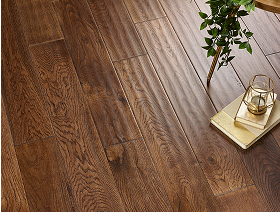
Integrating interactive technology with premium materials like Light Solid Wood Flooring or Herringbone Flooring goes far beyond aesthetics; it’s a strategic approach to maintaining durability, user comfort, and long-term performance while introducing advanced functionality.
In residential settings, a layered installation method is typically used. Sensor systems and sound modules are installed beneath the surface layer, allowing homeowners to retain the natural warmth and texture of real wood underfoot. This means you can enjoy a classic, elegant interior while benefiting from hidden interactive features such as sound or light responses. The technology remains invisible, preserving the authenticity of the space.
In commercial environments, such as retail stores, galleries, or event venues, material selection becomes even more critical. High-traffic areas demand durable surfaces that can withstand constant use without compromising performance. For example, engineered wood or reinforced herringbone layouts are often chosen because they distribute pressure evenly and protect the underlying sensor systems. A well-designed setup allows visitors to trigger sound or lighting effects simply by walking, creating an engaging experience without disrupting the visual identity of the space.
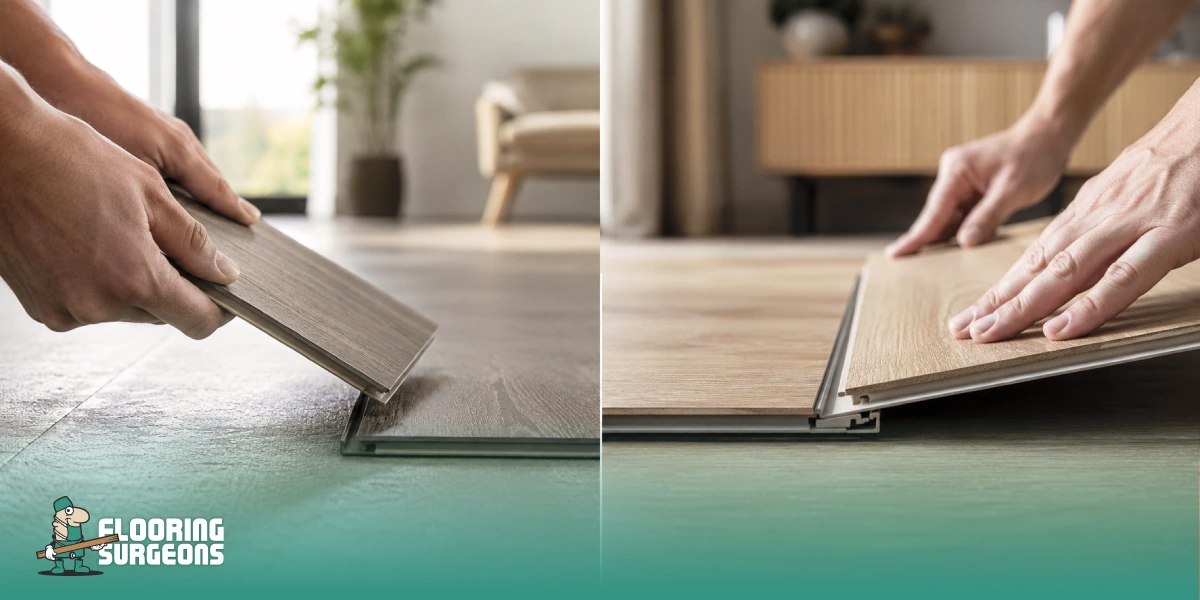
Another key factor is proper installation and system compatibility. The thickness of the flooring, the quality of the underlayment, and the alignment between digital components and surface materials all directly impact responsiveness and durability. Poor integration can lead to delayed feedback or long-term wear issues, while a well-executed system ensures smooth interaction and consistent performance over time.
Ultimately, this approach creates a seamless balance, where traditional materials provide comfort and timeless design, and modern technology enhances interaction without being intrusive.

The Hidden Comfort of Walking on Different Floor Materials
Even with advanced features, the hidden comfort of walking on different floor materials is crucial. Proper underlayment and material choice ensure natural, comfortable steps. Comfort remains a priority in high-traffic areas, where prolonged use could otherwise lead to fatigue or discomfort.
For expert advice on achieving the perfect balance between interactive technology and comfort, many homeowners and commercial projects turn to Flooring Surgeons to ensure floors not only look and sound amazing but also feel great underfoot. Interactive floors must feel as good as they look and sound.
Practical Tips for Installing and Maintaining Interactive Floors
Installing and maintaining interactive floors requires careful planning to ensure both functionality and comfort. Proper setup not only enhances the user experience but also prolongs the lifespan of the floor and its interactive components.
- Sensor Placement: Ensure sensors cover all walking areas to accurately detect every step. Proper spacing prevents dead zones and ensures consistent feedback.
- Integration: Connect floors to smart home apps or devices for easy customisation, control, and monitoring of sound, lighting, and interactivity features.
- Material Choice: Select surfaces that are both durable and comfortable. Combining robust materials with underlayment can improve shock absorption and step comfort.
- Maintenance: Regularly clean floors and inspect sensors for dust, debris, or wear. This keeps the system responsive and extends its life.
- High-Traffic Considerations: In commercial spaces, use rugged components and reinforced panels to handle continuous foot traffic without compromising performance.
By following these practical steps, interactive floors can deliver a seamless, engaging experience for users of all ages while remaining durable and visually appealing. Proper setup and care ensure the floor performs reliably, setting the stage for a satisfying, immersive interactive environment.
Conclusion: Why Interactive Floors Are the Future of Flooring
Interactive floors are more than a novelty. They combine entertainment, education, and design. Step-activated music floors enhance learning, engagement, and creativity while providing durable, stylish flooring solutions. Pairing technology with high-quality materials like Light Solid Wood Flooring or Herringbone Flooring ensures comfort and aesthetics, along with advanced interactivity.
From playful home setups to commercial dance floors, these systems transform ordinary spaces into immersive experiences. Understanding the technology, benefits, and proper installation ensures you get a floor that is safe, durable, and fun for all ages. The hidden comfort of walking on different floor materials guarantees that every step is as enjoyable as it is interactive.
With proper planning, installation, and maintenance, interactive floors offer a long-term, engaging, and unique solution that redefines the way we walk, play, and experience spaces.

Mina Asgari
I’m an SEO Specialist and Content Strategist focused on sustainable business growth. I design data-driven content strategies by deeply analyzing user intent, search behavior, and SEO best practices, ensuring every piece of content serves a clear purpose for both users and search engines.