A floor that produces electricity every time you step on it sounds like something out of science fiction. Floors that create electricity when you walk on them are an innovative technology that harnesses kinetic energy from footsteps and converts it into electrical energy using piezoelectric technology. This technology has many potential applications, from powering streetlights in high-traffic areas to providing renewable energy sources for homes. In this blog post, we will discuss how floors that create electricity work, real-life examples of this technology in use, the benefits of using these floors, and more. Let’s look at how electricity-producing floors work and how they could change the future of energy as we know it.
Table of contents
What Are Floors That Generate Electricity When You Walk on Them?
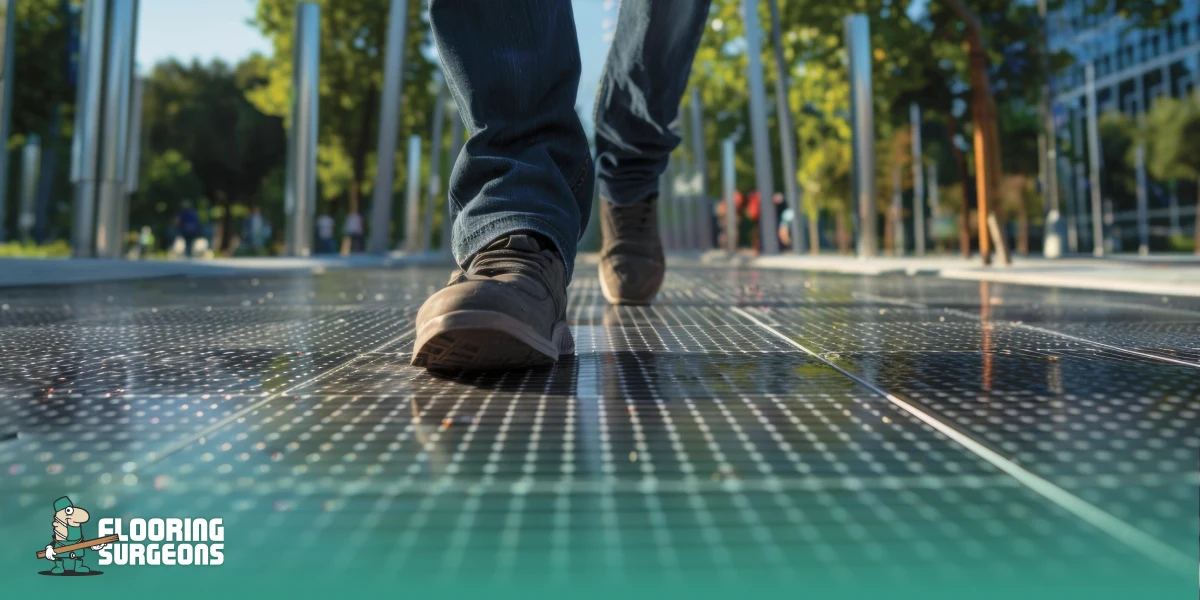
Electricity-generating floors are the newest development in energy harvesting tools. This technology harnesses the power of piezoelectricity. Piezoelectricity turns energy created by force, pressure, or friction into energy you can use. Basically what this means for you is every time you take a step, you have the potential to create energy. This harvested energy can then be used to power devices, stored in batteries, and/or be used to fulfill energy requirements in areas that see lots of foot traffic. The possibilities are endless with this newly emerging technology. In the near future we could see electricity-harvesting floors being used in our everyday lives, maybe even in our homes!

How Do Electricity-Generating Floors Work?
The technology relies on piezoelectric materials to create electricity. Piezoelectric flooring generate power when you put pressure on them. When pressure is applied to piezoelectric materials, the crystals inside realign themselves, creating voltage. You can capture that electricity and use it to charge batteries, or use it directly to power lights or sensors within a building with very little energy input.
What Happens When You Take a Step?
It’s a straightforward concept:
- You step – When you step on the floor your weight creates pressure onto a piezoelectric material beneath your feet.
- Power – The pressure is converted into energy.
- Store or use energy – The electricity can either be stored in batteries or use immediately to power up devices around the building.
Where Are These Floors Used in Real Life?
Futuristic floors are currently being implemented in many places. They are usually installed in heavily trafficked areas such as airports, train stations, and shopping malls. Think about how much energy could be generated from people just walking around these areas! Implementing this type of flooring would allow cities to become less reliant on other energy sources.
Something else that people are looking into is installing these floors in smart homes. Floors like these in a smart home could provide energy for small appliances, lights, or sensors around your home. They aren’t quite there yet, but having energy generating floors throughout your home could be the future!
If you want to learn more about smart flooring and home energy, read our article How Flooring Is Adapting to Smarter, Tech-Driven Homes.

Benefits of Floors That Generate Electricity
Electricity-generating floors have multiple uses besides charging your devices. For starters, they can be used to create energy efficient buildings, help the environment, and integrate with your smart system. Here are some advantages:
- Environmental Benefits: Human-powered floors help create renewable energy by transforming human movement into electrical power. This lessens our dependence on fossil fuels and can reduce our carbon footprint.
- Energy Conservation: Using energy harvested from footsteps to power low-energy devices is an efficient use of energy.
- Smart Home and Building Integration: Integrating electricity-generating floors into smart homes and buildings could enable them to power sensors and lighting, as well as contribute to the overall smart building system.
- Long-Term Savings: Although electricity-generating floors may be expensive to install, they have the potential to save homeowners money on their electricity bills in the long run.
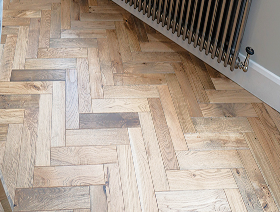
Floor design is also important to consider in rooms that implement this technology. Herringbone Flooring is one option that allows for sleek and modern design. Pair beautiful floor designs with energy efficient models to increase functionality while still creating gorgeous rooms. Spaces that value design and energy efficiency will benefit from these types of floors.
Limitations and Challenges of This Technology
Electricity-generating floors are pretty neat, but they also have their downsides:
- Low Energy Output: The energy produced by these floors is relatively small, meaning they are best suited for low-energy applications such as powering lights or sensors rather than heavy-duty devices.
- Expensive To Setup: Floors like these can require a large initial investment because the technology and materials needed to create them are often high-end. However, the energy they can save you in the long run can pay for itself.
- Susceptibility to Damage: Floors can become less effective with extensive use or damage.
- Not Ideal for Home Use: Currently better suited for commercial and public spaces than residential applications.

Comparison of Electricity-Generating Floors: Pros and Cons
To better understand how electricity-generating floors perform in real-world scenarios, the table below summarizes their key features, benefits, and limitations.
| Category | Details |
| Energy Source | Converts kinetic energy from footsteps into electricity |
| Best Locations | Airports, train stations, shopping malls |
| Main Benefits | Renewable energy, eco-friendly, supports smart systems |
| Energy Output | Low – suitable for small devices (LEDs, sensors) |
| Installation Cost | High initial investment |
| Maintenance | May require upkeep due to wear and tear |
| Suitability for Homes | Currently limited, future potential |
Can You Install These Floors at Home?
Electricity-generating floors are still considered emerging technology. Floors such as these are currently only used for commercial or public environments because they require high traffic to produce enough energy. Spaces like airports, train stations, and shopping malls can benefit from energy created from the many people walking throughout the area.
Right now it’s still not practical for homeowners to place this in most residential areas. This is because of the high cost to install them and the small amount of energy they give back. In the future when this technology gets better and cheaper it could be an option for homes. It could allow your house to power some small appliances or lights.
Until then homeowners interested in energy efficient flooring that is durable may look into eco-friendly alternatives. Laminate Flooring is durable and ideal for high traffic areas such as kitchens and bathrooms. Conventional options like these complement smart home technologies.

The Future of Energy-Generating Flooring
We are excited about the potential advancements of smart flooring technology in the future. New technology will allow us to create flooring systems that could be more efficient, cost effective, and scalable for home use. Over the next few years we will likely see major advancements in the implementation of energy harvesting floors into smart cities and homes as they help to reduce energy waste and enable cities to become more sustainable.
Coupling these floors with IoT technology and smart homes/buildings could take this to the next level. They could allow us to charge electronics or our electric car, power appliances at home, or even control the temperature of our home using the energy generated from footsteps.
Real-World Applications of Energy-Generating Floors
| Location Type | Use Case | Energy Usage |
| Airports | High foot traffic areas | Lighting, displays |
| Train Stations | Walkways | Sensors, signals |
| Shopping Malls | Entrances, corridors | Decorative lighting |
| Smart Buildings | Integrated systems | IoT devices |
Conclusion: Are These Floors the Future or Just a Concept?
Walkable floors that produce electricity are already becoming a reality. Their practicality for mass use is still being developed, as the technology needs to become more affordable and efficient. However, they show great promise for the future of renewable energy flooring.
With future advancement and price drop, we could potentially find this implemented in all commercial buildings, and even homes. This can help our world become more eco friendly and technology based.

Ana.Soltanpoor
I’m an SEO Specialist with a strong background in content management and organic search. I build data-driven content strategies by aligning user intent, search behavior, and SEO best practices to ensure every piece of content delivers clarity, relevance, and measurable organic performance.