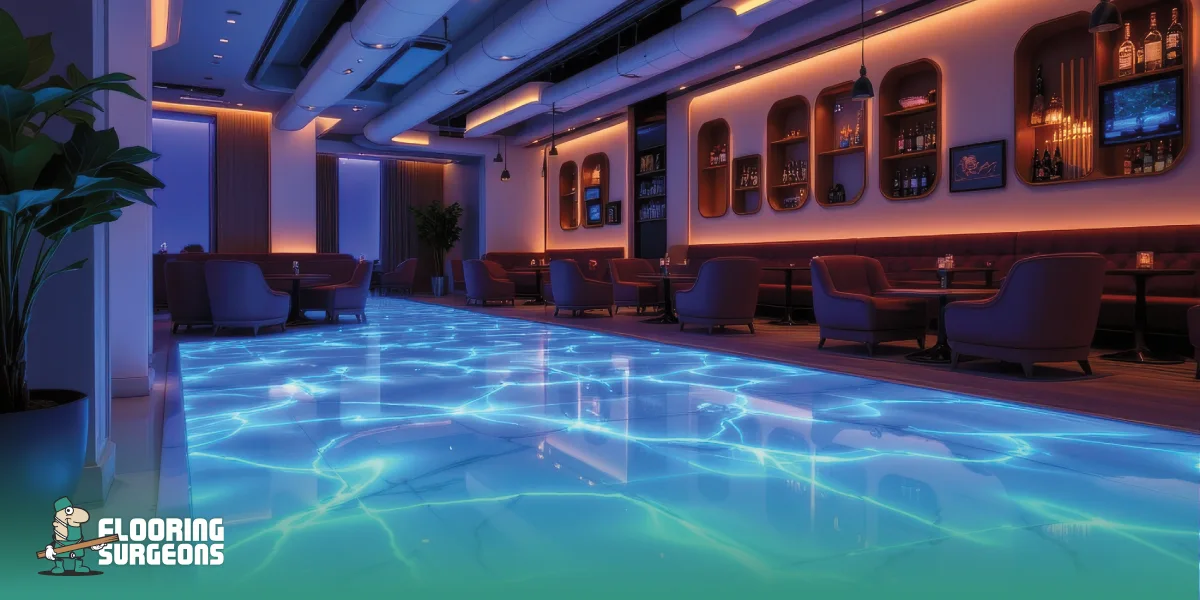
Imagine walking into a room where the floor beneath your feet isn’t a solid wood floor or tile, but instead an ocean. Or maybe swirling galaxies. Or even walking imagery for your retail brand. That’s holographic floors. These mesmerising designs are popping up in retail stores to literally catch customers’ feet and make them stop in their tracks. Event designers are using them to create breathtaking effects. And some homeowners are wondering: where do I sign up?
Keep in mind, holographic floors DO NOT take the place of your current floor. They project from adhesive flooring that goes on top of your floor, creating beautiful interactive displays that move and shift with motion, light, or custom programmed patterns and sequences. It’s less about “will this look cool?” and more about “will this work for me? Is it in my budget? Is it worth the investment?”
In this article, we explain how holographic floors work, where they belong, and what you need below them to make them work and have no regrets.
Table of contents
What Are Holographic Floors and How Do They Work?
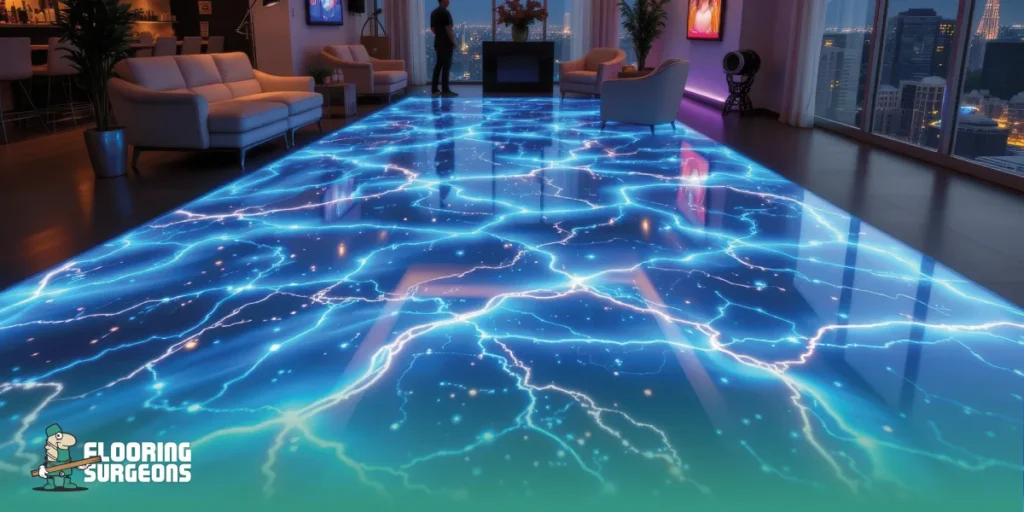
They’re not really holograms like you see in Star Wars. Projected or LED screens using high-resolution display capabilities underneath a transparent surface. The name “holographic” derives from the 3D images they produce. This creates images that float, ripple and move with traffic.
There are two categories. Projector-based displays consist of ceiling-mounted projectors that project images onto a reflective floor media. This type of system is ideal for temporary displays such as trade shows and special events. LED Panel systems are recessed into the floor and are permanent. This makes them ideal for retail or entertainment applications that require a long-lasting solution.
Imagine stepping onto a puddle. Well, now you can. Sensors recognise your movement and cause circles of light to bounce away from your feet. Walk over a map of stars, and they swirl and rearrange themselves around you. Some installations even feature sound or lighting synchronisation for complete audience immersion.
Key Benefits of Interactive Holographic Flooring Systems
Understanding when holographic floors are valuable and when they are unnecessary fluff is important. When used properly, they become less of a gimmick and more of a valuable asset that captivates attention, generates interaction, and drives ROI.
Creates Memorable Brand Experiences
Car dealerships can display a virtual test drive path. Museums can project historical maps onto the exhibit floor. Retailers can highlight product details holographically rather than with messy signage. When’s the last time something flat caught your eye?
Fully Customizable and Updateable Content
Traditional printed graphics and fixed tile graphics can’t do this. Need a new look on your floor quickly? Change the holographic graphics remotely. Planning multiple events at one venue? Transform the space with a single click. Best of all, this can help you save money if you frequently need to change your brand.
Engages Customers Through Interactivity
Customers don’t stare at holographic floors; they interact with them. Children bounce on imaginary trampolines. Shoppers step on zones to trigger product videos. This physical engagement increases dwell time, which leads to higher conversions.
Holographic Floors vs Traditional Flooring
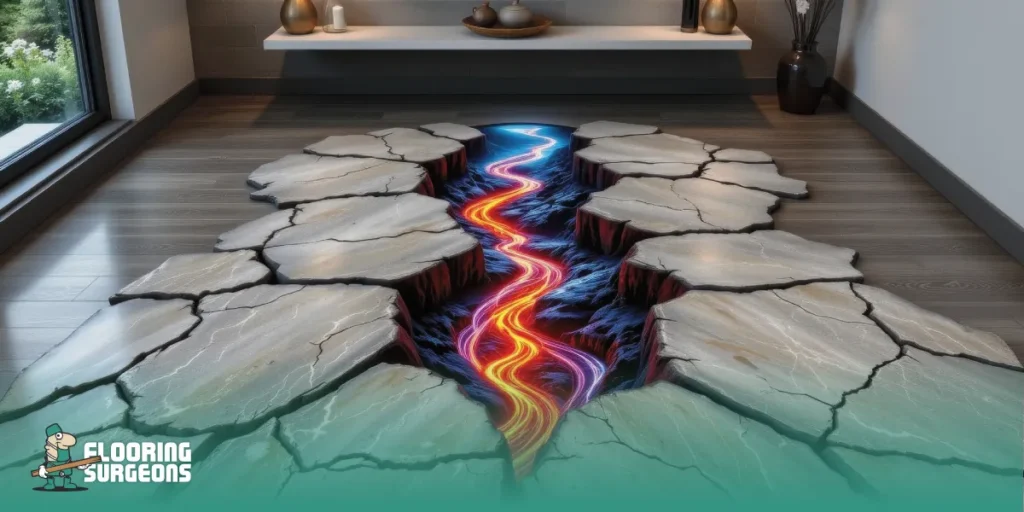
On the surface, holographic floors and regular flooring have the same function: they both cover your floor. However, the way they work could not be more different. Regular flooring materials, whether laminate, vinyl or tile, prioritise durability, beauty and practicality. After installation, the floor will look the same for years to come. Holographic floors are full-motion displays placed over your structural floor surface. The images can shift and change from second to second– responding to motion, playing animations, or showcasing branded content.
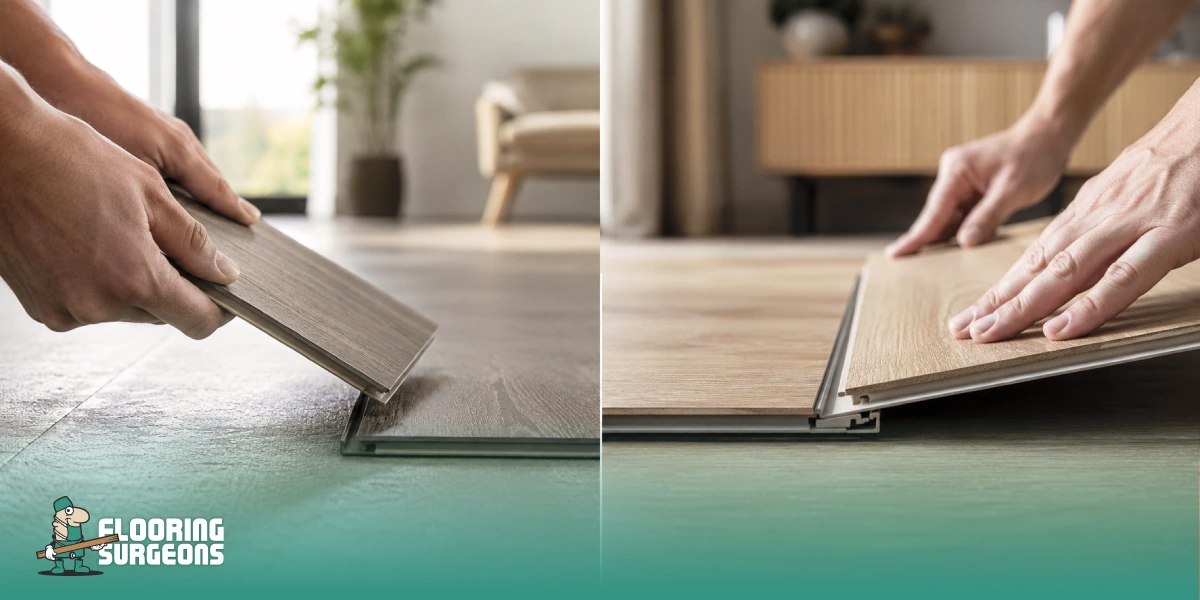
The largest distinction is that holographic systems still need a floor beneath them. Laminate flooring or luxury vinyl creates that smooth, stable surface needed for projections or LED panels to operate properly. Otherwise, the images appear distorted, or the system wears down more quickly. Think of it this way: holographic technology is meant to enhance your floor, not replace it.
Best Applications for Holographic Floor Technology
Holographic floors work best in areas where they will have a visual impact. Since holographic flooring technology isn’t yet cheap, it’s typically used in commercial or public settings rather than in standard residences.
Where to Use Holographic Floors
| Industry/Setting | Primary Use | Key Benefit | Best For |
| Retail Stores | Product demos, virtual try-ons, interactive displays | Boosts engagement and sales conversion | Fashion, electronics, furniture showrooms |
| Museums & Galleries | Historical recreations, interactive exhibits | Makes learning immersive and memorable | History museums, science centers, art installations |
| Events & Trade Shows | Brand activations, photo ops, gamified experiences | Creates shareable moments and buzz | Product launches, corporate events, expos |
| Entertainment Venues | Dance floors, gaming zones, themed experiences | Adds wow factor and repeat visits | Nightclubs, arcades, theme parks, family entertainment centers |
| Corporate Spaces | Lobby displays, meeting room enhancements | Reinforces brand identity and impresses clients | Tech companies, innovation hubs, flagship offices |
Retail Stores and Shopping Centres
Shopping centres and stores deploy holographic floors to capture customer attention or guide them to specific areas. In a cosmetics store, for example, a holographic floor may showcase product effects in action. A sportswear retailer may want to move track lines that lead shoppers towards a featured collection.
Museums, Exhibitions, and Experience Centres
Interactive floors can be useful inside classrooms as they make learning materials tangible for visitors. Museum floors can showcase historical maps, underwater worlds, or create animations that respond to visitors walking over them.
Events, Trade Shows, and Brand Activations
Pop-up holographic floors are popular for exhibitions and promotions. Companies display animations, logos or interactive games on the floor to lure visitors and increase social media interaction.
Entertainment Venues and Theme Attractions
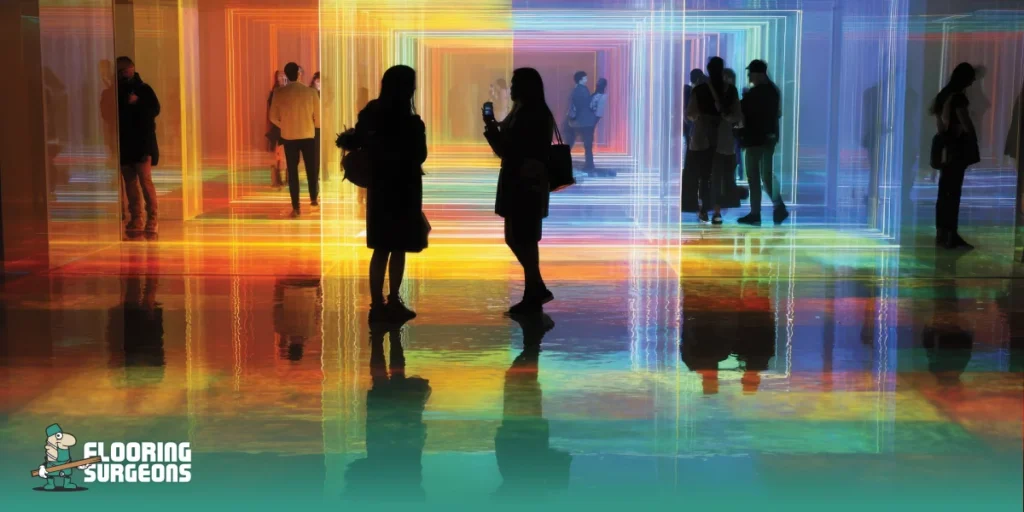
LED holographic floors are commonly used in nightclubs, theme parks, and experiential art spaces for mapped visuals that synchronise with music and lights. The floors create unique visual experiences that morph throughout the night, breathing life into otherwise standard rooms.
Choosing the Right Flooring for Holographic Systems
No matter how fancy your projection system or LED floor display is, there’s one simple rule they all share. The floor underneath it all must be flat, stable, and moisture-resistant. Movement in the floor can warp projected images and ruin embedded panels over time.
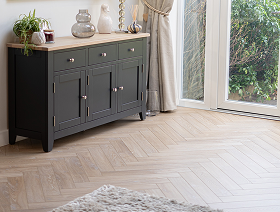
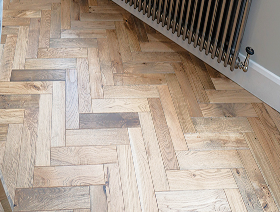
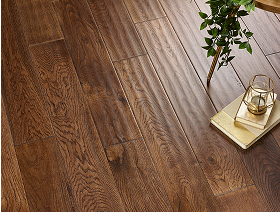
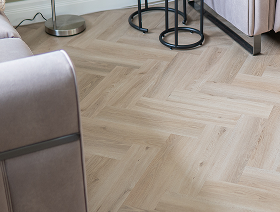
Many installers choose laminate as it provides a flat, even surface needed for crisp projection. Many laminate floors are waterproof, which is ideal for high-traffic retail stores or exhibition spaces where cleaners may be used. Luxury vinyl flooring is also popular. Regardless of your flooring choice, it should be dense and moisture-resistant. Commercial-grade holographic installations don’t get mounted to exposed concrete or an uneven subfloor. There is always a flooring layer to help provide crisp images.
Holographic Floor Installation Requirements and Costs
Holographic floors require more steps to set up than regular flooring does. For starters, you may need multiple layers of equipment and the flooring. Firstly, you need the flooring and subfloor levelled. Once you’ve done that, the actual interactive system can be put in place. This can either be projection equipment with motion sensors or built-in LED floor panels. Projection equipment tends to be cheaper. Because you need projectors, sensors, and a reflective floor you can place it over.
LED floor displays are much more costly as the display tech is installed into the floor itself. The benefits include brighter images, greater durability, and fewer lighting restrictions. Prices can vary widely depending on the system you’re getting, the complexity of the installation, and the space’s square footage. Small projectors can start in the low thousands, while large permanent LED dance floors for venues can cost tens of thousands.
If you’re interested in how emerging technologies are reshaping interior surfaces, it’s worth exploring how AR is transforming flooring choices, a trend that points toward more interactive environments in the future.
Conclusion: Step Into the Future of Interior Design
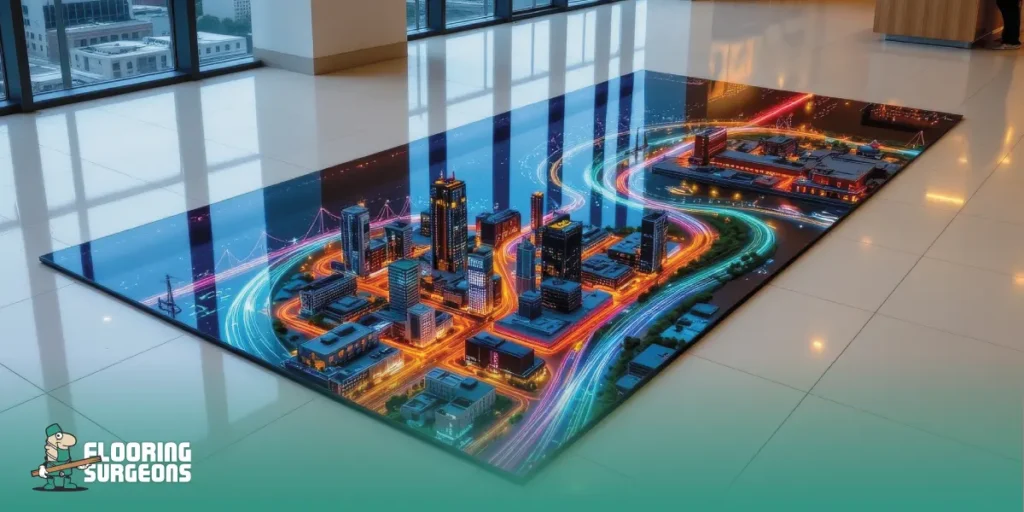
Holographic floors are the next step in immersive experiential design. Perfect for changing up your retail store or home theatre, as well as the lobby of your business or office. The possibilities are endless with this new technology. Contact Flooring Surgeons today if you’d like to make your dreams a reality or learn more about your flooring options.

Ana.Soltanpoor
I’m an SEO Specialist with a strong background in content management and organic search. I build data-driven content strategies by aligning user intent, search behavior, and SEO best practices to ensure every piece of content delivers clarity, relevance, and measurable organic performance.