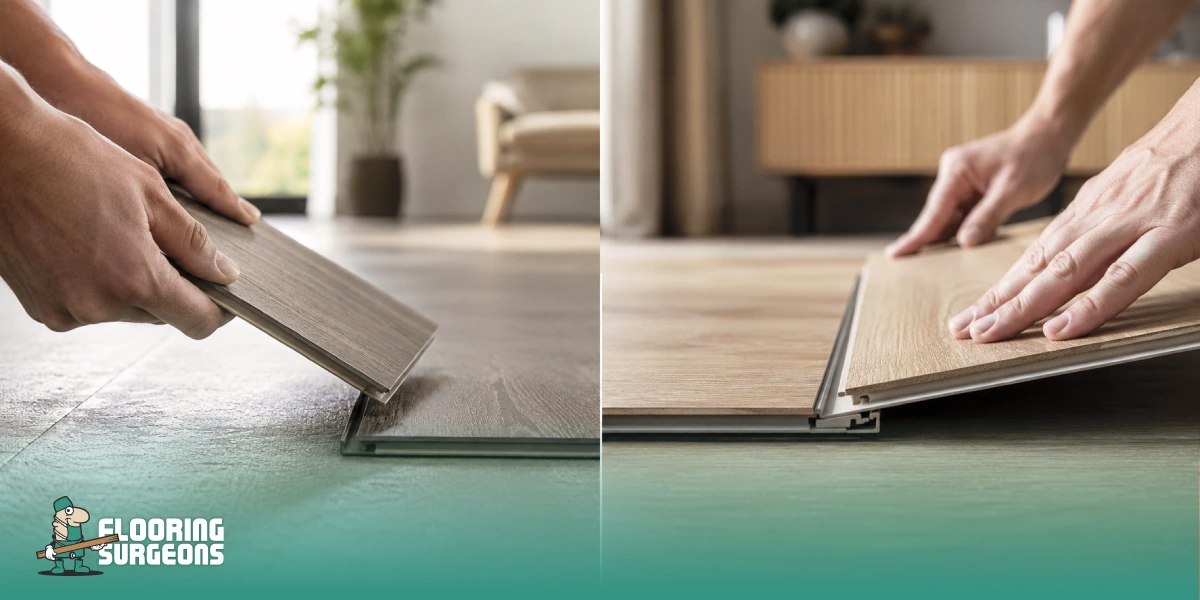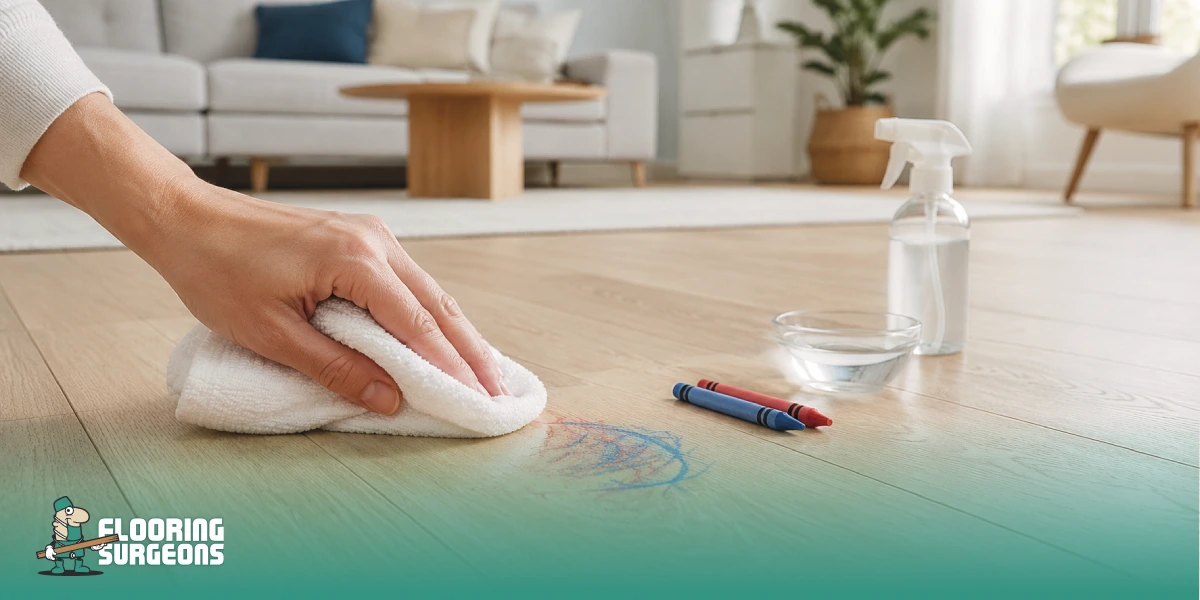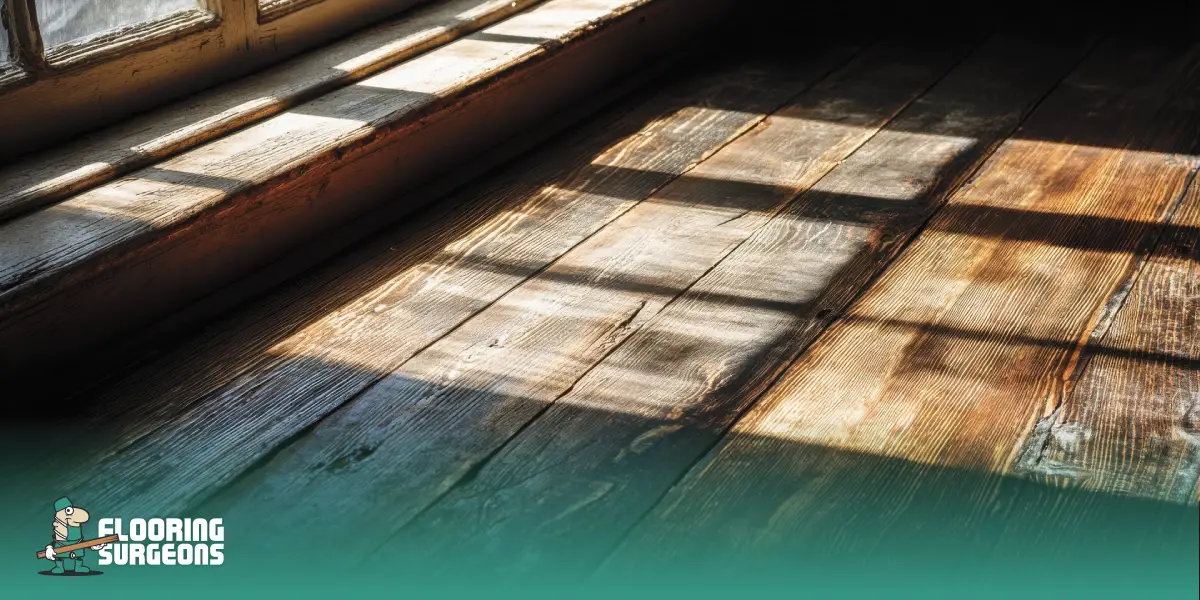
Floor texture after years of traffic will typically be from a combination of expected wear and care techniques. Factors like dirt, foot traffic, moisture, sunlight, dragging furniture, and cleaners will alter appearance. Smooth floors can highlight scratches and dull areas as well as flooring wear patterns, while textured surfaces can mask minor scratches but trap dirt. Wood floors can show patina, while laminates can experience floor surface wear or flooring swelling, and luxury vinyl planks may experience worn-out texture if the wear layer deteriorates. Some changes in floor texture over time are harmless, but serious damage may indicate that the floor should be cleaned, restored, repaired, or even replaced.
Table of contents
Quick Answer: How Floor Texture Changes Over Time
Floor texture over time will generally become smoother, less distinct, or otherwise worn away in high-traffic areas. Floor texture can become dull or show obvious signs of wear, such as light scratches and worn floor patterns, in high-traffic areas like hallways, kitchens, and living rooms. Smooth floors show signs of wear more easily because scratches and sheen variations are readily apparent. Textured floors with a brushed, distressed or embossed finish can help conceal small scratches, but ingrained dirt can build up in the pattern if it isn’t cleaned frequently. A worn floor texture is not always a sign of serious damage. Some dullness, scuffing, and patina are natural. Swelling, peeling, gouging, or flattened floor texture usually requires repair or replacement.
Why Floor Texture Changes After Years of Use
Floor texture isn’t typically altered in one fell swoop. Rather, wear happens gradually over time as the surface responds to foot traffic, cleaning habits, humidity, sunlight, and general traffic patterns throughout your home. Some changes are merely cosmetic, while others affect how the floor feels under your feet. By knowing the common causes of texture change in flooring, you can preserve your floors longer and prevent wear in high-traffic areas from becoming too visible.
Foot Traffic Creates Flooring Wear Patterns
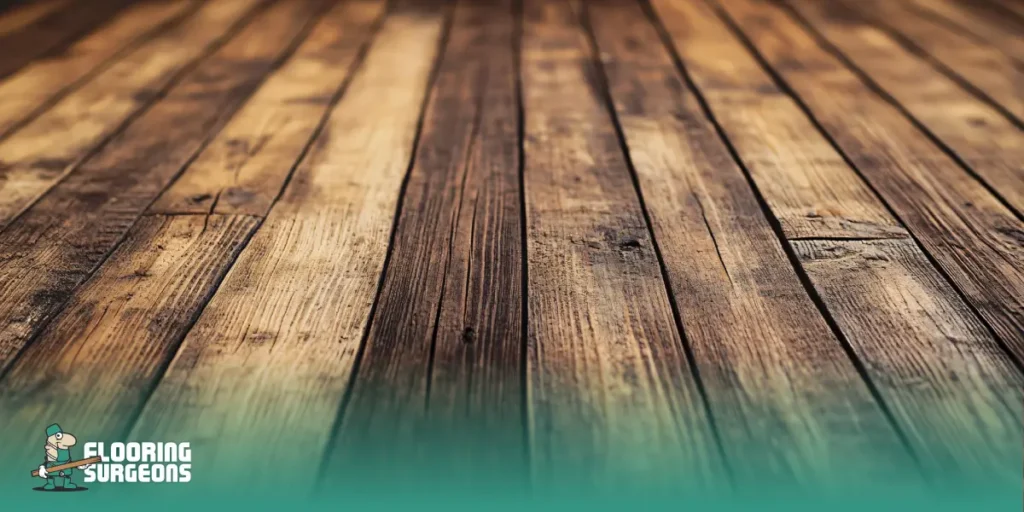
Foot traffic is the leading cause of floor texture change after years of use. Most foot traffic occurs in hallways, kitchens, entryways and living rooms. Eventually, shoes, dust, grit and furniture movement create flooring wear patterns and dull patches from floor surface wear. Textured floor wear may not seem as noticeable because grooves and grain hide small imperfections. High traffic areas can still become smoother or flatter on textured floors. Habits formed early on can help prevent floor damage in high-traffic areas before texture is compromised.
Cleaning, Sunlight, and Moisture Affect the Surface
Cleaning products, sunlight, and moisture can also alter floor texture over time. Harsh cleaners may leave residue on the floor, strip the finish, or leave a sticky/cloudy feeling. Sunlight can bleach out areas of your floor, making worn spots stand out. Water and moisture are huge concerns for wood floors and laminate flooring. When water penetrates the seams or subfloor, it can cause the surface to swell up, lift, cup, or develop spots that feel uneven when you walk on them. All of the examples mentioned change the appearance and texture of your floor.
Smooth vs Textured Flooring: Which Shows Wear First?
Smooth and textured flooring ages differently simply because their surfaces allow wear to show up differently. Smooth flooring surfaces are generally easier to clean. Scratches, dents, dull spots, and shine variation are more noticeable, making the flooring surface wear more obvious, especially in brightly lit rooms and high-traffic areas.
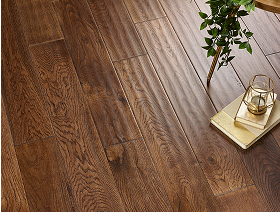
Brushed, hand-scraped, embossed or distressed finishes (textured floors) tend to conceal light scuffs better. Deep texture may trap grit if floors aren’t cleaned thoroughly. If you like small divots and scuffs to be part of your floor’s character, [Distressed Engineered Flooring] is a good choice since it already has texture.
How Different Flooring Materials Age in Texture
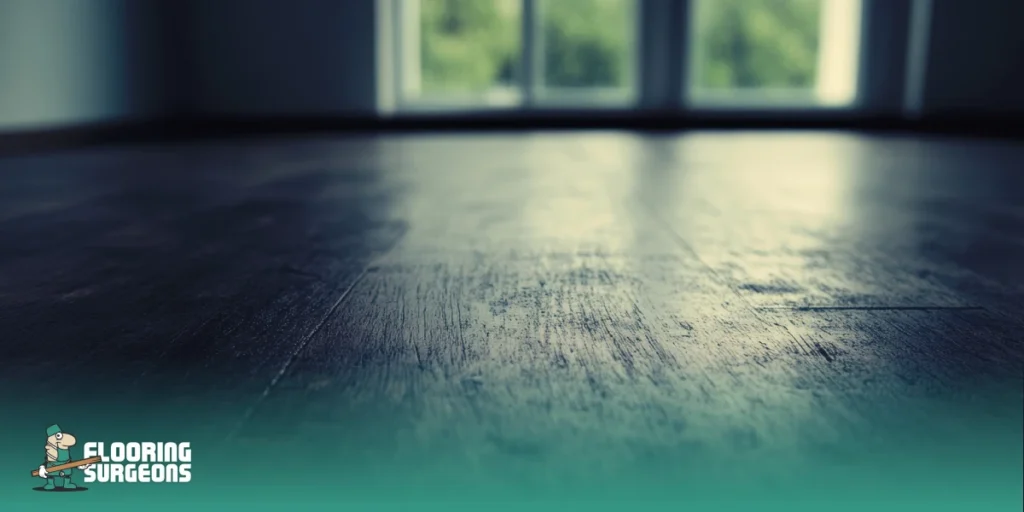
Floor materials do not age alike. Some flooring wears smooth, flattening out the texture as the surface finish erodes. Other floors change texture due to moisture or movement, cleaning processes or foot traffic. Knowing how your floor ages helps you determine whether maintenance is possible or whether repair or replacement is a more realistic option.
Flooring Texture Changes by Material
| Flooring Type | What Happens to the Texture Over Time? | Restore or Replace? |
| Hardwood | Scratches, dents, dull finish, worn grain, and natural patina may appear | Often refinishable |
| Engineered Wood | Similar to hardwood, but refinishing depends on veneer thickness | Sometimes refinishable |
| Laminate | May show fading, floor surface wear, swollen edges, or gaps | Usually plank replacement |
| Luxury Vinyl / LVP | Embossed texture may flatten if the wear layer breaks down | Usually plank replacement |
| Tile / Stone | Surface often lasts, but grout may darken, crack, or trap dirt | Clean, regrout, or repair |
Hardwood
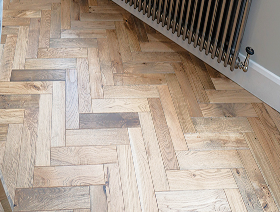
Scratches, dents, dull spots, and natural patina are inevitable in hardwood floors over time. Refinishing can improve the most worn floor texture.
Engineered Wood
Engineered wood floors can wear similarly to hardwood floors. If the surface veneer layer is thick enough, refinishing can be possible.
Laminate
Floor fading, surface wear, swollen edges, or floor gaps may occur in laminate floors over time. If the surface is damaged beyond repair, replacement of planks is probably your best option.
Luxury Vinyl / LVP
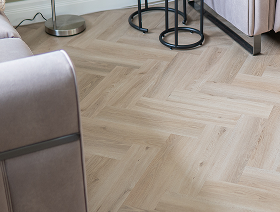
With vinyl and LVP, texture will wear over time, depending on the wear layer’s durability. That’s why we recommend luxury vinyl flooring for high-traffic homes that worry about scuffs, moisture, and everyday cleaning.
Tile / Stone
Tile and Stone typically retain texture longer on the surface. However, grout can become discoloured, cracked, and/or dirty before the tile wears.
Normal Ageing vs Real Damage in Worn Floor Texture
Floor failure does not account for all worn floor textures. Some changes are normal signs of ageing floors, especially in busy homes. Light scratches, slight loss of lustre, small dents, minor sheen variation and natural patina should be considered normal floor surface wear.
Structural damage is another story. Buckling laminate edges, chipped finish, deep gouges, water stains, widening gaps, bulging areas, or vinyl texture that is completely flat can be indicators of a larger issue. Small gaps and normal movement don’t always mean low-quality flooring either. Wood and laminate floors can experience seasonal expansion and shrinkage, which can alter the appearance and feel of the surface as time goes on.
Can Worn Floor Texture Be Restored?
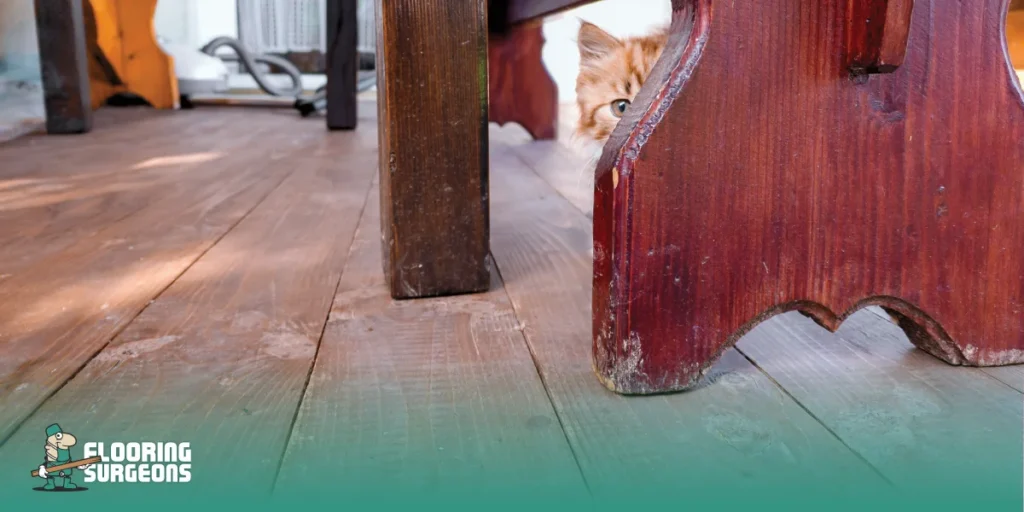
Worn floor texture can sometimes be restored, but it depends on the material and the depth of the damage. Cleaning may be sufficient if your floor only appears dull or has dirt ground into the grooves. Hardwood floors and some engineered hardwood floors can be recoated or refinished to repair scratches, dullness, and worn areas.
Replacement usually becomes the better option when damage is extensive. Swollen laminate flooring, peeling finishes, water-damaged wood boards, or vinyl flooring with wear-layer failure will most likely not respond completely to refinishing. Repairing the surface on these materials is usually less effective than replacing planks with damaged areas.
Best Floor Texture for High Traffic Areas
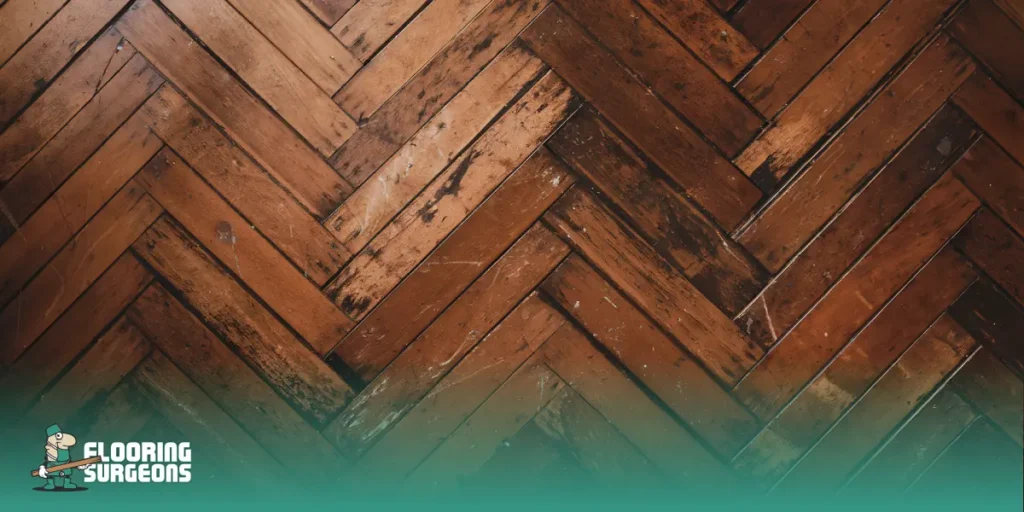
The best floor texture for high-traffic areas is often one that masks small imperfections and doesn’t show cleaning marks. Matte finishes, brushed, distressed, hand-scraped textures, and lightly embossed surfaces often fare better than very smooth or glossy finishes. This is because regular wear on floor surfaces isn’t as noticeable.
AC5 Laminate Flooring is one of the more relevant laminate options for busy hallways, living rooms, and open-concept spaces. It simply means it was built for stronger daily abuse resistance. Textured LVP and distressed engineered wood are also great options for pet owners, kids, or high-traffic areas.
Floor Texture Maintenance Tips
Maintaining a good texture allows the flooring to show wear less readily and makes floors easier to clean. Keep grit at bay with entrance mats, vacuum regularly before dirt has a chance to scratch the floor and use felt pads under furniture legs. Never soak wood or laminate flooring, and always use recommended cleaning products.
Rotate area rugs periodically, wipe up spills promptly, avoid dragging heavy furniture across the floor, and maintain consistent indoor humidity when possible. These simple steps can minimise areas of matted texture, scratches and wear.
Conclusion
Floor texture, after years of use, varies depending on the material, surface finish, daily traffic, moisture exposure, and maintenance habits. Some textures, like light scratches, dullness, or patina that develop over time, are perfectly normal; however, swelling within the board, peeling, or wearing flat will require repair or replacement. Selecting the correct surface from the start, paired with proper maintenance, will go a long way.
At Flooring Surgeons, understanding how different flooring materials perform in real life can help homeowners choose surfaces that not only look good when installed, but also continue performing well for years in busy everyday spaces.

Ana.Soltanpoor
I’m an SEO Specialist with a strong background in content management and organic search. I build data-driven content strategies by aligning user intent, search behavior, and SEO best practices to ensure every piece of content delivers clarity, relevance, and measurable organic performance.