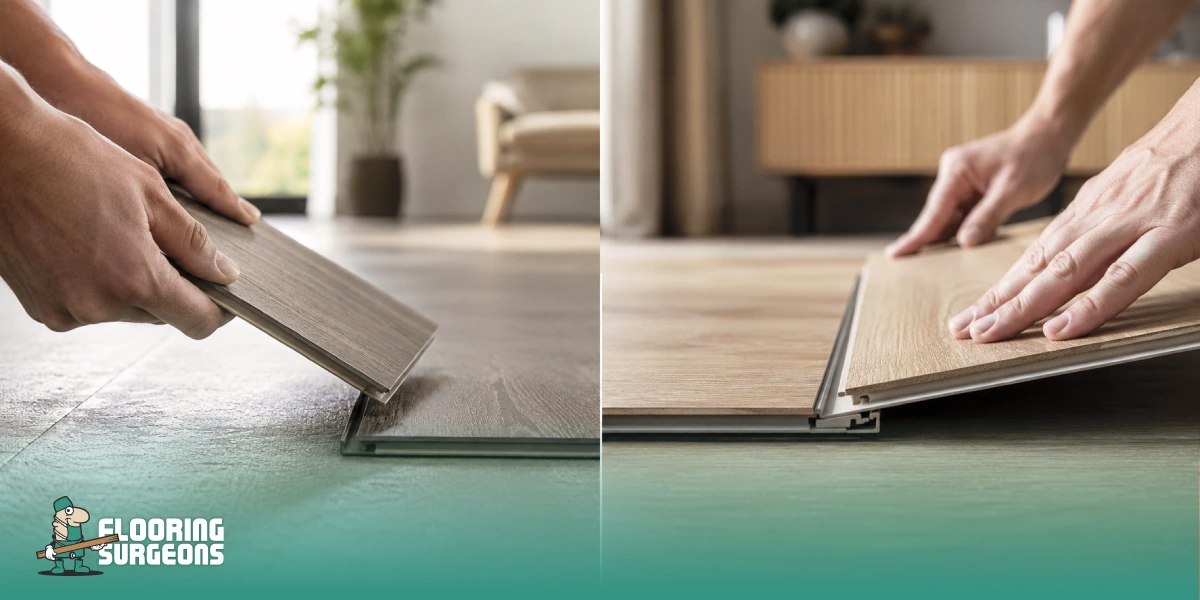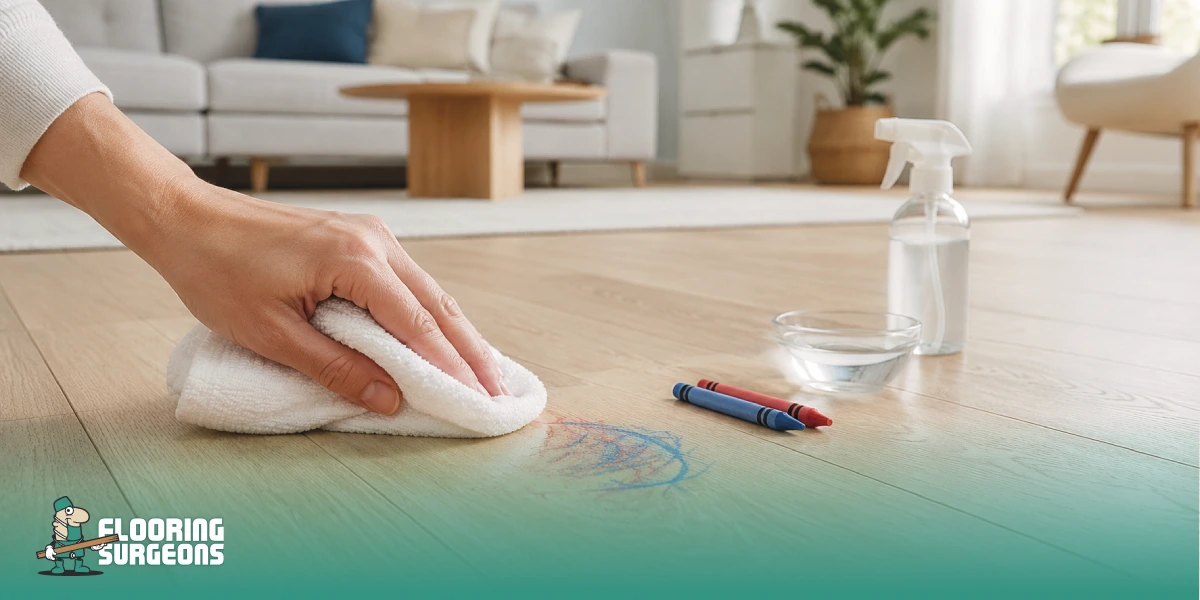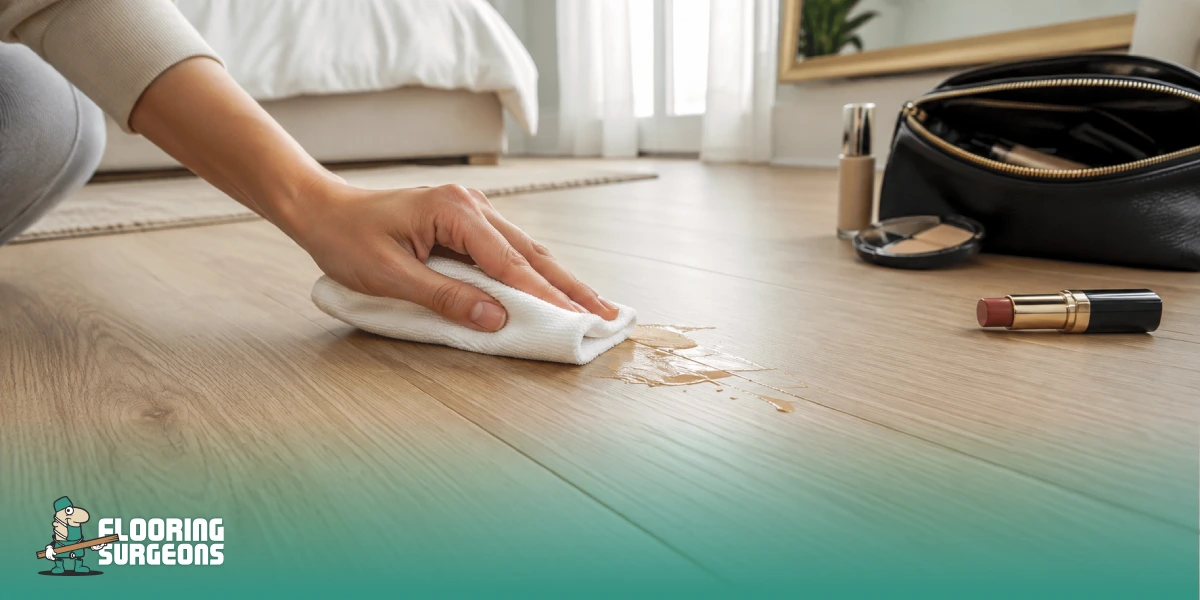
When selecting flooring, it’s important to understand that colour and style aren’t the only factors to consider. Choosing flooring based on durability, protection, and long-term performance is what really matters for how your floor looks years down the road. Today’s flooring options utilise what’s called a wear layer to help protect the surface of your floor from scratches and provide long-lasting durability. Thick laminates, all the way down to Luxury Vinyl Flooring, offer different wear layer thicknesses and materials, which means they all react differently to high traffic.
Want flooring that lasts and stands up to everyday abuse? Choosing the right wear-layer flooring will keep your floors looking good as new. Let’s look at the technology that makes up wear-layer floors, how thick they should be, the material types, how they perform, and more. We’ll even offer you some helpful tips when choosing and maintaining resilient flooring for your home or office.
Table of contents
What is a Wear Layer in Flooring?
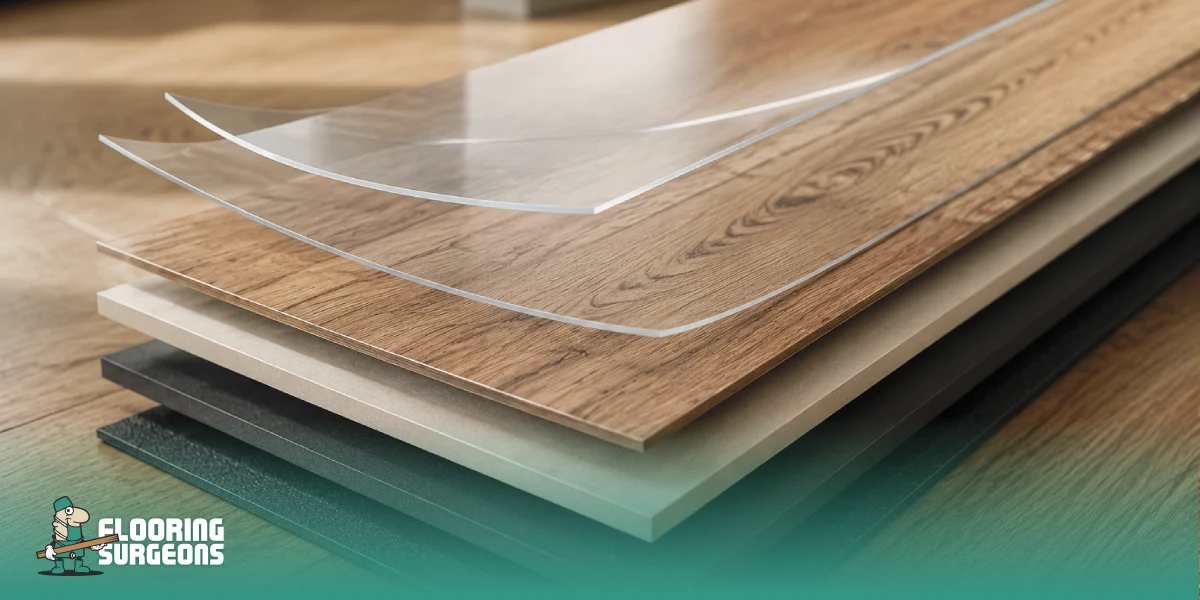
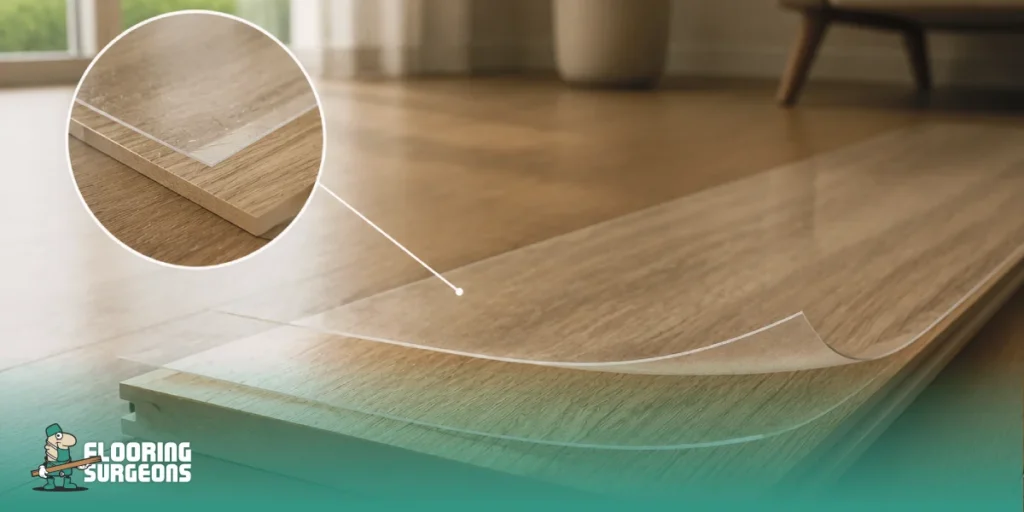
The wear layer is the uppermost layer or surface that provides protection to the body or core material of a flooring product. It’s essentially your flooring protective wear layer that stands between beautiful flooring and the scratches, dents, stains, moisture and everyday abuse that cause flooring to wear out. It’s important to understand the wear layer, as it determines wear performance, longevity, and the total number of durable flooring layers.
Different flooring types utilise different materials for their wear layers. Laminate flooring typically uses layers of resin-infused fibre. Luxury Vinyl Flooring uses a clear, durable vinyl coating as a wear layer. Engineered flooring utilises a UV-cured or polyurethane coating to protect hardwood floors. The combination of materials and the thickness of the wear layer plays a role in the floor’s durability in high-traffic areas, with pets, and in areas with moisture.
With proper flooring and protective wear layers installed, you can have beautiful floors that look new for years to come, even with high traffic. Selecting flooring with the appropriate wear layer will allow you to enjoy your floors at their best and reduce maintenance.
Why Wear Layers Matter: Durability and Protection
The wear layer is what stands between a flooring that performs exceptionally well and one that quickly becomes damaged. If your flooring lacks a good wear layer, it may scratch, dent, or stain, even if it is attractive. Learn why wear layer thickness and composition matter.
Take, for example, 12mm Laminate Flooring. This floor has a thicker protective layer than your average laminate. Not only does it have durable flooring layers, but it also has longer-lasting, scratch-resistant flooring! If you have high-traffic areas like hallways, kitchens, or living rooms, you want flooring with thicker wear layers.
Luxury Vinyl Flooring with a waterproof wear layer will not warp or stain when exposed to kitchen spills or bathroom moisture. When you choose flooring with a superior wear layer, you’re ensuring your floors are protected from early wear and tear, saving money on repairs and enjoying great flooring wear performance.
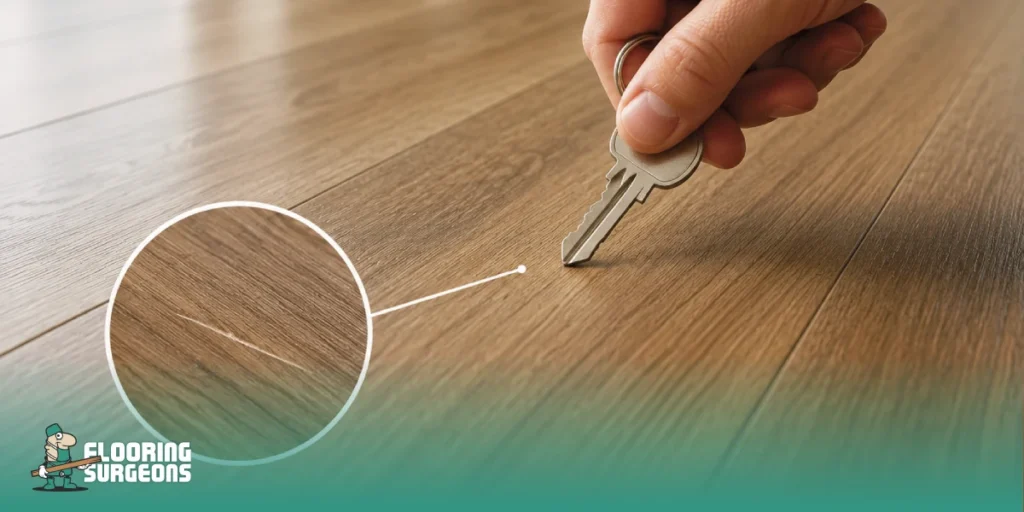
Understanding Different Wear Layer Types and Their Materials
Choosing flooring can be made easier when you understand the different types of wear layers and what materials they are made of. Each layer will behave differently depending on its material and thickness. Here are the most common ones:
- AC Rating of Laminate Layers: Laminate floors are rated on their durability. AC5 laminate floors offer high durability and are ideal for high-traffic areas.
- Vinyl Wear Layer: Waterproof luxury vinyl floors have a vinyl wear layer, making them water-resistant and durable against scuffs and scratches.
- Polyurethane and UV-Coated Finishes: Engineered hardwood floors are available with either a UV-coated finish or a polyurethane coating, providing scratch-resistant protection for homes.
- Fibreglass Layer: Most laminate flooring has a fibreglass layer that is stain- and impact-resistant. This layer adds strength to the core.
Comparison of Wear Layer Materials
| Flooring Type | Wear Layer Material | Thickness | Durability Level | Ideal Applications |
| Laminate (AC4) | Resin-impregnated layer | 6–8mm | Good | Medium traffic areas |
| Laminate (AC5) | Resin-impregnated layer | 12mm | Excellent | High-traffic areas, hallways |
| Luxury Vinyl | Transparent vinyl coat | 2–3mm | Excellent | Kitchens, bathrooms, living rooms |
| Engineered Wood | UV-cured/polyurethane | 3–6mm | Good | Living rooms, bedrooms |
Learn how the material, thickness and composition of wear layers affect flooring wear performance. Select the right choice for long-lasting flooring layers in your home or business.
How Wear Layer Thickness Affects Flooring Performance
One of the primary factors affecting your floor’s performance is the thickness of the wear layer. The thicker your wear layer is, the more protection your floor has from scratches, dents and daily wear. This is particularly important if you have high-traffic areas in your home or business. Choose the best wear layer thickness for your floors and avoid headaches in the future.
- Laminate Flooring: Thicker wear layers (AC4–AC5 ratings) result in excellent scratch-resistant flooring.
- Luxury Vinyl Flooring: Even thinner wear layers offer good protection when engineered with waterproof characteristics.
- Engineered Wood Flooring: UV-cured or polyurethane coatings result in flooring that resists scratches and moisture better.
Know your wear layer thicknesses, and you can select wear layer flooring that lasts and looks the way you want.
Choosing the Right Flooring for High-Traffic Areas
Floors in high-traffic areas need to be durable and have the appropriate thickness of wear layer. Higher AC-rated laminates, like AC5 Laminate Flooring, are great options for hallways and common living spaces. waterproof luxury vinyl holds up great in moisture-heavy rooms like kitchens and bathrooms.
Check out our blog for tips on how to avoid scratches: Does Laminate Flooring Scratch Easily and how to prevent it. With the right care, your floors will provide you with years of flooring wear performance.
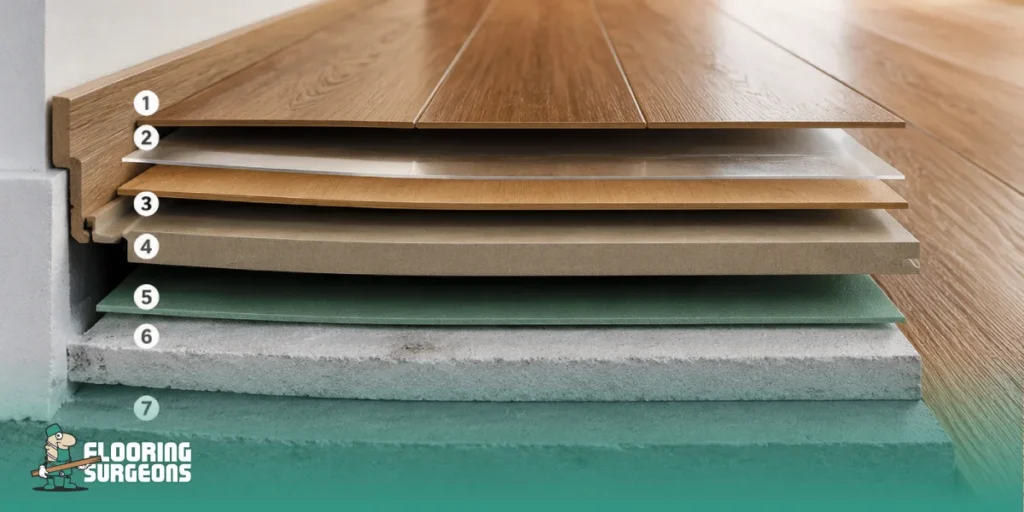
Comparing Wear Layers Across Flooring Types
By learning how wear layers compare across different floors, you can choose the best floor for your application. The type, density, and construction of the wear layer determine how long it will last and how well it will resist scratches, depending on traffic levels.
Laminate Flooring
Most laminate floors will include an abrasion class (AC) rating on their packaging. This lets you know how durable their wear layer is. AC5 Laminate Flooring is ideal for high-traffic areas such as hallways and living rooms. This type of laminate flooring will protect against scratches, dents, and everyday wear and tear. Check out our blog post for more information on the Best Laminate Flooring for High-Traffic Areas.
Luxury Vinyl Flooring
Waterproof Luxury Vinyl features a durable vinyl wear layer. Because of this, it is ideal for areas that see a lot of moisture, such as kitchens and bathrooms. It wears just as well as some laminate wear layers, but is thinner and easier to clean.
Engineered Wood Flooring
Engineered floors depend on a surface layer (usually UV-cured or polyurethane) to seal and protect the hardwood wear layer. Wear layers can be thinner than laminate or vinyl, but will stand up just fine in residential traffic (living rooms and bedrooms). Engineered offers a nice middle ground.
Wear Layer Comparison Table
| Flooring Type | Wear Layer Material | Thickness | Durability Level | Ideal Applications |
| Laminate (AC4) | Resin-impregnated layer | 6–8mm | Good | Medium traffic areas |
| Laminate (AC5) | Resin-impregnated layer | 12mm | Excellent | High-traffic areas, hallways |
| Luxury Vinyl | Transparent vinyl coat | 2–3mm | Excellent | Kitchens, bathrooms, living rooms |
| Engineered Wood | UV-cured/polyurethane | 3–6mm | Good | Living rooms, bedrooms |
Hopefully, this comparison has shown you how different wear-layer materials and thicknesses can impact flooring performance. Knowledge is power, so now that you know the differences, you can make more informed decisions when shopping for flooring based on durability, looks and your home needs.
Conclusion
To choose flooring that stands the test of time, it’s important to understand wear layers. From laminate flooring to luxury vinyl and engineered wood, the composition, thickness and coating all factor into durability and scratch resistance.
By choosing high-quality flooring and considering factors such as wear layer thickness and anticipated traffic levels, you can keep your floors looking beautiful and performing well for many years.
At Flooring Surgeons, we can guide you through choosing the best flooring solution for every room. Whether it’s hard-wearing floorboards for your hallway or water-resistant flooring for your kitchen, we can advise you on what flooring is best suited to your space. View our floors here today and find flooring that’s built to last.

Ana.Soltanpoor
I’m an SEO Specialist with a strong background in content management and organic search. I build data-driven content strategies by aligning user intent, search behavior, and SEO best practices to ensure every piece of content delivers clarity, relevance, and measurable organic performance.