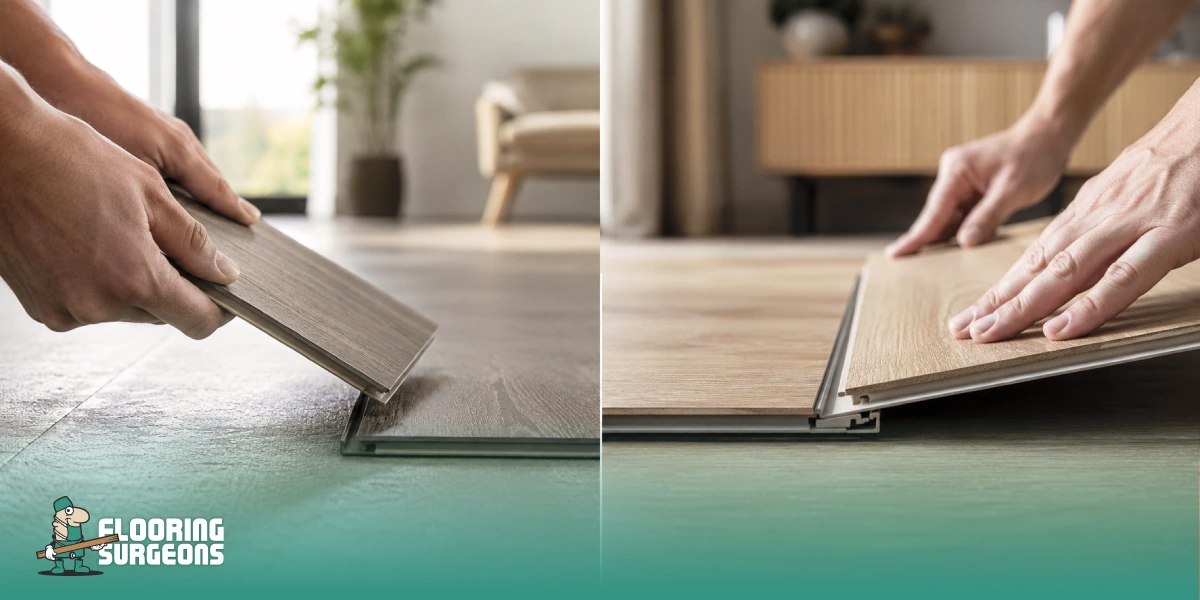
No, in most cases, you should not install laminate over laminate. Although installing a new floating floor over an existing floor may save time initially, it can create problems with movement, moisture trapping, height, and warranty. Therefore, most laminate flooring manufacturers and installers do not advise doing so.
If you are wondering whether laminate can be installed over laminate, the better option is usually to remove old laminate flooring first and install the new boards on a clean, level, and properly prepared subfloor. Doing this improves the floor’s stability and long-term performance and helps prevent fitting issues down the road.
In this tutorial, we will cover why this shortcut is almost never worth it, when it may be acceptable, and how to achieve the best outcome when replacing your flooring.
Table of contents
Can Laminate Be Installed Over Laminate? The Quick Answer
In most situations, the question “Can laminate be installed over laminate?” is answered with a clear no. Laminate flooring is meant to be installed as a “floating floor”. This means that it should not be installed over another floating floor. Instead, it should be installed on top of a properly prepared and levelled subfloor. If you install laminate over laminate, the subfloor can move slightly when pressure is applied, making the new boards feel loose.
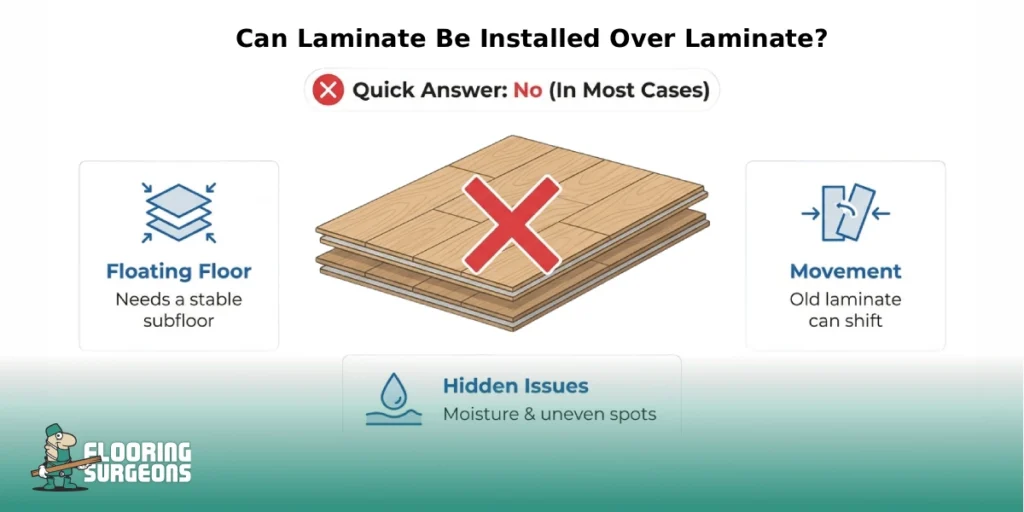
This is why laying laminate over existing laminate flooring is rarely recommended by manufacturers or professional installers. Even if your existing floor appears flat and undamaged, there can be movement, unseen moisture, or sleeper compression that will transfer into the new floor installed over it. What may have seemed like an easy, quicker installation can turn into headaches with performance issues, noise, and a reduced life expectancy for your floor.
Typically, the best option is to pull up the existing floor, evaluate the subfloor and lay the new laminate over a flat, stable surface. For longevity, starting from scratch is usually the wisest long-term option.
Why You Should Not Install Laminate Flooring Over Laminate
While installing laminate flooring over existing laminate might seem like an easy way to save time and money, it can lead to more headaches than it’s worth. The problem is that laminate floors are designed as a floating floor system. This means they are never intended to serve as a solid, load-bearing subfloor for another layer of flooring floating on top of it. This can compromise stability, comfort and durability.

Movement and Instability
Movement is another reason not to install laminate flooring over laminate. Even if the existing floor feels solid, it can still shift slightly when pressure is applied by walking. After you snap a second floating floor on top of it, that movement will transfer up through the new floor, causing a soft, bouncy or uneven feel. Eventually, it could strain the click-lock joints, leading to separation or early failure.
Trapped Moisture and Hidden Damage
The next worry is moisture. Should you have any dampness, mildew, water damage, or trapped condensation beneath the existing floor, you will trap this moisture by laying new laminate on top. Laminate floors are made from wood-based materials, which will eventually expand, swell, warp, or mould if exposed to moisture for extended periods. Many homes have this problem that isn’t noticeable until the new floor begins to fail.
Extra Floor Height
Installing a second layer also increases the overall floor height. While this probably doesn’t sound like a big deal, it can cause functional issues with door clearance, skirting boards, thresholds and transitions to adjoining rooms. Sometimes even a minor height increase can make the entire installation look silly or require additional tweaking.
Warranty Problems
Typically, manufacturers’ installation instructions explicitly state that laminate must be installed over a subfloor, not over another floating floor. By neglecting those instructions, you void the manufacturer’s warranty. So you may have an acceptable floor now, but if something goes wrong, it may not be covered.
In most domestic situations, the preferred option is to strip out the existing floor, inspect the subfloor correctly and begin again with the correct underlay and a new installation. This method is more work initially but results in a far more consistent and professional finish.
Comparison: Installing Over Old Vs Starting Fresh
If you can’t decide whether to install over the existing floor or start from bare floors, consider this: the biggest difference will be longevity. Yes, it may be quicker to install over an existing floor, but removing the old laminate first will almost always yield a superior installation.
| Feature | Installing Over Existing Laminate | Removing Old Laminate and Installing New |
| Stability | Lower, with a greater risk of movement | Higher, with a solid and even base |
| Moisture Risk | Higher, because moisture can become trapped | Lower, as the subfloor can be checked properly |
| Floor Height | Increased height may affect doors and trims | Standard height is easier to manage |
| Warranty Cover | Often voided by incorrect installation | Usually protected when fitted correctly |
| Long-Term Performance | More likely to develop problems | Better durability and lifespan |
Typically, the table answers the question for you. Doing a new install will take slightly more time upfront. However, you’ll avoid future headaches and give the new floor a solid foundation to operate as intended.
How to Properly Replace Laminate Flooring
If you want the best result, the correct approach is to properly replace the laminate flooring rather than cover the old surface with another floating layer. Removing your laminate flooring will allow you to see the condition of the subfloor.
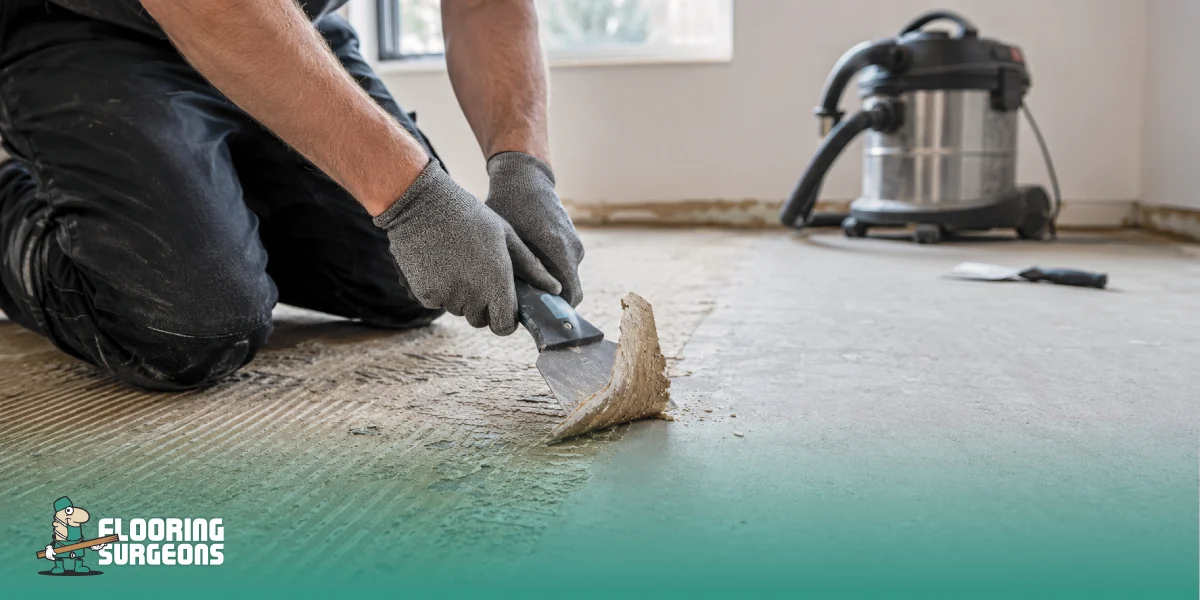
The first step is to carefully remove the old laminate flooring to assess the subfloor. After removing old boards and underlay, check the subfloor for bumps or dips, evidence of damp or movement. Any areas of weakness should be rectified prior to laying new floorboards.
Once that is done, you can begin installing your laminate flooring using the proper fitting techniques. If you are looking for a detailed walkthrough, our article, Laminate Flooring Installation, will show you how to properly install new boards from beginning to end. Installing your flooring correctly is the only way to ensure a floor that is stable, looks professional, and stands the test of time.
Preparing a Perfect Subfloor and Choosing the Right Underlay
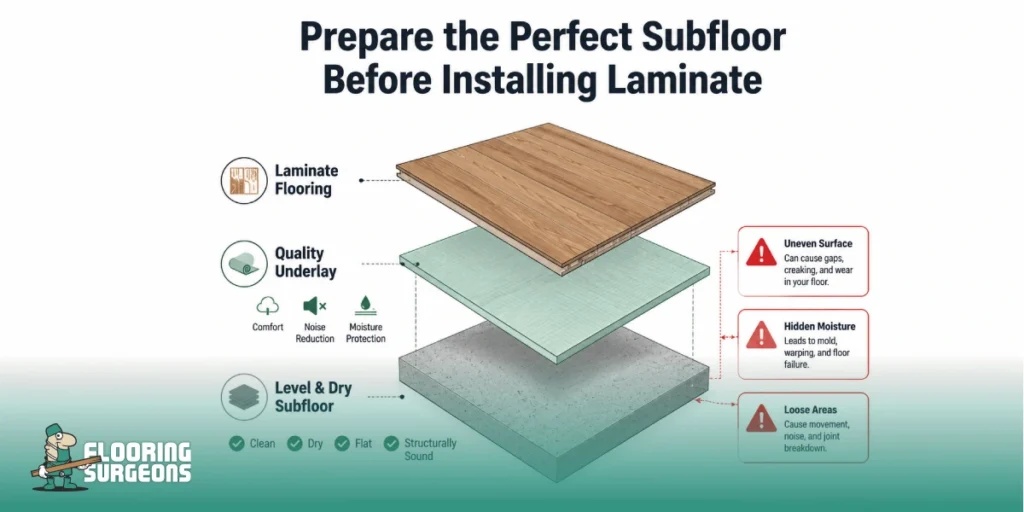
Every bit as important as the laminate flooring boards themselves are what lies beneath them. After stripping out your old floor, the subfloor should be clean, dry and level. It should also be stable and solid. Moist spots, hollow spots or any bumps should be corrected prior to installation, or they will only continue to cause problems with the new flooring.
Another issue with laying laminate over existing laminate flooring is that you can’t see what’s going on underneath. This makes it difficult to know whether any issues need to be fixed before installation. You’ll have the opportunity to prep things correctly when replacing.
The underlay also matters. It can help reduce noise, address minor subfloor imperfections, and improve everyday comfort underfoot, but it needs to match both the room and the laminate you are installing. If you want to make the right choice, our guide to the best underlayment for laminate flooring explains what to look for before fitting a new floor.
Better Alternatives If You Want to Upgrade
Are you staring down at your old floor wondering if it’s time for a change? You’re in luck. There are options besides laying laminate over existing laminate flooring, like your grandma might have done. We have materials for your application that are tougher and much higher-end.
- Modern Laminate: Want the look of wood without worrying about upkeep? Our newest line of Laminate Flooring features enhanced click-lock boards. Made to fit together more tightly than older laminate, these floors are much harder wearing, giving you a new look with zero chance of a bumpy substrate.
- Waterproof Options: Waterproof Luxury Vinyl would be a smart choice for wet areas or high-traffic rooms. This product is 100% waterproof, unlike traditional wood-core boards. It’s great for long-term flooring in kitchens, bathrooms, or hallways that tend to get wet often.
- Luxury Look: Engineered Flooring also gives you that premium, authentic timber look without all the annoying maintenance. Engineered flooring is a high-end flooring option. It is also more stable than solid wood flooring and will increase your home’s value.

Final Verdict: Can Laminate Be Installed Over Laminate?
Short answer, no! Do not attempt to lay laminate over laminate. At Flooring Surgeons, we have never recommended doing this as it tends to cause structural problems almost every time. Voided warranties and short lives for floors soon follow.
Leaving you with one last question… Can I install laminate over laminate? As long as you remember that in order for your floor to look professional, you must start with a good foundation. If you are putting new laminate over old laminate, or want to switch to a harder material, you should always remove the existing floor. Starting with a clean subfloor and installing your new flooring properly will leave you with a long-lasting, quiet floor.

Ana.Soltanpoor
I’m an SEO Specialist with a strong background in content management and organic search. I build data-driven content strategies by aligning user intent, search behavior, and SEO best practices to ensure every piece of content delivers clarity, relevance, and measurable organic performance.