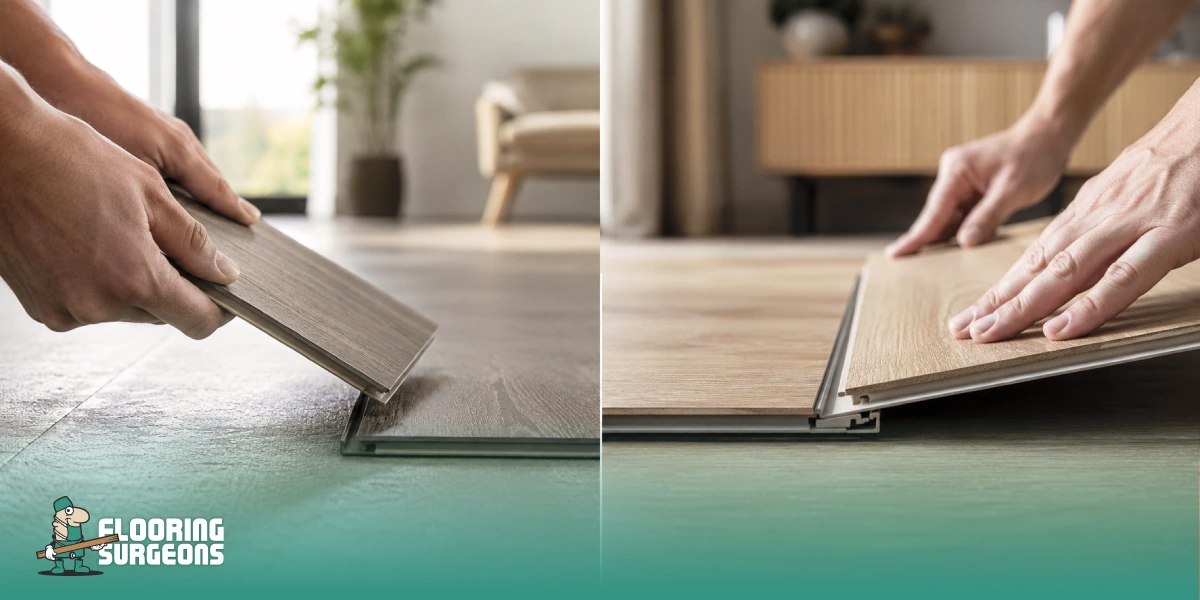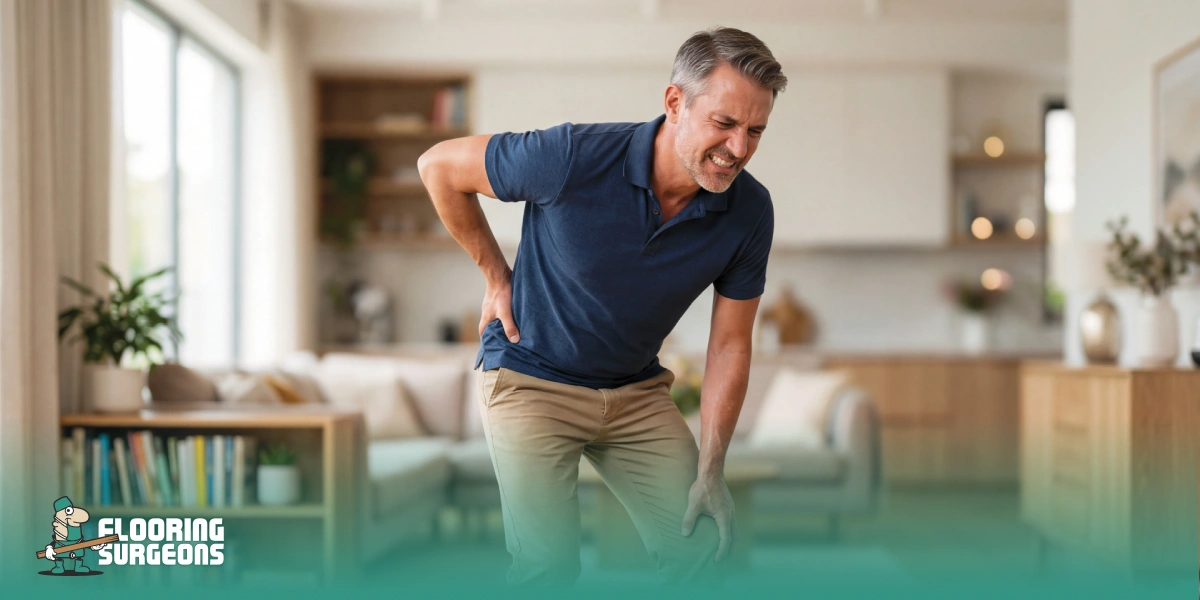
Your house can look gorgeous and feel anything but cosy if your flooring just doesn’t cut it. Spending all day at the kitchen prep station, walking through high-traffic hallways, or standing for hours as a part of your daily life are activities that can amplify even subtle comfort differences from one flooring option to the next. So, what is the best flooring for back pain? Read on to find out. In many cases, yes! But the best cushion for your back is often less about picking the softest surface and more about what strikes the right balance of cushioning, stability, and functionality. A floor that’s a little softer underfoot, stands up to your day-to-day use, and fits with the room aesthetic can make walking around your home feel effortless. We’ll break down everything from luxury vinyl to laminate, engineered wood, and tile vs stone below.
Table of contents
Best Flooring for Back Pain: What Actually Matters?
Do you consider your couch, slippers or the layout of furniture when picturing comfort in your home? Your feet sit on your floor more than any other surface in your home, and it matters more than you might realise. Soft and squishy does not always equal comfort. When it comes to flooring, the best flooring for bad backs is usually a surface that cushions your feet slightly, yet still feels firm and supportive as you walk.
Hard floors can cause discomfort when standing for extended periods. That is why kitchens, hallways and workrooms are where people tend to feel it the most. However, overly soft floors can cause their own comfort concerns because they don’t always feel as supportive underfoot, especially in high-traffic areas.
What is beneath your floor also matters. Underlay can transform how a floor feels, sounds and ages over time. If you’re trying to decide between two floors, check out our guide to choosing the right underlay before choosing which floor best suits your needs. At the end of the day, the right flooring for people with back pain should feel good underfoot, work with the room you have, stand up to your daily activities, and still provide the support you need throughout the day.
Most Comfortable Flooring Types for Everyday Use
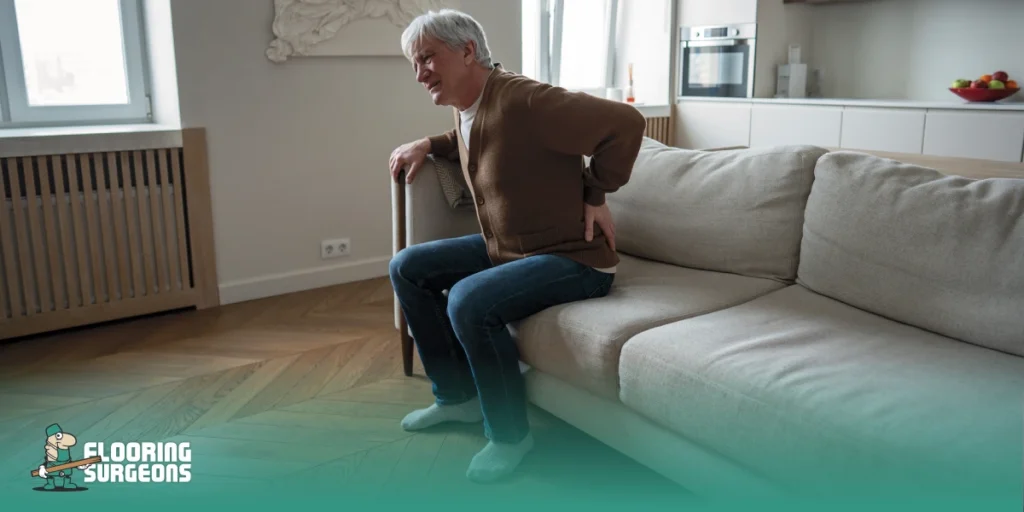
Comfort is determined by how your floor feels underfoot during everyday use. It’s not how fancy it looks at the showroom. Luxury vinyl flooring is one of the most functional flooring options for most homeowners. It feels softer than tile or stone, yet is still easy to clean and ideal for high-traffic areas.
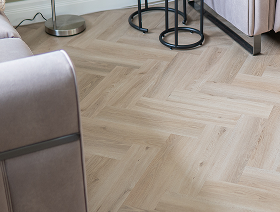
Laminate is another good option if you’re looking for a stable surface with warmer foot traffic. It might not be soft to walk on, but with enough padding underneath, laminate flooring in bedrooms, living rooms, and hallways can feel softer than extremely hard floors.
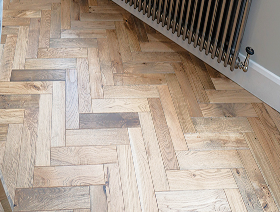
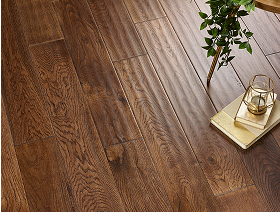
Engineered wood flooring is also worth mentioning for homeowners wanting a natural wood appearance with a substantial feel. Softness is not normally the driving factor in choosing engineered wood, but it can give your home a warmer, softer feel than hard surfaces.
Quick Comparison: Back-Friendly Flooring
| Flooring type | Comfort underfoot | Best suited for | Things to consider |
| Luxury vinyl | Slightly softer and more forgiving than tile or stone | Kitchens, bathrooms, living rooms, utility areas | Choose a good-quality product for better comfort and durability |
| Laminate | Stable, warm-feeling and practical for everyday use | Bedrooms, living rooms, hallways | Thicker boards and the right underlay can improve the overall feel |
| Engineered wood | Solid, natural and warmer than many hard surfaces | Living rooms, bedrooms, dining rooms | Not usually chosen for softness, but offers a premium feel |
| Tile or stone | Very firm with little cushioning | Bathrooms, kitchens, modern interiors | Can feel hard underfoot during long periods of standing |
| Concrete | Extremely hard and durable | Industrial-style spaces, garages, utility areas | May feel less comfortable without rugs or softer areas |
As indicated in the table above, softer doesn’t always equal comfort. In most cases, the preferred flooring will be stable-feeling, somewhat forgiving, easy to care for, and appropriate for the room. That’s why luxury vinyl and laminate can be very sensible choices for everyday comfort. Harsher surfaces, such as tile, stone, and concrete, may require more consideration if you’ll be standing for extended periods.
Is Luxury Vinyl Flooring Good for Back Pain?
Luxury vinyl may be worth considering if you desire a floor with a “liveable with” factor. Most luxury vinyl feels softer underfoot than ceramic tile, stone or concrete.
The stone tile is particularly beneficial for homes with kids since it is easy to maintain, durable for high-traffic areas, and available in many products that mimic the appearance of wood or stone without feeling as unforgiving. It can provide your kitchen, bathroom and utility room with a wonderful mix of cosiness, resilience, and daily practicality.
Is Laminate Flooring Good for Back Pain?
Laminate flooring may work for you if you desire a floor surface that is firm, warm and functional underfoot in your daily living spaces. It won’t likely feel as soft as luxury vinyl or carpeting, but it can feel worlds softer than ceramic tile, stone or concrete floors.
The thickness of the board also affects how firm the floor feels. For instance, if you like the style of laminate, a thicker option such as 12mm laminate flooring will feel more supportive and less flimsy than thinner laminate boards, especially in areas like bedrooms, living rooms, and hallways.
When installed correctly and paired with an appropriate underlay, laminate offers the best chance of comfort, sound and feel while walking on it every day.
Flooring Types That May Feel Harder Underfoot
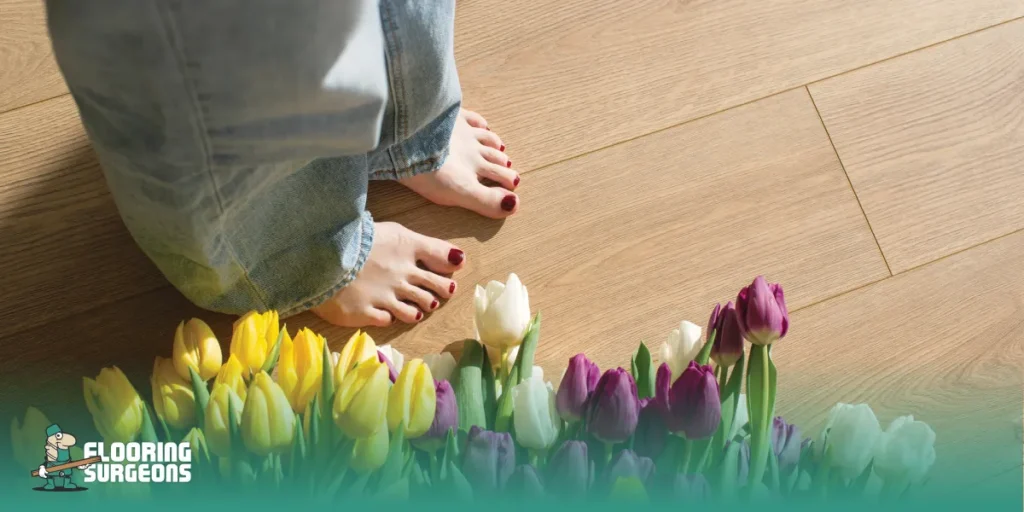
Some flooring types can be lovely to look at, but not so comfortable underfoot during daily life. Ceramic tile, natural stone and concrete fall into this category. They’re durable and easy to clean, but tend to be hard with very little “give.”
Hard floors are not saying that these floors are a poor option. Bathrooms, kitchens and more modern interiors can utilise these floors very effectively. But if you plan to prioritise comfort, especially if you will be standing for long periods, you may find softer surfaces like luxury vinyl, laminate, or engineered wood more comfortable.
Ultra-slim flooring that is laid on an improper subfloor can also sound hard and feel solid. For this reason, you should consider both the flooring above and the subfloor below prior to making a flooring decision.
Best Flooring Choices by Room for Everyday Comfort
Rooms have different needs when it comes to comfort, durability and moisture resistance. Just because a floor works for your bedroom doesn’t mean it’s ideal for your kitchen or bathroom. Take some time to consider how you use each room on a daily basis.
Kitchen and Bathroom Flooring
Flooring in kitchens and bathrooms must endure spills, moisture, and frequent cleanings. Comfort is still important, too, of course. Kitchens, especially, can involve long periods of standing. But kitchens and bathrooms also call for resilient flooring that you can really clean. For this reason, waterproof luxury vinyl flooring is often a good choice for kitchens and bathrooms. It has a much nicer, more comfortable feel than tile or stone.
Living Room Flooring
Comfort and aesthetics tend to play equally into decisions about flooring for living rooms. Luxury vinyl, laminate, and engineered wood can all be good choices depending on your style and traffic concerns. Solid flooring that feels softer underfoot will help warm up the space.
Bedroom and Hallway Flooring
Bedrooms can use flooring that is warm and quiet underfoot and feels cosy. However, hallways need flooring that can handle heavier traffic. Laminate, luxury vinyl, and engineered hardwood can all work well when used with the proper room and installation techniques.
Which Flooring Type Feels Best Underfoot?
Luxury vinyl can feel more comfortable underfoot than other flooring options, depending on your day-to-day activities. Comfort is relative to the type of room you have and what you will be using it for, especially if you are looking for flooring that is easy on the back in everyday living spaces. When it comes to durability and comfort, luxury vinyl floors are hard to beat. They offer much more comfort than tile or stone. Laminate offers a wood look that stays pretty stable when you add the correct thickness and underlay.
Engineered wood is another possibility if you’re looking for something that looks and feels more natural with good, solid support. At Flooring Surgeons, we always advise customers to opt for something that suits their needs for comfort, support, durability, and daily living, rather than the softest floor available.

Ana.Soltanpoor
I’m an SEO Specialist with a strong background in content management and organic search. I build data-driven content strategies by aligning user intent, search behavior, and SEO best practices to ensure every piece of content delivers clarity, relevance, and measurable organic performance.