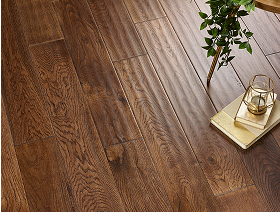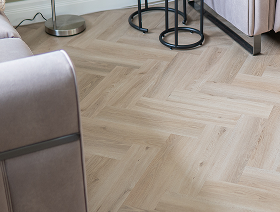
Your floor may look sparkling clean, but it retains odours that permeate the entire room. A floor’s ability to trap smells comes from prolonged exposure to moisture, liquids, pet accidents, dust particles and cleaning agent buildup. While this buildup can rest on top of your floor, many common flooring materials absorb smells into the seams of the flooring, the underlay, or even the subfloor beneath.
That’s why it’s important to look at overall flooring smell retention when selecting your floors. Material type, surface porosity, water resistance, ventilation and installation all factor into how long your rooms will smell fresh with everyday use. Non-porous flooring that is fitted tightly will be easiest to keep odour-free, while porous materials, cracks, or a moist underlay can cause smells to linger.
Table of contents
What Is Flooring Smell Retention?
Smell retention in flooring occurs when odours cling to or accumulate around your flooring surfaces, rather than dissipating after regular cleaning. Many factors contribute to smell retention, such as spills, food or pet-residue, dust, and moisture becoming embedded in your floor’s surface, seams, underlay, or subfloor.
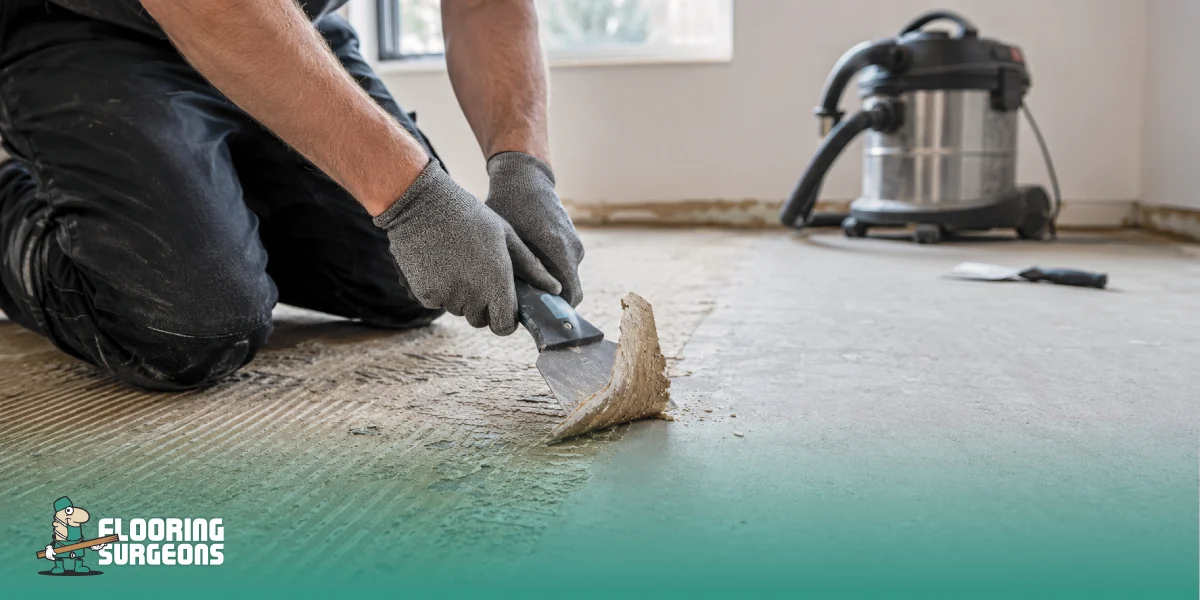
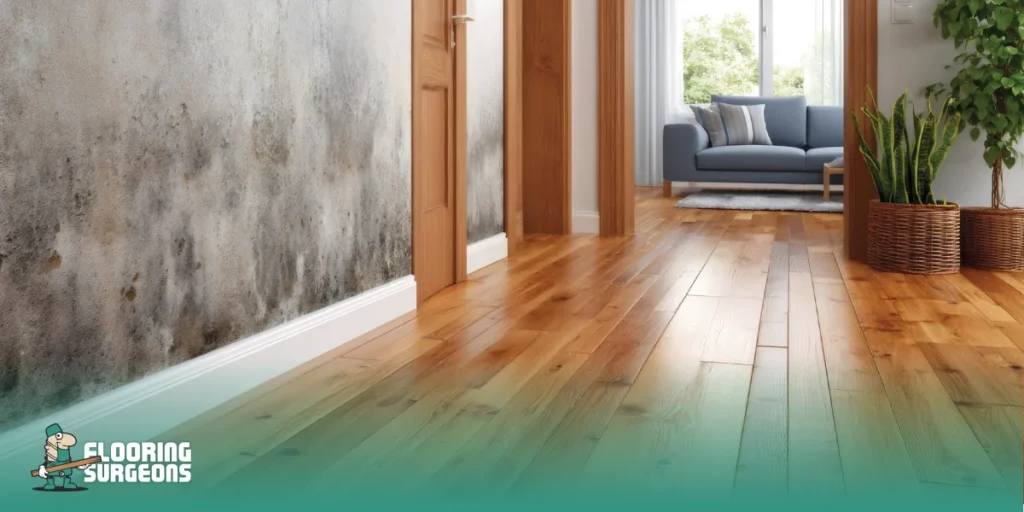
Oftentimes, the odour you smell isn’t necessarily coming from your floor. Believe it or not, the problem in many households is lurking beneath the floor. Moisture penetrating to your underlay or subfloor can produce a stale odour beneath your floor covering that will persist long after you have cleaned the room.
Smell retention also relates to the overall freshness of rooms and indoor comfort, rather than cleanliness. Visit How Does Flooring Impact Indoor Air Quality? for a broader perspective.
Why Some Floors Hold Odours Longer
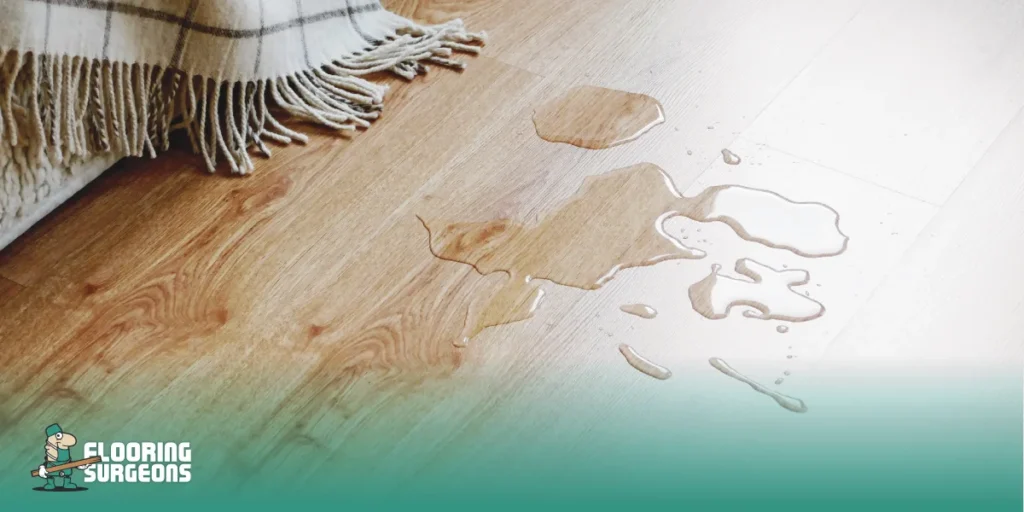
Floors can retain smells longer depending on their porosity, texture, or moisture susceptibility. Porous flooring will absorb spills, pet accidents, and cleaning solutions more quickly. Non-porous floors are typically easier to clean because liquids won’t penetrate the surface.
The seams can be just as important. Liquid entering cracks in flooring planks or tiles may cause your smell to be retained in the underlay or subfloor rather than the topmost product. That’s why smell retention in flooring is difficult to eliminate with normal cleaning.
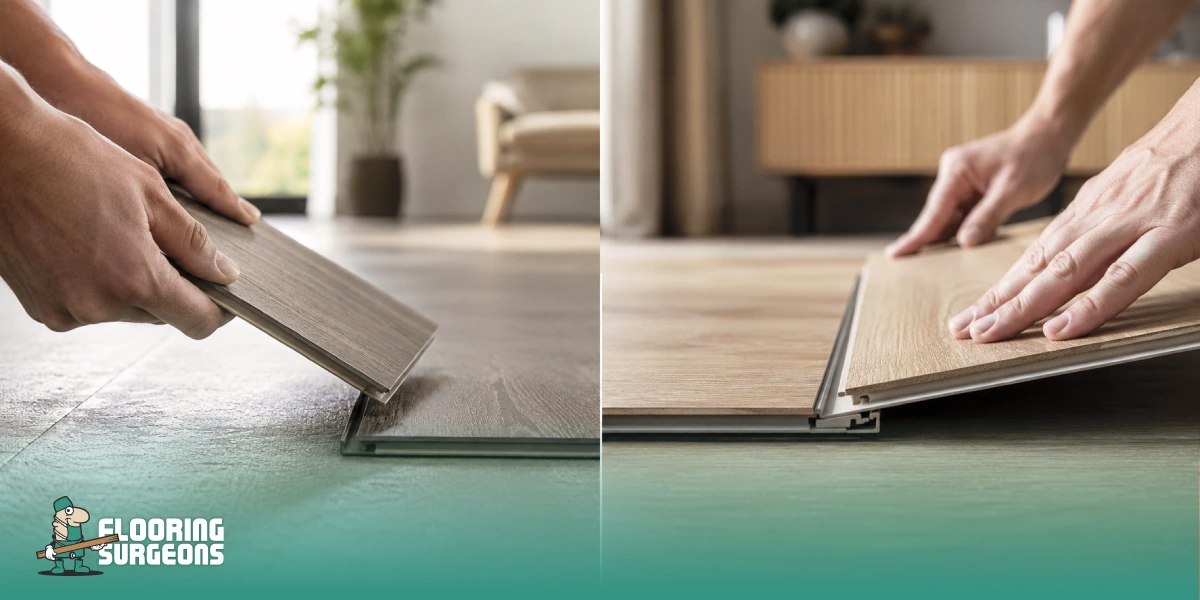
Installation can help mitigate these effects. Leaving minimal gaps between planks/flooring tiles, using the correct underlay, sealing edges, and ensuring ventilation. These steps should prevent moisture from getting trapped.
Common Sources of Flooring Odours
Flooring smells retention aren’t always caused by large accidents or messes. Everyday activities like pet accidents, wet shoes, food particles, cooking grease, cleaning agents, lack of airflow and general moisture can cause odours if they aren’t addressed quickly. Pet odour in flooring is one of the most common culprits. Urine, pet dander, and wet hair/fur can soak into tiny crevices, the texture of the flooring, or cracks in your floor.
If pet messes are your biggest issue, take a look at our detailed article, Best Flooring for Pets, to see which materials are easiest to clean and maintain with pets around. Areas like kitchens and bathrooms can also cause odour problems. Odours from cooking can easily become trapped in the flooring from oil/grease, food spills, trash/dirty dish areas, and cleaning residue. Bathroom flooring odours are often attributed to humidity levels, poor ventilation and moisture collecting around baseboards or flooring seams.
Flooring Materials and Odour Risk Compared
Flooring materials all respond differently to odours. The largest variable is the material’s porosity and the accessibility of its sublayers to liquids. Vinyl flooring tends to be easier to keep odour-free. The top layer is nonporous and easy to wipe down. Laminate works great in dry environments, but odours can develop over time if liquids are allowed to pool or penetrate the seams. Wood and engineered wood flooring feel great but require more attention. Moisture can seep into the finish, joints, or cracks, causing issues.
You can’t buy an odour-proof floor. While material can help, proper installation, ventilation, cleaning practices, and moisture barriers matter as well.
Odour Risk at a Glance
| Flooring factor | Odor risk | Why it matters |
| Non-porous surface | Lower | Liquids and smells are less likely to sink into the surface. |
| Porous or damaged surface | Higher | Spills, pet accidents, and residue can settle deeper. |
| Tight seams | Lower | Less chance for moisture to reach the underlay or subfloor. |
| Open gaps or weak edges | Higher | Odors can become trapped below the visible floor. |
| Moisture-resistant flooring | Lower | Better for kitchens, bathrooms, and homes with frequent spills. |
| Poor ventilation | Higher | Dampness stays longer and can lead to musty smells. |
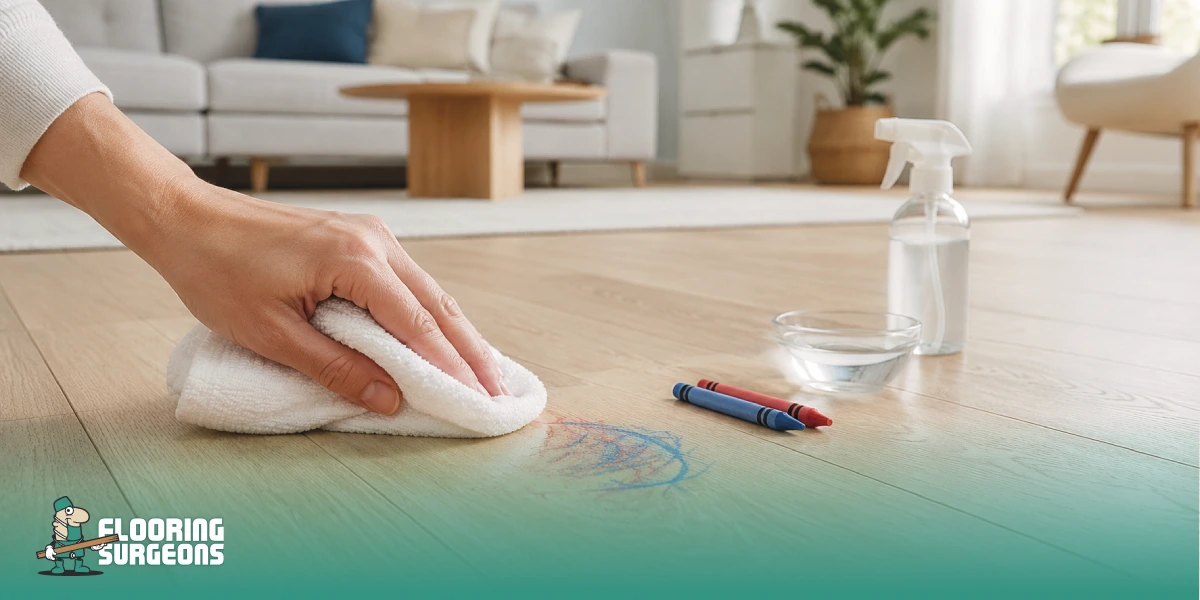
| Wrong cleaning method | Higher | Too much water or harsh cleaners can leave residue behind. |
Best Flooring Choices for Odour-Prone Rooms
Typically, that best odour-resistant flooring is ideal for the way the room is used. Areas of high traffic, spills, humidity, pets, food particles and grease require flooring that is easy to clean and won’t hold moisture.
For areas with spills and/or humidity issues, Waterproof Luxury Vinyl may help prevent odours associated with moisture because it handles water better than more porous flooring alternatives. Although installation and routine cleanings are still necessary, they help your floor have a better foundation against odour retention.
Kitchen Flooring and Cooking Smells
Floors in kitchens are some of the most likely areas to develop odours. Grease from cooking oils, crumbs, food spills, garbage bins and areas from cleaning products can accumulate over time. This debris tends to linger near cabinets, appliances and heavily trafficked areas.
For kitchens, Luxury Vinyl Flooring is ideal, as you want your floors to be easy to clean and resistant to daily messes.
Bathroom Flooring and Humidity
Bathrooms present another odour challenge altogether. Humidity can remain in the room and seep into crevices, seams, or even under the floor, even if the floor appears dry. Over time, flooring that isn’t made to tolerate damp conditions may develop a musty odour.
This is why Luxury Vinyl Flooring for the bathroom works well in these rooms. Bathroom floors should prevent moisture from becoming an invisible odour problem.
Laminate Flooring and Smell Retention
With proper maintenance, laminate flooring will often stay fresher longer throughout your home. One concern with laminate is usually not the surface. It’s when moisture penetrates through the seams, edges or underlay. Be sure to wipe up spills immediately. All floors can develop odour problems if liquid pools for too long in gaps, edges, or other broken spots.
How to Prevent Floor Odour Retention
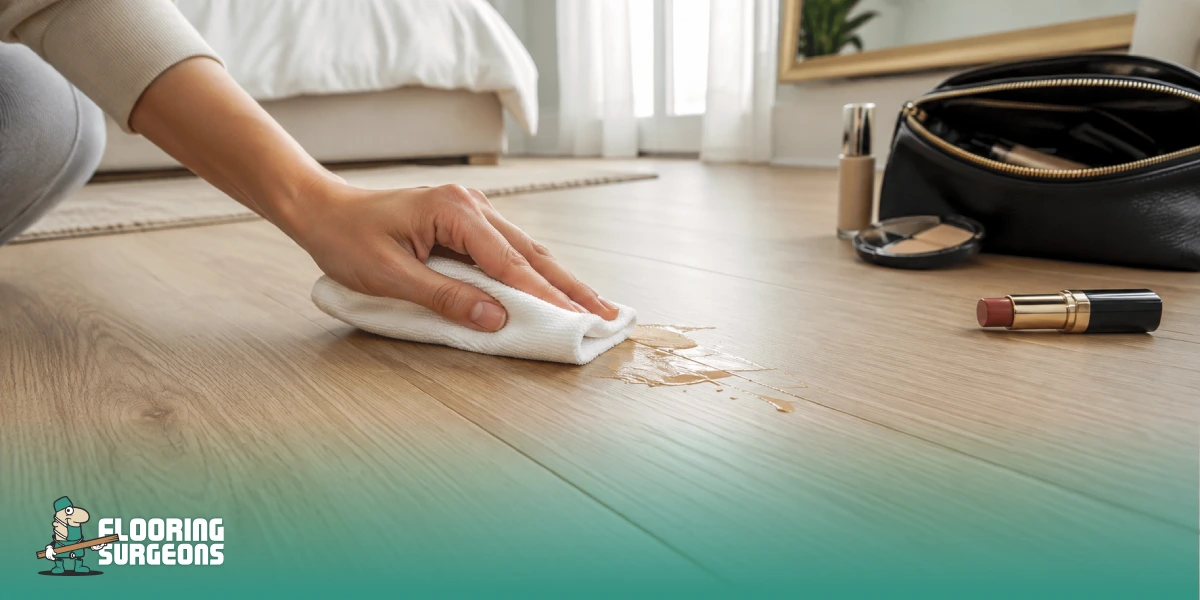
Prevention is always better than cure when it comes to floor odour retention. Prevent moisture and residue from penetrating into the floor by wiping up spills, pet accidents, food stains and wet footprints as soon as possible. Pay extra attention to areas near seams, appliances, doors and edges.
Ventilation can also play a role. Rooms that don’t ventilate well allow moisture to linger longer. Moisture promotes musty odours. Kitchens, bathrooms, utility rooms and pet owners should take extra care to ventilate.
Cleaning techniques depend on your floor type. Excessively wet mops, harsh chemicals, and aggressively fragranced cleaners can often exacerbate the issue by creating residue. A micro-moist mop, proper cleaner, and swift drying time will often be more effective than saturating the floor. Proper installation also plays a role. Tight seams, appropriate underlay, and trapped edges can help prevent odour buildup beneath the floor.
Conclusion
The secret link between flooring and odour retention is what lies beneath. A room can look spotlessly clean, but residual moisture, spills, pet accidents, and cleaning products can seep into seams, underlay, or your subfloor if your flooring isn’t ideal for the space.
Choosing the best flooring isn’t just a stylistic choice; it’s about how the room will be utilised. Kitchens, bathrooms, pet homes and busy households all require flooring options that are not only stylish but also easy to clean, moisture-resistant and correctly installed.
At Flooring Surgeons, we aim to guide you in choosing floorboards and tiles that enhance the style of your home and help you maintain a fresher, cleaner-smelling home in day-to-day living. After all, when it comes to flooring that repels odours, the material, installation method, ventilation and cleaning processes all play a huge role. Floorings that are correctly installed with little to no spaces for moisture and particles to get trapped are much less likely to retain odours.

Ana.Soltanpoor
I’m an SEO Specialist with a strong background in content management and organic search. I build data-driven content strategies by aligning user intent, search behavior, and SEO best practices to ensure every piece of content delivers clarity, relevance, and measurable organic performance.