Agents consider more than square footage, layout or location when valuing a property. They are also assessing the condition of your home, and flooring can have a much larger impact on that than most sellers appreciate. Scratched wood floors, worn carpet, mismatched finishes, or dated-looking floors can all negatively influence a room before anyone even steps inside.
No, that doesn’t mean you should replace every floor before you get a valuation done. More often, the concern with flooring is whether it looks well-maintained, fits the space, and helps the home feel clean, consistent, and move-in-ready. Flooring is where most homeowners get tripped up. Will new floors really increase home value, or is it purely cosmetic?
In this blog, we cover what estate agents look for in flooring when valuing properties. We cover what they really see, the property valuation flooring pitfalls that can sabotage your first impressions and whether a makeover is worth investing in before your property is valued.
Table of contents
Why Flooring Matters in Property Valuations
Flooring is something that impacts a property immediately when valuing a home. Estate agents won’t spend hours at a time walking around your property, so small details that create first impressions count more than most owners realise. Floors take up a lot of visual real estate in every room, so any wear and tear will stand out. If they’re clean, consistent and match the rest of your home, floors make the property feel well cared for.
This leads us neatly onto the presentation. A home with flooring that fits the house will often feel more homely, more functional, and easier for buyers to envision living there. That is one reason why the role of flooring in property staging should not be overlooked, especially before a valuation or sale. Even if your floors aren’t brand new, a clean, well-maintained finish can still enhance buyer appeal and help your property compete more favourably with others in the area.

What Estate Agents Look For During Valuation
Something many estate agents say is the first thing they notice when they view a home is the flooring. The condition of the flooring is often one of the first things estate agents look for when they view a home, particularly when making their initial impression.
Scratches, stains, chips, lifting edges, or patchy areas can make a room look much more tired than it really is. Something as small as this stands out when you think about how many floorboards flow through your home and the overall finish of a room.
Woodworm Floors clients also comment on consistency. If one room blends nicely into another, the property feels more together and presentable. Too many flooring changes or a mismatched appearance from room to room disrupts this flow.
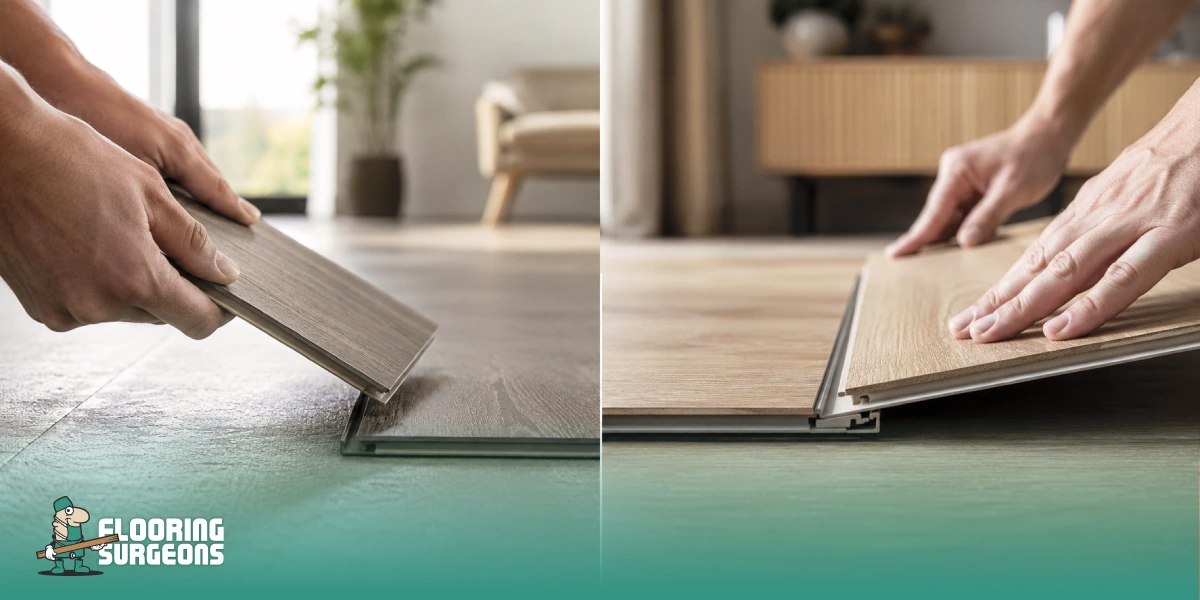
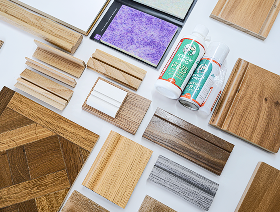
Suitability is another issue. Flooring that seems suitable in your lounge may seem less suitable in your kitchen, bathroom or high-traffic hallway. Estate agents will pick up on whether a surface suits the room’s function as well as how it looks in isolation. In presentation homes, unfinished engineered flooring can provide a smarter finish and a sense of quality.
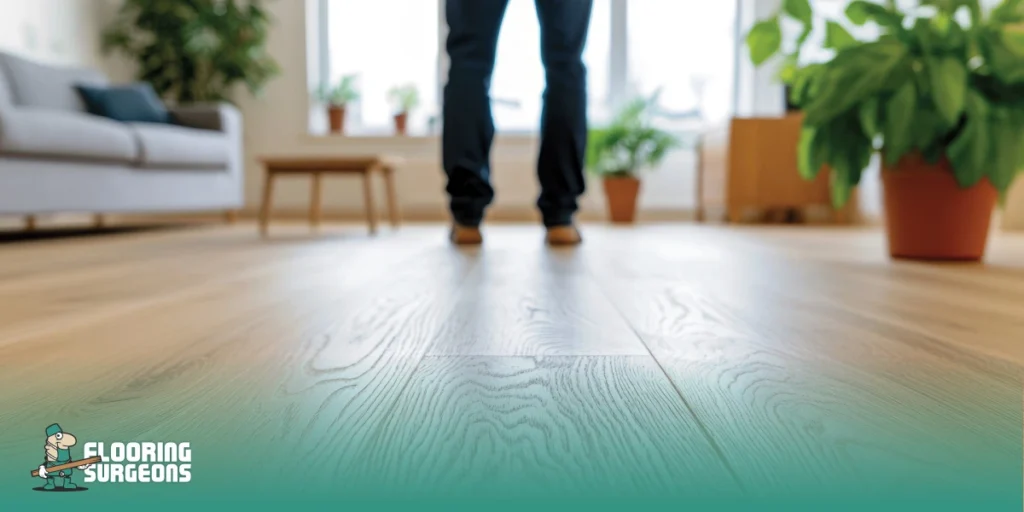
The main flooring details that can influence buyer perception
Buyers can’t always articulate why one home feels better staged than another, but flooring can contribute to that first impression. Ragged surfaces, uneven transitions between spaces, repair marks or outdated finishes can subconsciously impact the reception of the home. Conversely, floors that appear clean, level, and appropriate to the home’s style help create a better overall perception when it comes time for valuation.
Which Flooring Issues Can Lower a Property Valuation?
Beyond simply making a room look dated, some flooring issues can indicate neglect of home maintenance, additional costs for the next owner, or replacement work that needs to be done sooner than anticipated. While this will not always lower an appraisal by much, if at all, it can colour the overall opinion of the property.
Scratches, water rings, bubbling laminate, cracked tiles, and acid marks are among the most frequent complaints. These imperfections become very apparent in high-traffic areas of the home, particularly in entrances. First impressions happen when you step inside. If your hallway gives off these worn signals, it can set the atmosphere for the entire visit. For homes that lack this area, selecting your hallway laminate flooring can really make a difference.
Disparity in flooring can age your property. If finishes vary too frequently between rooms, your home can start to look less cohesive and cared for, despite each surface being functional on its own.
Does the Type of Flooring Affect Home Value?
Flooring can sometimes sway opinions on a property, but not necessarily in ways you might think. Price isn’t always proportional to flooring and home value. Instead, it comes down to choosing something appropriate for the property that looks well-maintained. Agents notice material choices when they make the home feel more up to date, functional, or suited to the area. However, flooring will not increase value just because it is high-end. It still has to suit the room and be well-maintained.
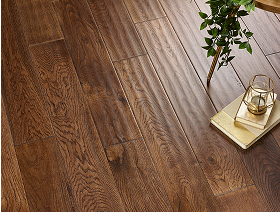
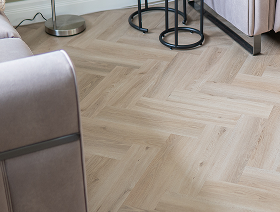
Engineered wood flooring can feel much higher-end and finished in most homes. Luxury vinyl feels much more utilitarian and right at home in spaces where you need durability. Laminate can also sell well at valuation if it’s clean, consistent and installed well. Labels are typically less important than how it looks when you boil it down. To dive deeper into that statement, it’s important to break down what kinds of flooring add value to your home and what makes certain products fair better than others at sale time.
A worn-out premium floor will make a poorer impression than a basic floor covered with care. That’s why letting agents assess floors as part of the property rather than individually.
Flooring Types and Their Likely Impact on Valuation
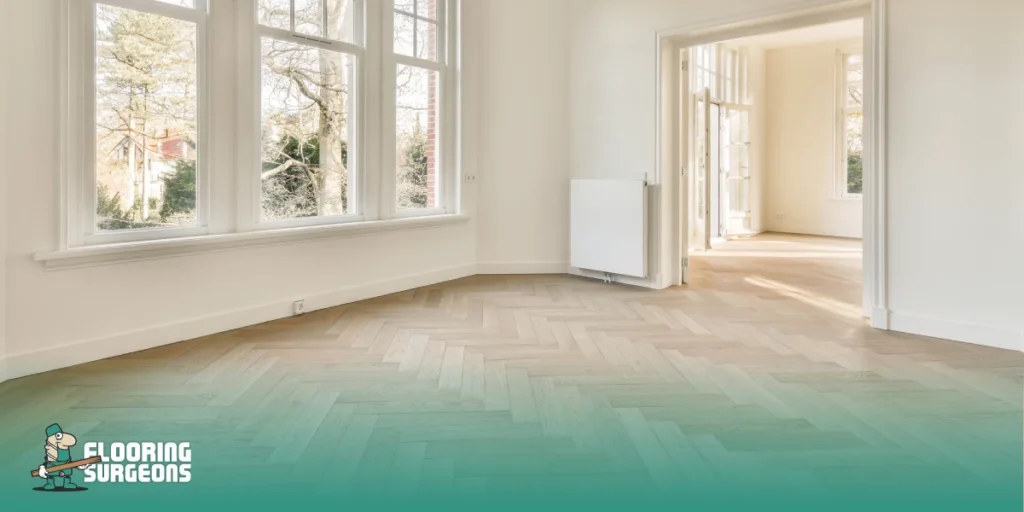
Flooring choices don’t all make the same impact on valuers. Carpets and wood finishes can make a home feel more complete. Other surfaces are rated on utility and everyday living. Usually, estate agents are thinking beyond the material. They’ll also be asking whether it suits the property and looks good in context, and whether it adds to the feeling that the property has been cared for.
| Flooring type | What estate agents may notice | Likely impact on valuation |
| Engineered wood | Quality finish, warmth and broad buyer appeal | Often positive if well maintained |
| Luxury vinyl | Practical feel, modern look and good durability | Positive in kitchens and similar spaces |
| Laminate | Clean appearance and cost-effective finish | Neutral to positive if in good condition |
| Damaged or mismatched flooring | Visible wear, weak presentation and poor flow | Can lower perceived value |
Engineered wood
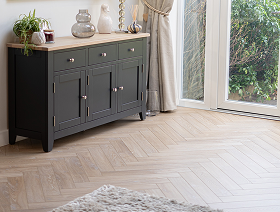
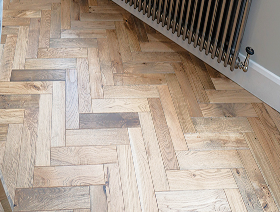
Engineered wood flooring can add a touch of class to a home, making it feel more complete and higher-end. In an appraisal, it can make a space feel cosier and more finished to the average buyer. However, this is only true if the floor has been kept up. A beat-up-looking floor will not have the same effect.
Luxury vinyl
Luxury vinyl prides itself on being functional, contemporary and comfortable living. Kitchens are one room where it can shine, as it gives the impression of being hardwearing without making the room look starkly functional. Estate agents will think you’ve made a wise choice when it looks tidy and suits the property.
Laminate
Laminate flooring can hold its own valuation-wise, as long as it’s clean, consistent, and well-kept. It may not scream high-quality as engineered wood would, but it can help a property look neat and put together. The concern comes when it looks worn, outdated or crooked.
Damaged or mismatched flooring
Scuffed or uneven flooring can age a home quickly. Curling corners, water stains, chipped finishes, or any noticeable transitions between rooms can make a home feel neglected. Visual inconsistencies can create a negative impression on buyers and make your home feel less move-in-ready.
Should You Replace Flooring Before a Property Valuation?
Updating flooring before valuation is beneficial, though not always essential. If a floor is severely worn, visibly dated, or obviously damaged, it may be advisable to fix it. You don’t want to make your place look lavish by any means necessary. You want it to look clean and put together so a buyer won’t mentally note any fixes they’ll need to make.
Sometimes replacing everything isn’t necessary. Often, cleaning, repairing or improving the transition from room to room can increase your home’s overall appeal. Decide based on whether the flooring still matches the room and if the issue is noticeable.
Especially important in high-traffic functional rooms where consumers want flooring that feels functional. If your kitchen floor feels worn or outdated, you might consider installing luxury vinyl flooring as an upgrade that won’t feel excessive.
Final Thoughts on Flooring and Property Value
Flooring might not make or break a property valuation. However, it can still play a role in how positively or negatively a home is viewed during the visit. Estate agents assess whether the floors in each room appear clean, uniform, and appropriate.
Buyers often respond more to the cost of the material itself than to flooring that fits with the rest of the home. A clean-looking, practical and well-cared-for surface can make a property feel more liveable and more marketable. This is why upgrades to worn or dated flooring can sometimes help a home’s valuation.
Looking to update weary floors before selling your property? Flooring Surgeons can guide you through choices that feel comfortable within the space and add value to a solid finish.

Ana.Soltanpoor
I’m an SEO Specialist with a strong background in content management and organic search. I build data-driven content strategies by aligning user intent, search behavior, and SEO best practices to ensure every piece of content delivers clarity, relevance, and measurable organic performance.