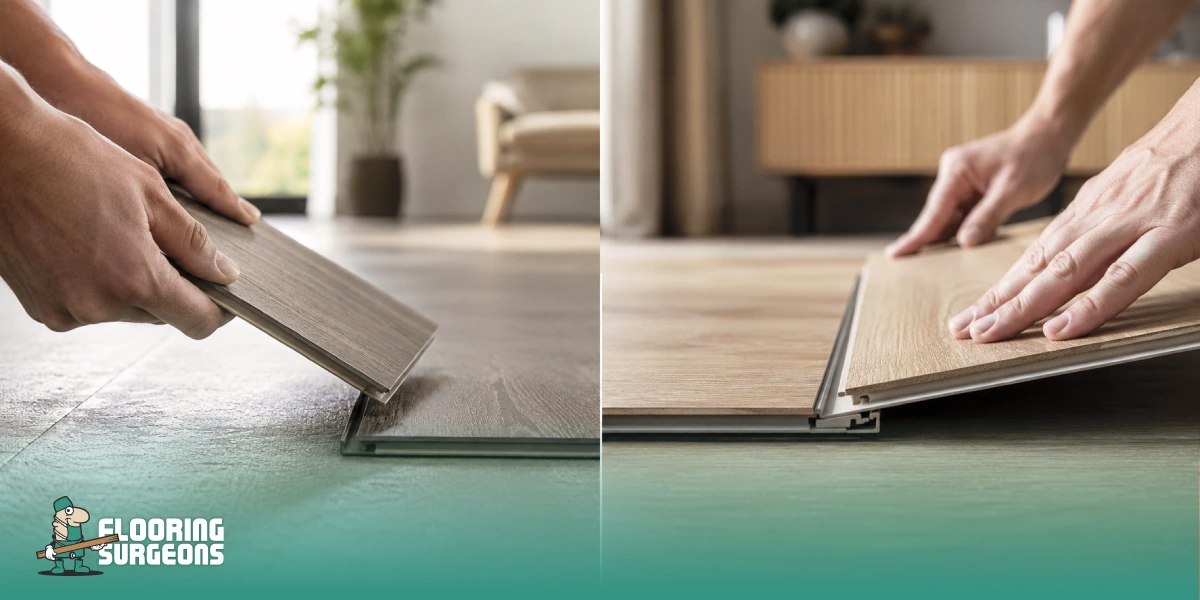
Floor finishes do much more than influence the aesthetics and comfort of an indoor environment. They can also affect the generation, distribution, and dissipation of static charge under normal usage conditions. At home, this can translate into harmless but pesky shocks. In more critical applications, static can raise concerns about comfort, equipment operation and performance. For these reasons, understanding how floors affect static electricity should be taken more seriously than many purchasers realise.
The connection between flooring materials and static electricity is not always obvious at first. Certain flooring materials tend to hold a charge more easily than others. Some flooring surfaces have good static control characteristics when installed correctly. Therefore, choosing the right flooring for your application does not just rely on how it looks or how long it will last.
This article discusses the different ways flooring materials affect static discharge, compares the pros and cons of different flooring for static-sensitive environments, and reviews considerations when selecting static-reducing flooring that is both functional and attractive.
Table of contents
What Causes Static Discharge on Floors?
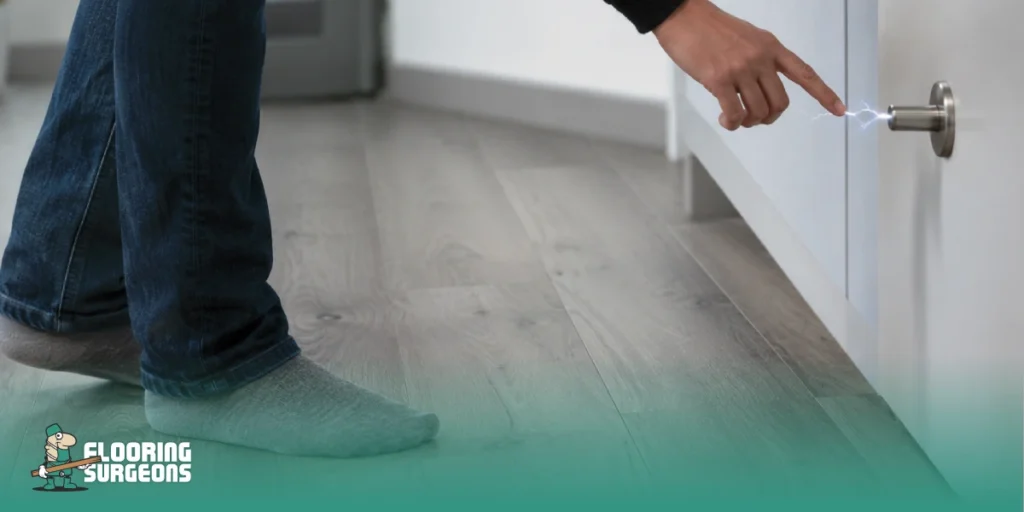
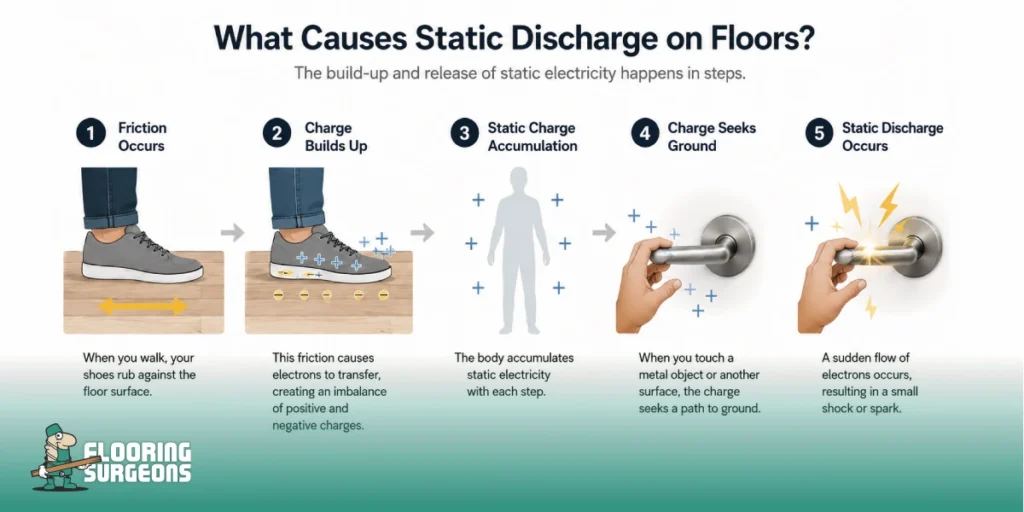
Static discharge occurs when an electrical charge builds up on a surface and dissipates through contact with another surface. Indoors, static charges can develop when walking across a floor due to friction between the floor covering and the shoe sole. Charge may build up as this contact repeats, then discharge when contacting another surface/object/equipment.
That’s precisely why understanding how floors influence static electricity is such a crucial question. It’s not the only factor at play when discussing static electricity, but the floor directly affects how easily a static charge can build, maintain, or dissipate. There are materials that will promote greater static build-up and materials that are more inclined to limit or static control under the proper circumstances.
Static also accounts for environmental factors. Dry climates, footwear, and traffic flow can all increase the likelihood of static. Despite these elements, flooring remains one of the largest factors in static. This is why there should be a correlation made between flooring material and static electricity when deciding on new floors for homes and businesses.
Which Flooring Materials Build Up or Reduce Static Electricity?
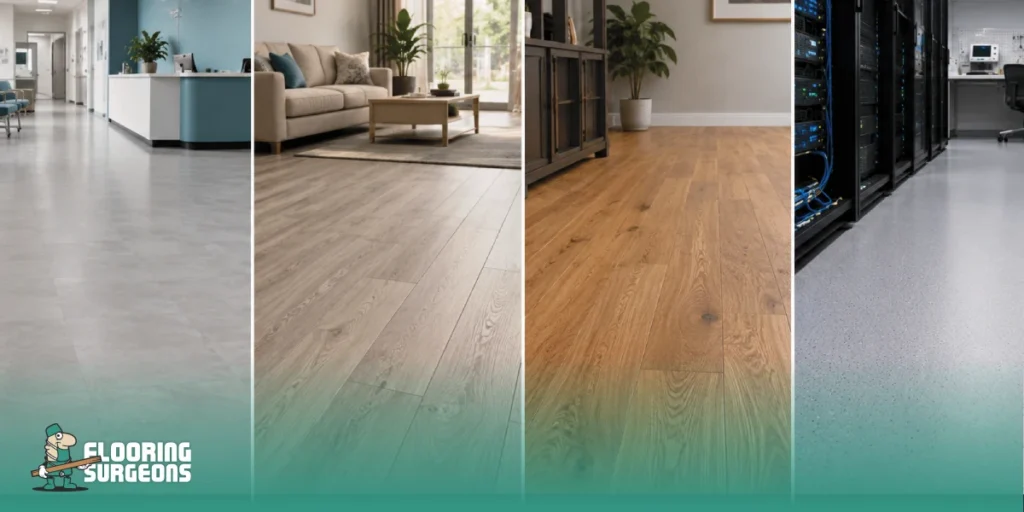
Different types of flooring will react differently to static electricity. Certain flooring types are more prone to charge accumulation. Other materials influence the rate of charge accumulation and dissipation. Therefore, flooring materials should be considered in areas where comfort, reliability, or equipment sensitivity is a concern.
Vinyl-based flooring
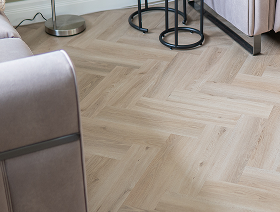
Vinyl composition flooring is often considered a lower-end option in areas where superior static performance is required. Regular luxury vinyl flooring does not inherently make for a static-control floor; however, there are systems that significantly limit charge buildup, making it better than most residential decorative floors. For this reason, vinyl composition flooring often comes up in discussions of the best flooring for static control in commercial applications or for higher-end performance requirements.
Laminate flooring
Laminate floors are often an attractive daily wear choice for appearance, durability and cost. However, they tend to allow static electricity to build up more readily than specialised floors do in dry indoor conditions. This doesn’t rule them out as a practical floor for everyday residential application, but they may not be as well-suited to environments where static is common. When considering flooring as it relates to static control, laminate flooring should generally be considered as all-purpose flooring.
Engineered wood flooring
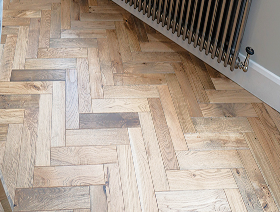
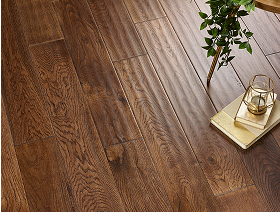
Engineered wood falls somewhere in between. Its static response can vary based on surface finish, room humidity, and room usage. In residential settings, engineered wood flooring is typically selected more for stability/risk comfort, and aesthetics than for electrical functionality. Engineered wood might be okay for low-risk interiors, but it’s not typically recommended as a primary ESD floor choice for more controlled spaces.
Static-dissipative or conductive systems
Static dissipative or conductive flooring systems were engineered for static-sensitive environments. Instead of only determining style or durability factors, they were created to control the flow of electrical current as it travels across the floor surface into the ground. Because of this, static dissipative flooring systems are generally the best type of flooring that reduces static discharge for technical, commercial or equipment-sensitive areas.
Quick Comparison of Flooring Materials and Static Behaviour
| Flooring type | Typical static behaviour | Best suited for | Main limitation |
| Vinyl-based flooring | Can offer better static control in the right system | Commercial and practical everyday spaces | Not all vinyl floors are designed for static-sensitive use |
| Laminate flooring | May allow more static build-up in dry conditions | General residential interiors | Less suitable where static control is a priority |
| Engineered wood flooring | Performance varies by finish and environment | Homes and lower-risk spaces | Not a specialist static-control solution |
| Static-dissipative or conductive systems | Designed to manage charge more effectively | Static-sensitive environments | Usually requires more technical specification |
Static Dissipative Flooring vs Conductive Flooring
Static dissipative and conductive flooring solutions are both used to enhance static control. However, the two do not operate in precisely the same manner. Static-dissipative flooring helps manage the path electrical charge takes across the floor’s surface and releases it more slowly. Conductive flooring allows the charge to pass through the flooring material and into the ground directly.
The correct answer is dependent on your needs. In general, static dissipative floors work well in areas where you want to eliminate your daily static, while conductive floors are typically used in highly sensitive areas where you need greater control. For a broader material comparison, see Which is better: Vinyl Flooring or Laminate Flooring?.
Other Factors That Influence Static Electricity
Flooring can contribute to the problem, but it is not the only thing to consider. Humidity, footwear, and installation will influence the level of static present in an area. Low humidity inside tends to aggravate the issue. Materials used in shoes can cause greater friction/charge as people walk around normally.
Installation is even more important than most people realise. Great flooring materials won’t perform well in static control if the floor system isn’t compatible with the environment. This becomes critical for flooring in static-sensitive areas, as performance relies on more than just the top finish.
Best Flooring for Static-Sensitive Environments
The ideal choice depends on the level of static control required for the space. Technical or equipment-centric spaces benefit most from specialist systems designed for managed charge migration. General interiors typically have a lower need to actually eliminate everyday static, and don’t need to meet a defined level of performance.
Decorative surfaces may still be fine for lower-risk environments when it comes to comfort or appearance, but some laminates will fall short of expectations where controlling static is important. Commercial or practical environments usually justify going beyond aesthetics and comparing surfaces by both function and form. For a wider overview, you can also explore the Best Types of Commercial Flooring.
How to Choose Flooring That Reduces Static Discharge
Start with the room itself. Is there sensitive equipment in the room? Do you need greater control of static? Then, speciality floor systems typically have the advantage. Is static more of a comfort concern in your home or in your daily living spaces? Then, material selection and room conditions may be more important than an extremely technical spec.
Beyond appearance, keep usage in mind as well. While certain types of engineered flooring might work well enough in lower-risk interiors where floor stability and appearance are the biggest concerns, engineered floors are not an acceptable substitute for a purpose-designed static-control floor. Ultimately, the right static-control flooring solution is the one that’s suited to how your space is used, rather than how your floor looks.
Conclusion
Flooring types vary in how they build up static electricity and how quickly they discharge it. However, a floor does not act alone. The room environment, footwear, and installation will affect it. By considering how flooring contributes to static buildup, you can make an informed decision on a floor that is functional, aesthetically pleasing, and better suited to your space. At Flooring Surgeons, we want to ensure you have the floor that not only looks right but also works right for your environment.

Ana.Soltanpoor
I’m an SEO Specialist with a strong background in content management and organic search. I build data-driven content strategies by aligning user intent, search behavior, and SEO best practices to ensure every piece of content delivers clarity, relevance, and measurable organic performance.