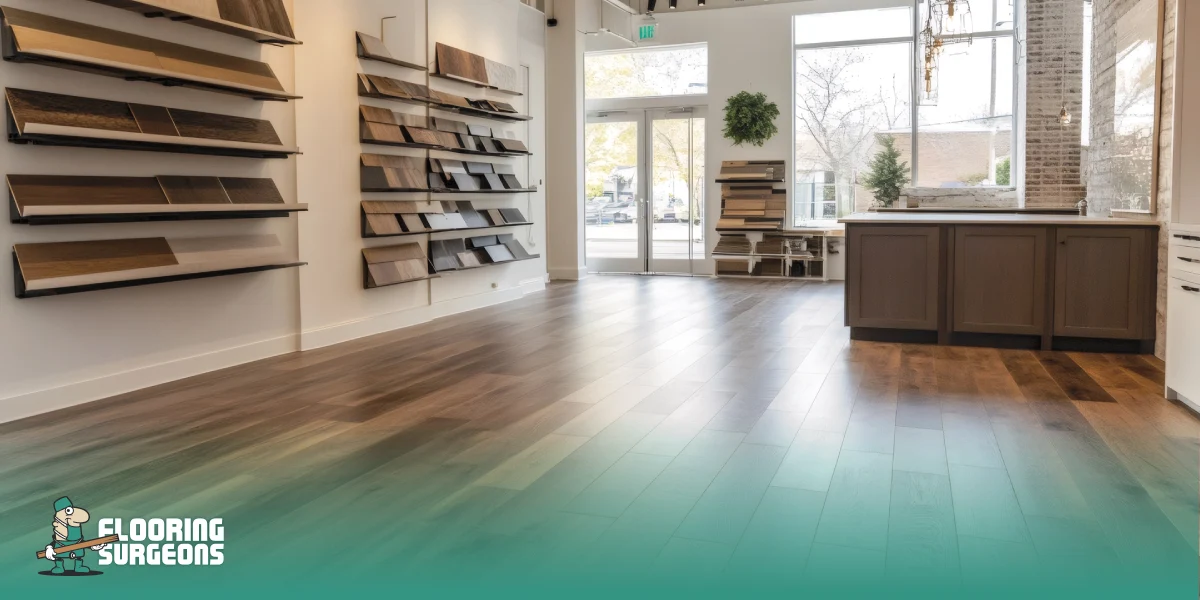
Showroom floors are amazing feats of illusion. Floors that looked warm and bright under buzzing halogen lights return home with you, only to transform into dark and muddy shadows of their former selves. Lighting is one of the leading causes of flooring buyer’s remorse. Sunlight from windows, warm evening lightbulbs, and cool fluorescent bulbs all impact how we see colour, texture, and finish. It’s no wonder that a floor you loved walking into your local Lumber Liquidators comes home with you only to look too dark, too grey, or just…wrong.
If you want to make smart flooring choices you can feel confident about, it all starts with understanding how showroom lighting misleads flooring choices. Below, we dive into why lighting can trick you at the store, how you can test flooring samples like a pro, and which floors really do hold up best under all types of lighting.
Table of contents
Why Showroom Lighting Affects Flooring?
Flooring showrooms are designed to make flooring look its best. Warm, focused lighting accents texture, deepens colour and minimises seams and inconsistencies to present a “best-case scenario” situation. While it looks stunning in the showroom, you’ll be hard-pressed to replicate that exact environment in your own home.
Residential lighting is inconsistent at best. Daylight shifts throughout the day, and artificial lightbulbs have different warm or cool intensities from room to room. That gorgeous sample that looks soft and neutral in the store will look a lot darker (or cooler) on your floor.
The other problem with showroom floors is that they take place in a vacuum. It can be hard to envision how that floor would look next to furniture, walls or natural shadows. Take coordination, for instance. How does the flooring coordinate with adjacent décor? That’s why we wrote our blog on how to match flooring with wall colours.
How Lighting Changes the Way Flooring Colours Appear
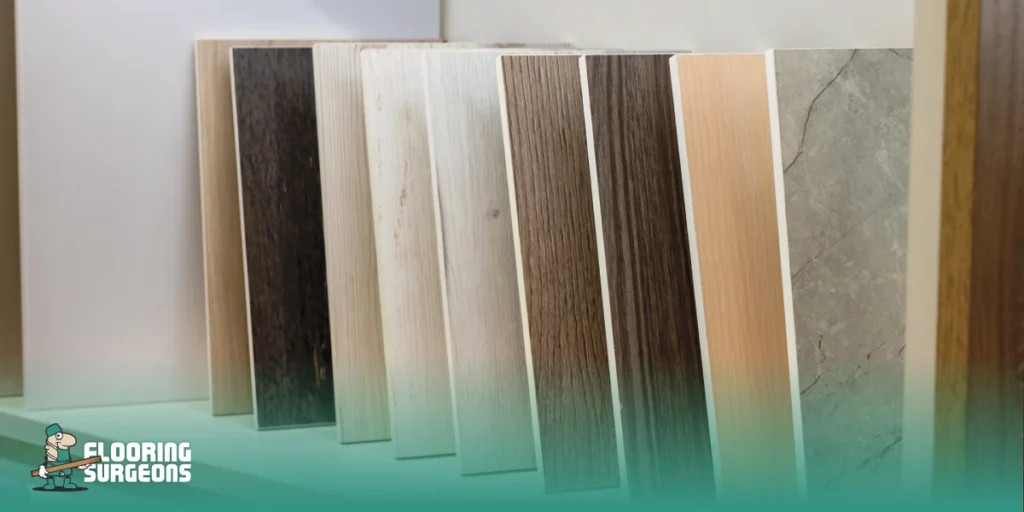
One factor you need to take into consideration is flooring colour in different lighting, say natural vs artificial light flooring for example. Lighting will greatly affect your perception of flooring colour, tone and texture. You could be looking at the same flooring material that appears different when the lighting shifts from warm to cool or natural. Neutral and wood-inspired tones can have subtle undertones that appear or disappear.
Warm lights amplify yellow/red tones, making the flooring appear deeper and more traditional. Cool lights can enhance grey/blue tones, making the same floor appear sleeker and more modern. Natural light falls somewhere in the middle, but also shifts throughout the day. Combine all that, and you will never see your flooring look the same way twice.
It’s no wonder some consumers are shocked when they bring their new floors home, and the colour is off. When you browse our selection of grey laminate flooring, you can see how grey flooring can vary from warm and earthy to cool and industrial, simply by changing the lighting. So keep these things in mind before you make your final selection. Lighting can make a huge difference!
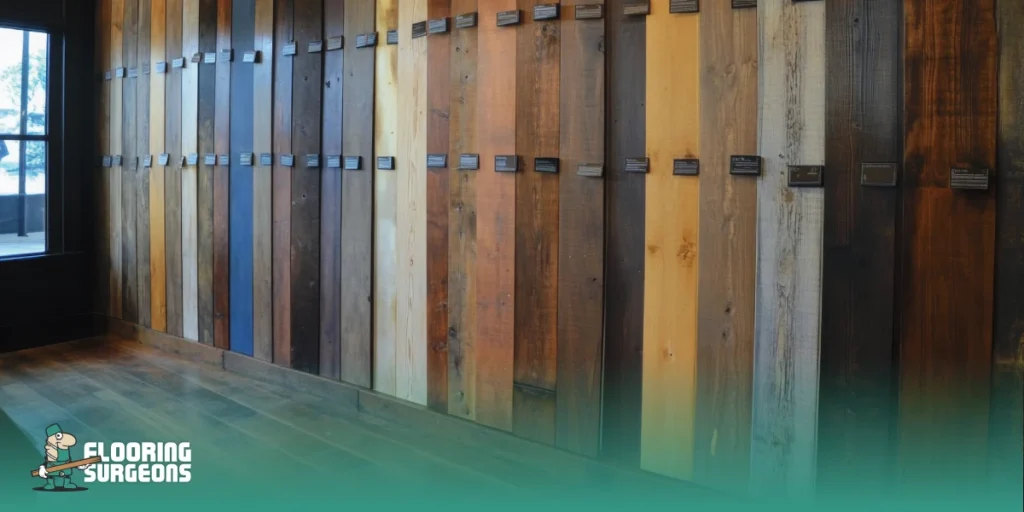
Common Flooring Selection Mistakes Caused by the Showroom
Many flooring mistakes made by homeowners have nothing to do with the product itself, but with how they test it. The biggest flooring buying mistake when purchasing flooring is shopping by how it looks in a showroom and not how it will perform in an actual home. All lighting will be perfected so colours translate better, surfaces appear less textured, and flaws aren’t as easily detected. Essentially, what you are looking at is a slightly “idealised” version of your floor.
A second mistake people make is failing to consider how the flooring will complement your home’s current features. It can be anything like paint colours, furniture, or the direction of natural lighting. Many neutral-toned floors can look too warm or too cool when brought into your home. Understanding how to coordinate flooring with wall colour is essential prior to finalising your selection.
Expectations can be thrown off when considering how lighting changes from day to night. What may seem like a perfect colour at noon in the store can look dark or washed out once you’re inside your home at night. Avoid making a costly mistake you’ll regret by considering these changes.
How to Test Flooring Sample at Home
Testing flooring samples at home is the only way to accurately gauge how your flooring will look. In your own home, you have furniture, lighting, and context that differ vastly from those on a showroom floor, which all affect how a colour is perceived.

Place Samples in Multiple Areas of the Room
Don’t judge flooring by looking at it in only one corner of the room. Move flooring samples around and observe them in various locations that receive different amounts of light. Light from windows will change how the flooring looks compared to a darker corner, and this is normal.
Observe Flooring at Different Times of Day
Lighting shifts all day long. Your assessment should shift with it. Review samples at different times of the day. Experience how daylight and artificial light will change the tone of your flooring. A colour you like at noon might look dramatically darker or cooler after dark.
Compare Samples Against Walls and Furniture
Flooring doesn’t live in a vacuum. Lay your samples against your walls and furnishings to get a feel for how all of your textures will play off of one another. This can help you avoid mismatches in tone and warmth when you’re dealing with completely furnished rooms. Many find they need more thorough input when making decisions at this stage, which is why we’ve developed tools like the one for choosing the laminate flooring colour.
Test Natural Wood Finishes Under Real Conditions
Flooring made from wood is particularly affected by lighting. Oak engineered flooring can change slightly in shade depending on the direction of sunlight or the temperature of the lighting fixtures. For this reason, it’s important to test flooring in your own home before completing installation.
Flooring Types That Perform Best in Changing Light
Flooring is different in this regard. Some types of flooring are extremely sensitive to shifts in natural and artificial light. Others appear quite consistent throughout the day. Picking the proper kind can eliminate potential letdown after installation if you have big windows or a combination of light sources in a room.
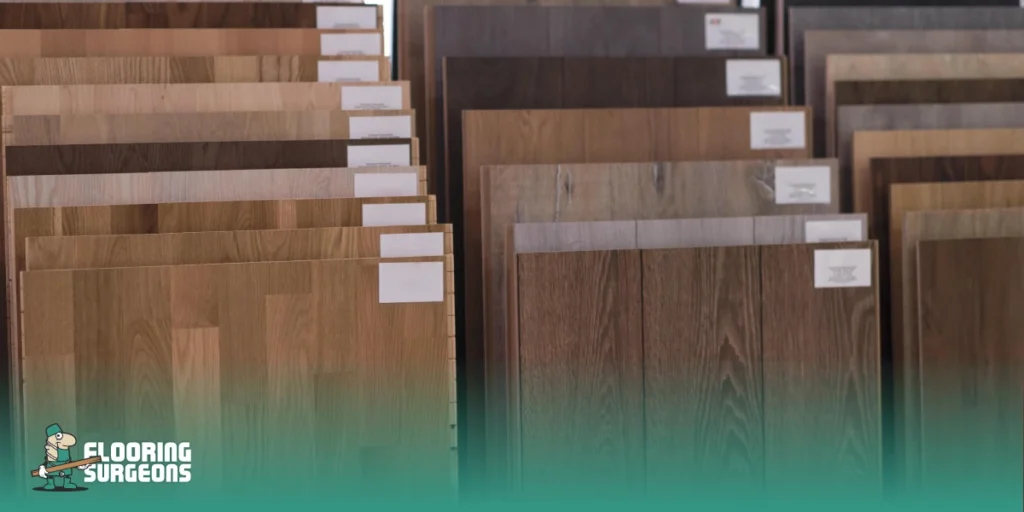
Laminate and Wood-Based Floors
Flooring types such as laminate and engineered wood exhibit greater tone variation under different lighting conditions. This can add interest but can also cause abrupt shifts in apparent colour. These materials often require their undertones to best complement lighting and decor.
Luxury Vinyl for More Consistent Appearance
Homeowners who desire stability may want to consider vinyl-based products because they tend to hide this effect better. Waterproof luxury vinyl will look more consistent no matter the lighting.
Choosing Based on Room Function and Light
Rooms that get lots of traffic or wear see multiple uses. Kitchens, hallways, and living rooms are often illuminated by both natural light during the day and artificial light in the evenings. Pick flooring that is colour-stable so you will be happy with it for years to come.
Comparison of Flooring Performance in Different Lighting
| Flooring Type | Light Sensitivity | Visual Consistency | Best Use Case |
| Laminate Flooring | Medium–High | Variable | Living rooms, bedrooms |
| Engineered Wood | High | Natural but changing | Premium residential spaces |
| Luxury Vinyl | Low | Very consistent | Kitchens, bathrooms, busy areas |
Understanding how each flooring type reacts to light helps you make a more informed decision and reduces the risk of post-installation regret.
Expert Tips for Choosing Flooring with Confidence
Selecting flooring based on showroom lighting is extremely easy to get wrong, but luckily, there are some simple habits that will greatly enhance your final decision. Let’s talk about how to view flooring in real-world applications versus in showroom lighting.
- Test flooring samples at home, not just in-store: Showroom lighting is designed to enhance appearance, not accuracy.
- Observe samples at different times of day: Morning, afternoon, and evening light can completely change colour perception.
- Avoid judging flooring under single light conditions: Always check both natural daylight and artificial lighting.
- Compare samples against real interior elements: Place them next to walls, furniture, and décor to see real interaction.
- Review multiple finishes side by side: Small differences in tone and texture become clearer when compared directly.
- Focus on long-term appearance, not first impression: Flooring should look consistent in all lighting conditions, not just in a showroom spotlight.
Taking the time to follow these steps helps reduce the risk of costly mistakes and ensures the flooring you choose will look consistent and balanced once installed in your actual living space.
Conclusion
Showroom lighting isn’t meant to be a true representation of what your home’s lighting will be like; it’s meant to make you look good. That’s why so many people are disappointed with how their new flooring looks after installation. If you learn how lighting alters colour, texture and tone, you’ll feel confident you’ve made the right flooring decision.
Compare samples in your own lighting against other light sources, take note of how they make your space feel, and you won’t fall prey to one of the biggest flooring mistakes homeowners make. Picking laminate, engineered or vinyl based on showroom satisfaction. Remember, context is everything!
Flooring Surgeons offers a range of flooring options that are transparent, simple, and help you make better decisions with confidence.

Ana.Soltanpoor
I’m an SEO Specialist with a strong background in content management and organic search. I build data-driven content strategies by aligning user intent, search behavior, and SEO best practices to ensure every piece of content delivers clarity, relevance, and measurable organic performance.