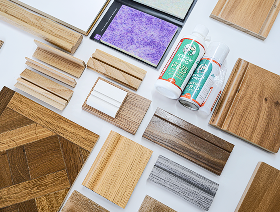
Choosing the right vinyl flooring colour comes down to three practical factors: how the room is used, how much natural light it gets, and how forgiving the colour is in everyday life. Light vinyl flooring can make small or darker UK rooms feel more open, while darker tones add depth and warmth but tend to show dust, scratches, and footprints more easily.
The best vinyl flooring colour is not simply the trendiest option. It is the shade that works with your room size, lighting, furniture, and cleaning habits over time. In this guide, we explain how to choose vinyl flooring colour room by room, using practical installer insight rather than generic design advice.
Table of contents
Start With How the Room Is Actually Used
The first step to choosing a vinyl flooring colour is understanding how the room is used every day. A hallway, kitchen, and bedroom may look similar on a floor plan, but they deal with very different levels of foot traffic, shoes, pets, spills, and cleaning. If you are still deciding between flooring types, this carpet vs vinyl flooring guide can help you compare comfort, maintenance, and practicality before choosing a colour.
In busy rooms, very light vinyl flooring can show marks and dirt quickly, while very dark colours often highlight dust, footprints, and fine scratches. Mid-tone vinyl colours are usually more practical because they hide everyday wear without making the room feel heavy. In lower-use rooms, such as bedrooms, you have more freedom to choose softer or lighter tones because the floor takes less daily wear and tear. Before choosing a colour, ask:
- Is this a walk-through room or a room where people relax?
- Will shoes, pets, or food be used daily?
- How often will the floor realistically be cleaned?
Answering these questions first helps you choose a vinyl flooring colour that works in real life, not just in online photos.

How Natural and Artificial Light Changes Vinyl Colours
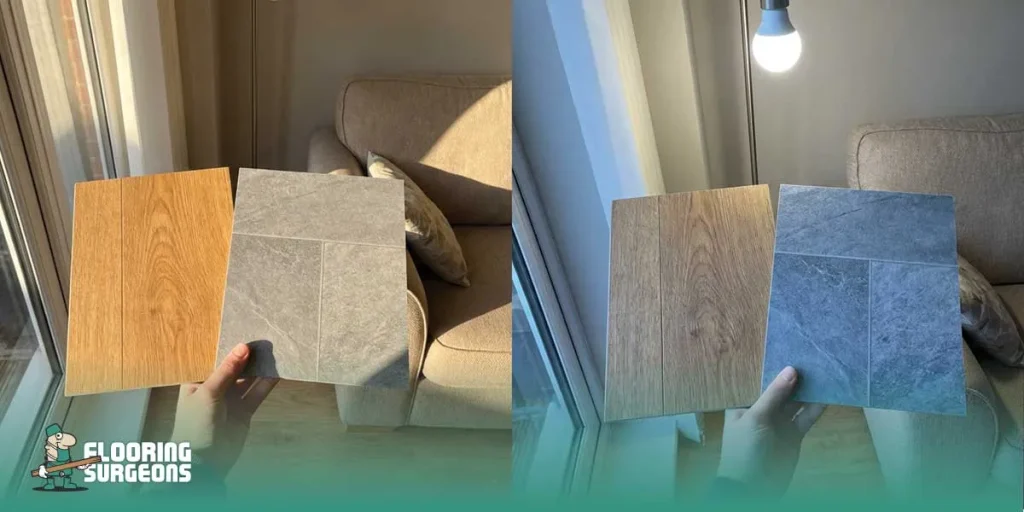
Light has a direct effect on how vinyl flooring colours appear once installed. The same vinyl plank can appear warmer, cooler, lighter, or darker depending on the direction and strength of the light. This matters especially in UK homes, where overcast days and limited sunlight are common.
South-facing rooms usually get stronger, warmer daylight. In these spaces, very light vinyl colours can look washed out, while mid-tone or darker shades often hold their depth better. North-facing rooms receive cooler, indirect light, which can make grey or cool-toned luxury vinyl flooring feel flat. Warmer wood tones usually work better here, even if they look slightly darker in the showroom.
Artificial lighting also changes colour perception. Warm bulbs soften sharp contrasts, while cool white lighting can exaggerate grey or blue undertones. This is why a colour that looks balanced in store lighting may feel different once installed at home.
Before choosing a vinyl flooring colour, always test samples in the actual room:
- Check them in the morning, afternoon, and evening.
- View them under daylight and your usual artificial lighting.
- Place them near walls, cabinets, skirting boards, and furniture.
This simple step helps prevent colour regrets and makes it easier to choose a floor that works in real conditions, not just under perfect showroom lighting.
Light vs Dark Vinyl Flooring: Which One Is Practical in Homes?
Choosing between light and dark vinyl flooring is less about trends and more about how the floor performs in everyday life. Both can work well, but they react very differently to dirt, scratches, dust, and daily foot traffic.
Light vinyl flooring reflects more light, which helps smaller or darker rooms feel brighter and more open. This makes it a popular choice for compact UK homes and spaces with limited natural daylight. However, lighter floors tend to show scuffs, mud, and tracked-in dirt more quickly, especially in busy areas.
Dark vinyl flooring adds warmth and depth, particularly in larger rooms or open-plan layouts. It hides stains better but often highlights dust, pet hair, and fine scratches, especially under natural light or in rooms with large windows. In homes where cleaning is less frequent, dark floors can start to look tired faster than expected.
For many households, mid-tone wood-look vinyl flooring offers the most practical balance. It hides everyday wear more effectively, reduces glare, and avoids showing dust as aggressively as very dark tones or marks as clearly as very light floors.

Best Vinyl Flooring Colours for Living Rooms
Choosing vinyl flooring for living rooms means balancing colour, comfort, daily wear, and changing light. Living rooms are used throughout the day, so the floor needs to work with foot traffic, furniture, rugs, curtains, and natural lighting without showing wear too quickly.
Warm Wood Tones vs Modern Greys
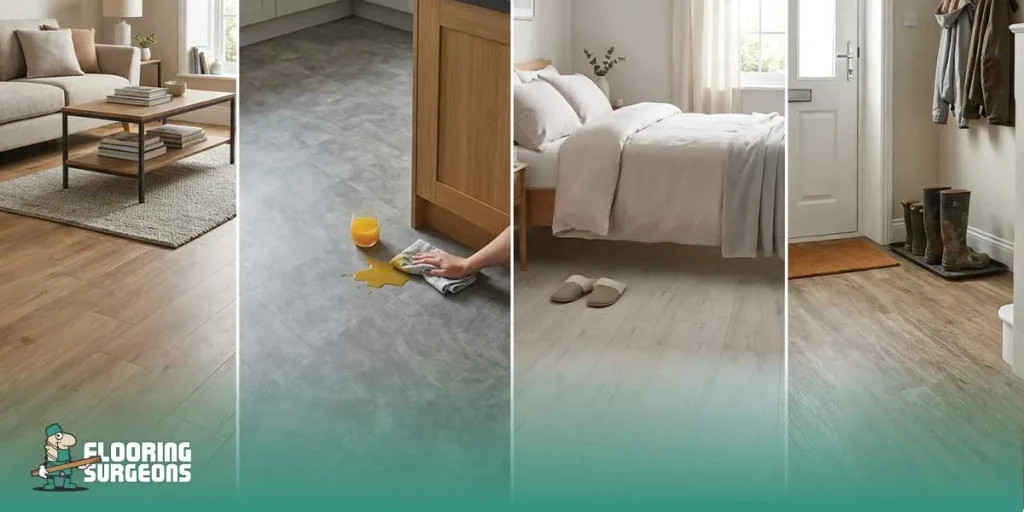
Warm wood-tone vinyl usually suits most living rooms because it feels balanced and easy to live with. It works well with soft furnishings, mixed lighting, and natural textures, while also hiding minor marks better than flat, uniform colours.
Modern grey vinyl flooring can work in bright, open rooms, but it is less forgiving of imperfections. In north-facing living rooms or spaces with limited daylight, grey vinyl flooring can feel colder and flatter than expected. It may also show dust and fine scratches more clearly, especially beside darker furniture. For busy living rooms, warm mid-tone vinyl colours are usually the safest choice because they feel comfortable, hide everyday wear, and connect well with hallways or kitchens.

Matching Vinyl Flooring With Sofas, Rugs and Curtains
The vinyl flooring colour complements the main items in the room, not competes with them. Sofas, rugs, and curtains take up a lot of visual space once the room is furnished.
- Dark sofas or bold rugs usually work better with lighter or mid-tone vinyl.
- Light furniture can be grounded with a slightly deeper floor colour.
- Patterned rugs pair better with simpler vinyl designs.
- Plain rugs allow more texture or grain in the flooring.
Before choosing a final colour, place vinyl samples next to your sofa fabric, rug edges, curtains, and wall colour. This helps you choose a vinyl flooring colour that feels connected to the whole room, not just attractive on its own.

Best Vinyl Flooring Colours for Kitchens
When choosing luxury vinyl flooring for kitchens, the colour needs to withstand spills, crumbs, splashes of water, and regular cleaning. Kitchens put more pressure on flooring than most rooms, so the best colour is not just the one that looks good on day one. It is the one that still looks clean and balanced during daily use.
Colours That Hide Spills, Crumbs and Daily Mess
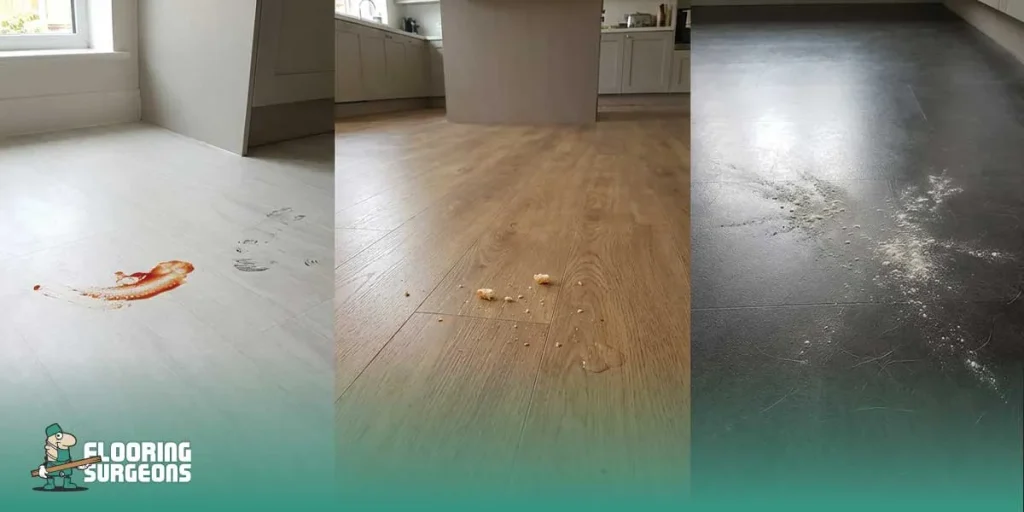
Mid-tone vinyl colours with natural variation are usually the easiest to live with in kitchens. Subtle wood patterns, warm greige tones, and lightly textured finishes help hide crumbs, dried water marks, and minor splashes between cleans. Very light vinyl flooring can quickly show food residue and footprints, especially near sinks and worktops. Very dark colours may hide stains better, but they often make dust, flour, pet hair, and smears more visible.
If the kitchen connects to a dining area or living room, a mid-tone colour also helps the floor flow naturally between spaces without drawing attention to wear in high-use areas.
Why High-Gloss Colours Often Fail in Kitchens
High-gloss vinyl flooring often looks good in photos but is harder to live with in kitchens. Reflections make smears, water spots, and fine scratches stand out more than expected, especially under overhead lighting.
Matte or low-sheen finishes are usually more practical because they reduce glare and soften surface marks. For most kitchens, a low-sheen vinyl colour with subtle texture is the safest choice for a floor that stays presentable with less maintenance.
Best Vinyl Flooring Colours for Bedrooms
Bedrooms have lighter foot traffic than kitchens, hallways, and living rooms, so you have more flexibility when choosing a vinyl flooring colour. The priority here is comfort, warmth, and a calm look rather than hiding heavy daily wear.
Soft Neutral Colours That Feel Warm Underfoot
Soft neutral vinyl colours work well in bedrooms because they create a calm base without drawing attention to the floor. Light oak, warm beige, and muted taupe tones reflect enough light to keep the room open while still feeling settled. These colours stay balanced under low evening light, which matters in spaces used mainly at night.
Because bedrooms see fewer shoes and spills, lighter vinyl flooring holds up better here than in busy areas. It keeps the room feeling relaxed and avoids the visual weight that darker colours can bring to smaller sleeping spaces.

Avoiding Cold or Clinical Vinyl Tones
Cool greys and blue-based tones can make bedrooms feel flat, especially in north-facing rooms or homes with limited daylight. Under artificial lighting, these colours can look colder than expected and work against the calm feel most bedrooms need.
If you prefer grey, choose warmer greige tones instead. They keep the neutral look while feeling softer and more comfortable. Before making a final choice, test samples next to bedding, wardrobes, and wall colour to make sure the tone works once the room is furnished.
Best Vinyl Flooring Colours for Bathrooms
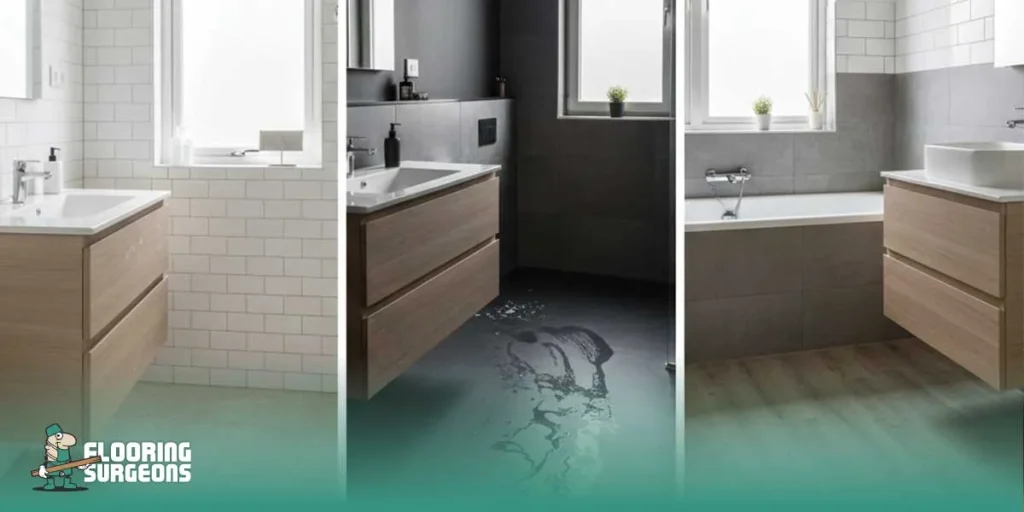
Bathrooms deal with moisture, reflections, and artificial lighting, so vinyl flooring colours can look different here than in a dry room. The best bathroom colours are usually practical, light-reflective, and easy to maintain.
Light Stone Colours vs Dark Spa Styles
Light stone-effect vinyl is a safe choice for most bathrooms. Soft limestone, pale grey, warm beige, and subtle marble-effect tones help smaller bathrooms feel brighter while hiding minor water marks and footprints better than very dark finishes.
Dark spa-style vinyl can work in larger bathrooms with good lighting, but it needs more upkeep. Water spots, soap residue, dust, and smears show more quickly on flat dark surfaces. In compact or windowless bathrooms, dark vinyl can also make the room feel smaller.
Matching Vinyl Colour With Tiles and Fixtures
Bathroom flooring should work with wall tiles, sanitary ware, fittings, and cabinetry. If the bathroom has white or light fixtures, a soft neutral vinyl floor keeps the space balanced. With darker tiles or black fittings, a lighter floor can help the room feel less heavy.
Avoid matching the floor too closely to the wall tiles. A slight contrast helps define the space and prevents the bathroom from looking flat. Always check vinyl samples next to tiles, bath panels, and cabinets under bathroom lighting before choosing the final colour.
How Vinyl Colour Affects Room Size and Height
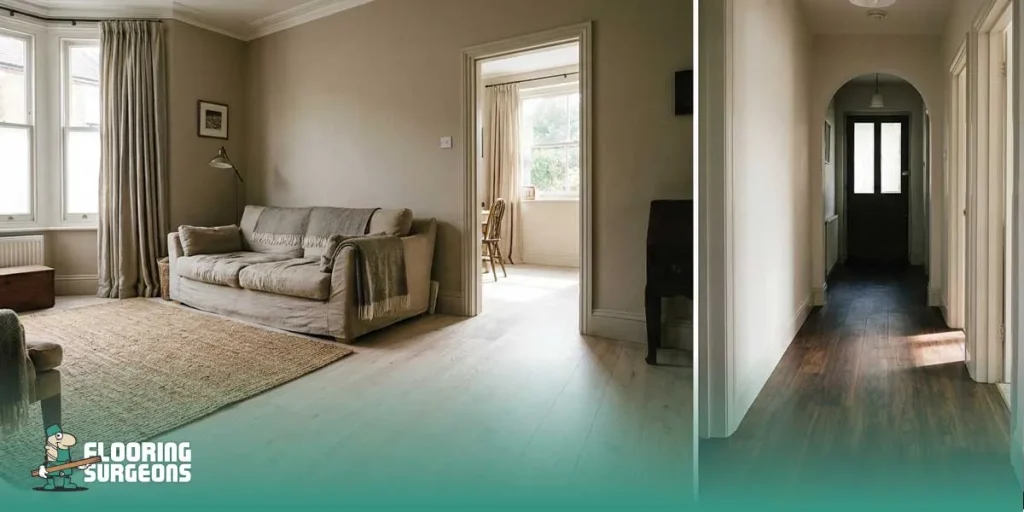
Vinyl flooring colour can change how large, narrow, or low a room feels, even when the measurements stay the same. This matters in many UK homes, where rooms are often compact, ceilings can feel lower, and natural light may be limited.
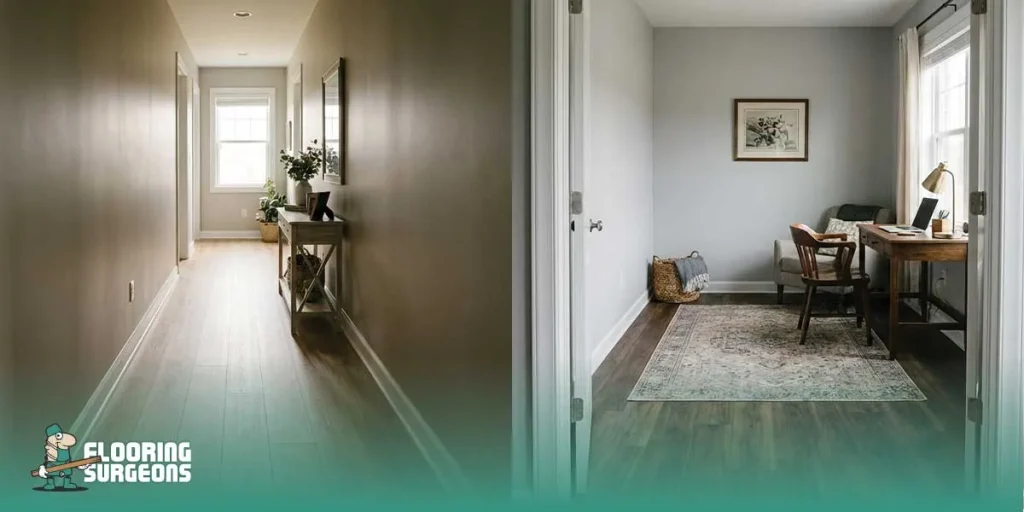
Light vinyl colours reflect more light across the floor, helping small rooms, hallways, and flats feel more open. Darker vinyl colours absorb more light, which can add depth in larger rooms but may make smaller spaces feel tighter or lower. Colour does not work alone. The direction of the vinyl planks also affects how the room feels.
- Light vinyl laid lengthwise can make narrow rooms feel longer.
- Light vinyl laid across the width can help short rooms feel wider.
- Dark flooring in small spaces can make the room feel more compressed.
- Lighter flooring can help low-ceiling rooms feel more open.
For small rooms, light vinyl flooring with a simple plank direction is usually the safest choice. For larger spaces, deeper tones can work well if the room has enough light and breathing space.
How Dirt Visibility Influences Vinyl Colour Choice
Most vinyl flooring colour complaints are not really about style. They are about cleaning effort. The colour you choose affects how often the floor appears dirty, even with only normal daily wear.
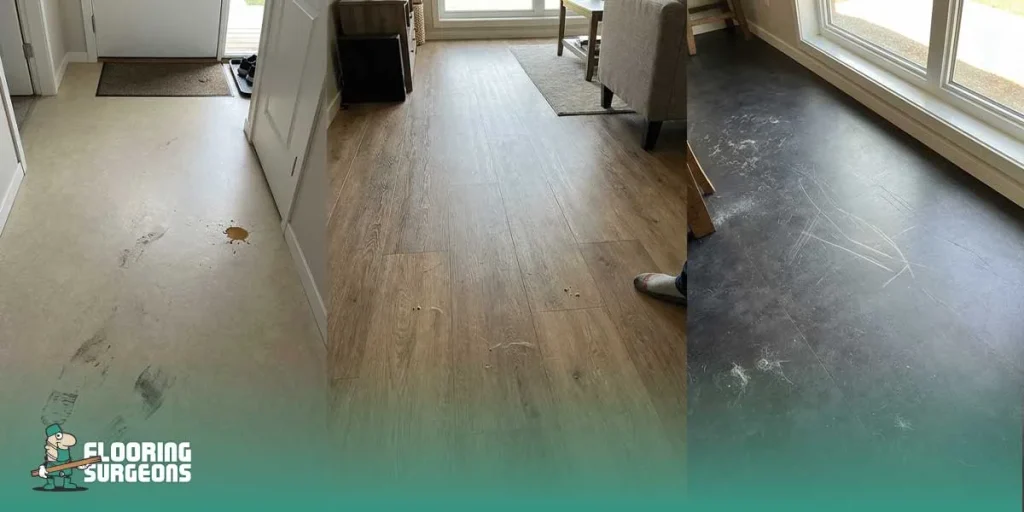
Light vinyl flooring can show grit, shoe marks, and small spills quickly, especially in walkways. Dark vinyl flooring may hide stains better, but it often highlights dust, pet hair, and fine scratches under daylight.
Texture and pattern matter just as much as colour. Flat, single-tone vinyl shows marks sooner, while natural grain or gentle variation helps break up dirt and keeps the surface looking more even between cleans. This is why wood-look vinyl flooring often feels more practical than plain, uniform finishes. Your cleaning habits should guide the choice:
- If you clean often, lighter colours can work well.
- If cleaning is less frequent, mid-tone colours stay presentable longer.
- Homes with pets usually suit colours between light and dark.
- Smooth dark finishes show scratches more easily than textured mid-tones.
Choosing vinyl flooring colour with maintenance in mind helps avoid surprises after installation. The best colour is one that fits daily life, not just the first week after fitting. The structure of rigid core vinyl flooring also affects how colour and texture reflect light across the surface.
Matching Vinyl Flooring Colour With Wall Paint (UK Homes)
In UK homes, vinyl flooring rarely sits on its own. Wall paint, skirting boards, and door frames all affect how the floor colour looks once the room is finished. A colour that works well as a sample can feel wrong if it clashes with these fixed details.
The floor should create a clear but soft separation from the walls. If the floor and walls are too close in tone, the room can look flat. If the contrast is too strong, the space can feel broken up, especially in smaller UK rooms and terraces.
Skirting boards help control this transition. White or off-white skirting provides a clean visual break and pairs well with most vinyl flooring colours. Painted skirting in grey, beige, or darker tones needs more careful matching to avoid a dull or heavy look.
Practical Colour Pairings That Work Well in UK Homes
| Vinyl Flooring Colour | Wall Paint Direction | Skirting Board Choice | Why It Works |
| Light oak or pale wood | Warm white or soft cream | White or off-white | Keeps rooms bright and defined without feeling cold |
| Mid-tone wood | Neutral beige or light greige | White or matching wall colour | Balanced contrast for living rooms and hallways |
| Warm greige vinyl | Soft white or muted neutral | White or light grey | Avoids flatness in north-facing rooms |
| Dark wood tones | Light neutral walls | White skirting | Prevents rooms from feeling heavy or closed in |
| Stone-effect vinyl | Light grey or warm off-white | White | Works well in bathrooms and kitchens with tiles |
Why Seeing Vinyl Flooring Samples at Home Matters
Online images are useful for narrowing options, but they are not reliable for final colour decisions. Screens change colour, lighting is controlled, and floors are usually shown clean, empty, and perfectly styled. Real UK homes do not look or light the floor in the same way.
At home, light changes throughout the day. Morning daylight, grey afternoons, and evening lamps can all make the same vinyl flooring colour look warmer, cooler, lighter, or darker. A shade that looks soft online may feel flat in a north-facing room, while a darker colour can look heavier once it covers the full floor area.
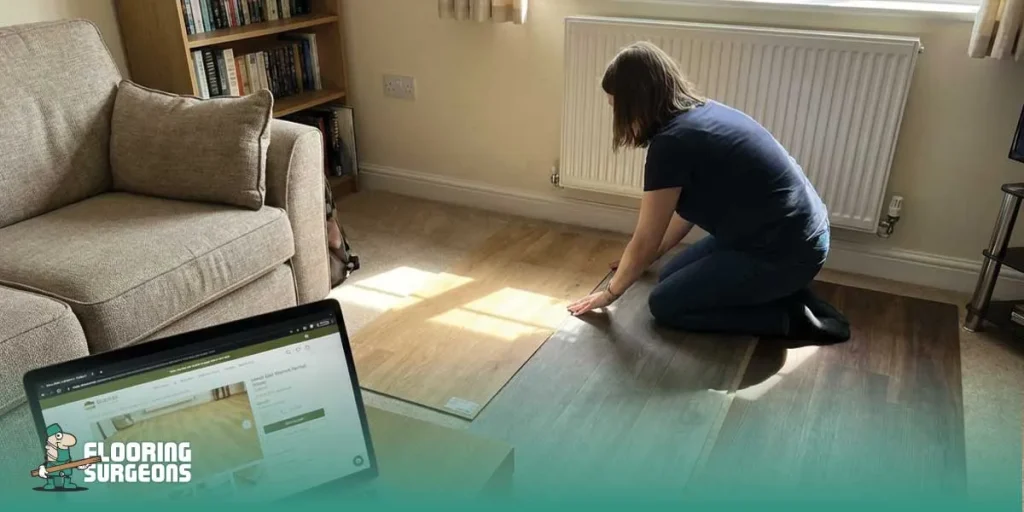
Samples also show how the floor works with your existing finishes. Walls, skirting boards, cabinets, doors, and furniture all affect how the colour reads. This is impossible to judge properly from a single product image. Before choosing, test vinyl flooring samples:
- Near windows and darker corners
- Beside the skirting boards and the wall paint
- Next to cabinets, sofas, or furniture
- In morning, afternoon, and evening light
Seeing vinyl flooring samples at home turns colour choice from a guess into a decision based on real conditions. At Flooring Surgeons, years of fitting vinyl floors in UK homes have shown that checking samples at home prevents most colour regrets.

Final Tips From Professional Vinyl Flooring Installers
Choose vinyl flooring colour based on how the room is used, not how it looks when it is empty. Daily wear, lighting, cleaning habits, and room layout will affect the colour more than the showroom appearance. Installer tips to remember:
- Avoid very light or very dark tones in busy areas.
- Choose mid-tone colours for easier everyday maintenance.
- Test samples in the room before buying.
- Check the colour in daylight and evening lighting.
- Pick subtle grain or texture over flat, uniform colour.
- Think about how the flooring connects from room to room.
- Match the floor to the fixed elements, such as walls, doors, and skirting boards.
- Choose low-sheen finishes if you want to hide scratches and marks better.
Installation also matters. Products such as vinyl click flooring can affect how plank direction, seams, and patterns appear once the floor is fitted, so colour should be considered alongside the fitting method.

Haniye Ayanmanesh
As an expert writer for Flooring Surgeons, I combine technical SEO knowledge with a practical understanding of flooring, producing content that helps users make confident decisions while supporting long-term organic growth.