If you want flooring that looks stylish, stands up to everyday wear and tear, and is easy to install, vinyl click flooring is one of the most practical options. It locks together without glue or nails, creates a stable floating floor, and works well in busy UK homes with pets, children, spills, and heavy foot traffic.
Unlike laminate, waterproof vinyl click flooring is designed to cope better with moisture, making it a strong choice for kitchens, hallways, utility rooms, and open-plan living spaces. It also feels warmer and quieter underfoot than tile, while still offering realistic wood and stone designs.
But the real question is not just “what is vinyl click flooring?” It is whether it suits your room, budget, and lifestyle. In this guide, you’ll learn how vinyl click flooring works, where it performs best, how it compares with laminate and LVT, what to expect from installation, and how to choose a product that lasts.
Table of contents
How Does Vinyl Click Flooring Work?
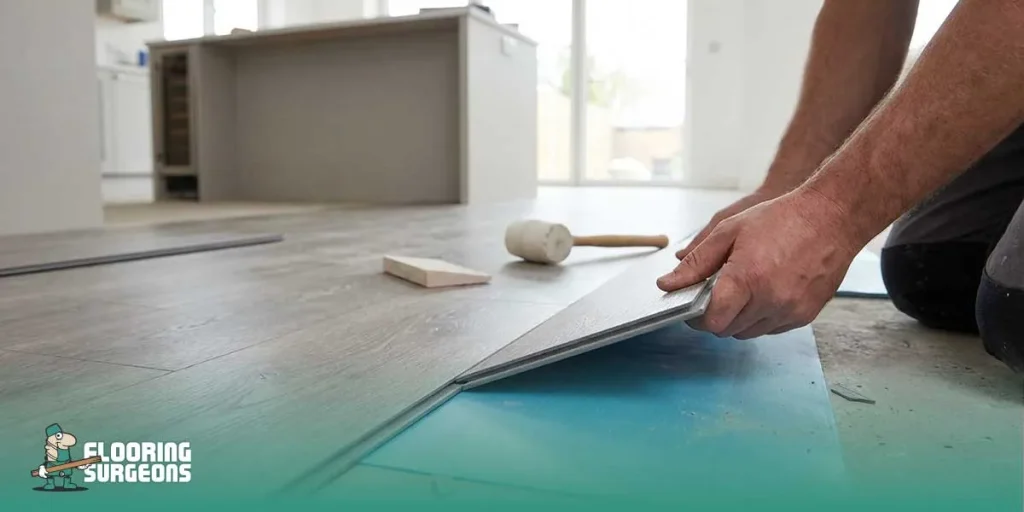
Vinyl click flooring uses a built-in locking system that allows each plank to connect without glue, nails, or adhesive. One edge of the plank has an angled profile, while the other has a matching groove. During installation, the plank is tilted into place, lowered, and clicked securely into the next board.
This creates a stable floating floor, meaning the planks sit above the subfloor rather than being fixed directly to it. The floor can expand and contract slightly with normal temperature changes, while the tight click joints help reduce gaps, movement, and lifting.
Because of this simple locking mechanism, vinyl click flooring is faster to install than many traditional flooring types and works well for busy homes that need a durable, low-maintenance surface.

Vinyl Click Flooring Construction
The performance of vinyl click flooring depends on more than just the surface design. The core, wear layer and total plank thickness all affect how stable, durable and comfortable the floor feels once installed.
Core Type: SPC vs PVC Core
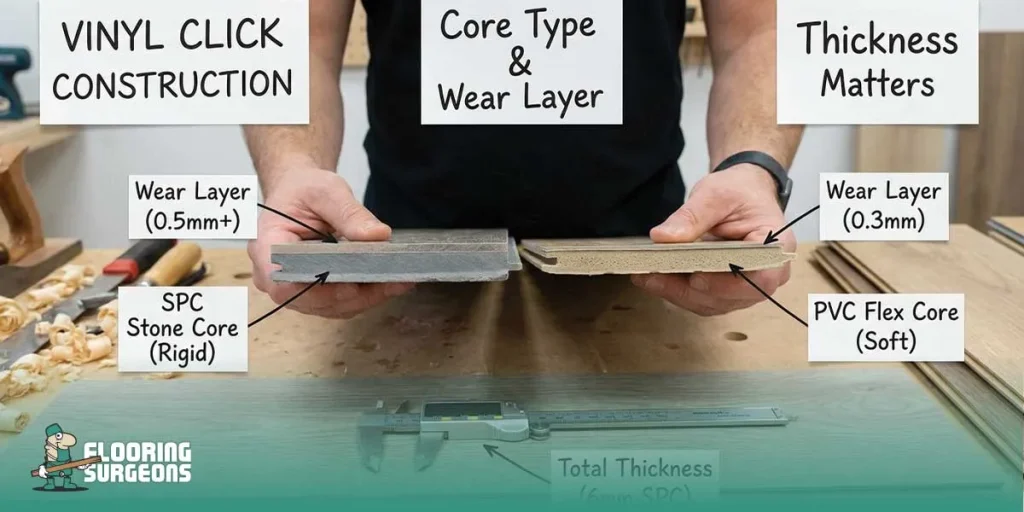
Most vinyl click floors use either an SPC core or a PVC core. SPC vinyl click flooring has a rigid stone-plastic composite core. It feels firmer underfoot, but offers excellent stability, dent resistance and water resistance. This makes it a strong choice for kitchens, hallways, utility rooms and busy family homes.
PVC-core vinyl click flooring is softer and slightly more flexible. It feels warmer and quieter underfoot, making it better suited to bedrooms, living rooms and spaces where comfort matters more than maximum rigidity.
Wear Layer: The Main Protection
The wear layer is the clear protective coating on the plank’s surface. It protects the design from scratches, stains and everyday wear. Common wear layer options include:
- 0.2 mm for light residential use
- 0.3 mm for standard home use
- 0.5 mm or more for high-traffic areas, rentals and homes with pets
A thicker wear layer does not change the floor’s appearance, but it helps the surface stay newer for longer.
Total Thickness: Comfort, Sound and Stability
Vinyl click flooring usually ranges from 4 mm to 8 mm or more. Thicker planks can feel more comfortable, reduce sound better and hide very minor subfloor imperfections more effectively. SPC floors are often thinner because the rigid core already provides strength and stability. PVC-core floors are usually thicker because the material is more flexible and needs extra depth for support and comfort.
Is Vinyl Click Flooring Waterproof?
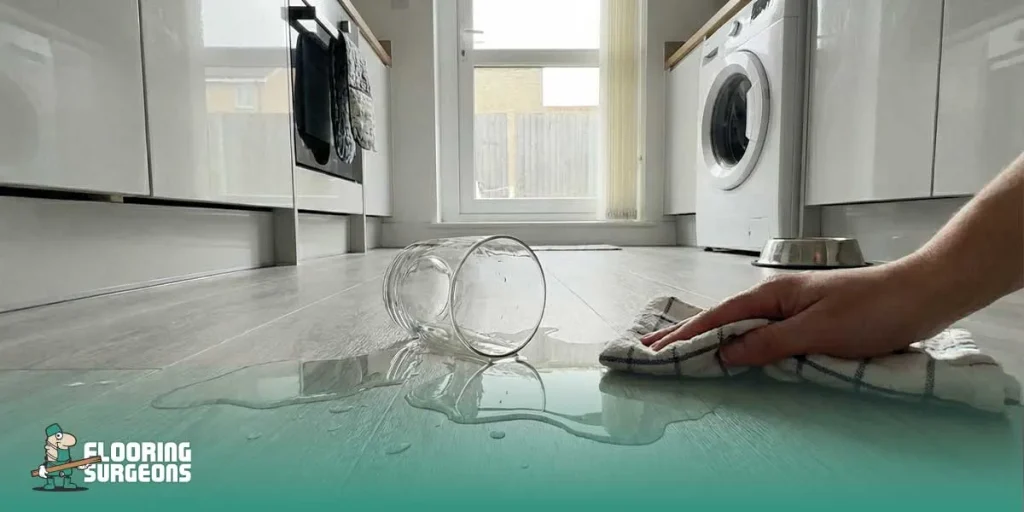
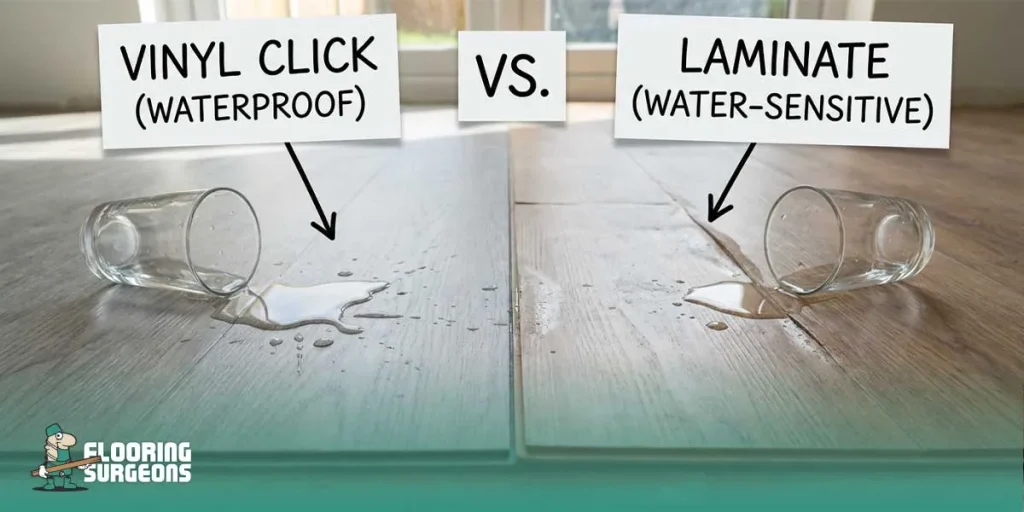
Yes, vinyl click flooring is fully waterproof, especially in SPC and rigid-core formats. Unlike laminate flooring, the planks do not absorb water, so they won’t swell, warp or stain after everyday spills. This makes waterproof vinyl click flooring a popular choice for:
- Kitchens
- Bathrooms
- Hallways
- Utility rooms
- Ground-floor flats
The waterproof performance comes from two things: the rigid core and the tight locking system. The click joints press firmly together, helping prevent water from slipping between the planks during normal daily use. In real homes, this means:
- Wet shoes and pet paws are not a problem.
- Kitchen spills can be wiped away easily.
- Regular mopping is completely safe.
- Steam and humidity will not damage the floor.
However, waterproof does not mean flood-proof. If standing water is left for many hours, moisture may eventually reach the edges, underlay or subfloor, especially if the installation was poor or the expansion gaps were not finished correctly.
SPC vs PVC Core: Which Is Better for Water Resistance?
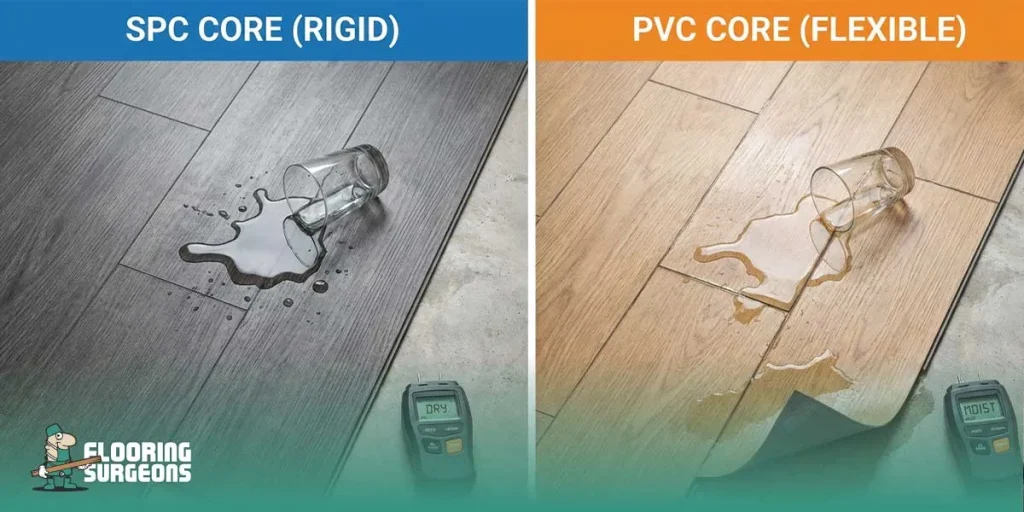
SPC vinyl click flooring usually performs better in wet areas because the rigid core creates tighter seams and less movement under pressure. PVC-core vinyl click floors are still waterproof, but the softer core can flex slightly more over time. Most moisture problems come from incorrect installation rather than the flooring itself. Water can reach underneath the planks if there are:
- Uneven subfloors
- Damaged locking joints
- Incorrect underlay
- Loose seams
- Poor expansion gaps around the room
When installed properly, vinyl click flooring provides reliable waterproof performance for everyday household use.
Key Benefits of Vinyl Click Flooring
Homeowners choose vinyl click flooring because it combines waterproof performance, durability and easy maintenance in one practical flooring solution. It works especially well in busy homes where comfort, low upkeep and long-term value matter more than high-maintenance materials.
1. Waterproof and Easy to Maintain
One of the biggest advantages of waterproof vinyl click flooring is its ability to handle everyday moisture without swelling or warping. Spills, wet shoes and kitchen steam are rarely a problem, making it ideal for kitchens, hallways, bathrooms and utility rooms. Cleaning is simple:
- Sweeping
- Vacuuming
- Damp mopping
No sanding, sealing or specialist maintenance is required.
2. Quick and Simple Installation
The click-lock system allows the planks to fit together without glue or nails. This speeds up installation, reduces disruption and makes vinyl click flooring a popular choice for both professionals and DIY projects. In many cases, it can also be installed over existing prepared floors.
3. Realistic Wood and Stone Designs
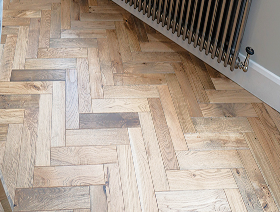
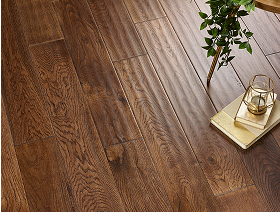
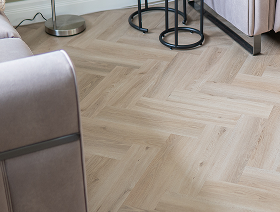
Modern luxury vinyl click flooring is designed to replicate the appearance of real wood and stone. Textured surfaces and realistic grain patterns give the floor a natural look without the maintenance issues of hardwood or tile.
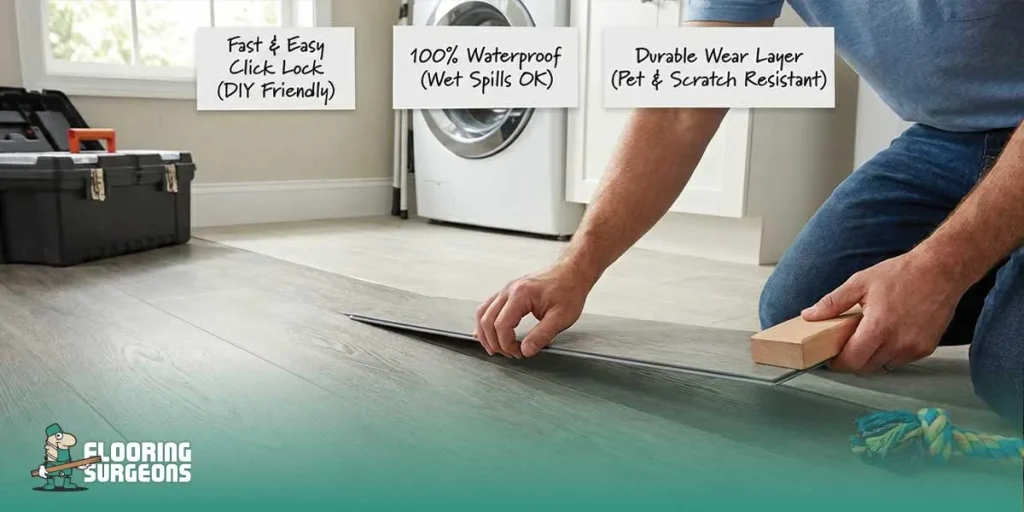
4. Comfortable and Quiet Underfoot
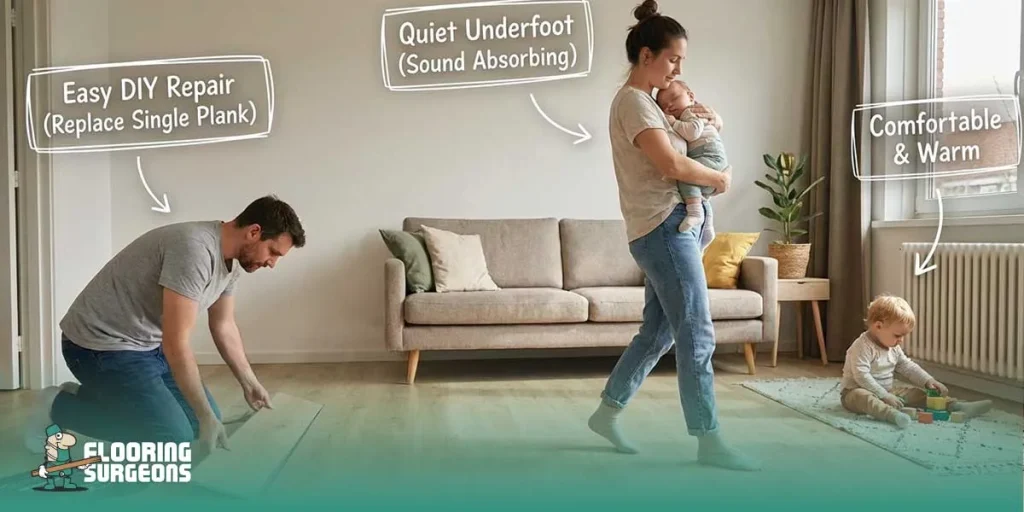
Compared with tile or laminate, vinyl click flooring feels warmer, softer and quieter underfoot. When combined with the correct underlay, it can also help reduce footstep noise in flats and upstairs rooms.
5. Durable for Busy Homes
A strong wear layer, stable locking system and rigid core construction help vinyl click flooring resist:
- Scratches
- Dents
- Daily foot traffic
- Movement between planks
This makes it a reliable choice for family homes, rental properties and homes with pets.
6. Good Long-Term Value
Vinyl click flooring offers the appearance of premium flooring materials at a lower overall cost. Installation is usually faster and more affordable than hardwood or tile, while the low-maintenance surface helps reduce long-term upkeep costs.
Best Rooms for Vinyl Click Flooring
Vinyl click flooring can be used in most areas of the home, especially where moisture, foot traffic and easy cleaning matter. Its waterproof structure, stable click system and durable wear layer make it more practical than laminate or wood in many busy spaces.
Kitchens
Vinyl click flooring is a strong choice for kitchens because it handles spills, steam, dropped food and daily foot traffic without swelling or warping. The surface is easy to clean, and the waterproof construction makes it suitable for family homes and open-plan kitchen spaces. For styles designed specifically for cooking areas, explore our Luxury Vinyl Flooring for Kitchen collection.
Bathrooms
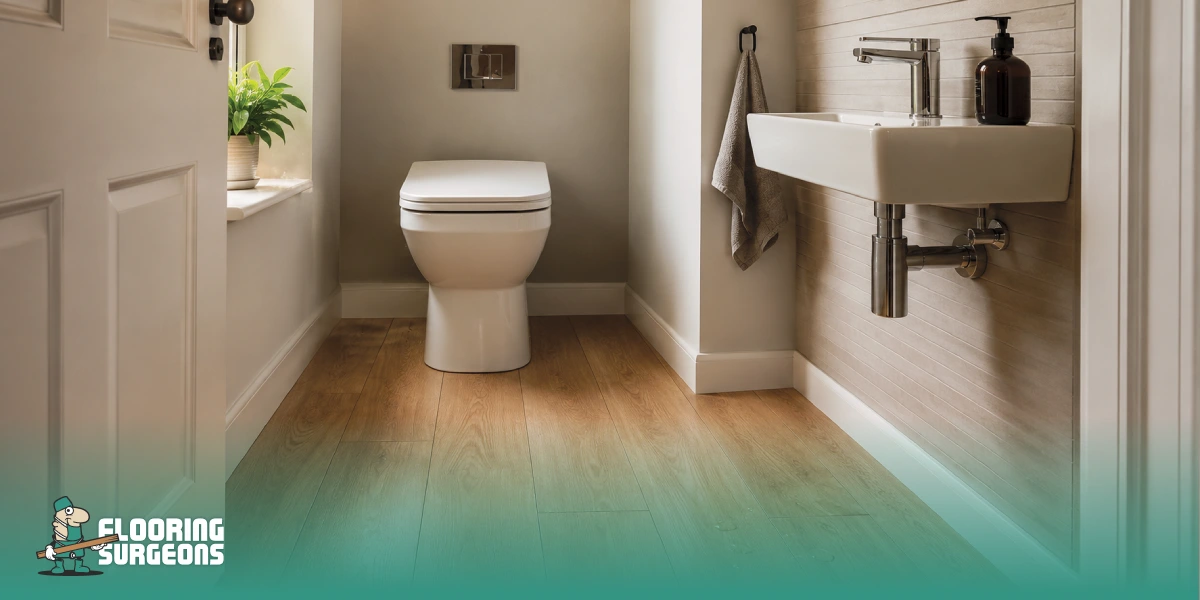
Vinyl click flooring can be used in bathrooms as long as the product is rated as fully waterproof. SPC and rigid-core vinyl click flooring usually perform best in humid spaces because they do not absorb moisture and stay stable under normal bathroom conditions. You can also compare suitable waterproof options in our luxury vinyl flooring for bathroom range. In very wet areas, such as walk-in showers or wet rooms, the edges should be properly sealed, and the manufacturer’s installation guidance followed.
Hallways and Entrances
Hallways need flooring that can withstand shoes, grit, moisture, and constant movement. Vinyl click flooring works well here because it is durable, easy to clean and resistant to everyday wear. It is also a practical option for homes with pets, children or frequent visitors.
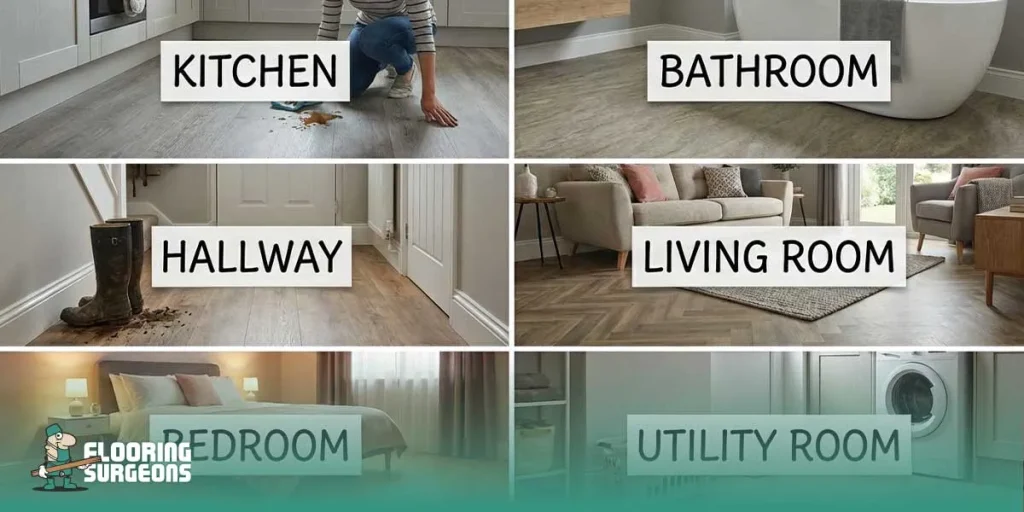
Living Rooms and Open-Plan Spaces
In living rooms, vinyl click flooring offers the look of wood or stone with less maintenance. It feels warmer than tile, is quieter than laminate, and works well across open-plan layouts where you want one continuous floor finish. For designs that suit relaxing and entertaining spaces, browse our Luxury Vinyl Flooring for Living Room collection.
Bedrooms and Flats
Vinyl click flooring is also suitable for bedrooms, flats and upstairs rooms. It feels softer and quieter underfoot than many hard flooring options, especially when installed with the correct acoustic underlay. For a warmer, quieter finish, see our luxury vinyl flooring options for bedrooms.
Utility Rooms and Laundry Areas
Utility rooms often deal with humidity, appliance leaks and temperature changes. Waterproof vinyl click flooring can handle these conditions well, provided the subfloor is dry, level and properly prepared.
Vinyl Click vs Glue-Down LVT: Which Is Better?
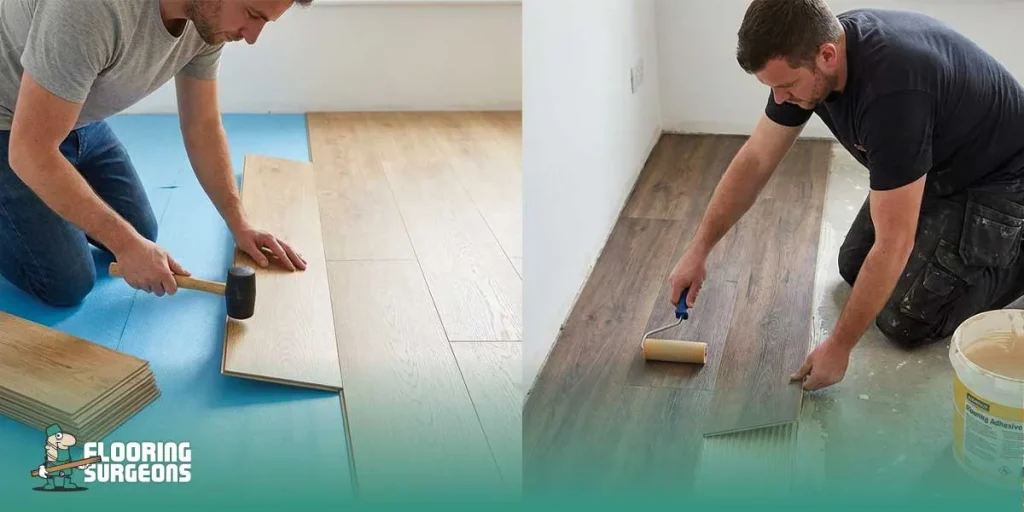
Vinyl click flooring and traditional glue-down LVT can look very similar, but they are installed and perform differently. Vinyl click flooring uses a locking system to create a floating floor, while glue-down LVT is fixed directly to the subfloor with adhesive. Vinyl click is usually the better choice when you want a faster, cleaner and more DIY-friendly installation. Its rigid core helps the planks stay stable, making it a practical option for busy homes, kitchens, hallways and rooms where water resistance matters.
Glue-down LVT is better suited to areas where a very flat, seamless and permanent finish is needed. Because it is bonded to the subfloor, it works well in commercial spaces, sunrooms, and rooms with heavier use or greater temperature fluctuations. In most UK homes, vinyl click flooring is the more convenient option because it is easier to install and replace, and it performs well in everyday conditions. Glue-down LVT is better when you want maximum precision and do not mind extra subfloor preparation.
Vinyl Click vs Laminate: Cost, Durability and Water Resistance
Many homeowners compare vinyl click flooring with laminate because both are affordable and available in realistic wood-effect designs. However, they perform very differently in everyday use. The biggest difference is water resistance. Laminate has a wood-based core, so it can swell or lift when exposed to moisture. Vinyl click flooring is waterproof, making it a better choice for kitchens, bathrooms, utility rooms and homes with pets.
Laminate can still offer strong scratch resistance, especially with a good AC rating. But vinyl click usually performs better against moisture, dents, dropped items and daily wear. It also feels softer and quieter underfoot, especially when installed with the correct underlay. Laminate is often cheaper upfront, but vinyl click flooring usually provides better long-term value because it needs less maintenance and is less likely to suffer water damage. For most busy UK homes, vinyl click is the more practical and reliable option.
How to Install Vinyl Click Flooring Step by Step
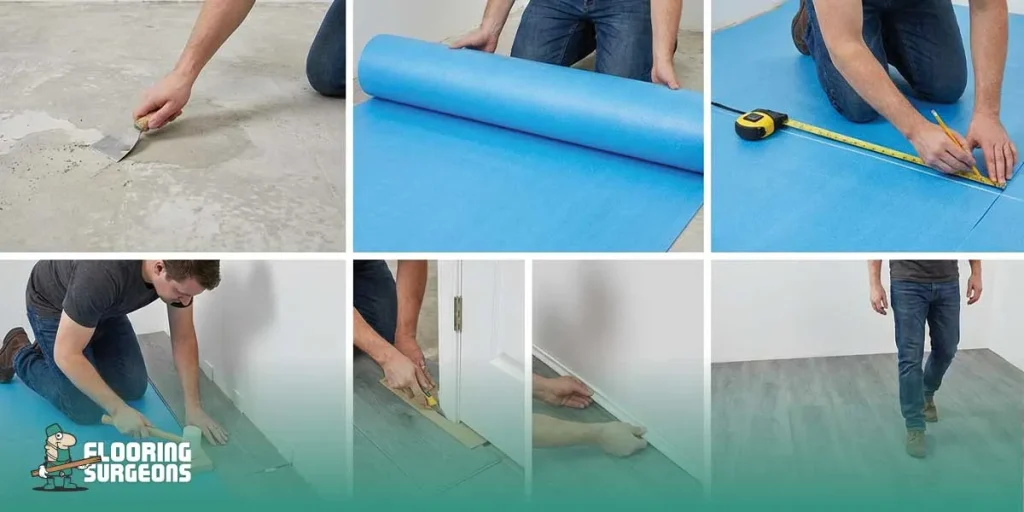
Installing vinyl click flooring is usually faster and cleaner than many other flooring types because the planks lock together without glue or nails. However, the final result depends heavily on proper subfloor preparation and the use of the right underlay.
1. Prepare the Subfloor
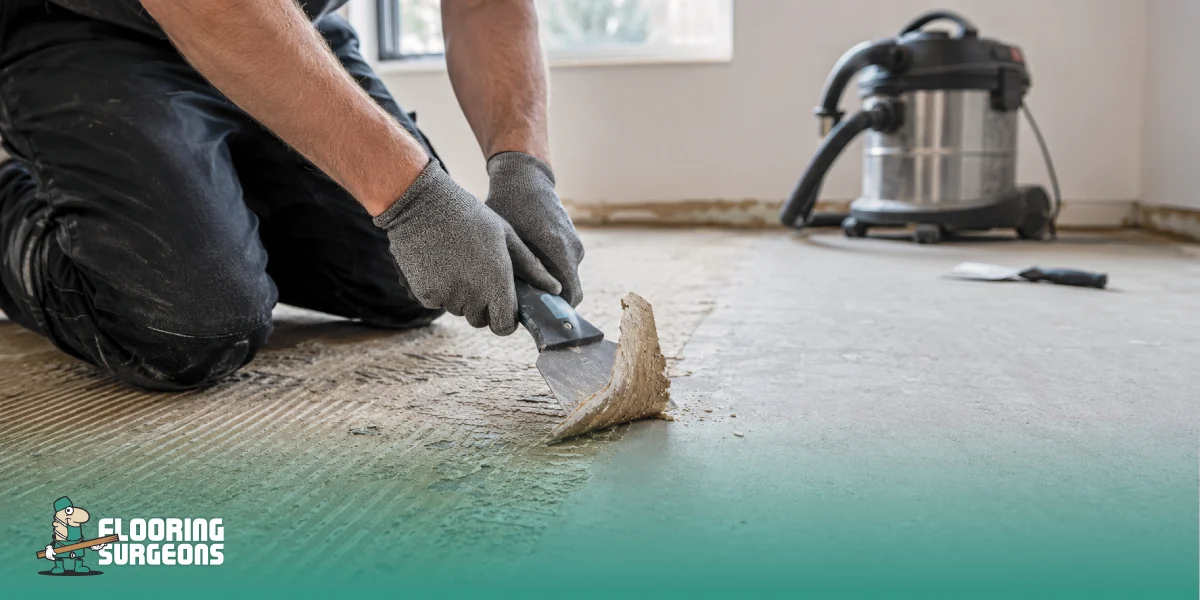
Start by clearing the room and checking that the subfloor is clean, dry, firm and level. Remove dust, old adhesive and loose debris. Any noticeable dips, bumps or moisture issues should be fixed before installation, as uneven areas can weaken the click joints over time.
2. Use the Right Underlay
If your vinyl click flooring needs underlay, choose a thin, high-density underlay designed for rigid-core or SPC flooring. Avoid thick or soft underlays, as they can cause excessive movement and damage the locking system.
3. Plan the Layout
Measure the room before laying the first row. Start along the longest, straightest wall and avoid ending with very narrow plank cuts on the opposite side. A planned layout gives the floor a cleaner, more balanced finish.
4. Click the Planks Together
Use spacers around the edges to leave the correct expansion gap. Angle each plank into the previous row, lower it gently and press until it clicks into place. Stagger the end joints between rows for a stronger and more natural-looking floor.
5. Cut Around Edges and Obstacles
For door frames, pipes and corners, mark each cut carefully and use a utility knife or fine-tooth saw. Clean cuts help the finished floor look more professional and reduce gaps around tricky areas.
6. Finish with Skirting or Beading
Once the floor is installed, remove the spacers and cover the expansion gaps with skirting boards or scotia beading. This gives the room a neat finish while still allowing the floating floor to move naturally.
7. Check the Finished Floor
Walk across the floor and check for lifted joints, hollow sounds or loose sections. If a plank has not locked properly, lift and refit that area instead of forcing it down. A properly installed vinyl click floor should feel stable, flat and secure underfoot.
Before starting your project, many homeowners compare fitting methods across floor types, and guides on installing laminate flooring help them understand why click systems feel much simpler in practice.
Do You Need an Underlay for Vinyl Click Flooring?
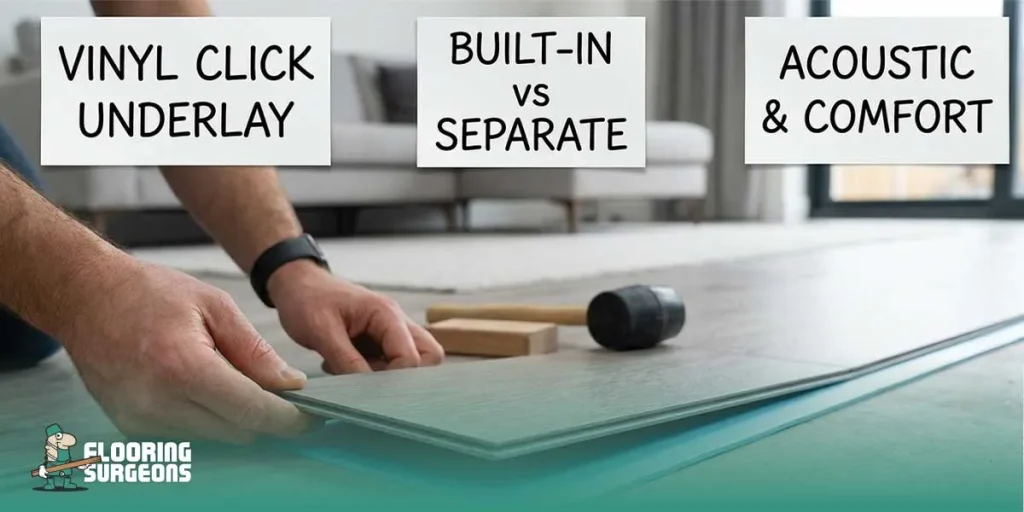
Whether you need an underlay for vinyl click flooring depends on the product type, the subfloor condition and whether the plank already has built-in backing. Many rigid-core vinyl click floors come with an attached backing layer. If your flooring already includes this, you usually do not need an extra underlay unless the manufacturer specifically allows it. Adding a thick or soft underlay can create excessive movement, which may damage the click joints and cause gaps, lifted edges, or a clicking sound underfoot.
If your vinyl click flooring does not have an attached underlay, a thin, high-density vinyl-safe underlay can improve comfort, reduce sound, and smooth out very minor subfloor imperfections. This is especially useful in flats, bedrooms and upstairs rooms where acoustic performance matters. The subfloor still needs to be clean, dry, firm and level. Underlay will not fix major dips, bumps or moisture problems. For kitchens, bathrooms, and other high-traffic rooms, always follow the manufacturer’s guidance, as the wrong underlay can reduce stability and affect waterproofing performance.
Vinyl Click Flooring Maintenance and Cleaning
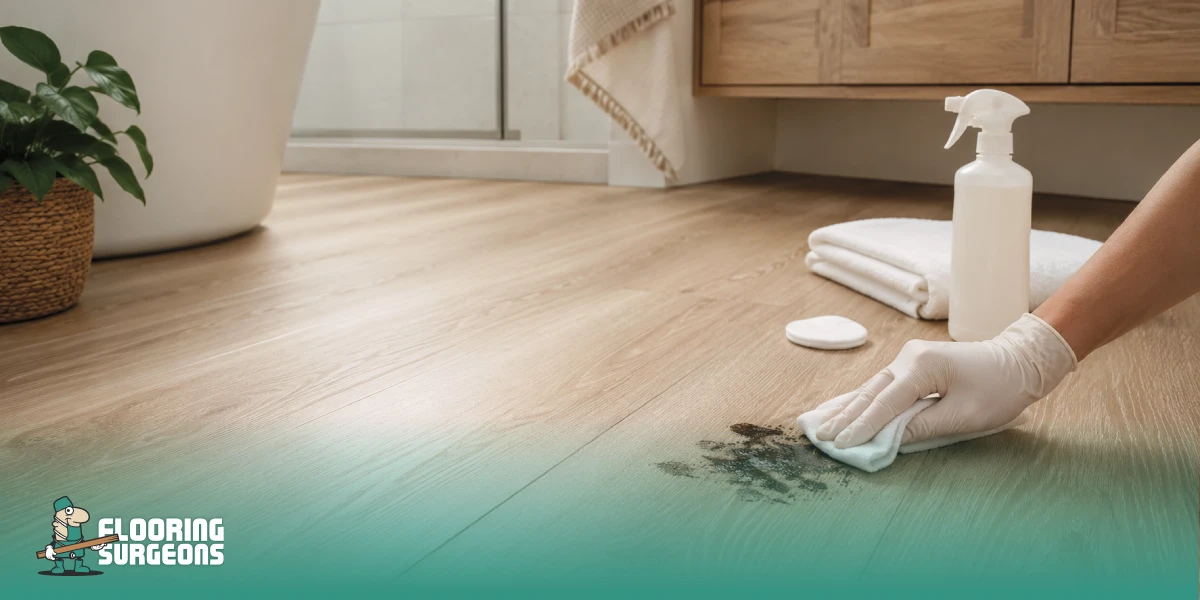
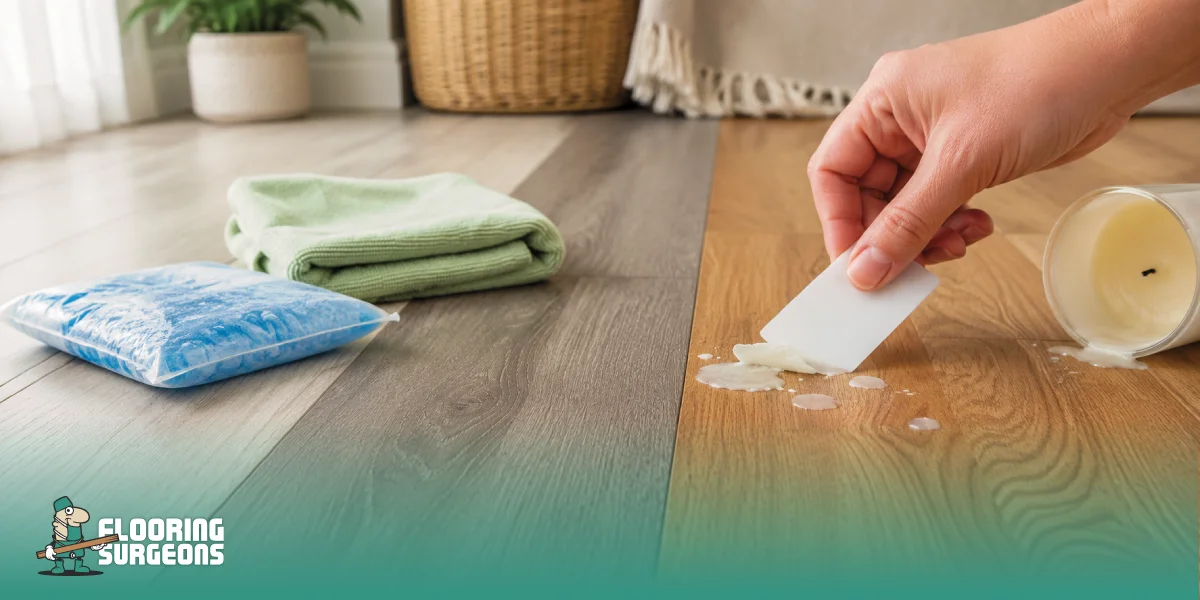
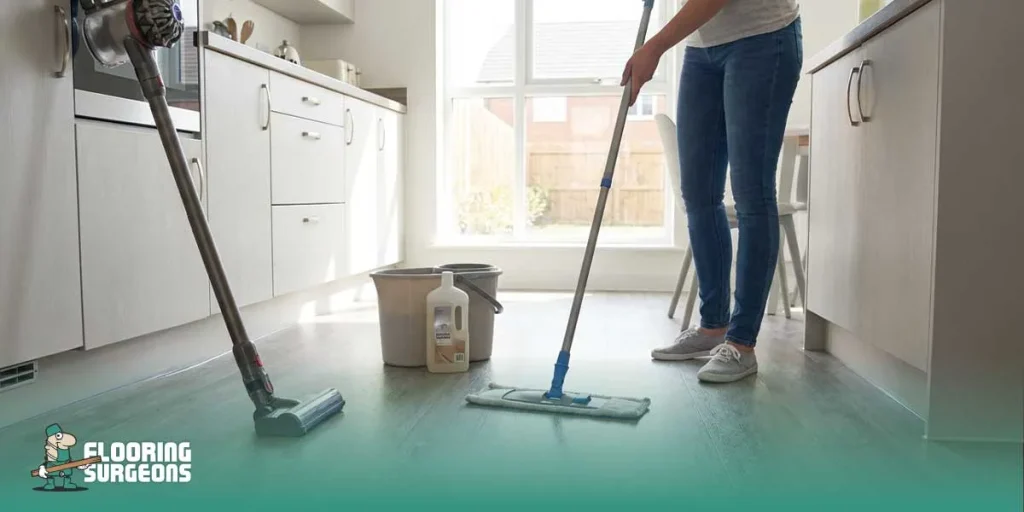
Maintaining vinyl click flooring is simple because the surface is designed to resist everyday scratches, stains and spills. For daily cleaning, use a soft brush, a vacuum without a beater bar, or a damp microfibre mop. For deeper cleaning, choose a pH-neutral vinyl floor cleaner and avoid harsh chemicals, steam cleaners, abrasive pads or excessive water. These can dull the wear layer or affect the joints over time. To keep the floor looking newer for longer:
- Wipe spills quickly, especially near joints and edges.
- Use furniture pads under chairs and tables.
- Sweep regularly to remove grit and dirt.
- Avoid dragging heavy furniture across the floor.
With basic care, vinyl click flooring stays clean, stable and attractive with very little maintenance.
How Much Does Vinyl Click Flooring Cost?
The cost of vinyl click flooring depends on the core type, wear layer thickness, plank quality, brand and whether the underlay is already attached. SPC and rigid-core vinyl click floors usually cost more than basic PVC options, but they often provide better stability, water resistance and long-term durability.
Installation is usually more affordable than glue-down LVT or tile because the click system is faster to fit. However, subfloor preparation can increase the total cost if the surface needs levelling, moisture treatment or repairs.
Here’s a simple breakdown to give homeowners a clear idea of what contributes to the final price:
| Cost Component | What It Includes | Notes |
| Material Price | Planks, wear layer, built-in underlay (if any) | SPC cores cost more but last longer |
| Installation Cost | Labour, trimming, transitions, door cuts | Lower than glue-down LVT or laminate |
| Subfloor Prep | Levelling compounds, moisture checks, repairs | Needed only if the surface is uneven |
| Long-Term Value | Durability, water resistance, and maintenance savings | Fewer repairs and replacements over time |
Vinyl click flooring is often a strong long-term investment because it resists moisture, cleans easily and performs well in busy homes. Even when the upfront price is higher than that of laminate, the lower maintenance and better water resistance can make it a better value over time.
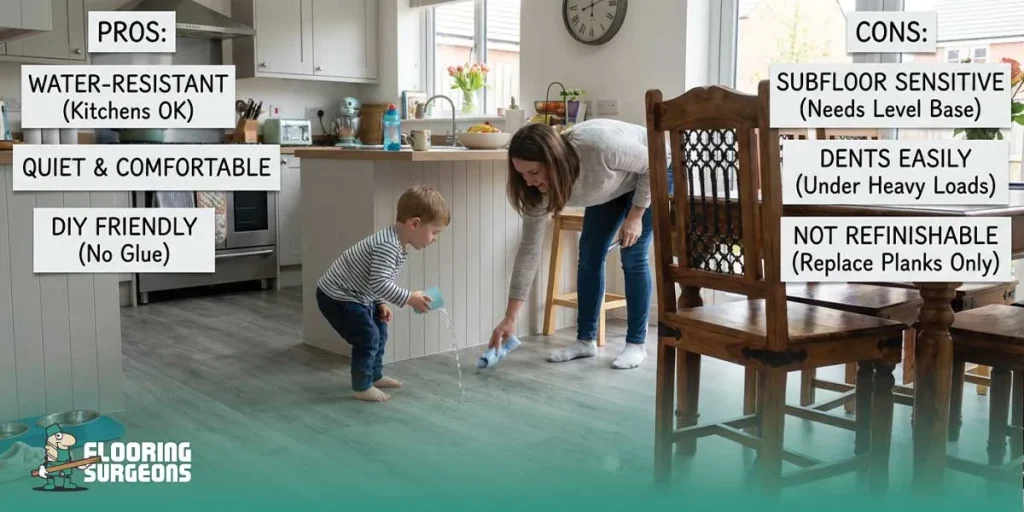
Vinyl Click Flooring Pros and Cons
Vinyl click flooring is a practical choice for modern homes, but it is still important to understand both its strengths and limitations before choosing it.
Pros:
- Waterproof and suitable for kitchens, bathrooms, hallways and utility rooms.
- Quick to install with a click-lock system and no glue or nails.
- Comfortable and quieter underfoot than laminate or tile.
- Realistic wood and stone-effect designs.
- Easy to clean with simple sweeping and damp mopping.
- Individual planks can be replaced if damaged.
- Good long-term value for busy homes and rental properties.
Cons:
- Needs a clean, dry and level subfloor for best results.
- Cheap or low-quality cores may dent under heavy furniture.
- Not suitable for full flooding or poorly sealed wet rooms.
- Cannot be sanded or refinished like real wood.
- The wrong underlay can damage the locking system over time.
Overall, vinyl click flooring is a reliable option for busy households, rental properties and moisture-prone rooms. At Flooring Surgeons, we recommend choosing the right SPC or rigid-core specification based on the room conditions, foot traffic and moisture exposure to get the best long-term performance from your flooring.

Haniye Ayanmanesh
As an expert writer for Flooring Surgeons, I combine technical SEO knowledge with a practical understanding of flooring, producing content that helps users make confident decisions while supporting long-term organic growth.