Moving furniture can be a thrilling process, but it also presents several risks to your floors. Whether you’re shifting heavy appliances or simply rearranging furniture, protecting floors when moving is a crucial step to prevent damage, scratches, and costly repairs. Wood and hardwood floors are particularly vulnerable to dents and scuffs caused by furniture movement, making it essential to take precautions. One important aspect of moving furniture is understanding how to protect furniture while moving. Properly securing your furniture and using the right tools can help avoid any damage to both your floors and your furniture. At Flooring Surgeons, we provide expert tips on how to protect wood floors when moving furniture, ensuring your space stays beautiful and damage-free.
Table of contents
Why Should You Protect Your Floors When Moving Furniture?
When you move heavy furniture or appliances, the risk of scratching or denting your floor increases significantly. This is especially true for hardwood floors, which can easily be damaged without proper protection. Additionally, dragging or dropping furniture can leave unsightly marks, lowering the aesthetic and value of your home. To avoid these issues, it’s important to know how to prevent furniture from moving on hardwood floors. By using protective materials like furniture pads and sliders, you can safeguard your floors from damage. The last thing you want is to repair or refinish your floors after a stressful moving day. Here’s how to protect your floors when moving and ensure they stay in top condition throughout the process.
If you’re planning a flooring upgrade after your move, explore the cost of solid wood flooring to make an informed decision before starting.

Key Steps to Protect Floors When Moving Furniture
Protecting your floors during a move is essential to avoid costly damage. Here are some key steps to ensure your floors remain intact:
Use Floor Protection Products
One of the simplest and most effective ways to protect your floors when moving furniture is by using specialized floor protection products. Consider using:
- Furniture Pads and Glides: Attach furniture pads made from felt or rubber to the bottom of furniture legs. This will create a soft barrier between your furniture and the floor, preventing scratches and scuff marks. This is a key step in how to protect furniture while moving, as it ensures that no damage is done to your hardwood or wood floors.
- Floor Runners: For high-traffic areas or hallways, using floor runners made from durable materials like cardboard or plastic can shield your floor from damage. They are particularly useful in areas where furniture will be moved frequently. This also helps how to protect hardwood floors when moving large or heavy furniture, especially in spaces where movement is frequent.
Move Furniture Carefully
The way you move furniture is crucial in protecting your floors, especially when it comes to how to protect wood floors when moving. Always lift the furniture instead of dragging it across the floor to avoid scratches or dents. If lifting is not possible, use a dolly or furniture sliders designed for this purpose. Avoid pushing heavy items directly on the floor, as this can cause permanent damage to your wood or hardwood floors. By moving furniture with care, you can significantly reduce the risk of floor damage.
And if you’re also dealing with existing floor blemishes, learning how to remove water stains from wood can help restore your flooring’s appearance before or after the move.
Secure Rugs and Carpets
If you’re working in an area with rugs, ensure they are secured properly. Unsecured rugs can slip and cause you to trip or can be moved during the furniture placement, causing unnecessary wear and tear on the floor beneath. Use carpet tape to secure them, or better yet, remove them before moving furniture to prevent damage. This is crucial for how to protect wood floors from heavy furniture, as it helps prevent rugs from shifting and causing harm to the wood underneath.
Protect Appliances During the Move
Heavy appliances, such as refrigerators, washers, and dryers, can be especially damaging to wood floors. To answer the question, how do I protect my floor when moving appliances, consider using plywood sheets as a protective base. This will absorb the impact of any dropped or shifted items. Additionally, placing protective films or heavy-duty pads underneath the appliances will help minimize scratches or dents. These steps are essential in protecting floors when moving, ensuring that your wood floors remain intact despite the movement of large, heavy appliances.

Don’t Forget the Chair Legs!
Chairs, particularly those with hard legs, can leave deep marks on your floors if not properly protected. To ensure your floors are safe, make sure to attach felt pads to the legs of wooden chairs or any furniture with hard legs. For rolling chairs, consider placing a plastic mat underneath to prevent the casters from damaging the surface. These precautions are essential for how to protect hardwood floors when moving furniture, helping to preserve your floors from scratches and dents caused by chair movement.
How to Protect Hardwood Floors When Moving Furniture
Hardwood floors are particularly prone to scratches and dents, so extra care is required when moving furniture. How to protect hardwood floors when moving furniture? As a rule, always use soft materials like felt pads for furniture legs and avoid dragging anything heavy. Additionally, use flooring surgeons for advice or to get professional help if you’re unsure about the best way to safeguard your floors.
Handling the Heavy Stuff: Moving Appliances and Refrigerators
If you’re dealing with heavy appliances like refrigerators, the best practice is to use a combination of techniques. Start by lifting appliances with help, then place protective materials like cardboard or plywood underneath. How to protect floors when moving appliances? Ensure the protective material is large enough to cover the full footprint of the appliance to avoid damage to the floors.
Additional Tips to Protect Floors When Moving
- Use Dollies and Furniture Sliders: A dolly with rubber wheels is a must-have for heavy furniture. Make sure the dolly wheels are clean to avoid dirt from scratching the floor.
- Cover High-Impact Areas: High-traffic areas, like doorways or hallways, should be covered with more durable protection, such as Parquet Solid Wood Flooring or protective cardboard, to avoid scuffs or pressure marks.
- Wear Protective Footwear: Ensure that everyone involved in the move wears clean socks or protective booties. This will help prevent dirt from being tracked onto the floor, which can cause scratches or stains.
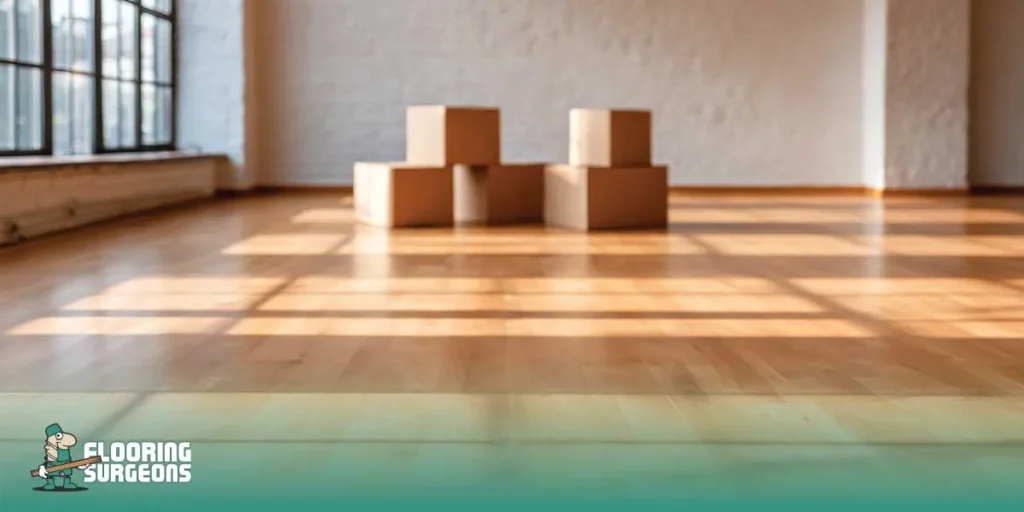
Table: Simple Floor Protection Checklist for Moving Furniture
| Step | Description | Recommended Tools / Actions | Related Keywords |
| 1. Use Floor Protection Products | Using specialized protection products to prevent scratches and damage during the move. | Furniture pads, rubber/felt glides, floor runners | protecting floors when moving / how to protect furniture while moving |
| 1.1 Furniture Pads & Glides | Creating a soft barrier between furniture legs and the floor to prevent scuffing and scratching. | Felt pads, rubber pads | how to protect furniture while moving |
| 1.2 Floor Runners | Protecting high-traffic areas with durable materials like cardboard or plastic runners. | Cardboard, plastic runners | how to protect hardwood floors when moving |
| 2. Move Furniture Carefully | Lifting furniture instead of dragging to avoid scratches and dents. | Dollies, furniture sliders | how to protect wood floors when moving |
| 3. Secure Rugs and Carpets | Preventing rugs from slipping or causing friction damage on wood floors. | Carpet tape, removing rugs before moving | how to protect wood floors from heavy furniture |
| 4. Protect Appliances During the Move | Preventing heavy appliances from causing dents or scratches. | Plywood sheets, protective films, heavy-duty pads | how do I protect my floor when moving appliances / protecting floors when moving |
| 5. Don’t Forget the Chair Legs | Preventing chair legs from scratching or denting your wood floors. | Felt pads, plastic mats for rolling chairs | how to protect hardwood floors when moving furniture |
| 6. How to Protect Hardwood Floors When Moving Furniture | Extra care required due to the sensitivity of hardwood flooring. | Felt pads, avoid dragging, professional advice (Flooring Surgeons) | how to protect hardwood floors when moving furniture |
| 7. Handling Heavy Items (Appliances & Refrigerators) | Using proper support materials to avoid point-pressure damage. | Plywood, large protective sheets | how to protect floors when moving appliances |
| Additional Tips | Extra safety measures to keep floors in perfect condition. | Dollies with rubber wheels, protective coverings, clean footwear | protecting floors when moving |
Conclusion
Protecting your floors during a move is not only about preserving the beauty of your hardwood or wood floors, but also preventing costly repairs. By taking the right steps—such as using furniture pads, lifting furniture, securing rugs, and using dolly carts for heavy appliances—you can ensure your floors stay in top condition. Whether you’re focused on protecting floors when moving or learning how to protect furniture while moving, these preventive measures make the moving process safer and easier. Flooring Surgeons is here to guide you in protecting your floors and choosing the best flooring options for your home.

Mina Asgari
I’m an SEO Specialist and Content Strategist focused on sustainable business growth. I design data-driven content strategies by deeply analyzing user intent, search behavior, and SEO best practices, ensuring every piece of content serves a clear purpose for both users and search engines.