When your home feels colder than expected, your heating system may not be entirely to blame. A common culprit of inadequate home heating is flooring that blocks heat before it reaches the rest of the room. Flooring type, thickness, underlay and even thick rugs can all affect flooring heat transfer without you realising it.
This can be particularly troublesome if you have underfloor heating. Choosing the wrong flooring can hinder heat movement, cause rooms to take longer to heat up and strain your heating system. In this blog, we’ll detail how to recognise the signs, which materials are the worst offenders and how to pick flooring that allows heat to travel freely through your home.
Table of contents
Why Flooring Blocking Heat Is More Common Than You Think
Flooring selections are usually based on style, durability and cost. Many times, people overlook how flooring affects warmth. All floor coverings sit right above the heat source and the room. It can either facilitate or inhibit heat flow.
Flooring materials themselves are not always the problem. Sometimes a floor begins to retain heat because it’s too thick for the wrong underlay, was installed improperly or has heavy rugs on top of it. This could cause your room to feel cold even when the heat is running.
This is especially relevant in homes with underfloor heating systems. The heat must travel through the flooring before it can heat the room. So if your flooring surface has high thermal resistance, it could take longer and use more energy to heat your home to a comfortable temperature.

How Flooring Heat Transfer Actually Works
Essentially, flooring heat transfer is the mechanism by which heat journeys from its origin, navigates the floor materials, and reaches the room. Proper heat transfer allows the floor to heat uniformly and the space to maintain comfort without overtaxing the system.
Some factors influencing this include floor covering, product thickness, underlay, subfloor condition, and installation type. Generally speaking, the thinner and more stable the floor covering is, the easier it is for heat to transfer through it, compared to a thick floor with a dense or incompatible underlay.
Before you blame your heating system for a cold room, even when the heating is on, you might also want to know how to reduce heat loss through the floor.
Best Flooring for Underfloor Heating
Ideal flooring for underfloor heating is often a material that allows heat to transfer easily without twisting, buckling, or resisting heat transfer below the surface. That’s why thickness, stability and thermal response are important factors along with aesthetics.
Tile and stone tend to be good heat conductors; however, they are not the only choices. Many vinyl, laminate, and engineered wood products will also perform well if specifically approved for underfloor heating and installed with the correct underlay/adhesive system. For a deeper comparison of suitable materials, you can also read our guide on which type of flooring is best for underfloor heating.
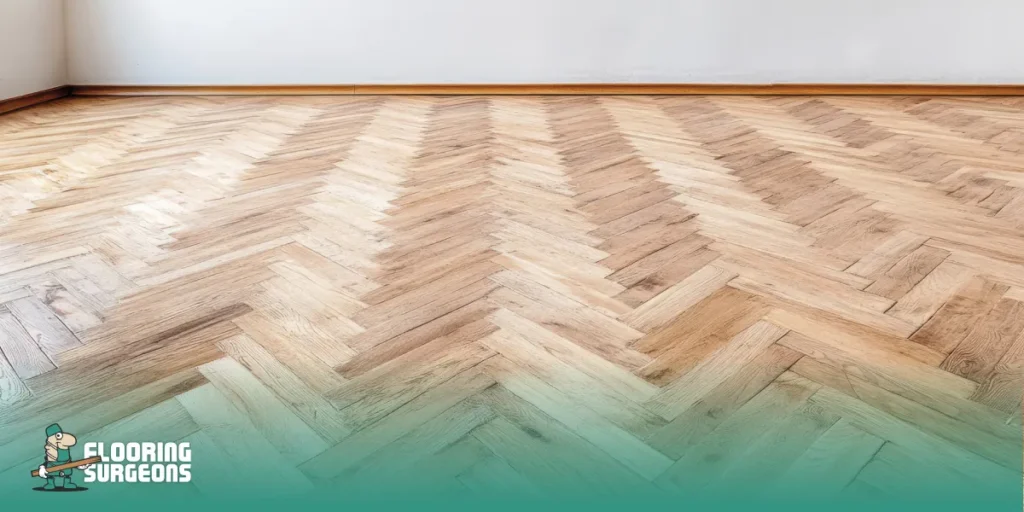
Flooring Types and Heat Transfer Compared
All flooring materials conduct heat at different rates. Some allow heat to travel rapidly through them. Others can actually impede heat transfer and rob your heating system of efficiency.
| Flooring Type | Heat Transfer | Blocking Risk | Best Use Case |
| Tile / Stone | Very High | Low | Bathrooms, kitchens, UFH systems |
| Luxury Vinyl | Good | Low | Kitchens, bathrooms, busy living areas |
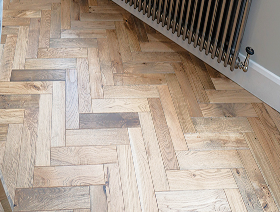
| Engineered Wood | Good | Medium | Living rooms, bedrooms, hallways |
| Laminate | Moderate | Medium | Budget-friendly heated rooms |
| Solid Wood | Variable | Medium to High | Carefully controlled spaces |
| Carpet / Thick Rugs | Low | High | Rooms without strong heat-transfer needs |
Tile or Stone Flooring
Tile and stone usually offer the strongest heat transfer because they are dense, stable and conduct warmth well. They can retain heat effectively and evenly distribute it throughout the room, making them one of the safest choices for underfloor heating systems.
Luxury Vinyl Flooring
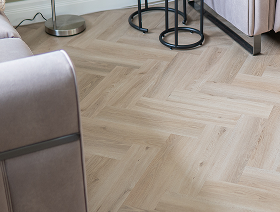
Luxury vinyl can also perform well because it is typically much thinner than most wood floors and does not commonly serve as a thick insulating layer. Rooms where residential functional heat flow is important should consider luxury vinyl flooring, as most products offer dimensional stability and are easy to care for, making them ideal for high-traffic areas.
Engineered Wood Flooring
Engineered wood products are often suitable when a natural wood appearance is desired, but movement from solid wood cannot be accommodated. Their cross-layered structure provides increased dimensional stability. However, actual product thickness and suitability for use with underfloor heating systems should always be confirmed prior to installation.

Laminate Flooring
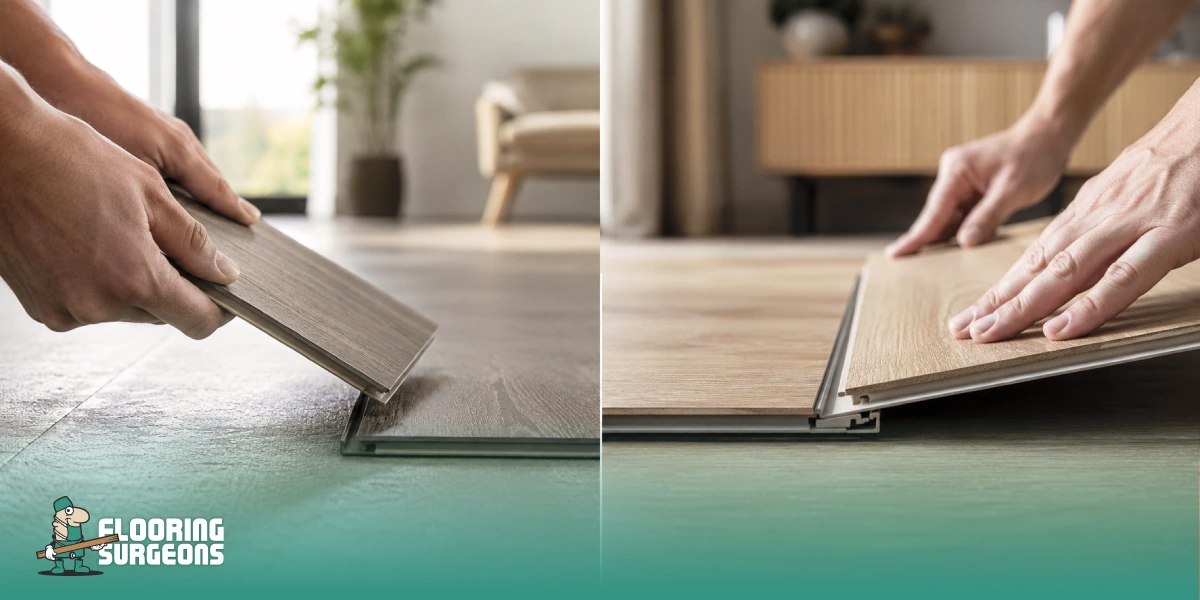
Laminate flooring can be used over underfloor heating provided that both the laminate product is compatible and the underlay isn’t too thick. Because laminate flooring is often laid as a floating floor, an incorrect underlay choice can reduce heat transfer efficiency and cause the room to heat up more slowly.
Solid Wood Flooring
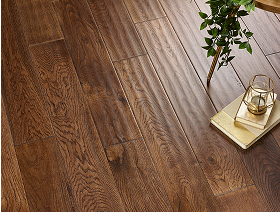
Solid wood flooring reacts more drastically to changes in temperature and moisture, so extra care must be taken when installing it over heated floors. Unless your heating system is set to very specific temperatures, solid hardwood can expand, contract, or gap, and is not as versatile as engineered wood in most heated spaces.
Carpet or Thick Rugs
Carpet and heavy rugs pose the greatest risk of trapping heat. Carpeting’s job is to insulate, so the thicker and denser it is, the more difficult it is for heat to transfer from the floor to the room.
Underfloor Heating Flooring: Check Before Buy
Choosing underfloor heating flooring is not just about picking a material that looks good. The floor covering must also be porous enough to allow heat transfer and stable during temperature fluctuations.
Check whether the product is suitable for use with underfloor heating before purchase. Check the manufacturer’s maximum temperature limitations. Product thickness, tog rating and recommended underlay/adhesive should also be considered.
Some laminate flooring types are compatible with underfloor heating. However, it is important to check the thickness, underlay and the manufacturer’s temperature limitations before fitting. A compatible floor and correct installation method can affect how rapidly a room heats up.
Thermal Blocking Flooring: Common Mistakes That Trap Heat
Thermal-blocking floors are not always the result of choosing the wrong floor covering. Often it’s a result of the entire floor assembly: the floor covering, underlay, subfloor, and anything that will go on top of the floor.
A mistake sometimes made is installing a thick/high tog underlay under your floor. When this is the case, even if your floor would otherwise be ideal for heating. Large area rugs can also retain heat beneath them on the floor surface.
Overlooking product recommendations is another concern. If your floor isn’t approved for underfloor heating or if your system exceeds recommended temperatures, heat transfer will be ineffective, and your floor could be damaged over time.
Is Engineered Wood Good for Flooring Heat Transfer?
Engineered wood can also work well as a flooring heat transfer when it’s specifically engineered for underfloor heating installations. Since engineered wood isn’t solid wood, it’s made up of layers and is generally less susceptible to expansion and contraction with changes in temperature and moisture.
That being said, not all engineered wood floors are created equal. Thickness, board construction, finish type, and installation method all affect how readily heat can transfer through the flooring. Engineered flooring can be a great option if you’re looking for a more natural feel without the expansion and contraction risk of solid wood in heated rooms.

How to Tell If Your Current Flooring Is Blocking Heat
You don’t always need special tools to detect when your floor is restricting heat flow. There are plenty of clues that are obvious if you know what to look for. Heat may be being blocked by your floor if:
- The room takes ages to heat up compared to the rest of the house.
- Some parts of the floor are warm; others remain cold.
- You continually turn up the thermostat, but it still feels uncomfortable.
- Your energy bills keep rising for no apparent reason.
- Heavy rugs or carpets are warm to the touch, but the room is not.
- The flooring/underlay is incompatible with underfloor heating.
If you notice several of these symptoms occurring simultaneously, your floor may not be the culprit. Carpeting, underlay or rugs can affect how much heat transfers into the room.
Final Thoughts: Your Floor May Be the Hidden Problem
Your flooring could be making your room cold when the heating’s on. Thick carpets, inappropriate underlay or overly heavy rugs will all hamper heat transfer and cause your boiler to work overtime.
Before investing in a new heating system, check whether your existing flooring is compatible with it. At Flooring Surgeons, you can explore flooring options that balance style, durability and better heat performance for everyday living.

Ana.Soltanpoor
I’m an SEO Specialist with a strong background in content management and organic search. I build data-driven content strategies by aligning user intent, search behavior, and SEO best practices to ensure every piece of content delivers clarity, relevance, and measurable organic performance.