Sometimes a room can appear to be at a comfortable temperature reading on your thermostat, but the instant your feet hit the floor, you can tell it’s cold. That’s because the temperature of your floor can play a bigger role in room comfort than most homeowners know. Not only does it affect direct underfoot comfort, but it also affects how quickly heat is drawn away from your body and can even influence your overall perception of room temperature.
Simply put, comfort is more than air temperature. A room may be warmed to what is considered “normal”, but if the floor surface is cold, poorly insulated, or composed of a material with a high heat extraction rate, the entire room may feel chilly. Conversely, if the floor feels stable and warm underfoot and is well matched to the intended use of the room, you can perceive the space as warmer and more comfortable without running up the heat.
Table of contents
Why Floor Temperature Affects Room Comfort
Floor temperature is important for thermal comfort because your body doesn’t respond solely to the air temperature around you. Your body also responds to the temperatures of your skin and nearby surfaces. Because floors cover most of the surface area in most rooms and your feet are almost always touching or very close to them, floors can have a significant impact on how hot or cold a room feels.
If your feet are losing heat rapidly from cold floors, the room will feel cold. Tile, stone, and concrete feel cold because they rapidly pull heat from your feet. However, if your feet feel warm because of your floor, that same room will feel more comfortable and balanced.
This is why cranking up the heat isn’t always the answer when a room is too cold. Comfort is relative to air temperature, surface temperature, insulation, and even the material the floor is made of. If one of these factors is out of line with the room (e.g., a cold floor, poor insulation, the wrong type of flooring), it can make your space feel less comfortable.

What Is a Comfortable Floor Temperature?
Comfortable floor temperatures typically fall within the “thermoneutral zone” – not cold enough to draw heat from your body when you touch it, but also not warm enough to feel unnatural or clammy. Floor surface temperatures between 19°C and 29°C are suitable for many indoor spaces, but the “ideal” temperature varies depending on the room, flooring material, and usage.
That said, one temperature doesn’t fit all spaces. Your feet may crave something warmer and softer underfoot first thing in the morning in the bedroom. Kitchens demand hard-wearing comfort for those long periods of standing. Bathrooms can run warmer since we’re often barefoot. And in living rooms? We generally shoot for the sweet spot between comfort/wearability and everyday style.
| Room | What matters most | Flooring comfort note |
| Bedroom | Warmth underfoot | Softer or warmer-feeling floors can make the space feel cosier |
| Living room | Balanced comfort and durability | Choose flooring that feels stable and comfortable for daily use |
| Bathroom | Moisture resistance and warmth | Waterproof flooring or heated floors can improve comfort |
| Kitchen | Durability and easy cleaning | Avoid surfaces that feel too cold during long periods of standing |
Why a Room Can Feel Cold Even When the Heating Is On
One culprit that can make a room feel cold even when the heat is on is the floor. Air temperature doesn’t always equal floor surface temperature. Just because your thermostat reads a comfy temperature doesn’t mean the room won’t feel cold if your floors are poorly insulated or rest on top of a cold basement, garage, or concrete subfloor.
Cold floors occur when heat travels downwards instead of rising and staying in the room. Bedrooms, lounge rooms, and ground-floor rooms are more problematic because you spend more time sitting or barefoot in them. In these cases, improving insulation or learning how to reduce heat loss through the floor can make the room feel warmer without simply turning up the heating.

How Flooring Materials Change the Way a Room Feels
Floor coverings impact not only the appearance of a space, but also its functionality. They also alter our perception of how warm or cool, soft or hard, a floor feels. Tile, stone, and concrete floors may feel colder because they draw heat away from the feet more quickly. This sometimes makes rooms with these materials feel uncomfortable if the subfloor isn’t well insulated.
Hard floors can feel colder
Hard surfaces can be effective in kitchens, bathrooms, and other spaces with underfloor heating systems. But in bedrooms or living rooms, they can sometimes feel cold without supplemental insulation. That’s why the comfort of your floor depends on both the surface material and what’s beneath it.
Wood-based floors feel warmer in living spaces
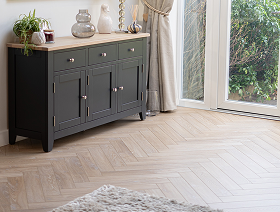
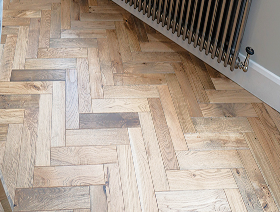
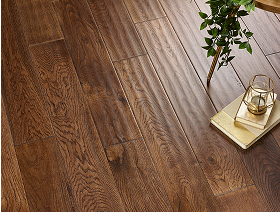
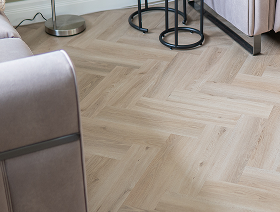
Wood floors and wood-effect floors often feel warmer and more natural underfoot compared to many other hard flooring surfaces. Living rooms are areas where people may spend hours sitting, relaxing, and walking barefoot, so engineered flooring can be a sensible choice for achieving the right balance between comfort, durability, and everyday style.

Bedrooms need better underfoot comfort
Bedrooms often require a warmer, softer feel underfoot, as we spend a lot of time barefoot there, particularly in the morning. If your feet touch a cold floor first thing, it can make the whole room feel colder. Even when the air temperature is cosy, a bedroom can still feel chilly if the floor is cold. For spaces like this, laminate flooring for bedrooms can be ideal if you choose the right underlay.
Moisture-prone rooms need comfort and water resistance.
Bathtubs, dishes, and laundry rooms all call for flooring that can withstand moisture. But who wants flooring that feels chilly or rough underfoot? Waterproof luxury vinyl offers a comfortable feel and withstands spills, cleansers, and everyday wear and tear.
Floor Temperature and Underfloor Heating
Underfloor heating may increase a room’s comfort by heating the floor surface directly rather than just the air. An even distribution of warmth throughout a room is desirable and noticeable, especially in bathrooms, kitchens and open-plan living areas, where tiles or large expanses of concrete, stone or granite can leave you feeling cold.
Nevertheless, the floor finish you choose still matters. Certain flooring materials conduct heat faster than others, and some can actually retard heat or contain excessive insulation on top of your heating system. Pay attention to thickness, underlay, subfloor condition, and manufacturer’s temperature limitations before selecting your floor.
If you plan to install heated floors, take some time to compare your best flooring options for underfloor heating. You will want your final decision to feel good underfoot, conduct heat well, and be appropriate for how the room is used daily.

Final Thoughts
Floor temperature also plays a significant role in thermal comfort. A room may be at the correct air temperature, but feel chilled due to having an under-insulated floor surface, which may not be suitable for that room or pleasant to walk on.
When selecting flooring for improved comfort, consider the floor as an integral component of the room’s overall heating and insulation system. An appropriate choice of flooring material, underlay, and a prepared subfloor can help make the room feel warmer, more comfortable, and even more balanced throughout daily use.
Your floors should be comfortable underfoot. At Flooring Surgeons, we know that whether you are carpeting your bedroom, living room, kitchen or bathroom, comfort should be your number one consideration when selecting flooring, not style alone. The best flooring for your home is the one that works best with your room’s temperature, moisture and foot traffic.

Ana.Soltanpoor
I’m an SEO Specialist with a strong background in content management and organic search. I build data-driven content strategies by aligning user intent, search behavior, and SEO best practices to ensure every piece of content delivers clarity, relevance, and measurable organic performance.